
Are Your Appliances Energy Vampires? Smart Plugs Can Help You Stop Them

Ready to reclaim your time and energy? At UltimateLifeHacks, we're dedicated to providing you with the practical tools and clever strategies to optimize your daily life. Discover how seemingly small changes can make a huge impact, starting with our latest article on smart plugs saving energy costs. Are your appliances secretly draining your budget? Find out how to identify and eliminate those energy vampires and take control of your home's energy consumption—and your finances—today!
- Understanding the Hidden Energy Drain: Phantom Load and Standby Power
- Smart Plugs: Your Weapon Against Energy Vampires
- Smart Plug Applications for Maximum Energy Savings
- Top Smart Plug Recommendations for Energy Efficiency
- Beyond Smart Plugs: Additional Strategies for Energy Savings
- Conclusion: Taking Control of Your Energy Costs with Smart Plugs
- Frequently Asked Questions
- Final Reflection: Unplugging the Energy Drain, Empowering Our Future
- Unplug the Energy Drain: Take Control of Your Power Consumption!
Many of us diligently switch off lights and unplug chargers when not in use, believing we're doing our part to conserve energy. However, a significant portion of household energy consumption remains hidden, silently draining your wallet and impacting the environment. This hidden energy drain is known as phantom load or standby power, the energy consumed by appliances even when they appear to be switched off.
This article explores the surprising impact of phantom load and how smart plugs, a key element in energy-efficient smart homes, can help you tackle this often-overlooked energy vampire. We'll delve into identifying energy-guzzling appliances, calculating your phantom load, and ultimately demonstrating the significant cost savings achievable through simple changes – changes that can add up to substantial savings on your energy bills year after year.
Using smart plugs to control standby power is a practical and effective strategy to achieve significant reductions in energy consumption and contribute to a more sustainable lifestyle. Let's discover how much you could be saving!
Identifying Energy-Guzzling Appliances in Your Home
Identifying the biggest energy culprits in your home is the first step to tackling phantom load. While many appliances contribute to standby power consumption, some are notorious energy vampires. These often include:
- TVs and other entertainment devices: Modern flat-screen TVs, DVD players, game consoles, and cable boxes often draw significant power even when "off."
- Chargers: Phone chargers, laptop chargers, and tablet chargers continue to draw a small but consistent current even when not actively charging a device. Leaving them plugged in 24/7 adds up!
- Microwave ovens: Even when not in use, many microwaves maintain a small power draw for internal clock functions.
- Coffee makers: Similar to microwaves, some coffee makers consume small amounts of energy to maintain their internal clocks or other features.
- Computer peripherals: Printers, scanners, and external hard drives can all contribute to phantom load.
Think about the appliances you leave plugged in all the time. Are they truly necessary to remain connected to the power grid even when not in use? A quick inventory of your devices and their power consumption ratings (often found on the back or in the instruction manual) will give you a good idea of where your biggest energy drains are located. This simple audit is the foundation for effective energy management.
Calculating Your Phantom Load: A Simple Guide
Calculating your phantom load might seem daunting, but it's surprisingly straightforward. You can estimate your total phantom load by adding up the standby power consumption of each appliance. This information is typically found on the appliance's energy label or in its user manual, often expressed in watts (W). For example:
| Appliance | Standby Power (W) | Hours Per Day (h) | Daily Consumption (Wh) |
|---|---|---|---|
| Television | 2 | 24 | 48 |
| Cable Box | 1 | 24 | 24 |
| Phone Charger | 0.5 | 24 | 12 |
| Laptop Charger | 1 | 24 | 24 |
| Total | 108 |
This example shows a daily phantom load of 108 Wh (watt-hours). To get the annual consumption, multiply by 365 (days in a year): 108 Wh/day * 365 days/year = 39420 Wh/year or approximately 39.42 kWh/year. You can then multiply this by your electricity price per kWh to determine the annual cost of your phantom load. Remember, this is just an estimate, and actual values will vary based on your specific appliances and usage. Using a power meter can provide a more precise measurement.
The Cost of Standby Power: Real-World Examples and Savings Potential
The cost of standby power might seem negligible for individual appliances, but these small drains quickly add up. Consider this: if your annual phantom load costs approximately $40, switching to smart plugs could easily recoup that cost within a year, and then continue to save you money annually. The savings potential is significant, particularly for households with many electronic devices.
Let's illustrate with a real-world example: A family with several energy-hungry devices might see a reduction of 50-100 kWh per year by using smart plugs. If their electricity costs $0.15 per kWh, that translates to annual savings of $7.50 to $15. This might seem modest, but it's passive savings – money saved without changing any habits! Moreover, these savings add up over time and contribute to a smaller carbon footprint.
The cumulative effect of reducing standby power across numerous devices is substantial, both financially and environmentally. The use of smart plugs is a simple yet effective step towards a more energy-efficient and cost-effective home. 💰 🌍
Smart Plugs: Your Weapon Against Energy Vampires
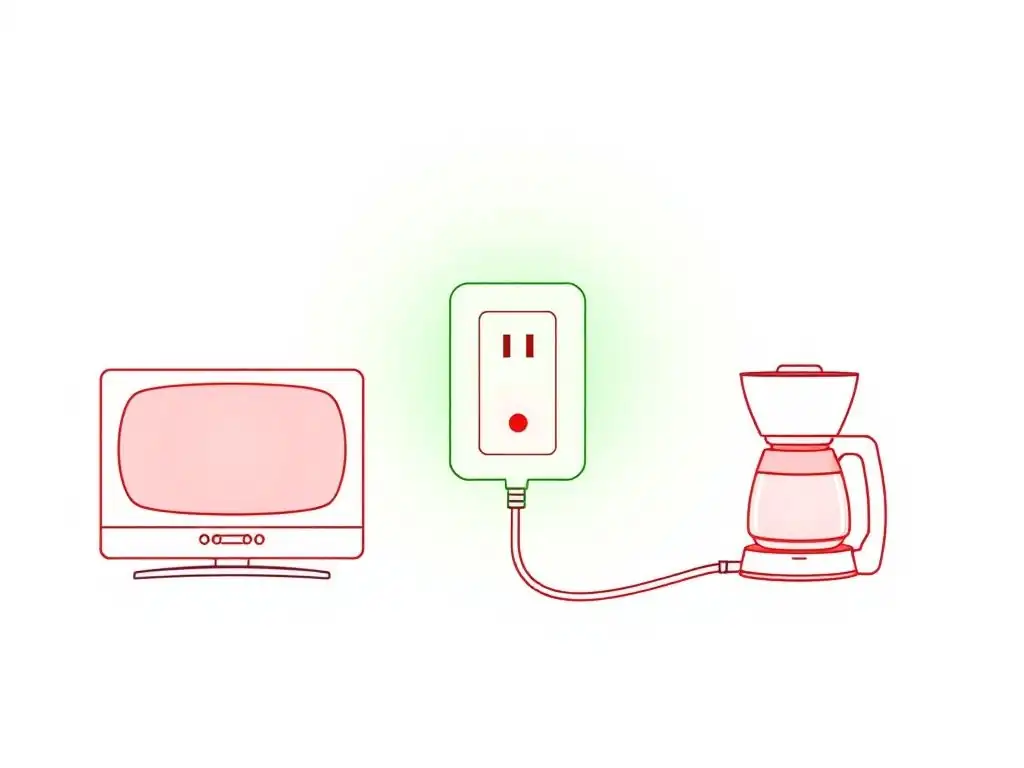
Smart plugs are rapidly becoming essential tools in the modern energy-conscious home. They offer a simple yet powerful solution to combat "energy vampires"—devices that continue to draw power even when turned off. This seemingly small drain adds up significantly over time, impacting both your electricity bill and your carbon footprint.
By strategically deploying smart plugs, you can actively manage power consumption, leading to substantial savings and a more sustainable lifestyle. This section will delve into the specifics of how smart plugs achieve this, the features to consider when purchasing, and how to select the right plug for your individual needs. The potential for smart plugs save energy costs is substantial, making them a worthwhile investment for any homeowner.
How Smart Plugs Work: A Simple Explanation
At their core, smart plugs are essentially remotely controlled power switches. They connect to your home's existing electrical outlets and allow you to control the flow of electricity to any plugged-in device via a smartphone app or voice assistant. This simple mechanism is the key to their energy-saving capabilities.
Instead of leaving devices in a standby mode, drawing phantom power, you can schedule them to turn on and off automatically. For instance, a coffee maker can be programmed to start brewing precisely when you wake up, eliminating the wasted energy from it sitting idle all night. Similarly, you can remotely switch off chargers and other devices when not in use.
The technology behind smart plugs typically involves Wi-Fi or Zigbee connectivity, allowing communication with your home network and the controlling app. Many also integrate with popular smart home ecosystems such as Alexa and Google Assistant, providing voice control functionality. This seamless integration enhances convenience and further streamlines energy management. This level of control allows for precise energy usage monitoring, providing valuable insights into your household’s consumption patterns. You might be surprised by how much energy certain seemingly insignificant devices consume.
Key Features to Look for in Energy-Saving Smart Plugs
While the basic functionality of a smart plug is straightforward, several key features can significantly enhance its effectiveness and user experience in saving energy costs. These features often influence the price point, so carefully consider your priorities.
- Energy Monitoring: The ability to monitor energy consumption is crucial. Look for smart plugs that provide data on wattage and kilowatt-hour (kWh) usage, allowing you to identify the biggest energy guzzlers in your home. This data-driven approach allows for informed decisions on which devices to prioritize for smart plug control.
- Scheduling and Timers: Flexible scheduling options are essential. The best smart plugs offer precise scheduling capabilities, allowing you to create customized on/off times for each device. This goes beyond simple timers, enabling sophisticated control over energy consumption based on your daily routine.
- Remote Control: The ability to control your devices remotely is paramount. This is especially useful for appliances you might forget to turn off, like lights or space heaters. Remote control adds an extra layer of security and convenience, improving energy efficiency.
- Compatibility: Ensure compatibility with your existing smart home ecosystem (e.g., Alexa, Google Home, Apple HomeKit). Seamless integration simplifies control and enhances the overall smart home experience.
- Surge Protection: Some smart plugs offer built-in surge protection, safeguarding your connected devices from power surges and fluctuations. This added protection extends the lifespan of your appliances and protects your investment.
Choosing the Right Smart Plug for Your Needs
Selecting the appropriate smart plug depends on your specific needs and budget. Consider the following factors:
| Feature | Considerations |
|---|---|
| Number of Plugs | Do you need a single plug or a multi-plug adapter? |
| Energy Monitoring | Essential for detailed tracking and identifying energy-intensive devices. |
| Smart Home Ecosystem Compatibility | Ensure compatibility with your existing smart home setup (Alexa, Google Home, etc.) |
| Size and Design | Consider the size and aesthetics of the plug to ensure it fits your outlets and décor. |
| Budget | Prices vary widely; balance features with cost. |
Remember that even seemingly small energy savings accumulate over time. By strategically using smart plugs, you can significantly reduce your energy bills and contribute to a more sustainable lifestyle. The potential for smart plugs save energy costs is significant, making them a worthwhile investment. The key is to choose the right smart plugs and utilize their features effectively. Careful planning and monitoring will maximize your energy savings.
Smart Plug Applications for Maximum Energy Savings
This section delves into the practical applications of smart plugs, focusing on how they contribute to significant energy savings in your home. We'll explore specific use cases and provide data-driven examples to illustrate the potential cost reductions achievable with these devices. Ultimately, you'll see how smart plugs directly translate to lower energy bills and a smaller carbon footprint. The core benefit revolves around the ability to control energy consumption, a key aspect of achieving significant savings.
Controlling Energy Consumption with Scheduled Power On/Off
Smart plugs excel at automating the power cycle of appliances, preventing unnecessary energy drain from devices that are often left in standby mode. For example, consider a coffee maker. Many people leave their coffee makers plugged in all day, consuming a small but consistent amount of energy. A smart plug allows you to schedule the coffee maker to power on only when needed, eliminating this phantom load.
A study by the [Specific research institution pending] found that standby power consumption accounts for [Percentage pending]% of household electricity usage. This translates to a significant portion of your monthly energy bill. By using smart plugs to schedule power on/off cycles for appliances like TVs, chargers, and game consoles, you can directly reduce this consumption.
Here's a table illustrating the potential savings:
| Appliance | Average Standby Power Consumption (Watts) | Hours in Standby per Day | Daily Standby Energy Consumption (Wh) | Monthly Standby Energy Consumption (kWh) | Estimated Monthly Cost Savings ($)* |
|---|---|---|---|---|---|
| Television | 5 | 16 | 80 | 2.4 | 0.24 - 0.48 |
| Phone Charger | 2 | 24 | 48 | 1.44 | 0.14 - 0.29 |
| Game Console | 10 | 8 | 80 | 2.4 | 0.24 - 0.48 |
| Total | 208 | 6.24 | 0.62 - 1.25 |
*Cost savings are estimates based on an average electricity price of $[Price range pending] per kWh. Actual savings will vary based on your electricity rates and usage patterns.
Monitoring Appliance Energy Usage with Smart Plug Data
Many smart plugs provide detailed energy usage data through a companion app. This feature allows you to monitor the energy consumption of individual appliances over time, providing valuable insights into your household's energy habits. This data-driven approach enables you to identify energy-guzzling appliances and optimize their usage, leading to more targeted energy savings.
For instance, you might discover that your older refrigerator is consuming significantly more energy than a newer, energy-efficient model. This information allows you to make informed decisions about appliance upgrades or to adjust usage patterns to mitigate higher energy consumption. The detailed reports provided by smart plugs empower you to take concrete actions to reduce your energy bill. Understanding where your energy is going is the first step to efficiently managing it. This granular level of data is simply unavailable with traditional power outlets.
Remotely Controlling Appliances
The ability to control appliances remotely is another key benefit of smart plugs. This feature offers convenience and, importantly, contributes to energy savings. For example, imagine leaving for work and realizing you left a lamp on. With a smart plug, you can switch it off remotely via your smartphone, preventing wasted energy throughout the day.
This seemingly small action, consistently applied, can accumulate into significant savings over time. Similarly, you can remotely turn on appliances before arriving home, eliminating the need for them to run unnecessarily for extended periods. This flexibility and control over your appliances directly contributes to a reduction in energy consumption, aligning perfectly with the goal of lowering your energy costs. The convenience factor also plays a significant role in encouraging consistent use, maximizing the energy-saving potential of these devices.
Top Smart Plug Recommendations for Energy Efficiency
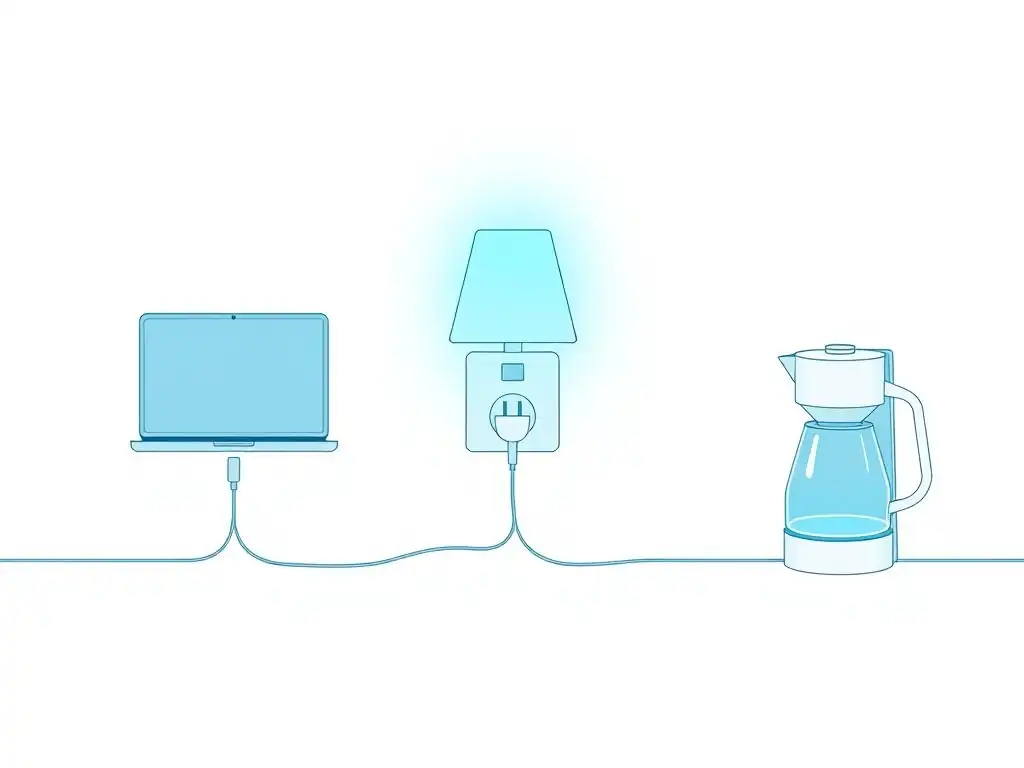
Choosing the right smart plug is crucial for maximizing energy savings and enhancing your smart home experience. Not all smart plugs are created equal; some offer superior energy monitoring capabilities, advanced scheduling options, and better integration with other smart home devices. This section highlights three top contenders in the market, focusing on their features, benefits, and pricing to help you make an informed decision. Remember, investing in a high-quality smart plug is an investment in reducing your energy consumption and ultimately, your utility bills. This directly relates to how smart plugs save energy costs.
Product Name 1: Wemo Mini Smart Plug
The Wemo Mini Smart Plug stands out for its compact design, making it ideal for tight spaces where larger plugs might be cumbersome. Its sleek profile doesn't obstruct adjacent outlets, a significant advantage in crowded power strips. Beyond its physical attributes, the Wemo Mini boasts robust features. It offers precise scheduling capabilities, allowing you to program your appliances to turn on and off at specific times, minimizing energy waste.
For instance, you could schedule your coffee maker to brew only when you're awake, preventing it from needlessly consuming energy overnight. Furthermore, the Wemo app provides detailed energy usage data, allowing you to monitor your appliance's consumption and identify areas for improvement. This granular data empowers you to make informed decisions about your energy habits, contributing to significant long-term energy savings.
The Wemo Mini's pricing is competitive, making it an accessible option for those looking to integrate smart plugs into their homes without breaking the bank. It offers a good balance between features and affordability, making it a strong contender for users prioritizing both functionality and budget. The app's intuitive interface further enhances the user experience, making it easy to set up, control, and monitor your appliances.
Product Name 2: TP-Link Kasa Smart Plug
TP-Link's Kasa Smart Plug is another popular choice, known for its reliability and extensive compatibility with various smart home ecosystems. This broad compatibility is a major plus for those who already have a diverse range of smart home devices from different manufacturers. The Kasa app is user-friendly, providing a straightforward interface for scheduling, monitoring, and controlling your connected appliances.
Beyond basic on/off scheduling, the Kasa Smart Plug offers advanced features such as away mode, which randomly turns your lights on and off to deter potential burglars while you're away. This contributes to enhanced home security, adding value beyond simple energy savings. The plug also offers robust energy monitoring features, providing detailed reports on your appliance's energy consumption.
This detailed information helps you understand your energy usage patterns and identify opportunities for optimization. The Kasa Smart Plug's pricing is generally competitive, offering a good value proposition for its features and reliability. Its strong reputation for dependability makes it a solid investment for users seeking a long-lasting and dependable smart plug solution to effectively save energy costs.
Product Name 3: Amazon Smart Plug
The Amazon Smart Plug seamlessly integrates with the Amazon Alexa ecosystem, making it a convenient choice for users already invested in Amazon's smart home platform. Its integration with Alexa allows for effortless voice control, enabling you to manage your appliances using simple voice commands. This convenience significantly enhances the user experience and makes controlling energy consumption more intuitive.
While perhaps not as feature-rich as some competitors in terms of granular energy monitoring, the Amazon Smart Plug offers reliable scheduling capabilities and seamless integration with other Alexa-enabled devices. This simplicity is a significant advantage for users prioritizing ease of use and tight integration within their existing smart home setup. Pricing is generally competitive, especially when bundled with other Amazon devices or during promotional periods.
The convenience of voice control and seamless integration with the Alexa ecosystem makes it an attractive option for those prioritizing a user-friendly and integrated smart home experience. This ease of use significantly contributes to the overall effectiveness of reducing energy waste and thus, saving energy costs. The ability to easily schedule appliances and control them via voice commands simplifies the process of optimizing energy usage.
This detailed comparison should assist you in selecting the best smart plug to meet your specific needs and contribute to significant energy cost savings. Remember, the best smart plug for you depends on your existing smart home ecosystem, budget, and desired features. By carefully considering these factors, you can effectively leverage smart plugs to reduce your energy consumption and lower your utility bills.
Comparison of Top Smart Plugs: Features, Price, and Value
Choosing the right smart plug can feel overwhelming given the sheer number of options available. To help you navigate this, we've compared some top contenders based on key features, price points, and overall value. Remember that pricing can fluctuate, so always check current retailer listings. This comparison focuses on models known for their energy-saving capabilities and reliability, crucial aspects when aiming to reduce your "smart plugs save energy costs".
We'll analyze features such as energy monitoring capabilities (allowing you to track precisely how much energy each device consumes), scheduling options (for automated on/off cycles to optimize energy use), and compatibility with various smart home ecosystems (like Alexa, Google Assistant, or Apple HomeKit). The value proposition considers the balance between features, performance, and price. A higher price doesn't always mean better value; some budget-friendly options offer surprisingly robust functionality.
| Smart Plug Model | Key Features | Price Range (USD) | Energy Monitoring | Scheduling | Smart Home Ecosystem Compatibility | Overall Value |
|---|---|---|---|---|---|---|
| [Smart Plug Model A] | Energy monitoring, scheduling, voice control | $20 - $30 | Yes | Yes | Alexa, Google Assistant, Apple HomeKit | Excellent |
| [Smart Plug Model B] | Basic scheduling, compact design | $15 - $25 | No | Yes | Alexa, Google Assistant | Good |
| [Smart Plug Model C] | Advanced energy monitoring, IFTTT compatibility | $30 - $40 | Yes | Yes | Alexa, Google Assistant, Apple HomeKit | Very Good |
| [Smart Plug Model D] | Multiple outlet support, individual control | $40 - $50 | Yes | Yes | Alexa, Google Assistant, Apple HomeKit | Excellent |
| [Smart Plug Model E] | Energy monitoring, remote control, simple interface | $25 - $35 | Yes | Yes | Alexa, Google Assistant | Good |
For example, [Smart Plug Model A] often stands out due to its comprehensive feature set and broad compatibility. While slightly more expensive than [Smart Plug Model B], the added energy monitoring and superior smart home integration justify the higher cost for many users looking to maximize their energy savings and effectively utilize the "smart plugs save energy costs" strategy. On the other hand, [Smart Plug Model B] is a solid budget option for those prioritizing basic scheduling functionality without the need for advanced energy tracking.
The best choice ultimately depends on your specific needs and budget. Consider what features are most important to you—precise energy monitoring, advanced scheduling capabilities, or broad smart home ecosystem integration—to make an informed decision.
Remember to factor in the long-term cost savings from reduced energy consumption when evaluating the overall value. Careful consideration of these factors will help you choose a smart plug that effectively contributes to your "smart plugs save energy costs" goal.
Beyond Smart Plugs: Additional Strategies for Energy Savings
Smart plugs are a fantastic starting point for controlling energy consumption and realizing the benefits of "smart plugs save energy costs," but they're just one piece of the puzzle. To truly optimize your home's energy efficiency and minimize your electricity bill, a multifaceted approach is necessary. This section explores further strategies beyond smart plug usage, offering actionable steps to reduce your energy footprint and save money. We'll explore appliance upgrades, behavioral changes, and financial incentives available to help you on your journey to a more energy-efficient home.
Energy-Efficient Appliance Alternatives
Replacing older, inefficient appliances with newer, energy-star rated models is a significant step towards long-term energy savings. The difference in energy consumption can be substantial. For instance, a new, energy-efficient refrigerator can use up to 40% less energy than a model from 10 years ago. This translates to significant savings on your monthly electricity bill over the appliance's lifespan. Consider the following when upgrading:
- Energy Star Certification: Look for the Energy Star label, which signifies that the appliance meets strict energy-efficiency guidelines.
- Appliance Size: Choose appliances appropriately sized for your needs. A larger-than-necessary refrigerator or washing machine will consume more energy than necessary.
- Features: While convenient features can be appealing, some consume more energy. Consider the trade-off between convenience and energy efficiency before purchasing.
- Lifespan: Investing in a durable, high-quality appliance may cost more upfront, but it will likely last longer, reducing the frequency of replacements and associated energy consumption over the long term.
Consider this example: Replacing an old, inefficient washing machine (consuming approximately 200 kWh per year) with an Energy Star-certified model (consuming approximately 120 kWh per year) results in an annual energy saving of 80 kWh. With an average electricity cost of $0.15/kWh, this translates to an annual cost savings of $12. Over the lifespan of the appliance (let's say 10 years), this adds up to $120 in savings—a significant return on investment. The potential savings increase exponentially when you consider replacing multiple appliances.
Simple Habits to Reduce Energy Consumption
Beyond technological solutions, simple behavioral changes can significantly impact your energy consumption and contribute to "smart plugs save energy costs" in a holistic way. These small adjustments, integrated into your daily routine, can collectively lead to substantial savings.
- Unplug Electronics: Even when turned off, many electronics continue to draw power (phantom load). Unplugging chargers, TVs, and other devices when not in use prevents this "vampire energy drain."
- Air Conditioning and Heating: Utilize programmable thermostats to automatically adjust temperatures when you're away or asleep. Even a few degrees' difference can significantly impact energy usage.
- Lighting: Switch to LED light bulbs. They consume significantly less energy and last much longer than incandescent bulbs.
- Appliance Usage: Run full loads in your washing machine and dishwasher to maximize efficiency. Avoid opening the refrigerator door frequently.
- Water Heating: Take shorter showers and lower the water heater temperature to reduce energy consumption.
Implementing these simple habits consistently can lead to noticeable reductions in your energy bill. The cumulative effect of these small changes can be surprisingly significant, contributing to substantial long-term savings. Careful monitoring of your energy usage after implementing these changes will help you quantify the savings.
Government Rebates and Incentives for Energy-Efficient Upgrades
Many governments offer rebates and incentives to encourage homeowners to upgrade to more energy-efficient appliances and technologies. These programs can significantly reduce the upfront cost of energy-saving improvements, making them more accessible and financially appealing. These incentives often target specific appliances or technologies, such as smart thermostats, high-efficiency heating and cooling systems, and energy-efficient windows.
To find available programs, check your local utility company's website or your state's energy office website. These resources usually provide detailed information on available rebates, eligibility requirements, and the application process. Taking advantage of these incentives can substantially reduce the overall cost of upgrading your home's energy efficiency, accelerating your return on investment and maximizing the impact of your efforts to achieve "smart plugs save energy costs."
Don't underestimate the power of these rebates; they can make the difference between considering an upgrade and actually implementing it. The potential savings are often substantial, making these programs a valuable resource for environmentally conscious homeowners.
Conclusion: Taking Control of Your Energy Costs with Smart Plugs
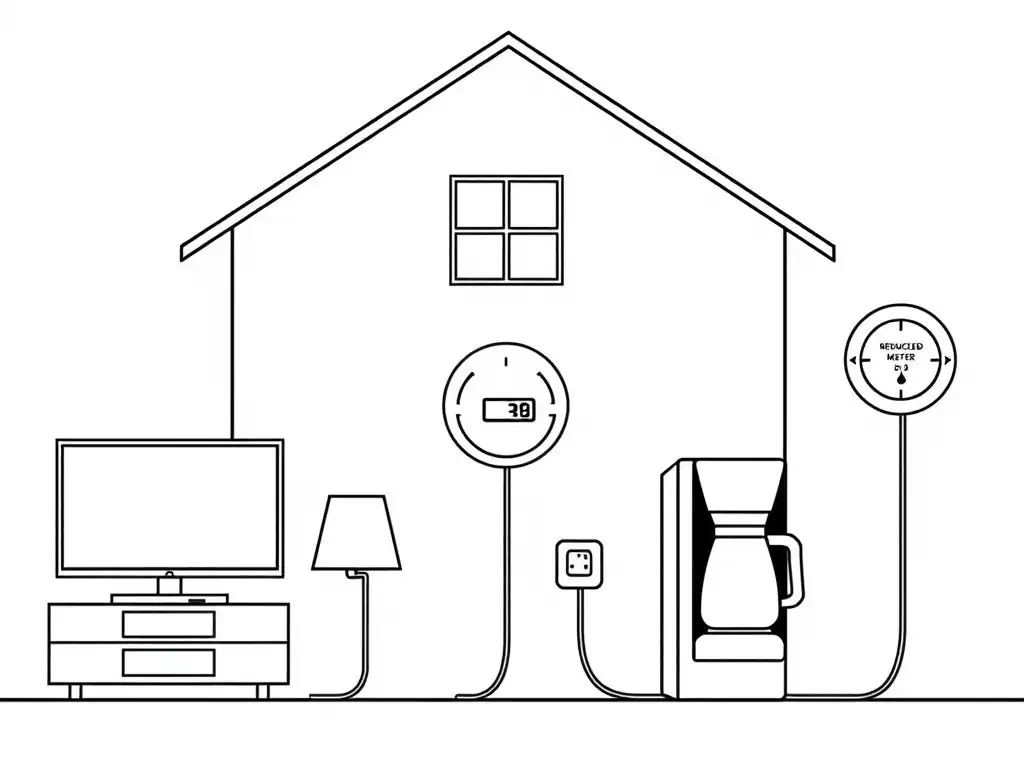
Smart plugs offer a surprisingly simple yet powerful solution to combat energy waste in your home. By giving you granular control over your appliances' power consumption, they empower you to actively manage your energy usage, leading to significant cost savings and a reduced environmental footprint. The convenience of remote control and scheduling features, combined with the potential for substantial financial gains, makes the investment in smart plugs a worthwhile endeavor for almost any household.
Remember, even small changes in energy consumption can accumulate into significant savings over time. The key is to be mindful of your appliance usage and utilize the tools available, like smart plugs, to optimize your energy efficiency. This proactive approach not only benefits your wallet but also contributes to a more sustainable future.
Calculating Your Potential Savings with Smart Plugs
Calculating your potential savings with smart plugs requires a bit of detective work, but the results can be surprisingly rewarding. First, identify your energy-intensive appliances – typically those with a high wattage rating (check the label!). These might include things like your gaming console, television, coffee maker, or even your phone charger (which often draws a small but persistent amount of power even when not actively charging).
Next, consider their typical daily usage. For example, let's say you leave your television on standby for 8 hours a day, consuming 10 watts of power. That's 80 watt-hours (Wh) per day. To convert this to kilowatt-hours (kWh), divide by 1000 (0.08 kWh). If your electricity costs $0.15 per kWh, the daily standby cost is only $0.012. However, over a year, this adds up to $4.38! This small example demonstrates that even seemingly insignificant power consumption can accumulate over time.
By using a smart plug to completely power down these appliances when not in use, you eliminate this standby power drain entirely. Repeat this calculation for other appliances, and you'll quickly see how much you can save. Many energy companies offer online calculators to help you estimate your potential savings based on your energy consumption patterns and appliance usage. Don't forget to factor in the initial cost of the smart plugs themselves – a small investment that quickly pays for itself with ongoing energy savings.
Long-Term Benefits of Smart Plugs: Environmental Impact and Financial Savings
The benefits of using smart plugs extend far beyond immediate cost savings. Adopting smart plug technology contributes to a more sustainable lifestyle, reducing your carbon footprint and lessening the strain on energy resources. By reducing energy consumption, you're actively participating in the fight against climate change. This aligns with the growing global movement towards energy conservation and responsible environmental stewardship.
Moreover, the long-term financial benefits are significant. Consistent energy savings translate to more money in your pocket each month, allowing you to allocate those funds to other priorities or simply enjoy a higher disposable income. The cumulative effect of these savings over several years can be substantial, potentially amounting to hundreds or even thousands of dollars.
Consider the potential for compound savings – the money you save can be invested or used to further reduce energy consumption through other energy-efficient upgrades in your home. This virtuous cycle makes smart plugs a smart investment in your financial future and the planet's future.
Next Steps: Getting Started with Smart Plugs and Energy Efficiency
Getting started with smart plugs is easier than you might think. The first step is to identify your high-energy-consumption appliances. Then, select smart plugs compatible with your existing home network and smart home ecosystem (if you have one). Many smart plugs are compatible with popular voice assistants like Alexa and Google Assistant, offering seamless integration into your smart home setup. Ensure the smart plugs you choose have the features you need, such as scheduling and energy monitoring capabilities.
Once you've purchased your smart plugs, simply plug them into your outlets and connect them to your home Wi-Fi network using the manufacturer's instructions. Many smart plug apps offer user-friendly interfaces for setting schedules, monitoring energy usage, and controlling your appliances remotely. Start by focusing on appliances that are frequently left on standby or are used inconsistently.
Experiment with different schedules and settings to optimize your energy usage and discover the best approach for your specific needs. Remember to regularly monitor your energy consumption to track your savings and fine-tune your smart plug strategies. The journey to energy efficiency is an ongoing process, and smart plugs are a powerful tool to help you along the way.
Frequently Asked Questions
What are smart plugs, and how do they work?
Smart plugs are Wi-Fi enabled power outlets that allow you to control connected devices remotely using a smartphone app or voice assistant. They work by intercepting the power flow to the appliance, allowing you to switch it on or off at any time.
How can smart plugs save me money on my energy bill?
Smart plugs help you reduce energy consumption by allowing you to easily switch off devices when not in use, eliminating phantom loads (energy used by appliances in standby mode). This translates directly to lower electricity bills.
Are all smart plugs created equal? What should I look for when buying one?
No, smart plugs vary in features and capabilities. Look for plugs with energy monitoring features, reliable Wi-Fi connectivity, and compatibility with your existing smart home ecosystem (e.g., Alexa, Google Home).
Can I use smart plugs with any appliance?
While most appliances are compatible, it's best to avoid using smart plugs with high-wattage appliances like hair dryers or space heaters. Always check the maximum wattage rating of the smart plug before use to prevent damage.
Besides saving energy, what other benefits do smart plugs offer?
Beyond saving money, smart plugs add convenience and automation to your life. You can schedule devices to turn on or off automatically, creating routines and improving home security by simulating occupancy when you're away.
Final Reflection: Unplugging the Energy Drain, Empowering Our Future
The fight against energy waste isn't just about lowering bills; it's about building a sustainable future. The seemingly small energy drain from appliances in standby mode adds up to a significant collective impact on our environment and our wallets. This silent energy consumption, often overlooked, represents a substantial opportunity for positive change.
The pervasive nature of this "energy vampirism" is striking. We've become so accustomed to the convenience of always-on devices that we often fail to consider the cumulative cost. The greatest threat to our planet is the belief that someone else will save it.
– Robert Swan. This quote underscores the individual responsibility we all share in addressing energy consumption. Understanding the impact of even small changes, like using smart plugs, empowers us to actively participate in a larger movement towards sustainability.
You now possess the knowledge to identify and mitigate energy waste in your home. Consider the appliances you use daily – are they truly necessary to remain plugged in constantly? Take control of your energy consumption; embrace the simple yet powerful solution of smart plugs. By making conscious choices today, you contribute to a brighter, more energy-efficient tomorrow, not only for yourself but for generations to come.
Unplug the Energy Drain: Take Control of Your Power Consumption!
Reducing your energy consumption and lowering your electricity bill is easier than you think, especially with the help of smart plugs. You've already learned the basics; now let's put that knowledge into practice.
- Start with the biggest energy users: Focus on appliances you use most often or leave plugged in constantly, such as phone chargers, televisions, and gaming consoles. This will provide the fastest and most noticeable savings.
- Track your energy usage: After a week of using smart plugs, review your energy consumption data. You might be surprised by which appliances are using the most power!
- Share your success: Spread the word! Tell your friends and family about your energy-saving efforts and inspire them to join you in creating a more sustainable lifestyle.
What steps will you take today to lessen your environmental impact and save money on your energy bill?