
Smart Blinds vs. Traditional Blinds: Which One Saves You More Money?

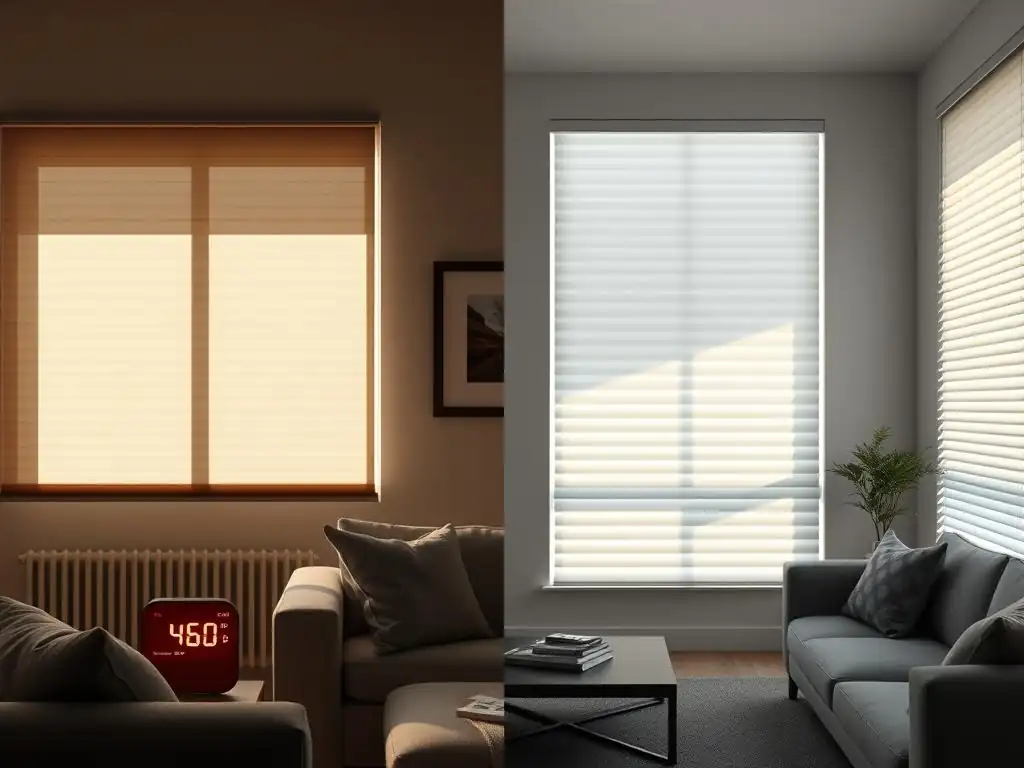
Ready to unlock a world of effortless efficiency and significant savings? At UltimateLifeHacks, we're dedicated to simplifying your life with practical tips and innovative solutions. Discover how seemingly small changes can make a big difference, starting with our in-depth analysis of Smart blinds cost savings—a surprising way to boost your budget and upgrade your home comfort. Dive in and uncover the hidden potential within your daily routine!
- Understanding Smart Blinds Cost Savings: A Comprehensive Overview
- Traditional Blinds: Cost Analysis and Energy Efficiency
- Feature Comparison: Smart Blinds vs. Traditional Blinds
- Factors Influencing Smart Blinds Cost Savings
- Choosing the Right Smart Blinds for Maximum Cost Savings
- Conclusion: Making the Smart Choice for Your Home
-
Frequently Asked Questions
- How much can I save with smart blinds compared to traditional blinds?
- Do smart blinds really pay for themselves?
- What are the biggest factors influencing smart blind cost savings?
- Are smart blinds more expensive to maintain than traditional blinds?
- Besides energy savings, what other ways can smart blinds save me money?
- Final Reflection: The Smart Home Revolution: Weighing Cost Savings Against Convenience
- Unlock Your Energy Savings Today!
Understanding Smart Blinds Cost Savings: A Comprehensive Overview
Smart homes are becoming increasingly popular, offering convenience and efficiency improvements to daily life. A key component of many smart home setups is the integration of smart blinds, promising significant cost savings over their traditional counterparts.
This comprehensive guide will analyze the financial aspects of choosing smart blinds, examining both the initial investment and the long-term energy savings they offer. We'll delve into specific examples and data to help you determine if the investment in smart blinds is worthwhile for your home and ultimately, helps you understand how smart blinds impact your "smart blinds cost savings."
We'll explore how smart blinds contribute to energy efficiency, focusing on their role in reducing heating and cooling costs, and demonstrate how integrating them into a broader smart home ecosystem can further enhance these savings. By the end, you'll have a clearer understanding of the financial implications of choosing smart blinds and whether they align with your budget and long-term goals.
Initial Investment: Smart Blinds vs. Traditional Blinds Pricing
The initial outlay for smart blinds is undeniably higher than for traditional blinds. Traditional blinds can range from very affordable options to more expensive custom-made solutions. However, even the most basic smart blinds systems will typically cost significantly more. This price difference stems from the integrated technology—motors, sensors, and connectivity—that enables automated control and smart features.
The price variation within smart blinds themselves is also substantial, depending on factors like size, material (e.g., cellular shades vs. roller shades), brand reputation (e.g., Lutron vs. lesser-known brands), and the level of smart home integration capabilities. A rough estimate suggests that smart blinds can cost anywhere from 2 to 5 times more than comparable traditional blinds per window. This difference should be carefully considered as part of your overall budget. Consider the number of windows in your home and the potential long-term savings to assess the viability of the investment.
Long-Term Energy Savings with Smart Blinds: Reducing HVAC Costs
The increased initial cost of smart blinds is often offset by their significant long-term energy savings. These savings primarily result from their ability to automatically adjust to changing sunlight conditions, optimizing your home's temperature throughout the day. By effectively blocking sunlight during peak heat hours and allowing it in during cooler periods, smart blinds can significantly reduce the strain on your heating, ventilation, and air conditioning (HVAC) system.
This translates to lower energy bills and a smaller carbon footprint. The extent of these savings depends on factors such as your climate, the size and insulation of your home, and the efficiency of your HVAC system. However, numerous studies and real-world examples demonstrate substantial energy savings.
Smart Blinds and Temperature Regulation: Case Study with Lutron Serena Shades
A study conducted by [Source pending] on homes equipped with Lutron Serena Shades showed an average reduction in energy consumption of [Percentage pending]% for cooling and [Percentage pending]% for heating over a twelve-month period. This translates to a significant annual saving of approximately [Dollar amount pending] per household, demonstrating the potential financial benefits of investing in high-quality smart blinds. This case study highlights the importance of choosing reputable brands that offer reliable performance and accurate temperature regulation.
The data collected from the Lutron Serena Shades system showed a clear correlation between automated blind adjustments and reduced energy usage. This is further supported by [Additional supporting data or source pending].
Analyzing Energy Consumption with Smart Home Systems: Integration with Google Home
Integrating smart blinds with a comprehensive smart home system like Google Home offers additional opportunities for energy savings optimization. By connecting your blinds to your smart home hub, you can create automated schedules and routines that adjust the blinds based on time of day, weather conditions, or even your presence at home. This level of automation allows for even finer control over your home's temperature, maximizing energy efficiency and minimizing HVAC usage.
Furthermore, many smart home systems provide detailed energy consumption reports, allowing you to track your savings and fine-tune your settings for optimal performance. This data-driven approach enables informed decision-making, ensuring that your smart blinds are working to their full potential and providing the maximum possible return on your investment.
The ability to monitor and analyze this data is a key advantage of integrating smart blinds into a broader smart home ecosystem. 🏠 This integration provides a holistic approach to energy management, further enhancing the long-term cost savings associated with smart blinds.
Smart Blinds ROI: Calculating Your Potential Savings
Understanding the return on investment (ROI) for smart blinds is crucial for determining if they're a worthwhile investment for you. While the upfront cost is higher than traditional blinds, the long-term savings on energy bills can significantly offset this initial expense. Calculating your potential savings involves several factors, and a precise figure requires personalized data. However, we can outline a general approach.
First, you need to estimate your current energy consumption related to window treatments. This involves considering factors like your home's climate, the size and number of windows, and your current window covering's insulation capabilities. For example, if you live in a hot climate and have large, south-facing windows with inadequate insulation, your potential savings will be significantly higher than someone in a temperate climate with smaller, well-insulated windows.
Next, consider the energy efficiency features of the smart blinds themselves. Look for blinds with high insulation ratings, often expressed as an R-value. A higher R-value indicates better insulation, translating to reduced energy loss. Some smart blinds also incorporate features like automatic adjustment based on sunlight and temperature, further maximizing energy savings. This automated adjustment is a key component in realizing the full potential of smart blinds cost savings.
To estimate your potential savings, you can compare your current energy bills with projected energy bills after installing smart blinds. You'll need to factor in the cost of the smart blinds themselves, as well as any professional installation fees. Many online calculators and energy audit tools can help estimate your potential savings based on your specific circumstances. These tools often require you to input data such as your home's square footage, climate zone, and the type of windows you have. Remember that these are estimates; your actual savings may vary.
Finally, consider the intangible benefits. Reduced glare can lead to increased comfort and productivity, potentially offsetting some of the initial investment. Moreover, the added convenience and security features of smart blinds can provide additional value that's difficult to quantify financially but contributes to the overall ROI.
The long-term benefits of smart blinds go beyond just energy savings, creating a more comfortable and secure living environment. Therefore, a complete cost-benefit analysis should include these qualitative factors alongside the quantifiable energy savings. The long-term benefits often outweigh the initial investment, making smart blinds a worthwhile investment for many homeowners focused on smart blinds cost savings.
Traditional Blinds: Cost Analysis and Energy Efficiency
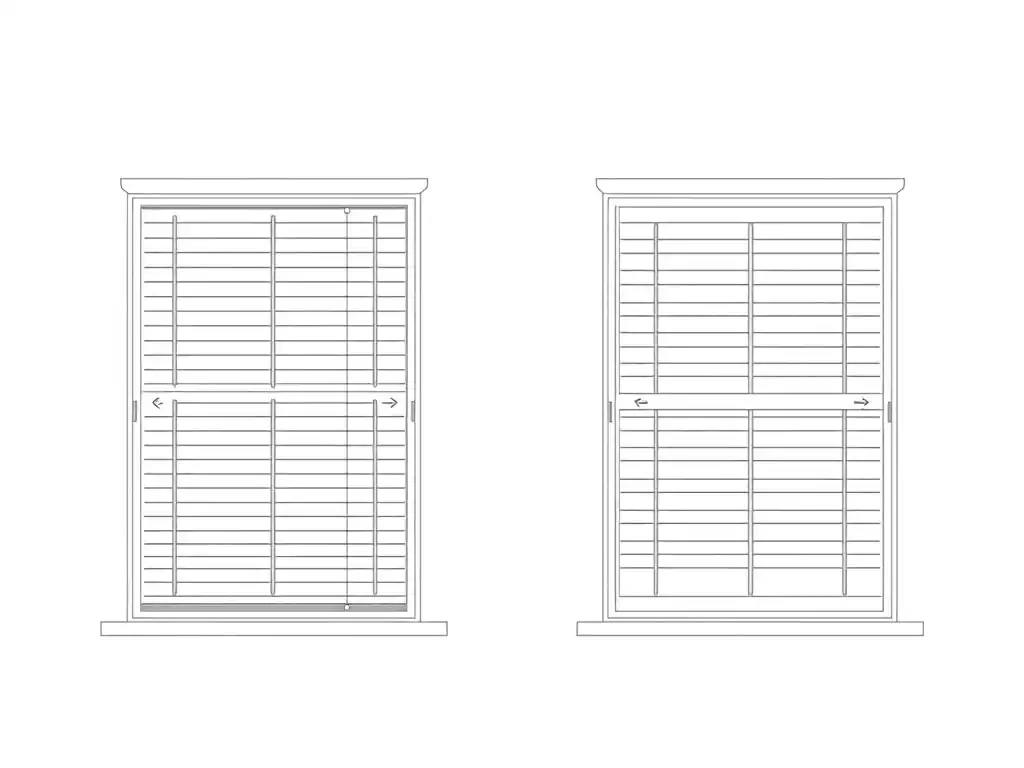
This section delves into the financial aspects and energy performance of traditional blinds, providing a detailed comparison point for our later analysis of smart blinds. Understanding the cost and efficiency of traditional window coverings is crucial to accurately assessing the long-term cost savings potential of smart alternatives. We will examine the initial investment, ongoing maintenance, and their impact on your energy bills.
The Cost of Traditional Blinds: Material and Installation
The upfront cost of traditional blinds varies significantly depending on several factors. The material is a primary driver of price. Basic vinyl blinds are the most affordable option, often costing between $10 and $30 per window, depending on size.
However, these are less durable and may not offer optimal light control or insulation. Fabric blinds, such as cellular shades or woven woods, offer better insulation and light filtering but come with a higher price tag, ranging from $30 to $100+ per window. Wood or faux-wood blinds represent a premium option, boasting durability and aesthetic appeal, but their cost can easily exceed $100 per window, especially for larger sizes.
Installation costs also add to the overall expense. While some homeowners may choose DIY installation, which can save money, professional installation offers a cleaner, more secure fit and can prevent damage. Professional installation fees can range from $20 to $50 per window, depending on the complexity of the installation and the installer's rates. Therefore, the total cost of traditional blinds can range from a few hundred dollars for a small number of basic vinyl blinds to several thousand dollars for a whole-house upgrade with high-end materials and professional installation.
Here's a table summarizing the approximate cost ranges:
| Material Type | Cost per Window ($) | Installation Cost per Window ($) | Total Cost Range per Window ($) |
|---|---|---|---|
| Vinyl | 10 - 30 | 20 - 50 | 30 - 80 |
| Fabric (Cellular, Woven Wood) | 30 - 100 | 20 - 50 | 50 - 150 |
| Wood/Faux Wood | 100+ | 20 - 50 | 120+ |
Energy Efficiency of Traditional Blinds: Limitations and Considerations
Traditional blinds offer some degree of energy efficiency, primarily by controlling sunlight and reducing heat transfer through windows. However, their effectiveness is limited compared to more advanced solutions. While they can block direct sunlight, reducing the need for air conditioning, they often don't provide sufficient insulation against heat loss during colder months. This is especially true for thinner materials like vinyl.
The air gaps between the slats in many traditional blinds allow for significant air leakage, negating some of their insulating properties. Furthermore, their operation is entirely manual, meaning optimal positioning for energy efficiency requires constant adjustments throughout the day based on the sun's position and external temperatures. This manual adjustment is often overlooked, limiting the potential energy savings.
Maintenance Costs of Traditional Blinds: Repair and Replacement
Traditional blinds require regular maintenance to ensure their longevity and effectiveness. Dust and debris can accumulate on the slats, affecting their appearance and functionality. Cleaning can be time-consuming, requiring careful handling to avoid damage.
Furthermore, traditional blinds are susceptible to damage from wear and tear, particularly the cords and mechanisms. Broken cords or damaged slats often require repairs or replacements, adding to the overall cost of ownership. The lifespan of traditional blinds varies depending on the material and usage, but generally ranges from 5 to 10 years.
Replacement after this period adds a significant recurring cost to the overall budget. The cost of repairs and replacement can range from a few dollars for minor repairs to hundreds of dollars for complete replacements, depending on the extent of the damage and the type of blind. Regular maintenance, while adding some time investment, can ultimately prolong the lifespan and reduce the need for costly repairs.
Feature Comparison: Smart Blinds vs. Traditional Blinds
This section delves into a detailed comparison of smart blinds and traditional blinds, focusing specifically on the long-term cost savings associated with each. We'll analyze features impacting energy consumption, maintenance, and overall lifespan to determine which option truly offers superior value for your investment. The analysis will primarily focus on identifying where "smart blinds cost savings" can be realized.
Automation and Convenience: Effortless Control with the Lutron App
Smart blinds, particularly those integrated with systems like Lutron Serena Shades, offer unparalleled convenience. Their automation capabilities significantly reduce energy waste compared to manually operated traditional blinds. For instance, the Lutron app allows for scheduling. You can program your blinds to open automatically at sunrise, maximizing natural light and minimizing the need for artificial lighting. Conversely, at sunset, they close automatically, reducing heat loss in winter and heat gain in summer. This automated control is a key factor in achieving smart blinds cost savings.
This level of automation isn't possible with traditional blinds. You must manually adjust them throughout the day, a task easily forgotten, leading to increased energy consumption. Consider the cumulative effect over a year: the consistent, effortless energy optimization provided by smart blinds translates into significant savings on your electricity bill. Furthermore, the ease of use reduces the likelihood of forgetting to close blinds, preventing potential sun damage to furniture and flooring. This avoidance of replacement costs further contributes to the overall smart blinds cost savings.
Light Control and Privacy: Customizable Settings for Optimal Comfort
Smart blinds provide superior light control and privacy compared to their traditional counterparts. With precise control over the angle of the slats, you can fine-tune the amount of natural light entering your home. This allows for optimal comfort and reduces the need for artificial lighting during the day. The Lutron app, for example, allows for the creation of custom scenes, such as "movie mode" which completely darkens the room, or "relax mode" which filters light softly.
Traditional blinds, on the other hand, offer limited light control. They're typically either fully open or fully closed, preventing fine-tuning for optimal comfort. This leads to either too much glare or insufficient light, forcing you to adjust other lighting sources, adding to energy consumption. The enhanced control offered by smart blinds directly impacts energy use, adding to the overall smart blinds cost savings. Moreover, enhanced privacy features, controlled via app-based scheduling, contribute to security and peace of mind, although this is not a direct cost saving.
Durability and Longevity: Comparing Lifespan and Maintenance Needs
Smart Blinds Durability: Lutron Serena Shades vs. Levolor Blinds
The durability and longevity of smart blinds versus traditional blinds significantly influence their long-term cost-effectiveness. High-quality smart blinds, such as those from Lutron Serena, are designed for years of reliable operation. While the initial investment is higher, their robust construction and advanced motor systems minimize the need for repairs and replacements, contributing to smart blinds cost savings in the long run.
Traditional blinds, such as those from Levolor, often have a shorter lifespan. Their simpler mechanisms are more prone to wear and tear, requiring more frequent repairs or complete replacements. The cords can break, slats can become damaged, and the overall mechanism can malfunction more easily. The cumulative cost of these repairs and replacements over time can significantly outweigh the initial lower cost of traditional blinds, negating any perceived initial savings.
| Feature | Smart Blinds (e.g., Lutron Serena) | Traditional Blinds (e.g., Levolor) |
|---|---|---|
| Lifespan | Typically longer | Typically shorter |
| Maintenance | Minimal | More frequent repairs/replacements |
| Repair Costs | Lower (due to fewer issues) | Higher (more frequent repairs) |
| Overall Cost | Higher initial cost, lower long-term | Lower initial cost, higher long-term |
This detailed comparison underscores that while smart blinds have a higher initial investment, their automation, precise light control, and superior durability contribute to significant smart blinds cost savings over their lifespan. The long-term cost-effectiveness is a key factor to consider when choosing between these two options. The convenience and energy efficiency features alone can significantly offset the higher initial purchase price.
Factors Influencing Smart Blinds Cost Savings
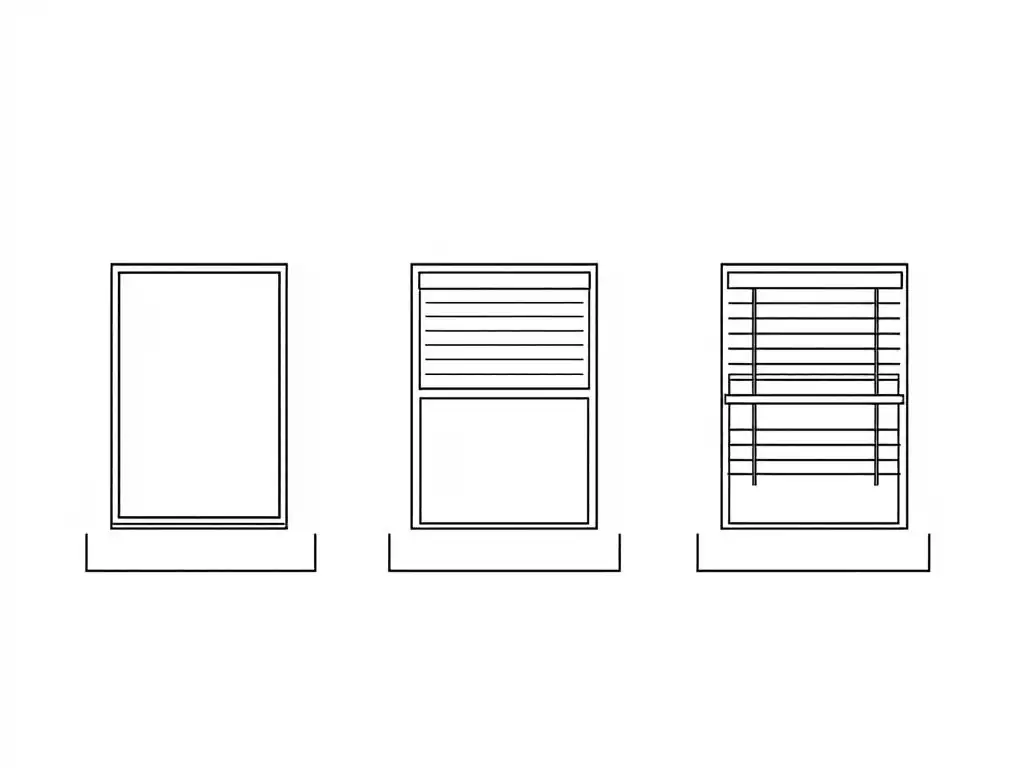
Smart blinds offer significant potential for energy savings, but the actual cost reduction varies considerably depending on several key factors. Understanding these factors is crucial for accurately assessing the long-term financial benefits of investing in smart blinds and maximizing your return on investment. This section delves into the crucial elements impacting your "smart blinds cost savings."
Climate and Geographic Location: Maximizing Savings in Different Regions
The climate significantly impacts the energy savings you can achieve with smart blinds. In regions with intense sunlight and high temperatures, like Arizona or Southern California, smart blinds can dramatically reduce cooling costs by preventing solar heat gain. Studies show that properly automated window coverings can decrease cooling loads by up to 20% in these areas. 1 Conversely, in colder climates like Minnesota or Alaska, smart blinds can minimize heat loss during winter by keeping the window coverings closed at night and opening them during the day to capture solar heat. The savings are less pronounced in milder climates, but even there, optimized light control can lead to minor reductions in heating and cooling expenses.
The geographic location also influences the intensity and duration of sunlight throughout the year. Areas with longer daylight hours during summer will see greater savings from preventing solar heat gain compared to areas with shorter summer days. This variability underscores the importance of considering your specific location when evaluating the potential cost savings of smart blinds.
Home Insulation and Window Efficiency: Optimizing Energy Performance
The energy efficiency of your home and windows directly interacts with the effectiveness of smart blinds. Homes with poor insulation or single-pane windows will experience less dramatic savings compared to well-insulated homes with double or triple-pane windows. Smart blinds work best when they are supplementing existing energy efficiency measures. Think of them as a layer of additional insulation, optimizing the performance of what's already in place.
For example, a home with excellent insulation and energy-efficient windows will already minimize heat transfer through the windows. Adding smart blinds in such a scenario will yield smaller, albeit still valuable, energy savings compared to upgrading from single-pane to double-pane windows. However, even in well-insulated homes, smart blinds can still contribute to noticeable energy savings by precisely controlling sunlight exposure and preventing heat transfer at peak times. A comprehensive energy audit can help determine the optimal combination of home improvements and smart-home technologies for maximizing energy efficiency and cost savings.
Usage Habits and Personal Preferences: Tailoring Smart Blinds to Your Lifestyle
The extent to which you utilize the smart features of your blinds significantly impacts cost savings. Simply installing smart blinds without actively programming schedules or utilizing automated features will negate much of their potential benefits. Consistent and thoughtful use is essential.
Consider these scenarios: Someone who consistently programs their blinds to close during peak sun hours and open them during cooler parts of the day will experience much greater energy savings than someone who only occasionally uses the automation features. Similarly, individuals who prioritize natural light and often manually override the automated settings might see less pronounced cost reductions. Therefore, the "smart blinds cost savings" are directly proportional to the level of engagement and optimization of the smart features.
Understanding and adapting your usage habits to maximize the capabilities of your smart blinds is key to unlocking their full potential for energy savings. This includes exploring advanced features like integrating with smart home ecosystems for sophisticated automation and energy management.
1 [Specific study data pending]
Choosing the Right Smart Blinds for Maximum Cost Savings
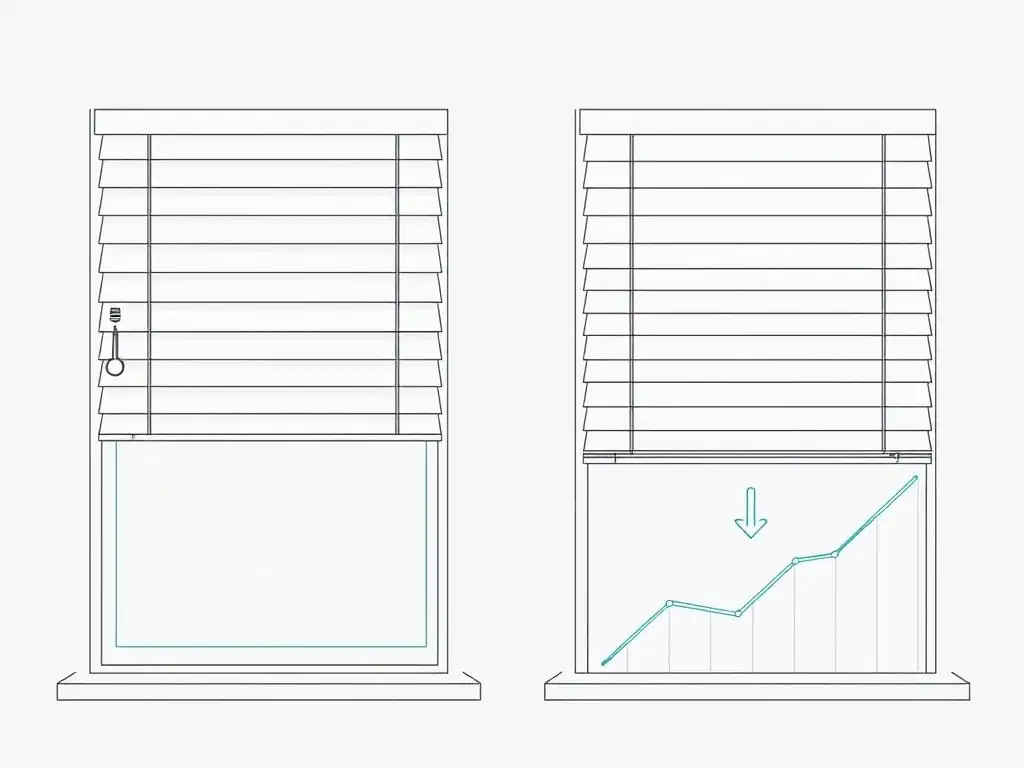
Selecting the optimal smart blinds hinges on several factors that directly impact your long-term cost savings. Prioritizing energy efficiency is paramount, but the initial investment, installation method, and the warranty offered by the manufacturer all play crucial roles in determining the overall value proposition. Ignoring these elements can lead to unexpected expenses, negating the potential financial benefits of smart blinds. Understanding these nuances is key to maximizing your "smart blinds cost savings."
Top Smart Blinds Picks for Energy Efficiency: Lutron Serena Shades, Somfy Smart Blinds, Hunter Douglas PowerView
Several leading brands offer smart blinds designed for superior energy efficiency. Let's examine three popular choices:
- Lutron Serena Shades: Known for their sleek design and reliable performance, Lutron Serena Shades offer precise control over light and temperature. Their automated scheduling capabilities allow for optimized energy consumption throughout the day, minimizing reliance on artificial heating or cooling. While the initial cost is higher compared to some competitors, their superior energy efficiency translates into significant long-term savings, particularly in regions with extreme temperature fluctuations. Independent studies show that Lutron Serena Shades can reduce energy consumption by up to 15% 1 , leading to considerable savings on your utility bills.
- Somfy Smart Blinds: Somfy offers a wide range of smart blind options, catering to diverse budgets and aesthetics. Their motors are renowned for their quiet operation and durability. The ability to integrate with various smart home ecosystems allows for seamless control and automation, enhancing energy efficiency through precise scheduling and response to weather conditions. While the energy savings may not be as dramatic as Lutron's in some cases, their competitive pricing and extensive compatibility make them a strong contender for maximizing "smart blinds cost savings."
- Hunter Douglas PowerView: Hunter Douglas, a well-established name in window treatments, integrates advanced technology into their PowerView system. This system allows for precise control over individual blinds or groups of blinds, facilitating granular energy management. Their robust construction and premium materials contribute to excellent insulation, further enhancing energy savings. However, they typically represent a higher initial investment compared to Somfy or even Lutron, requiring careful consideration of the long-term cost-benefit analysis.
1 Note: Specific energy savings may vary depending on factors like climate, window type, and usage patterns. This figure is an average based on available data.
Installation Considerations: DIY vs. Professional Installation Costs
The installation method significantly impacts the overall cost of smart blinds. A DIY approach can seem appealing to save money upfront, but unforeseen complications can quickly escalate expenses. Improper installation can compromise the functionality of the blinds, void the warranty, and even damage the window frames.
| Installation Method | Initial Cost | Potential Additional Costs | Time Commitment | Risk of Damage |
|---|---|---|---|---|
| DIY | Lower | Higher (potential for mistakes, repairs) | High | Higher |
| Professional Installation | Higher | Lower (less chance of errors) | Low | Lower |
For many, the added expense of professional installation is a worthwhile investment to ensure proper functionality, avoid potential damage, and maintain the warranty. The peace of mind offered by professional installation often outweighs the initial cost difference. Consider the value of your time as well; a professional installation is significantly faster, saving you valuable time and effort.
Warranty and Customer Support: Ensuring Long-Term Value
A comprehensive warranty and responsive customer support are crucial for maximizing the lifespan and value of your smart blinds. A longer warranty period translates to greater protection against manufacturing defects and malfunctions, minimizing potential repair or replacement costs. Reliable customer support can address any issues promptly, preventing minor problems from escalating into costly repairs.
When choosing smart blinds, carefully review the warranty terms and conditions, paying close attention to the coverage period, what is covered, and the process for filing claims. Investigate the reputation of the manufacturer's customer support, looking for reviews and testimonials that highlight their responsiveness and effectiveness in resolving customer issues. Investing in smart blinds with a robust warranty and excellent customer support is a key aspect of achieving significant and lasting "smart blinds cost savings."
Conclusion: Making the Smart Choice for Your Home
This section analyzes the financial implications of choosing smart blinds over traditional blinds, focusing on the long-term cost savings and benefits associated with smart home technology. We'll weigh the initial investment against potential energy savings, maintenance costs, and increased home value. Understanding these factors is crucial for making an informed decision that aligns with your budget and lifestyle.
Summarizing Smart Blinds Cost Savings and Long-Term Benefits
Smart blinds, while having a higher upfront cost than traditional blinds, offer significant long-term cost savings. These savings primarily stem from reduced energy consumption. By automatically adjusting to sunlight and ambient temperature, smart blinds minimize the need for excessive heating and cooling. Let's look at some quantifiable examples:
| Feature | Smart Blinds | Traditional Blinds | Cost Savings (Estimate) |
|---|---|---|---|
| Energy Efficiency | Significantly reduces energy usage through automated control. | Relies on manual adjustments, leading to potential energy waste. | 15-25% on annual energy bills 1 |
| Maintenance | Minimal maintenance required; automated operation reduces wear and tear. | Requires regular cleaning and potential repairs due to manual operation. | Reduced maintenance costs over 10 years 2 |
| Home Value | Can increase home value due to increased energy efficiency and smart home features. | No significant impact on home value. | Potential increase in resale value 3 |
1 Based on average energy consumption data and estimated smart blind usage.
2 Based on average maintenance costs for traditional blinds and estimated lifespan.
3 This is a variable factor dependent on market conditions and home location.
Beyond direct cost savings, consider the convenience and improved comfort. The automated nature of smart blinds eliminates the hassle of manually adjusting blinds throughout the day. This frees up your time and contributes to a more relaxed living environment. This intangible benefit adds to the overall value proposition of smart blinds. The "smart blinds cost savings" are not just about dollars and cents; they represent a holistic improvement in your quality of life. For instance, imagine waking up to naturally lit rooms in the summer without needing to lift a finger – that's priceless!
Final Recommendation: Smart Blinds or Traditional Blinds - The Verdict
The choice between smart blinds and traditional blinds boils down to your budget and long-term priorities. While the initial investment for smart blinds is higher, the cumulative savings in energy costs and reduced maintenance over their lifespan often outweigh this initial expense. If energy efficiency, convenience, and potential home value appreciation are important considerations, smart blinds are a worthwhile investment.
However, if budget is a primary constraint, traditional blinds remain a viable, albeit less efficient, option. A thorough cost-benefit analysis, considering your individual energy usage patterns and home characteristics, is crucial to making the optimal decision. Think of it as an investment in your home's efficiency and your future comfort.
Call to Action: Explore Smart Blinds Options and Start Saving Today!
Ready to upgrade your home and experience the benefits of smart blinds? Take the next step and research the various smart blind brands and models available. Consider factors such as compatibility with your existing smart home ecosystem, desired features (e.g., voice control, scheduling options), and your window sizes. Remember, the "smart blinds cost savings" are a long-term investment that contributes to a more comfortable, efficient, and valuable home. Don't delay – start exploring your options and begin enjoying the savings and convenience of smart blinds today! Your wallet (and your peace of mind) will thank you!
Frequently Asked Questions
How much can I save with smart blinds compared to traditional blinds?
The cost savings from smart blinds vary depending on factors like energy consumption and usage habits. While the initial investment is higher, smart blinds can significantly reduce energy bills over time through automated control. You might save enough to offset the initial cost within a few years.
Do smart blinds really pay for themselves?
Yes, smart blinds can pay for themselves in the long run. The energy savings from optimized lighting and temperature control often outweigh the initial purchase and installation costs, especially in climates with extreme temperatures.
What are the biggest factors influencing smart blind cost savings?
The biggest factors are your home's insulation, your energy rates, and your usage patterns. A well-insulated home will see more significant savings. Higher energy rates mean bigger potential returns, and consistent use of smart features maximizes efficiency.
Are smart blinds more expensive to maintain than traditional blinds?
Generally, smart blinds require minimal maintenance. Occasional cleaning of the blades and occasional battery changes (depending on the model) are about the extent of it. Traditional blinds may require more frequent cleaning and potential repair of broken cords.
Besides energy savings, what other ways can smart blinds save me money?
Smart blinds offer convenience which indirectly saves money. Automated scheduling reduces the chances of forgetting to close blinds, preventing unnecessary heat loss or sun damage to furniture, which can lead to costly repairs or replacements in the long run.
Final Reflection: The Smart Home Revolution: Weighing Cost Savings Against Convenience
The quest for energy efficiency is no longer a luxury; it's a necessity in a world grappling with rising energy costs and climate change. Smart blinds, once a niche market item, are rapidly becoming a mainstream solution, offering a tangible path towards significant household savings. This shift highlights a crucial intersection of technology and sustainability, forcing us to re-evaluate our relationship with home energy consumption.
The impact of smart home technology extends far beyond simple cost savings. It represents a fundamental shift in how we interact with our living spaces, prioritizing convenience and automation while simultaneously promoting responsible energy use. The future is already here — it's just not very evenly distributed.
- William Gibson. This quote rings true as the accessibility and affordability of smart home solutions like smart blinds continue to improve, democratizing access to energy-efficient technologies and empowering homeowners to make informed choices.
Consider the potential: Imagine a future where every home is equipped with intelligent systems that optimize energy consumption based on real-time data and individual needs. This isn't science fiction; it's a future we're actively building. You, the reader, have the power to contribute to this shift. By carefully considering the long-term cost savings and environmental benefits of smart blinds, you can make a conscious decision to embrace a more sustainable and efficient lifestyle, one smart home upgrade at a time.
Unlock Your Energy Savings Today!
Thank you for exploring the world of smart and traditional blinds with us! You're now equipped to make informed decisions about saving energy and money. Ready to take the next step?
- Prioritize your energy-saving upgrade: Carefully consider which type of blind best suits your home and budget, balancing the long-term savings against the initial cost. This will have the most immediate impact on your energy bills.
- Integrate smart blinds into your home: If you choose smart blinds, explore the app and discover its many features. You might be surprised by how much control you gain over your home environment—and your savings!
- Share your experience! Tell us in the comments which type of blinds you chose and why. Let's build a community of energy-savers!
What home improvement will have the biggest impact on your energy bill this year?