
Revolutionize Your Home Energy Use: Smart Tech That Makes a Real Difference

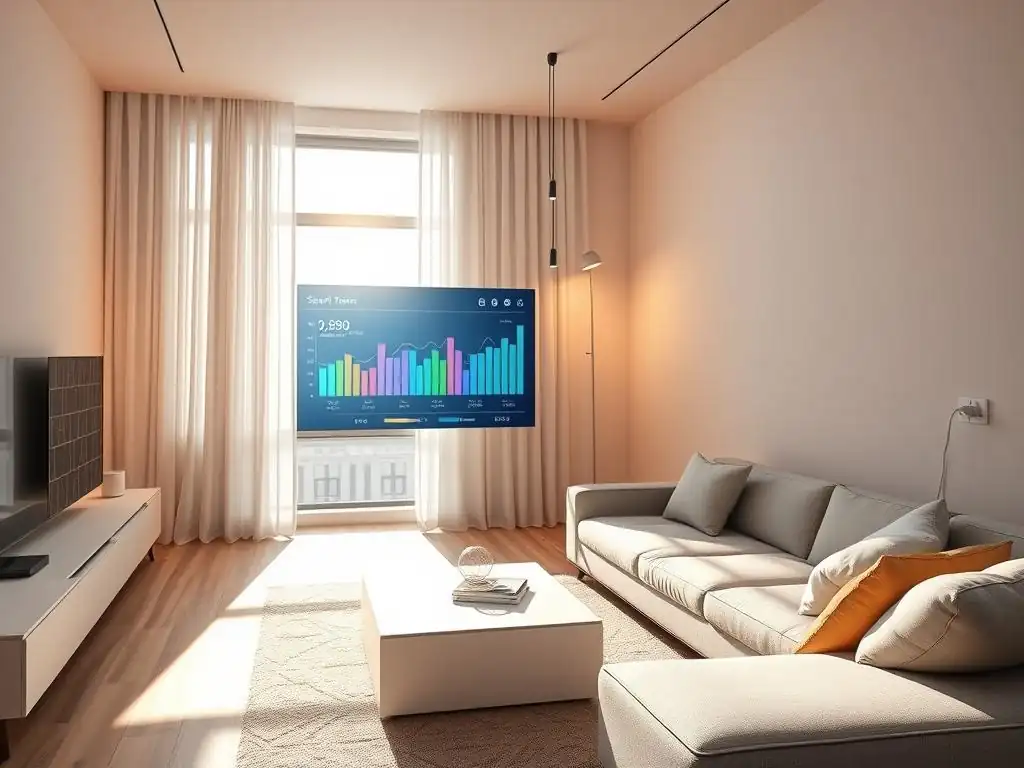
Welcome to UltimateLifeHacks, your destination for practical advice that transforms everyday life. Are you ready to dramatically reduce your energy bills and minimize your environmental impact? Then dive into our latest article on Smart home energy saving tips, exploring ingenious tech solutions that will revolutionize how you manage your home's energy consumption. Discover the secrets to a more efficient, sustainable, and cost-effective home—and unlock significant savings in the process. Let's get started!
- Understanding Your Energy Consumption: The First Step to Smart Home Energy Saving
- Smart Home Energy Saving Tips: Investing in Smart Tech for Long-Term Savings
- Beyond the Basics: Advanced Smart Home Energy Saving Strategies
- Maximizing Your Smart Home Energy Savings: Practical Tips and Tricks
- The Future of Smart Home Energy Saving: Emerging Technologies and Trends
-
Frequently Asked Questions
- What smart home devices can significantly reduce my energy consumption?
- How can I monitor my energy usage with smart home technology?
- Are smart home energy-saving devices expensive to install and maintain?
- Do I need a complete smart home system to start saving energy?
- How much energy can I realistically expect to save with smart home technology?
- Final Reflection: Powering a Sustainable Future, One Smart Home at a Time
- Unleash Your Home's Energy-Saving Potential!
Understanding Your Energy Consumption: The First Step to Smart Home Energy Saving
Optimizing your home's energy usage is no longer a luxury; it's a necessity. With rising energy costs and growing environmental concerns, adopting smart strategies to conserve energy is crucial for both your wallet and the planet. This article delves into practical, effective smart home energy saving tips, focusing on the technology that can make a significant difference in your energy consumption.
We'll explore how to analyze your current energy usage, utilize smart home monitoring systems, and leverage energy-tracking apps to identify areas for improvement and implement lasting changes. By understanding your energy consumption patterns, you can make informed decisions about which smart home technologies best suit your needs and budget, ultimately leading to substantial savings and a more sustainable lifestyle.
This guide provides a roadmap to navigate the world of smart home energy management and empower you to take control of your energy usage. Let's dive in and discover how you can revolutionize your home energy use!
Analyzing Your Current Energy Bills: Identifying Areas for Improvement
Before investing in any smart home technology, understanding your current energy consumption is paramount. This involves a thorough analysis of your energy bills. Look beyond the total amount due; delve into the details. Most energy bills provide a breakdown of energy usage by appliance or area of your home (e.g., heating, cooling, lighting). This granular data reveals energy hogs—those appliances or systems consuming significantly more energy than others.
For example, you might discover that your air conditioning unit accounts for 40% of your monthly electricity bill during summer months. Or perhaps your older refrigerator is consuming significantly more energy than a newer, energy-efficient model. Identifying these areas is the first step towards targeted energy saving. To facilitate this analysis, consider creating a simple table:
| Month | Total Energy Consumption (kWh) | Heating (kWh) | Cooling (kWh) | Lighting (kWh) | Appliances (kWh) | Other (kWh) |
|---|---|---|---|---|---|---|
| January | [Data Pending] | [Data Pending] | [Data Pending] | [Data Pending] | [Data Pending] | [Data Pending] |
| February | [Data Pending] | [Data Pending] | [Data Pending] | [Data Pending] | [Data Pending] | [Data Pending] |
| March | [Data Pending] | [Data Pending] | [Data Pending] | [Data Pending] | [Data Pending] | [Data Pending] |
By meticulously tracking your energy usage month-to-month, you can establish a baseline and identify seasonal variations. This data will be invaluable when evaluating the effectiveness of any energy-saving measures you implement. Remember to note any unusual spikes in energy consumption as these could indicate potential problems requiring attention.
Smart home energy monitoring systems offer a far more detailed picture of your energy usage than traditional energy bills. These systems typically consist of smart plugs, energy monitors that attach to your breaker box, or integrated systems within your smart home ecosystem. They provide real-time data on energy consumption for individual appliances, allowing you to pinpoint those hidden energy drains that might be overlooked when only analyzing your energy bill.
For instance, you might discover that your seemingly innocuous TV, left in standby mode, is consuming a surprising amount of energy over time. Or perhaps a rarely used appliance is still drawing a small but consistent amount of power. These seemingly small amounts can add up significantly over the course of a year.
Smart home energy monitoring systems empower you to make informed decisions about appliance usage, leading to substantial energy savings. The detailed insights provided by these systems allow for targeted interventions, maximizing the impact of your energy-saving efforts. This level of granular data is crucial for effective energy management.
Tracking Your Energy Use with Apps: Gaining Insights for Better Efficiency
Many smart home energy monitoring systems integrate with mobile apps, providing convenient access to your energy usage data anytime, anywhere. These apps often offer features beyond simple data visualization. They can provide personalized recommendations for energy saving, set energy consumption goals, and even automate energy-saving actions. Some apps can even forecast your energy usage based on historical data and predicted weather patterns, allowing you to proactively adjust your energy consumption.
For example, an app might alert you to unusually high energy consumption during a particular time of day, suggesting potential issues or areas for improvement. Or it might suggest adjusting your thermostat settings based on your daily routines and predicted weather. The convenience and insightful features of these apps make them invaluable tools for optimizing your home's energy efficiency.
The ability to track progress, receive recommendations, and automate actions empowers you to actively manage your energy consumption and achieve significant savings. The data-driven approach offered by these apps transforms energy saving from a passive effort into an engaging and rewarding experience.
Smart Home Energy Saving Tips: Investing in Smart Tech for Long-Term Savings
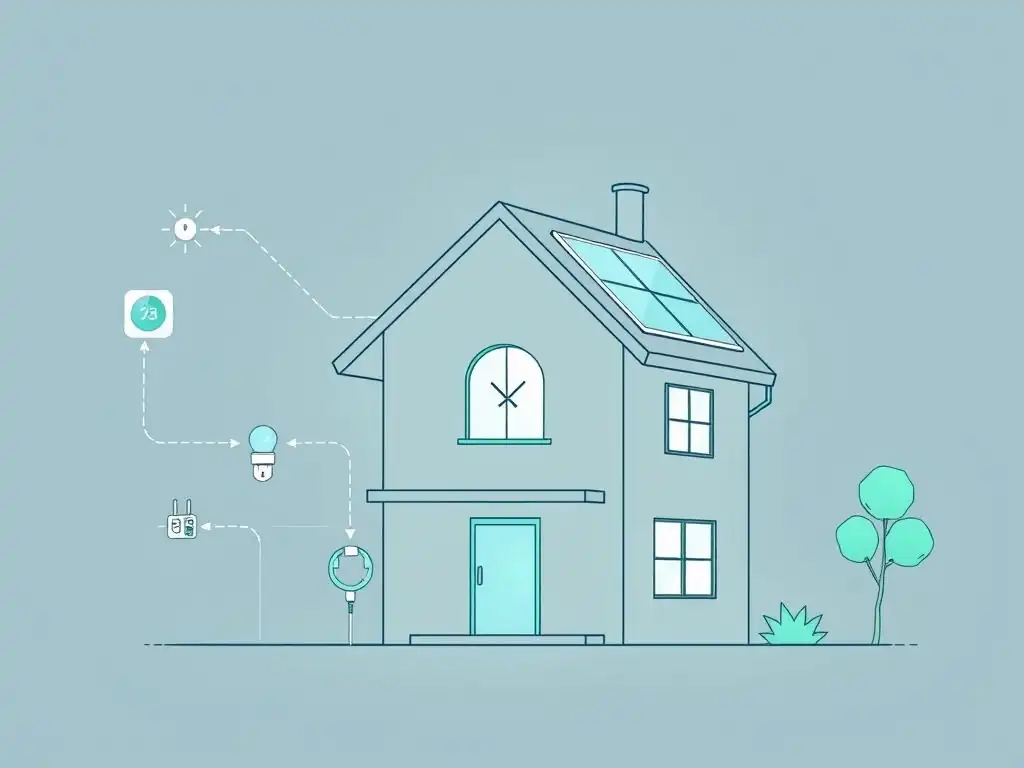
This section dives deep into practical applications of smart home technology to significantly reduce your energy consumption and lower your utility bills. We'll explore specific devices and strategies, providing actionable steps to implement these smart home energy saving tips immediately. Remember, investing in smart tech for energy efficiency is an investment in your future, offering long-term savings and environmental benefits.
Smart Thermostats: Optimizing Heating and Cooling with Nest Learning Thermostat and Ecobee SmartThermostat
Smart thermostats are a cornerstone of smart home energy saving. Leading the pack are the Nest Learning Thermostat and the Ecobee SmartThermostat, both offering sophisticated features to optimize your heating and cooling. These devices learn your preferences over time, automatically adjusting temperatures based on your usage patterns and even anticipating your needs. This proactive approach minimizes energy waste compared to traditional programmable thermostats.
Programming Your Smart Thermostat for Maximum Energy Savings
Programming your smart thermostat is key to maximizing its energy-saving potential. Most offer intuitive interfaces, allowing you to set schedules for different days of the week and even adjust for specific times. For example, you can set a lower temperature during the day when you're at work and a higher temperature at night while you sleep. Consider using the "away" mode when you leave the house for extended periods.
Many smart thermostats also offer features like "eco" modes, which prioritize energy efficiency even further. Experiment with different settings to find the optimal balance between comfort and energy savings. Data analysis within the thermostat app often shows you the impact of your programming choices, allowing for fine-tuning.
Geofencing and Smart Home Integration for Automated Temperature Control
Geofencing, a feature offered by many smart thermostats, takes automation a step further. This technology uses your smartphone's location to automatically adjust the temperature based on whether you're home or away. When you leave for work, the thermostat automatically switches to a more energy-efficient setting. Upon your return, it preemptively warms or cools your home to your preferred temperature, ensuring optimal comfort without unnecessary energy consumption.
This seamless integration with your smartphone enhances convenience and energy efficiency. Furthermore, integration with other smart home devices allows for even more sophisticated control. For example, you could link your thermostat to smart lighting or window shades to further optimize energy usage based on occupancy and sunlight.
Smart Plugs: Taking Control of Energy-Guzzling Appliances
Smart plugs offer a simple yet effective way to monitor and control the energy consumption of individual appliances. These unassuming devices transform any standard outlet into a smart outlet, allowing you to remotely control and monitor the power usage of connected devices. This is particularly useful for appliances that consume energy even when turned off, often referred to as "phantom load" or "standby power."
Scheduling Power Cycles to Reduce Standby Energy Consumption
Many appliances, such as chargers, TVs, and gaming consoles, continue to draw power even when they're not actively in use. Smart plugs allow you to schedule power cycles, turning these devices completely off when not needed. This simple act can significantly reduce your overall energy consumption over time. By setting schedules based on your usage patterns, you can effectively eliminate standby power consumption without compromising convenience. For instance, you can schedule your coffee maker to turn on only when you need it, preventing it from drawing power overnight.
Monitoring Energy Usage of Individual Appliances
Beyond scheduling, smart plugs provide valuable data on the energy consumption of each connected device. Many apps associated with these plugs offer detailed reports, showing you exactly how much energy each appliance is using. This information allows you to identify energy-guzzling appliances and make informed decisions about their usage or replacement.
This granular level of monitoring empowers you to make targeted changes, maximizing your energy savings efforts. For example, you might discover that a particular device consumes significantly more energy than you anticipated, prompting you to unplug it more often or replace it with a more energy-efficient model. This data-driven approach ensures that your energy saving strategies are effective and targeted.
Smart Lighting: Illuminating Your Home Efficiently with Philips Hue and LIFX Smart Bulbs
Smart lighting systems offer a significant opportunity to reduce energy consumption and enhance your home's ambiance. Leading brands like Philips Hue and LIFX provide a range of smart bulbs that offer features far beyond traditional incandescent or even CFL bulbs. These bulbs connect to your home Wi-Fi network, allowing for remote control and automation, leading to substantial energy savings.
The ability to precisely control the brightness and color temperature contributes significantly to optimized energy use. For instance, a user could set the lights to dim automatically at sunset, reducing energy consumption during periods of lower activity. Furthermore, the ease of integration with other smart home devices enhances the overall efficiency, creating a seamless and energy-conscious ecosystem.
Choosing smart bulbs over traditional alternatives is a proactive step towards reducing your carbon footprint while enjoying the convenience and aesthetic benefits of customizable lighting. The initial investment in smart bulbs is quickly offset by long-term energy savings and the enhanced control over your home's lighting.
Dimmable Lighting and Automated Scheduling for Energy Optimization
Dimmable lighting is a cornerstone of energy-efficient smart lighting. Unlike traditional bulbs that operate at a fixed wattage, smart bulbs allow for precise brightness control. This means you can significantly reduce energy use simply by dimming the lights when full brightness isn't required. For example, dimming lights during evening relaxation or reducing brightness in less-used rooms can lead to considerable energy savings over time.
This is further amplified by automated scheduling features. Many smart lighting systems allow you to program lights to turn on and off at specific times, or even based on sunrise/sunset times. This ensures lights are never left on unnecessarily, eliminating wasted energy.
Consider a scenario where you set your lights to automatically dim to 20% at 10 PM and turn off completely at midnight. This simple automation can drastically reduce overnight energy consumption, contributing to substantial savings on your monthly energy bill. The convenience and the significant energy savings make automated scheduling a key feature to leverage in your smart home energy-saving strategy.
Motion Sensors and Occupancy-Based Lighting for Enhanced Savings
Integrating motion sensors with your smart lighting system takes energy efficiency to the next level. Motion sensors detect movement within a designated area and automatically turn lights on only when needed. This eliminates the need to manually switch lights on and off, ensuring lights are only active when someone is present.
This is particularly beneficial in areas like hallways, closets, or bathrooms, where lights are often left on unintentionally. For example, a motion sensor in a hallway could automatically turn on the lights when someone walks by and turn them off after a set period of inactivity, preventing wasted energy. This occupancy-based lighting not only saves energy but also adds a layer of security and convenience to your home.
Combining motion sensors with smart lighting systems provides a highly effective and efficient way to manage lighting consumption, minimizing energy waste and maximizing savings, contributing significantly to your overall "smart home energy saving tips" strategy. The added security benefits further enhance the value proposition of this technology.
Beyond the Basics: Advanced Smart Home Energy Saving Strategies
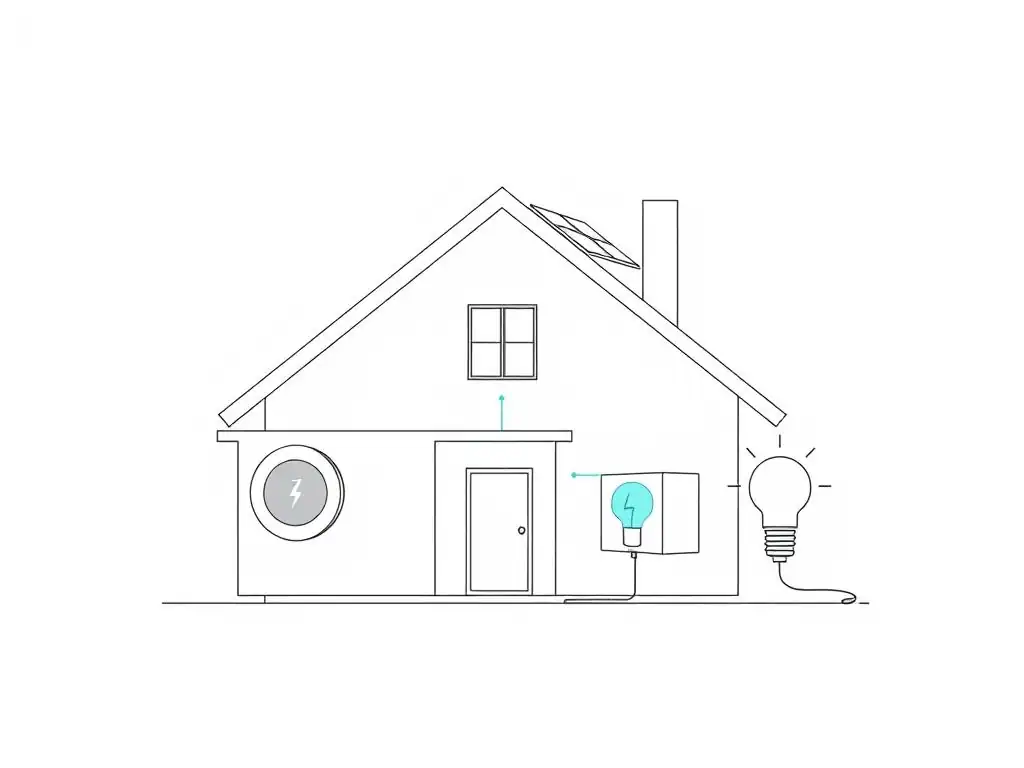
This section delves into more sophisticated strategies for leveraging smart home technology to significantly reduce your energy consumption and lower your utility bills. We'll move beyond the simple smart thermostat and explore powerful tools that offer granular control and insightful data analysis, enabling you to truly optimize your home's energy performance. Implementing these advanced techniques can lead to substantial savings and a smaller carbon footprint, aligning perfectly with the principles of smart home energy saving tips.
Smart Power Strips: Cutting Off Phantom Loads and Saving Energy
Many electronic devices continue to draw power even when turned off – this is known as "phantom load." Smart power strips offer a solution by monitoring the energy consumption of each plugged-in device and automatically cutting power to those not actively in use. This seemingly small detail can accumulate to significant savings over time.
Consider this example: a typical household might have several chargers for phones, tablets, and laptops constantly plugged in. Even in standby mode, these devices can consume a surprising amount of energy. A single smart power strip can eliminate this wasted energy, translating into a noticeable reduction on your monthly bill. Some advanced models even provide detailed energy usage reports, allowing you to identify energy-guzzling culprits and make informed decisions about your device usage. This data-driven approach is a cornerstone of effective smart home energy saving tips.
Furthermore, some smart power strips offer scheduling capabilities. You can program them to turn off power to specific devices at certain times, such as overnight or when you leave home. This level of control maximizes energy efficiency and minimizes wasted energy, enhancing your overall savings. The convenience and savings offered by smart power strips make them a worthwhile investment for anyone serious about reducing their energy footprint and implementing effective smart home energy saving tips.
Integrating Renewable Energy Sources: Harnessing Solar Power with Smart Home Systems
Integrating renewable energy sources, like solar power, with your smart home system unlocks a new level of energy efficiency and self-sufficiency. Smart home systems can optimize energy production and consumption by monitoring solar panel output and adjusting energy usage accordingly. For example, your smart home system could automatically shift energy-intensive tasks, like running the dishwasher or washing machine, to times when solar energy production is at its peak.
This intelligent approach minimizes reliance on the grid and maximizes the use of clean, renewable energy. Imagine a scenario where your smart home system detects a surplus of solar energy; it could then automatically charge your electric vehicle or store excess energy in a home battery system for later use.
This dynamic interaction between solar power and smart home technology represents a significant leap forward in sustainable living and provides a compelling example of effective smart home energy saving tips. The sophisticated control and optimization offered by such systems goes far beyond simple energy monitoring and allows for true energy independence.
Smart Appliances: Energy-Efficient Refrigerators, Washing Machines, and More
Modern smart appliances are designed with energy efficiency at their core. Features like intelligent sensors, optimized cycles, and precise temperature control allow these appliances to consume significantly less energy than their older counterparts. A smart refrigerator, for example, can adjust its cooling based on the internal temperature and the frequency of door openings, minimizing energy waste. Similarly, smart washing machines often feature energy-saving wash cycles and intelligent water management systems.
The cumulative effect of utilizing several energy-efficient smart appliances can be substantial. By replacing older, less efficient appliances with smart versions, you can significantly reduce your overall energy consumption and contribute to a more sustainable lifestyle. Moreover, many smart appliances provide detailed usage data, allowing you to track your energy consumption and identify areas for further improvement. This data-driven approach is crucial for achieving optimal energy efficiency and is a key element of practical smart home energy saving tips. The investment in these appliances is often recouped through long-term energy savings and contributes to a more environmentally friendly home.
Maximizing Your Smart Home Energy Savings: Practical Tips and Tricks
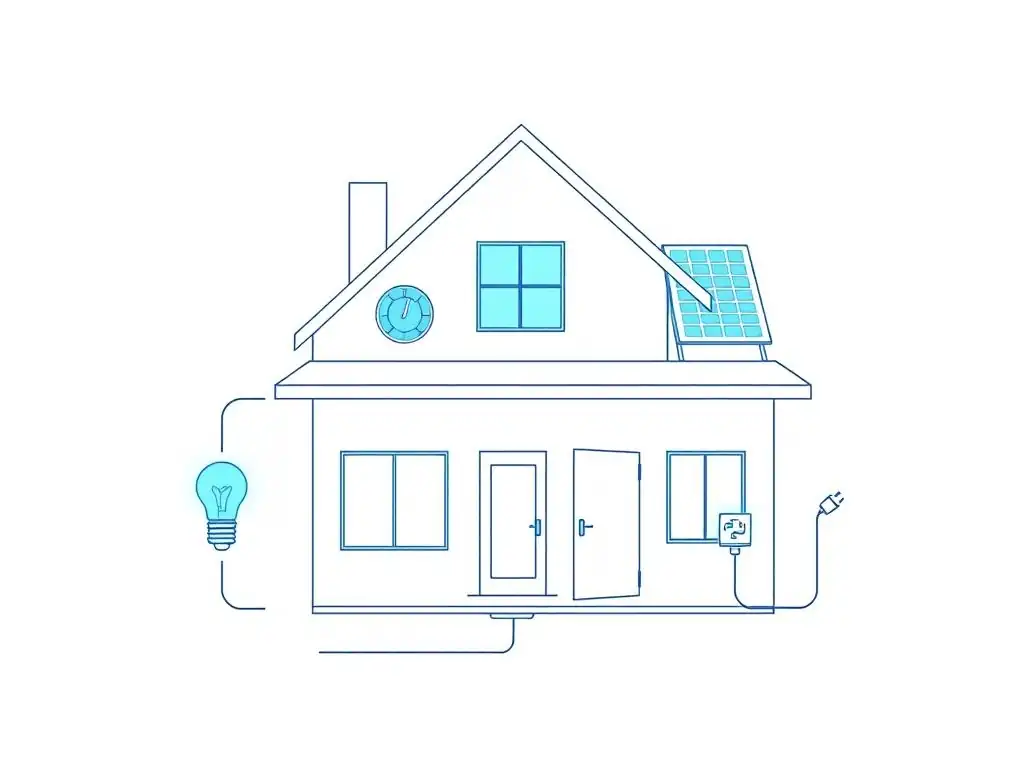
This section delves into actionable strategies to amplify the energy-saving potential of your smart home technology. We'll move beyond simply installing smart devices and explore how to optimize their use for maximum impact on your energy consumption and, ultimately, your utility bills. Smart home energy saving tips aren't just about buying the latest gadgets; they're about integrating them effectively into your daily life.
Choosing the Right Smart Home Energy Solutions for Your Needs
Selecting the appropriate smart home energy solutions is crucial for achieving significant savings. A haphazard approach can lead to wasted investment and minimal impact. Before purchasing any device, consider your specific needs and energy consumption patterns. For instance, a family with young children might prioritize smart thermostats for precise temperature control, reducing energy waste from inconsistent heating or cooling. A household with frequent travel might benefit more from smart plugs that allow remote control of appliances, preventing unnecessary energy drain when away from home.
Consider these factors when making your selections:
- Your home's size and layout: Larger homes generally require more powerful and numerous devices for effective energy management.
- Your current energy consumption habits: Analyze your energy bills to identify areas with the highest consumption, which should be your primary focus for smart technology implementation.
- Your budget: Smart home technology ranges widely in price. Prioritize solutions offering the best return on investment based on your energy usage patterns and budget constraints.
- Integration capabilities: Ensure compatibility between different smart devices and platforms to avoid creating isolated systems that hinder overall energy management. Look for systems that offer centralized control and monitoring.
A well-planned approach to selecting smart home energy solutions ensures that your investment directly addresses your home's unique energy challenges. Failing to consider these factors can lead to suboptimal results, hindering your progress toward significant energy savings. Remember, the goal is to create a cohesive system that works with your lifestyle, not against it.
Setting Realistic Goals and Tracking Your Progress
Effective energy savings with smart home technology requires more than just installation; it demands consistent monitoring and adjustment. Setting realistic, achievable goals is paramount. Don't expect to slash your energy bill in half overnight. Instead, aim for incremental improvements. Start with small, manageable goals, such as reducing energy consumption by 5% in the first month. This approach fosters a sense of accomplishment and motivates continued effort.
Tracking your progress is equally important. Many smart home systems provide detailed energy usage reports. Utilize these reports to monitor your progress against your goals. Identify areas where you're exceeding expectations and areas needing further optimization. For example, if your smart thermostat reports unexpectedly high energy usage during a period of consistent temperature, it might indicate a need for maintenance or recalibration.
Consider using a spreadsheet or dedicated energy-monitoring app to track your progress visually. This allows you to easily identify trends and adjust your strategies accordingly. This data-driven approach ensures that your smart home energy-saving efforts remain focused and effective. Consistent monitoring allows for proactive adjustments, maximizing the benefits of your investment. Celebrate small victories along the way to maintain motivation and sustain your commitment to energy efficiency.
Understanding the Return on Investment (ROI) of Smart Home Energy Technology
The financial benefits of smart home energy technology are a key driver for many homeowners. Calculating the return on investment (ROI) helps justify the initial expense and ensures that your investment aligns with your financial goals. While the exact ROI varies depending on factors like energy prices, device costs, and energy consumption patterns, several methods can help you estimate your potential savings.
Some methods for calculating ROI include:
| Method | Description | Data Required |
|---|---|---|
| Simple Savings | Compare your energy bills before and after implementing smart home technology. | Previous and current energy bills |
| Cost-Benefit Analysis | Calculate the difference between the cost of the smart devices and the projected energy savings over their lifespan. | Device cost, projected energy savings per year, device lifespan |
| Payback Period | Determine the amount of time it takes for the energy savings to offset the initial investment of the smart home devices. | Device cost, projected annual energy savings |
Remember that the ROI of smart home energy technology isn't solely about monetary savings. It also encompasses increased comfort, improved convenience, and reduced environmental impact. These intangible benefits add significant value to your investment, making it a worthwhile endeavor for environmentally conscious homeowners seeking to optimize their energy consumption and reduce their carbon footprint. By carefully considering these factors and employing effective monitoring strategies, you can maximize the return on your investment in smart home energy technology.
Government Rebates and Incentives for Energy-Efficient Upgrades
Many governments offer financial incentives to encourage homeowners to adopt energy-efficient technologies. These incentives can significantly reduce the upfront cost of installing smart home energy-saving devices, making them more accessible to a wider range of consumers. These programs often vary by region and even by specific utility companies.
For example, some regions might offer rebates for installing smart thermostats that learn your usage patterns and adjust accordingly, leading to lower energy bills. Others might provide incentives for solar panel installations, which, while not strictly "smart home" technology, often integrate with smart home systems for optimized energy management. Some rebates are offered as direct cash payments upon installation, while others might be tax credits applied to your annual tax return.
It's crucial to research the specific programs available in your area. Start by checking your local utility company's website. Many utility providers have dedicated pages outlining available rebates and incentives for energy-efficient home upgrades. You can also search online for "[your state/province] energy rebates" or "[your utility company] energy efficiency programs" to find relevant information.
Government websites at the state, provincial, or federal level often maintain databases of available energy-saving programs, including eligibility requirements and application processes. Don't hesitate to contact your local utility company or a government energy agency directly if you have questions or need help navigating the application process. Taking advantage of these government programs can dramatically increase the return on investment for your smart home energy-saving projects.
Remember that eligibility criteria and the amounts of rebates and incentives can change frequently, so it's essential to stay updated on the latest information. Proper planning and research can unlock substantial savings, turning what might seem like a significant initial investment into a financially sound decision with a quick payback period. Failing to explore these options means leaving money on the table – money that could be used for further smart home upgrades or other home improvements.
The Future of Smart Home Energy Saving: Emerging Technologies and Trends
The quest for sustainable living and reduced energy bills is driving rapid innovation in smart home technology. We're moving beyond simple energy monitoring towards proactive, predictive systems that learn our habits and optimize energy consumption automatically. This section explores cutting-edge technologies poised to revolutionize how we approach smart home energy saving, offering practical tips for embracing the future of efficient energy use. This is crucial for anyone looking for effective smart home energy saving tips.
AI-Powered Energy Management Systems: Predictive Analytics and Automated Optimization
Artificial intelligence (AI) is transforming smart home energy management. AI-powered systems go beyond basic monitoring; they analyze historical energy usage data, weather forecasts, and even occupancy patterns to predict future energy needs. This predictive capability allows for automated optimization, adjusting appliance settings and energy allocation in real-time to minimize waste and maximize efficiency.
For example, an AI-powered system might learn that you typically leave for work at 7:30 am and preemptively shut down unused electronics and lower the thermostat accordingly. Conversely, it could anticipate your return home in the evening and pre-heat your house to your preferred temperature, ensuring comfort without unnecessary energy expenditure. This level of automation represents a significant leap forward in smart home energy saving tips, moving from reactive adjustments to proactive energy management.
The benefits extend beyond convenience. These systems can identify unusual energy consumption patterns, potentially alerting you to malfunctioning appliances or hidden energy leaks. This proactive approach can lead to significant cost savings and help prevent costly repairs down the line. Furthermore, AI algorithms constantly learn and adapt, refining their predictions and optimization strategies over time, resulting in ever-improving energy efficiency. The integration of machine learning algorithms allows for personalized energy saving strategies tailored specifically to your household's unique needs and consumption patterns.
The Role of Smart Grid Technology in Energy Efficiency
Smart grid technology plays a vital role in enhancing the effectiveness of smart home energy saving strategies. Smart grids are modernized electricity networks that utilize advanced sensors, communication technologies, and data analytics to optimize energy delivery and distribution. The integration of your smart home system with the smart grid allows for bidirectional communication, enabling your home to actively participate in managing overall grid stability and efficiency.
One key aspect is demand response. During peak demand periods, the smart grid might signal your smart home system to temporarily reduce energy consumption, perhaps by shifting laundry cycles or adjusting the air conditioning slightly. In return, you might receive financial incentives or reduced electricity rates, making energy conservation a mutually beneficial endeavor. This dynamic interaction between your smart home and the wider energy grid maximizes efficiency for both individual households and the entire electricity network.
Another benefit is renewable energy integration. Smart grids are designed to seamlessly incorporate renewable energy sources, such as solar and wind power, into the energy mix. Your smart home system can monitor and utilize this renewable energy effectively, further reducing your reliance on fossil fuels and minimizing your carbon footprint. This contributes significantly to achieving sustainable energy goals and offers compelling smart home energy saving tips for environmentally conscious consumers. The combination of smart home technology and smart grid infrastructure represents a powerful synergy in promoting energy efficiency and a more sustainable future.
Frequently Asked Questions
What smart home devices can significantly reduce my energy consumption?
Smart thermostats are a great starting point, learning your habits to optimize heating and cooling. Smart plugs allow you to remotely control appliances and lights, preventing energy waste from devices left on. Smart lighting with automated scheduling and dimming features also helps.
How can I monitor my energy usage with smart home technology?
Many smart home systems and energy monitoring devices provide detailed reports showing your energy consumption patterns. This data helps you identify areas for improvement and track the effectiveness of your energy-saving strategies.
Are smart home energy-saving devices expensive to install and maintain?
While the initial investment might seem high, many devices offer long-term cost savings through reduced energy bills. Maintenance is generally minimal, often involving simple software updates or occasional battery replacements. Consider the return on investment over time.
Do I need a complete smart home system to start saving energy?
No, you can begin with individual smart devices like a smart thermostat or a few smart plugs. Gradually integrating more devices as your budget allows is a perfectly viable approach to improve your home's energy efficiency.
How much energy can I realistically expect to save with smart home technology?
The amount of energy saved varies depending on your current habits and the specific devices you use. However, many users report savings of 10-15% or more on their energy bills by implementing even a few smart energy-saving strategies.
Final Reflection: Powering a Sustainable Future, One Smart Home at a Time
The quest for energy efficiency isn't just a trend; it's a necessity for a sustainable future. The escalating costs of energy and the urgent need to combat climate change demand innovative solutions, and smart home technology offers a powerful pathway forward. We've explored a range of practical, accessible options, proving that making a real difference in your energy consumption is within everyone's reach.
The shift towards smart home energy management is more than just a technological advancement; it's a cultural shift reflecting a growing awareness of our environmental responsibility. We're moving away from passive energy consumption towards active participation in creating a more sustainable world. This change resonates deeply with me, as I've witnessed firsthand the positive impact of even small changes in energy habits. The greatest threat to our planet is the belief that someone else will save it.
– Robert Swan. This quote underscores the individual responsibility we all share in this endeavor. We must actively participate in shaping a better future.
Now, it's your turn. Consider the energy-saving tips discussed throughout this article. Which ones resonate most with you? Which ones can you realistically implement in your own home? Start small, perhaps by switching to LED lighting or installing a smart thermostat. Every step you take, no matter how small, contributes to a larger movement towards a more sustainable and energy-efficient future. Let's empower ourselves, one smart home at a time, to create a world powered by conscious choices and innovative solutions.
Unleash Your Home's Energy-Saving Potential!
Thank you for exploring smart home energy solutions with us! You now have the knowledge to significantly reduce your energy consumption and save money. Ready to put this knowledge into action?
- Start with one simple energy-saving upgrade: Begin with a smart home device that appeals to you—perhaps a smart thermostat or energy-efficient LED light bulbs. Even a small change can make a big difference!
- Share your progress and experiences: Join the UltimateLifeHacks community and tell us which upgrade you've chosen and why! Let's inspire each other to create more sustainable homes.
- Challenge a friend or family member: See who can achieve the greatest energy savings this month! A little friendly competition can be very motivating.
What energy-saving upgrade are you most excited to implement in your home?