
Small Space, No Problem: Effortless Organization Tips for Tiny Living

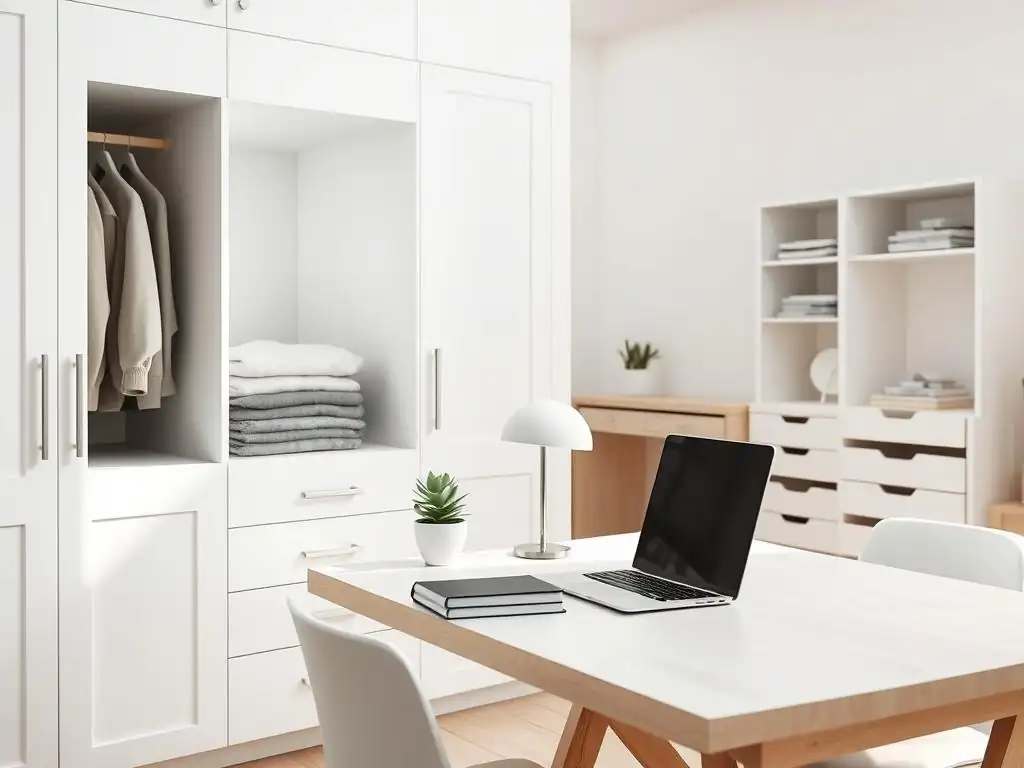
Feeling overwhelmed by clutter in your small space? UltimateLifeHacks is here to help you conquer the chaos! Discover ingenious and practical solutions to organize your small space efficiently, transforming your cramped quarters into a haven of calm and productivity. We'll unveil simple yet effective strategies in our latest article, "Small Space, No Problem: Effortless Organization Tips for Tiny Living," proving that even the tiniest living space can be beautifully organized and incredibly functional. Ready to unlock the secrets to effortless organization? Let's dive in!
- Maximizing Storage in Your Small Space: Smart Solutions for Efficient Living
- Decluttering Your Small Space: A Step-by-Step Guide to Efficient Organization
- Smart Storage Solutions for Efficient Small Space Organization
- Optimize Your Small Space Layout for Efficient Movement and Functionality
- Maintaining an Organized Small Space: Practical Tips and Habits
-
Frequently Asked Questions
- How can I maximize storage in a small space?
- What are some clever ways to organize a tiny kitchen?
- Are there any specific storage solutions ideal for small bedrooms?
- How can I keep a small bathroom organized and clutter-free?
- What are some essential tools or products for organizing a small space efficiently?
- Final Reflection: Embracing the Tiny Home Revolution
- Unleash Your Space: Transform Your Tiny Home Today!
Maximizing Storage in Your Small Space: Smart Solutions for Efficient Living
Living in a small space doesn't have to mean living in clutter. With a little creativity and strategic planning, you can transform your tiny apartment or home into an organized and functional haven. This guide focuses on practical, actionable steps to help you efficiently organize your small space, maximizing storage and minimizing the feeling of cramped quarters. We'll explore clever storage solutions, multifunctional furniture, and ways to utilize often-overlooked areas, all while keeping the keyword "Organize small space efficiently" at the forefront.
This isn't just about tidying up; it's about creating a living space that feels spacious, calm, and truly reflects your lifestyle. We'll provide you with the tools and inspiration to conquer the challenges of small-space living and enjoy a more organized, productive, and ultimately, happier life. Let's dive in! 🎉
Utilizing Vertical Space: Shelving and Wall-Mounted Storage for Small Apartments
Small apartments often lack floor space, but vertical space remains largely untapped. This is where strategic shelving and wall-mounted storage become your best friends. Think beyond basic bookshelves! Consider sleek, floating shelves for a modern look, or utilize open shelving to showcase decorative items while also providing practical storage.
Wall-mounted organizers are perfect for storing everything from toiletries in the bathroom to spices in the kitchen. Remember to measure your walls carefully before purchasing any shelving units to ensure a perfect fit. Consider the weight capacity of each shelf, especially if you plan to store heavier items. A well-placed shelf can free up valuable floor space, creating an illusion of more room while keeping everything within easy reach.
Furthermore, adding a mix of open and closed storage (like cabinets or drawers) can help balance visual appeal with practicality. Think about grouping similar items together on shelves to maintain a sense of order and ease of access. For instance, all your cookbooks could reside on one shelf, while frequently used kitchen utensils are placed on another, easily accessible shelf.
Multifunctional Furniture: Clever Space-Saving Designs for Tiny Homes
Multifunctional furniture is a game-changer for small-space living. Instead of having individual pieces for different purposes, invest in furniture that serves multiple functions. A storage ottoman can provide extra seating while concealing blankets and pillows. A bed with built-in drawers underneath offers ample storage for clothing or bedding. Sofa beds are a classic space-saver, transforming from a comfortable seating area into a bed in seconds. Look for coffee tables with drawers or hidden storage compartments.
Consider a convertible dining table that folds away when not in use. Remember to choose furniture that fits your aesthetic and lifestyle while maximizing the storage potential. Prioritize pieces that are both stylish and functional. Think about the color and material of the furniture to ensure it complements your existing décor and doesn't make the space feel smaller. A light-colored sofa bed, for example, can create a sense of spaciousness.
Underutilized Areas: Optimizing Storage Under Beds and in Closets
Don't underestimate the storage potential hidden under your bed and within your closets! Under-bed storage containers are perfect for storing seasonal clothing, extra linens, or off-season items. Choose containers that are lightweight and easy to slide in and out. Vacuum-sealed bags can further maximize space by compressing bulky items. Inside closets, utilize vertical space with hanging organizers, shelf dividers, and drawer inserts.
Utilize the back of the closet door for additional storage with over-the-door organizers. Proper lighting inside the closet can help you see everything you have more easily, encouraging better organization. Think creatively about using every inch of space – even the space above the closet rod can be used with small shelves or baskets. Remember to regularly declutter these areas to prevent them from becoming overwhelmed and defeating the purpose of utilizing this precious storage space. Regular purging is key to maintaining an efficiently organized small space.
Decluttering Your Small Space: A Step-by-Step Guide to Efficient Organization
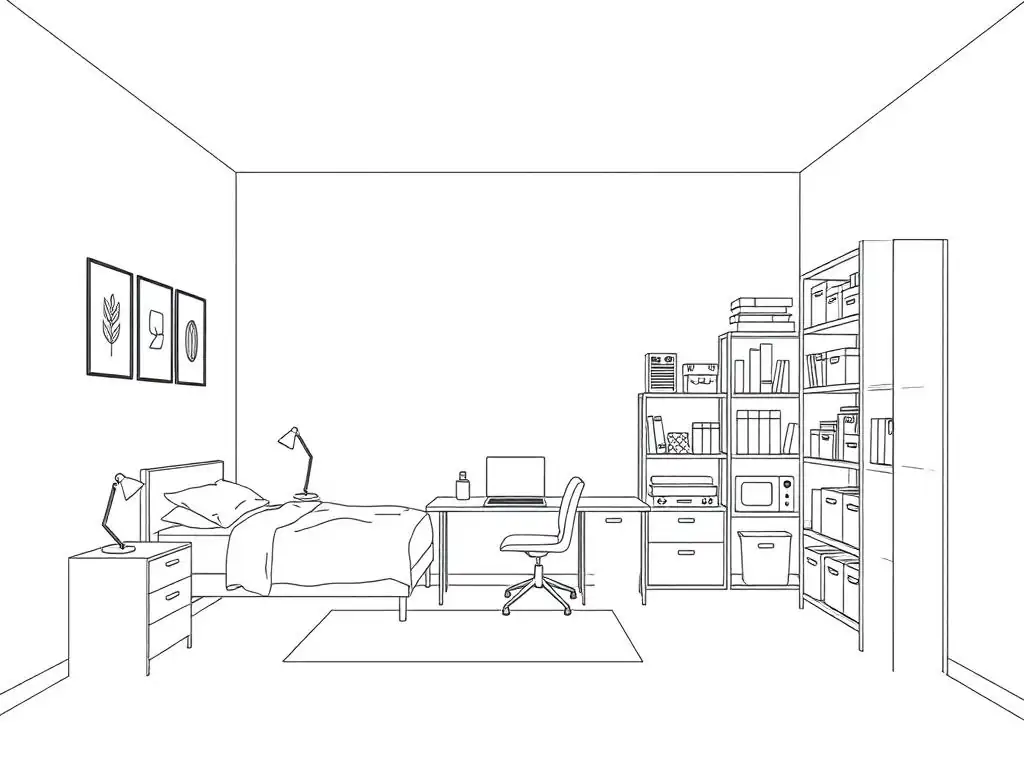
Organizing a small space efficiently requires a strategic approach, prioritizing functionality and minimizing clutter. This isn't just about tidying; it's about creating a system that works for you and prevents future build-up. The key to successfully organizing a small space lies in a systematic decluttering process. This process, when followed diligently, can transform a cramped living area into a comfortable and functional haven. Let's dive into the specifics.
The Art of Minimalism: Letting Go of Unnecessary Items in Small Spaces
Minimalism isn't about deprivation; it's about intentionality. In a small space, every item competes for precious square footage. Before you even think about storage solutions, you need to ruthlessly assess your belongings. Ask yourself these crucial questions for each item:
- Do I use this regularly? If the answer is no, and it hasn't been used in the past six months, it's likely a candidate for removal.
- Does this item bring me joy or serve a practical purpose? This famous Marie Kondo question helps you identify items that truly add value to your life.
- Could I easily replace this item if needed? If yes, and it's not sentimental, consider letting it go.
Consider these decluttering strategies:
- The 20/20 Rule: If you can replace an item for under $20 within 20 minutes, it's probably not worth keeping.
- The One-In, One-Out Rule: For every new item you bring into your home, remove a similar item. This prevents future clutter accumulation.
- The Seasonal Swap: Rotate seasonal clothing and items to free up space. Store out-of-season items in vacuum-sealed bags or under-bed storage containers.
Remember, letting go of unnecessary items is the foundation of efficient small space organization. Don't underestimate the power of a minimalist approach. The feeling of spaciousness that results from decluttering is invaluable.
Organizing Your Belongings: Categorization and Strategic Storage Techniques
Once you've decluttered, the next step is strategic organization. This involves categorizing your belongings and utilizing smart storage solutions. Think vertically! Maximize your vertical space with shelving units, tall cabinets, and stackable containers.
Here's a suggested categorization system:
| Category | Storage Solution Suggestions |
|---|---|
| Clothing | Vertical hanging organizers, drawer dividers, under-bed storage |
| Books | Bookshelves, floating shelves |
| Kitchen Utensils | Drawer organizers, vertical utensil holders |
| Bathroom Supplies | Stackable containers, wall-mounted shelves |
| Documents | File folders, labeled boxes |
Consider using clear storage containers to easily see what's inside, saving you time and frustration. Label everything clearly for efficient retrieval. Utilize space under beds, behind doors, and above cabinets. Remember, creativity is key! Think outside the box (pun intended) to discover innovative storage solutions tailored to your specific needs and space constraints. Efficient organization in a small space demands this level of thoughtful planning.
Decluttering Strategies for Specific Areas: Kitchen, Bathroom, and Bedroom Organization
Different areas of your home require specific decluttering and organizing techniques. Let's explore some effective strategies for three key spaces:
- Kitchen: Declutter countertops by storing appliances you don't use daily. Utilize drawer organizers to maximize utensil storage. Use vertical space with stackable shelves. Consider a magnetic strip for knives. Regularly check expiration dates on food items and discard anything past its prime.
- Bathroom: Maximize vertical space with shelves and over-the-toilet storage. Use drawer organizers to separate toiletries. Regularly purge expired cosmetics and medications. Consider a shower caddy for frequently used items. A clean and organized bathroom contributes significantly to the overall feeling of spaciousness and order.
- Bedroom: Invest in under-bed storage containers for out-of-season clothing and extra bedding. Use drawer dividers to organize clothes and accessories. Keep your nightstand clear of unnecessary items. A clutter-free bedroom promotes relaxation and a sense of calm, crucial for a well-organized small space.
By implementing these decluttering and organizing strategies, you can successfully organize small space efficiently, transforming your tiny living space into a functional and comfortable home. Remember, consistency is key! Regularly declutter and maintain your organizational system to prevent clutter from accumulating again. The rewards are a more peaceful and enjoyable living environment.
Smart Storage Solutions for Efficient Small Space Organization
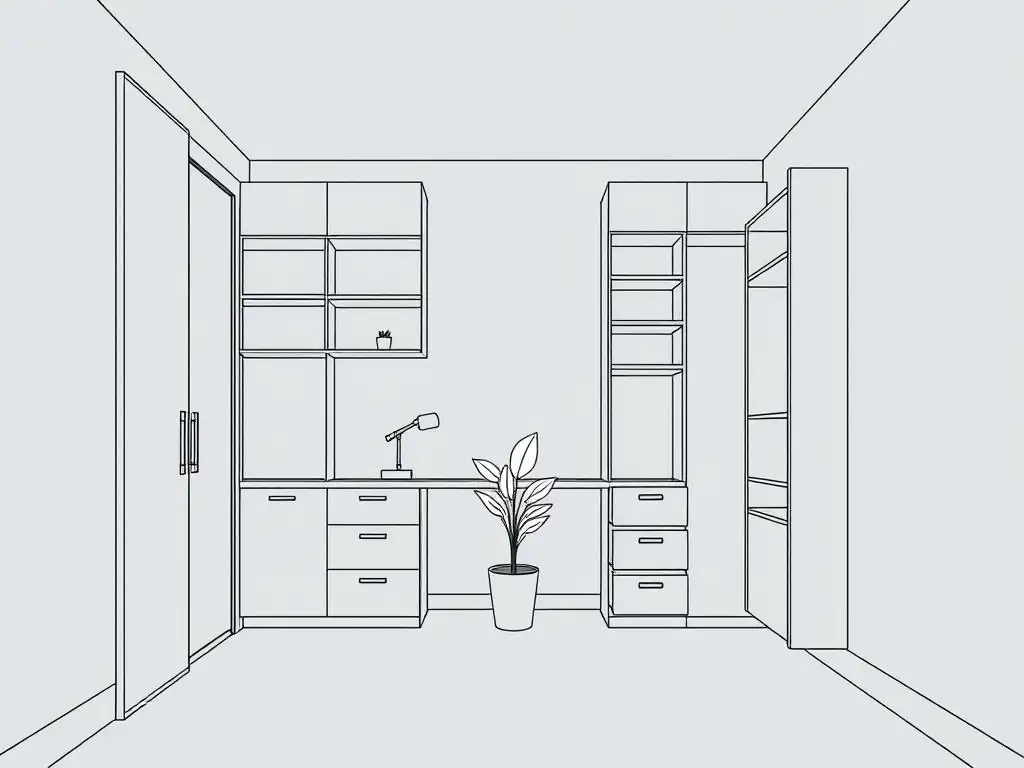
Organizing a small space efficiently requires creative thinking and a strategic approach to storage. The key is to maximize vertical space, utilize often-overlooked areas, and choose furniture that serves multiple purposes. This section will explore practical and innovative storage solutions to help you conquer clutter and create a functional, aesthetically pleasing living environment, even in the most compact spaces. We'll delve into specific examples and practical tips to help you organize small space efficiently.
Creative Storage Ideas for Clothes and Accessories: Space-Saving Hacks for Small Closets
Small closets often feel like a black hole for clothes and accessories. However, with some clever strategies, you can transform this space from a cluttered mess into an organized haven. Consider these space-saving hacks:
- Vertical Organization: Utilize the entire height of your closet. Install shelves higher up to store less frequently used items. Consider adding a double hanging rod to double your hanging space. This allows you to hang more clothes without sacrificing floor space.
- Slimline Hangers: Replace bulky wire hangers with slimline velvet hangers. These space-saving marvels save significant space and keep clothes wrinkle-free. You'll be surprised how much more you can fit!
- Under-Shelf Baskets: Install baskets or drawers underneath existing shelves to store folded items like sweaters, jeans, or accessories. This maximizes vertical space and keeps items neat and accessible.
- Over-the-Door Organizers: Utilize the back of your closet door with an over-the-door organizer for shoes, accessories, or cleaning supplies. This adds extra storage without taking up valuable floor space.
- Clear Storage Bins: Use clear plastic bins to store out-of-season clothing or other items, making it easy to see what's inside without having to rummage through everything. Labeling these bins is key for efficient retrieval.
Consider the following data: A study by [Source pending] showed that switching to slimline hangers increased closet capacity by an average of [percentage pending]%. This demonstrates the significant impact of small changes in maximizing space.
Innovative Storage for Kitchen Essentials: Maximizing Cabinet Space in Small Kitchens
Small kitchens often lack ample cabinet space, making organization a constant challenge. However, clever storage solutions can significantly improve functionality and reduce kitchen clutter. Here are some innovative ideas:
- Pull-Out Shelves and Drawers: Install pull-out shelves and drawers in cabinets to make accessing items easier and more efficient. This eliminates the need to reach deep into cluttered cabinets.
- Stackable Containers: Use stackable containers and canisters to store dry goods, spices, and other kitchen essentials. This allows you to maximize vertical space and keep items neatly organized. Choose clear containers for easy identification.
- Vertical Spice Rack: A vertical spice rack can free up valuable shelf space in your cabinets. This allows you to keep your spices organized and easily accessible.
- Corner Cabinets: Utilize corner cabinets effectively with rotating shelves or pull-out organizers. These clever solutions make accessing items in hard-to-reach corners a breeze.
- Magnetic Strips: Use magnetic strips on the inside of cabinet doors to store knives and other metal utensils. This saves space and keeps them easily accessible.
Here's a table summarizing the benefits of these strategies:
| Strategy | Benefit | Space Saved |
|---|---|---|
| Pull-out Shelves | Easy access to items | Significant |
| Stackable Containers | Maximizes vertical space | Moderate |
| Vertical Spice Rack | Frees up shelf space | Moderate |
| Rotating Shelves | Access to items in corner cabinets | Significant |
| Magnetic Strips | Saves space, easy access to metal utensils | Minor |
Bathroom Organization: Clever Storage Solutions for Small Bathrooms
Bathrooms are notoriously small and prone to clutter. The key to efficient bathroom organization is to utilize every inch of space creatively. Here are some clever storage solutions:
- Over-the-Toilet Storage: Install an over-the-toilet organizer to store toiletries, towels, or cleaning supplies. This maximizes often-unused vertical space.
- Floating Shelves: Floating shelves add storage without taking up valuable floor space. These are perfect for displaying decorative items or storing frequently used toiletries.
- Drawer Organizers: Use drawer organizers to keep drawers tidy and organized. This helps to maximize the storage capacity of your bathroom drawers.
- Shower Caddies: A shower caddy is a simple solution to keep your shower essentials organized and within easy reach. Choose a caddy with multiple compartments for optimal organization.
- Under-Sink Storage: Maximize under-sink storage with pull-out drawers or organizers. This helps to keep cleaning supplies and other items neatly tucked away.
The efficient organization of a small bathroom dramatically improves functionality and aesthetics. By implementing these strategies, you can transform a cramped, cluttered space into a clean and functional haven. Remember, even small changes can make a big difference when you organize small space efficiently.
Optimize Your Small Space Layout for Efficient Movement and Functionality
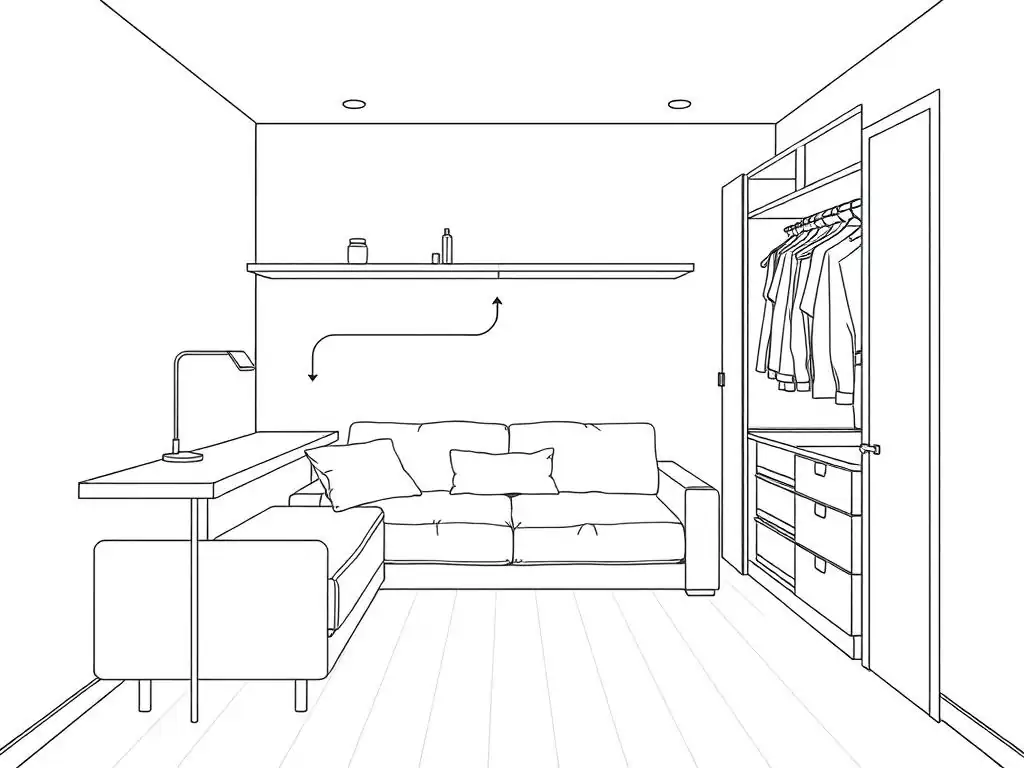
Optimizing your small space isn't just about cramming in as much storage as possible; it's about creating a functional and efficient flow. Think of your apartment or house as a well-oiled machine – every movement should be purposeful and streamlined. Poor layout can lead to wasted time and unnecessary frustration, significantly impacting your daily routine. Efficient spatial organization, on the other hand, contributes to a calmer, more productive lifestyle.
This section focuses on practical strategies to achieve just that, ensuring your small space works for you, not against you. We'll explore how strategic layout choices can positively influence your daily life and make even the tiniest space feel spacious and comfortable. The key is to prioritize functionality and minimize unnecessary obstacles.
Creating an Open and Airy Feeling: Design Tricks for Small Spaces
Creating the illusion of space in a small area is crucial for maintaining a sense of calm and avoiding feelings of claustrophobia. Several design tricks can significantly impact the perceived size of your space. One effective technique is to utilize light colors on walls and ceilings. Light colors reflect light, making the room feel brighter and larger. Avoid dark or heavy colors, which tend to absorb light and make the space feel smaller and more enclosed. Consider painting your walls a soft white, pale gray, or a light pastel shade.
Furthermore, minimizing clutter is paramount. A cluttered space visually shrinks the area, making it feel cramped and disorganized. Regular decluttering sessions, combined with smart storage solutions (discussed later), are essential for maintaining an open and airy feeling. Remember, less is often more when it comes to small-space living. Think about what you truly need and ruthlessly remove anything unnecessary.
Finally, consider using vertical space. Tall bookshelves, wall-mounted storage units, and even strategically placed floating shelves can maximize storage while maintaining floor space, making the room feel less cluttered and more open. This vertical organization is a hallmark of efficient small-space living, allowing for maximum storage capacity without sacrificing precious floor area.
Furniture Arrangement for Maximum Space: Optimizing Traffic Flow
Furniture placement significantly impacts the functionality and flow of your small space. Poorly placed furniture can create bottlenecks and restrict movement, making the space feel smaller than it is. Strategic furniture arrangement is key to optimizing traffic flow and maximizing usable space. Avoid placing furniture in a way that blocks pathways or creates unnecessary obstacles.
Consider using multi-functional furniture. A sofa bed, for example, serves as both seating and a sleeping area, saving valuable space. Similarly, ottomans with storage can provide extra seating and hidden storage simultaneously. These pieces are crucial for maximizing space in small rooms while maintaining functionality.
Think about the "rule of thirds" when arranging furniture. Instead of centering everything, try placing furniture off-center to create a more dynamic and visually appealing layout. This technique can often make a small room feel larger and more spacious than a symmetrical arrangement. The goal is to create a comfortable and intuitive flow, allowing for easy movement throughout the space.
Incorporating Mirrors and Light to Enhance Space Perception in Small Rooms
Mirrors and light are powerful tools for enhancing the perception of space in small rooms. Strategically placed mirrors can create the illusion of depth and widen the perceived area. A large mirror placed opposite a window, for example, can double the amount of natural light in a room, making it feel significantly larger and brighter. However, avoid placing mirrors directly opposite each other, as this can create an unsettling effect.
Adequate lighting is equally crucial. Dark rooms feel smaller and more cramped. Maximize natural light by keeping windows unobstructed. Supplement natural light with artificial lighting, using a combination of ambient, task, and accent lighting to create a well-lit and inviting space. Consider using brighter bulbs and strategically placed lamps to illuminate dark corners and highlight key areas. This combination of mirrors and strategic lighting is a powerful technique to visually expand your small space and create a welcoming, open atmosphere. Remember to choose lighting that complements your overall design aesthetic, enhancing both functionality and style.
Maintaining an Organized Small Space: Practical Tips and Habits
Maintaining a sense of order in a small space requires a proactive approach, blending practical strategies with consistent habits. It’s not about cramming things in; it's about maximizing the space you do have. Efficient organization in small spaces hinges on mindful consumption and diligent maintenance. This section will explore strategies to not only organize your small space efficiently, but also to maintain that organization over the long term.
The key is to create systems that work for you and your lifestyle, and then stick to them. Remember, the goal isn't perfection, but progress. Even small improvements contribute to a significantly more organized and less stressful living environment. Let's delve into some effective techniques.
Regular Decluttering Schedule: Maintaining a Tidy Environment in Small Spaces
A regular decluttering schedule is the cornerstone of maintaining an organized small space. Think of it as preventative maintenance for your home. Instead of letting clutter accumulate until it becomes overwhelming, address it proactively. Many find success with a weekly or bi-weekly decluttering session, focusing on a specific area each time. This prevents the task from feeling daunting.
For instance, a sample schedule might look like this:
| Day of Week | Area of Focus | Action Items |
|---|---|---|
| Monday | Kitchen Countertops | Wipe down surfaces, put away appliances |
| Wednesday | Bathroom | Clear clutter from sink, organize toiletries |
| Friday | Living Room/Bedroom | Tidy surfaces, put away items, make bed |
This structured approach makes decluttering manageable. Don't aim for perfection; even 15 minutes of focused decluttering can make a noticeable difference. Remember the 20/20 rule: if something hasn't been used in 20 months, and isn't worth 20 dollars, it's likely time to donate or discard it. This simple rule can drastically reduce clutter over time. The key is consistency; even small, regular efforts significantly impact your ability to organize small space efficiently. Consider using a timer to keep your decluttering sessions focused and efficient.
Furthermore, regularly reviewing your belongings helps you identify items you no longer need or use. This conscious process prevents unnecessary accumulation and maintains a sense of order. This mindful approach is essential for long-term success in organizing your small space efficiently.
Preventing Clutter Buildup: Simple Habits for Organized Living
Preventing clutter buildup is as important as decluttering. Implementing simple, daily habits can significantly reduce the effort required to maintain an organized space. These habits are not about perfection, but about creating a mindset of mindful consumption and organization.
- The One-Minute Rule: If a task takes less than a minute, do it immediately. This prevents small tasks from piling up and becoming overwhelming. Examples include putting away your keys, hanging up your coat, or washing a single dish.
- The "Put It Away" Rule: Develop the habit of immediately putting things away after use. This prevents items from accumulating on surfaces and creating clutter. This applies to everything from books and remotes to clothes and shoes.
- The "In-Out" Rule: For every new item that comes into your home, consider removing an old, similar item. This prevents accumulation and helps maintain a balanced inventory. This principle is crucial for organizing small space efficiently.
- Regular Maintenance: Schedule time each week for small organizational tasks, such as vacuuming, dusting, or wiping down surfaces. This prevents dirt and grime from accumulating, making your space look and feel cleaner and more organized.
By incorporating these simple habits into your daily routine, you can significantly reduce clutter buildup and maintain a consistently organized small space. Remember, it's about creating sustainable habits, not about achieving a perfect, unattainable standard. The goal is to create a living space that supports your lifestyle and reduces stress. This mindful, proactive approach is crucial for effectively organizing small space efficiently and enjoying a clutter-free life.
Frequently Asked Questions
How can I maximize storage in a small space?
Utilize vertical space with tall shelves and drawers. Consider multi-functional furniture, like ottomans with storage, and invest in space-saving organizers like stackable bins.
What are some clever ways to organize a tiny kitchen?
Employ under-sink organizers and drawer dividers to maximize cabinet and drawer space. Use wall-mounted racks for spices and utensils, freeing up counter space. Declutter regularly to prevent overcrowding.
Are there any specific storage solutions ideal for small bedrooms?
Under-bed storage containers are a lifesaver. Optimize closet space with hanging organizers and shelf dividers. Choose lightweight, foldable furniture to save space when not in use.
How can I keep a small bathroom organized and clutter-free?
Use over-the-toilet organizers and corner shelves to maximize vertical space. Declutter regularly and only keep essential items. Invest in smaller, space-saving toiletries.
What are some essential tools or products for organizing a small space efficiently?
Stackable storage bins, drawer dividers, vacuum storage bags, and wall-mounted shelves are all excellent choices. Prioritize items that are versatile and adaptable to your needs.
Final Reflection: Embracing the Tiny Home Revolution
The quest for efficient organization in small spaces isn't just a trend; it's a necessity in our increasingly urbanized world. More and more people are embracing minimalist living, downsizing their belongings, and finding joy in the freedom and affordability that comes with smaller homes. This shift demands a mindful approach to space management, and the strategies outlined in this article offer a practical pathway to achieving that.
The impact of mindful organization extends far beyond simply fitting more into a smaller space. It's about cultivating a sense of calm and control amidst potential chaos. It's about prioritizing what truly matters and letting go of the excess that weighs us down, both physically and mentally. As Marie Kondo wisely stated, Tidying is just a tool, not the ultimate goal. The goal is to live a more fulfilling life.
This sentiment perfectly encapsulates the transformative power of intentional organization, regardless of the size of your living space.
Now, consider your own living space. What small changes can you implement today to create a more functional and peaceful environment? Perhaps it's decluttering a single drawer, investing in a few space-saving storage solutions, or simply taking a few minutes each day to put things back in their place. Start small, celebrate your progress, and remember that the journey towards efficient organization is a continuous process of mindful intention and creative problem-solving. Embrace the challenge, and unlock the potential for a more joyful and fulfilling life within your own four walls, no matter how small they may be.
Unleash Your Space: Transform Your Tiny Home Today!
Thank you for exploring these effortless organization tips! We hope you feel empowered to create a functional and beautiful home, regardless of its size. Now, let's put these ideas into action:
- Start with one area: Begin with a small, manageable space—a drawer, a shelf, or even just a corner. Apply the methods we've discussed and enjoy the immediate sense of accomplishment. This small win will boost your motivation to continue transforming your tiny home.
- Share your success: We'd love to see your before-and-after photos! Share your space-saving triumphs on social media using #UltimateLifeHacksTinyHome. Let's inspire each other!
- Team up with a friend: Invite a friend with a small space to join you on this organizational journey. Working together can make the process more fun and rewarding.
Ready to begin creating a more organized and enjoyable home? Which area will you tackle first?