
The Tiny Home Transformation: From Cramped to Comfortable

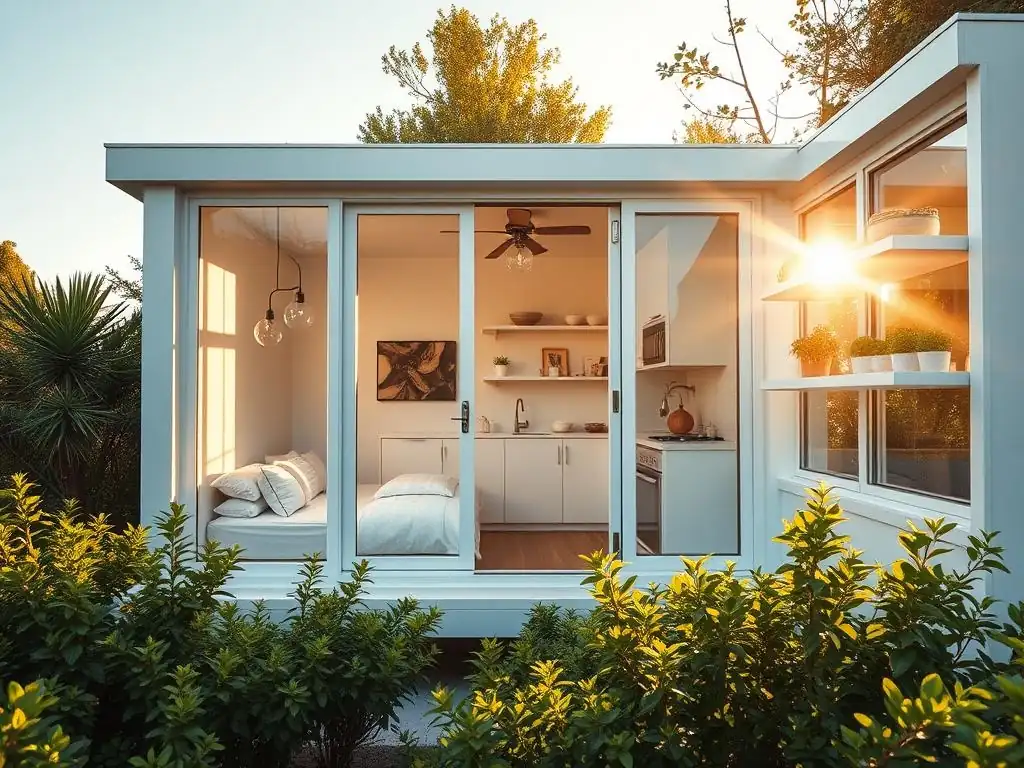
Ready to unlock the secrets to a more efficient and fulfilling life? At UltimateLifeHacks, we're dedicated to helping you conquer daily challenges and maximize your potential. This week, we delve into the fascinating world of space optimization, specifically exploring ingenious Tiny home space saving ideas that will transform your living space from cramped to comfortable. Discover how even the smallest of homes can be both stylish and surprisingly spacious – prepare to be amazed by what’s possible!
- Maximizing Space in Your Tiny Home: Clever Storage Solutions
- Tiny Home Space Saving Ideas: Furniture Selection and Multi-Functionality
- Decluttering and Organization for Tiny Home Living: A Step-by-Step Guide
- Tiny Home Space Saving Ideas: Natural Light and Airflow
- Technology and Tiny Homes: Smart Home Solutions for Space Optimization
- Embrace the Tiny Home Lifestyle: Tips for Comfortable Living in a Small Space
- Frequently Asked Questions
- Final Reflection: Embracing the Spaciousness Within
- Unlock Your Tiny Home's Full Potential!
Maximizing Space in Your Tiny Home: Clever Storage Solutions
Embracing the minimalist lifestyle of a tiny home offers unique challenges and incredible rewards. While the reduced square footage can initially feel restrictive, it presents a fantastic opportunity to hone your organizational skills and embrace creative storage solutions. This article delves into practical, space-saving ideas specifically designed for tiny homes, transforming your cramped quarters into a comfortable and functional living space.
We'll explore innovative strategies for maximizing storage in your kitchen, bathroom, and bedroom, ensuring that your tiny home feels spacious and inviting, not cluttered and claustrophobic. Mastering these techniques will not only help you conquer the challenges of small-space living but also unlock a new level of efficiency and organization in your daily routine. This guide will equip you with the knowledge and inspiration to implement effective “tiny home space saving ideas,” allowing you to live comfortably and productively within your compact dwelling.
Let's transform that feeling of cramped confinement into a sense of cozy, personalized comfort! 🎉
Smart Storage for Tiny Kitchens: Space-Saving Appliances and Organization
Tiny kitchens demand innovative solutions. Forget bulky appliances and sprawling countertops—the key is strategic selection and vertical organization. Consider investing in space-saving appliances like a compact dishwasher, a combination microwave-oven, and a slim-profile refrigerator. These appliances significantly reduce footprint without compromising functionality. Vertical storage is your best friend. Utilize wall-mounted shelves, pot racks, and magnetic strips to store frequently used items, keeping countertops clear and maximizing workspace.
Drawer organizers and pull-out shelves in cabinets further optimize storage capacity. Think creatively! Use the space under the sink with stackable organizers for cleaning supplies and utilize the often-underutilized space above the cabinets for lighter items. Remember, a well-organized kitchen is a happy kitchen, even in a tiny home. 🧑🍳
Bathroom Bliss: Optimizing Small Bathroom Space in Tiny Homes
Bathroom space in a tiny home is often at a premium. Clever planning is essential to prevent a feeling of overwhelming clutter. Maximize vertical space with over-the-toilet storage units, floating shelves, and mirrored cabinets. These options provide ample storage for toiletries and towels without encroaching on floor space. Utilize shower caddies with multiple compartments to keep your shower essentials organized and easily accessible.
Consider installing a shower with built-in shelves or a niche to eliminate the need for additional storage within the shower area. Replacing a bulky vanity with a smaller, more streamlined model or even a wall-mounted sink can free up valuable floor space. Remember, even small changes can make a significant difference in a tiny bathroom. 🚿
Bedroom Solutions: Creative Storage Ideas for Tiny Home Bedrooms
The bedroom in a tiny home often serves multiple purposes, so smart storage is crucial. Utilize the space under the bed strategically. Invest in under-bed storage containers for off-season clothing, linens, or other items you don't use frequently. A bed with built-in drawers is an excellent space-saving solution. Vertical storage is equally important in the bedroom.
Install shelves above the bed or utilize wall-mounted organizers for books, accessories, and personal items. Consider a loft bed to create additional storage space underneath. Foldable furniture, such as a Murphy bed or a convertible sofa, can be a game-changer, allowing you to maximize space during the day and reclaim floor area for other activities. Remember, a well-organized bedroom promotes relaxation and tranquility, even in a small space. 🛏️
Living Room Layout: Multifunctional Furniture for Tiny Home Living
Creating a functional and comfortable living room in a tiny home requires strategic planning and the clever use of multifunctional furniture. Forget bulky, single-purpose pieces; embrace adaptable designs that serve multiple roles. A sofa bed, for example, instantly transforms your seating area into a guest bedroom, maximizing space utilization. This is a crucial aspect of effective tiny home space saving ideas.
Consider a coffee table with built-in storage. These tables often feature drawers or lift-top designs concealing extra blankets, board games, or remotes, keeping your living area clutter-free. The added bonus? You're adding hidden storage without sacrificing precious floor space, a key principle in successful tiny home living. Think carefully about the materials – lighter woods or sleek metal frames can help create an airy feel, preventing the room from feeling cramped.
Furthermore, wall-mounted shelving units are your best friend. Instead of bulky floor-standing bookcases, opt for floating shelves to display books, decorations, or plants while keeping the floor clear and the room feeling spacious. Strategically placed shelves near seating areas can hold lamps or remotes, making them easily accessible. Remember to select shelves that complement your overall aesthetic, maintaining a cohesive and stylish living space. Choosing lighter colors for the shelves themselves will also help to make the room feel larger.
Another excellent option is a storage ottoman. These versatile pieces provide extra seating while doubling as hidden storage for items like throws, pillows, or seasonal clothing. They add a touch of elegance while contributing to the overall organization of the space. Consider a model with a lift-top for easy access to the storage compartment. This approach is a perfect illustration of how to integrate functionality and style into your tiny home space saving ideas. The key is choosing pieces that blend seamlessly with your existing décor.
Finally, don't underestimate the power of vertical space. Utilize wall-mounted organizers for remotes, magazines, or even small plants. This not only saves floor space but also adds a touch of personality to your living area. Think about using vertical space to your advantage – wall-mounted shelves, vertical storage racks, or even a ladder shelf can all contribute to maximizing storage capacity without overwhelming the space. This vertical approach is a winning strategy when exploring tiny home space saving ideas.
Tiny Home Space Saving Ideas: Furniture Selection and Multi-Functionality
This section delves into the crucial role of furniture selection in maximizing space within a tiny home. Careful consideration of size, material, and functionality is paramount to achieving a comfortable and efficient living environment. We'll explore how strategic choices can transform a cramped space into a functional and stylish haven, showcasing the best tiny home space saving ideas.
Choosing the Right Furniture: Size, Material and Functionality
Selecting the right furniture is the cornerstone of successful tiny home living. Forget bulky, oversized pieces; embrace minimalism and functionality. Prioritize items with a small footprint and consider the material's weight and durability. Lightweight materials like bamboo or aluminum are excellent choices, minimizing the overall weight and stress on the structure.
Consider these factors when choosing furniture:
- Size: Measure everything. Before purchasing any piece, meticulously measure the available space and the furniture dimensions. Leave adequate walking space; nothing is worse than constantly bumping into furniture in a confined space. Consider using a floor plan to visualize furniture placement.
- Material: Opt for durable, lightweight materials. Avoid heavy, solid wood pieces unless they serve a truly multifunctional purpose. Materials like lightweight plywood, metal, and plastic can be surprisingly stylish and resilient.
- Functionality: Each piece should serve multiple purposes. A coffee table with built-in storage? Yes, please! A bed with drawers underneath? Absolutely! Maximize every square inch by choosing items designed for double-duty.
For example, instead of a large, traditional dining table, consider a foldable wall-mounted table or a set of nesting tables that can be stored away easily when not in use. This simple swap dramatically increases usable floor space. Think creatively – a window seat with storage underneath can provide seating and valuable storage space simultaneously.
Multi-Purpose Furniture: Beds that Convert, Sofa Beds and Storage Ottomans
Multi-functional furniture is your best friend in a tiny home. Transforming furniture is a game-changer. Consider these space-saving marvels:
- Murphy Beds: These fold-away beds are a classic tiny home solution. They seamlessly integrate into the wall during the day, freeing up valuable floor space. Many modern Murphy beds incorporate built-in storage, further maximizing their utility.
- Sofa Beds: A sofa bed offers a comfortable seating area during the day that converts into a sleeping space at night. Choose one with ample storage underneath to keep blankets, pillows, or other items neatly tucked away.
- Storage Ottomans: These versatile pieces provide comfortable seating and generous hidden storage. They are perfect for storing blankets, shoes, or other items that you need readily accessible, but don't want cluttering your space.
Think outside the box! A cleverly designed coffee table might also house a hidden compartment for board games, while a bench with built-in drawers could double as additional seating and storage. The possibilities are endless when you embrace multi-functional design. This is among the most effective tiny home space saving ideas.
Vertical Space Optimization: Shelving, Wall-Mounted Units and Hanging Storage
Don't neglect the vertical dimension! Tiny homes necessitate maximizing height. Utilizing wall space is critical to avoiding a cluttered feeling. Here are some effective strategies:
- Shelving: Open shelving is an excellent way to display items and keep frequently used items within easy reach. Consider using a variety of shelf sizes and depths to accommodate different items efficiently. Floating shelves are particularly space-saving, as they don't require any floor space.
- Wall-Mounted Units: Wall-mounted cabinets and storage units are a fantastic way to store items out of sight, keeping the floor space clear and organized. These units can be customized to fit the exact dimensions of your wall space, ensuring optimal use of every inch.
- Hanging Storage: Utilize hanging organizers for clothing, shoes, and other items. Over-the-door organizers and hanging shelves are great for maximizing space within closets and other areas. This is especially useful in bathrooms and kitchens where counter space is limited.
Remember to consider the weight capacity of your walls when installing wall-mounted units and shelving. Properly securing these items is crucial for safety and to prevent damage to your tiny home. Vertical storage is one of the most impactful tiny home space saving ideas you can implement. By combining these strategies, you can create a functional and aesthetically pleasing tiny home that feels spacious and comfortable despite its compact size.
Decluttering and Organization for Tiny Home Living: A Step-by-Step Guide
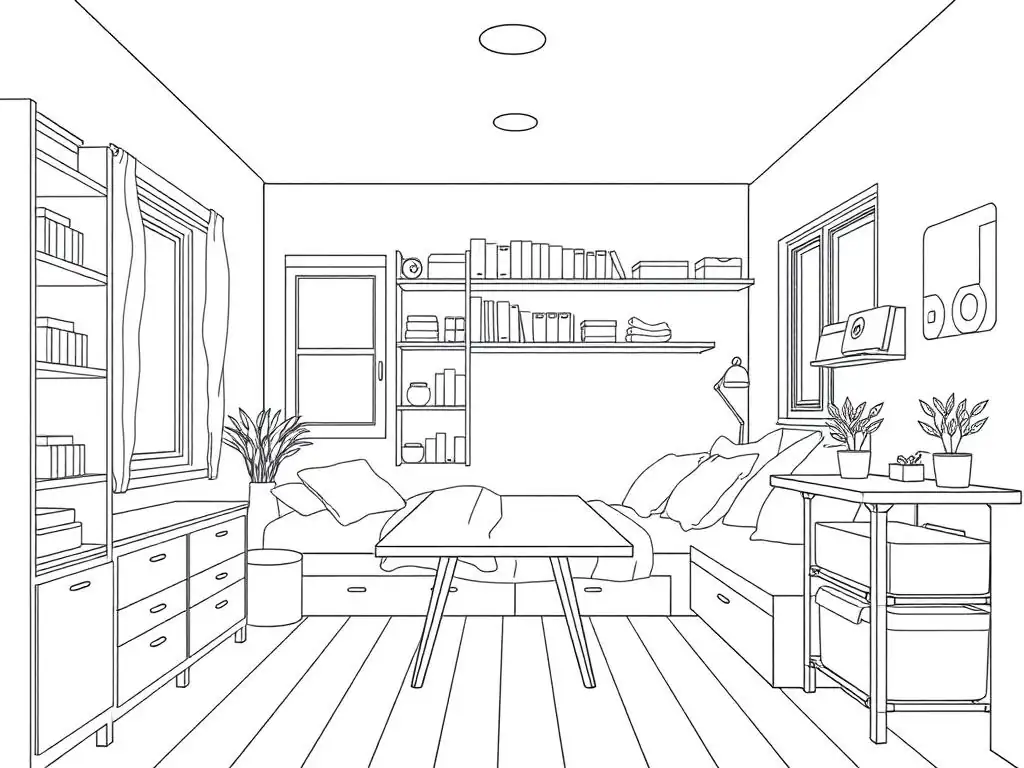
Living in a tiny home necessitates a different approach to organization and decluttering than traditional housing. Successful tiny home living hinges on maximizing space and minimizing clutter. This section provides a practical, step-by-step guide to achieving both, transforming your tiny home from cramped to comfortable. The key is embracing a minimalist lifestyle and employing smart storage solutions. This is crucial for maintaining a sense of calm and order in your limited square footage.
The Art of Minimalism: Letting Go of Unnecessary Items
The journey to a clutter-free tiny home begins with minimalism. This isn't about deprivation; it's about intentionality. Before you even think about storage solutions, you need to ruthlessly evaluate your possessions. Ask yourself: Do I need this? Do I use this regularly? If the answer to both questions is no, it's time to let it go.
Consider the "one in, one out" rule: for every new item you bring into your tiny home, another similar item must be removed. This simple rule prevents future clutter build-up. Don't be sentimental; memories aren't tied to objects. Photograph cherished items before donating or selling them to preserve the memories without the physical clutter. Remember, less is more, especially in a tiny home environment. This principle directly addresses the core need for effective "tiny home space saving ideas."
To help you declutter effectively, try categorizing your belongings: clothes, books, kitchenware, etc. Go through each category methodically, discarding anything unused or unnecessary. You might be surprised by how much you can eliminate! Donating unwanted items not only clears your space but also benefits your community.
Organizing Your Belongings: Effective Storage Techniques for Tiny Homes
Once you've decluttered, smart storage is paramount. Tiny homes necessitate creative solutions to maximize limited space. Vertical space is your best friend. Utilize wall-mounted shelves, overhead storage, and multi-functional furniture. Consider these specific examples:
| Storage Solution | Description | Space-Saving Benefits |
|---|---|---|
| Vertical shelving units | Floor-to-ceiling shelving units maximize vertical space. | Doubles or triples storage capacity compared to horizontal shelving. |
| Fold-down desks/tables | Desks or tables that fold away when not in use free up valuable floor space. | Creates flexible workspace without permanent footprint. |
| Under-bed storage drawers | Drawers that slide under the bed provide hidden storage for out-of-season items. | Utilizes often-unused space effectively. |
| Multi-functional furniture | Furniture with built-in storage (e.g., ottomans with storage, beds with drawers) | Combines storage and functionality in a single piece. |
| Wall-mounted hooks/racks | Hooks and racks on walls store coats, bags, and other items off the floor. | Keeps items organized and off the floor, maximizing space. |
Remember to use clear storage containers to easily see the contents, preventing you from buying duplicates. Labeling everything is crucial for easy access and maintaining order. This organized approach is a cornerstone of successful "tiny home space saving ideas".
Regular Decluttering: Maintaining a Tidy Tiny Home
Decluttering isn't a one-time event; it's an ongoing process. Regular decluttering sessions (e.g., monthly or quarterly) are crucial to prevent clutter from accumulating again. Schedule these sessions into your calendar to make them a habit. During these sessions, revisit the "one in, one out" rule and reassess your belongings. Are there any items you haven't used in the past few months? If not, consider donating or selling them.
Implementing a regular decluttering schedule will not only keep your tiny home tidy but also prevent stress and improve your overall well-being. The feeling of a clean, organized space contributes significantly to a peaceful and productive lifestyle. This proactive approach to maintaining a clutter-free environment is essential for long-term success in tiny home living and exemplifies the best practices for "tiny home space saving ideas." The consistent application of these techniques will ensure your tiny home remains a haven, not a headache. 🏠
Tiny Home Space Saving Ideas: Natural Light and Airflow
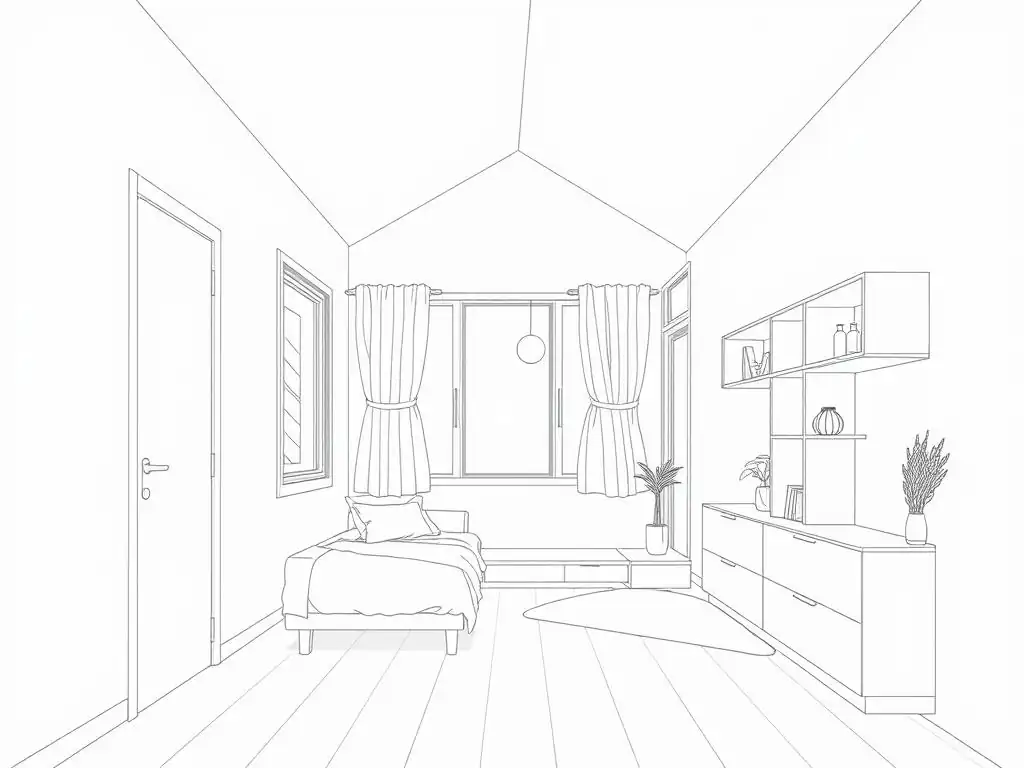
This section focuses on leveraging natural resources – sunlight and air – to enhance the feeling of spaciousness and comfort within your tiny home. Effective use of light and airflow can significantly impact the perceived size and overall livability of your small space, offering a crucial element to your "tiny home space saving ideas" strategy. We'll explore practical techniques to maximize both.
Maximizing Natural Light: Window Treatments and Mirrors
Maximizing natural light is paramount in a tiny home. Dark spaces feel smaller, while bright, airy rooms feel significantly larger. Strategic window treatments and the clever placement of mirrors can dramatically improve light distribution and create the illusion of more space.
Several window treatment options exist that enhance light penetration while still offering privacy. Sheer curtains, for instance, allow soft, diffused light to filter through, brightening the room without sacrificing intimacy. Consider using lighter-colored fabrics; darker shades absorb more light, diminishing the effect.
Mirrors strategically positioned near windows can effectively double the perceived light. Placing a large mirror opposite a window reflects the sunlight deeper into the room, illuminating areas that might otherwise be shadowed. Experiment with different mirror sizes and placements to optimize light reflection. Remember that a strategically placed mirror can also visually expand the space, a key element in our "tiny home space saving ideas" discussion. For example, a full-length mirror in a hallway can create the illusion of greater length and depth.
Data shows that homes with ample natural light command higher rental and resale values. While this is not directly applicable to a tiny home, the principle holds true: a brighter, airier space feels more valuable and enjoyable to live in. Therefore, investing in light-enhancing strategies is a worthwhile investment in your comfort and overall well-being.
Improving Air Circulation: Ventilation Strategies for Tiny Homes
Poor air circulation in a tiny home can lead to stuffiness, mustiness, and even health problems. Good ventilation is critical not only for air quality but also for creating a sense of spaciousness. A stagnant atmosphere feels cramped, while a well-ventilated space feels lighter and more open. This is a vital aspect of effective "tiny home space saving ideas".
Effective ventilation strategies for tiny homes often involve a combination of methods. Firstly, maximizing the use of windows and doors for cross-ventilation is crucial. Opening windows on opposite sides of the home allows for a natural airflow, flushing out stale air and bringing in fresh air. Consider installing strategically placed vents or fans to assist in this process.
Secondly, consider investing in a high-quality ventilation system. This could range from simple exhaust fans in the bathroom and kitchen to more sophisticated whole-house ventilation systems that filter and circulate air more effectively. These systems help remove moisture, preventing mold and mildew growth, which can cause serious health issues and also affect the overall air quality and feeling of the space.
Thirdly, implementing simple design choices can significantly boost airflow. For example, using lightweight curtains and furniture allows for better air movement around the room. Avoiding overcrowding and keeping clutter to a minimum also contributes to better air circulation. A cluttered space not only feels smaller but also restricts airflow. This highlights the synergy between space-saving and air circulation in achieving a comfortable and healthy tiny home environment. Remember, clean air contributes significantly to a feeling of spaciousness, making it an essential part of your "tiny home space saving ideas" toolkit.
Technology and Tiny Homes: Smart Home Solutions for Space Optimization
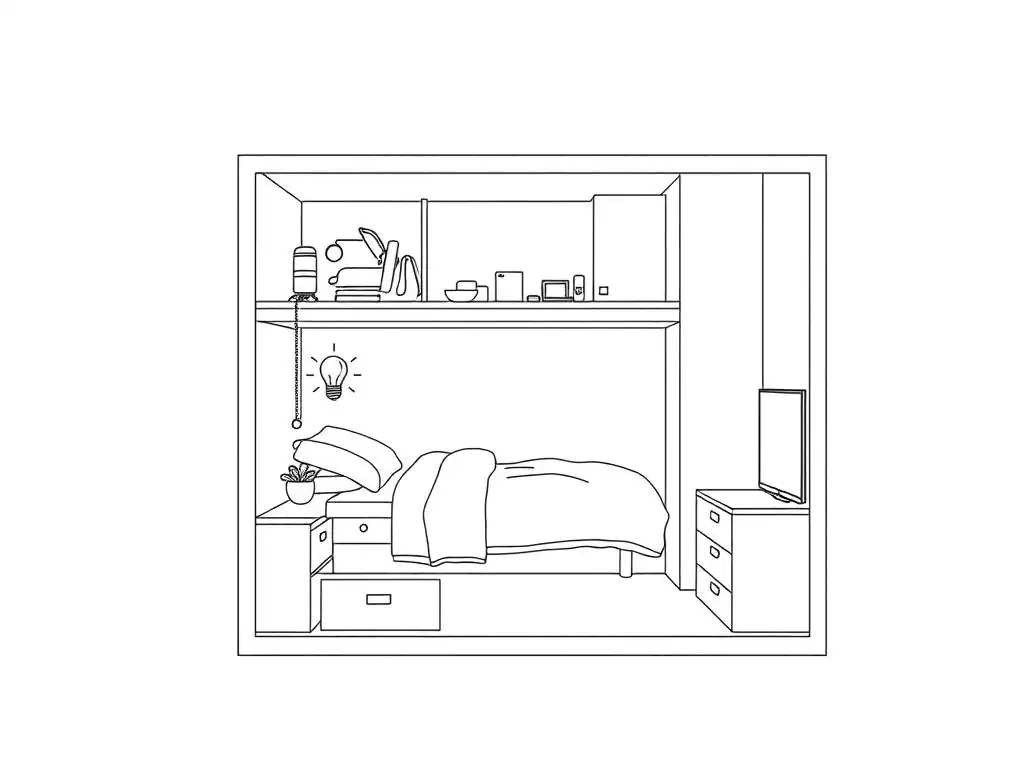
Tiny home living necessitates creative solutions, and technology offers a surprising number of space-saving and efficiency-boosting options. Integrating smart home technology isn't just about convenience; it's a crucial element in maximizing the functionality of a limited space. By cleverly utilizing available technology, tiny home owners can streamline their routines, optimize storage, and create a more comfortable and less cluttered living environment. This section explores how smart technology can transform your tiny home from cramped to comfortable, directly addressing the need for "tiny home space saving ideas".
Smart Storage Solutions: Automated Storage Systems
Automated storage systems are a game-changer in tiny homes. Imagine a system that effortlessly retrieves items from hard-to-reach places or automatically organizes your belongings. While fully automated systems might be a significant investment, several more accessible options exist. For example, consider motorized shelving units that raise and lower with the touch of a button, revealing otherwise inaccessible storage space.
This is particularly useful for storing seasonal items or infrequently used appliances. Another practical solution is a robotic storage system that can fetch items from a designated storage area, dramatically reducing the need for extensive searching and maximizing usable floor space. These systems, while still emerging in the consumer market, represent the future of space optimization in tiny homes.
The cost-benefit analysis should consider the value of reclaiming floor space and the time saved compared to traditional storage solutions. The initial investment might seem high, but the long-term gains in convenience and space optimization are undeniable. Think of it as an investment in your sanity and the overall livability of your tiny home.
Space-Saving Technology: Minimizing Clutter with Tech
Digitalization is your best friend in a tiny home. Embracing digital alternatives to physical items is a powerful strategy for minimizing clutter and maximizing space. Switching to digital books, magazines, and newspapers eliminates the need for bulky bookshelves. Cloud storage for photos and documents eliminates the need for physical storage of important papers and memories.
Smart displays can consolidate multiple devices, eliminating the need for individual screens and chargers. Furthermore, apps for organization and task management can streamline your daily routines, reducing the need for physical planners and notebooks. The transition to a digital lifestyle requires a conscious effort, but the payoff in terms of space and reduced clutter is significant.
Think about the physical space saved by eliminating stacks of papers, magazines, and CDs. This approach truly embodies the essence of "tiny home space saving ideas," offering a practical and impactful strategy for enhancing your living experience. Consider the following comparison:
| Item | Physical Storage | Digital Storage | Space Saved |
|---|---|---|---|
| 100 Books | Large bookshelf | E-reader/Cloud Storage | Significant |
| Family Photo Albums | Multiple Albums | Cloud Storage | Substantial |
| Paper Bills & Documents | Filing Cabinet | Cloud Storage | Moderate |
| Calendar & To-Do Lists | Planner & Notebooks | Digital Calendar/Apps | Minor but valuable |
This shift towards a digital lifestyle not only saves space but also contributes to a more organized and efficient living environment, a cornerstone of successful tiny home living. The transition might require a learning curve, but the long-term benefits are well worth the effort.
Embrace the Tiny Home Lifestyle: Tips for Comfortable Living in a Small Space
Embracing the tiny home lifestyle requires a shift in mindset and a strategic approach to space management. It's about maximizing functionality and minimizing clutter to create a comfortable and efficient living environment. Successful tiny home living hinges on thoughtful planning and the adoption of clever space-saving strategies. This isn't about sacrificing comfort; it's about redefining it within a smaller footprint.
Many find that this lifestyle fosters a greater appreciation for minimalism and intentional living, leading to a more peaceful and less stressful existence. The key is to prioritize what truly matters and eliminate unnecessary possessions. This section explores practical tips to help you thrive in your tiny home, transforming a potentially cramped space into a cozy and functional haven. We’ll delve into specific techniques to optimize storage, enhance the sense of spaciousness, and maintain a clean and organized environment, all crucial elements for successful tiny home living.
Creating a Sense of Space: Decor and Design Tips for Tiny Homes
Creating the illusion of spaciousness in a tiny home relies heavily on smart design choices. Light colors are your best friend. Painting walls in shades of white, cream, or light gray can significantly amplify the perceived size of the room. Avoid dark colors, which tend to absorb light and make the space feel smaller. Mirrors strategically placed can also work wonders, doubling the perceived size and adding depth.
A large mirror opposite a window, for example, can dramatically enhance the brightness and spaciousness. Consider using multifunctional furniture. A sofa bed, for instance, serves as both seating and sleeping space, saving valuable floor area. Similarly, ottomans with storage can provide extra seating while doubling as storage containers.
Think vertically! Utilize wall space to its full potential by installing shelves, hanging organizers, and utilizing vertical storage solutions. This not only frees up floor space but also adds visual interest. Decluttering is paramount. Regular purging of unnecessary items is crucial for maintaining a sense of spaciousness and preventing a cluttered feel.
Keep surfaces clear and organized to maintain a clean and uncluttered aesthetic. The less visual clutter, the more spacious the home will feel. Minimalist décor is key; avoid overcrowding the space with too many accessories or furniture pieces. Choose pieces that are both functional and aesthetically pleasing, focusing on quality over quantity.
The use of natural light is also important. Maximize natural light by keeping windows unobstructed and using sheer curtains to allow light to filter through without sacrificing privacy. This brightness will make the space feel much larger. Remember, the goal is to create a harmonious and uncluttered environment that promotes relaxation and comfort.
Maintaining a Clean and Organized Space: Simple Cleaning Routines for Tiny Homes
Maintaining a clean and organized tiny home is easier than you might think, provided you establish a consistent routine. Since space is limited, even small amounts of clutter can quickly overwhelm a tiny home. Therefore, a daily cleaning routine is vital. A quick 15-minute tidy-up each evening, focusing on clearing surfaces and putting things away, can prevent clutter from accumulating. This simple habit significantly reduces the time and effort required for more extensive cleaning sessions. Consider implementing a "one in, one out" rule for possessions.
Before bringing any new item into your home, get rid of something similar. This prevents the accumulation of unnecessary items and keeps the space manageable. Utilize vertical storage solutions efficiently. Vertical storage maximizes space utilization and helps keep items organized. This is particularly effective for storing frequently used items, making them easily accessible while keeping countertops and floors clear.
Develop a weekly cleaning schedule. This may include tasks like vacuuming, mopping, and cleaning the bathroom. Breaking down larger cleaning tasks into smaller, manageable chunks can make the process less daunting. Establish designated storage areas for everything. This prevents items from piling up in random locations, promoting a sense of organization and reducing visual clutter. Regularly review your belongings and discard anything you no longer need or use.
This is crucial for maintaining a clean and clutter-free environment. Don’t underestimate the power of a good storage system. Investing in clever storage solutions, such as under-bed storage, pull-out drawers, and stackable containers, can significantly improve organization and space utilization. Remember, a clean and organized tiny home is essential for a comfortable and stress-free living experience. By implementing these simple routines, you can maintain a tidy and functional space, ensuring your tiny home remains a relaxing and enjoyable place to live.
Frequently Asked Questions
How can I maximize storage in a tiny home?
Utilize vertical space with tall shelving units and multi-functional furniture. Consider fold-down tables and beds that convert into seating. Think up, not out.
What are some creative ways to save space in a tiny kitchen?
Opt for space-saving appliances like a compact microwave or a two-burner stovetop. Use pull-out drawers for utensils and magnetic strips for knives. Embrace clever storage solutions.
Are there any clever ways to organize my tiny home's bathroom?
Install floating shelves to maximize wall space and use over-the-toilet storage. Opt for multi-purpose containers and hanging organizers to store toiletries efficiently. Maximize vertical space.
What kind of furniture is best for a tiny home?
Choose multi-functional furniture that serves multiple purposes. Look for convertible pieces like a sofa bed or a coffee table with storage. Prioritize compact and lightweight furniture.
How do I keep a tiny home feeling spacious and airy?
Use light and bright colors to visually enlarge the space. Maximize natural light and consider mirrors to reflect light and create an illusion of more space. Keep the space clutter-free.
Final Reflection: Embracing the Spaciousness Within
The tiny home movement isn't just a trend; it's a powerful statement about redefining our relationship with space and possessions. This shift towards intentional living, fueled by a desire for simplicity and sustainability, is more relevant than ever in a world grappling with climate change and escalating living costs. The innovative space-saving solutions explored throughout this article offer a tangible path towards a more mindful and fulfilling lifestyle, regardless of the size of your dwelling.
The impact of embracing minimalism extends far beyond the physical realm. It's a journey of self-discovery, forcing us to confront our attachment to material goods and prioritize experiences over accumulation. The things you own end up owning you.
– Chuck Palahniuk, Fight Club. This quote resonates deeply, highlighting the liberating power of decluttering not only our homes but also our minds. The creative storage solutions and clever design principles discussed here are not merely practical; they are tools for cultivating a more intentional and peaceful existence.
Consider the possibilities. Imagine the freedom of a life less burdened by excess, the satisfaction of living sustainably, and the joy of creating a space that truly reflects your values. This isn't about sacrificing comfort; it's about redefining it. Take the lessons learned from this exploration of tiny home space-saving ideas and apply them to your own life, however large or small your living space may be. Begin decluttering, embrace creativity, and discover the spaciousness that already exists within you.
Unlock Your Tiny Home's Full Potential!
Thank you for joining us on this exploration of comfortable tiny living! We hope you've found valuable insights and inspiration for maximizing space and creating a truly cozy home. Now it's time to put those ideas into action.
- Design your dream tiny home layout: Grab a pen and paper (or your favorite digital design tool! ), and start sketching your ideal floor plan. Consider incorporating the space-saving solutions discussed in this article. This is your chance to get creative and personalize your space!
- Share your inspiration: Inspire others by sharing your designs on social media using #TinyHomeTransformation! Let's build a thriving community of tiny home enthusiasts.
- Choose affordable and sustainable materials: Research cost-effective yet durable materials for your project. Look for local suppliers and consider repurposing existing materials to save money and minimize your environmental impact.
Ready to transform your living space from cramped to comfortable? What's the first space-saving technique you'll try?