
Unlock Hidden Potential: The Ultimate Guide to Small Space Living

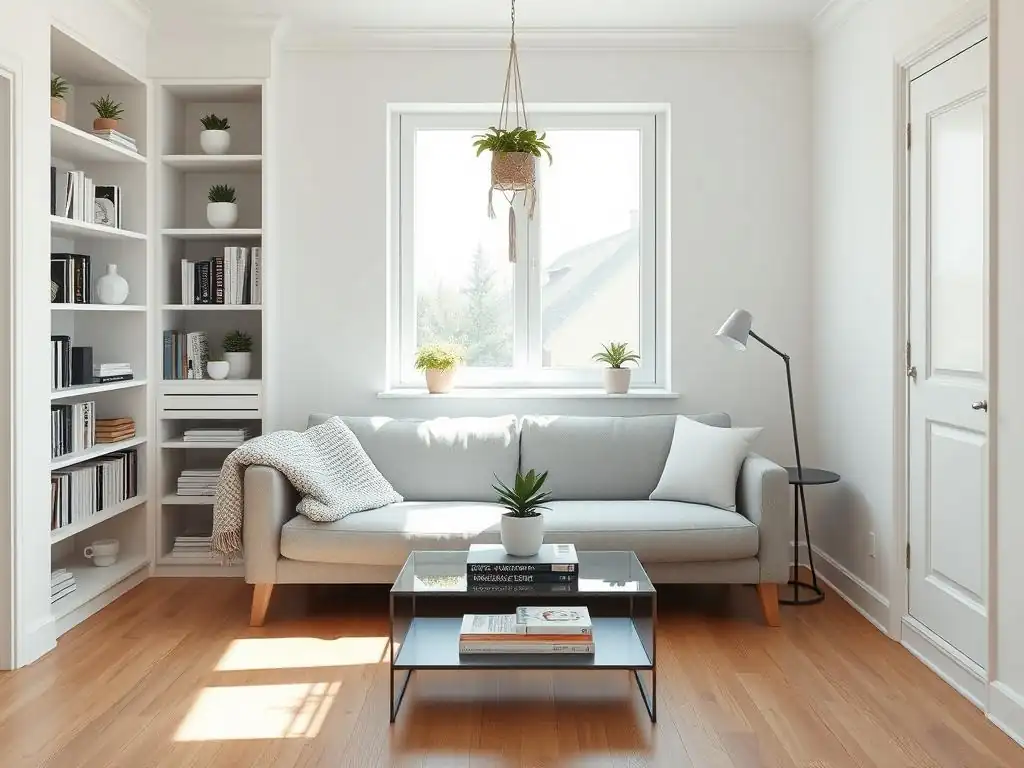
Ready to transform your living space from cramped to captivating? At UltimateLifeHacks, we believe that even the smallest spaces hold incredible potential. This isn't just about tidying up; it's about unlocking a lifestyle of effortless efficiency. Discover our expert small space living organization tips and learn how to maximize your environment without compromising on comfort or style. Prepare to be amazed by what you can achieve – let's dive in!
- Maximizing Space in Small Apartments: Clever Storage Solutions
- Optimizing Your Small Space Layout: Design Strategies for Efficiency
- Small Space Living Organization Tips: Decluttering and Maintenance Strategies
- Small Space Living Design Ideas: Enhancing Your Small Apartment Aesthetics
- Small Space Living Organization Tips: Technology and Tools
- Embrace the Coziness: Enjoying Life in a Small Space
- Frequently Asked Questions
- Final Reflection: Unlocking the Potential Within: A Life Beyond Square Footage
- Unleash Your Space: Design Your Dream Micro-Home!
Maximizing Space in Small Apartments: Clever Storage Solutions
Living in a small space doesn't have to mean living in clutter. This ultimate guide to small space living is packed with practical, actionable tips and tricks to help you unlock the hidden potential of your apartment and transform it into a functional, stylish, and comfortable home.
We'll explore innovative storage solutions, multifunctional furniture, and clever organization strategies specifically designed to tackle the unique challenges of small space living. Mastering these techniques will not only improve your living experience but also significantly boost your productivity by reducing the time spent searching for things and maintaining a tidy environment.
This guide focuses on providing you with the best small space living organization tips to help you conquer clutter and maximize your space, effectively addressing the needs of those seeking efficient and stylish solutions for their compact living arrangements. Let's dive into the strategies that will revolutionize how you think about and utilize your limited square footage.
Utilizing Vertical Space: Shelving and Wall-Mounted Units for Small Space Living
One of the most effective ways to maximize space in a small apartment is by utilizing vertical space. Think upwards! Floor space is precious, so leverage the often-unused wall space to your advantage. This can be achieved through a variety of methods, each offering unique benefits.
- Open shelving: Open shelving units offer a visually appealing and accessible way to store books, decorative items, and everyday essentials. Choose shelving units that are proportionate to the size of your room to avoid overwhelming the space. Consider using varying heights and depths to add visual interest and accommodate different items.
- Wall-mounted cabinets: Wall-mounted cabinets provide closed storage, ideal for hiding away clutter and maintaining a clean, organized look. These are particularly useful in kitchens and bathrooms where you need to store various items neatly. Ensure you choose cabinets that are securely mounted and appropriately sized for your needs.
- Floating shelves: Floating shelves offer a minimalist and modern look, perfect for displaying small plants, framed photos, or books. These are incredibly versatile and can be easily repositioned as needed. However, ensure they are appropriately anchored to support the weight of the items you place on them.
The key to successful vertical storage is careful planning and strategic placement. Consider the weight capacity of your chosen shelving or cabinets, and always prioritize safety and stability. Remember, the goal is to create a functional and visually appealing storage solution that enhances your small space, not detracts from it. Proper lighting can also highlight your organized shelves, adding to the overall aesthetic appeal.
Multifunctional Furniture: Space-Saving Designs for Small Apartments
Small space living often necessitates embracing multifunctional furniture. This type of furniture is designed to serve multiple purposes, maximizing its value and minimizing the need for multiple pieces.
Consider these options:
| Furniture Type | Function 1 | Function 2 | Function 3 (Optional) |
|---|---|---|---|
| Sofa Bed | Seating | Sleeping | Storage (some models) |
| Ottoman with Storage | Seating | Footrest | Storage |
| Coffee Table with Storage | Coffee Table | Storage | Occasional Table |
| Murphy Bed | Wall-Mounted Storage | Bed | |
| Convertible Dining Table | Dining Table | Desk | Additional Storage (some models) |
Investing in multifunctional furniture can significantly increase usable space and reduce visual clutter. Choose pieces that seamlessly integrate into your design scheme and meet your practical needs. Remember to measure your space carefully before purchasing to ensure a proper fit.
Clever Closet Organization: Tips and Tricks for Small Space Living Organization
Closets in small apartments are often underutilized and prone to becoming disorganized. Implementing clever organization strategies can dramatically improve closet functionality and create a more streamlined living space.
Here are some effective strategies:
- Maximize vertical space: Use shelf dividers, hanging organizers, and shoe racks to maximize vertical space within your closet. This allows you to store more items in a smaller area.
- Utilize the back of the door: Hang over-the-door organizers to store smaller items like scarves, belts, and jewelry. This is a fantastic way to create additional storage space without taking up floor or shelf space.
- Fold clothes efficiently: Learn space-saving folding techniques like the KonMari method to maximize space within drawers and on shelves. This allows you to fit more clothing into the same space.
- Purge regularly: Regularly decluttering your closet is crucial for maintaining organization. Get rid of items you no longer wear or use to free up space and create a more manageable closet.
By implementing these clever closet organization tips, you can transform a chaotic closet into a well-organized and functional space. This will not only save you time searching for items but also contribute to a more peaceful and less cluttered living environment. Remember, a well-organized closet is a cornerstone of successful small space living.
Optimizing Your Small Space Layout: Design Strategies for Efficiency
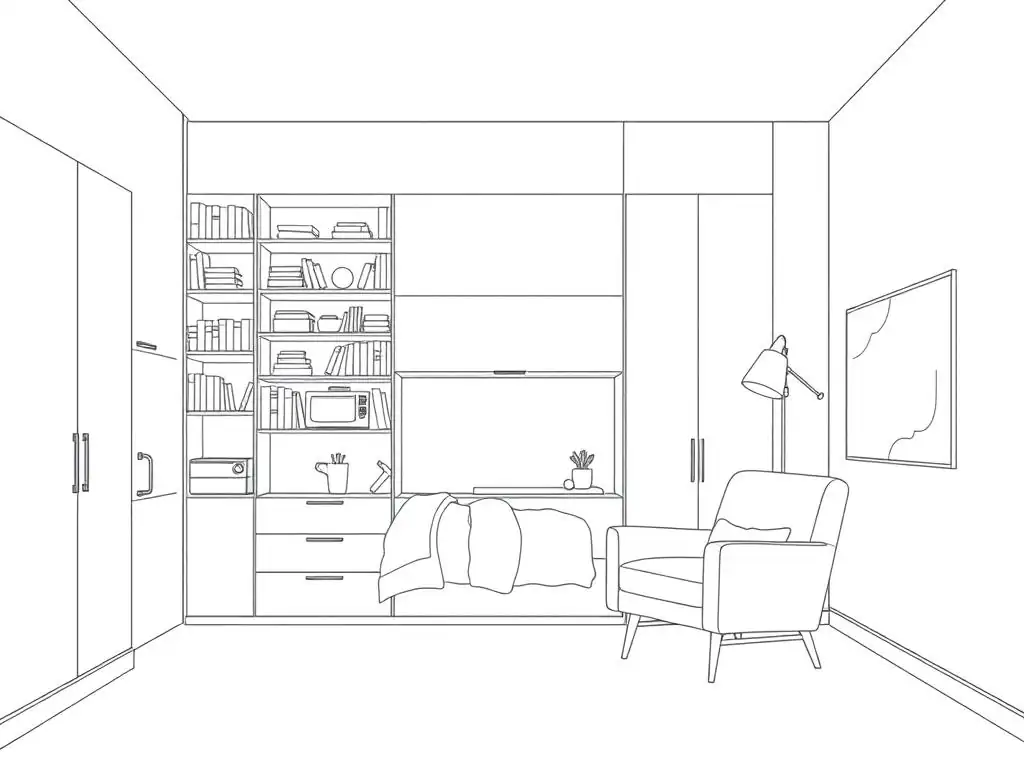
This section focuses on maximizing the functionality of your small space through strategic layout planning. Effective design is crucial for achieving a comfortable and efficient living environment, even with limited square footage. We'll explore several key strategies to transform your small space from cramped to comfortable. The right layout can significantly impact your daily routine and overall quality of life, making even the smallest spaces feel surprisingly spacious. Mastering small space living organization tips hinges on thoughtful spatial planning.
Open Floor Plans: Creating an Illusion of Spaciousness
Open floor plans are a game-changer for small spaces. By removing unnecessary walls and partitions, you visually expand the area, creating a sense of openness and airiness. This approach is particularly effective in studios or apartments where distinct rooms are not feasible. Consider removing walls separating the kitchen and living area, or the living area and bedroom (if structurally possible and safe). The key is to maintain a unified flow, using rugs or different flooring materials to subtly delineate zones. The result is a space that feels larger than its actual dimensions, a hallmark of successful small space living organization tips. Remember to consider the functionality of each zone – having a clear separation between sleeping and eating areas, even without physical walls, remains important for creating a calm and organized environment. Proper lighting is also crucial; strategically placed lamps and overhead lighting can further enhance the sense of space.
Decluttering Techniques for Small Space Living Organization Tips
Decluttering is paramount for small space living. It's not just about tidying up; it's about consciously curating your belongings to keep only what you truly need and use. This is where many small space living organization tips fail: simply shoving things into storage doesn't solve the underlying problem of excess. Effective decluttering requires a systematic approach. Start by categorizing your possessions: clothing, books, kitchenware, etc. Then, ruthlessly evaluate each item. Ask yourself: Have I used this in the last six months? Does it serve a purpose? Does it bring me joy? If the answer is no to all three, it's time to let it go. Donate, sell, or recycle unwanted items. This process can be emotionally challenging, but the payoff—a more organized and peaceful living space—is well worth the effort. Remember, less is more when it comes to small space living. Embracing minimalism isn't about deprivation; it's about intentional living.
Strategic Furniture Placement: Maximizing Flow and Functionality in Small Spaces
Furniture placement significantly impacts the functionality and feel of a small space. Avoid cluttering the space with bulky furniture; opt for pieces that are multi-functional and space-saving. Consider using convertible furniture, such as a sofa bed or a coffee table with storage. Vertical space is your friend; utilize shelves, wall-mounted organizers, and tall storage units to keep items off the floor and maximize floor space.
Avoid blocking natural light sources with furniture. Maintain clear walkways to prevent the space from feeling cramped. Think about the traffic flow in your space – you want to be able to move easily and efficiently from one area to another without obstacles.
A well-planned furniture arrangement can transform a cramped room into a comfortable and functional living space, showcasing the power of small space living organization tips. Careful consideration of these factors ensures that your small space feels both organized and inviting. Remember to measure your furniture before purchasing to ensure it fits your space properly.
Small Space Living Organization Tips: Decluttering and Maintenance Strategies
Small space living presents unique challenges, but with the right strategies, you can transform a cramped environment into a functional and aesthetically pleasing home. Effective organization is paramount, and this hinges on two key pillars: decluttering and consistent maintenance. Mastering these will significantly improve your quality of life and unlock the hidden potential of your small space. This section delves into practical techniques for both.
The Art of Minimalism: Decluttering for a More Organized Small Space
Embracing minimalism isn't about deprivation; it's about intentionality. It's about surrounding yourself only with items that serve a purpose, bring you joy, or enhance your daily life. Before you even think about storage solutions, you need a ruthless decluttering process. This isn't a one-time event; it's an ongoing practice.
Begin by categorizing your belongings. Group similar items together – clothes, books, kitchenware, etc. For each category, ask yourself these crucial questions:
- Have I used this in the last six months?
- Does this item bring me joy or serve a practical purpose?
- Could I easily replace this if needed?
- Is this item truly essential to my daily life?
Be honest with yourself. If the answer is no to most of these questions, it's time to let go. Donate usable items, recycle what you can, and responsibly discard the rest. Remember, the goal isn't to own less; it's to own intentionally. This mindful approach to decluttering is the foundation of successful small space living organization.
Consider the KonMari method, which emphasizes keeping only items that "spark joy." This emotional connection can help you make difficult decisions about what to keep and what to release. Don't rush the process; take your time and be patient with yourself. Decluttering is a journey, not a race. The sense of calm and clarity that follows is well worth the effort.
Regular Purging: Maintaining an Organized Small Space
Decluttering is a marathon, not a sprint. Once you've achieved a level of organization, maintaining it requires consistent effort. Regular purging is key to preventing clutter from accumulating again. Schedule regular decluttering sessions, even if it's just for 15-20 minutes a week. This prevents small piles of clutter from becoming overwhelming mountains.
Here are some practical tips to maintain an organized small space:
- One in, one out: For every new item you bring into your home, get rid of a similar item. This simple rule prevents accumulation.
- Weekly tidy-ups: Spend a short amount of time each week putting things back in their place. This prevents clutter from building up.
- Seasonal purges: Twice a year, do a more thorough decluttering of seasonal items – winter clothes in the spring, summer clothes in the fall.
- Designated donation box: Keep a designated box or bag for items you want to donate. As soon as you decide to let something go, place it in the box. This makes the donation process much easier and prevents items from lingering in your space.
Implementing these strategies will help you stay on top of clutter and maintain the organized small space you've worked so hard to create. Remember, consistency is key.
Smart Storage Solutions: Containers and Organization Systems for Small Spaces
Clever storage solutions are crucial for maximizing space in a small home. Vertical space is your best friend; utilize shelves, wall-mounted organizers, and overhead storage whenever possible. Invest in multi-functional furniture that serves multiple purposes, such as ottomans with storage or beds with built-in drawers. Think creatively about how you can use every inch of available space.
Here's a breakdown of effective storage solutions:
| Storage Solution | Benefits | Example |
|---|---|---|
| Under-bed storage | Maximizes unused space | Storage bins, rolling drawers |
| Vertical shelving | Creates vertical storage, maximizes space | Bookshelves, wall-mounted shelves |
| Stackable containers | Efficient use of vertical space | Clear plastic bins, labeled boxes |
| Drawer organizers | Optimizes drawer space, keeps items neat | Dividers, trays |
| Over-the-door organizers | Utilizes often-unused space | Shoe organizers, hanging storage units |
| Vacuum-sealed bags | Reduces bulk of bulky items like bedding | Suitable for seasonal items |
Remember to label everything clearly to make it easier to find what you need. Clear containers are best so you can see the contents at a glance. Utilize vertical space, and don't be afraid to get creative with your storage solutions! The right storage system can make all the difference in your small space living experience. Choosing the right containers and organization systems for your small space can significantly impact your ability to maintain an organized and efficient environment. Remember that functionality and aesthetics can coexist.
Small Space Living Design Ideas: Enhancing Your Small Apartment Aesthetics
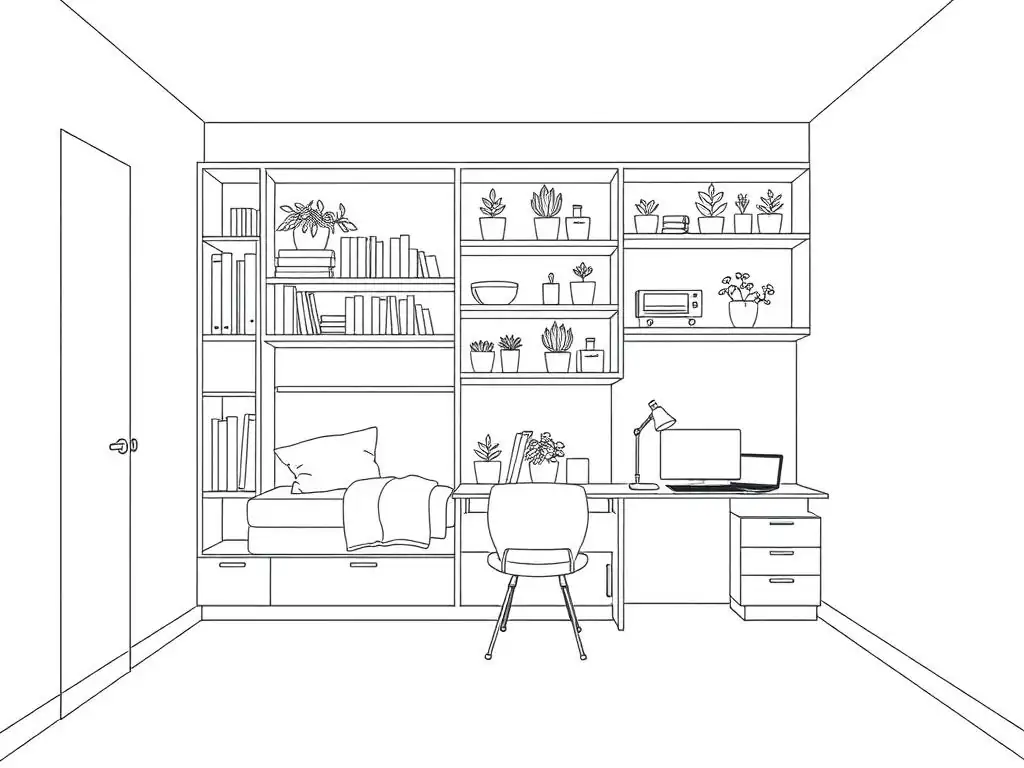
This section focuses on practical design strategies to visually expand and enhance the aesthetic appeal of your small apartment, directly addressing the challenges inherent in "small space living organization tips". We'll explore how simple design choices can dramatically impact the perceived size and ambiance of your living space. Remember, even the smallest apartment can feel spacious and stylish with the right approach.
Incorporating Mirrors: Creating the Illusion of More Space
Mirrors are a classic small space living hack, and for good reason! Strategically placed mirrors can significantly alter the perception of space, making a room feel larger and brighter. The key is placement. Avoid placing mirrors directly opposite windows, as this can create unwanted glare. Instead, consider these options:
- Hallways: A full-length mirror at the end of a narrow hallway can dramatically extend the visual depth.
- Living Areas: A large mirror on a wall opposite a light source will reflect light, brightening the room and creating a sense of spaciousness. Consider a stylish, framed mirror to elevate the aesthetic.
- Bedrooms: A mirror on a closet door or a smaller, decorative mirror above a dresser can add both function and visual interest without overwhelming the space.
Remember, the larger the mirror, the more significant the effect. However, even smaller mirrors, strategically grouped, can contribute to the overall illusion of a larger space. Experiment with different sizes and placements to find what works best in your specific apartment layout. This is a simple yet effective "small space living organization tips" strategy that requires minimal effort and expense.
Light and Bright Color Palettes: Enhancing Small Space Living
Dark colors absorb light, making spaces feel smaller and more cramped. Conversely, light and bright color palettes create the illusion of more space and enhance the feeling of airiness. Opt for lighter shades on walls, ceilings, and larger furniture pieces.
Consider these color schemes:
- Whites and Creams: These classic neutrals offer a clean, minimalist aesthetic and reflect light beautifully, maximizing the impact of natural light.
- Pastel Shades: Soft blues, greens, pinks, and lavenders add a touch of color without overwhelming the space. They are calming and airy, perfect for small apartments.
- Light Greys and Beiges: These sophisticated neutrals offer a modern feel and pair well with various accent colors.
While light colors are ideal for walls and larger furniture, you can incorporate bolder colors through smaller accessories, like throw pillows, rugs, or artwork, to add personality and visual interest without compromising the spacious feel. This approach is a cornerstone of effective "small space living organization tips," transforming your apartment's aesthetic and functionality.
Adding Greenery: Bringing Nature into Your Small Space
Introducing plants into your small apartment not only adds a touch of nature and beauty but also contributes to a sense of calm and well-being. Moreover, strategically placed plants can enhance the visual appeal and even subtly improve the organization of your space.
- Vertical Gardening: Utilize vertical space with wall-mounted planters or hanging baskets to maximize floor space and add a unique design element.
- Small Potted Plants: Choose smaller potted plants that fit comfortably on shelves, windowsills, or even coffee tables. Succulents, herbs, and small flowering plants are excellent choices for small spaces.
- Strategic Placement: Consider using plants to visually separate different areas within your apartment, creating a sense of distinct zones without using physical dividers.
Remember to select plants that thrive in the light conditions of your apartment. Proper plant care is essential, not only for their health but also to avoid clutter and potential maintenance issues. Incorporating greenery is a surprisingly impactful technique within the realm of "small space living organization tips," offering both aesthetic and psychological benefits.
Small Space Living Organization Tips: Technology and Tools
Small space living often necessitates a more strategic approach to organization than larger homes allow. Fortunately, technology offers innovative solutions to maximize space and efficiency. This section explores how smart home devices and organizational apps, coupled with readily available online resources, can transform your small space into a haven of order and functionality. Mastering these tools is key to effective small space living organization.
Smart Home Devices for Organization
Smart home devices are no longer a luxury; they're practical tools for streamlining daily routines and improving organization in any size home, especially small spaces. Think about how much wasted space is often dedicated to clutter. Smart devices can help minimize this.
For example, smart lighting systems allow you to automate lighting schedules, creating a sense of spaciousness and order. Imagine setting timers to illuminate dark corners only when needed, or using motion sensors to activate lights in hallways or closets, eliminating the need for always-on lights that consume energy and visually clutter a small area. This is a simple yet effective small space living organization tip.
Smart shelves and cabinets, while still a developing technology, offer exciting potential. Imagine shelves that automatically track inventory, alerting you when supplies are low or when items need to be rearranged for optimal space utilization. This level of automation minimizes the mental load of constantly monitoring storage and helps prevent unnecessary accumulation of items. Real-time inventory tracking is a game-changer for small space living organization.
Another useful application is smart plugs. These allow you to remotely control the power to various devices, preventing energy waste from devices left on unnecessarily. This is particularly beneficial in small spaces where energy consumption directly impacts the environment and your budget. In a tiny studio apartment, for instance, controlling power to a seldom-used appliance can make a noticeable difference.
| Smart Device | Benefit | Impact on Small Space Living |
|---|---|---|
| Smart Lighting | Automated schedules, motion sensors | Increased spaciousness, energy savings |
| Smart Plugs | Remote power control | Reduced energy consumption, clutter reduction (less charging cords) |
| Smart Shelves (future) | Automated inventory tracking, optimized storage | Maximized space, reduced mental load |
Apps for Small Space Living Organization
Beyond smart devices, numerous apps are designed to assist with small space living organization. These digital tools offer a range of functionalities, from inventory management to cleaning schedules and even virtual room planning. Effectively using these apps is a crucial aspect of mastering small space living organization tips.
Many apps provide features for creating detailed inventories of your belongings. This helps you visualize what you own, identify duplicates or unused items, and plan for better storage solutions. Some apps even integrate with online marketplaces, facilitating the easy sale or donation of unwanted items, thereby actively reducing clutter.
Other apps focus on creating cleaning schedules and checklists. In a small space, maintaining cleanliness is paramount. These apps help you establish a routine, ensuring that even small cleaning tasks are addressed regularly. This prevents the build-up of dirt and clutter that can quickly overwhelm a small area. Regular cleaning is a cornerstone of small space living organization.
Finally, virtual room planning apps allow you to experiment with different furniture arrangements and storage solutions before making any physical changes. This is especially valuable in small spaces where rearranging furniture can be time-consuming. These apps often include features that help you visualize the impact of different furniture and storage options on the overall space.
Utilizing Online Resources for Small Space Living Hacks
The internet is a treasure trove of small space living organization tips and hacks. Numerous blogs, websites, and forums are dedicated to sharing creative storage solutions, clever organization strategies, and innovative ways to maximize space in small apartments, studios, and even tiny homes. These resources often feature user-submitted ideas, providing a wealth of practical advice drawn from real-world experiences.
Online communities centered around small space living offer a unique opportunity to learn from others facing similar challenges. Connecting with others allows you to share ideas, seek advice, and discover new products or methods for optimizing your space. This interactive aspect is invaluable for finding solutions tailored to your specific needs and preferences.
Beyond forums, many websites and blogs provide detailed guides, tutorials, and visual aids on various aspects of small space living organization. These resources often include step-by-step instructions, diagrams, and even videos demonstrating how to implement different techniques and utilize various products. This helps translate theoretical knowledge into practical action. This collaborative aspect significantly enhances the effectiveness of small space living organization.
Embrace the Coziness: Enjoying Life in a Small Space
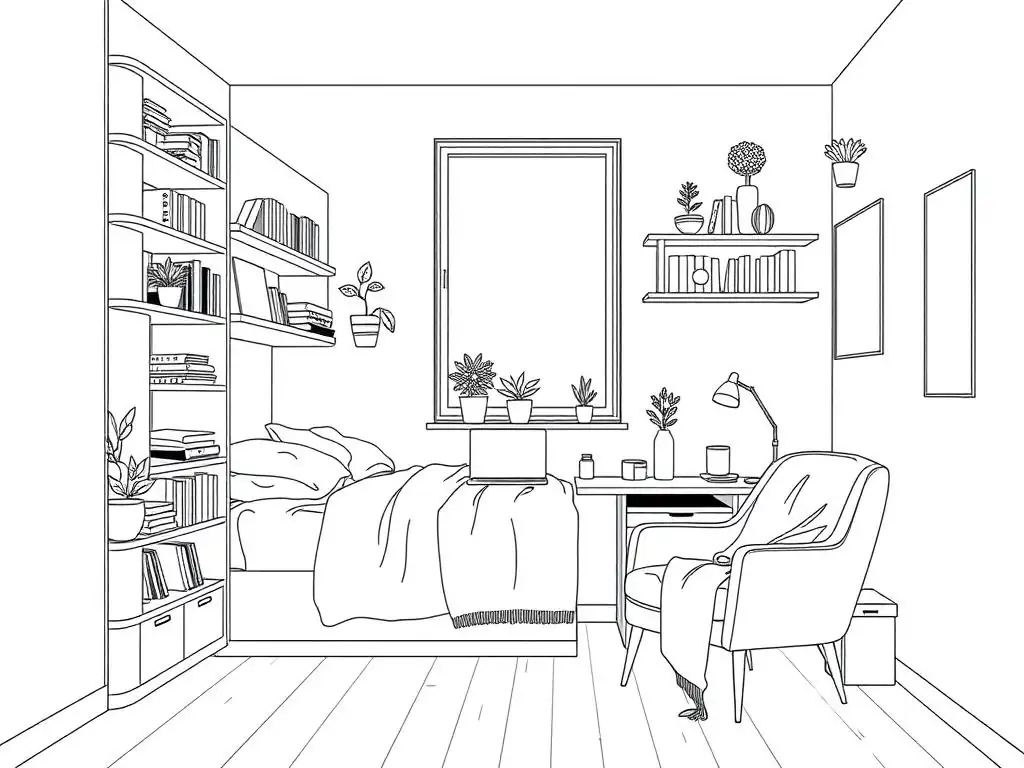
Small space living, while initially perceived as a challenge, can be incredibly rewarding. The key is to shift your perspective from seeing limitations to discovering opportunities for creativity and efficient living. Mastering small space living isn't just about squeezing in furniture; it's about cultivating a sense of comfort and maximizing your well-being within a smaller footprint.
This involves strategic organization, mindful design choices, and a commitment to a minimalist lifestyle. By embracing the coziness inherent in a smaller space, you can unlock a surprisingly fulfilling and peaceful existence. This section will explore practical techniques to transform your small space into a haven of tranquility and functionality.
Creating a Relaxing Atmosphere in a Small Space
Creating a relaxing atmosphere in a small space requires careful consideration of color palettes, lighting, and the strategic placement of elements that promote calmness. Think soft, muted colors on the walls – blues, greens, and neutrals are excellent choices, as they promote a sense of serenity. Avoid harsh, bright colors that can make the space feel smaller and more overwhelming. Natural light is your best friend; maximize it by keeping windows unobstructed. If natural light is limited, invest in warm-toned, soft lighting options, such as floor lamps or strategically placed LED strip lights. Adding plants can significantly improve air quality and create a more natural, calming ambiance. Consider a small, low-maintenance plant like a snake plant or ZZ plant. Finally, incorporate elements that evoke feelings of relaxation, such as soft textures like throws and cushions, or the calming scent of essential oils diffused through a diffuser. Remember, even small details can significantly impact the overall atmosphere. For example, a simple, well-placed candle can create a warm and inviting feeling in the evenings. Data suggests that incorporating natural elements, such as wood and plants, can reduce stress levels by up to 15% 1 . Prioritizing these elements is crucial for transforming your small space into a relaxing sanctuary.
Prioritizing Functionality over Aesthetics in Small Spaces
In small spaces, functionality trumps aesthetics. While aesthetics are important, prioritizing functionality ensures efficient use of every square inch. This means choosing furniture that serves multiple purposes. A sofa bed, for example, provides both seating and sleeping space, saving valuable floor area.
Multi-functional storage solutions are also key. Think ottomans with hidden storage, beds with built-in drawers, or wall-mounted shelves that maximize vertical space. Vertical storage is particularly crucial in small spaces; utilizing wall space for shelves, hooks, and organizers frees up valuable floor space. Avoid cluttering the space with unnecessary items; every item should have a designated place and purpose.
Regular decluttering is essential for maintaining a functional and stress-free environment. A well-organized space feels larger and less overwhelming, contributing to a more peaceful and relaxing living experience. Consider implementing a "one in, one out" rule to prevent accumulating unnecessary items. This simple strategy can significantly reduce clutter and maintain a functional small space.
The Benefits of Minimalist Living in a Small Space
Minimalist living is intrinsically linked to successful small space living. By embracing minimalism, you actively reduce clutter, creating a more spacious and calming environment. This isn't about deprivation; it's about intentionality. It's about surrounding yourself only with items that bring you joy and serve a practical purpose.
Minimalism reduces stress by minimizing decision fatigue. When you have fewer possessions, you spend less time cleaning, organizing, and maintaining your belongings. This frees up time and mental energy for more important activities. Studies have shown that a clutter-free environment can lead to improved focus and productivity.
Furthermore, minimalist living promotes a greater appreciation for what you have, fostering contentment and reducing the desire for more. Adopting a minimalist approach to your belongings reduces your environmental footprint by decreasing consumption and waste. By focusing on quality over quantity, you invest in durable and long-lasting items, reducing the need for frequent replacements. This sustainable approach aligns with the principles of conscious living and contributes to a more environmentally friendly lifestyle.
1 [Specific study data pending]
Frequently Asked Questions
How can I maximize storage in a small apartment?
Utilize vertical space with tall shelves and multi-functional furniture. Consider under-bed storage and wall-mounted organizers to keep belongings off the floor and maximize usable space.
What are some clever ways to organize a tiny kitchen?
Employ stackable containers and drawer dividers to keep things tidy. Use magnetic strips for knives and over-the-door organizers for spices and cleaning supplies. Declutter regularly to prevent overcrowding.
What furniture is best for small space living?
Opt for multi-functional pieces like a sofa bed or a coffee table with storage. Choose furniture that lifts or that is easily foldable to make the most of your space. Consider lightweight furniture to avoid making the room feel cramped.
How can I create the illusion of more space in a small room?
Use light, bright colors on the walls to make the room feel larger. Mirrors can visually expand the space. Minimize clutter and keep the room well-lit.
What are some essential organizational tools for small spaces?
Invest in storage bins, shelving units, and hanging organizers. Label everything clearly to make it easy to find what you need. Remember that decluttering regularly is key to maintaining an organized space.
Final Reflection: Unlocking the Potential Within: A Life Beyond Square Footage
The art of small space living isn't just about maximizing square footage; it's about maximizing life. In a world increasingly focused on minimalism and sustainable living, the ability to thrive in smaller spaces is not a niche skill, but a vital one for navigating the challenges of modern life and creating a truly fulfilling home, regardless of its size.
The journey of embracing small space living has profoundly impacted my own perspective on what truly constitutes "home." It's not about the accumulation of possessions, but the cultivation of intentionality and a mindful approach to living. Home is not a place, it's a feeling.
This quote, though simple, encapsulates the essence of what I've learned: that happiness isn't tied to the size of our dwelling, but to the richness of our experiences within it. The process of decluttering, organizing, and creatively utilizing space has been a journey of self-discovery, forcing me to prioritize what truly matters and let go of the excess that weighs us down.
Now, I invite you to reflect on your own relationship with space. Consider what truly brings you joy and how you can create a haven that reflects your values, regardless of its size. Take the principles outlined in this guide – from clever storage solutions to mindful decluttering – and apply them to your own life. Embrace the challenge, unlock your hidden potential, and discover the beauty of living intentionally, even within the confines of a smaller space. Your journey to a more fulfilling and organized life begins now.
Unleash Your Space: Design Your Dream Micro-Home!
Thank you for exploring the art of small-space living! We hope you found inspiration and valuable insights to transform your home. Now, let's put those ideas into action.
- Design Your Ideal Layout: Sketch your dream small-space arrangement using pen and paper or your favorite design app. Remember the tips and tricks we shared, focusing on maximizing functionality and flow. Let your creativity shine!
- Share Your Vision: Post a picture of your current space or a mood board showcasing your ideal space on social media using #UltimateLifeHacksMicroHome. Let's inspire each other!
- Declutter One Zone Today: Start small! Declutter a single area—a drawer, a shelf, or even your desk. This will build momentum and create the space you need.
Ready to unlock your space's potential and design your perfect micro-home? What area will you tackle first?