
Lost Luggage? Travel Insurance Tips for Getting Your Stuff Back


Welcome to UltimateLifeHacks, your go-to resource for practical tips and tricks to conquer your daily grind! We're all about boosting your efficiency and reclaiming your time. But what happens when your carefully planned trip takes an unexpected turn? This week, we delve into the often-overlooked topic of lost luggage travel insurance claims. Discover how to navigate this frustrating situation with ease and get your belongings back – read on to uncover the secrets to a smooth recovery!
- Understanding Your Travel Insurance Coverage for Lost Luggage
-
Filing a Lost Luggage Travel Insurance Claim: A Step-by-Step Guide
- Step 1: Reporting the Lost Luggage to the Airline
- Step 2: Contacting Your Travel Insurance Provider
- Step 3: Gathering Necessary Documentation for Your Lost Luggage Claim
- Step 4: Submitting Your Lost Luggage Travel Insurance Claim Form
- Step 5: Tracking Your Lost Luggage Claim Progress
- Step 6: Negotiating Your Settlement for Lost Luggage Compensation
- Maximizing Your Lost Luggage Claim: Tips and Tricks
- Common Mistakes to Avoid When Filing a Lost Luggage Insurance Claim
- Lost Luggage Travel Insurance: Choosing the Right Policy
- Beyond the Claim: Recovering from Lost Luggage
- Frequently Asked Questions
- Final Reflection: Reclaiming Peace of Mind After Lost Luggage
- Rediscover Peace of Mind: Secure Your Next Trip!
Understanding Your Travel Insurance Coverage for Lost Luggage
Losing your luggage during travel is a stressful experience, but having the right travel insurance can significantly ease the burden. This article will guide you through the process of making a lost luggage travel insurance claim, helping you understand your coverage and navigate the steps to recover your belongings and expenses. We'll explore what constitutes "lost" versus "delayed" baggage, the importance of meticulous documentation, and practical tips to maximize your chances of a successful claim.
Understanding the nuances of your policy and acting swiftly are crucial for recovering your lost items and reimbursing associated costs. This is particularly important because the process of filing a "lost luggage travel insurance claim" can often seem complicated, but with the right information, it becomes much more manageable.
What Does My Policy Cover Regarding Lost Baggage?
Before you even consider booking your trip, meticulously review your travel insurance policy. Not all policies offer the same level of coverage for lost luggage. Some policies may only cover a limited amount per item or a maximum total amount for all lost belongings. Others might offer coverage for replacement costs, emergency purchases of essential items, or even compensation for the inconvenience.
Pay close attention to the specific terms and conditions, noting any exclusions or limitations. For example, some policies may exclude items of high value, such as jewelry or electronics, unless specifically declared and insured separately. It's also vital to understand the definition of "lost luggage" within your policy.
This often includes situations where your bags are mishandled and never recovered by the airline, but the specific timeframe for declaring luggage as lost might vary between policies. Understanding these details upfront prevents misunderstandings and delays when filing your claim. Don't hesitate to contact your insurance provider directly if anything is unclear; it's better to ask questions before a problem arises.
Delayed Baggage vs. Lost Baggage: Key Differences in Claims
A crucial distinction exists between delayed and lost baggage, significantly impacting your claim process. Delayed baggage refers to a situation where your luggage is temporarily misplaced but eventually recovered. In such cases, your insurance might cover essential expenses incurred due to the delay, such as purchasing toiletries or clothing. However, reimbursement is typically limited to a reasonable amount and requires proof of purchase. The process for claiming reimbursement for delayed baggage is usually less complex than for lost baggage.
Conversely, lost baggage signifies that your luggage is irrecoverably missing. The claim process for lost luggage is considerably more involved. You'll need to provide comprehensive documentation, including the baggage claim tag, airline reports, and detailed inventories of your belongings. The insurer will likely require photographic or video evidence of the missing items and proof of their value. The reimbursement for lost luggage usually covers the replacement cost of the lost items, up to the policy's limits. This is where having a thorough inventory of your belongings becomes indispensable.
Documenting Your Belongings: Inventory and Valuation for Lost Luggage Claims
Proactive documentation is your best defense when dealing with lost luggage. Before your trip, create a detailed inventory of everything packed in your suitcase(s). This should include a description of each item, its brand, model number (if applicable), and a reasonable estimate of its value. Taking photos or videos of your belongings is highly recommended as visual proof.
For high-value items, consider obtaining professional appraisals to establish their worth accurately. This comprehensive documentation significantly simplifies the claims process and strengthens your case for reimbursement. Remember, the more thorough your documentation, the smoother the claim process will be. Consider using a spreadsheet or a dedicated app to organize your inventory; this will make it easier to access and share the information when needed.
Think of this as preventative insurance for your peace of mind. The effort you put into this upfront will pay off significantly if your luggage ever goes missing. ✈️
The Importance of Reporting Lost Luggage Immediately to the Airline and Your Insurer
Promptly reporting your lost luggage is crucial for both your airline and your travel insurance claim. Airlines have established procedures for handling lost baggage, and the sooner you report it, the quicker they can begin tracing its whereabouts. This initial report often serves as the foundation for your subsequent insurance claim. Delaying the report can significantly hinder the airline's investigation and may impact your ability to receive compensation for your lost items.
Airlines maintain detailed records of reported lost luggage, using these records to track baggage throughout their network. These records are often essential pieces of evidence when filing an insurance claim. Without a timely report, your insurer may question the validity of your claim, particularly if there's a delay in reporting, making it harder to prove the loss occurred during the insured trip.
The process usually involves obtaining a Property Irregularity Report (PIR) or a similar document from the airline. This document acts as official proof of the lost luggage incident, vital documentation for your insurance provider. Think of it as your initial claim receipt. The PIR will include details like your flight number, baggage tag number, and a description of the lost bag, all crucial for your insurance claim. Without this report, your insurer might struggle to verify the loss and its circumstances, potentially leading to delays or even rejection of your claim.
Remember, the airline's investigation and the PIR are the first steps in a process that will ultimately help you recover your lost belongings or receive compensation through your travel insurance. Acting quickly maximizes your chances of a positive outcome. Therefore, immediately contact the airline's lost baggage department and keep a copy of the PIR for your records. ✈️
Filing a Lost Luggage Travel Insurance Claim: A Step-by-Step Guide
This section details the process of filing a lost luggage travel insurance claim, a crucial step if your bags go missing during your travels. Successfully navigating this process requires prompt action and meticulous record-keeping. Remember, the specifics of your claim may vary depending on your insurance policy, so always refer to your policy documents for detailed instructions. This guide provides a general framework to help you through the process. Properly filing a lost luggage travel insurance claim can significantly reduce the stress and financial burden associated with lost belongings.
Step 1: Reporting the Lost Luggage to the Airline
The first and most critical step in a lost luggage travel insurance claim is reporting the loss to the airline immediately. Don't delay! The airline's Property Irregularity Report (PIR) is the foundation of your claim. This report serves as crucial evidence that your luggage was indeed lost and not simply misplaced.
Obtain the PIR as soon as you realize your luggage is missing. This usually happens at the baggage claim carousel. Airline staff are trained to handle these situations and will guide you through the process. They will ask for details about your luggage, including:
- Baggage tag number
- Description of the bag (color, size, brand)
- Contents of the bag (a detailed list is helpful, although not always required at this stage)
- Your contact information
Keep a copy of this PIR for your records. This document is essential when you contact your travel insurance provider. Take photos of your luggage tags and any other relevant identification. This extra step can be incredibly valuable in supporting your claim. Remember, a picture is worth a thousand words, especially when dealing with lost luggage! 🧳
Step 2: Contacting Your Travel Insurance Provider
Once you have your PIR, promptly contact your travel insurance provider. Most policies have a specific timeframe for reporting lost luggage, often within 24-48 hours of arrival. Failing to meet this deadline could jeopardize your claim. Have your policy number and the PIR readily available. The insurance company will likely ask for detailed information about the incident, including:
- Flight details (airline, flight number, dates)
- Location of the loss
- Description of the lost items, including brand, model, and purchase date (with receipts if possible)
- Estimated value of each item. Providing proof of purchase (receipts, photos, etc.) is crucial for accurate valuation.
Be prepared to answer their questions thoroughly and honestly. The more information you provide upfront, the smoother the claims process will be. Note down the name of the representative you speak with and the date and time of your call. This helps maintain a clear record of your communication. Keep all communication records, including emails and phone call notes.
Step 3: Gathering Necessary Documentation for Your Lost Luggage Claim
This stage involves compiling all the necessary documentation to support your claim. Thorough documentation significantly increases your chances of a successful claim. The required documents usually include:
| Document | Importance | How to Obtain |
|---|---|---|
| Airline Property Irregularity Report (PIR) | Proof of loss reported to the airline. | Received from the airline at the airport. |
| Travel Insurance Policy | Outlines your coverage and claim procedures. | Your insurance policy document. |
| Baggage Claim Forms | Specific forms required by the insurance company. | Provided by your insurance provider. |
| Photos of Lost Luggage | Visual evidence of the lost items and their condition before the loss. | Take photos before your trip and immediately after loss. |
| Detailed Inventory List | Comprehensive list of lost items, including descriptions, purchase dates, and estimated values (with receipts if possible). | Create a detailed list. |
| Proof of Purchase Receipts | Verifies the value and ownership of the lost items. | Gather receipts (if available) |
Remember, meticulous record-keeping is key to a successful lost luggage travel insurance claim. The more organized and comprehensive your documentation, the faster and more efficient the claims process will be. Careful preparation minimizes stress and maximizes your chances of recovering the value of your lost belongings. This proactive approach can make all the difference when dealing with the unexpected inconvenience of lost luggage.
Step 4: Submitting Your Lost Luggage Travel Insurance Claim Form
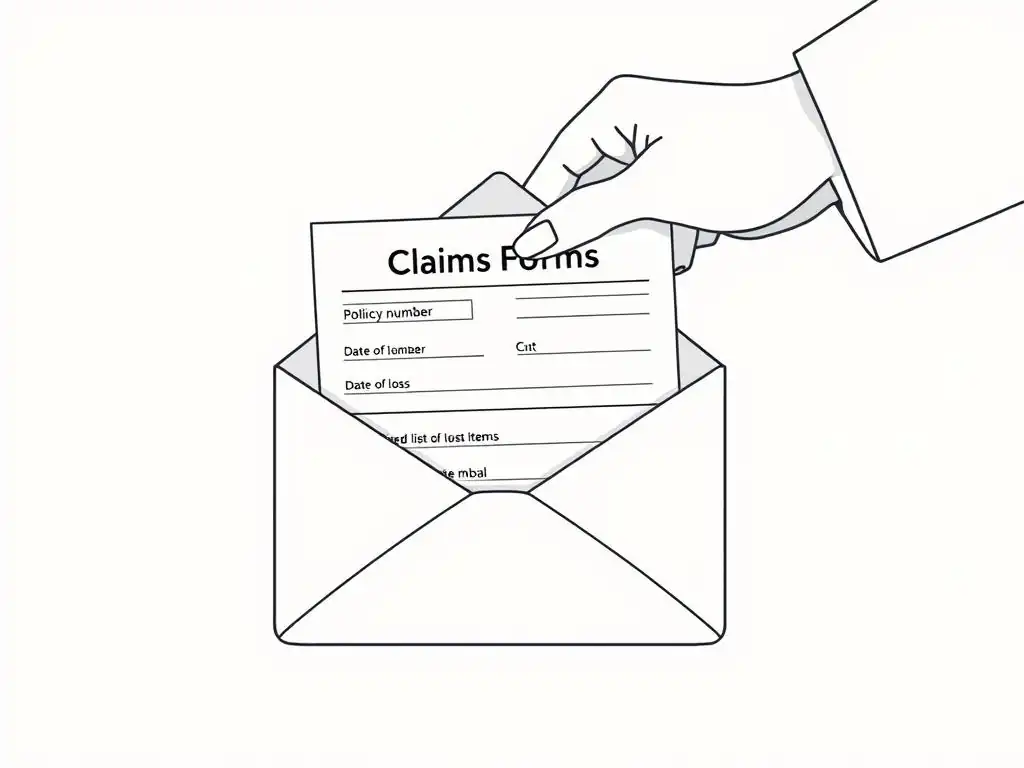
Once you've gathered all the necessary documentation—your policy details, baggage claim receipt, detailed inventory list, photos of damaged or missing items, and any other supporting evidence—it's time to submit your claim. Carefully review your insurance provider's instructions; some may require online submission through a portal, while others might necessitate mailing a physical form. Pay close attention to deadlines; many policies stipulate a timeframe (often within a few weeks of the incident) for filing a claim. Failing to meet this deadline could jeopardize your compensation.
Before submitting, double-check your form for accuracy and completeness. A missing piece of information can delay the process significantly. Remember to keep a copy of everything you submit for your records. This will be crucial if you need to follow up on your claim later.
A well-organized submission, free of errors, greatly increases your chances of a smooth and timely settlement. Consider using a checklist to ensure you've included all necessary documents and information. This methodical approach minimizes the risk of delays and frustrations. Remember that providing clear, concise, and accurate information is key to a successful claim.
Step 5: Tracking Your Lost Luggage Claim Progress
After submitting your lost luggage travel insurance claim form, don't simply sit back and wait. Proactive follow-up is essential. Most insurers provide a claim number or tracking system allowing you to monitor your claim's progress online. Check regularly for updates, noting any changes in status.
If the online portal doesn't offer sufficient detail, don't hesitate to contact your insurer directly. A polite phone call or email expressing your interest in the status of your claim can demonstrate your engagement and often speeds up the process. Keep detailed records of all communications—dates, times, contact persons, and the essence of each conversation. This documentation is invaluable should any disputes arise later.
Remember, patience is key, but persistent, courteous follow-up is often necessary to ensure your claim isn't overlooked. The average processing time varies depending on the insurer and the complexity of the claim, but be prepared to wait several weeks, or even longer, in some cases. Consistent monitoring and communication will keep you informed and provide you with peace of mind.
Step 6: Negotiating Your Settlement for Lost Luggage Compensation
Once your insurer assesses your claim, you'll receive an offer of compensation. Carefully review this offer; it might not always reflect the full value of your lost or damaged belongings. If the offer seems inadequate, don't be afraid to negotiate. Prepare a detailed justification, supporting your claim with receipts, appraisals, or other proof of value. Remember, your initial claim should have included detailed descriptions and valuations of your items.
If the insurer undervalues a particular item, provide further evidence to support its true worth. Be polite but firm in your negotiations. Clearly articulate why you believe the initial offer is insufficient. Maintain a professional and respectful tone throughout the process.
While some negotiation is usually possible, be realistic in your expectations. Travel insurance policies typically have limitations and exclusions, so be sure to understand your policy's terms and conditions thoroughly before entering any negotiations. If you remain unsatisfied after negotiating, consider seeking independent advice from a consumer protection agency or legal professional, though this step is usually only necessary in extreme cases. Remember to keep detailed records of all communications and agreements throughout this process.
Maximizing Your Lost Luggage Claim: Tips and Tricks
This section focuses on practical strategies to bolster your chances of a successful lost luggage travel insurance claim. Remember, proactive steps before and during a luggage mishap significantly improve your outcome. A well-documented claim is the cornerstone of a smooth and fair resolution. We'll explore key strategies to increase your chances of receiving full compensation for your lost belongings.
Providing Comprehensive Documentation for a Successful Claim
A successful lost luggage travel insurance claim hinges on meticulous documentation. Think of it as building a compelling case. The more evidence you provide, the stronger your claim becomes. This isn't just about listing items; it's about proving ownership and value.
Here's a checklist of essential documents:
- Detailed Inventory: Create a comprehensive list of every lost item, including brand names, models, serial numbers (if applicable), purchase dates, and original purchase receipts. Consider taking photos of each item before your trip for added proof. Don't forget less obvious items like medications, chargers, and toiletries. For clothing, specify the type (e.g., "two pairs of cotton socks," "one cashmere sweater").
- Airline Property Irregularity Report (PIR): This crucial document, issued by the airline, officially records the loss of your baggage. Obtain multiple copies if possible.
- Travel Insurance Policy: Have your policy readily available, highlighting the specific clauses related to lost luggage coverage. Know your coverage limits and any applicable deductibles.
- Proof of Purchase: Gather receipts or online purchase confirmations for all lost items. If you don't have receipts, consider using credit card statements or bank records to show purchase history. For older items, consider using appraisals or online market value estimates as supporting evidence.
- Photos and Videos: Visual evidence is invaluable. Include photos of the damaged luggage (if applicable) and any other relevant supporting images. A video showing the contents of your bag before the trip can be exceptionally helpful.
Consider this example: Instead of simply writing "Clothing," specify "Three pairs of jeans, two t-shirts, one dress shirt, one blazer, underwear, socks, etc." The more detail you provide, the better. This level of detail demonstrates thoroughness and strengthens your claim. Remember, accuracy is paramount. Inaccurate or incomplete information can weaken your case.
Understanding the Claim Process and Timeframes
Navigating the lost luggage claim process can feel overwhelming. Understanding the typical steps and expected timeframes helps manage expectations and stay organized.
The process generally involves these steps:
- Report the Loss: Immediately report the lost luggage to the airline and your travel insurer. Keep records of all communication, including dates, times, and names of individuals you spoke with.
- File a Claim: Follow your insurer's instructions for filing a claim. This usually involves completing a claim form and submitting the necessary documentation.
- Investigation (if necessary): The insurer might investigate your claim to verify the loss and assess the value of your belongings.
- Settlement: Once the investigation is complete, the insurer will offer a settlement. This might be a lump sum payment or reimbursement for specific items. Keep in mind that there might be a deductible.
- Appeal (if necessary): If you disagree with the settlement offer, you may have the right to appeal the decision.
Timeframes: Processing times vary depending on the insurer and the complexity of the claim. Expect delays, especially during peak travel seasons. While some insurers aim to process claims within a few weeks, others might take several months. Proactive communication with your insurer is essential.
Negotiating with Your Insurance Provider for Fair Compensation
Negotiating a fair settlement requires a confident and prepared approach. Remember, you’re not just requesting compensation; you’re advocating for fair value for your lost possessions.
Here are some tips:
- Be polite but firm: Maintain a professional and respectful tone throughout the negotiation process. Clearly state your expectations and back them up with evidence.
- Highlight the value of your items: Provide detailed receipts and appraisals to support your claim. For high-value items, consider providing additional documentation, such as professional appraisals.
- Don't be afraid to appeal: If you believe the initial offer is unfair, don't hesitate to appeal the decision. Clearly outline your reasons for appealing, providing additional evidence if necessary.
- Consider professional assistance: For complex claims or high-value losses, consider seeking assistance from a travel claims specialist. They have experience navigating these processes and can advocate on your behalf.
Remember, a well-prepared "Lost luggage travel insurance claim" significantly increases your chance of a favorable outcome. By meticulously documenting your belongings and understanding the claim process, you can navigate this frustrating experience with greater confidence and efficiency.
What to Do If Your Claim is Denied: Appealing the Decision
Receiving a denied lost luggage claim can be incredibly frustrating, especially after the stress of losing your belongings in the first place. However, don't give up! Many insurance companies have appeals processes. Carefully review the denial letter; it should outline the reasons for the denial and the steps you can take to appeal. Often, denials stem from missing documentation, insufficient evidence, or a misunderstanding of the policy terms.
The first step is to gather all supporting documentation again, meticulously. This includes your original claim form, copies of your baggage claim tags, photos of your damaged or missing items (including receipts if possible), and any communication you've had with the airline and the insurance company. If you have witnesses who can corroborate your account of the lost luggage, obtain written statements from them.
Next, craft a formal appeal letter. Clearly state your disagreement with the denial, referencing the specific reasons given in the initial denial letter and providing counterarguments supported by your evidence. Be polite but firm in your tone. Maintain a professional demeanor throughout the process; this significantly increases your chances of a successful appeal. Remember to keep copies of all correspondence for your records.
Depending on the insurance provider, you may have the option to escalate your appeal to a higher authority within the company, perhaps a claims supervisor or a dedicated appeals department. Familiarize yourself with your policy's dispute resolution process, which might involve mediation or arbitration. Finally, if all internal appeals fail, you might need to consider legal counsel to explore further options. Always carefully review your policy's terms and conditions regarding dispute resolution.
Preventing Future Lost Luggage: Proactive Travel Tips
Preventing lost luggage is far simpler and less stressful than dealing with a claim. Taking proactive steps before, during, and after your trip significantly reduces the risk. Start by ensuring your luggage is clearly identifiable. Avoid using generic, black suitcases; instead, choose luggage with distinctive colors, patterns, or add easily identifiable tags. Consider using luggage trackers with GPS capabilities; these devices can help you locate your bags if they're misplaced.
Before you leave, take detailed photos or videos of your luggage's contents. This detailed inventory is crucial if you need to file a claim. Keep a separate, easily accessible copy of this inventory, perhaps stored in your cloud storage or emailed to yourself. Also, keep a copy of your travel documents and insurance information separate from your luggage. Consider carrying essential medications and a change of clothes in your carry-on bag.
During your trip, keep a close eye on your luggage at all times, especially during transfers. When checking in your bags, make sure the baggage tag matches your destination. If you notice any damage to your luggage before you check it in, report it to the airline staff immediately. Remember to obtain a claim receipt from the airline in case your luggage is lost or damaged.
Upon arrival, check the baggage carousel carefully and report any missing luggage to the airline immediately. The sooner you report the loss, the better the chances of recovery. Prompt action is key to a smoother claim process. By implementing these simple yet effective measures, you can dramatically reduce the likelihood of experiencing the frustration of lost luggage and the subsequent need to file a lost luggage travel insurance claim.
Common Mistakes to Avoid When Filing a Lost Luggage Insurance Claim
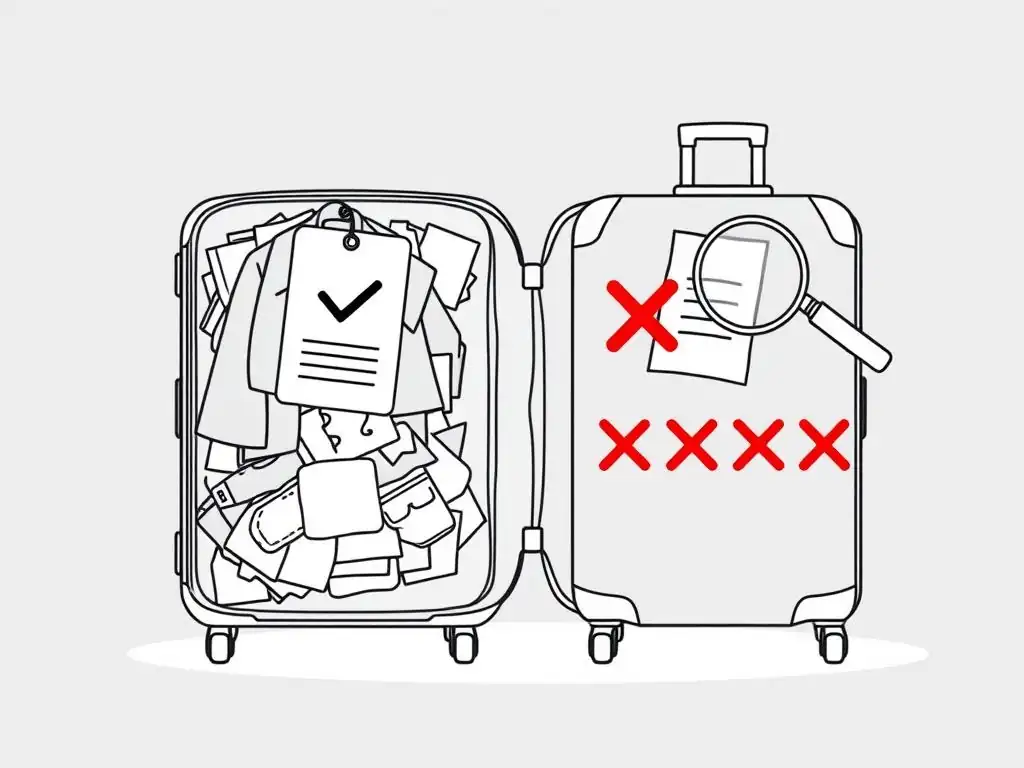
This section details common pitfalls travelers encounter when making a lost luggage travel insurance claim. Avoiding these mistakes significantly increases your chances of a successful claim and receiving timely compensation for your lost belongings. Remember, prompt action and meticulous documentation are key to a smooth process. Let's delve into the specifics.
Failing to Report the Loss Promptly
Time is of the essence when dealing with lost luggage. Many travel insurance policies have strict deadlines for reporting lost baggage. Waiting too long to report the incident can jeopardize your claim, regardless of the circumstances. Airlines also have their own reporting procedures, and engaging with them swiftly is crucial for initiating the investigation into your lost bag's whereabouts. Consider this: a delay of even a few days could mean the difference between receiving compensation and having your claim denied due to exceeding the policy's timeframe for reporting.
The consequences of late reporting can be severe. Insurance companies often interpret delayed notifications as a lack of diligence, potentially leading to claim rejection. Moreover, the longer you wait, the harder it becomes to gather the necessary evidence to support your claim, like witness statements or airline incident reports. Therefore, always report your lost luggage to both the airline and your insurance provider as soon as you discover the loss. The sooner, the better. Aim to make your initial report within 24 hours of realizing your luggage is missing.
Inadequate Documentation of Lost Items and Their Value
Successfully navigating a lost luggage travel insurance claim hinges on thorough documentation. Simply stating "I lost my suitcase" won't suffice. Insurance companies require concrete evidence to verify your loss and assess the value of your belongings. This means meticulously documenting everything lost, including specific details about each item and proof of purchase or valuation.
Consider creating a detailed inventory:
| Item | Description | Quantity | Purchase Date | Value (USD) | Proof of Purchase/Valuation |
|---|---|---|---|---|---|
| Laptop | Dell XPS 13, Silver, 16GB RAM, 512GB SSD | 1 | 2022-03-15 | 1200 | Receipt, online order confirmation |
| Clothing (Shirts) | Various, short sleeve, cotton blend | 5 | N/A | 150 | Photos of items |
| Shoes (Sneakers) | Nike Air Max, Size 10, White/Blue | 1 | 2023-01-20 | 120 | Receipt |
| Medications | Prescription for Allergies (details redacted) | 1 | N/A | 50 | Prescription copy |
Remember to include photos or videos of the lost items before your trip, ideally with receipts. For expensive electronics, consider including serial numbers. For clothing, providing a detailed list with descriptions will help. Do not underestimate the importance of accurate valuation; overestimating will cause suspicion, while underestimating could leave you undercompensated. This detailed documentation is crucial for supporting your claim and ensuring fair compensation.
Not Following the Insurance Provider's Claim Procedures
Each insurance provider has its own specific claim procedure. Carefully review your policy documentation before your trip. Familiarize yourself with the steps involved, the required forms, and any deadlines. Ignoring these procedures can significantly delay or even prevent your claim from being processed.
Failing to submit the necessary forms, providing incomplete information, or missing deadlines are common reasons for claim rejection. The process often involves filling out claim forms, providing supporting documentation (like the inventory mentioned above), and possibly providing additional information upon request. Treat the claim process as a formal procedure and follow each step meticulously. Keep copies of all correspondence and documentation for your records.
Moreover, contact your insurance provider directly if you need clarification or encounter any problems during the claim process. Proactive communication can prevent potential issues and ensure a smoother claim resolution. Remember, a well-documented and correctly submitted claim significantly improves your chances of recovering your losses.
Unrealistic Expectations Regarding Compensation Amounts
Many travelers mistakenly believe that their travel insurance will fully compensate them for the value of every lost item. This is often not the case. Travel insurance policies typically have limitations and exclusions. For example, they may only cover the depreciated value of your belongings, not their original purchase price. A five-year-old laptop, even if still functional, won't be reimbursed at its initial cost.
Furthermore, there are usually limits on the total amount payable per claim, often ranging from a few thousand dollars to tens of thousands, depending on the policy's coverage level. Therefore, it's crucial to carefully review your policy documents before your trip to understand the specific compensation limits and what constitutes acceptable proof of purchase and value. Failing to do so can lead to significant disappointment when it comes time to file a lost luggage travel insurance claim. Don't assume you'll receive a full refund for everything; instead, focus on accurately documenting your losses within the policy's guidelines. This includes gathering receipts, photos, and appraisals where necessary.
Remember, the goal is to receive fair compensation, not necessarily full replacement cost. Understanding these limitations upfront is key to avoiding frustration during the claims process. Many insurance companies offer supplemental coverage for higher-value items; consider this option if you're traveling with expensive electronics or jewelry. Understanding the nuances of your policy is crucial for a successful lost luggage travel insurance claim.
Lost Luggage Travel Insurance: Choosing the Right Policy
This section focuses on selecting travel insurance that adequately protects you against lost luggage, a frustrating experience for any traveler. Choosing the right policy requires careful consideration of several key factors to ensure comprehensive coverage and a smooth claims process. Understanding the nuances of lost luggage coverage is crucial for minimizing financial losses and stress during your trip. The right policy can be the difference between a minor inconvenience and a major financial setback. Let's explore what to look for.
Key Features to Look for in Lost Luggage Insurance
When comparing lost luggage insurance policies, several key features should be prioritized. These features directly impact the level of protection you receive and the ease of filing a claim should your luggage go missing. Don't settle for a basic policy; ensure your coverage aligns with your travel style and the value of your belongings.
- High Coverage Limits: The policy's coverage limit directly dictates the maximum amount the insurer will reimburse you for lost or damaged belongings. Aim for a limit that reflects the value of your luggage and its contents. Consider the cost of replacing clothing, electronics, toiletries, and other essential items. A higher limit offers greater peace of mind. A good benchmark is to calculate the replacement cost of everything you plan to pack, adding a buffer for unexpected expenses.
- Comprehensive Item Coverage: Policies vary in what they cover. Some policies might exclude certain items like electronics or jewelry, while others offer comprehensive coverage. Carefully review the list of covered items to ensure your valuable possessions are protected. Consider the specific items you'll be bringing on your trip and choose a policy that covers them.
- Delayed Baggage Coverage: Lost luggage isn't always a permanent situation. Sometimes bags are simply delayed. A good policy will cover expenses incurred due to delayed baggage, such as purchasing essential toiletries or clothing while waiting for your luggage to arrive. This can significantly reduce the inconvenience of a delayed bag.
- Easy Claims Process: A straightforward claims process is vital. Look for policies that offer clear instructions, online claim filing options, and readily available customer support. Check reviews of the insurer to gauge the ease of filing claims from other customers' experiences. A cumbersome claims process can turn a frustrating situation into a nightmare.
- 24/7 Customer Support: Having access to 24/7 customer support, especially while traveling internationally, can be invaluable in case of emergencies. This can make a significant difference in navigating the stress of lost luggage, especially in unfamiliar locations. The ability to contact someone immediately can provide comfort and guidance.
Comparing Different Travel Insurance Providers and their Coverage
Different travel insurance providers offer varying levels of coverage for lost luggage. Directly comparing policies from multiple providers is crucial to finding the best value for your money. Factors like the coverage limits, the types of items covered, the deductible, and the overall cost of the policy should all be considered.
| Provider | Coverage Limit | Delayed Baggage Coverage | Exclusions | Customer Reviews |
|---|---|---|---|---|
| Provider A | $1,500 | Yes | Expensive electronics, fragile items | Generally Positive |
| Provider B | $2,000 | Yes, up to $500/day | Pre-existing conditions, hazardous items | Mostly Positive |
| Provider C | $1,000 | No | Cash, jewelry, valuable electronics | Mixed |
| Provider D | $2,500 | Yes, up to $250/day | Sporting equipment, perishable goods | Excellent |
This table presents a simplified example. Remember to conduct thorough research based on your specific needs and travel plans. The best policy will depend on your individual circumstances and the value of your belongings. Always read the fine print!
Understanding Exclusions and Limitations in Lost Luggage Policies
While travel insurance aims to protect you, it's crucial to understand the policy's exclusions and limitations. These clauses specify situations or items not covered under the policy. Knowing these limitations beforehand can prevent disappointment and unexpected expenses if a claim is denied.
- Pre-existing Conditions: Some policies may exclude losses related to pre-existing medical conditions that might lead to trip cancellations or interruptions, indirectly impacting luggage claims.
- Valuable Items: Policies often have limitations on coverage for high-value items such as jewelry, expensive electronics, or antiques. You might need to declare these items separately and pay an additional premium for higher coverage.
- Negligence: Claims resulting from negligence on the part of the traveler (e.g., leaving luggage unattended) may not be covered.
- Acts of God: While many policies cover loss due to theft or airline mishandling, some exclusions might apply to losses caused by unforeseen events like natural disasters.
Understanding these limitations is key to making an informed decision and choosing a policy that best suits your needs. Remember to carefully read the policy documents before purchasing to avoid any surprises. A thorough understanding of your policy is the best way to protect yourself against lost luggage.
Beyond the Claim: Recovering from Lost Luggage
This section delves into the practical steps you can take beyond filing a lost luggage travel insurance claim to mitigate the disruption caused by lost baggage. Successfully navigating this stressful situation requires proactive planning and swift action. Understanding your rights and having a plan in place can significantly ease the burden of dealing with a lost suitcase. The key to a smoother recovery involves preparation and resourcefulness. Remember, even with comprehensive travel insurance, the claim process takes time, and you'll need to manage the immediate aftermath independently.
Essential Items to Pack in Your Carry-On
A well-stocked carry-on bag is your lifeline when dealing with lost luggage. Don't rely solely on checked baggage for essentials. Think of your carry-on as a mini-survival kit for the first few days of your trip. Here's a checklist to minimize the impact of lost luggage:
- Medications: Pack at least a week's supply of any prescription medications in your carry-on, along with a copy of your prescription. This is crucial for your health and well-being.
- Change of Clothes: Include enough clothing for at least 2-3 days, including underwear, socks, and versatile tops and bottoms. Consider the climate of your destination.
- Toiletries: Pack travel-sized toiletries to cover your immediate needs. Remember to check airline regulations regarding liquid limitations.
- Important Documents: Carry copies of your passport, driver's license, travel insurance policy, flight itinerary, and credit cards. Consider storing digital copies in a secure cloud service as well.
- Electronics: A fully charged portable charger, your phone, and any essential electronics (like glasses) are vital.
- Money: Carry sufficient cash for immediate expenses, especially if your cards are lost or inaccessible.
Remember, this proactive packing approach minimizes the immediate inconvenience caused by lost luggage, regardless of whether your insurance claim is processed quickly. This proactive approach is crucial for efficient lost luggage travel insurance claim processing and minimizes the overall stress.
Even with travel insurance, you'll likely face unexpected expenses while waiting for your luggage to be recovered. Your lost luggage travel insurance claim will eventually cover some of these, but you’ll need immediate funds. Consider these potential costs:
- Essential Replacements: You'll need to purchase essential items like toiletries, medications (if needed), and underclothing. The cost of these replacements should be factored into your travel budget and could be a part of your lost luggage travel insurance claim.
- Laundry Costs: If you’re only able to replace a few items of clothing, you may need to do laundry to extend your limited wardrobe.
- Food and Beverage: If your luggage contains essential food items (like medication or dietary needs), you’ll need to purchase replacements.
- Communication Costs: Maintaining contact with your airline and insurance provider will incur communication costs.
To mitigate these expenses, set aside a contingency fund specifically for unexpected travel disruptions. This fund should be separate from your main travel budget and should cover at least 3-5 days of unforeseen costs. Proper budgeting is a crucial component of managing the stress of a delayed or lost luggage situation.
Utilizing Airline Lost Luggage Services
Airlines have established procedures for handling lost luggage. Actively engage with their lost luggage services immediately upon discovering your bag is missing. This is separate from your lost luggage travel insurance claim, but crucial for recovery.
- Report the Loss: Report your lost luggage to the airline immediately at the airport. Obtain a Property Irregularity Report (PIR) with a reference number. This number is essential for tracking your luggage and filing your lost luggage travel insurance claim.
- Provide Detailed Information: Clearly describe your bag and its contents. Having photos of your luggage and a detailed packing list is incredibly helpful.
- Follow Up: Follow up regularly with the airline to check the status of your luggage. Keep records of all communication and reference numbers.
By promptly engaging with airline services and documenting all interactions, you expedite the recovery process and gather essential evidence for your insurance claim. This proactive approach is key to minimizing the disruption caused by lost luggage. Remember, even with insurance, swift action with the airline is paramount.
Contacting Your Credit Card Company Regarding Lost Items
Losing luggage is undeniably stressful, but did you know your credit card might offer unexpected assistance? Many premium travel credit cards include purchase protection or travel insurance benefits that can cover lost or damaged baggage. This often extends beyond the limitations of your standard travel insurance policy.
Before filing a claim with your travel insurer for your lost luggage travel insurance claim, carefully review your credit card's terms and conditions. Look for clauses related to baggage delay or loss, purchase protection, or travel accident insurance. These benefits frequently cover a portion or even the entirety of the replacement cost of your lost belongings.
The process typically involves contacting your credit card company's customer service line. Be prepared to provide detailed information: your credit card number, the date of purchase for any lost items (if applicable, as purchase protection usually has a time limit), the estimated value of your lost belongings, and a copy of your lost luggage report from the airline or relevant transportation provider. You'll likely need to submit supporting documentation, such as receipts or photos of the lost items, if you have them. Keep meticulous records of all communications and documentation you submit to expedite the process.
Some credit card companies have online portals where you can file claims directly. This can streamline the process and allow for faster tracking of your claim's status. However, a phone call is often still necessary to initiate the process, especially for high-value claims. Remember that the reimbursement process varies depending on your card's specific benefits and the company's policies. While some companies offer immediate replacement funds, others might take several weeks to process your claim.
Be patient and persistent in following up. Understanding your credit card's benefits related to lost luggage travel insurance claim can significantly reduce the financial burden of a travel mishap. Don't overlook this potentially valuable resource in the aftermath of lost luggage. It's a crucial part of your overall lost luggage travel insurance claim strategy.
Frequently Asked Questions
What should I do immediately if my luggage is lost?
Immediately report your lost luggage to the airline at the airport. Obtain a Property Irregularity Report (PIR). This is crucial for your insurance claim.
Does my travel insurance cover lost luggage?
Most comprehensive travel insurance policies include coverage for lost, delayed, or damaged luggage. Check your policy details to confirm coverage limits and any necessary steps.
What documentation do I need to file a lost luggage claim with my insurance?
You will need your PIR, airline baggage tags, photos of your luggage and its contents, receipts for valuable items, and your insurance policy details.
How much will my travel insurance pay for lost luggage?
The amount your insurance pays depends on your policy coverage and the value of your lost belongings. There might be deductibles and limits on certain items.
How long does it take to get a payout for a lost luggage claim?
Processing times vary by insurance provider. It can take anywhere from a few weeks to several months to receive your payout, depending on the complexity of your claim and the insurer's procedures.
Final Reflection: Reclaiming Peace of Mind After Lost Luggage
The stress of lost luggage is a sadly common travel experience, but understanding your travel insurance and knowing how to file a claim can significantly reduce the impact. It's not just about the inconvenience; it's about reclaiming your sense of security and control amidst the chaos of unexpected travel disruptions. The financial burden of replacing lost items can be substantial, making a well-chosen travel insurance policy a crucial investment for any traveler.
The emotional toll of lost luggage often goes underestimated. It's more than just missing your favorite sweater; it's the loss of personal items imbued with memories and sentimental value. Travel is fatal to prejudice, bigotry, and narrow-mindedness,
wrote Mark Twain, and while lost luggage might not be fatal, it can certainly test the limits of your patience and composure. The experience highlights the vulnerability inherent in travel and underscores the importance of preparedness, not just in terms of packing, but also in securing the right insurance coverage. This process of navigating a claim, while sometimes frustrating, can also teach valuable lessons about resourcefulness and problem-solving.
You've now explored the intricacies of making a successful lost luggage claim. Remember, proactive planning is key. Don't wait until your suitcase disappears to consider travel insurance; research your options before you embark on your journey. Take the time to understand your policy's coverage, and keep meticulous records of your belongings. By taking these steps, you're not just protecting your possessions; you're safeguarding your peace of mind, ensuring that your next adventure is truly enjoyable, regardless of unforeseen circumstances. Take control of your travel experience – choose wisely, prepare thoroughly, and travel with confidence.
Rediscover Peace of Mind: Secure Your Next Trip!
Thanks for learning about protecting yourself against lost luggage! We hope you feel more confident handling this stressful situation. Ready to take the next steps?
- Prioritize Reporting: Immediately report lost luggage to the airline and file a claim. This is crucial.
- Review Your Insurance: Understand your travel insurance policy's coverage. This ensures efficient claims processing and reimbursement.
- Share This Information: Help fellow travelers avoid the frustration of lost luggage by sharing this article and emphasizing the importance of travel insurance.
What would you be most devastated to lose on your next trip? Let's discuss in the comments!