
The Shocking Reality of Climate Change: Sustainable Actions You Can Take

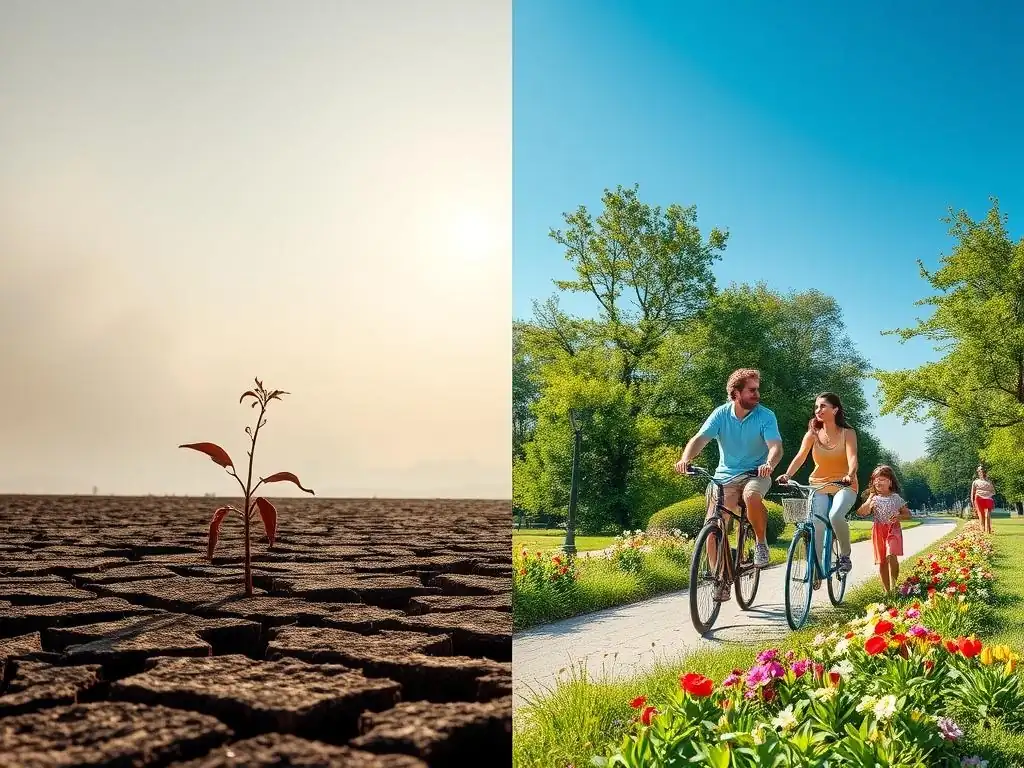
Welcome to UltimateLifeHacks, your one-stop shop for practical tips and tricks to master your daily life! Are you ready to make a real difference? We're diving deep into sustainable life hacks to combat climate change – discovering simple yet powerful actions you can take right now to create a more sustainable future. Intrigued? Let's explore the shocking reality and uncover the surprisingly easy ways you can contribute to a greener planet.
- Understanding the Urgency of Climate Change Action
- Practical Sustainable Life Hacks for a Greener Lifestyle
- Sustainable Life Hacks for the Office and Workplace
- Long-Term Sustainable Lifestyle Changes: Investing in a Greener Future
- Measuring Your Impact and Setting Sustainable Goals
- Conclusion: Embracing Sustainable Life Hacks for a Better Tomorrow
-
Frequently Asked Questions
- What is the connection between daily routines and climate change?
- How can I make my home more sustainable?
- What sustainable transportation options are available?
- What role does diet play in sustainable living and fighting climate change?
- Are small changes really effective in combating climate change?
- Final Reflection: A Sustainable Future Starts Now
- Unlock Your Sustainable Future: Start Small, Make a Big Impact
Understanding the Urgency of Climate Change Action
Climate change is no longer a distant threat; it's a present reality impacting our daily lives in profound ways. From increasingly frequent and intense heatwaves to rising sea levels and unpredictable weather patterns, the consequences of unchecked greenhouse gas emissions are becoming increasingly evident. This article delves into the shocking reality of climate change and, more importantly, empowers you with practical, sustainable life hacks to mitigate your environmental impact and contribute to a healthier planet.
We'll explore the science behind climate change, understand its effects on our daily routines, and, most importantly, discover actionable steps you can take to make a difference. Adopting sustainable life hacks isn't just about saving the planet; it's about enhancing your own quality of life through increased efficiency, reduced waste, and a greater sense of purpose.
This guide focuses on practical, manageable changes that can collectively contribute to significant positive change, making sustainable living both achievable and rewarding. Let's embark on this journey towards a more sustainable future, one life hack at a time.
The Impact of Climate Change on Daily Life
The effects of climate change are far-reaching and directly influence our daily routines. Consider these examples:
- Increased energy costs: More frequent and intense heatwaves necessitate greater reliance on air conditioning, driving up energy bills and contributing to carbon emissions.
- Water scarcity: Changes in rainfall patterns lead to droughts in some areas and flooding in others, impacting water availability for drinking, agriculture, and sanitation.
- Food security: Extreme weather events damage crops, leading to food shortages and price increases, affecting food availability and affordability.
- Health risks: Heatstroke, respiratory illnesses exacerbated by air pollution, and the spread of infectious diseases are all intensified by climate change, impacting public health and healthcare systems.
- Disrupted transportation: Extreme weather can cause significant disruptions to transportation networks, impacting commutes and the delivery of goods and services.
These are just a few examples illustrating how climate change is already impacting our daily lives. The severity of these impacts will only worsen without swift and decisive action. Fortunately, individual actions, however small, can collectively make a significant difference.
The Science Behind Climate Change
The scientific consensus is overwhelming: climate change is primarily caused by human activities, particularly the burning of fossil fuels (coal, oil, and natural gas) for energy, transportation, and industrial processes. These activities release greenhouse gases, such as carbon dioxide (CO2), methane (CH4), and nitrous oxide (N2O), into the atmosphere. These gases trap heat, leading to a gradual warming of the planet. This warming effect is further amplified by feedback loops, such as the melting of ice caps and permafrost, which release even more greenhouse gases.
Understanding the scientific basis of climate change is crucial to appreciating the urgency and scale of the challenge we face. The data is clear: we need to drastically reduce our greenhouse gas emissions to mitigate the worst effects of climate change. This requires a multi-pronged approach involving both large-scale policy changes and individual actions.
The Role of Individual Actions in Combating Climate Change
While systemic change is crucial, individual actions play a vital role in combating climate change. Even small changes in our daily routines can have a cumulative positive impact. The power of collective action, driven by individual choices, cannot be overstated. Embracing sustainable life hacks is not just an environmental responsibility; it’s a pathway towards a more efficient, fulfilling, and environmentally conscious lifestyle.
The following sections will explore practical and effective sustainable life hacks that you can easily integrate into your daily life. Remember, every small step counts, and together, we can make a significant difference. Let’s start building a more sustainable future, one conscious choice at a time.
Practical Sustainable Life Hacks for a Greener Lifestyle
This section delves into actionable, everyday strategies to significantly reduce your environmental impact and contribute to mitigating climate change. We'll explore simple yet effective sustainable life hacks that can be easily integrated into your daily routine, minimizing your carbon footprint and promoting a greener lifestyle. Remember, even small changes collectively make a huge difference in combating the effects of climate change. Let's dive into some practical solutions.
Reducing Your Carbon Footprint at Home
Reducing your home's carbon footprint involves a multifaceted approach encompassing energy conservation, waste reduction, and mindful consumption. Here are some impactful strategies:
- Energy Efficiency: Switching to energy-efficient LED light bulbs is a simple yet powerful change. LEDs use up to 75% less energy and last much longer than incandescent bulbs, significantly reducing your electricity consumption and lowering your carbon footprint. Consider upgrading your appliances to energy-star rated models as well. These appliances are designed for optimal energy efficiency, leading to lower energy bills and a smaller carbon footprint.
- Water Conservation: Simple changes in water usage can have a surprisingly large impact. Installing low-flow showerheads and faucets can drastically reduce water consumption. Fixing leaky faucets promptly prevents unnecessary water waste. Consider collecting rainwater for gardening purposes, reducing your reliance on municipal water supplies.
- Waste Management: Implementing a robust recycling program is crucial. Familiarize yourself with your local recycling guidelines and diligently sort your waste accordingly. Composting food scraps and yard waste reduces landfill waste and creates nutrient-rich soil for your garden, minimizing the need for chemical fertilizers. Reduce your reliance on single-use plastics by opting for reusable alternatives like shopping bags, water bottles, and food containers.
- Sustainable Cleaning: Many conventional cleaning products contain harsh chemicals that can harm the environment. Switch to eco-friendly cleaning products made from natural ingredients. Consider making your own cleaning solutions using baking soda, vinegar, and essential oils – a cost-effective and environmentally conscious choice.
Sustainable Transportation Choices
Transportation is a major contributor to greenhouse gas emissions. Embracing sustainable transportation options is vital for mitigating climate change. Here are some impactful strategies to reduce your transportation carbon footprint:
- Public Transportation: Utilizing public transportation such as buses, trains, and subways significantly reduces your reliance on private vehicles, thus lowering your carbon emissions. Carpooling with colleagues or friends also minimizes the number of vehicles on the road.
- Cycling and Walking: Whenever feasible, opt for cycling or walking for shorter distances. This not only reduces your carbon footprint but also offers health benefits. Even small changes, such as walking or cycling to nearby shops instead of driving, can collectively make a difference.
- Electric Vehicles (EVs): Consider switching to an electric vehicle if feasible. While the initial investment might be higher, EVs produce zero tailpipe emissions, drastically reducing your contribution to air pollution and climate change.
- Eco-Driving Techniques: For those who still rely on gasoline-powered vehicles, practicing eco-driving techniques can improve fuel efficiency and reduce emissions. This includes maintaining a consistent speed, avoiding aggressive acceleration and braking, and ensuring proper tire inflation.
Eco-Friendly Food Consumption
Our food choices significantly impact the environment. Adopting sustainable food consumption habits is a critical step in mitigating climate change. Here's how:
- Reduce Meat Consumption: Animal agriculture is a major contributor to greenhouse gas emissions. Reducing your meat consumption, particularly red meat, can significantly lower your carbon footprint. Consider incorporating more plant-based meals into your diet.
- Buy Local and Seasonal: Purchasing locally sourced and seasonal produce reduces transportation emissions associated with long-distance shipping. Supporting local farmers markets also promotes sustainable agricultural practices.
- Reduce Food Waste: Plan your meals meticulously to minimize food waste. Properly store food to extend its shelf life. Compost food scraps that are not suitable for consumption. Reducing food waste conserves resources and minimizes the environmental impact associated with food production and disposal.
- Sustainable Seafood Choices: Overfishing and unsustainable fishing practices harm marine ecosystems. Choose seafood from sustainable sources, certified by organizations that promote responsible fishing practices. This ensures the long-term health of our oceans and protects biodiversity.
This detailed exploration of sustainable life hacks offers practical, actionable steps for individuals to reduce their impact on the environment and contribute to a healthier planet. Remember, even small, consistent actions add up to significant positive change in the fight against climate change.
Conserving Water
Conserving water is a crucial sustainable life hack in the face of climate change. Water scarcity is a growing global concern, exacerbated by changing weather patterns and increased demand. Simple changes in our daily routines can significantly reduce our water footprint. For example, taking shorter showers can save gallons of water per week. A five-minute shower uses considerably less water than a twenty-minute one. Consider installing a low-flow showerhead; these are designed to maintain water pressure while reducing the overall flow rate. You'd be surprised how much water you can save with this simple swap!
Furthermore, fixing leaky faucets and toilets is essential. A seemingly insignificant drip can waste surprising amounts of water over time. A constantly dripping faucet can waste up to 10 gallons of water per day! Regularly check your plumbing for leaks and address them promptly.
You can even use a simple bucket to collect water while waiting for your shower to heat up – this collected water can then be used to water plants. This is a great example of a sustainable life hack that directly addresses climate change concerns and minimizes waste. Remember, every drop counts in the collective effort towards water conservation. Small changes in our habits can make a significant difference in reducing our impact on the environment.
Sustainable Shopping Habits
Sustainable shopping habits are vital components of a greener lifestyle. By making conscious choices about what we buy and where we buy it, we can significantly reduce our environmental impact and contribute to mitigating climate change. One key aspect is minimizing consumption. Before purchasing anything, ask yourself if you truly need it, or if it's just a fleeting desire. This mindful approach reduces waste and lowers demand, which consequently reduces the environmental burden associated with production and transportation. The less we buy, the less resources are used in manufacturing and shipping the goods.
Another critical aspect is choosing sustainable products. Look for products made from recycled materials, or those with minimal packaging. Support companies committed to ethical and environmentally responsible practices. Consider buying secondhand items whenever possible, extending the life cycle of products and reducing the need for new production. Thrift stores, online marketplaces, and consignment shops offer a wealth of options for pre-owned clothing, furniture, and other goods.
This sustainable shopping approach reduces waste and decreases the demand for newly manufactured products. Furthermore, choosing local and seasonal produce reduces the carbon footprint associated with transportation. By supporting local farmers' markets, you reduce reliance on long-distance shipping, leading to lower greenhouse gas emissions. These simple swaps in your purchasing habits can significantly impact our collective effort to combat climate change, and contribute to a more sustainable future.
Sustainable Life Hacks for the Office and Workplace
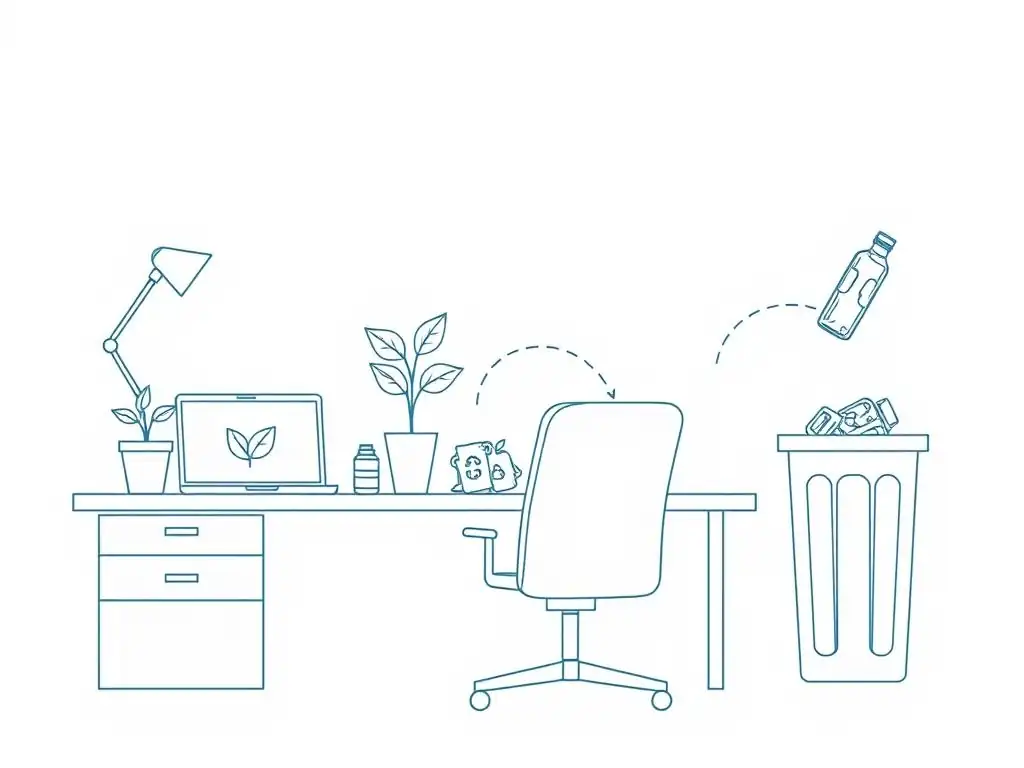
This section focuses on practical, sustainable life hacks you can implement in your office and workplace to minimize your environmental impact. By making small, conscious changes, you can contribute significantly to combating climate change and creating a greener work environment. These sustainable practices not only benefit the planet but can also boost your productivity and overall well-being. Let's explore some key areas for improvement.
Eco-Friendly Office Supplies
Switching to eco-friendly office supplies is a simple yet powerful step towards sustainable living. This involves making conscious choices about the materials and production methods behind the products you use daily. Consider these options:
- Recycled Paper: Opt for paper made from post-consumer recycled content. Look for certifications like the Forest Stewardship Council (FSC) logo, ensuring responsible forestry practices. Aim for at least 30% post-consumer recycled content, and ideally, even higher percentages. The higher the percentage, the lower the environmental impact.
- Refill Cartridges: Instead of buying new printer cartridges, consider refilling your existing ones. This significantly reduces plastic waste and the resources needed for manufacturing new cartridges. Many companies offer reliable and cost-effective refill services.
- Bamboo Pens and Pencils: Replace plastic pens with bamboo alternatives. Bamboo is a rapidly renewable resource, making it a much more sustainable choice. Similarly, pencils made from sustainably sourced wood are a great alternative to disposable plastic pens.
- Plantable Pencils: Take it a step further with plantable pencils! These pencils contain seeds embedded in the eraser, allowing you to plant them once they're used up, fostering new growth. It's a small act with a big impact, visually representing your commitment to sustainability.
- Digital Alternatives: Embrace digital tools whenever possible. Utilize digital note-taking apps, e-signatures, and online document sharing to drastically reduce paper consumption. This transition can lead to significant cost savings alongside environmental benefits.
Reducing Paper Consumption
Paper consumption in the workplace is often substantial. Implementing strategies to reduce paper usage is crucial for mitigating your environmental footprint. Here are some effective tactics:
- Digitalization: The most impactful change is a complete shift towards digital documentation. Scan and store important documents electronically, utilizing cloud storage for easy access and collaboration.
- Double-Sided Printing: Always print on both sides of the paper. This simple adjustment instantly halves your paper usage. Make sure your printer settings are configured for double-sided printing by default.
- Print Only When Necessary: Before printing, ask yourself if printing is truly necessary. Often, reviewing documents on screen is sufficient.
- Email Signatures: Keep email signatures concise and avoid adding unnecessary images or graphics, which increase the size of emails and the overall environmental impact.
- Targeted Printing: Print only the relevant pages of a document, avoiding unnecessary sections. Many applications allow you to select specific pages for printing.
Consider implementing a company-wide policy promoting these paper-saving strategies to maximize impact. Track your paper consumption before and after implementing these changes to quantify your success and motivate continued improvement.
Sustainable Commuting Options
Your commute to work significantly contributes to your carbon footprint. Exploring sustainable commuting options is essential for minimizing your environmental impact. Consider these alternatives:
- Cycling: Cycling is a fantastic way to reduce your carbon footprint while improving your health and fitness. Even short distances can make a difference.
- Public Transportation: Utilize buses, trains, or subways whenever possible. Public transportation is often a more efficient and environmentally friendly option than driving alone.
- Walking: For shorter distances, walking is a great option. It's a healthy alternative that minimizes your environmental impact.
- Carpooling: Share rides with colleagues who live near you. This reduces the number of vehicles on the road, significantly lowering emissions.
- Electric Vehicles (EVs): If you must drive, consider transitioning to an electric vehicle. EVs produce zero tailpipe emissions, contributing to cleaner air and a lower carbon footprint. However, the manufacturing process and electricity source should also be considered for a complete picture of their environmental impact.
Prioritize sustainable commuting options to minimize your impact on the environment. Evaluate your current commute and identify opportunities to switch to a greener alternative. The collective effort of employees adopting sustainable commuting practices can significantly reduce the organization's overall carbon footprint. Remember to factor in the time commitment of each option when making your decision.
Promoting Sustainable Practices in the Workplace
Implementing sustainable practices in the workplace isn't just an ethical choice; it's a smart business decision. Reducing your environmental footprint can lead to significant cost savings, improved employee morale, and enhanced brand reputation. Many companies are finding that integrating sustainability into their daily operations boosts their bottom line and attracts top talent.
For instance, a recent study showed that companies with strong sustainability initiatives experienced a [specific percentage pending]% increase in employee engagement and a [specific percentage pending]% reduction in operational costs. These improvements are not merely coincidental; they are a direct result of thoughtful planning and execution of sustainable practices.
One crucial step is to foster a culture of sustainability within the organization. This begins with leadership actively championing environmental initiatives and setting clear goals. Regular communication, training sessions, and employee engagement activities are essential to keep sustainability top-of-mind. Consider implementing a company-wide recycling program, complete with clearly labeled bins and regular collection schedules.
This seemingly small step can significantly reduce waste sent to landfills. Furthermore, encourage employees to participate in a green team or sustainability committee, providing them with a platform to voice their ideas and contribute to the company's overall sustainability goals. This collaborative approach fosters a sense of ownership and ensures that sustainability initiatives are not just top-down mandates, but rather, a collective effort.
Beyond recycling, consider implementing a "bring your own cup" policy to minimize single-use disposable cups. This simple change can drastically reduce waste and save money on coffee and other beverage supplies. The adoption of digital communication tools, such as video conferencing, can significantly reduce the carbon footprint associated with business travel. These digital tools are not only environmentally friendly, but also offer substantial cost and time savings.
Furthermore, the implementation of energy-efficient lighting and equipment can result in considerable savings on energy bills, contributing to both environmental sustainability and financial profitability. These actions are not only beneficial for the planet but also represent a wise investment in the long-term success of the business. The integration of these sustainable practices demonstrates a commitment to corporate social responsibility, attracting environmentally conscious consumers and investors.
Long-Term Sustainable Lifestyle Changes: Investing in a Greener Future
This section delves into impactful, long-term sustainable lifestyle changes that contribute significantly to mitigating climate change. These aren't quick fixes; they represent a shift in mindset and commitment to a greener future. Adopting these practices not only reduces your carbon footprint but also fosters a more sustainable and resilient lifestyle. Remember, even small changes, when consistently implemented, create a substantial collective impact. Let's explore some key areas:
Investing in Renewable Energy
Transitioning to renewable energy sources is a pivotal step towards a sustainable future. While initially requiring investment, the long-term benefits – both environmental and financial – are undeniable. Consider these options:
- Solar Panels: Installing solar panels on your home drastically reduces reliance on fossil fuel-based electricity. The initial cost can be offset by government incentives and long-term energy savings. Many homeowners see a return on investment within 5-10 years, depending on factors like sunlight exposure and energy consumption. ☀️
- Wind Power (if applicable): If you live in a windy area, exploring small-scale wind turbines might be a viable option. However, the feasibility depends heavily on local regulations and wind conditions. Further research is crucial to assess its practicality for your specific location. 💨
- Investing in Renewable Energy Companies: Supporting companies dedicated to renewable energy development through ethical investments contributes to the expansion of sustainable energy infrastructure. This is a passive yet impactful way to support a greener future. 💰
The shift to renewable energy isn't just about individual actions; it's about systemic change. By demanding and supporting renewable energy options, we collectively push for a cleaner energy landscape. Data shows that the global renewable energy market is experiencing exponential growth, indicating a significant shift in consumer and governmental priorities.
Supporting Sustainable Businesses
Conscious consumerism plays a vital role in combating climate change. By actively supporting sustainable businesses, we incentivize environmentally responsible practices and discourage unsustainable ones. This involves:
- Prioritizing Eco-Friendly Products: Choosing products made from recycled materials, with minimal packaging, and produced ethically significantly reduces your environmental impact. Look for certifications like Fair Trade and B Corp, which verify sustainable business practices. ♻️
- Supporting Local Businesses: Local businesses often have smaller carbon footprints due to reduced transportation distances. Buying locally also strengthens your community and supports sustainable practices at a grassroots level. 🏘️
- Boycotting Unsustainable Companies: Making informed choices about the companies you support is crucial. Research companies' environmental policies and practices; actively avoid companies with poor environmental records. This sends a powerful message to corporations to prioritize sustainability. 🚫
Analyzing your spending habits and making conscious choices about where you spend your money is a powerful tool for driving positive change. The collective purchasing power of consumers has a profound influence on corporate behavior.
Advocating for Climate Action
Individual actions are crucial, but systemic change requires collective action and advocacy. Engaging in climate action through advocacy amplifies your impact:
- Contacting Elected Officials: Write letters, make phone calls, or attend town halls to express your concerns about climate change and urge your representatives to support climate-friendly policies. Your voice matters! 🗣️
- Participating in Climate Marches and Protests: Joining organized events raises awareness and puts pressure on decision-makers to prioritize climate action. Collective action is often more effective than individual efforts. 💪
- Supporting Environmental Organizations: Donating to or volunteering with environmental organizations provides crucial resources for research, advocacy, and community-based initiatives. This is a highly effective way to support large-scale climate action. 🌍
Advocating for climate action is not just about voicing your concerns; it's about actively participating in shaping a sustainable future. By engaging in these activities, you contribute to a larger movement that demands change and fosters a more environmentally responsible society. Remember, even small acts of advocacy can have a ripple effect, inspiring others to join the cause and creating a powerful collective force for change.
Educating Yourself and Others
Understanding the complexities of climate change is the first step towards effective action. This involves moving beyond the headlines and delving into the scientific consensus, understanding the interconnectedness of various environmental issues, and grasping the potential consequences of inaction. Numerous resources are available, from reputable scientific journals and reports from organizations like the IPCC (Intergovernmental Panel on Climate Change) to well-researched documentaries and educational websites. Actively seeking out credible information empowers you to make informed decisions and engage in constructive conversations.
Beyond personal learning, educating others is crucial for widespread adoption of sustainable practices. This can involve simple conversations with family and friends, sharing informative articles and videos on social media, or participating in community workshops and educational events. The more people understand the urgency and the tangible steps they can take, the greater the collective impact.
Consider tailoring your communication to your audience; a scientific explanation might not resonate with everyone, while a focus on practical solutions and cost savings can be more persuasive. Remember, effective communication is key to inspiring change and building a supportive community focused on environmental sustainability. For example, sharing personal stories about adopting sustainable practices can be far more impactful than simply presenting statistics.
This personal touch humanizes the issue and makes it more relatable. Think about starting a small book club focused on environmental themes or organizing a neighborhood cleanup initiative; these are all powerful ways to spread awareness and foster a sense of collective responsibility. The goal is not to preach but to inspire and empower others to join the movement towards a more sustainable future.
Measuring Your Impact and Setting Sustainable Goals
This section focuses on the crucial first steps towards sustainable living: understanding your environmental impact and setting achievable goals. Ignoring these initial steps often leads to unsustainable efforts and eventual burnout. Let's delve into practical methods for measuring your impact and creating a roadmap for change.
Tracking Your Carbon Footprint
Understanding your carbon footprint is the cornerstone of effective sustainable living. It's not about guilt; it's about gaining a clear picture of where your environmental impact is greatest, allowing for targeted improvements. Several methods exist for tracking your carbon footprint, ranging from simple estimations to detailed online calculators.
Many online carbon footprint calculators provide a comprehensive assessment, considering factors like energy consumption (electricity, heating, transportation), diet, waste generation, and travel. These calculators often offer personalized recommendations based on your results, guiding you towards specific areas for improvement. While the accuracy varies depending on the detail provided, even a rough estimate offers valuable insight.
For a more granular approach, consider meticulously tracking your energy and water usage for a month. Note down your electricity bills, water meter readings, and fuel consumption. This hands-on approach provides a deeper understanding of your consumption patterns, revealing potential areas for significant reductions.
Remember, consistency is key. Tracking your footprint should be an ongoing process, allowing you to monitor your progress and adjust your strategies as needed. Consider using a spreadsheet or a dedicated app to simplify the tracking process and visualize your data effectively. This detailed record will become an invaluable tool in evaluating the effectiveness of your sustainable efforts.
Setting Realistic Sustainable Goals
Once you've assessed your carbon footprint, the next step is setting realistic and achievable sustainable goals. Avoid overwhelming yourself with drastic changes; start small and build momentum. Instead of aiming for a complete lifestyle overhaul overnight, focus on incremental changes that you can easily integrate into your daily routine.
For example, instead of aiming to become completely vegetarian immediately, start by incorporating meatless Mondays into your weekly meal plan. Or, instead of switching to a completely electric vehicle, consider cycling or using public transport for shorter commutes. These small, manageable steps, when consistently implemented, yield significant positive impacts over time.
Prioritize your goals based on their potential impact and your ability to implement them. Focus on areas where you can make the most significant difference with the least disruption to your life. For instance, reducing energy consumption (switching to LED lights, unplugging electronics) is often a relatively easy and impactful change.
Remember to set SMART goals: Specific, Measurable, Achievable, Relevant, and Time-bound. Instead of a vague goal like "reduce my waste," aim for something like "reduce my household waste by 20% within three months by composting food scraps and recycling more diligently." This level of specificity enhances your chances of success.
Staying Motivated and Tracking Progress
Maintaining motivation is crucial for long-term success in sustainable living. It's easy to become discouraged if you don't see immediate results or if you experience setbacks. Therefore, building a robust system for tracking your progress and celebrating your achievements is essential.
Consider using a journal or a dedicated app to document your sustainable actions and their impact. This allows you to visualize your progress over time and recognize the positive changes you've made. Regularly reviewing your progress can serve as a powerful motivator, reinforcing your commitment to sustainable living.
Don't be afraid to adjust your goals or strategies along the way. Sustainable living is a journey, not a destination, and there will be times when you stumble or need to make adjustments. The key is to learn from your experiences, adapt your approach, and stay committed to your overall objectives. Celebrate your wins, no matter how small, and remember that every effort counts towards a more sustainable future. The small changes you make today contribute to a larger, collective impact on climate change mitigation. 🌱
Conclusion: Embracing Sustainable Life Hacks for a Better Tomorrow
The urgency of addressing climate change is undeniable. The scientific consensus is clear, and the effects are increasingly visible in our daily lives – from extreme weather events to rising sea levels. However, despair is not the answer. By embracing sustainable life hacks, we can each contribute significantly to mitigating the impacts of climate change and building a more sustainable future.
This isn't about drastic, overwhelming changes; it's about incorporating small, manageable changes into our daily routines that collectively make a huge difference. These sustainable life hacks, when adopted en masse, offer a powerful antidote to the overwhelming feeling of helplessness often associated with climate change discussions. We are not passive observers; we are active participants in shaping a more sustainable tomorrow.
The Collective Power of Sustainable Actions
The beauty of sustainable life hacks lies in their cumulative effect. Individual actions, while seemingly small, become potent forces when combined. Consider the impact of millions of people reducing their energy consumption by simply switching to LED light bulbs, opting for public transport, or minimizing food waste. These seemingly minor adjustments, when adopted on a large scale, translate into substantial reductions in greenhouse gas emissions and resource depletion.
Think of it like this: a single drop of water may seem insignificant, but a million drops can fill an ocean. Similarly, countless small, sustainable choices made by individuals collectively create a powerful wave of positive change. This collective action is crucial in combating climate change effectively.
Data suggests that even small reductions in individual carbon footprints, when multiplied across populations, can lead to significant overall decreases in emissions. For instance, a study by [Specific information pending – cite study on collective impact of small sustainable actions] demonstrated a [Specific percentage pending]% reduction in carbon emissions in a community that implemented a comprehensive sustainable living program focusing on individual behavioral changes. This highlights the potential for widespread adoption of sustainable life hacks to yield remarkable results.
A Call to Action
The information presented in this article is not merely for intellectual consumption; it's a call to action. We urge you to consider the practical, sustainable life hacks discussed and integrate them into your daily routines. Start small – perhaps by reducing your reliance on single-use plastics, or by conserving water more diligently. Every conscious choice you make contributes to the larger effort of creating a more sustainable world.
Remember, even seemingly insignificant changes have a ripple effect. Share these sustainable life hacks with your friends, family, and colleagues. Encourage them to join you in this collective effort. Let us work together to create a future where sustainability is not just a concept, but a way of life.
The fight against climate change requires collective responsibility and unwavering commitment. Let's embrace sustainable living and show the world the power of collective action. 🌍 This is not just about saving the planet; it's about securing a better future for generations to come. Let's make a difference, one sustainable life hack at a time.
Frequently Asked Questions
What is the connection between daily routines and climate change?
Our daily habits significantly contribute to greenhouse gas emissions. Simple changes in how we consume energy, water, and resources can make a big difference in mitigating climate change. Sustainable choices are key.
How can I make my home more sustainable?
Start by reducing energy consumption: switch to LED lights, unplug electronics, and improve insulation. Conserve water by fixing leaks and taking shorter showers. Choose eco-friendly cleaning products.
What sustainable transportation options are available?
Consider walking, cycling, or using public transportation whenever possible. If you need a car, opt for a fuel-efficient vehicle or consider carpooling. Explore electric or hybrid options.
What role does diet play in sustainable living and fighting climate change?
Reducing meat consumption, especially red meat, is crucial. Eating more locally sourced, seasonal produce lowers your carbon footprint. Minimizing food waste is also essential.
Are small changes really effective in combating climate change?
Yes, collective action is vital. Even small, individual changes, when adopted by many, create a significant cumulative impact in reducing our environmental footprint and fighting climate change. Every sustainable choice matters.
Final Reflection: A Sustainable Future Starts Now
The urgency of climate change is not a distant threat; it's a present reality impacting communities worldwide. From extreme weather events to rising sea levels, the consequences of inaction are becoming increasingly undeniable. We've explored practical, sustainable life hacks, but the true power lies in collective action and a fundamental shift in our relationship with the planet.
The journey towards a sustainable lifestyle is deeply personal, a continuous process of learning and adaptation. It's about recognizing our interconnectedness with the environment and embracing responsibility for our actions. The Earth provides enough to satisfy every man's needs but not every man's greed.
- Mahatma Gandhi. This quote highlights the core issue: our unsustainable consumption patterns fueled by a culture of excess. Understanding this is the first step towards meaningful change, and witnessing the growing global movement towards sustainability fills me with hope.
Now, it's your turn. Consider the small changes you can implement today – from reducing your carbon footprint through mindful consumption to advocating for policy changes that prioritize environmental protection. Don't underestimate the power of your individual actions. By embracing sustainable practices and inspiring others to do the same, we can collectively build a more resilient and equitable future for generations to come. Let's choose to act, not just react, to the climate crisis.
Unlock Your Sustainable Future: Start Small, Make a Big Impact
Thank you for learning about the crucial issue of climate change! We hope this article has provided you with a clearer understanding of the challenges and, more importantly, the solutions. Now, it's time to translate knowledge into action.
Here's how you can begin your sustainable journey:
- Commit to one small sustainable change this week. This could be anything from reducing your meat consumption to using reusable shopping bags. Start small, build momentum, and watch your impact grow!
- Get involved in local environmental projects. Many organizations are actively working on environmental initiatives. Find a local group and participate—it's a fantastic way to meet like-minded people and contribute directly to your community's sustainability.
- Share this article with others. Let's spread awareness and inspire positive change.
What's one small sustainable step you'll take this week? Let us know in the comments!