
Sustainable Travel on a Budget: Explore the World Responsibly

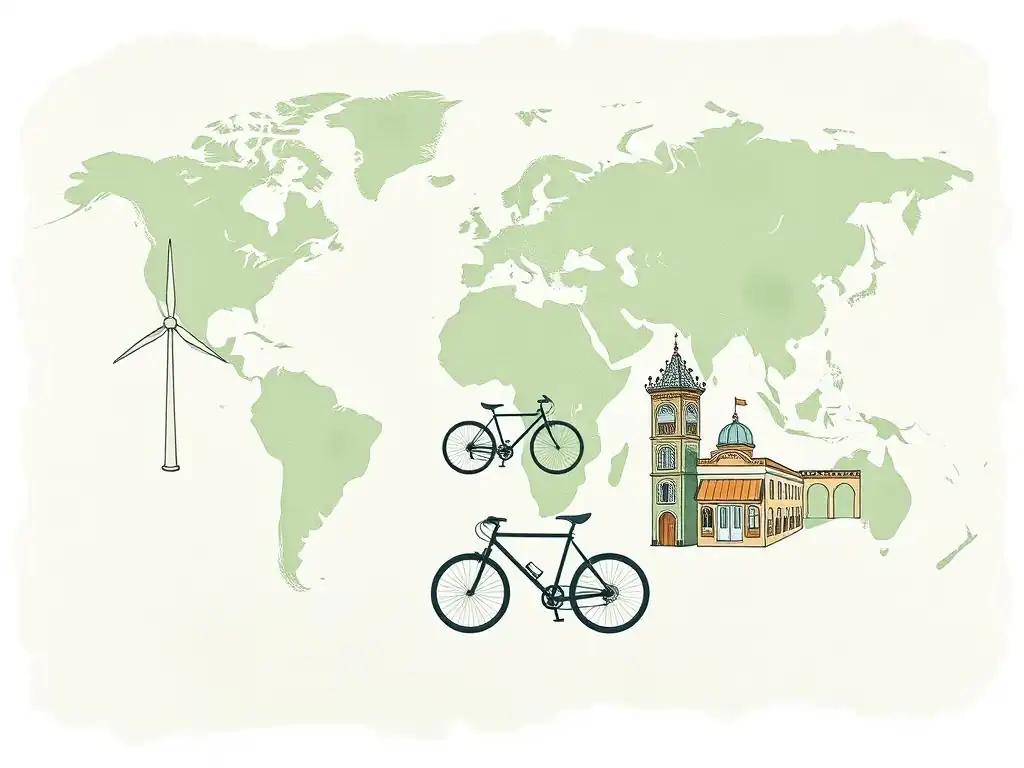
Ready to unlock a world of adventure without breaking the bank? At UltimateLifeHacks, we're dedicated to simplifying your life and maximizing your potential. Discover how to explore the globe responsibly and affordably with our new category dedicated to practical advice. Dive into our latest article on cheap sustainable travel tips and learn how to minimize your environmental impact while maximizing your travel experiences. Let's embark on this journey together – your sustainable and budget-friendly adventure awaits!
- Cheap Sustainable Travel Tips: Planning Your Eco-Friendly Adventure
- Reducing Your Carbon Footprint While Traveling
- Affordable Sustainable Accommodation: Eco-Lodges and Green Stays
- Sustainable Travel on a Budget: Eating Responsibly
- Tips for Responsible Sustainable Travel: Minimizing Waste
- Cheap Sustainable Travel Tips: Post-Trip Reflection and Planning
- Frequently Asked Questions
- Final Reflection: The Enduring Journey of Sustainable Travel
- Unlock Your Sustainable Travel Adventure!
Cheap Sustainable Travel Tips: Planning Your Eco-Friendly Adventure
Embarking on a journey doesn't have to break the bank or harm the planet. Sustainable travel, once considered a luxury, is becoming increasingly accessible. This guide provides practical, budget-friendly strategies to explore the world responsibly, minimizing your carbon footprint while maximizing your adventure. We'll delve into selecting eco-conscious destinations, finding affordable yet sustainable travel options, and packing light to reduce your environmental impact. By following these cheap sustainable travel tips, you can experience the thrill of exploration without compromising your values or your wallet. Let's discover how to make eco-friendly travel a reality for everyone. 🌍
Choosing Sustainable Destinations: Eco-Tourism Hotspots
Selecting your destination is the first crucial step in planning sustainable and cheap travel. Forget overcrowded tourist traps; instead, focus on destinations actively promoting eco-tourism. These locations often prioritize environmental protection, support local communities, and offer authentic cultural experiences. Look for destinations with strong commitments to renewable energy, waste reduction, and conservation efforts. Consider regions known for their commitment to sustainable practices, such as national parks with robust conservation programs or smaller communities that rely on ecotourism for economic sustainability. Researching certifications like Green Globe or Global Sustainable Tourism Council can help identify truly committed destinations.
Many lesser-known locations offer incredible experiences at a fraction of the cost of popular tourist hotspots. For example, exploring lesser-known national parks within your own country can be significantly cheaper and equally rewarding. Remember to support local businesses and communities by choosing locally owned accommodations and restaurants – this directly contributes to the sustainability of the destination and helps keep your trip budget-friendly.
Budget-Friendly Eco-Travel: Finding Affordable Flights and Accommodation
Finding affordable flights and accommodation is key to budget-conscious sustainable travel. Consider traveling during the shoulder season (the periods between peak and off-season) for lower prices and fewer crowds. This minimizes the environmental impact of increased travel during peak seasons. Look for budget airlines that are implementing sustainability initiatives, although it's important to note that the environmental impact of budget airlines is a complex issue needing further research. [Specific data on airline sustainability initiatives pending].
For accommodation, explore eco-friendly hostels, guesthouses, or homestays. These options often offer a more immersive cultural experience and a lower carbon footprint than large hotels. Websites and apps specializing in sustainable accommodations can assist you in finding budget-friendly, eco-conscious options. Consider house-sitting or couch-surfing as even cheaper alternatives, allowing you to experience local life firsthand while reducing your travel costs and carbon footprint.
Packing Light: Minimizing Your Environmental Footprint
Packing light is not just about saving money on baggage fees; it’s a significant contribution to sustainable travel. The less you carry, the less fuel is consumed during transportation. Plan your outfits carefully, choosing versatile clothing items that can be mixed and matched. Opt for lightweight, durable materials that are easy to wash and dry.
Avoid overpacking toiletries by purchasing travel-sized containers or using reusable ones. Remember, a lighter backpack means a smaller carbon footprint and more money in your pocket for experiences! Consider using packing cubes to maximize space and keep your belongings organized, further reducing the need for excess baggage. This simple act significantly reduces the environmental impact of your journey and saves you money on baggage fees.
Reducing Your Carbon Footprint While Traveling

Sustainable travel doesn't mean sacrificing your wanderlust; it means being mindful of your impact. Reducing your carbon footprint while exploring the globe is achievable with careful planning and conscious choices. This section delves into practical strategies to minimize your environmental impact during your adventures, aligning with the principles of cheap sustainable travel tips. Remember, every small step counts towards a more responsible and enjoyable travel experience.
Choosing Sustainable Transportation: Trains, Buses, and Bikes
Air travel contributes significantly to carbon emissions. Opting for alternative transportation methods is a powerful way to lessen your environmental impact and often proves more budget-friendly. Consider these eco-conscious options:
- Trains: Train journeys offer a scenic and relaxing alternative to flying, particularly for medium to long distances. High-speed rail networks are expanding globally, making train travel a viable option for many destinations. Moreover, train tickets can often be cheaper than flights, especially if booked in advance. For example, traveling by train from Paris to Amsterdam is significantly less carbon-intensive and frequently cheaper than flying.
- Buses: Buses are a budget-friendly and surprisingly efficient way to travel, especially for shorter distances or within a country. Many long-distance bus companies are investing in modern, fuel-efficient vehicles, reducing their environmental footprint. Plus, you'll often get a chance to experience local life from a different perspective.
- Bikes: For exploring cities and smaller towns, cycling is an excellent option. It's a healthy, eco-friendly, and cost-effective way to see the sights at your own pace. Many cities offer bike rental services, making it convenient to incorporate cycling into your itinerary. Remember to check for bike lanes and prioritize safety.
Offset Your Carbon Emissions: Calculating and Compensating Your Travel Impact
Even with sustainable transportation choices, some carbon emissions are unavoidable. Offsetting your carbon footprint is a way to compensate for the emissions produced during your travels. Several organizations calculate the carbon emissions associated with different travel modes and offer carbon offsetting programs. These programs often involve investing in projects that reduce greenhouse gas emissions, such as reforestation or renewable energy initiatives.
To effectively offset your carbon emissions:
- Calculate your carbon footprint: Use online carbon footprint calculators that consider your mode of transport, distance traveled, and other factors. Enter details accurately for a reliable estimation.
- Choose a reputable carbon offsetting program: Research and select a program certified by a recognized standard, ensuring the funds are used effectively and transparently. Look for programs that invest in high-quality projects with measurable impact.
- Contribute to the offset: Once you have calculated your carbon footprint, contribute the equivalent amount to the chosen offsetting program. This helps neutralize the environmental impact of your trip.
Supporting Local Businesses and Communities: Ethical Tourism Practices
Sustainable travel goes beyond transportation; it involves supporting local economies and respecting local cultures. By choosing local businesses and engaging in ethical tourism practices, you contribute to the well-being of communities and minimize the negative impacts of mass tourism.
- Eat at local restaurants: Discover authentic cuisine by patronizing locally owned restaurants. This supports local farmers and food producers, reducing the environmental impact of food transportation. Try local specialties and explore regional flavors.
- Shop at local markets: Purchase souvenirs and other goods from local artisans and markets. This provides income directly to the community and often results in more unique and sustainable products compared to mass-produced items.
- Stay in locally owned accommodations: Choose guesthouses, homestays, or eco-lodges over large hotel chains. This supports local entrepreneurs and often offers a more authentic and immersive cultural experience. Consider the environmental certifications of your accommodation for truly sustainable choices.
Remember, embracing cheap sustainable travel tips allows you to explore the world responsibly and affordably. Every conscious choice you make contributes to a more sustainable future for our planet and enriches your travel experience. 🌍
Affordable Sustainable Accommodation: Eco-Lodges and Green Stays
Finding affordable and sustainable accommodation is a crucial aspect of cheap sustainable travel tips. While luxury eco-resorts exist, they often fall outside the budget of most travelers. Fortunately, numerous options offer eco-conscious stays without breaking the bank. The key is to prioritize and strategically search. Many eco-lodges and green stays actively strive for affordability, understanding that accessibility is vital for promoting sustainable tourism.
Finding Budget-Friendly Eco-Friendly Hotels and Hostels
The rise of eco-conscious hotels and hostels is significant. Many established hotel chains are implementing sustainable practices, and numerous independently owned establishments prioritize environmental responsibility. Look for certifications like LEED (Leadership in Energy and Environmental Design) or Green Globe, which indicate a commitment to sustainability. These certifications often imply higher standards, but don't always equate to higher prices.
Websites specializing in sustainable travel often filter search results by budget, making it easier to find affordable options. Remember to check reviews; paying attention to comments about environmental practices can help you gauge the authenticity of a hotel's green claims. For example, a hotel boasting solar power but lacking recycling programs might be less genuinely committed to sustainability than one with a comprehensive approach. Consider traveling during the shoulder seasons (spring and autumn) for potentially lower prices and fewer crowds.
Exploring Homestays and Guesthouses: Immersive and Sustainable Options
Homestays and guesthouses offer a unique and often more affordable alternative to hotels. They often have a smaller environmental footprint than larger hotels due to lower energy and water consumption. Staying with locals provides an authentic cultural experience, reducing the impact of mass tourism. This aligns perfectly with the ethos of cheap sustainable travel tips, promoting responsible and community-focused travel.
Booking through local platforms or directly contacting guesthouses can often lead to better deals than using large booking sites. Be sure to inquire about their sustainability practices; some may utilize locally sourced food, reduce water waste through efficient plumbing, or support local conservation efforts. This direct interaction allows you to verify their commitment to environmental responsibility and support local communities directly.
Camping and Glamping: Sustainable and Affordable Accommodation Choices
Camping and glamping (glamorous camping) represent exceptionally budget-friendly and sustainable accommodation choices. Camping inherently minimizes your environmental impact, reducing your carbon footprint significantly compared to staying in a hotel. Choosing campsites with established sustainability practices – such as responsible waste management and water conservation – further enhances your eco-friendly journey. Glamping, while slightly more expensive than traditional camping, still offers a significantly cheaper alternative to hotels while often incorporating sustainable materials and practices.
Think canvas tents, yurts, or eco-cabins made from reclaimed wood. The experience itself can be incredibly enriching, allowing you to connect more deeply with nature and appreciate the environment you're exploring. Look for campsites that promote Leave No Trace principles; this ensures that your stay leaves minimal impact on the natural surroundings. This strategy aligns perfectly with the principles of cheap sustainable travel tips, offering a low-cost, low-impact way to experience the world.
Sustainable Travel on a Budget: Eating Responsibly
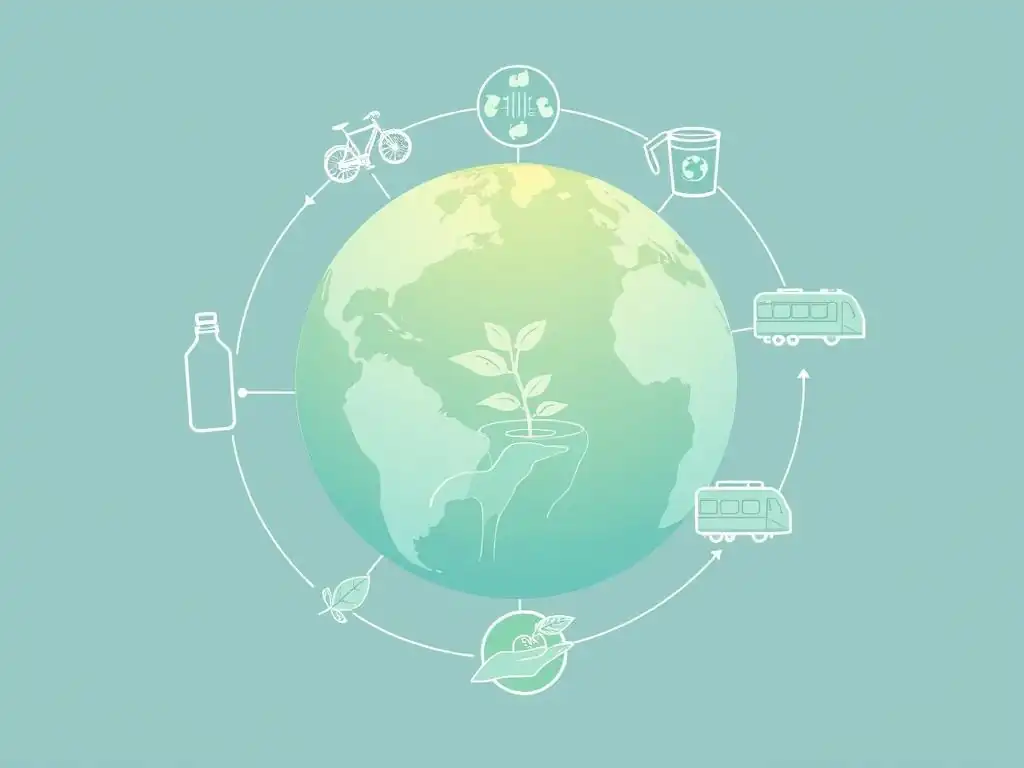
Sustainable travel isn't just about minimizing your carbon footprint during transportation; it also encompasses mindful consumption, especially when it comes to food. Eating responsibly while traveling on a budget is entirely achievable and contributes significantly to your eco-conscious journey. This section focuses on practical strategies to ensure your culinary adventures are both delicious and planet-friendly. We'll explore how to embrace local cuisine, reduce food waste, and stay hydrated sustainably, all without breaking the bank. These cheap sustainable travel tips will help you travel lighter on your wallet and the environment.
Choosing Local and Seasonal Food: Supporting Sustainable Agriculture
Opting for locally sourced and seasonal produce is a cornerstone of responsible eating while traveling. This practice minimizes the environmental impact associated with long-distance transportation and supports local farmers and economies. Think about it: the further your food travels, the greater the carbon emissions. By choosing what's in season, you'll often find it cheaper too!
Consider these practical steps:
- Visit local markets: Farmer's markets and local grocery stores are treasure troves of fresh, seasonal produce, often at significantly lower prices than tourist-oriented restaurants. You'll discover unique regional specialties and support the local community simultaneously.
- Eat at locally-owned restaurants: Many smaller restaurants prioritize locally sourced ingredients, reducing their environmental impact and offering authentic culinary experiences. Look for establishments that highlight their commitment to sustainability in their menus or marketing materials.
- Research seasonal produce: Before your trip, research the fruits and vegetables that are in season at your destination. This allows you to plan your meals efficiently and take advantage of the best prices and flavors. For example, visiting a Mediterranean country in the summer might mean enjoying abundant and affordable tomatoes, while a winter trip might feature hearty root vegetables.
Remember, choosing local and seasonal food isn't just a cheap sustainable travel tip; it's a way to connect with the culture and environment of your destination in a meaningful way.
Reducing Food Waste: Packing Smart and Eating Mindfully
Food waste is a significant environmental problem, and it's easily avoidable during travel. By packing smart and practicing mindful eating, you can significantly reduce your contribution to this issue and save money at the same time.
Here's how to minimize food waste on your sustainable travels:
- Pack reusable containers: Instead of relying on single-use plastics, pack reusable containers for leftovers or snacks. This is especially useful if you're purchasing food from local markets or preparing your own meals.
- Plan your meals: Avoid impulsive food purchases by planning your meals in advance. This helps you buy only what you need, reducing the risk of food spoiling before you can consume it. A simple itinerary with meal ideas can be incredibly helpful.
- Eat mindfully: Avoid over-ordering food, and be realistic about your appetite. It's better to order less and have the option to order more if needed, rather than wasting food. This is a simple yet effective cheap sustainable travel tip that benefits both your budget and the environment.
- Compost where possible: If your accommodation offers composting facilities, take advantage of them! This is a great way to minimize your overall waste footprint.
Hydration Hacks: Refillable Water Bottles and Avoiding Single-Use Plastics
Staying hydrated is crucial, especially during travels, but relying on single-use plastic water bottles is unsustainable and expensive in the long run. Fortunately, there are many eco-friendly and budget-friendly alternatives.
Here are some hydration hacks for sustainable and cheap travel:
- Invest in a high-quality reusable water bottle: A reusable water bottle is a worthwhile investment that will pay for itself over time. Choose a durable, lightweight bottle that's easy to carry and clean. Steel or high-quality plastic are good options.
- Utilize water refill stations: Many cities and towns now have public water refill stations, making it easy to stay hydrated without purchasing bottled water. Look for these stations in public spaces like parks, train stations, or airports.
- Carry a water filter or purification tablets: If you're traveling to areas with questionable water quality, consider carrying a water filter or purification tablets as a backup. This ensures safe and sustainable hydration without relying on plastic bottles.
By adopting these simple strategies, you can significantly reduce your plastic consumption, save money, and contribute to a more sustainable travel experience. These simple changes add up to significant positive impact, making your journey both enjoyable and environmentally responsible. These are some of the best cheap sustainable travel tips you can utilize.
Tips for Responsible Sustainable Travel: Minimizing Waste
This section delves into practical strategies for minimizing your environmental impact while traveling on a budget. We'll explore how small changes in your travel habits can significantly reduce waste and contribute to more sustainable tourism. Remember, "cheap sustainable travel tips" aren't just about finding the lowest fares; they're about making conscious choices that benefit both your wallet and the planet.
Packing Reusable Items: Cutlery, Bags, and Water Bottles
One of the easiest ways to reduce waste during your travels is to pack reusable alternatives to single-use items. This simple act of preparation can make a huge difference in your overall environmental footprint. Consider these essential items:
- Reusable cutlery: A lightweight, compact set of reusable fork, knife, and spoon can save you from using countless plastic utensils at restaurants and cafes. Many sets are even available with carrying cases for easy transport.
- Reusable shopping bags: Pack a couple of sturdy, foldable shopping bags to avoid using plastic bags when purchasing souvenirs or groceries. This is particularly crucial in regions where plastic bag bans aren't yet implemented.
- Reusable water bottle: Staying hydrated is crucial, especially when exploring new places. Carrying a reusable water bottle allows you to refill it at water fountains or purchase water in bulk, reducing your reliance on single-use plastic water bottles. This also often saves you money compared to buying bottled water repeatedly.
The initial investment in these items is minimal, yet the long-term benefits for the environment and your budget are substantial. Think of it as a small, upfront cost for a significantly reduced environmental impact and potential savings over the duration of your trip. For example, if you avoid buying 10 plastic water bottles at $2 each, you’ve saved $20! That's money you can put towards other aspects of your trip.
Avoiding Single-Use Plastics: Say No to Straws and Plastic Bottles
Beyond reusable items, actively refusing single-use plastics is another key aspect of cheap sustainable travel tips. This involves making conscious decisions throughout your journey, from ordering drinks to purchasing snacks.
- Decline straws: Simply stating "no straw, please" when ordering a drink can significantly reduce plastic waste. Many establishments are happy to comply, and it's a small action with a big impact.
- Avoid individually packaged snacks: Opt for snacks sold in bulk or larger containers whenever possible. Individually wrapped items create a considerable amount of unnecessary packaging waste.
- Bring your own coffee cup: If you're a coffee lover, carrying a reusable coffee cup can save you money and reduce waste. Many cafes offer discounts for using your own cup.
By consistently making these small changes, you'll contribute to a cleaner environment and potentially save money on unnecessary purchases. This mindful approach directly aligns with the principles of cheap sustainable travel, demonstrating that responsible travel doesn't have to be expensive. Consider the cumulative effect of avoiding single-use plastics over several trips – the impact is considerable.
Respecting Local Cultures and Environments: Ethical Travel Guidelines
Sustainable travel isn't solely about minimizing waste; it also involves respecting local cultures and environments. This entails responsible behavior that contributes positively to the communities you visit.
- Support local businesses: Choosing locally owned restaurants, shops, and accommodations directly supports the community and helps preserve cultural heritage. This approach often leads to more authentic experiences and can even be more affordable than large international chains.
- Minimize your carbon footprint: Consider using public transportation, cycling, or walking whenever feasible. This reduces your reliance on cars and planes, contributing to lower emissions. Exploring a destination on foot or by bicycle often provides a more immersive and rewarding experience.
- Leave no trace: Respect natural environments by packing out all your trash, avoiding disturbing wildlife, and staying on designated trails. This ensures the preservation of these beautiful places for future generations. Remember, "take only memories, leave only footprints" isn't just a cliché; it's a vital principle of responsible travel.
By following these ethical guidelines, you're not only contributing to a more sustainable travel experience but also enriching your journey with meaningful interactions and a deeper appreciation for the places you visit. This mindful approach ultimately contributes to a more fulfilling and responsible form of travel, aligning perfectly with the concept of cheap sustainable travel tips.
Cheap Sustainable Travel Tips: Post-Trip Reflection and Planning

This section focuses on maximizing the value of your sustainable travel experiences by reflecting on past trips and strategically planning for future adventures. We'll explore how to minimize your environmental footprint while keeping costs low. Remember, sustainable travel doesn't have to break the bank!
Analyzing Your Travel Impact: What Went Well, What Could Be Improved?
After returning from a trip, take some time for honest self-reflection. This isn't about self-criticism; it's about continuous improvement in your sustainable travel practices. Consider these key areas:
- Transportation: Did you prioritize public transport, cycling, or walking? Were there instances where you relied on taxis or rental cars unnecessarily? Analyzing your transportation choices helps you identify areas for improvement on future trips. For example, did researching bus routes beforehand save you money and emissions compared to last-minute taxi rides? Quantifying these savings—both monetary and environmental—can be incredibly motivating.
- Accommodation: Did you choose eco-friendly lodgings? Did your hotel actively promote sustainability initiatives like water conservation or waste reduction? Perhaps you stayed in a hostel to reduce your carbon footprint and lodging costs. Consider rating your accommodation based on its sustainability practices, making it easier to choose similar options in the future.
- Food and Drink: How much local produce did you consume? Did you avoid single-use plastics? Were you able to find affordable, sustainable food options? Perhaps you discovered a local market offering fresh, seasonal produce at a fraction of the cost of tourist restaurants. Remember to note the cost savings and environmental benefits of choosing local food.
- Waste Management: How effectively did you manage your waste? Did you carry a reusable water bottle and shopping bag? Did you participate in local recycling programs? Even small changes, like refusing single-use plastic straws, accumulate over time to make a significant difference.
- Consumption: Did you buy souvenirs responsibly, opting for locally made items over mass-produced goods? Did you prioritize experiences over material possessions? Consider the long-term impact of your purchases. A locally made handicraft supports local artisans and often carries a lower carbon footprint than mass-produced items.
By meticulously documenting your successes and shortcomings, you create a valuable roadmap for future, even more sustainable and budget-friendly trips. This detailed analysis is key to refining your approach and achieving a more significant positive impact. Think of it as an investment in your future eco-conscious adventures!
Planning Your Next Sustainable Trip: Refining Your Eco-Travel Approach
Armed with the insights from your post-trip analysis, you can now plan your next adventure with a sharper focus on sustainability and budget-consciousness. Consider these strategies:
- Prioritize slow travel: Instead of rushing from one destination to another, spend more time in fewer places. This reduces your carbon footprint and allows for a deeper immersion in the local culture. Slow travel often translates to lower overall costs as well.
- Offset your carbon footprint: Explore reputable carbon offsetting programs to neutralize the environmental impact of your travel. While not a replacement for sustainable practices, carbon offsetting can help mitigate unavoidable emissions.
- Embrace "slow tourism": Choose accommodation and activities that minimize your environmental impact and support local communities. This might involve staying in eco-lodges, participating in community-based tourism projects, or supporting local businesses.
- Pack light: Packing only essential items reduces the weight of your luggage, saving money on baggage fees and reducing the fuel consumption of your transportation.
- Plan ahead: Booking flights and accommodation in advance can often lead to significant cost savings. Early planning also allows for more thorough research into eco-friendly options.
Remember, sustainable travel is a journey, not a destination. By consistently reflecting on your past trips and refining your approach, you can continue to minimize your impact and maximize your enjoyment of exploring the world. The rewards—both environmental and personal—are well worth the effort. Enjoy your next adventure responsibly and affordably!
Frequently Asked Questions
How can I make my travel more sustainable?
Sustainable travel involves minimizing your environmental impact while respecting local cultures and communities. This can be achieved through choices like using public transport, supporting local businesses, and reducing waste.
What are some cheap and sustainable transportation options?
Consider trains and buses instead of planes, which have a much larger carbon footprint. Walking, cycling, and carpooling are also eco-friendly and budget-friendly options depending on your destination.
How can I reduce my waste while traveling?
Pack a reusable water bottle, coffee cup, and shopping bag. Avoid single-use plastics and opt for sustainable toiletries. Support businesses that prioritize waste reduction.
Where can I find affordable, eco-friendly accommodation?
Look for eco-lodges, homestays, or guesthouses which often have a smaller environmental impact than large hotels. Websites specializing in sustainable tourism can help you find responsible options.
How can I support local communities during my travels?
Eat at locally owned restaurants, buy souvenirs from local artisans, and participate in community-based tourism activities. This helps to ensure that your tourism dollars directly benefit the community.
Final Reflection: The Enduring Journey of Sustainable Travel
The pursuit of affordable, eco-conscious travel is not a fleeting trend; it's a necessary evolution in how we experience the world. Our planet's resources are finite, and the impact of mass tourism is undeniable. Yet, the desire to explore remains a powerful human impulse. This article has demonstrated that responsible, budget-friendly travel is entirely achievable, proving that we can satisfy our wanderlust without compromising our planet's future.
The shift towards sustainable travel is more than just a change in vacation style; it's a reflection of a growing global consciousness. We are increasingly aware of our interconnectedness with the environment and the communities we visit. This awareness fosters a deeper appreciation for the places we explore and a greater sense of responsibility towards them. Not all those who wander are lost.
– J.R.R. Tolkien. This quote, often associated with adventure, takes on a new meaning when considering the mindful, sustainable approach to travel we've discussed. It's about purposeful wandering, leaving a positive impact wherever we go.
Now, consider your own travel plans. What adjustments can you make to ensure your next adventure is both enriching and responsible? Will you choose local transportation over flights whenever possible? Will you support locally owned businesses and engage respectfully with the cultures you encounter? The journey towards sustainable travel is a personal one, and every small step counts. Embrace the challenge, explore consciously, and let your travels become a testament to a more sustainable and beautiful world.
Unlock Your Sustainable Travel Adventure!
Thank you for joining us on this journey to explore sustainable and budget-friendly travel! You've learned how to minimize your environmental impact while still experiencing the wonders of the world. Now it's time to put your knowledge into practice.
- Plan your next eco-friendly trip: Begin by brainstorming destinations that align with your values and budget. Research local businesses and eco-conscious accommodations to ensure your travels are as responsible as possible. This is your chance to make a real difference!
- Share your sustainable travel tips: Inspire others to travel responsibly by sharing your experiences and favorite eco-friendly accommodations or budget travel tips on social media. Use the hashtag #SustainableTravelHacks!
- Offset your carbon footprint: Explore carbon offsetting programs to compensate for your travel's environmental impact and further enhance your sustainable journey.
Ready to embark on your next adventure, minimizing your environmental impact and maximizing your positive contribution?