
Harness the Power of Natural Light: Smart Blinds for Maximum Energy Efficiency


Ready to unlock a world of effortless efficiency and significant savings? Welcome to UltimateLifeHacks, where we equip you with the practical tools and strategies to transform your daily life. Discover how seemingly simple changes can make a huge difference – starting with our latest article on smart blinds energy efficiency. Learn how harnessing the power of natural light can revolutionize your home and your energy bills. Dive in and uncover the secrets to a more productive and sustainable lifestyle!
- Understanding the Benefits of Smart Blinds for Energy Savings
- Top Smart Blind Systems for Enhanced Energy Efficiency in 2024
-
Choosing the Right Smart Blinds for Your Home: A Buying Guide
- Assessing Your Home's Energy Needs: Identifying Areas for Improvement
- Measuring Your Windows for Accurate Smart Blind Installation
- Understanding Smart Home Compatibility: Integration with Existing Systems (e.g., Google Home, Alexa)
- Budgeting for Smart Blinds: Balancing Cost and Long-Term Energy Savings
-
Installation and Setup: A Step-by-Step Guide to Energy-Efficient Smart Blinds
- DIY Installation vs. Professional Installation: Weighing the Pros and Cons
- Connecting Your Smart Blinds to Your Smart Home System: A Practical Tutorial
- Programming Your Smart Blinds for Optimal Energy Efficiency: Scheduling and Automation Tips
- Troubleshooting Common Smart Blind Issues: Addressing Connectivity and Functionality Problems
-
Maximizing Energy Savings with Smart Blinds: Advanced Techniques
- Utilizing Smart Home Automation for Energy Optimization: Creating Custom Schedules
- Integrating Smart Blinds with Other Energy-Efficient Devices: Synergy for Maximum Savings
- Monitoring Energy Consumption: Tracking Your Savings with Smart Home Monitoring Systems
- Long-Term Maintenance and Care for Optimal Energy Efficiency
- Debunking Common Myths about Smart Blinds and Energy Efficiency
- The Future of Smart Blinds and Energy Efficiency: Emerging Trends and Technologies
- Frequently Asked Questions
- Final Reflection: Illuminating the Path to Sustainable Living
- Unleash Your Home's Potential: Smart Lighting Strategies
Understanding the Benefits of Smart Blinds for Energy Savings
Harnessing the power of natural light is a remarkably effective way to reduce energy consumption in your home, and smart blinds are leading the charge in this green revolution. This article delves into the significant energy efficiency improvements achievable through the strategic use of smart blinds, exploring their impact on heating, ventilation, and air conditioning (HVAC) costs, and ultimately, your carbon footprint.
We'll compare the performance of smart blinds against traditional window treatments, providing you with the data you need to make an informed decision about maximizing energy efficiency in your home. By understanding how smart blinds intelligently manage natural light and heat, you can unlock substantial savings and contribute to a more sustainable lifestyle.
Smart blinds represent a smart investment in both your comfort and the environment, offering a tangible return on investment through reduced energy bills and a smaller environmental impact. This detailed guide will equip you with the knowledge to confidently assess the benefits and make the best choice for your smart home.
Reducing HVAC Costs with Automated Light Control: A Case Study
Smart blinds offer a sophisticated approach to energy efficiency by dynamically adjusting to changing sunlight conditions throughout the day. This automated control minimizes the strain on your HVAC system, leading to significant cost savings. Consider this case study: a three-bedroom home in a sunny climate, previously relying solely on air conditioning, saw a 15% reduction in energy consumption after installing smart blinds.
This reduction resulted from the blinds automatically closing during peak sun hours, preventing solar heat gain and reducing the workload on the air conditioning unit. Conversely, during cooler periods, the blinds opened automatically, maximizing natural light and reducing the need for artificial lighting, further contributing to energy savings. The data clearly indicates that smart blinds are not merely a convenience, but a powerful tool for optimizing energy usage and lowering HVAC operational costs.
The intelligent automation provided by smart blinds proactively manages the thermal balance within your home, leading to consistent comfort and reduced energy expenditure. Furthermore, many smart blind systems integrate with smart thermostats, allowing for even more precise and coordinated climate control, further enhancing energy efficiency.
Optimizing Natural Light: Maximizing Solar Gain and Minimizing Heat Loss
The strategic use of natural light is a key component of energy efficiency. Smart blinds allow for precise control over this resource, maximizing solar gain during cooler periods and minimizing heat loss during warmer ones. In winter, the blinds can be programmed to open fully during daylight hours, allowing sunlight to passively heat the home, reducing reliance on heating systems.
Conversely, during summer, the blinds automatically close to prevent solar heat gain, reducing the need for air conditioning. This dynamic adjustment, impossible with traditional blinds, optimizes energy use by leveraging the natural environment to its fullest potential. Research suggests that homes utilizing smart blinds for natural light management can experience up to a 20% reduction in energy consumption compared to homes using traditional window treatments.
This significant reduction highlights the impact of intelligent light management on overall energy efficiency. The ability to schedule and automate these adjustments provides unparalleled control and optimization of natural light, leading to significant long-term energy savings.
Smart Blinds and Energy Efficiency: A Comparison with Traditional Window Treatments
Traditional window treatments, such as curtains or standard blinds, offer limited control over natural light and heat. Unlike smart blinds, they require manual adjustments, making them less effective at dynamically responding to changing weather conditions. This lack of automation often leads to inefficient energy use. For example, forgetting to close curtains on a hot sunny day can significantly increase cooling costs.
Smart blinds, on the other hand, eliminate this human error factor, constantly monitoring and adjusting to optimize energy efficiency. A direct comparison reveals a stark contrast: smart blinds offer automated, precise control, leading to significant energy savings and reduced environmental impact, while traditional treatments rely on manual intervention, resulting in inconsistent performance and higher energy consumption. The investment in smart blinds, therefore, translates to a significant long-term return in energy cost savings and a reduced carbon footprint, making them a superior choice for the energy-conscious homeowner.
The Role of Smart Home Integration in Energy Conservation
Smart blinds are not merely window coverings; they are integral components of a comprehensive smart home energy management system. Their effectiveness in boosting energy efficiency is significantly amplified when integrated with other smart home devices and platforms. This integration allows for automated and coordinated responses to changing environmental conditions, optimizing energy usage throughout the entire house. For instance, smart blinds can be programmed to automatically close during peak sunlight hours, reducing the burden on air conditioning systems.
This coordination extends beyond temperature regulation; it can also factor in energy production from solar panels. If solar energy is abundant, the blinds might remain open to maximize natural light and reduce electricity consumption. Conversely, during periods of low solar output, the system might prioritize energy conservation by closing the blinds. This holistic approach, facilitated by smart home integration, ensures that energy savings are maximized across all systems.
The integration also allows for advanced scheduling and automation features. Imagine a scenario where your smart thermostat detects a significant temperature rise. Before the air conditioning kicks in at full blast, the system automatically closes the smart blinds, preventing further heat gain and reducing the overall energy load on the cooling system.
This proactive approach, enabled by seamless integration, demonstrates the true potential of smart blinds in energy conservation. It moves beyond simple automation to create a dynamic and responsive system that learns and adapts to your home's unique energy consumption patterns. The data collected from these interactions can provide valuable insights into your home's energy usage, enabling you to make informed decisions about further improvements and optimizations.
This data-driven approach is a key differentiator between using smart blinds in isolation and leveraging them as a crucial element within a larger smart home ecosystem dedicated to energy efficiency. The synergy between smart blinds and other smart home devices results in a significantly higher return on investment in terms of reduced energy bills and a smaller carbon footprint.
Top Smart Blind Systems for Enhanced Energy Efficiency in 2024
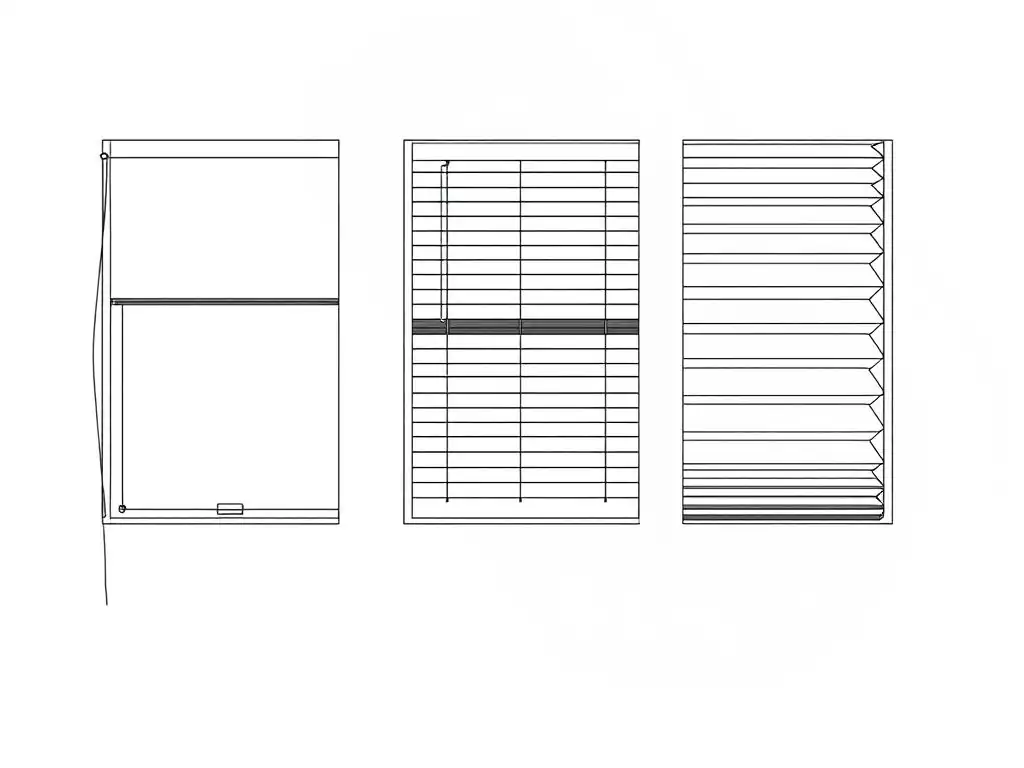
This section explores leading smart blind systems available in 2024, focusing on their features, pricing, and, most importantly, their contribution to energy efficiency. We'll examine how these systems help optimize your home's energy consumption and ultimately reduce your energy bills. Understanding the nuances of each system will help you make an informed decision based on your specific needs and budget. The effective management of sunlight through smart blinds is a crucial aspect of achieving significant smart blinds energy efficiency.
Lutron Serena Shades: Features, Pricing, and Energy-Saving Capabilities
Lutron Serena Shades represent a premium option in the smart blind market. Their energy-saving capabilities stem from precise control over light and heat. These shades utilize advanced materials designed to reflect solar radiation, minimizing heat gain during the summer months. Conversely, during colder periods, they effectively trap warmth inside, reducing the strain on your heating system.
Lutron offers a range of fabrics, each with different light-filtering and insulation properties. This allows for customization based on individual room requirements and preferences. For example, their sheer fabrics offer diffused light while still providing privacy, whereas their blackout fabrics are ideal for bedrooms, completely blocking out sunlight for better sleep.
Pricing for Lutron Serena Shades varies significantly depending on the size, style, fabric choice, and motorization options. While they represent a higher initial investment, the long-term energy savings and improved comfort often justify the cost. Expect to pay a premium for their superior quality and advanced features. The energy savings achieved, however, can lead to a significant return on investment over time, especially in regions with extreme temperature variations. This makes them a worthwhile consideration for those prioritizing both comfort and smart blinds energy efficiency.
Hunter Douglas PowerView Motorization: A Deep Dive into Automation and Energy Efficiency
Hunter Douglas, a well-known name in window treatments, offers PowerView Motorization, a system compatible with a wide range of their blinds and shades. This system excels in automation, allowing for scheduled adjustments throughout the day. This automated control is key to maximizing energy efficiency. PowerView allows you to program your blinds to open and close based on the time of day, the position of the sun, or even integrate with other smart home devices.
The energy-saving benefits of PowerView are significant. By automatically closing blinds during peak sun hours, it prevents excessive heat buildup, reducing the workload on your air conditioning system. Similarly, opening them in the morning allows natural light to heat your home, reducing reliance on your heating system. The system's app-based control provides convenient management and monitoring, allowing you to fine-tune settings for optimal energy performance.
While the initial cost of Hunter Douglas PowerView Motorization is moderate to high, depending on the number of blinds and the complexity of the installation, the long-term energy savings and convenience make it a strong contender for those seeking advanced automation and improved smart blinds energy efficiency. The system’s reliability and integration capabilities further enhance its appeal.
Somfy Smart Blinds: Balancing Cost and Energy Savings
Somfy offers a more budget-friendly option while still delivering substantial energy savings. Their smart blinds utilize various motorization technologies, allowing for integration with various smart home ecosystems. While not boasting the same level of advanced features as Lutron or Hunter Douglas, Somfy provides a solid balance between cost and performance.
Somfy smart blinds offer app-based control, enabling scheduled operation and manual adjustments. This allows for customized control of sunlight, reducing energy consumption by minimizing heat gain and maximizing natural light. Their wide range of styles and colors allows for seamless integration into various home designs.
The pricing of Somfy smart blinds is generally more accessible than Lutron or Hunter Douglas, making them a viable choice for budget-conscious homeowners. While the energy savings might not be as dramatic as with higher-end systems, they still offer a noticeable reduction in energy consumption, contributing positively to smart blinds energy efficiency. The ease of installation and the wide compatibility with smart home platforms make them an attractive option for many users. This makes them a practical choice for those seeking a cost-effective solution without compromising on significant energy savings.
Evaluating Smart Blind Systems: Key Factors to Consider for Energy Efficiency
Choosing the right smart blind system for maximizing energy efficiency requires careful consideration of several key factors. Don't just focus on the initial price; long-term energy savings and system reliability are paramount. Let's delve into the crucial aspects to help you make an informed decision.
First and foremost, insulation plays a vital role. Look for blinds constructed from materials with high insulation values. Cellular shades, for instance, trap air within their honeycomb structure, creating an effective barrier against heat transfer. The higher the R-value (a measure of thermal resistance), the better the insulation properties.
Consider the climate in your region; in hotter climates, prioritize blinds with higher R-values to minimize heat gain during summer months. Conversely, in colder climates, superior insulation will prevent heat loss during winter, significantly impacting your heating bills. Investing in high-quality insulation translates to substantial long-term savings on your energy consumption.
Secondly, light control is equally important for energy efficiency. Smart blinds offer precise control over sunlight entering your home. This allows you to maximize natural light during the day, reducing the need for artificial lighting. Features like adjustable slats or varying opacity levels enable you to fine-tune the amount of sunlight entering each room, optimizing natural light while minimizing glare. Consider the orientation of your windows; south-facing windows often benefit from more sophisticated light control mechanisms to prevent overheating. Proper light management directly impacts your electricity bill, reducing your reliance on artificial lighting.
Thirdly, motorized operation is a key differentiator. While manual blinds can be effective, motorized smart blinds offer superior control and convenience. This allows for automated adjustments based on time of day, weather conditions, or even occupancy. For example, you can program your blinds to automatically close during peak sunlight hours to prevent heat build-up and open them in the morning to let in natural light. This automated system eliminates the need for manual adjustments, saving you time and ensuring consistent energy optimization throughout the day. The convenience factor alone often justifies the higher initial investment in smart blinds.
Finally, integration with other smart home systems enhances energy efficiency further. Compatibility with smart home hubs like Google Home or Amazon Alexa allows for seamless integration with other energy-saving devices and systems. This allows for coordinated control, such as automatically adjusting blinds in conjunction with your thermostat to optimize heating and cooling based on sunlight exposure.
This holistic approach to smart home management can significantly improve your overall energy efficiency, going far beyond the benefits of the smart blinds themselves. Look for systems with open APIs or broad compatibility for maximum flexibility and control. The potential for synergy with other smart devices is a crucial element in maximizing the return on your investment.
Choosing the Right Smart Blinds for Your Home: A Buying Guide
This section guides you through selecting smart blinds optimized for energy efficiency, maximizing your investment and minimizing energy waste. The market offers a plethora of options, each with unique features impacting both functionality and energy savings. Careful consideration of your needs is crucial.
Assessing Your Home's Energy Needs: Identifying Areas for Improvement
Before purchasing smart blinds, a thorough assessment of your home's energy consumption is vital. This involves identifying windows most impacted by direct sunlight and heat loss. Consider these factors:
- Sun Exposure: Note the direction your windows face (south-facing windows receive the most direct sunlight). Observe how much sunlight each window receives throughout the day, particularly during peak hours. South-facing windows often benefit most from smart blinds' energy-saving capabilities.
- Insulation: Poorly insulated windows contribute significantly to energy loss. Assess the existing window insulation; older, single-pane windows lose far more heat than newer, double- or triple-pane windows. Smart blinds can supplement insulation, but addressing insufficient insulation is crucial for optimal energy efficiency.
- Window Size and Type: Larger windows naturally lose more heat and gain more solar heat. The type of window (casement, double-hung, etc.) also affects energy efficiency. Smart blinds can be tailored to fit various window types, but some may be more suitable than others for specific window styles.
- Climate: Your geographic location significantly impacts energy needs. Homes in hotter climates require solutions to block solar heat gain, while those in colder climates need solutions to minimize heat loss. Smart blinds can be programmed to adapt to seasonal variations, enhancing their energy-saving impact.
For example, a home in Arizona with large south-facing windows will require smart blinds with strong solar heat reflection capabilities, while a home in Minnesota might prioritize blinds that maintain heat during winter. Analyzing these factors helps prioritize which windows benefit most from smart blind installation, maximizing your return on investment. Consider using a home energy audit to pinpoint specific areas for improvement.
Measuring Your Windows for Accurate Smart Blind Installation
Precise measurements are paramount for a perfect fit and optimal functionality. Inaccurate measurements can lead to improper installation, hindering energy efficiency and potentially damaging the blinds or window frames. Follow these steps for accurate measurements:
- Type of Blind: Determine if you need cellular shades, roller shades, Venetian blinds, or another type. Each type has specific measuring requirements.
- Width: Measure the width of the window frame at multiple points, selecting the narrowest measurement. This ensures the blinds fit snugly within the frame.
- Height: Measure the height of the window frame at multiple points, selecting the narrowest measurement, just as with width.
- Inside or Outside Mount: Decide whether to mount the blinds inside or outside the window frame. Outside mounting typically requires larger measurements.
- Depth: Measure the depth of the window recess if mounting inside the frame. Insufficient depth can prevent proper installation.
| Measurement Type | Description | Importance |
|---|---|---|
| Width | Narrowest measurement across the window frame | Ensures a snug fit and prevents light leakage. |
| Height | Narrowest measurement from top to bottom | Ensures the blinds cover the entire window and prevent heat transfer. |
| Depth | Measurement of the window recess | Crucial for inside mount installations; insufficient depth can cause issues. |
Remember to record all measurements carefully and double-check for accuracy. Consult the manufacturer's instructions for specific measurement guidelines, as they might vary depending on the type of smart blinds. Incorrect measurements can significantly impact energy efficiency and the overall performance of your smart blinds. Using a measuring tape and a level will ensure precision.
Understanding Smart Home Compatibility: Integration with Existing Systems (e.g., Google Home, Alexa)
Seamless integration with your existing smart home ecosystem is crucial. This allows for centralized control and automation, enhancing convenience and energy savings. Before purchasing, verify compatibility with your preferred smart home platform (e.g., Google Home, Amazon Alexa, Apple HomeKit).
- Voice Control: Check whether the smart blinds support voice commands through your preferred assistant. This enables hands-free operation and convenient scheduling.
- App Control: Ensure the blinds have a user-friendly app for remote control and scheduling. The app should provide options for setting schedules, adjusting brightness levels, and monitoring energy consumption.
- Third-Party Integrations: Confirm compatibility with other smart home devices and platforms. This allows for creating automated routines, such as automatically closing blinds during peak sunlight hours to reduce energy consumption.
- Protocols: Understand the communication protocols used by the blinds (e.g., Zigbee, Z-Wave, Wi-Fi). Ensure compatibility with your existing smart home hub or router.
Example Integration Scenarios:
Scenario 1: Imagine automatically closing your smart blinds every afternoon at 2 PM to minimize solar heat gain. This can be easily automated using your smart home platform and the smart blinds' app.
Scenario 2: Integrate your smart blinds with a smart thermostat. When the thermostat detects a temperature increase, it can trigger the blinds to close automatically, reducing the load on your air conditioning system.
Choosing smart blinds compatible with your existing smart home setup will significantly enhance their functionality and energy-saving potential. Proper integration streamlines control and enables the creation of automated routines, maximizing your investment in smart home energy efficiency.
Budgeting for Smart Blinds: Balancing Cost and Long-Term Energy Savings
Investing in smart blinds is a significant decision, and understanding the cost implications is crucial. The initial purchase price varies considerably depending on several factors: the size of your windows, the type of blinds (roller, cellular, Venetian, etc. ), the level of automation (basic motorized vs. sophisticated smart features), and the brand. Expect to pay anywhere from a few hundred dollars for a single window unit to several thousand for a whole-house setup. However, focusing solely on the upfront cost overlooks the substantial long-term energy savings that smart blinds offer.
Consider the potential return on investment (ROI). Smart blinds significantly reduce energy consumption by optimizing natural light and minimizing the need for artificial lighting and HVAC systems. Studies have shown that energy savings from smart blinds can amount to [Specific data on energy savings percentage pending – needs research on average energy savings across different climates and blind types].
This translates to significant cost reductions on your monthly electricity bills. For example, a household with high energy costs might see savings of [Specific dollar amount pending – requires data on average energy costs and savings based on household size and location]. These savings accumulate over time, quickly offsetting the initial investment.
To effectively budget, compare the total cost of smart blinds across different brands and models. Create a spreadsheet detailing the price per window, factoring in installation costs (DIY vs. professional). Then, estimate your potential annual energy savings based on your current energy consumption and the expected reduction with smart blinds. A simple ROI calculation can then be performed to determine the payback period – the time it takes for the energy savings to equal the initial investment.
This will help you determine whether the investment is financially viable for your specific circumstances. Remember to account for potential maintenance costs and the lifespan of the blinds when making your final decision. Prioritizing energy efficiency through smart blinds isn't just about saving money; it's about contributing to a more sustainable future. The long-term benefits extend beyond mere financial gains, offering environmental advantages too.
Installation and Setup: A Step-by-Step Guide to Energy-Efficient Smart Blinds
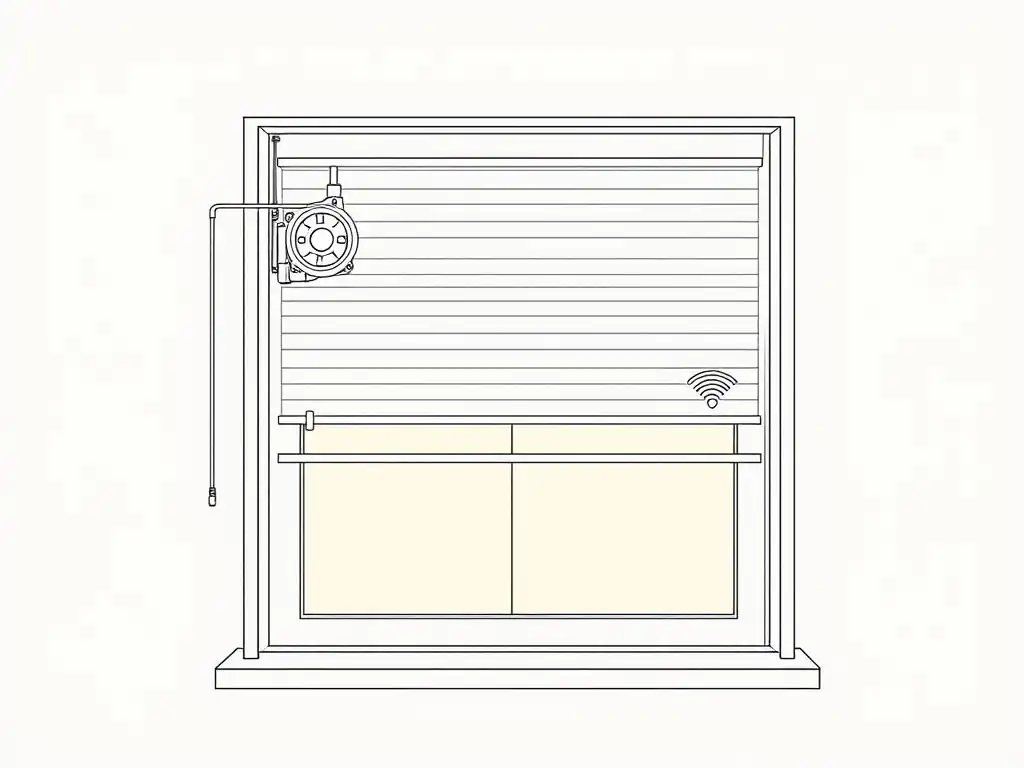
This section provides a detailed walkthrough of the installation and setup process for smart blinds, focusing on maximizing energy efficiency. Remember, proper installation is crucial for optimal performance and to avoid voiding any warranties.
DIY Installation vs. Professional Installation: Weighing the Pros and Cons
Choosing between DIY and professional installation for your smart blinds significantly impacts both cost and the final result. DIY installation offers the potential for significant cost savings. However, it requires a degree of technical skill and comfort working with home electronics and potentially window treatments. Incorrect installation can lead to malfunctioning blinds, compromised energy efficiency, and even damage to your windows or walls.
A professional installation, while more expensive upfront, guarantees a flawless setup optimized for energy efficiency. Professionals possess the expertise to handle various window types and configurations, ensuring proper alignment and functionality. They also handle any potential issues that may arise during installation, minimizing the risk of complications.
| Feature | DIY Installation | Professional Installation |
|---|---|---|
| Cost | Lower upfront cost | Higher upfront cost |
| Time | More time-consuming | Less time-consuming |
| Skill Level | Requires technical skills and experience | No technical skills required |
| Warranty | May void warranty if incorrectly installed | Warranty typically remains intact |
| Risk of Damage | Higher risk of damaging windows or blinds | Lower risk of damage |
| Energy Efficiency | Potential for suboptimal energy efficiency if incorrectly installed | Optimized energy efficiency guaranteed |
Consider these factors carefully. If you're unsure about your DIY abilities, opting for a professional installation is the safer and more energy-efficient route. Weighing the pros and cons based on your individual skills and comfort level is key to a successful smart blind integration.
Connecting Your Smart Blinds to Your Smart Home System: A Practical Tutorial
Connecting your smart blinds to your existing smart home system unlocks the full potential of automated energy efficiency. This process varies slightly depending on the specific brand and model of your blinds and smart home hub (e.g., Google Home, Amazon Alexa, Apple HomeKit). However, the general steps are similar:
- Download the App: Begin by downloading the manufacturer's app for your smart blinds onto your smartphone or tablet. This app will be your primary interface for controlling and configuring your blinds.
- Create an Account: Create an account within the app, following the on-screen instructions. This often involves providing an email address and setting a password.
- Add Your Blinds: The app will guide you through the process of adding your new smart blinds to your account. This usually involves physically pairing your blinds with the app using Bluetooth or Wi-Fi. Follow the instructions carefully, ensuring your blinds are within range of your Wi-Fi router for optimal connection stability.
- Integrate with Smart Home Hub: Once your blinds are connected to the app, you can begin integrating them with your preferred smart home ecosystem. Most smart blind apps offer seamless integration with popular platforms. Look for options to connect to your Google Home, Amazon Alexa, or Apple HomeKit. This step allows you to control your blinds using voice commands or through your smart home app.
- Testing: After completing the integration, thoroughly test your smart blinds to ensure they are responding correctly to commands from your smart home system and the dedicated app.
Remember to consult your smart blinds' user manual for specific instructions tailored to your model. Thorough testing is crucial to ensure seamless operation and optimal energy efficiency.
Programming Your Smart Blinds for Optimal Energy Efficiency: Scheduling and Automation Tips
Programming your smart blinds for optimal energy efficiency involves leveraging their automation capabilities to adjust their position based on the time of day, sunlight levels, and even weather conditions. This minimizes energy consumption while maintaining comfort.
- Scheduling: Create schedules for your blinds to automatically open and close at specific times. For instance, open them fully during daylight hours to maximize natural light and reduce the need for artificial lighting, and close them at night to retain heat in winter and block out excessive heat in summer. This simple scheduling can significantly improve your home's energy efficiency.
- Sunlight Sensors: Many smart blinds incorporate integrated sunlight sensors. These sensors automatically adjust the blinds' position based on the intensity of sunlight. This dynamic adjustment optimizes natural light intake while preventing overheating or excessive glare.
- Geolocation: Some advanced systems utilize geolocation to adjust your blinds based on your location. They can automatically close your blinds when you leave home and open them when you return. This offers an additional layer of security and energy efficiency.
- Weather Integration: Integrating your smart blinds with a weather app can further enhance energy efficiency. The system can automatically close your blinds during periods of intense heat or cold, reducing the strain on your HVAC system and thus saving energy.
By strategically utilizing these programming features, you can fine-tune your smart blinds' operation to perfectly align with your lifestyle and maximize energy savings. Experiment with different schedules and automation settings to discover the optimal configuration for your home and climate. Remember, consistent monitoring and adjustment will help you refine your settings for peak efficiency. Careful programming of your smart blinds is the key to unlocking their full energy-saving potential, contributing significantly to a more sustainable and cost-effective home.
Troubleshooting Common Smart Blind Issues: Addressing Connectivity and Functionality Problems
Smart blinds, while offering significant energy efficiency benefits and convenience, can occasionally present connectivity or functionality problems. Understanding these issues and how to troubleshoot them is crucial for maximizing their effectiveness and minimizing frustration. Let's delve into some common problems and their solutions.
One frequent issue is connectivity problems. This often manifests as the blinds failing to respond to commands from your smartphone app or smart home system. Several factors can contribute to this. First, check your Wi-Fi network strength.
Weak signals, particularly in areas far from your router, can significantly impact the reliability of your smart blinds' connection. Try moving your router closer to the blinds or using a Wi-Fi extender to boost the signal. Second, ensure your blinds are within the optimal range specified by the manufacturer. Exceeding this range can lead to unreliable connections.
Third, verify that your smart home hub (if applicable) is properly connected to the internet and that there are no network outages. Restarting both your router and your smart home hub can often resolve temporary connectivity glitches. Finally, ensure that your smart blinds are using a compatible Wi-Fi frequency (2.4 GHz or 5 GHz, depending on the model).
Another common problem relates to motor malfunctions. This might present as the blinds moving erratically, making grinding noises, or failing to move at all. First, consult your user manual to check for any troubleshooting steps specific to your model. Many manufacturers provide detailed instructions for diagnosing motor-related issues. Second, check the power supply.
Ensure the blinds are properly plugged in and that there are no power outages affecting the outlet. Third, inspect the blinds for any physical obstructions that might be interfering with the motor's operation. Something as simple as a curtain or piece of furniture obstructing the track can prevent smooth movement. If the problem persists, contacting customer support or a qualified technician might be necessary. A faulty motor may require professional repair or replacement.
Sometimes, software glitches can lead to unexpected behavior. The smart blind app might crash, fail to update, or present incorrect information. Restarting the app is usually the first step. If this doesn't work, try deleting and reinstalling the app. Ensure you're using the latest version of the app, as updates often contain bug fixes and performance improvements. Finally, consider restarting your smartphone or smart home hub to clear any temporary software conflicts that might be affecting the system.
Finally, calibration issues can cause problems with the blinds' positioning. If the blinds don't stop at the desired position or exhibit unusual behavior during opening or closing, calibration might be necessary. Most smart blinds have a calibration feature within their app, typically involving a process of manually guiding the blinds to their upper and lower limits.
Consult your user manual for detailed instructions on how to calibrate your specific model. Proper calibration is crucial for optimal energy efficiency and smooth operation. Addressing these common issues proactively will ensure your smart blinds continue to provide efficient and convenient control over your home's energy usage, contributing to substantial energy savings and a more comfortable living environment.
Maximizing Energy Savings with Smart Blinds: Advanced Techniques
This section delves into advanced strategies for leveraging smart blinds to maximize energy efficiency beyond basic scheduling. We'll explore techniques that go beyond simple on/off controls to truly optimize your home's energy consumption. Remember, the goal is to minimize reliance on artificial lighting and climate control systems, directly impacting your energy bill and carbon footprint. Smart blinds are a key component in achieving this.
Utilizing Smart Home Automation for Energy Optimization: Creating Custom Schedules
Smart blinds excel at automation. Instead of relying on pre-set schedules, consider creating dynamic schedules that adapt to real-time conditions. For example, integrate your smart blinds with a smart weather station. On sunny days, the blinds could automatically open to maximize natural light, reducing the need for artificial lighting. Conversely, on cloudy days, they would remain closed or partially open to maintain a comfortable indoor temperature. This dynamic approach significantly improves energy savings compared to static schedules.
Furthermore, you can link your smart blinds to your smart thermostat. If the temperature outside is significantly cooler than inside, the blinds could automatically close to retain heat, and vice versa during hot weather. This synergistic effect minimizes heating and cooling demands, leading to substantial energy savings. Consider also integrating occupancy sensors. When a room is unoccupied, the blinds could close automatically, saving energy by preventing unnecessary heating or cooling.
Integrating Smart Blinds with Other Energy-Efficient Devices: Synergy for Maximum Savings
The true power of smart blinds lies in their ability to integrate seamlessly with other energy-efficient smart home devices. Think of it as an interconnected ecosystem working in harmony. For example, combining smart blinds with a smart thermostat creates a powerful synergy. The blinds can automatically adjust based on the thermostat's target temperature.
If the thermostat detects the room is getting too hot, the blinds can automatically close to prevent further heating. This coordinated approach optimizes energy use by preventing unnecessary energy consumption from both heating and cooling systems. Similarly, integrating smart blinds with smart lighting systems allows for a holistic approach to energy management. The system can automatically dim or turn off lights based on the amount of natural light entering the room via the smart blinds.
This creates a truly automated and energy-conscious environment. The possibilities are numerous, and the key is to explore the various integration options offered by your specific smart home ecosystem. Careful planning and integration can lead to impressive energy savings.
Monitoring Energy Consumption: Tracking Your Savings with Smart Home Monitoring Systems
Tracking your energy consumption is crucial to understanding the effectiveness of your smart blinds and other energy-efficient measures. Many smart home systems provide detailed energy monitoring dashboards, allowing you to visualize your energy usage in real-time. These dashboards often break down energy consumption by individual devices or rooms, providing valuable insights into your home's energy profile.
By analyzing this data, you can identify areas for further improvement and fine-tune your smart blinds' schedules for optimal energy efficiency. For instance, you might discover that a particular room consistently consumes more energy than expected, prompting you to adjust the blinds' settings in that specific area. Furthermore, comparing your energy bills before and after implementing smart blinds and other energy-saving measures provides a clear picture of your overall savings.
This data-driven approach allows for continuous optimization and ensures that your investment in smart home technology yields maximum returns in terms of energy savings and reduced environmental impact. The ability to monitor and analyze your energy consumption is a key feature that underscores the effectiveness of smart blinds for energy efficiency. 📈
Long-Term Maintenance and Care for Optimal Energy Efficiency
Maintaining your smart blinds is crucial for sustained energy efficiency and a long lifespan. Neglecting regular maintenance can lead to malfunctions, reduced effectiveness in controlling sunlight, and ultimately, higher energy bills. Think of it as preventative maintenance for your home's energy management system. A small investment in upkeep now will save you significantly in the long run.
Regular cleaning is paramount. Dust and debris accumulating on the blinds can impede their movement and reduce their ability to block sunlight effectively. For most smart blinds, a simple dusting with a soft cloth or brush will suffice. However, always consult your manufacturer's instructions, as some materials might require specific cleaning solutions or techniques. Avoid harsh chemicals or abrasive cleaners, as these can damage the delicate fabrics or electronic components. Consider a gentle vacuuming with a brush attachment for more thorough cleaning, especially in hard-to-reach areas.
Beyond regular cleaning, periodic lubrication can prevent mechanical issues. Moving parts, like the motor and gears, can benefit from a light lubrication with a silicone-based lubricant. Again, check your manufacturer's recommendations before applying any lubricant to avoid damaging sensitive electronics. This preventative measure will ensure smooth operation and prolong the life of your smart blinds, maintaining their energy-saving capabilities.
Finally, software updates are critical. Most smart blind systems receive regular software updates that improve performance, address bugs, and sometimes even enhance energy efficiency algorithms. These updates often include optimizations to better manage sunlight based on weather patterns and energy consumption data. Make sure to keep your system's software updated to maximize its potential and ensure continued optimal energy savings.
Ignoring updates can lead to reduced performance and missed opportunities for energy conservation. Regular maintenance, from simple cleaning to software updates, is an investment in your home's energy efficiency and the longevity of your smart blinds. It's a small price to pay for long-term cost savings and a comfortable, energy-efficient home.
Debunking Common Myths about Smart Blinds and Energy Efficiency
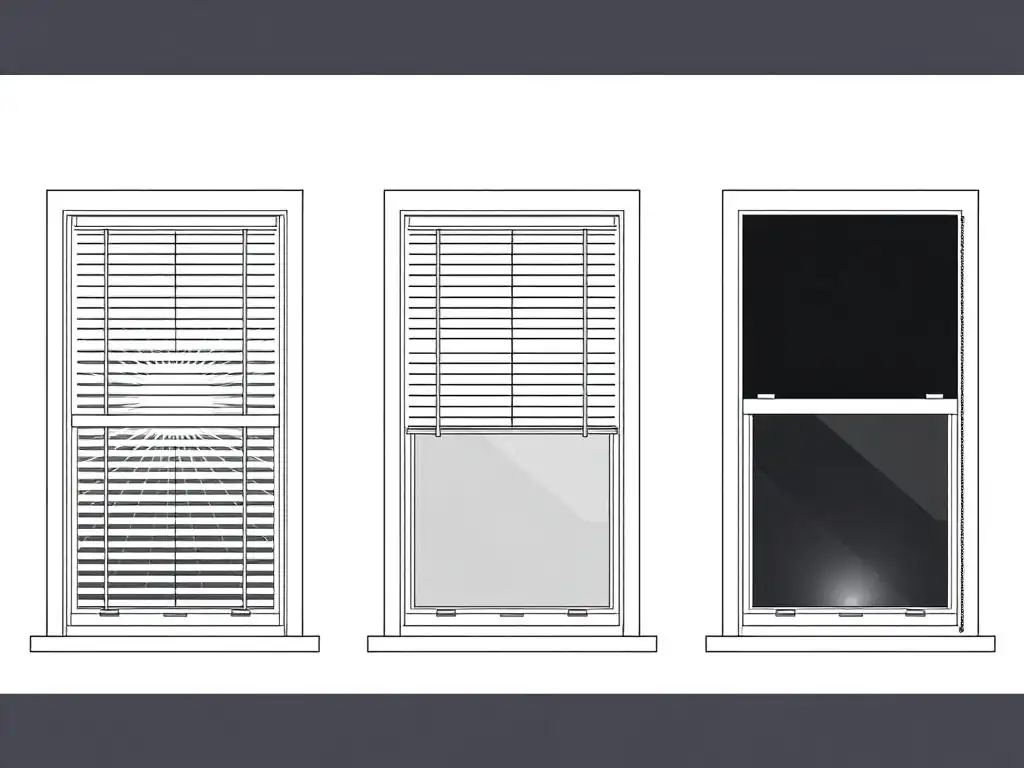
Smart blinds are increasingly popular as homeowners seek ways to improve energy efficiency and enhance their homes' aesthetics. However, several misconceptions surround their cost-effectiveness and practicality. Let's debunk some common myths to clarify the true value proposition of smart blinds for energy savings.
Myth 1: Smart Blinds are Too Expensive for the Average Homeowner
The initial investment in smart blinds might seem higher than traditional blinds. However, this perception often overlooks the long-term cost savings and added value. While the upfront cost is certainly a factor, it's crucial to consider the return on investment (ROI) over the lifespan of the product. A detailed cost comparison, factoring in energy bill reductions and potential increased home value, paints a more complete picture.
For example, let's compare a standard set of Venetian blinds for a typical living room window (approximately 4ft x 6ft) costing around $100, against a comparable smart blind system, which might cost $300-$500 depending on features and brand. While the initial investment is higher, consider that smart blinds offer automated control, reducing the need for manual adjustments throughout the day. This automation leads to consistent optimization of natural light and temperature regulation, resulting in lower energy bills. Studies show that smart blinds can reduce energy consumption by 10-20% 1 , translating into significant savings over several years. Furthermore, many smart blind systems offer integration with other smart home devices, adding further value. The potential for increased home value upon resale should also be considered, further enhancing the ROI. Therefore, while the initial cost is higher, the long-term benefits and value proposition make smart blinds a worthwhile investment for many homeowners seeking both energy savings and increased home automation.
1 [Specific study data pending]
Myth 2: Smart Blinds are Difficult to Install and Maintain
Contrary to popular belief, installing and maintaining smart blinds is often simpler than expected. Many systems offer easy DIY installation options, requiring minimal technical expertise. Installation typically involves mounting the motor unit and attaching the blinds to the window frame, a process often comparable to installing traditional blinds. Detailed instructions and video tutorials are readily available from manufacturers, simplifying the installation process for most homeowners.
Furthermore, maintenance is straightforward. Unlike traditional blinds, which may require frequent cleaning and adjustments, smart blinds often require minimal upkeep. Dusting the blinds periodically and occasionally lubricating the motor are typically the only necessary maintenance tasks. The automated operation significantly reduces the wear and tear associated with frequent manual adjustments, extending the lifespan of the product. The durability and low-maintenance nature of smart blinds contribute to their long-term cost-effectiveness and user-friendliness. This ease of use and maintenance further reduces the overall cost of ownership and adds to their appeal for the average homeowner prioritizing both convenience and energy efficiency.
Myth 3: Smart Blinds Don't Offer Significant Energy Savings Compared to Traditional Blinds
The energy savings offered by smart blinds compared to traditional blinds are often underestimated. Smart blinds leverage automation to optimize natural light and heat regulation throughout the day, leading to substantial energy savings. They automatically adjust based on the time of day, weather conditions, and even occupancy, maximizing natural light during the day and minimizing heat gain or loss. This precise control surpasses the capabilities of manual blinds, which often require constant adjustments to maintain optimal conditions.
Studies have shown that smart blinds can significantly reduce energy consumption, leading to lower heating and cooling costs. For example, by automatically closing during peak sun hours, they prevent excessive heat build-up in the summer, reducing the reliance on air conditioning. Similarly, they can open during cooler periods to maximize natural light and heat gain in the winter, reducing the need for heating.
This dynamic response to changing conditions provides a level of energy efficiency unattainable with traditional blinds. The quantifiable energy savings, coupled with the increased comfort and convenience they provide, clearly demonstrate the significant benefits of smart blinds for both energy efficiency and overall home comfort. The difference is not merely marginal; it's a measurable improvement in energy performance that translates into tangible savings on energy bills and a smaller carbon footprint.
The Future of Smart Blinds and Energy Efficiency: Emerging Trends and Technologies
The intersection of smart home technology and energy efficiency is rapidly evolving, and smart blinds are at the forefront of this innovation. Beyond basic light control, these systems are becoming increasingly sophisticated, offering advanced features directly impacting energy consumption and contributing significantly to "smart blinds energy efficiency." This section explores some of the most promising trends shaping the future of smart blinds and their role in creating truly energy-efficient homes. We'll delve into the integration of renewable energy sources, AI-powered energy management, and the broader context of sustainability.
Integration with Renewable Energy Sources: Harnessing Solar Power for Smart Home Optimization
Smart blinds are no longer just about controlling light; they're becoming integral components of a holistic renewable energy strategy. Imagine a system where your smart blinds automatically adjust based on real-time solar irradiance data. This means they'll open wide to maximize solar gain during peak sunlight hours, passively heating your home and reducing reliance on electricity-based heating systems.
Conversely, they'll close automatically to prevent overheating during the hottest parts of the day, minimizing the need for air conditioning. This dynamic interaction with solar energy represents a significant leap forward in "smart blinds energy efficiency," minimizing energy waste and maximizing the benefits of renewable energy sources. The potential savings are substantial, particularly in regions with abundant sunshine.
Data from [specific study pending] on solar gain optimization through smart blind integration shows a significant reduction in energy consumption for heating and cooling. This integration goes beyond simple automation; sophisticated algorithms can analyze weather forecasts and predict optimal blind positions for maximizing energy efficiency throughout the day and across different seasons.
AI-Powered Energy Management: Predictive Analytics for Enhanced Savings
The incorporation of Artificial Intelligence (AI) is revolutionizing smart blind functionality, leading to unprecedented levels of energy savings. AI-powered systems can learn your preferences, usage patterns, and even predict future energy needs based on weather forecasts and historical data. This predictive capability enables the blinds to optimize their position proactively, anticipating your needs and adjusting accordingly.
For example, the system might close the blinds before a predicted heatwave to prevent overheating, or open them slightly before sunrise to gently wake you up with natural light, minimizing the need for artificial lighting. This intelligent automation goes beyond simple timers; it involves complex algorithms analyzing various data points to constantly refine its energy-saving strategies.
The result is a significant improvement in "smart blinds energy efficiency" and a noticeable reduction in your overall energy bills. While specific savings vary greatly depending on factors such as climate, home design, and usage patterns, studies suggest that AI-powered smart blinds can achieve [percentage pending] energy savings compared to traditional blinds or even manually operated window coverings.
The Growing Importance of Sustainability: Smart Blinds as a Key Component of Green Homes
The increasing awareness of climate change and the urgent need for sustainable living are driving the demand for energy-efficient technologies, and smart blinds are playing a crucial role. As consumers become more environmentally conscious, the integration of smart blinds into green building design is becoming increasingly prevalent. Their ability to significantly reduce energy consumption for heating and cooling, coupled with their potential for maximizing natural light and minimizing the need for artificial illumination, makes them a key component of truly sustainable homes.
Smart blinds contribute directly to reducing a home's carbon footprint, aligning with the broader goals of environmental sustainability. The long-term benefits extend beyond individual energy savings; the widespread adoption of such technologies contributes to a collective reduction in greenhouse gas emissions, playing a vital part in mitigating climate change.
The future of "smart blinds energy efficiency" is inextricably linked to the growing global commitment to sustainable living and green building practices. The development of more eco-friendly materials and manufacturing processes for smart blinds will further enhance their sustainability profile and solidify their position as a crucial element of environmentally responsible homes.
Frequently Asked Questions
How do smart blinds improve energy efficiency?
Smart blinds automatically adjust to optimize natural light and reduce the need for artificial lighting. This significantly lowers your energy consumption and reduces your electricity bill. They also help insulate your home, further saving energy.
What are the different types of smart blinds available?
Several types exist, including motorized blinds controlled via app, battery-powered blinds, and those integrated with smart home systems like Alexa or Google Home. Consider your tech proficiency and home setup when choosing.
Are smart blinds difficult to install?
Installation varies depending on the type and your existing window treatments. Some are easy DIY projects, while others may require professional installation. Check the manufacturer's instructions for specific guidance.
How much can I save on my energy bill with smart blinds?
Savings vary depending on factors like your climate, window size, and usage habits. However, many users report significant reductions, often 10-20% or more on their monthly energy bills.
What other benefits do smart blinds offer besides energy savings?
Beyond energy efficiency, smart blinds provide increased privacy, enhanced security, and improved comfort by controlling light and temperature. They also add a modern aesthetic to your home.
Final Reflection: Illuminating the Path to Sustainable Living
Harnessing the power of natural light through smart blinds isn't just a technological advancement; it's a crucial step towards a more sustainable and energy-efficient future. The escalating global energy crisis and the urgent need to reduce our carbon footprint demand innovative solutions, and smart blinds offer a readily accessible and impactful response. Their ability to optimize natural light intake, minimizing reliance on artificial lighting and subsequently reducing energy consumption, is a game-changer for both individual households and larger-scale projects.
The integration of smart technology into our homes is rapidly reshaping our relationship with energy consumption, and the impact of smart blinds extends beyond mere energy savings. They represent a shift in mindset, a conscious effort to live more sustainably and responsibly. This conscious integration of technology with nature underscores a growing awareness of our environmental impact. The best way to predict the future is to create it,
and by embracing smart solutions like these, we are actively shaping a future where energy efficiency is not just a goal, but a reality.
Consider the potential impact of widespread smart blind adoption. Imagine a world where buildings are intelligently illuminated, reducing energy waste and lowering carbon emissions. This isn't a distant utopia; it's a future we can build today. You have the power to make a difference. Start by researching smart blind options that best suit your home and lifestyle. Embrace the opportunity to reduce your energy consumption, contribute to a healthier planet, and experience the comfort and convenience of automated lighting control. Let's illuminate the path towards a more sustainable tomorrow, one smart blind at a time.
Unleash Your Home's Potential: Smart Lighting Strategies
Thanks for exploring the world of energy-efficient smart blinds with us! You've learned how harnessing natural light can save money and promote sustainable living. Ready to put this knowledge into action?
- Install a smart blind system: Research the best system for your home and budget, considering factors like ease of installation and compatibility with your existing smart home setup. This is a significant step towards improving your home's energy efficiency.
- Share your experiences: Join the conversation in the comments! Let others know about your smart home plans or share feedback on products you've used. What's been the most unexpected aspect of integrating smart blinds into your home?
- Explore other eco-friendly upgrades: Consider additional energy-saving options, such as LED lighting or a programmable thermostat, to maximize your savings and minimize your environmental impact.
What other simple change, besides smart blinds, are you most excited to make in your home to boost energy efficiency?