
The Ultimate Guide to Saving Money on Home Expenses: Hacks for Rent, Mortgage, and More

Welcome to UltimateLifeHacks, where we unlock the secrets to a more efficient and fulfilling life. Are you ready to conquer the chaos of daily routines and dramatically reduce your home expenses? Our comprehensive Save money home expenses guide reveals ingenious strategies to slash costs on rent, mortgage, utilities, and more – leaving you with more time and money to pursue your passions. Discover the life-changing hacks waiting for you inside!
- Mastering Your Rent: Strategies to Slash Monthly Costs
- Conquer Your Mortgage: Effective Ways to Lower Monthly Payments
- Cutting Back on Home Utility Bills: Water, Electricity, and More
- Home Maintenance and Repair: DIY vs. Professional Services
- Smart Shopping for Home Goods: Saving Money on Furnishings and Supplies
- Creating a Realistic Home Budget: Tracking Expenses and Setting Goals
- Long-Term Strategies for Significant Home Expense Savings
- Frequently Asked Questions
- Final Reflection: Unlocking Financial Freedom Through Home Expense Mastery
- Unlock Your Savings Potential: Take Control of Your Finances Today!
Mastering Your Rent: Strategies to Slash Monthly Costs
Navigating the complexities of homeownership or renting can feel like a financial tightrope walk. High monthly expenses related to rent, mortgage payments, utilities, and maintenance can quickly drain your budget, leaving little room for savings or other financial goals. This comprehensive guide, designed to help you effectively manage and reduce your home expenses, provides practical strategies and actionable tips to significantly improve your financial well-being.
We'll delve into specific techniques for negotiating lower rent, finding affordable housing options, and implementing energy-saving measures that will make a tangible difference in your monthly outlays. By mastering these strategies, you'll not only save money but also gain a greater sense of financial control and security. This guide serves as your ultimate resource for achieving significant savings on your home expenses – a crucial step towards building a more secure and prosperous future.
Let's embark on this journey to unlock substantial savings and reclaim control of your finances! This guide focuses on practical, actionable steps to help you achieve your financial goals related to saving money on home expenses, making it the ultimate guide for anyone looking to master their home budget.
Negotiating Rent Reductions: Tips and Tactics for Success
Negotiating a lower rent can seem daunting, but with the right approach, it's often achievable. Many landlords are willing to negotiate, especially in a competitive market or when faced with a long-term, reliable tenant. Here's a breakdown of effective strategies:
- Timing is key: Negotiate at the end of your lease or when the market is slower. Landlords are more likely to consider a reduction when facing vacancy.
- Highlight your value: Emphasize your consistent on-time rent payments, responsible tenancy, and any improvements you've made to the property. A long-term tenant is less risky than finding a new one.
- Research comparable properties: Show your landlord that similar apartments in the area are renting for less. This provides concrete evidence to support your request.
- Offer a longer lease: Proposing a longer lease term (e.g., two years instead of one) can incentivize the landlord to offer a discount.
- Be polite and professional: Maintain a respectful and professional tone throughout the negotiation process. A positive relationship with your landlord can go a long way.
- Know your limits: Determine the lowest rent you're willing to accept before starting the negotiation. Be prepared to walk away if your terms aren't met.
Remember, successful negotiation often involves a balance of assertiveness and diplomacy. By presenting a well-reasoned case, you can significantly increase your chances of securing a rent reduction. Don't be afraid to ask – the worst they can say is no!
Finding an affordable apartment requires a strategic approach that goes beyond simply browsing online listings. Many hidden gems exist, often overlooked by those who rely solely on popular rental websites. Consider these strategies:
- Expand your search radius: Consider slightly less desirable neighborhoods or areas further from the city center to find lower rent prices.
- Explore less-conventional options: Consider studio apartments, smaller units, or shared housing arrangements to reduce your monthly costs.
- Network and ask for referrals: Reach out to friends, family, and colleagues; word-of-mouth referrals can lead to unexpected opportunities.
- Utilize less-popular rental websites: Explore niche websites and local listings that may not be as widely known, but could offer better deals.
- Consider off-season renting: Rental rates tend to be lower during the off-season, so if your lease allows flexibility, consider moving during a slower period.
- Be flexible with your move-in date: Landlords might be more willing to negotiate rent if you are flexible with your move-in date, especially if it's during a less desirable time of year.
Reducing Utility Bills in Rental Properties: Energy-Saving Hacks
High utility bills can significantly impact your monthly budget. Implementing energy-saving measures can lead to substantial savings over time. Here are some effective strategies:
- Energy-efficient appliances: If possible, choose energy-efficient appliances when purchasing new ones. Look for the Energy Star label.
- Proper insulation: Ensure your apartment is properly insulated to minimize heat loss in winter and heat gain in summer. While you may not be able to control major insulation aspects, you can still add small improvements such as draft stoppers.
- Smart thermostat: A programmable or smart thermostat allows you to optimize heating and cooling based on your schedule and preferences, reducing energy waste.
- LED lighting: Switch to LED light bulbs, which use significantly less energy than traditional incandescent bulbs.
- Unplug electronics: Unplug electronics and chargers when not in use to avoid phantom energy consumption.
- Water conservation: Take shorter showers, fix leaky faucets, and install low-flow showerheads to reduce water and energy usage.
This detailed approach to saving money on home expenses provides a solid foundation for long-term financial health. Remember that consistency and attention to detail are key to achieving significant savings.
Finding a roommate or subletting a portion of your space can significantly reduce your monthly housing costs. This strategy is particularly effective in high-cost areas where rent prices are significantly higher than the national average. Sharing the financial burden with others allows you to lower your individual rent contribution, freeing up funds for other expenses or savings goals.
This is a popular method for students and young professionals navigating the challenges of balancing a budget with the cost of living in urban centers. For example, if your monthly rent is $1500 and you find a roommate willing to split the cost evenly, your individual expense drops to $750 – a substantial 50% reduction.
Consider the potential benefits beyond simply splitting the rent. Roommates can also share utility bills, groceries, and even cleaning supplies, further reducing individual expenses. However, it's crucial to carefully vet potential roommates to ensure compatibility and avoid conflicts. Thorough communication and establishing clear house rules are essential for a harmonious living arrangement. A well-defined agreement outlining responsibilities and expectations can prevent future disagreements.
Subletting a portion of your space, such as a spare bedroom or basement apartment, offers another avenue for rent relief. This approach requires careful consideration of local regulations and landlord approvals. Before advertising your space, ensure you understand the legal implications and any restrictions imposed by your lease agreement. While subletting generates additional income, it also requires managing a tenant, which includes collecting rent, handling maintenance requests, and addressing potential issues promptly.
This requires a degree of responsibility and organization, but the financial rewards can be substantial, potentially covering a significant portion or even all of your rent. The income generated can be a valuable asset, especially if you're facing financial strain or aiming to accelerate your savings progress. Careful planning and responsible tenant selection are paramount to a successful subletting experience.
Conquer Your Mortgage: Effective Ways to Lower Monthly Payments
Reducing your monthly mortgage payment can significantly impact your overall budget, freeing up funds for other financial goals or simply providing more breathing room. Several strategies can help you achieve this, and understanding them is crucial to successfully navigating your homeownership journey. This section focuses on practical steps you can take to lower your mortgage payments, effectively saving money on your home expenses. The key is to actively manage your mortgage and explore available options.
Refinancing Your Mortgage: Understanding the Process and Benefits
Refinancing involves replacing your existing mortgage with a new one, often at a lower interest rate. This can lead to substantial savings over the life of the loan. However, it's crucial to weigh the costs involved, such as closing costs and fees, against the potential long-term benefits. Before initiating the refinance process, carefully compare rates from multiple lenders.
Consider factors such as your credit score, the loan term, and the type of refinance (e.g., rate-and-term refinance, cash-out refinance). A lower interest rate can translate to hundreds, or even thousands, of dollars saved annually. For example, refinancing a $200,000 mortgage from a 5% interest rate to a 4% interest rate over a 30-year term could save you approximately $30,000 in interest over the life of the loan.
This represents significant savings on your home expenses. It’s important to note that the actual savings will vary depending on the specific terms of your loan and the market interest rates at the time of refinancing. Carefully analyze the amortization schedule to understand the impact on your monthly payment and total interest paid.
Mortgage Modification Options: Exploring Potential Savings
If refinancing isn't feasible, exploring mortgage modification options might provide relief. These options often involve adjusting the terms of your existing loan to make payments more manageable. This could include extending the loan term, reducing the interest rate, or even temporarily suspending payments.
However, mortgage modifications often require demonstrating financial hardship and meeting specific lender criteria. The process can be complex and time-consuming, requiring meticulous documentation and negotiation with your lender. It’s vital to thoroughly understand the terms of any modification offered, as they may impact your long-term financial picture.
For instance, extending the loan term will lower your monthly payments but increase the total interest paid over the life of the loan. Seek professional advice from a housing counselor or financial advisor to navigate this complex landscape and determine the best course of action for your specific situation. Understanding your options and carefully weighing their pros and cons is crucial for effectively managing your mortgage and saving money on your home expenses.
Reducing Homeowners Insurance Costs: Comparison Shopping and Discounts
Homeowners insurance is a significant expense, but you can often reduce your premiums through proactive measures. Regularly comparing quotes from different insurers is essential. Many online comparison tools simplify this process. Don't hesitate to negotiate with your current insurer; they may be willing to offer a better rate to retain your business. Furthermore, explore available discounts.
Many insurers offer discounts for bundling home and auto insurance, installing security systems, or making home improvements that reduce risk (e.g., smoke detectors, fire-resistant roofing). Taking advantage of these discounts can lead to substantial savings over time. For example, bundling your home and auto insurance could save you 10-15% or more on your annual premiums. Installing a security system could yield another 5-10% discount.
These seemingly small savings can accumulate to significant reductions in your overall home expenses over the long term. Actively managing your insurance policy and seeking discounts is a crucial step in optimizing your budget and achieving your financial goals. Remember to review your coverage regularly to ensure it adequately protects your home and possessions.
Lowering Property Taxes: Appeals and Tax Relief Programs
Property taxes can significantly impact your monthly mortgage payments, especially if your assessment is inaccurate or if you qualify for tax relief programs. Successfully appealing your property tax assessment or leveraging available tax relief can lead to substantial savings over the life of your mortgage. Let's explore both avenues.
Appealing your property tax assessment involves demonstrating that the assessed value of your home is higher than its fair market value. This requires careful research and documentation. You'll need to gather comparable property sales data (comps) from your neighborhood, showing similar homes that sold for less. Photos of your property highlighting any needed repairs or outdated features compared to the comps can be beneficial. Thoroughly review your property tax assessment notice for any inconsistencies or errors.
Many municipalities provide online resources and instructions for filing an appeal, often outlining specific deadlines and required documentation. The process can be time-consuming and requires attention to detail, but the potential savings make it worthwhile. Remember to be polite and professional throughout the process. An aggressive approach can be counterproductive.
Beyond appealing your assessment, numerous tax relief programs exist, often targeted towards specific demographics or circumstances. These programs vary significantly depending on your location (state and local levels), so researching your area's available options is crucial. Some common examples include programs for seniors, veterans, and homeowners with disabilities. Some jurisdictions offer property tax exemptions for certain types of improvements or energy-efficient upgrades.
Others might provide tax credits or deferrals for those facing financial hardship. Check with your local tax assessor's office or your state's department of revenue to determine your eligibility for any applicable programs. The application processes for these programs vary, so be sure to follow instructions carefully and submit all required documentation promptly. Missing deadlines can result in ineligibility for the tax year.
Don't hesitate to contact the relevant authorities if you have questions or need clarification. Taking advantage of these programs can drastically reduce your overall property tax burden, leading to lower mortgage payments and increased financial stability. The effort invested in researching and applying for these programs often pays significant dividends.
Cutting Back on Home Utility Bills: Water, Electricity, and More
This section focuses on practical strategies to significantly reduce your home utility expenses, a crucial aspect of any comprehensive guide to saving money on home expenses. We'll explore actionable steps to lower your electricity, water, and heating/cooling bills, ultimately contributing to substantial savings over time. Remember, even small changes can accumulate to make a big difference in your monthly budget. This guide provides you with the tools to effectively manage your utility consumption and lower your overall costs. Let's dive in!
Lowering Your Electricity Bill: Energy-Efficient Appliances and Habits
Energy consumption is a major component of home expenses. Switching to energy-efficient appliances can dramatically reduce your electricity bill. Consider the Energy Star rating when purchasing new appliances like refrigerators, washing machines, and dryers. These appliances are designed to use significantly less energy than their standard counterparts, leading to long-term cost savings.
Beyond appliances, simple behavioral changes can make a big impact. Turning off lights when leaving a room might seem trivial, but it adds up. Unplugging electronics and chargers when not in use prevents "phantom loads"—energy consumed even when devices are turned off. Using power strips allows you to easily switch off multiple devices at once.
Consider these statistics: A typical household spends [specific data pending] annually on electricity. By implementing these energy-saving strategies, a family could realistically reduce their electricity bill by [specific data pending] percent. This translates to a significant amount of money saved each year. Furthermore, adopting energy-efficient habits contributes to environmental sustainability, making it a win-win situation.
Saving Water: Simple Changes for Significant Savings
Water conservation is another key area for reducing home expenses. High water bills can significantly impact your monthly budget. Fortunately, many simple changes can lead to significant savings. Installing low-flow showerheads and faucets is a cost-effective and impactful change. These fixtures use less water without sacrificing water pressure.
Fixing leaky faucets and toilets promptly is crucial. A seemingly small leak can waste a surprisingly large amount of water over time. Regularly checking for leaks and addressing them immediately is essential for water conservation and cost savings. Consider the following example: a constantly dripping faucet can waste approximately [specific data pending] gallons of water per year.
Additionally, being mindful of water usage during daily activities makes a difference. Shorter showers, turning off the tap while brushing your teeth, and running full loads in your dishwasher and washing machine all contribute to lower water bills. Implementing these water-saving strategies can result in a reduction of [specific data pending]% in your monthly water bill.
Reducing Heating and Cooling Costs: Smart Thermostat Strategies and Insulation Tips
Heating and cooling often represent a substantial portion of home energy expenses. Investing in a smart thermostat offers significant potential for savings. Smart thermostats learn your usage patterns and automatically adjust temperatures to optimize energy consumption. They can also be programmed to lower the temperature while you're away or asleep.
Improving your home's insulation is another effective strategy. Proper insulation reduces the amount of energy needed to heat or cool your home. Check for drafts around windows and doors and seal any gaps with weather stripping or caulk. Adding insulation to your attic and walls can further enhance energy efficiency.
Consider this: A well-insulated home can reduce heating and cooling costs by [specific data pending] percent. This represents considerable savings over the long term. Investing in energy-efficient windows can also significantly reduce heat transfer, leading to even greater energy savings. By combining smart thermostat use with improved insulation, you can create a more energy-efficient home and significantly reduce your monthly bills. The initial investment in insulation often pays for itself in energy savings within [specific data pending] years.
Negotiating Better Rates with Utility Providers: Tips and Tricks
Negotiating lower rates with your utility providers might seem daunting, but it's often more achievable than you think. Many providers are willing to work with loyal customers or those willing to commit to longer contracts. The key is to be informed, polite, and persistent. Don't be afraid to explore all available options; you might be surprised by the savings you can unlock.
One effective strategy is to research your provider's competitors. Knowing what rates other companies offer in your area gives you leverage during negotiations. Armed with this information, you can present your current provider with a compelling case for a rate reduction, highlighting how their competitors offer more competitive pricing. Remember to clearly state your intention to switch providers if a better deal isn't offered. This doesn't necessarily mean you will switch; it's a strategic negotiating tactic.
Another valuable tip is to bundle your services. Many utility companies offer discounts if you bundle multiple services, such as electricity, gas, and internet, through them. This can lead to significant savings compared to paying for each service individually. Inquire about any bundle deals available and compare the total cost to your current individual service rates. This approach often yields unexpected savings.
Don't underestimate the power of loyalty programs and discounts. Many utility companies have loyalty programs that reward long-term customers with discounts or other perks. Check with your provider to see if you qualify for any existing programs or if any new programs are available. They might also offer discounts for senior citizens, military personnel, or other specific demographics.
Finally, remember to be polite and professional throughout the negotiation process. A courteous approach will go a long way in fostering a positive relationship with your utility provider. Clearly explain your financial situation and your desire to reduce your expenses. A well-reasoned and respectful request is more likely to be met with a positive response than an aggressive or demanding one.
Document all communication, including dates, times, and the names of the representatives you speak with, to protect your interests. Saving money on home expenses requires proactive engagement, and negotiating utility rates is a crucial step in that process. The effort invested often yields substantial long-term benefits.
Home Maintenance and Repair: DIY vs. Professional Services
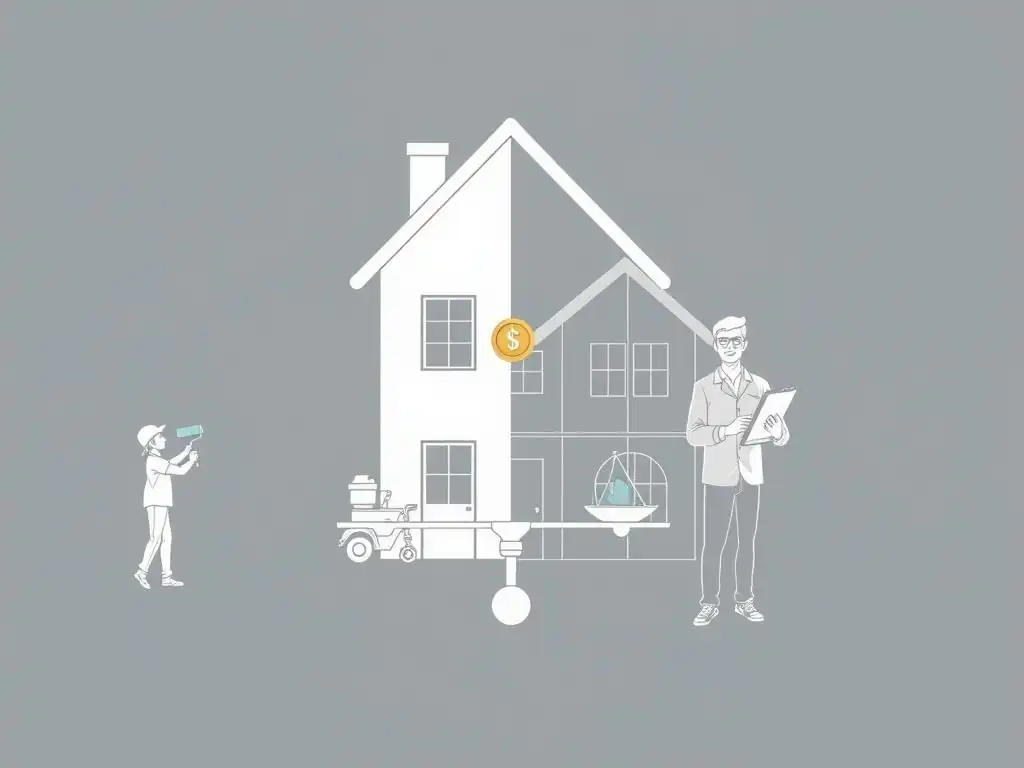
Saving money on home expenses often involves a careful consideration of when to tackle repairs yourself and when to call in a professional. This decision hinges on several factors: your skill level, the complexity of the repair, the potential cost of mistakes, and the overall time investment. A poorly executed DIY project can end up costing significantly more than hiring a professional from the start. This section will help you navigate this crucial choice to effectively implement your "save money home expenses guide" strategy.
DIY Home Repairs: Cost-Effective Solutions for Common Problems
Many common home repairs are surprisingly manageable for DIY enthusiasts, offering substantial savings. Simple tasks like patching drywall, unclogging drains, replacing light fixtures, or fixing leaky faucets are excellent candidates for DIY efforts. The initial investment in basic tools is a worthwhile expense that pays off over time. Online resources, such as instructional videos and how-to articles, are readily available to guide you through the process. Remember to prioritize safety; if you're unsure about any aspect of a repair, it's always better to err on the side of caution and consult a professional.
For example, replacing a leaky faucet can cost upwards of $100-$200 for a professional plumber. However, a new faucet cartridge, typically costing under $20, and a few hours of your time can achieve the same result. Similarly, patching a small hole in your drywall can be accomplished with a patching kit for under $10, whereas a professional drywall repair could cost $50 or more. These small victories add up, significantly contributing to your overall savings goals as outlined in your "save money home expenses guide."
Finding Affordable and Reliable Contractors: Vetting and Price Negotiation
When DIY isn't feasible or advisable, finding affordable and reliable contractors is paramount. Thorough vetting is essential to avoid costly mistakes and potential scams. Check online reviews, request references, and verify licenses and insurance. Don't hesitate to ask for detailed quotes that break down the costs of labor and materials. Negotiating prices is also a viable tactic; don't be afraid to politely discuss the quote, especially if you've received multiple bids. Remember, getting multiple quotes is a cornerstone of effective budgeting in your "save money home expenses guide".
Consider the following checklist when selecting a contractor:
| Factor | Importance | How to Check |
|---|---|---|
| Licensing & Insurance | Crucial for protection against liability issues | Verify with relevant state/local authorities |
| Reviews & References | Gauge reliability and quality of workmanship | Check online platforms and contact previous clients |
| Detailed Quote | Transparency and avoidance of hidden costs | Compare quotes item by item |
| Communication | Clear and responsive communication | Assess responsiveness and clarity during initial contact |
Negotiating can often yield surprising results. For instance, by comparing quotes and highlighting cheaper material options, you might be able to reduce the overall cost by 10-15%. This simple strategy, combined with careful planning, can make a significant impact on your home maintenance budget.
Preventive Maintenance: Avoiding Costly Repairs Down the Line
Preventive maintenance is the unsung hero of saving money on home expenses. Regular upkeep prevents minor issues from escalating into major, and costly, repairs. This is a key element in implementing a successful "save money home expenses guide." Simple tasks like cleaning gutters, inspecting appliances, and checking for leaks can save you thousands of dollars in the long run. A small crack in your foundation, if ignored, can lead to significant structural damage. Regular inspections and prompt attention to minor issues are crucial.
Consider establishing a regular maintenance schedule:
- Quarterly: Check for leaks, inspect appliances, clean gutters.
- Annually: Professional HVAC inspection, chimney inspection.
- Biennially: Inspect roof and foundation.
By proactively addressing minor problems before they worsen, you'll not only save money on large-scale repairs but also extend the lifespan of your home's systems and appliances. This proactive approach is a powerful tool in your arsenal for long-term cost savings. The initial investment of time and effort in preventive maintenance far outweighs the potential costs associated with neglecting these crucial tasks.
Creating a Home Maintenance Budget: Planning for Unexpected Expenses
Creating a comprehensive home maintenance budget is crucial for effectively managing your home expenses and avoiding costly surprises. Many homeowners underestimate the cost of upkeep, leading to financial strain when unexpected repairs arise. A well-planned budget allows you to proactively save for these eventualities, preventing you from having to resort to high-interest loans or depleting your emergency fund.
To begin, you should conduct a thorough assessment of your home's current condition. This involves identifying potential problem areas – leaky faucets, aging appliances, cracks in the foundation, etc. – and estimating the cost of repairing or replacing them. You can gather this information through online research, contacting local contractors for quotes (even preliminary ones), or consulting with a home inspector for a more comprehensive evaluation. Remember to factor in inflation; the cost of materials and labor tends to increase over time.
Next, categorize your expenses. Divide your maintenance budget into several categories: routine maintenance (e.g., cleaning gutters, changing air filters), preventative maintenance (e.g., servicing heating and cooling systems), and emergency repairs (e.g., fixing a burst pipe, replacing a broken window). This breakdown helps you prioritize spending and allocate funds accordingly.
A useful tool is a spreadsheet or budgeting app where you can track both your planned and actual expenses. This allows you to monitor your spending, identify potential areas for cost savings, and adjust your budget as needed. For instance, you might discover that preventative maintenance, while initially costly, saves you money in the long run by preventing larger, more expensive repairs.
Consider setting aside a specific amount each month for your home maintenance fund. Even small, consistent contributions can accumulate significantly over time. Automatic transfers from your checking account to a savings account specifically designated for home repairs can streamline this process, making it effortless and ensuring you consistently save for unexpected expenses.
Remember that saving for home maintenance is an investment in preserving your home's value and protecting your financial well-being. A proactive approach will lead to peace of mind and prevent costly financial surprises down the line. Don't forget to review and adjust your budget annually or whenever significant changes occur in your home's condition or the local market rates for repairs and maintenance.
Smart Shopping for Home Goods: Saving Money on Furnishings and Supplies
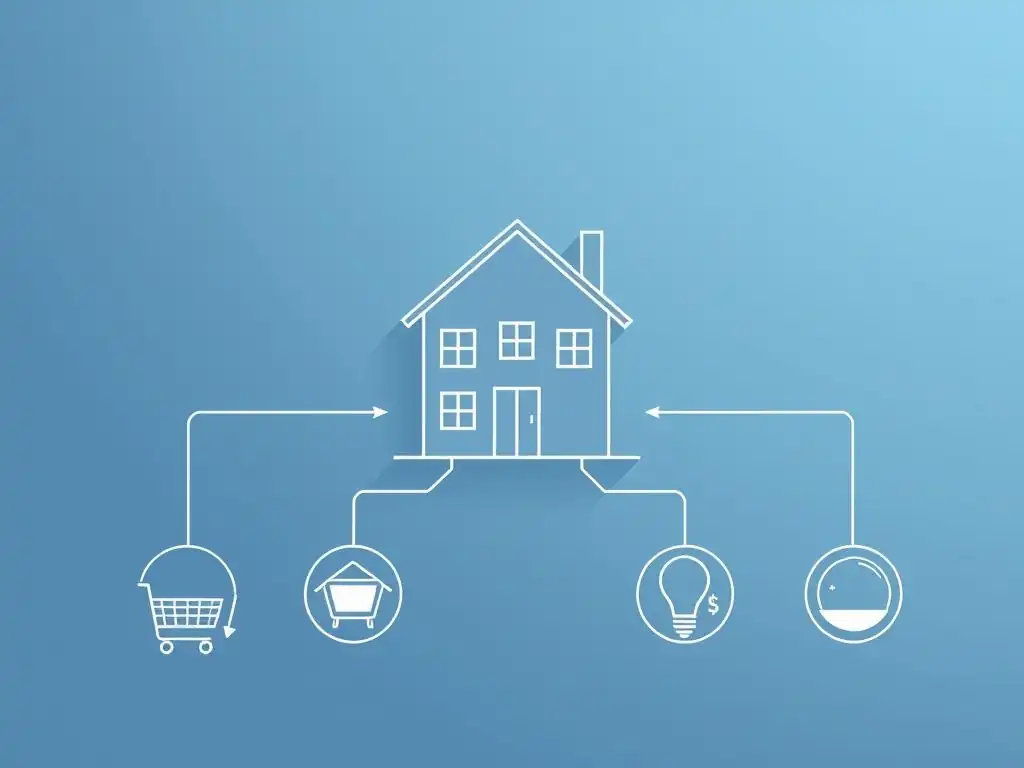
This section focuses on practical strategies to significantly reduce your home goods expenditure without compromising quality or style. We'll explore avenues to acquire furnishings and supplies at significantly lower costs, empowering you to save money on home expenses and stick to your budget. Mastering these techniques is crucial for anyone aiming to implement a comprehensive "save money home expenses guide" strategy.
Buying Used Furniture: Finding Quality Pieces at Bargain Prices
The used furniture market is a treasure trove for savvy shoppers. Finding gently used, high-quality pieces can save you hundreds, even thousands, of dollars compared to buying new. Consider these options for sourcing affordable and stylish furniture:
- Online Marketplaces: Sites like Craigslist, Facebook Marketplace, and OfferUp are brimming with used furniture listings. Search using specific keywords and filter by location and price to refine your results. Be sure to carefully examine photos and ask detailed questions before committing to a purchase.
- Consignment Shops and Thrift Stores: These stores often carry a curated selection of gently used furniture, often at a fraction of the retail price. You might be surprised by the quality and variety available. Regular visits are key, as inventory changes frequently.
- Estate Sales and Garage Sales: These events offer unique opportunities to find one-of-a-kind pieces at incredibly low prices. Be prepared to arrive early and be prepared to haggle politely. Remember to inspect items carefully for any damage before purchasing.
- Freecycle and Buy Nothing Groups: These community-based groups often have people giving away unwanted furniture. It's a great way to get free furniture and reduce waste, perfectly aligning with a "save money home expenses guide" philosophy.
Consider these tips for successfully navigating the used furniture market:
- Inspect thoroughly: Check for any damage, stains, or wear and tear before purchasing.
- Negotiate prices: Don't be afraid to negotiate the price, especially for items with minor imperfections.
- Transport carefully: Arrange for safe and secure transportation of your purchases.
- Clean and restore: A little cleaning and restoration can significantly improve the appearance of used furniture.
By adopting a strategic approach to buying used furniture, you can dramatically reduce your home furnishing costs and achieve significant savings. This approach is a core component of any effective "save money home expenses guide".
Repurposing and Upcycling: Creative Ways to Save Money on Home Decor
Repurposing and upcycling existing items is a fantastic way to add personality to your home without breaking the bank. This eco-friendly approach aligns perfectly with a comprehensive "save money home expenses guide" and adds a unique touch to your living space. Turning old items into something new is both cost-effective and creatively fulfilling.
Consider these creative ideas:
- Transform old jars into storage containers: Clean glass jars can be repurposed to store spices, dry goods, or even craft supplies. A simple coat of paint or some decorative ribbon can add a personalized touch.
- Repurpose pallets into shelves or headboards: Pallets, often discarded by businesses, can be easily transformed into rustic shelves or headboards with a little sanding, staining, and assembly.
- Turn old clothes into rugs or quilts: Old clothing can be cut and sewn into unique rugs or quilts, adding warmth and texture to your home.
- Use old picture frames for wall art: Old picture frames can be repainted and used to display fabric scraps, pressed flowers, or other decorative items.
The possibilities are endless! By embracing creativity and resourcefulness, you can significantly reduce your spending on home decor while adding a unique and personalized touch to your space. This aligns perfectly with the principles of a comprehensive "save money home expenses guide".
Discount Stores and Sales: Finding the Best Deals on Home Essentials
Discount stores and sales events offer significant opportunities to save money on home essentials. Knowing where and when to shop can make a big difference in your overall home expenses.
Here's a breakdown of effective strategies:
- Plan your shopping trips: Create a list of essential items you need before heading to the store to avoid impulse purchases.
- Utilize coupons and discount codes: Many stores offer coupons and discount codes, both online and in-store. Take advantage of these opportunities to reduce your spending.
- Shop during sales events: Major retailers often have sales events throughout the year, including Black Friday, Cyber Monday, and seasonal clearances. Plan your purchases around these events to maximize savings.
- Compare prices: Compare prices across different stores and websites before making a purchase to ensure you are getting the best deal. Utilize price comparison websites and apps to streamline this process.
- Consider buying in bulk: Buying in bulk can often result in significant savings on frequently used items, such as cleaning supplies or toiletries. However, only do this if you have the storage space and will use the items before they expire.
By implementing these strategies, you can effectively reduce your spending on home essentials and adhere to your budget. This contributes significantly to your overall "save money home expenses guide" strategy, making significant savings a reality. Remember, consistent smart shopping is key to long-term savings.
Comparison Shopping: Finding the Lowest Prices Online and In-Store
Comparison shopping is the cornerstone of saving money on home goods. It's not just about finding the cheapest option; it's about finding the best value for your money, considering factors like quality, durability, and warranty. This involves a multi-pronged approach, utilizing both online and in-store resources.
Online comparison shopping has become incredibly streamlined. Websites and browser extensions dedicated to price comparison allow you to input a product's name or SKU and instantly see prices from various retailers. This is particularly useful for larger items like furniture or appliances where price differences can be substantial.
Remember to factor in shipping costs, which can sometimes negate any initial price savings. For example, a sofa might be $100 cheaper on one site, but $75 more in shipping, making the other option more economical. Pay attention to customer reviews as well; a lower price doesn't always mean a better deal if the product is prone to defects or poor customer service.
In-store comparison shopping requires a bit more legwork, but it offers advantages. You can physically examine the product, assess its quality firsthand, and potentially negotiate a better price. Many brick-and-mortar stores are willing to match or beat online prices if you present them with the competing offer. Don't hesitate to ask about sales, discounts, or loyalty programs.
Stores often have "clearance" sections where you can find deeply discounted items, sometimes with minor imperfections that don't affect functionality. This is a great way to find hidden gems and save a significant amount on home goods. Consider visiting stores at the end of the month or during seasonal sales periods, as these are times when retailers are often more motivated to clear out inventory.
Effective comparison shopping is a blend of online efficiency and in-store engagement. By strategically combining both methods, you can significantly reduce home goods expenses and ensure you're getting the best possible value for your hard-earned money. Remember to always check the return policies before making a purchase, just in case something doesn't meet your expectations. This proactive approach will allow you to confidently shop around and consistently save money on your home furnishings and supplies. The time invested in comparison shopping will undoubtedly pay off in long-term savings.
Creating a Realistic Home Budget: Tracking Expenses and Setting Goals
This section focuses on the crucial first step in saving money on home expenses: creating a realistic budget. Without understanding where your money is currently going, any attempts at saving will be haphazard at best. This involves both diligently tracking your spending and establishing clear, achievable financial goals. Let's dive in.
Tracking Your Home Expenses: Apps and Spreadsheets for Budgeting
Effectively tracking your home expenses requires a systematic approach. Many tools are available to simplify this process, ranging from user-friendly budgeting apps to customizable spreadsheets. Choosing the right tool depends on your personal preferences and technological comfort level.
For those comfortable with technology, several excellent budgeting apps offer automated expense tracking, categorization, and insightful visualizations of spending patterns. These apps often integrate with bank accounts and credit cards, automatically importing transaction data. This automation significantly reduces the manual effort involved in tracking every expense. Some apps even offer features like bill reminders and personalized financial advice.
Alternatively, a spreadsheet (like Microsoft Excel or Google Sheets) provides a highly customizable solution. You can create custom categories tailored to your specific home expenses, allowing for a granular level of detail. This level of control is particularly valuable for individuals who prefer a more hands-on approach to budgeting. However, manual data entry is required, which might be time-consuming for those with numerous transactions.
Regardless of the chosen method – app or spreadsheet – consistent and accurate data entry is vital. The more detailed your tracking, the better you'll understand your spending habits and identify areas where you can reduce costs. Remember, the goal is to gain a clear picture of your current financial situation to effectively plan for the future. Consider using different colors to highlight essential versus non-essential expenses for a more visual representation of your spending.
Setting Realistic Financial Goals: Short-Term and Long-Term Strategies
Once you have a clear picture of your current home expense patterns, it's time to set realistic financial goals. These goals should be both short-term and long-term, providing a roadmap for achieving your saving objectives. Short-term goals offer quick wins, boosting motivation, while long-term goals provide a larger vision to strive towards.
Short-term goals might include:
- Reducing your monthly utility bills by 10% within three months.
- Saving enough for a home improvement project (e.g., repainting a room) within six months.
- Paying off a small debt related to home expenses within one year.
Long-term goals could encompass:
- Saving a down payment for a house within five years.
- Paying off your mortgage early.
- Completing major home renovations within a decade.
Remember to make your goals SMART – Specific, Measurable, Achievable, Relevant, and Time-bound. Avoid setting overly ambitious goals that are likely to lead to discouragement. Regularly review and adjust your goals as needed, based on your progress and changing circumstances. This iterative process is crucial for maintaining momentum and staying motivated throughout your saving journey. Celebrate your milestones along the way! 🎉
Emergency Fund for Home Repairs: Building a Safety Net
Unexpected home repairs can significantly strain your finances. A well-funded emergency fund acts as a safety net, preventing unexpected costs from derailing your budget. Aim to save enough to cover at least three to six months' worth of essential home expenses – including potential repair costs.
Building an emergency fund requires consistent saving. Even small, regular contributions add up over time. Consider automating your savings by setting up automatic transfers from your checking account to a dedicated savings account. This "pay yourself first" approach ensures that saving becomes a regular habit, rather than an afterthought.
The amount you should aim for in your emergency fund depends on several factors, including your home's age, its condition, and your risk tolerance. Older homes, for example, may require more frequent and potentially costly repairs than newer ones. Consider consulting with a financial advisor to determine the appropriate amount for your specific situation. Remember, a robust emergency fund provides peace of mind, knowing that you're prepared for unforeseen circumstances. This crucial step in managing home expenses often gets overlooked but is essential for long-term financial stability.
Reviewing and Adjusting Your Budget Regularly: Maintaining Financial Health
Regularly reviewing and adjusting your home budget is crucial for maintaining your financial health and ensuring you're on track to achieve your savings goals. A static budget, created once and never revisited, is practically useless in the face of life's inevitable changes. Unexpected expenses pop up—a broken appliance, a necessary car repair, or even a sudden increase in utility costs. Ignoring these fluctuations can quickly derail your carefully crafted plan, leading to frustration and potential debt.
The frequency of your budget review depends on your personal circumstances and comfort level. Some people prefer a monthly review, allowing them to catch minor discrepancies before they snowball. Others might opt for a quarterly review, focusing on larger trends and adjustments. Regardless of your chosen frequency, consistency is key. Schedule it in your calendar like any other important appointment, and treat it with the same level of priority.
During your budget review, compare your actual spending against your planned budget. Identify areas where you overspent and analyze the reasons why. Were there unexpected expenses? Did you succumb to impulse purchases? Understanding these patterns is vital for making informed adjustments. Conversely, celebrate areas where you underspent! This could indicate opportunities to further increase savings or allocate funds to other financial goals.
Consider using budgeting apps or spreadsheets to simplify the process. Many apps automatically categorize your transactions, making it easy to visualize your spending habits. Spreadsheets offer greater customization, allowing you to tailor your budget to your specific needs and preferences. Regardless of the tool you choose, the goal remains the same: to gain a clear picture of your financial inflows and outflows.
Remember, adjusting your budget isn't about failure; it's about adaptation. Life is dynamic, and your budget should reflect that dynamism. By regularly reviewing and adjusting your budget, you're not just saving money on home expenses; you're building a strong foundation for long-term financial stability and success. This proactive approach empowers you to navigate unexpected challenges and confidently pursue your financial aspirations. Don't be afraid to make necessary changes—your future self will thank you for it!
Long-Term Strategies for Significant Home Expense Savings
This section focuses on long-term strategies to significantly reduce your home expenses. While some hacks offer immediate savings, these strategies require initial investment or effort but yield substantial returns over time. Think of them as investments in your financial future, leading to considerable savings on your "save money home expenses guide".
Investing in Energy-Efficient Upgrades: Long-Term Cost Savings
Investing in energy-efficient upgrades is a cornerstone of long-term home expense reduction. These upgrades might seem costly upfront, but the cumulative savings on your utility bills over the years far outweigh the initial investment. Consider these key areas:
- Insulation: Proper insulation in attics, walls, and floors significantly reduces energy loss, leading to lower heating and cooling costs. A professional energy audit can pinpoint areas needing improvement. Studies show that improved insulation can reduce energy consumption by 15-30%, translating to hundreds, even thousands, of dollars saved annually.
- Windows and Doors: Replacing old, drafty windows and doors with energy-efficient models featuring double or triple-pane glass can dramatically reduce heat transfer. Look for windows with a high Energy Star rating. The initial cost can be substantial, but the long-term savings in heating and cooling are considerable.
- Appliances: Upgrading to energy-efficient appliances (refrigerators, washing machines, dryers) certified by Energy Star can lead to noticeable reductions in electricity consumption. While the purchase price may be higher, the lower operational costs quickly offset the difference, making this a smart investment in your "save money home expenses guide". Consider comparing the total cost of ownership (TCO) when making purchasing decisions.
- Solar Panels: While a significant upfront investment, solar panels can drastically reduce or even eliminate your electricity bill. Government incentives and tax credits can help offset the initial cost. The long-term savings, combined with environmental benefits, make this a compelling option for substantial cost savings over the lifespan of the panels. Factor in potential increases in electricity prices when evaluating the return on investment.
Paying Down Debt: Reducing Financial Burden and Interest Payments
High-interest debt, such as credit card debt or personal loans, significantly impacts your monthly expenses. Aggressively paying down this debt frees up more money for your home expenses. Several strategies can accelerate debt repayment:
- Debt Snowball Method: This method involves focusing on paying off your smallest debt first, regardless of interest rate. The psychological boost from quickly eliminating a debt motivates you to continue with larger debts.
- Debt Avalanche Method: This strategy prioritizes paying off debts with the highest interest rates first. While it might not provide the same immediate psychological satisfaction as the snowball method, it ultimately saves you more money in interest payments.
- Balance Transfers: Transferring high-interest debt to a credit card with a 0% introductory APR can provide a temporary reprieve, allowing you to focus on paying down the principal. Remember to pay off the balance before the introductory period ends to avoid accruing high interest charges.
Reducing your debt burden directly translates into more disposable income, allowing you to allocate more funds towards your home expenses or other financial goals. This is a crucial aspect of any effective "save money home expenses guide". Careful budgeting and financial planning are essential for success in this area.
Increasing Your Income: Side Hustles and Career Advancement Opportunities
Increasing your income is a powerful way to improve your financial situation and reduce the burden of home expenses. Explore various avenues to boost your earnings:
- Side Hustles: Numerous side hustles can supplement your primary income. Examples include freelancing, driving for ride-sharing services, selling crafts or goods online, or providing tutoring or consulting services. The key is to find a side hustle that aligns with your skills and interests.
- Career Advancement: Investing in your career through education, training, or networking can lead to higher-paying positions. Consider pursuing certifications or advanced degrees that enhance your skillset and make you a more valuable asset in the job market. This long-term investment can dramatically increase your earning potential.
- Negotiating a Raise: Don't be afraid to negotiate a raise at your current job. Research industry salaries and prepare a compelling case demonstrating your value to the company. A successful negotiation can significantly increase your monthly income.
Increasing your income allows you to allocate more funds towards your home expenses, reducing the financial strain and providing more financial flexibility. This is a crucial element in any comprehensive "save money home expenses guide", offering a proactive approach to financial well-being.
Building Equity in Your Home: Long-Term Wealth Building Strategies
Building equity in your home is a powerful long-term strategy to significantly reduce your housing costs over time and build wealth. Equity represents the portion of your home's value that you own outright. The more equity you have, the less you effectively "pay" in housing costs, as you're essentially living in a progressively larger portion of an asset you already own. This is particularly relevant when considering the substantial cost of housing, a major expense for most people.
One key strategy for building equity is paying down your mortgage principal faster than scheduled. This can be achieved through several methods. Making extra principal payments, even small ones, each month can dramatically shorten your loan term and reduce the total interest paid over the life of the loan. For example, an extra $100 per month could save thousands of dollars in interest and shave years off your mortgage. Consider bi-weekly payments; making half your monthly payment every two weeks effectively results in an extra monthly payment each year.
Another effective method is refinancing your mortgage to a shorter term. While this might initially increase your monthly payment, the faster payoff significantly reduces your overall interest costs and accelerates equity building. Carefully weigh the pros and cons, considering any associated refinancing fees and the impact on your monthly budget. Seek professional financial advice before making such a significant decision.
Beyond mortgage payments, maintaining and improving your home also contributes to equity growth. Regular maintenance prevents costly repairs down the line and helps preserve your home's value. Strategic home improvements, such as kitchen or bathroom renovations (depending on market trends and your personal goals), can increase your home's value substantially, boosting your equity. However, it's crucial to research local market conditions to ensure these improvements align with market demands and avoid overspending. A professional appraisal can help determine the potential return on investment for any significant renovation project.
Finally, remember that building equity is a marathon, not a sprint. Consistency and discipline are key. By strategically managing your mortgage and investing in your home's upkeep and improvement, you'll steadily build equity, reducing your long-term housing costs and building substantial wealth over time. This approach offers a tangible path towards achieving significant savings and financial security, making it a cornerstone of any comprehensive "save money home expenses guide".
Frequently Asked Questions
How can I save money on my rent or mortgage?
Negotiating your rent or mortgage is a good first step. Consider refinancing your mortgage for a lower interest rate or exploring rent-negotiation strategies if you're a renter. Look for ways to reduce your overall housing costs.
What are some easy ways to lower my utility bills?
Simple changes can make a big difference. Switching to energy-efficient appliances, reducing water usage, and lowering your thermostat are all effective strategies. Consider using LED light bulbs for significant savings.
Are there any quick wins for saving money on groceries?
Absolutely! Meal planning and sticking to your list are crucial. Look for sales and coupons, consider buying in bulk (when appropriate), and reduce food waste.
How can I reduce my home maintenance costs?
Regular maintenance is key to preventing costly repairs. Simple tasks like changing air filters and cleaning gutters can significantly extend the life of your appliances and home systems. DIY repairs when possible can also save money.
What are some unexpected ways to save on home expenses?
Explore options like reducing your insurance premiums by bundling policies or increasing your deductible. Consider selling unused items to generate extra cash. Finding free or low-cost entertainment options can also free up funds.
Final Reflection: Unlocking Financial Freedom Through Home Expense Mastery
The strategies outlined in this guide aren't just about saving a few dollars; they're about reclaiming control over your financial future. In a world increasingly defined by economic uncertainty, mastering your home expenses is no longer a luxury, but a necessity for building a secure and fulfilling life. The ability to strategically manage your largest expense – housing – directly impacts your overall financial well-being and opens doors to opportunities you may not have considered before.
The impact of mindful home expense management extends far beyond the immediate savings. It fosters a sense of empowerment and control, allowing you to prioritize your values and pursue your goals with greater confidence. This shift in perspective is transformative. Financial freedom isn't about having a lot of money; it's about having the freedom to live your life the way you want to.
This quote perfectly encapsulates the liberating feeling that comes with mastering your home finances and using those savings to invest in experiences, relationships, and personal growth.
Now, it's your turn. Take a moment to reflect on your current home expense habits. Identify areas where you can implement the strategies discussed in this guide. Even small changes, consistently applied, can lead to significant long-term savings. Don't just passively consume this information; actively engage with it. Create a budget, explore refinancing options, negotiate with your service providers – take charge of your financial destiny and unlock the freedom that comes with mastering your home expenses. The journey to financial security starts with a single, empowered step.
Unlock Your Savings Potential: Take Control of Your Finances Today!
Thank you for exploring our guide to saving money on home expenses! We hope you found valuable strategies to ease your financial burden. Now, let's put those strategies into action.
- Tackle your biggest expense: Identify your largest monthly home cost—rent, mortgage, or utilities—and dedicate this week to finding ways to reduce it using the methods discussed in the article. Even small savings accumulate significantly over time!
- Share your success: Do you have a favorite money-saving tip from the article, or one of your own? Share it with our community in the comments below—let's inspire each other!
- Try a 30-day savings challenge: Choose one action from the guide and commit to it for 30 days. Track your savings and share your progress!
What small change will you make this week to boost your home savings?