
Simplify Your Choices: Streamlining Your DecisionMaking Process


Feeling overwhelmed by endless daily decisions? At UltimateLifeHacks, we understand the struggle. Discover how to reclaim your time and mental energy with practical strategies to simplify daily decision making. This isn't about eliminating choices, but mastering them – learn the techniques that will transform your daily routine and unlock surprising levels of productivity. Dive in and uncover the secrets to a more efficient and fulfilling life!
- Understanding the Burden of Daily Decisions
- Strategies to Simplify Daily Decision Making
- Minimizing Information Overload for Better Decisions
- Improving Your Decision-Making Process
- Tools and Techniques for Efficient Decision-Making
- Maintaining a Simplified Decision-Making Approach
- Frequently Asked Questions
- Final Reflection: The Liberating Power of Simple Choices
- Unleash Your Inner Decision-Maker: Take Control Now!
Understanding the Burden of Daily Decisions
We all face a constant barrage of decisions every day, from the seemingly trivial – what to wear, what to eat for breakfast – to the more significant – which project to prioritize at work, how to best allocate our finances. While some choices feel inconsequential, the cumulative effect of making countless decisions throughout the day can lead to a significant drain on our cognitive resources, impacting our productivity, well-being, and overall quality of life.
This article explores effective strategies to simplify daily decision-making, ultimately helping you reclaim your mental energy and enhance your overall efficiency. We'll delve into the hidden costs of overthinking, the impact of decision fatigue, and the surprising link between poor decision-making and heightened stress levels.
Mastering the art of simplifying your choices is key to unlocking a more productive and less stressful life, allowing you to focus your energy on what truly matters. Let's explore how to simplify daily decision making and reclaim control of your day.
The seemingly insignificant choices we make daily – the endless scroll through social media deciding what to watch, the agonizing deliberation over which coffee shop to visit – contribute to a phenomenon known as "decision fatigue." This isn't just about feeling tired; it's a genuine depletion of mental resources. Research suggests that the more decisions we make, the less effective our decision-making becomes later in the day. 1 This leads to poor choices, increased impulsivity, and a general decline in cognitive function. The hidden costs extend beyond simple fatigue; they include:
- Reduced Productivity: Spending excessive time on minor decisions diverts energy from more important tasks, hindering overall productivity.
- Increased Stress: The constant mental strain of making choices, even small ones, contributes to heightened stress levels and anxiety.
- Impaired Judgment: Decision fatigue can lead to poor judgment and impulsive decisions, with potentially negative consequences.
- Lowered Satisfaction: The energy expended on trivial choices can leave us feeling drained and less satisfied with our overall day.
1 [Specific research citation pending]
Recognizing Decision Fatigue and its Impact on Productivity
Decision fatigue manifests in various ways. You might find yourself procrastinating on important tasks, making hasty choices, or feeling overwhelmed by even the simplest decisions. Symptoms can include irritability, difficulty concentrating, and a general sense of being mentally exhausted. The impact on productivity is significant. Studies have shown a correlation between decision fatigue and reduced work performance, missed deadlines, and decreased creativity. 2 For example, a manager who spends hours agonizing over minor scheduling adjustments might find themselves less effective in strategic planning later in the day. Recognizing the signs of decision fatigue is crucial to mitigating its negative effects. This involves paying attention to your mental and emotional state throughout the day, noting patterns of decreased focus and increased irritability. By understanding your personal thresholds, you can better manage your workload and prioritize tasks effectively.
2 [Specific research citation pending]
The Link Between Poor Decision-Making and Stress Levels
The connection between poor decision-making and increased stress levels is undeniable. When we feel overwhelmed by the sheer number of choices we face, our stress hormones surge, further impairing our ability to make sound judgments. 3 This creates a vicious cycle: stress leads to poor decisions, which in turn increases stress. This cycle can manifest in various ways, from strained relationships to physical health problems. Chronic stress, often exacerbated by poor decision-making, can lead to burnout, anxiety disorders, and even depression. By simplifying our decision-making processes, we can significantly reduce our stress levels and improve our overall well-being. This involves strategically reducing the number of choices we face, automating repetitive decisions, and delegating tasks where possible.
3 [Specific research citation pending]
Strategies to Simplify Daily Decision Making
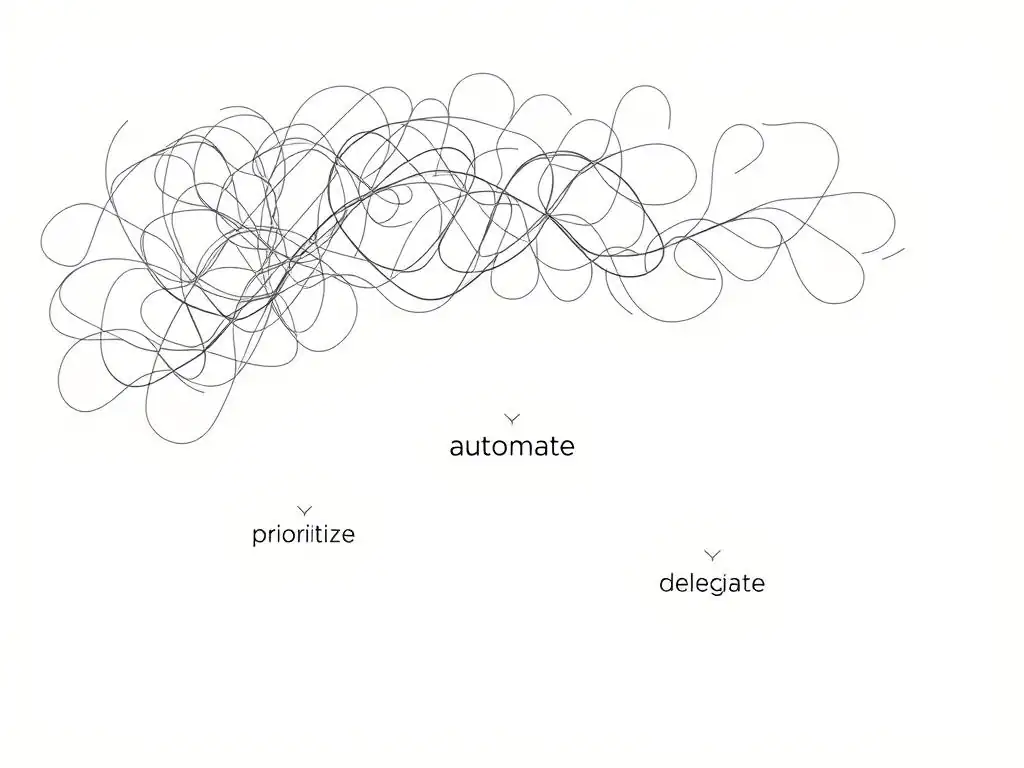
This section delves into practical strategies to streamline your daily decision-making process, ultimately saving you time and mental energy. We'll explore techniques ranging from proactive planning to utilizing decision-making tools, all aimed at simplifying your choices and reducing decision fatigue. The goal is to free up your cognitive resources for more important tasks and enhance your overall productivity. Effective simplification of daily decision-making is key to achieving a more efficient and less stressful life.
The Power of Pre-Decision Making: Planning Ahead
Proactive planning is the cornerstone of simplified decision-making. By anticipating future choices and making decisions in advance, you eliminate the need for real-time deliberation in the moment. This is particularly effective for routine tasks and predictable situations. For example, planning your outfits for the week on Sunday night eliminates the daily struggle of "what to wear?". Similarly, prepping lunches or dinners ahead of time removes the stressful decision of what to eat each day.
Consider these examples:
- Meal prepping: Planning and preparing meals for the week on a single day significantly reduces the daily decision of "what's for dinner?". This saves time and often leads to healthier eating habits.
- Outfit planning: Laying out your clothes the night before, or even for the entire week, eliminates the morning rush and the associated decision fatigue.
- Scheduling tasks: Blocking out specific times for tasks in your calendar prevents the need to constantly decide what to work on next. This structured approach minimizes procrastination and maximizes productivity.
The key here is to identify recurring decisions and proactively address them. This preemptive approach shifts the cognitive load from the moment of action to a more strategic planning phase, freeing up mental space for more complex decisions later. This simple shift can dramatically improve your daily efficiency.
Creating Routines and Habits for Effortless Choices
Establishing routines and habits automates many daily decisions, making them subconscious and effortless. This frees up your mental energy for more important tasks and reduces the overall number of decisions you need to make each day. Think of routines as pre-programmed responses to common situations.
Consider these examples:
| Routine | Benefit | Implementation Tips |
|---|---|---|
| Morning routine | Consistent start to the day, increased productivity | Set a consistent wake-up time, plan your morning activities |
| Evening routine | Relaxed end to the day, improved sleep | Establish a calming bedtime routine, avoid screens before bed |
| Exercise routine | Improved physical and mental health | Schedule regular workout sessions, find activities you enjoy |
| Workday routine | Increased focus and efficiency | Prioritize tasks, minimize distractions, take regular breaks |
By developing strong routines, you reduce the cognitive load associated with making everyday choices. The more consistently you perform these routines, the more automatic they become, freeing up your mental bandwidth for more important and complex decisions. This method subtly yet powerfully simplifies daily decision-making.
Utilizing Decision Matrices for Complex Situations
For more complex decisions, a structured approach like a decision matrix can be incredibly helpful. A decision matrix is a tool that allows you to weigh different options against various criteria, making the decision-making process more objective and less reliant on intuition alone. This is particularly useful when dealing with multiple factors and potential consequences.
For example, imagine you're deciding on a new phone. You could create a matrix with criteria like price, features, battery life, and camera quality, and then score each phone option against each criterion. This structured comparison makes the final choice clearer and more rational. This approach transforms a potentially overwhelming decision into a manageable and objective process.
The key is to define your criteria clearly and assign weights based on their importance to you. This structured approach removes emotion and gut feeling, leading to a more logical and informed decision. The use of a decision matrix effectively simplifies complex daily decision-making processes.
The Two-Minute Rule: Quick Decisions for Small Tasks
The Two-Minute Rule is a powerful technique for simplifying daily decision-making and reclaiming your mental energy. The core principle is straightforward: if a task takes less than two minutes to complete, do it immediately. This seemingly simple rule prevents the accumulation of small, nagging tasks that clutter your mind and contribute to decision fatigue.
Instead of constantly postponing minor actions – responding to a quick email, washing a single dish, putting away a misplaced item – you tackle them on the spot. This immediate action eliminates the need for future decisions about when or how to handle these small tasks.
Consider the mental load involved in constantly reminding yourself to perform these small tasks. Each task, however insignificant, occupies a small portion of your cognitive bandwidth. Over time, these small demands accumulate, creating a significant mental burden.
By applying the Two-Minute Rule, you proactively clear these minor tasks, freeing your mind to focus on more complex and demanding decisions. This results in improved focus, reduced stress, and a greater sense of accomplishment. For example, instead of letting dishes pile up in the sink, taking two minutes to wash a few dishes immediately prevents the later, more daunting task of cleaning a full sink.
This seemingly small action prevents the decision of when to clean the dishes, saving mental energy for more critical choices. The cumulative effect of consistently applying this rule is a significant reduction in the number of small decisions you need to make each day, leading to a more streamlined and efficient routine.
Delegating and Outsourcing: Freeing Up Mental Resources
Delegation and outsourcing are crucial strategies for simplifying daily decision-making, particularly when dealing with tasks that drain your time and energy. Instead of shouldering every responsibility yourself, identify tasks that can be effectively delegated to others or outsourced to professionals. This frees up your cognitive resources, allowing you to focus on high-impact decisions requiring your unique skills and expertise. Effective delegation involves not only assigning tasks but also clearly communicating expectations, providing necessary resources, and establishing accountability.
Outsourcing, on the other hand, involves transferring responsibility for specific tasks to external parties. This is particularly beneficial for tasks that are time-consuming, require specialized skills you lack, or simply fall outside your core competencies. For example, instead of spending hours managing your social media presence, you could outsource this task to a social media manager.
Similarly, instead of tackling complex financial paperwork, you might choose to outsource this to an accountant. The key is to identify tasks that are not essential to your core responsibilities and that can be efficiently and cost-effectively handled by others. By strategically delegating and outsourcing, you significantly reduce your cognitive workload, simplifying your daily decision-making process and improving overall productivity.
This allows you to focus on strategic decisions that truly impact your goals and priorities, rather than getting bogged down in less important tasks. This approach is vital for simplifying daily decision making and achieving a better work-life balance.
Minimizing Information Overload for Better Decisions

Simplifying daily decision-making often starts with combating information overload. The sheer volume of data we encounter daily can paralyze our decision-making process, leading to analysis paralysis and ultimately, poor choices. To effectively simplify your choices, you must learn to filter the noise and focus on what truly matters. This section explores practical strategies to achieve this crucial first step towards better decision-making.
Identifying and Eliminating Unnecessary Information
The first step to simplifying your decision-making process is identifying and eliminating unnecessary information. This involves a critical evaluation of all the data points you consider before making a decision. Ask yourself: Is this information truly relevant to the decision at hand? Does it significantly impact the outcome? If the answer is no, discard it. Think of it like decluttering your home – you get rid of items you don't need to create more space and clarity. Similarly, eliminating irrelevant information creates mental space for more focused and efficient decision-making.
For example, consider choosing a new phone. You might be bombarded with information about camera megapixels, processor speed, battery life, screen resolution, and various other specifications. However, if your primary need is a reliable phone for calls and texts with a decent battery, focusing on processor speed and camera megapixels becomes unnecessary. By prioritizing your key needs, you can significantly simplify the decision-making process and avoid being overwhelmed by technical details. This focused approach allows you to quickly compare phones based on your core requirements, leading to a faster and more effective decision.
Setting Clear Priorities and Focusing on Key Factors
Once you've identified and eliminated unnecessary information, the next step is to establish clear priorities and focus on the key factors that truly influence your decisions. Prioritization involves ranking your needs and wants in order of importance. This structured approach prevents you from being swayed by less significant factors. To simplify this process, utilize tools like a weighted decision matrix, where you assign weights to different criteria based on their importance to you. This method allows for a systematic and objective approach to prioritization, ensuring you're focusing your attention on what truly matters.
For instance, let's say you're choosing between two job offers. Instead of considering every minor detail, prioritize factors like salary, career growth potential, work-life balance, and commute time. Assign weights to each factor based on your personal preferences. For example, career growth might receive a higher weight than commute time if you prioritize long-term career development. This weighted approach provides a clear framework for comparing the two offers and making an informed decision based on your defined priorities. This structured approach minimizes the emotional influence and simplifies the decision-making process.
The Pareto Principle and Decision-Making: Focusing on the 80/20 Rule
The Pareto Principle, also known as the 80/20 rule, suggests that 80% of your results come from 20% of your efforts. Applying this principle to decision-making means identifying the 20% of factors that contribute to 80% of the outcome. By focusing your energy on these crucial factors, you can significantly simplify the decision-making process without sacrificing the quality of your choices. This involves identifying the vital few elements that will have the most impact and concentrating your efforts on those, while letting go of the trivial many.
Consider planning a vacation. Instead of agonizing over every minute detail, like choosing between slightly different hotels, focus on the 20% that truly matters: destination, travel dates, and budget. These three factors significantly influence the overall vacation experience. Spending excessive time on minor details like specific restaurant choices or choosing between similar tours will not significantly impact your overall enjoyment.
By applying the 80/20 rule, you can make quick, effective decisions and streamline the entire planning process. This focused approach helps you simplify choices and avoid getting bogged down in unnecessary details, leading to a more efficient and enjoyable experience.
Streamlining Information Sources for Clarity
Information overload is a significant obstacle to effective decision-making. We're constantly bombarded with data from various sources – news feeds, social media, emails, and more. This constant influx can lead to cognitive fatigue and impair our ability to assess information critically, ultimately hindering our capacity to make sound judgments. Simplifying your information sources is crucial for achieving clarity and improving your decision-making process. This doesn't mean cutting yourself off from the world; it's about being selective and intentional about where you get your information from.
One effective strategy is to curate your news sources. Instead of passively consuming news from multiple channels, consciously choose 2-3 reputable sources that align with your interests and needs. This allows you to focus on high-quality information while avoiding the noise and potential misinformation prevalent in many online spaces. Consider unsubscribing from newsletters or notifications that don't directly contribute to your goals or personal enrichment. This frees up mental space and reduces the cognitive load associated with processing irrelevant data.
Furthermore, consider the time you spend consuming information. Set specific times for checking news or social media, rather than allowing yourself to passively scroll throughout the day. This prevents information from constantly interrupting your workflow and allows you to allocate dedicated time for focused consumption. Think of it as a scheduled meeting with your information sources, rather than an open-ended commitment. This structured approach promotes a more mindful and efficient approach to information gathering.
Finally, actively filter information based on its relevance and reliability. Before accepting any piece of information as fact, critically evaluate its source and consider potential biases. Look for evidence-based information and avoid engaging with content that is sensationalized or lacks credible support.
Developing this critical eye will significantly improve the quality of the information you consume and enhance your overall decision-making process. By focusing on reliable sources and actively filtering out noise, you can significantly reduce information overload and pave the way for more confident and effective decision making. This process, while requiring initial effort, ultimately saves time and mental energy in the long run.
Improving Your Decision-Making Process
This section delves into practical strategies to enhance your decision-making capabilities, focusing on techniques to simplify daily decision-making and reduce cognitive overload. We'll explore how to leverage mindfulness, understand cognitive biases, and learn from past experiences to make more effective and efficient choices. The goal is to empower you to navigate the complexities of daily life with greater ease and confidence.
Cultivating Mindfulness and Intuition in Decision-Making
Mindfulness, often associated with meditation and relaxation, plays a surprisingly significant role in improving decision-making. By cultivating a mindful state, you can access your intuition more readily and make choices aligned with your values and long-term goals. This isn't about ignoring logic; rather, it's about integrating intuitive insights with rational analysis.
Consider this example: You're faced with choosing between two job offers. A purely analytical approach might focus solely on salary and benefits. However, a mindful approach would also consider factors like workplace culture, commute time, and the overall feeling you get from each opportunity. This intuitive sense can provide invaluable information that purely data-driven analysis might miss.
Practicing mindfulness involves paying attention to the present moment without judgment. Even short, regular mindfulness exercises, such as deep breathing or body scans, can significantly enhance your ability to tap into your intuition and make more informed decisions. Studies have shown a correlation between mindfulness practice and improved decision-making speed and accuracy, particularly in complex situations.
The key is to create space for reflection and introspection before making crucial choices. This allows for a more holistic assessment, incorporating both rational thought and intuitive feelings. This holistic approach helps simplify daily decision-making by reducing the feeling of being overwhelmed by options.
Utilizing Cognitive Biases Awareness for Better Choices
Cognitive biases are systematic errors in thinking that can significantly impact our decisions. Understanding these biases is crucial to making more rational and objective choices. By recognizing these patterns in your own thinking, you can actively mitigate their influence and make more informed decisions. This is a key element in simplifying daily decision-making, as it helps remove the subconscious influences that often lead to poor choices.
Let's examine a few common biases:
- Confirmation Bias: The tendency to seek out information that confirms pre-existing beliefs and ignore contradictory evidence. To combat this, actively seek out diverse perspectives and challenge your assumptions.
- Anchoring Bias: Over-reliance on the first piece of information received, even if irrelevant. Consider multiple data points before making a decision, and avoid letting initial impressions unduly influence your judgment.
- Availability Heuristic: Overestimating the likelihood of events that are easily recalled, often due to their vividness or recency. Remember that easily recalled events might not be representative of the overall probability.
By understanding these biases and actively working to counteract them, you can significantly improve the quality of your decisions. This proactive approach to decision-making leads to more effective choices and reduces the likelihood of regret. Implementing strategies to minimize these biases is a powerful tool for simplifying daily decision-making, leading to greater clarity and efficiency.
Learning from Past Decisions: Analyzing Successes and Failures
Regularly reviewing past decisions – both successes and failures – is a powerful method for improving future choices. This process of reflective practice allows you to identify patterns in your decision-making process, pinpoint areas for improvement, and refine your strategies for navigating complex situations. This is crucial for simplifying daily decision-making because it helps you develop a more efficient and effective approach over time.
To effectively learn from past decisions, consider these steps:
- Document your decisions: Keep a record of significant decisions, including the context, the options considered, the chosen course of action, and the outcome.
- Analyze successes: Identify the factors that contributed to positive outcomes. What strategies worked well? What were the key insights or information that guided your choice?
- Analyze failures: Examine decisions that resulted in less desirable outcomes. What went wrong? What biases or errors in judgment were present? What could you have done differently?
- Develop strategies: Based on your analysis, develop strategies to improve your decision-making process. This might involve seeking more information, using different decision-making frameworks, or working to mitigate identified biases.
By consistently engaging in this process of reflection and refinement, you will gradually develop a more robust and effective decision-making framework, leading to greater confidence and efficiency in all aspects of your life. This iterative process of learning and improvement is essential for simplifying daily decision-making and optimizing your overall productivity. It's a continuous cycle of learning and refinement that ultimately leads to better, more informed choices.
The Importance of Regular Self-Reflection on Decisions
Regular self-reflection is crucial for improving your decision-making process. It allows you to analyze past choices, understand their outcomes, and identify patterns in your thinking. This isn't about dwelling on mistakes—it's about learning from them. By consciously reviewing your decisions, you gain valuable insights into your strengths and weaknesses as a decision-maker. For example, you might realize you tend to rush important decisions when stressed, or that you consistently overestimate your ability to handle multiple projects simultaneously. This awareness is the first step towards making better choices in the future.
One effective method is to maintain a decision journal. Each entry could include the context of the decision, the options considered, the chosen course of action, the actual outcome, and your reflections on the process. Did you gather enough information? Were your assumptions accurate?
Were there unforeseen consequences? Analyzing these aspects helps you refine your approach. For instance, if you consistently find yourself making impulsive purchases, a decision journal might reveal a pattern of emotional spending triggered by stress or boredom. This insight allows you to develop strategies to mitigate such impulsive behaviors, perhaps by setting a budget or practicing mindfulness techniques.
Beyond a journal, incorporating regular periods of quiet contemplation can also be beneficial. Schedule dedicated time, even just 15-20 minutes a week, to review your recent decisions. Consider using guided meditation or mindfulness exercises to enhance your self-awareness and facilitate a more objective review. This process isn't just about analyzing past actions; it's about cultivating a more mindful and intentional approach to future decision-making.
The more you practice self-reflection, the more adept you become at recognizing biases, identifying potential pitfalls, and ultimately, making more informed and effective choices. This continuous cycle of reflection and improvement is key to simplifying your daily decision-making and achieving greater cognitive efficiency. Remember, the goal isn't perfection, but progress – a consistent effort to learn and grow from every decision.
Tools and Techniques for Efficient Decision-Making

This section explores practical tools and techniques to streamline your daily decision-making process, ultimately simplifying your life and boosting productivity. We'll delve into digital aids, visual planning methods, and the power of collaboration to help you make better, faster choices. Mastering these strategies will significantly contribute to your overall cognitive efficiency and reduce decision fatigue. The key is to find the methods that best suit your personal style and the complexity of the decisions you face. Remember, the goal is to simplify daily decision making, not to overcomplicate it with unnecessary processes.
Utilizing Decision-Making Apps and Software
Numerous apps and software programs are designed to assist with decision-making, offering features ranging from simple pros and cons lists to sophisticated weighted scoring systems. These tools can be particularly helpful for complex decisions involving multiple criteria or numerous options. For instance, some apps allow you to input various factors with assigned weights, automatically calculating a final score to help you prioritize choices. This quantitative approach can be especially beneficial when dealing with financial decisions or project planning.
Other apps focus on visualizing your options. They might offer features like interactive decision trees or scenario planning tools, allowing you to explore the potential consequences of different choices before committing. The effectiveness of these apps depends on your willingness to input the necessary data accurately and consistently.
Choosing the right app depends on your specific needs and technological comfort level. Some popular options include apps focused on project management (with built-in task prioritization features), note-taking apps that allow for structured brainstorming, and dedicated decision-making apps with more specialized functionalities. Remember to consider user reviews and compare features before committing to a particular app. The goal is to simplify daily decision making by leveraging technology, not adding another layer of complexity.
Employing Visual Aids: Mind Maps and Flowcharts
Visual aids can significantly enhance the decision-making process, particularly for complex or multifaceted problems. Mind maps are excellent for brainstorming and identifying all relevant factors before making a choice. They allow you to visually organize your thoughts, connecting central ideas to supporting details and exploring various branches of possibilities. This holistic view can help reveal previously unconsidered aspects and lead to more informed decisions.
Flowcharts, on the other hand, are ideal for visualizing the steps involved in a decision-making process or mapping out potential outcomes based on different choices. They are especially useful when dealing with sequential decisions or situations with multiple possible paths. By clearly outlining each stage and potential consequence, flowcharts provide a structured approach to problem-solving and decision-making, reducing the likelihood of overlooking crucial steps or unintended consequences.
The effectiveness of mind maps and flowcharts lies in their clarity and ease of understanding. Using different colors, symbols, and visual cues can further improve their effectiveness, making them powerful tools for simplifying daily decision making. They are particularly helpful for visual learners who benefit from a graphical representation of information.
The Value of Seeking External Perspectives and Feedback
While independent thought is crucial, seeking external perspectives can significantly enrich your decision-making process. A fresh pair of eyes can often identify biases or blind spots that you might have overlooked. This is particularly important for decisions with significant consequences or those that involve subjective judgments.
Consider bouncing ideas off trusted friends, family, mentors, or colleagues. Their feedback can provide valuable insights, challenge your assumptions, and help you explore alternative solutions you may not have considered. For professional decisions, seeking advice from experts in the field can be invaluable.
Remember that the goal isn't to blindly follow others' advice. Instead, use external perspectives to broaden your understanding, challenge your own biases, and make a more well-rounded and informed decision. This collaborative approach helps to simplify daily decision making by leveraging the collective wisdom of your network and mitigating potential risks associated with individual biases. The process of explaining your reasoning to others can also clarify your own thinking and solidify your final choice. It's about expanding your perspective, not relinquishing your autonomy.
Maintaining a Simplified Decision-Making Approach
This section focuses on the ongoing practice of simplifying your daily decision-making process, ensuring that the strategies you implement remain effective and adaptable to changing circumstances. Consistent effort is key to long-term success in simplifying your choices and reducing decision fatigue. We'll explore practical methods to maintain this simplified approach and avoid slipping back into overwhelming decision-making patterns. Remember, simplifying daily decision making is a journey, not a destination.
Regularly Reviewing and Adjusting Your Strategies
The effectiveness of your simplified decision-making strategies isn't static; it requires regular review and adjustment. Think of it like maintaining a garden – you need to regularly weed out ineffective approaches and nurture the ones that are thriving. A quarterly review is a good starting point. During this review, ask yourself these crucial questions:
- What worked well? Identify the strategies that significantly reduced decision fatigue and improved your efficiency. Perhaps it was using a pre-planned weekly menu, automating bill payments, or adopting a minimalist wardrobe. Document these successes to reinforce their positive impact.
- What didn't work? Be honest about strategies that proved ineffective or cumbersome. Perhaps a specific time-blocking technique didn't fit your lifestyle, or a particular app created more complications than it solved. Don't be afraid to discard or modify these strategies.
- What new strategies could I implement? The world of productivity and decision-making is constantly evolving. Stay updated on new techniques and tools, and consider incorporating them into your process – but only after careful consideration of their potential benefits.
Consider using a simple spreadsheet or journal to track your progress and reflect on your experiences. This structured approach will allow you to identify patterns, understand what's working, and pinpoint areas for improvement. For example, you might discover that you consistently struggle with making decisions related to your work projects. This might indicate a need to implement a more structured prioritization system, like the Eisenhower Matrix (urgent/important). Remember, the goal is to simplify daily decision making, not to create a complex system of self-management.
The Importance of Self-Compassion and Accepting Imperfect Choices
Simplifying your decision-making process doesn't mean you'll always make perfect choices. In fact, accepting that you will sometimes make imperfect decisions is crucial for maintaining a sustainable approach. Self-criticism and perfectionism can lead to analysis paralysis and negate the benefits of simplification.
Practicing self-compassion involves treating yourself with the same kindness and understanding you would offer a friend facing similar challenges. Acknowledge that mistakes are a natural part of the learning process. Instead of dwelling on past errors, learn from them and move forward. This involves:
- Recognizing your humanity: Understand that everyone makes mistakes. It's part of being human.
- Offering self-kindness: Treat yourself with understanding and empathy, rather than harsh self-judgment.
- Mindfulness: Focus on the present moment and avoid ruminating on past decisions.
Remember, the aim is to simplify daily decision making and reduce stress, not to achieve an unattainable level of perfection. Celebrating small victories and acknowledging progress, even when imperfect, is key to maintaining motivation and momentum. This positive self-talk will improve your overall well-being and contribute to a more effective decision-making process.
Building Resilience and Adaptability in Decision-Making
Life is unpredictable. Unexpected events and changes can disrupt even the most carefully planned decision-making strategies. Building resilience and adaptability is crucial for navigating these challenges and maintaining a simplified approach. This involves:
- Flexibility: Be prepared to adjust your strategies as needed. What works well in one situation might not be suitable in another. Maintain a flexible mindset and be willing to adapt your approach.
- Problem-solving skills: Develop effective problem-solving skills to address unexpected challenges and roadblocks. This might involve brainstorming alternative solutions, seeking advice from trusted sources, or breaking down complex problems into smaller, more manageable parts.
- Stress management techniques: Practice stress management techniques like mindfulness, meditation, or deep breathing exercises to help you cope with unexpected stress and maintain a calm and focused approach to decision-making.
Building resilience is a continuous process that requires consistent effort. By developing these skills, you'll be better equipped to handle unexpected events and maintain a simplified decision-making process, even in the face of adversity. This contributes significantly to overall well-being and reduces the overwhelming feeling often associated with complex decision-making processes, ultimately simplifying daily decision making.
Long-Term Strategies for Sustained Decision-Making Efficiency
Maintaining a simplified approach to daily decision-making isn't a one-time fix; it's a continuous process requiring long-term strategies. Consistent effort is key to reaping the benefits of streamlined decision-making over the long haul. This involves cultivating habits and implementing systems that support your goal of simplifying choices. Think of it as building a robust framework for efficient decision-making, rather than just applying quick fixes.
One crucial long-term strategy is regular self-reflection. Take time each week, perhaps on a Sunday evening, to review your past week's decisions. Identify patterns: Did you struggle with certain types of decisions more than others? Were there recurring situations that led to decision fatigue?
Understanding your personal decision-making weaknesses is the first step towards strengthening your approach. Journaling can be incredibly helpful in this process; jotting down your thought process and outcomes provides valuable data for future analysis. Consider using a simple rating system (e.g., 1-5 stars) to rate the effectiveness of your decisions, prompting further reflection on what contributed to success or failure.
Another effective long-term strategy involves gradually automating decisions. Many daily choices are repetitive and predictable. Identifying these routine decisions and automating them frees up significant mental energy. This could range from setting up automatic payments for bills to establishing a consistent morning routine.
By automating these smaller choices, you reduce the cognitive load associated with daily decision-making, leaving more mental bandwidth for more significant and complex decisions. This automation can be implemented through various means, from setting reminders and alarms to using apps that manage tasks and schedules. The key is finding a system that works for you and consistently applying it.
Finally, cultivating mindfulness and self-awareness is crucial for long-term success in simplifying your decision-making. Mindfulness practices, such as meditation or deep breathing exercises, can significantly improve your ability to focus and make clear, deliberate choices. These practices help reduce impulsive decisions driven by stress or emotion.
By becoming more aware of your emotional state and its impact on your decision-making, you can consciously choose to pause, breathe, and approach decisions from a calmer, more rational perspective. The ability to step back and assess a situation objectively is a powerful tool in simplifying even the most challenging choices, leading to more considered and effective outcomes over time. This mindful approach to decision-making isn't just about efficiency; it's about improving overall well-being and reducing stress.
Frequently Asked Questions
How can I simplify my daily decision-making process?
Reduce the number of choices you face each day. Prioritize essential decisions, and automate or delegate less important ones. Use decision matrices to analyze complex choices.
What are some quick strategies to simplify my choices?
Employ the "two-minute rule": If a task takes less than two minutes, do it immediately. Use pre-planned routines for recurring tasks. Establish clear boundaries to avoid unnecessary choices.
How can I overcome decision fatigue?
Prioritize sleep and self-care to boost your cognitive function. Break down large decisions into smaller, more manageable steps. Learn to accept good enough rather than striving for perfection.
What role does planning play in simplifying decisions?
Planning allows you to anticipate challenges and proactively make choices. Create daily or weekly schedules to minimize spontaneous decisions. Use to-do lists to organize tasks and streamline your day.
How can I identify which decisions truly matter?
Focus on decisions with long-term consequences or significant impact on your goals. Consider the opportunity cost of each choice. Use a prioritization matrix (like Eisenhower Matrix) to categorize tasks by urgency and importance.
Final Reflection: The Liberating Power of Simple Choices
The relentless pace of modern life often leaves us overwhelmed by a constant barrage of decisions, big and small. This constant mental juggling act drains our energy and diminishes our overall well-being. Learning to simplify our decision-making process isn't just about efficiency; it's about reclaiming control over our lives and fostering a sense of calm amidst the chaos.
The impact of simplifying choices extends far beyond mere time management; it profoundly shapes our mental and emotional landscape. By consciously curating our options, we create space for intentionality and focus. We move from reactive decision-making to proactive living, allowing ourselves to engage more fully with what truly matters. Simplicity is the ultimate sophistication.
– Leonardo da Vinci. This quote perfectly encapsulates the power of streamlining our choices, revealing the elegance and clarity that emerges when we shed unnecessary complexities.
Now, consider your own life. What areas feel cluttered and overwhelming? Where can you apply the principles of simplification to regain a sense of control and peace? I invite you to take a moment, reflect on your daily routines, and identify one small area where you can begin to streamline your decision-making process. Start small, build momentum, and experience the liberating power of simple choices. The journey towards a more intentional and fulfilling life begins with a single, conscious decision.
Unleash Your Inner Decision-Maker: Take Control Now!
Ready to simplify your life and make better choices? This guide offers valuable insights into streamlined decision-making, helping you reduce mental clutter and reclaim your focus. Let's put your newfound knowledge into practice!
- Implement the "One-Minute Rule": Tackle any quick decisions immediately. This simple habit frees up mental energy for more important choices.
- Share your biggest decision-making challenge in the comments below. Let's help each other find solutions! We're a supportive community, and your experience could inspire others.
- Track your decisions for a week. Journaling your choices and their outcomes provides powerful insights into your decision-making patterns, revealing areas for improvement.
What small decision will you tackle today to boost your mental clarity?