
Stop Wasting Time Learning: Discover the Secret to Rapid and Effective Knowledge Acquisition


Welcome to UltimateLifeHacks, your destination for practical strategies to conquer daily challenges and unlock your full potential. Are you tired of inefficient learning methods that leave you feeling frustrated and unproductive? Discover the secrets to significantly accelerating your knowledge acquisition with our in-depth article on "Learn faster: effective knowledge acquisition," a game-changer for anyone seeking to master new skills and information quickly. Dive in and unlock the power of cognitive efficiency – your future self will thank you.
- Understanding Your Learning Style: The Foundation of Accelerated Learning
- Active Recall: The Key to Effective Knowledge Retention
- Optimize Your Learning Environment: Minimize Distractions, Maximize Focus
- Speed Reading Techniques: Mastering the Art of Rapid Comprehension
- Effective Note-Taking Strategies: Transforming Information into Knowledge
- Learn Faster: Effective Knowledge Acquisition Through Active Learning
- Consolidating Your Learning: From Acquisition to Mastery
- Maintaining Momentum: Long-Term Strategies for Continuous Learning
- Frequently Asked Questions
- Final Reflection: Mastering the Art of Accelerated Learning
- Unlock Your Learning Potential: Start Mastering Knowledge Today!
Understanding Your Learning Style: The Foundation of Accelerated Learning
Learning faster isn't about cramming more information into your brain; it's about optimizing how you learn. This article delves into the secrets of rapid and effective knowledge acquisition, focusing on techniques that leverage your individual learning style for maximum efficiency. We'll explore strategies to bypass common learning pitfalls and unlock your brain's potential for faster, deeper understanding. Mastering these techniques will significantly improve your ability to absorb and retain information, leading to greater productivity and success in all areas of your life.
This isn't about quick fixes; it's about building a sustainable system for lifelong learning and achieving your "learn faster: effective knowledge acquisition" goals. Let's embark on this journey towards becoming a more efficient and effective learner! 🚀
Identifying Your Dominant Learning Style: Visual, Auditory, Kinesthetic
Understanding your dominant learning style is the cornerstone of accelerated learning. Are you a visual learner who thrives on diagrams and charts? Do you prefer listening to lectures and podcasts (auditory learner)? Or do you learn best through hands-on activities and real-world experiences (kinesthetic learner)? Most people are a blend of these styles, but identifying your primary preference allows you to tailor your learning approach for optimal results.
Consider these questions to help identify your dominant learning style:
- Visual: Do you prefer reading, watching videos, or using visual aids like mind maps? Do you remember things better when you see them written down or illustrated?
- Auditory: Do you prefer listening to lectures, podcasts, or audiobooks? Do you find it easier to learn by discussing concepts with others? Do you often hum or talk to yourself while working?
- Kinesthetic: Do you prefer hands-on activities, experiments, or role-playing? Do you learn best by doing rather than passively receiving information? Do you need to move around while studying?
Many effective learning techniques cater to specific learning styles. For example, visual learners might benefit greatly from using flashcards with images, while auditory learners might find podcasts or audio lectures more effective. Kinesthetic learners might find success in building models or engaging in role-playing scenarios to solidify their understanding. Understanding your learning preferences allows you to choose the most suitable learning methods.
Leveraging Your Learning Style for Optimal Knowledge Retention
Once you've identified your dominant learning style, the next step is to actively leverage it to maximize knowledge retention. This involves consciously choosing learning methods and resources that align with your preferences. For instance, if you're a visual learner, incorporate visual aids like mind maps, flowcharts, and diagrams into your study sessions. If you're an auditory learner, record yourself summarizing key concepts or listen to audio lectures. And if you're a kinesthetic learner, try building models, engaging in hands-on activities, or teaching the concepts to someone else.
Here's a table summarizing effective strategies based on learning styles:
| Learning Style | Effective Strategies | Ineffective Strategies |
|---|---|---|
| Visual | Mind maps, diagrams, flashcards with images, videos | Long lectures, rote memorization |
| Auditory | Audiobooks, podcasts, lectures, discussions | Silent reading, visually dense textbooks |
| Kinesthetic | Hands-on activities, experiments, role-playing | Passive listening, lengthy reading sessions |
Remember, consistent application of these strategies is key. Don't just try a new technique once; incorporate it into your regular study routine to see lasting improvements in your learning efficiency.
Personalized Learning Strategies for Faster Knowledge Acquisition
Beyond understanding your learning style, individualized learning strategies can drastically improve your speed and efficiency. This involves experimenting with different techniques and finding what works best for you. Some effective strategies include:
- Spaced Repetition: Review material at increasing intervals to improve long-term retention.
- Active Recall: Test yourself frequently without looking at your notes.
- Interleaving: Mix up different subjects or topics during your study sessions.
- Elaboration: Connect new information to existing knowledge to create a richer understanding.
- Dual Coding: Combine verbal and visual information to enhance memory.
- Teach Someone Else: Explaining a concept to another person helps solidify your understanding.
By combining an understanding of your learning style with personalized learning strategies, you can create a powerful system for rapid and effective knowledge acquisition. The key is experimentation and adaptation. Continuously refine your approach based on what works best for you, and you'll be amazed at how quickly you can learn and retain new information. Remember, the journey to becoming a more efficient learner is ongoing – embrace the process and enjoy the results! 🎉
Active Recall: The Key to Effective Knowledge Retention
Active recall, the process of retrieving information from memory without looking at your notes or the source material, is a cornerstone of effective knowledge acquisition. Unlike passive rereading, which often creates a false sense of understanding, active recall forces your brain to actively engage with the material, strengthening neural pathways and improving long-term retention. This method significantly boosts your ability to learn faster and retain information more effectively. The benefits are substantial, leading to improved comprehension, enhanced problem-solving skills, and a deeper understanding of the subject matter. Think of it as a mental workout that strengthens your cognitive muscles.
The Power of Active Recall Techniques: Spaced Repetition and Interleaving
Two highly effective active recall techniques are spaced repetition and interleaving. Spaced repetition involves reviewing material at increasing intervals. Instead of cramming everything at once, you revisit the information at strategically spaced times – initially soon after learning, then progressively further apart. This combats the forgetting curve, a phenomenon where we rapidly lose newly acquired information if not regularly reinforced. Numerous studies have shown that spaced repetition significantly enhances long-term retention compared to massed practice (cramming).
For example, imagine learning vocabulary words. Instead of reviewing all 20 words immediately after learning them, you might review 5 words after 30 minutes, another 5 after 6 hours, and the remaining 10 the next day, followed by further reviews at progressively longer intervals.
Interleaving, on the other hand, involves mixing up different subjects or topics during your study sessions. Instead of focusing solely on one subject for an extended period, you switch between related subjects. This forces your brain to discriminate between different concepts, leading to a deeper understanding and improved ability to retrieve information later. Research consistently demonstrates that interleaving leads to better long-term retention than blocked practice (studying one subject at a time).
Think of it like this: Instead of studying all chapters on Algebra, then all chapters on Geometry, you might alternate between the two subjects, working on a chapter of Algebra, then a chapter of Geometry, and so on. This seemingly counterintuitive approach proves remarkably effective for long-term retention.
Implementing Active Recall Strategies in Your Daily Learning Routine
Integrating active recall into your daily learning routine is surprisingly simple. Start by incorporating short, focused active recall sessions throughout your day. Even 5-10 minutes of focused retrieval practice can yield significant improvements. Consider these practical steps:
- Flashcards: Create flashcards for key concepts and definitions. Test yourself regularly, focusing on retrieving the information from memory before checking the answer.
- Self-testing: After reading a chapter or completing a lecture, close your book or notes and try to summarize the main points from memory. Then, compare your summary to the original material to identify areas needing further review.
- Practice questions: Work through practice questions or problems without referring to your notes. This actively engages your memory and helps identify knowledge gaps.
- Teach someone else: Explaining a concept to another person forces you to retrieve and organize the information in a clear and concise manner, strengthening your understanding and retention.
- Use spaced repetition software: Apps and software programs are available that utilize spaced repetition algorithms to optimize your review schedule, ensuring you revisit information at the optimal intervals.
Practical Active Recall Exercises for Faster Learning
Here are some practical exercises you can implement immediately to enhance your active recall skills and learn faster:
| Exercise | Description | Time Commitment | Frequency |
|---|---|---|---|
| The Feynman Technique | Explain a concept as if teaching it to a beginner. Identify gaps in your understanding. | 15-30 minutes | 1-2 times/week |
| Practice Testing | Create your own quizzes or use practice tests provided by your instructor. | 10-20 minutes | Daily |
| Mind Mapping | Create visual representations of concepts and their relationships. Test yourself by reconstructing the map. | 15-20 minutes | 2-3 times/week |
| Concept Mapping | Similar to mind mapping, but focuses on linking related concepts and ideas. | 20-30 minutes | 1-2 times/week |
- Remember to vary your techniques and incorporate them into your study schedule regularly for optimal results. The key is consistency. The more you practice active recall, the better you will become at retrieving information quickly and efficiently, significantly improving your learning speed and knowledge retention.
Optimize Your Learning Environment: Minimize Distractions, Maximize Focus

Learning effectively isn't just about the what you learn, but also the where and how. Your environment plays a crucial role in your ability to learn faster and retain information. A cluttered, noisy space filled with distractions directly impacts your cognitive function, hindering your ability to achieve effective knowledge acquisition. This section will explore practical strategies to optimize your learning environment for peak performance.
Creating a Dedicated Learning Space: Free from Distractions
The first step towards effective knowledge acquisition is creating a dedicated learning space – a sanctuary free from the interruptions of daily life. This doesn't necessarily require a large, separate room. It could be a corner of your bedroom, a section of your home office, or even a specific spot at your local library. The key is consistency and minimizing distractions.
Consider these practical steps:
- Declutter: A clean, organized space promotes a clear mind. Remove unnecessary items from your learning area. A tidy desk correlates with a tidy mind, improving focus and reducing stress.
- Minimize Noise: Background noise, even seemingly innocuous sounds, can significantly impact concentration. Use noise-canceling headphones or explore calming background sounds like nature sounds or ambient music (specifically designed for focus, not lyrical music). Experiment to find what works best for you. Consider the impact of different sounds on your concentration levels. A quiet library might be ideal for some, while others find a low hum of white noise more beneficial.
- Control Lighting: Proper lighting is crucial. Avoid harsh overhead lighting; opt for softer, natural light whenever possible. Poor lighting can cause eye strain and fatigue, impacting your learning capabilities.
- Temperature Regulation: A comfortable temperature is essential. Being too hot or too cold can make it difficult to concentrate. Adjust the thermostat to your ideal temperature for optimal focus.
Mastering Time Management Techniques for Focused Learning
Effective knowledge acquisition isn't just about the time spent learning; it's about the quality of that time. Poor time management can lead to rushed learning, hindering comprehension and retention. Implementing strategic time management techniques is crucial for maximizing your learning efficiency.
Here are some proven strategies:
- The Pomodoro Technique: This involves working in focused bursts (e.g., 25 minutes) followed by short breaks (e.g., 5 minutes). This structured approach prevents burnout and maintains concentration. Many apps are available to assist with timing.
- Time Blocking: Allocate specific time slots for studying particular subjects or topics. This creates a structured schedule and prevents procrastination. Be realistic about how much time you can dedicate to each task.
- Prioritization: Identify the most important learning tasks and tackle them first when your energy levels are highest. Use a to-do list to organize your tasks and track your progress.
- Eliminate Multitasking: Focus on one task at a time. Multitasking reduces efficiency and impairs learning. Your brain isn't designed for effective multitasking; it's better to give each task your full attention.
Utilizing Technology to Enhance Focus and Learning Efficiency
Technology can be a double-edged sword. While it can significantly enhance learning, it can also be a major source of distraction. The key is to utilize technology strategically to boost your learning, not hinder it.
Here's how to leverage technology for effective knowledge acquisition:
- Website Blockers: Use website blockers to temporarily restrict access to distracting websites during your study sessions. Many free and paid options are available.
- Focus Apps: Explore apps designed to enhance focus and minimize distractions. These often incorporate features like Pomodoro timers, ambient soundscapes, and website blockers.
- Note-Taking Apps: Digital note-taking apps allow for easy organization, searching, and sharing of notes. Experiment with different apps to find one that suits your learning style.
- Learning Platforms: Utilize online learning platforms that offer structured courses, interactive exercises, and progress tracking. These platforms often provide a more engaging and effective learning experience compared to traditional methods.
Remember, optimizing your learning environment is an ongoing process. Experiment with different techniques and strategies to discover what works best for you. Continuously refine your approach to maximize your learning efficiency and achieve rapid and effective knowledge acquisition. The key to "learn faster: effective knowledge acquisition" lies in a combination of mindful strategies and environmental optimization.
Speed Reading Techniques: Mastering the Art of Rapid Comprehension
Speed reading, a crucial component of effective knowledge acquisition, isn't about simply reading faster; it's about comprehending faster. It's a skill that can significantly impact your ability to learn faster and retain more information, directly addressing the core desire of "learn faster: effective knowledge acquisition." Mastering speed reading requires understanding fundamental principles and consistent practice. This section delves into practical techniques and resources to help you unlock your reading potential.
Understanding Speed Reading Principles: Previewing, Skimming, Scanning
Effective speed reading relies on three core techniques: previewing, skimming, and scanning. These aren't mutually exclusive; rather, they're complementary strategies used in conjunction to maximize comprehension and speed.
- Previewing: Before diving into the text, take a moment to preview it. This involves glancing at headings, subheadings, bolded words, images, and the overall structure. This gives you a framework for understanding the material's organization and main points. Think of it as building a mental roadmap before embarking on your journey through the text. For example, before reading a chapter on the history of the Roman Empire, previewing would involve noting the section headings (e.g., "The Rise of Rome," "The Roman Republic," "The Fall of the Empire") to anticipate the flow of information.
- Skimming: Skimming involves quickly reading the text, focusing on key phrases and sentences. Avoid fixating on every word; instead, let your eyes move rapidly across the page, picking up the main ideas. This technique is particularly useful for identifying the central argument or theme of a longer piece of writing. Imagine skimming a news article – you're not reading every word, but you're quickly grasping the main event and its context.
- Scanning: Scanning is used to locate specific information within a text. You're not trying to understand the entire text; you're searching for a particular fact, name, date, or other piece of information. This technique is highly efficient for finding answers to specific questions or retrieving particular data points. For instance, scanning a textbook to find the definition of a key term is a perfect application of this technique. Efficient scanning significantly boosts your ability to "learn faster: effective knowledge acquisition" by quickly retrieving relevant details.
Practical Speed Reading Exercises and Techniques
Improving your speed reading skills requires dedicated practice. Here are some exercises you can incorporate into your daily routine:
- Metronome Technique: Use a metronome app to set a pace for your reading. Gradually increase the speed as you become more comfortable. This helps train your eyes to move faster across the page.
- Minimize Subvocalization: Subvocalization, the act of silently pronouncing words in your head, is a major impediment to speed reading. Consciously try to reduce this habit by focusing on grasping the meaning of groups of words rather than individual words.
- Chunking: Train your eyes to take in multiple words at a glance, rather than focusing on each word individually. This "chunking" technique significantly improves reading speed.
- Practice Regularly: Consistent practice is key. Dedicate some time each day to speed reading practice, using varied materials such as articles, books, or even online content. The more you practice, the faster and more efficiently you'll "learn faster: effective knowledge acquisition".
| Exercise Type | Description | Time Commitment | Benefits |
|---|---|---|---|
| Metronome Reading | Read with a metronome, gradually increasing the pace. | 15-30 minutes | Improves reading speed and rhythm. |
| Chunking Practice | Focus on reading groups of words instead of single words. | 10-20 minutes | Increases comprehension speed and efficiency. |
| Subvocalization Reduction | Consciously avoid silently pronouncing words while reading. | Ongoing | Significantly increases reading speed. |
Tools and Resources for Improving Your Speed Reading Skills
Numerous tools and resources can help you enhance your speed reading skills. Some popular options include:
- Speed Reading Apps: Many apps offer guided exercises, tracking of your progress, and personalized feedback.
- Online Courses: Online courses provide structured learning paths, often incorporating interactive exercises and assessments.
- Speed Reading Books: Several books delve into the science and techniques of speed reading, offering practical advice and exercises.
Remember that consistent effort and the right techniques are crucial for mastering speed reading. By implementing these strategies and utilizing available resources, you can significantly improve your reading speed and comprehension, ultimately accelerating your ability to "learn faster: effective knowledge acquisition" and achieve your learning goals.
Effective Note-Taking Strategies: Transforming Information into Knowledge
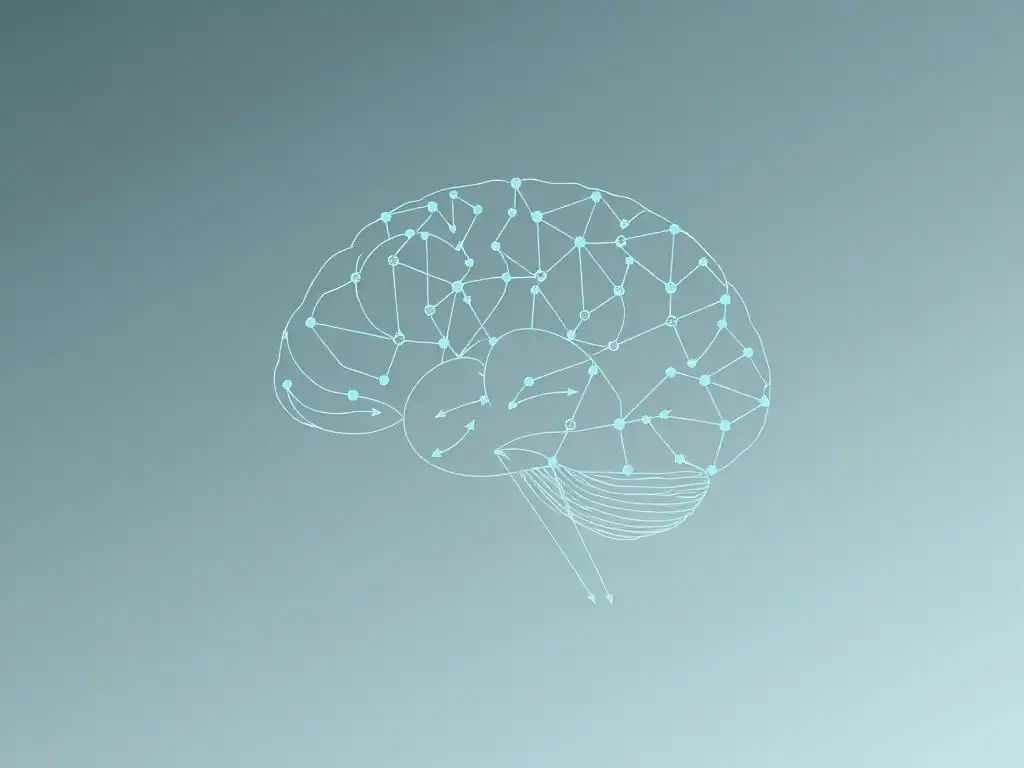
Effective note-taking is paramount for rapid and effective knowledge acquisition. It's not just about scribbling down words; it's about actively processing information and transforming it into a format you can easily recall and apply. This section explores several powerful strategies to help you learn faster by optimizing your note-taking process. Mastering these techniques will significantly boost your ability to retain and utilize the information you consume. This is crucial for anyone looking to improve their "learn faster: effective knowledge acquisition" skills.
The Cornell Method: A Structured Approach to Note-Taking
The Cornell Method is a time-tested technique that promotes active learning and enhances recall. It involves dividing your notebook page into three sections: a main note-taking area, a cues column, and a summary section.
During lectures or while reading, you take notes in the main area. Afterwards, in the cues column (typically to the left), you write keywords, questions, or prompts related to your notes. These cues act as retrieval cues, helping you access the information later. Finally, at the bottom of the page, you summarize the key concepts and ideas from the main notes.
This structured approach forces you to actively engage with the material, identify key points, and synthesize the information. For example, if you're learning about "learn faster: effective knowledge acquisition" strategies, you might write detailed notes on specific techniques in the main area, jot down questions like "How does spaced repetition work?" in the cues column, and then summarize the overall benefits of spaced repetition in the summary section. The Cornell Method is particularly useful for retaining factual information and preparing for exams. It encourages a more deliberate and focused approach to note-taking, leading to improved comprehension and retention.
Mind Mapping: Visualizing and Connecting Ideas
Mind mapping is a visual note-taking technique that leverages the brain's natural ability to connect ideas. Instead of linear notes, you create a central idea or concept and branch out from it with related subtopics and supporting details. This creates a visual representation of the information, making it easier to understand relationships and connections between concepts.
Using mind maps, you can organize complex information hierarchically, visually connecting key points and supporting evidence. For instance, when exploring "learn faster: effective knowledge acquisition," the central idea might be "Speed Reading," with branches for techniques like "Scanning," "Skimming," and "Chunking." Each branch could then further subdivide into specific strategies and examples. This visual approach helps to improve understanding and memory recall, especially for complex topics. The visual nature of mind mapping also allows for greater creativity and personalization, making the process more engaging and less tedious. The use of color, images, and keywords further enhances memory retention.
Digital Note-Taking Tools for Enhanced Organization and Recall
Digital note-taking tools offer several advantages over traditional pen-and-paper methods. They allow for easy organization, searchability, and integration with other productivity tools. Many applications offer features like tagging, keyword searching, and the ability to link notes together, creating a powerful knowledge management system.
Popular options include Evernote, OneNote, and Notion. These tools allow you to create structured notes, embed multimedia content, and easily share and collaborate on notes. The ability to search your notes quickly is a significant advantage, especially when trying to locate specific information related to your learning goals. For example, searching for "learn faster: effective knowledge acquisition" within a well-organized digital note repository will quickly yield relevant information.
This facilitates a streamlined review process and strengthens your ability to recall information effectively. Furthermore, the flexibility and portability of digital notes make them ideal for integrating into a busy lifestyle. The ability to access your notes from anywhere, anytime, significantly enhances your learning efficiency. Choosing the right digital tool depends on individual preferences and specific needs, but the benefits for enhanced organization and recall are undeniable.
Learn Faster: Effective Knowledge Acquisition Through Active Learning
This section delves into the core principles of active learning, a crucial component of effective knowledge acquisition. Passive consumption of information, like simply reading a textbook or watching a lecture, often leads to poor retention. Active learning, conversely, transforms you from a passive recipient into an active participant in the learning process, significantly boosting your ability to learn faster and retain more information. This translates directly into improved cognitive efficiency and a more productive use of your study time.
Engaging with the Material: Beyond Passive Consumption
Moving beyond passive learning requires a conscious shift in approach. Instead of simply absorbing information, actively engage with it. This means employing techniques that force your brain to process and interact with the material. Consider these strategies for more effective engagement:
- The Feynman Technique: Explain the concept you're learning as if you were teaching it to someone with no prior knowledge. Identifying gaps in your understanding during this process highlights areas requiring further study. This active recall strengthens memory significantly.
- Practice Testing: Regular self-testing, using flashcards or practice quizzes, is far more effective than rereading notes. This forces retrieval practice, a powerful technique for strengthening memory traces. Aim for spaced repetition, revisiting material at increasing intervals to optimize retention.
- Elaboration: Connect new information to what you already know. Create meaningful associations, analogies, and metaphors to deepen your understanding and make the material more memorable. For example, if learning about complex mathematical formulas, relate them to real-world scenarios you understand.
- Note-Taking Strategies: Avoid passive transcription. Instead, use active note-taking methods such as the Cornell Notes system or mind mapping. These methods require active processing and organization of information, leading to better comprehension and recall.
Learning doesn't happen in isolation. Engaging in discussions and collaborating with others significantly enhances your ability to learn faster and more effectively. The act of explaining concepts to others solidifies your understanding, while hearing different perspectives broadens your knowledge base.
Consider these collaborative learning strategies:
- Study Groups: Forming a study group provides a platform for discussion, questioning, and collaborative problem-solving. Explaining concepts to others and hearing their interpretations helps solidify your understanding and identify areas needing clarification. The diverse perspectives offered by group members can illuminate aspects you may have missed.
- Teaching Others: The most effective way to learn is to teach. By preparing to explain a concept to someone else, you're forced to organize your thoughts, identify knowledge gaps, and articulate your understanding clearly. This active engagement greatly improves retention.
- Online Forums and Communities: Engage with online communities related to your area of study. Participating in discussions, asking questions, and answering others' queries fosters a deeper understanding and exposes you to varied perspectives. This active participation reinforces learning and provides valuable feedback.
Applying Knowledge: Practical Application for Deeper Understanding
The ultimate test of learning is application. Simply acquiring knowledge is insufficient; you must apply it to solidify your understanding and develop practical skills. This active application transforms theoretical knowledge into tangible expertise.
Here are some ways to apply your knowledge effectively:
- Real-World Projects: Undertake projects that directly apply the knowledge you've acquired. This could involve building something, solving a problem, or creating something new. The hands-on experience consolidates learning and reveals practical limitations or unexpected challenges.
- Case Studies: Analyze case studies related to your field of study. This allows you to apply theoretical knowledge to real-world scenarios, strengthening your understanding and problem-solving skills.
- Simulations and Role-Playing: Engaging in simulations or role-playing exercises can provide valuable practical experience in a safe and controlled environment. This helps you apply knowledge in a context that mirrors real-world situations.
By consistently implementing these techniques, you'll dramatically improve your ability to learn faster and achieve effective knowledge acquisition, ultimately boosting your cognitive efficiency and overall productivity. Remember, learning is an active process; embrace it!
Consolidating Your Learning: From Acquisition to Mastery
This section focuses on transitioning from the initial acquisition of knowledge to its long-term retention and practical application. Effective learning isn't just about absorbing information; it's about transforming that information into usable skills and lasting understanding. We'll explore proven techniques to solidify your newly acquired knowledge and prevent it from fading away. Mastering this stage is crucial for maximizing your learning efficiency and achieving your goals faster. This is key to truly learn faster: effective knowledge acquisition.
Regular Review and Reinforcement: Preventing Knowledge Decay
The human brain is remarkably adept at forgetting. Without regular reinforcement, even recently acquired knowledge can quickly fade. The phenomenon of "knowledge decay" is a significant obstacle to effective learning. To combat this, implement a structured review schedule. Instead of cramming information before a test, space out your review sessions over time. This "spaced repetition" technique significantly enhances long-term retention.
For example, review new material within 24 hours of learning it. Then, review it again after three days, then seven days, and then again at increasing intervals. Utilize flashcards, mind maps, or summaries to facilitate your review process. The key is consistent engagement with the material, even in short bursts. This active recall strengthens neural pathways and improves memory consolidation – a vital element in learn faster: effective knowledge acquisition.
Consider using digital tools designed for spaced repetition, which automatically schedule reviews based on your performance. These tools can significantly optimize your review schedule and minimize the time commitment while maximizing the effectiveness. This active recall strengthens neural pathways and improves memory consolidation.
Testing Your Knowledge: Identifying Knowledge Gaps
Regular self-testing is an invaluable tool for identifying knowledge gaps and strengthening weak areas. It's not just about memorizing facts; it's about understanding concepts and applying them. Don't just passively reread notes; actively test yourself. Use practice questions, quizzes, or even teach the material to someone else (the Feynman Technique).
Create practice quizzes based on your learning materials, focusing on challenging concepts. Analyze your results to pinpoint areas where you struggle. This allows you to focus your efforts on strengthening those specific areas, optimizing your time and maximizing your learning efficiency. This targeted approach is essential for learn faster: effective knowledge acquisition. Don't be afraid to revisit challenging material multiple times; persistence is key to overcoming knowledge gaps.
Setting Realistic Goals and Tracking Progress: Measuring Your Success
Effective learning requires a strategic approach. Setting realistic, measurable, achievable, relevant, and time-bound (SMART) goals is crucial for maintaining motivation and tracking progress. Instead of vague goals like "learn more," define specific objectives. For instance, "master the fundamentals of Python programming within three months" is a much more effective goal.
Track your progress using a journal, spreadsheet, or a dedicated productivity app. This allows you to monitor your learning pace, identify areas needing improvement, and celebrate your accomplishments. Regularly reviewing your progress provides valuable feedback, allowing you to adjust your learning strategies as needed. This self-assessment is a powerful tool for continuous improvement in your journey to learn faster: effective knowledge acquisition. Remember to celebrate milestones along the way; positive reinforcement is crucial for maintaining momentum and achieving long-term success. This data-driven approach empowers you to refine your learning strategies and achieve mastery more effectively.
Maintaining Momentum: Long-Term Strategies for Continuous Learning
Learning faster isn't just about mastering techniques; it's about building sustainable habits. Effective knowledge acquisition requires consistent effort over time. This section focuses on strategies to maintain momentum and ensure your learning journey remains a source of continuous growth and development, not a sprint followed by a crash. The key is to integrate learning into your lifestyle, not treat it as a separate, burdensome task.
Building a Consistent Learning Habit: Small Steps, Big Results
The most effective way to learn faster and retain more information long-term is to establish a consistent learning habit. Don't aim for massive, overwhelming study sessions. Instead, focus on small, manageable steps. Think of it like compound interest – small, regular contributions yield significant results over time.
Here's a practical approach:
- The 15-Minute Rule: Dedicate just 15 minutes each day to focused learning. This is far more achievable than a two-hour block and prevents burnout. Even 15 minutes of focused attention can make a significant difference in your knowledge acquisition.
- The Pomodoro Technique: Work in focused bursts of 25 minutes, followed by a 5-minute break. This structured approach helps maintain concentration and prevents mental fatigue, crucial for effective learning.
- Habit Stacking: Link your learning to an existing habit. For example, listen to an educational podcast while commuting or review flashcards while waiting in line. This passive learning method is surprisingly effective.
- Track Your Progress: Use a journal, app, or spreadsheet to monitor your learning time and achievements. Seeing tangible progress boosts motivation and reinforces the habit. This visual representation of your success is a powerful motivator. 📈
Remember, consistency is key. Small, regular efforts are far more impactful than sporadic bursts of intense activity when it comes to truly mastering the art of effective knowledge acquisition and learning faster.
Adapting Your Learning Strategies: Continuous Improvement
Effective knowledge acquisition isn't a one-size-fits-all approach. What works for one person might not work for another. Regularly evaluating and adapting your learning strategies is crucial for maximizing your efficiency and maintaining momentum.
Consider these points:
- Experiment with Different Techniques: Explore various learning methods – spaced repetition, Feynman technique, active recall – to discover what resonates best with your learning style. Don't be afraid to try new approaches and see what works best for you.
- Seek Feedback: Ask for feedback from peers, mentors, or teachers to identify areas for improvement. Constructive criticism can help you refine your methods and accelerate your learning.
- Analyze Your Weaknesses: Identify your learning weaknesses and proactively address them. Are you struggling with note-taking? Do you find it difficult to stay focused? Addressing these weaknesses directly will significantly improve your overall efficiency.
- Regularly Review Material: Don't just passively consume information. Actively review and test yourself on previously learned material. Spaced repetition systems are extremely effective for long-term retention.
Embracing Lifelong Learning: A Mindset for Success
The ability to learn faster and acquire knowledge effectively isn't a destination; it's a journey. Embracing a lifelong learning mindset is essential for continuous growth and success in any field.
- Cultivate Curiosity: Nurture your natural curiosity and actively seek out new knowledge and challenges. A curious mind is a constantly learning mind.
- Embrace Challenges: Don't shy away from difficult topics or challenges. Stepping outside your comfort zone is essential for growth and expanding your knowledge base. Learning to learn faster often involves facing challenges head-on.
- Stay Updated: In today's rapidly evolving world, staying current with the latest developments in your field is crucial. Make a conscious effort to stay informed and adapt your knowledge accordingly.
- Network with Others: Connect with other learners and experts in your field. Sharing knowledge and experiences can accelerate your learning and provide valuable insights.
Learning faster is a skill that can be developed and honed over time. By implementing these long-term strategies and embracing a lifelong learning mindset, you can unlock your full potential and achieve remarkable results in your knowledge acquisition journey. Remember, consistency and adaptability are your greatest allies in mastering the art of effective knowledge acquisition.
Frequently Asked Questions
How can I learn new information more quickly?
Focus on active recall techniques like testing yourself frequently and summarizing information in your own words. Spaced repetition is also key—reviewing material at increasing intervals.
What are some effective study techniques for faster learning?
Employ active learning strategies like the Feynman Technique (explaining concepts simply) and the Pomodoro Technique (focused bursts of study with short breaks). Minimize distractions during your study sessions.
Is there a way to improve my memory while learning?
Yes! Use mnemonic devices (memory aids) and connect new information to what you already know. Chunking information into smaller, manageable units also helps.
How can I stay motivated to learn quickly and effectively?
Set realistic goals and celebrate your achievements. Find a learning style that suits you and make it enjoyable. Consider using rewards for progress.
What role does sleep play in faster knowledge acquisition?
Sufficient sleep is crucial for consolidating memories and improving learning. Aim for 7-9 hours of quality sleep per night to optimize your learning process.
Final Reflection: Mastering the Art of Accelerated Learning
The relentless pace of modern life demands we learn faster and more effectively than ever before. Failing to adapt to this reality means falling behind, a prospect increasingly daunting in our rapidly evolving world. This isn't just about accumulating information; it's about cultivating a mindset that embraces continuous growth and empowers us to navigate complexity with confidence.
The methods explored in this article—from strategic note-taking and spaced repetition to mindful learning and leveraging technology—are not merely techniques; they represent a shift in our relationship with knowledge itself. They challenge the traditional, often passive, approach to learning and instead advocate for a proactive, engaged, and personalized journey. As the great philosopher Seneca once wrote, Every new beginning comes from some other beginning's end.
Embracing these strategies isn't just about acquiring new skills; it's about ending the cycle of inefficient learning and beginning a new chapter of accelerated growth and self-discovery.
Now, consider your own learning habits. What strategies resonate most with you? Which areas need refinement? I encourage you to experiment with the techniques discussed, to tailor them to your unique learning style, and to embrace the empowering potential of rapid and effective knowledge acquisition. The journey of lifelong learning is a marathon, not a sprint, but with the right tools and mindset, you can run it with speed, grace, and unwavering determination. Begin today. Your future self will thank you.
Unlock Your Learning Potential: Start Mastering Knowledge Today!
Thank you for exploring the secrets of rapid knowledge acquisition! We hope you gained valuable insights into accelerating your learning. Now it's time to put your knowledge into practice.
Here's how you can transform your learning experience:
- Implement a new learning strategy from this week's article. Focus on the technique that best suits your learning style and current goals. This is key to making immediate progress.
- Share your biggest learning breakthrough in the comments below—inspire others and solidify your own understanding!
- Challenge yourself to learn a new skill within the next month using the principles discussed, and document your progress.
What new skill will you master first, and how will this accelerated learning approach impact your life?