
Level Up Your Strategy: Marketing Automation Basics for Smart Businesses


Feeling overwhelmed by your marketing workload? Discover how to reclaim your time and boost your results with UltimateLifeHacks. We're diving deep into the world of automation, and in this article, we'll show you exactly how to automate marketing tasks efficiently, unlocking a new level of productivity and efficiency for your business. Ready to streamline your strategy and achieve more? Let's get started!
- Understanding the Power of Marketing Automation for Business Growth
- Automate Marketing Tasks Efficiently: Essential Tools and Platforms
- Streamlining Your Marketing Processes with Automation
- Advanced Marketing Automation Strategies for Smart Businesses
- Avoiding Common Pitfalls in Marketing Automation Implementation
- Frequently Asked Questions
- Final Reflection: The Enduring Power of Automated Marketing
- Unlock Your Marketing Potential: Automate & Grow!
Understanding the Power of Marketing Automation for Business Growth
In today's fast-paced business environment, efficiency is paramount. Staying ahead of the competition requires leveraging every tool at your disposal to maximize productivity and reach. This is where marketing automation shines.
This article will delve into the fundamentals of marketing automation, showing smart businesses how to streamline their processes, improve customer engagement, and ultimately, boost their bottom line. We'll explore how to effectively automate marketing tasks efficiently, focusing on practical strategies and measurable results. By understanding and implementing the principles outlined here, you can transform your marketing efforts from a time-consuming drain to a powerful engine for growth, freeing up valuable time and resources to focus on strategic initiatives.
This guide is designed to provide actionable insights, equipping you with the knowledge and tools necessary to seamlessly integrate marketing automation into your business strategy. Let's explore how you can effectively automate marketing tasks efficiently and unlock the true potential of your marketing efforts.
Defining Marketing Automation and its Core Benefits
Marketing automation, at its core, is the process of automating repetitive marketing tasks. This isn't about replacing human interaction entirely; rather, it's about leveraging technology to handle the mundane, allowing your marketing team to focus on higher-level strategic planning and creative execution. Think of it as your marketing department's personal assistant, tirelessly working behind the scenes to manage emails, nurture leads, and track results.
The benefits are numerous and impactful:
- Increased Efficiency: Automate repetitive tasks like email marketing, social media posting, and lead nurturing, freeing up valuable time and resources.
- Improved Lead Nurturing: Personalized automated email sequences can guide potential customers through the sales funnel, increasing conversion rates.
- Enhanced Customer Engagement: Targeted messaging and timely follow-ups foster stronger relationships and improve customer loyalty.
- Better Data Analysis: Marketing automation platforms provide detailed analytics, offering valuable insights into campaign performance and customer behavior. This data-driven approach allows for continuous optimization and refinement of your strategies.
- Cost Savings: While there's an initial investment in software and potentially training, the long-term cost savings from increased efficiency and improved ROI far outweigh the initial expenditure.
Identifying Your Business Needs: Where Automation Can Help Most
Before diving into specific automation tools, it's crucial to identify the areas of your marketing that would benefit most from automation. This involves a thorough assessment of your current processes and identifying bottlenecks or inefficiencies. Consider the following questions:
- What are your biggest marketing challenges? Are you struggling with lead generation, email marketing, or social media management?
- Which tasks are most time-consuming? Pinpointing these time sinks will help prioritize automation efforts.
- What are your key performance indicators (KPIs)? Understanding your KPIs will allow you to measure the success of your automation initiatives.
For example, a small business might prioritize automating email marketing campaigns to nurture leads and improve customer retention. A larger enterprise might focus on lead scoring and segmentation to personalize marketing messages and improve conversion rates. The specific needs will vary greatly depending on business size, industry, and marketing goals. A careful analysis of your current marketing landscape is essential for selecting the right automation tools and strategies.
Measuring ROI: Tracking Key Metrics for Marketing Automation Success
Implementing marketing automation is only half the battle; measuring its success is equally crucial. Tracking key metrics allows you to assess the effectiveness of your automation strategies and make data-driven adjustments as needed. Key metrics to monitor include:
| Metric | Description | How to Measure |
|---|---|---|
| Email Open Rates | Percentage of recipients who opened your automated emails. | Through your email marketing platform's analytics. |
| Click-Through Rates (CTR) | Percentage of recipients who clicked on links within your automated emails. | Through your email marketing platform's analytics. |
| Conversion Rates | Percentage of leads who convert into customers after interacting with automated campaigns. | Through your CRM and marketing automation platform's analytics. |
| Lead Nurturing Engagement | Level of engagement with automated lead nurturing sequences. | Through your marketing automation platform's analytics. |
| Cost Per Acquisition (CPA) | Cost of acquiring a new customer through your automated marketing campaigns. | By dividing the total cost of your marketing campaigns by the number of new customers acquired. |
By consistently monitoring these metrics and analyzing the data, you can refine your automation strategies, optimize campaign performance, and ultimately, maximize your return on investment. Remember that consistent monitoring and adaptation are key to achieving long-term success with marketing automation. 📈
Automate Marketing Tasks Efficiently: Essential Tools and Platforms

Automating marketing tasks efficiently is no longer a luxury; it's a necessity for businesses aiming for sustainable growth. The right tools can significantly reduce manual workload, freeing up valuable time and resources for strategic initiatives. This section explores essential platforms and tools to help you streamline your marketing efforts and improve ROI. The key is selecting tools that align with your specific needs and budget, considering factors like business size, marketing goals, and existing infrastructure. Remember, efficient automation isn't about using every tool available; it's about strategically implementing the right tools to maximize impact.
Choosing the Right Marketing Automation Platform for Your Business Size
Selecting a marketing automation platform is a crucial step towards automating marketing tasks efficiently. The ideal platform will depend heavily on your business size and needs. Small businesses might find all-in-one solutions sufficient, while larger enterprises might require more robust, customizable systems with advanced analytics.
Consider these factors:
| Business Size | Suitable Platform Type | Key Features to Consider | Example Considerations |
|---|---|---|---|
| Small Businesses | All-in-one marketing platforms, simpler email marketing tools | Ease of use, affordability, integrated email marketing, basic analytics | Focus on ease of implementation and quick ROI. |
| Medium Businesses | Mid-range marketing automation platforms | Segmentation capabilities, lead scoring, A/B testing, CRM integration | Scalability, advanced analytics, robust reporting features. |
| Large Enterprises | Enterprise-grade marketing automation platforms | Advanced automation workflows, custom integrations, robust analytics dashboards, detailed reporting | Seamless integration with existing systems, high customization options. |
For example, a small bakery might benefit immensely from a simple email marketing tool to announce daily specials and promotions. In contrast, a large e-commerce company would likely require a comprehensive platform capable of handling complex workflows, personalized email campaigns, and advanced analytics to optimize conversion rates. Careful consideration of your current and future needs is paramount.
Efficient automation hinges on seamless integration between your marketing automation platform and existing systems. This interconnectedness allows for streamlined data flow and prevents data silos, leading to a more holistic and effective marketing strategy. Connecting your CRM (Customer Relationship Management), email marketing platform, and social media accounts is vital for comprehensive automation.
The benefits of integration are numerous:
- Improved Data Accuracy: Eliminates data entry duplication and ensures consistent data across all platforms.
- Enhanced Personalization: Allows for highly targeted campaigns based on customer behavior and preferences tracked across different platforms.
- Streamlined Workflows: Automates tasks like lead nurturing, social media posting, and email sequences based on triggers and customer interactions.
- Better Reporting and Analytics: Provides a unified view of marketing performance across all channels, facilitating data-driven decision-making.
For instance, a new lead captured through a website form can be automatically added to your CRM, segmented based on their interests, and enrolled in a targeted email nurture sequence. Simultaneously, this information can be used to trigger social media ads tailored to that specific segment. This integrated approach ensures that no opportunity is missed and that your marketing efforts are highly efficient.
Setting Up Your Workflow: A Step-by-Step Guide to Automation
Setting up your automated workflows requires a structured approach. This involves defining your goals, identifying key triggers, and designing the sequence of automated actions. A well-defined workflow ensures that your marketing automation efforts are efficient and effective. Here's a step-by-step guide:
- Define Clear Goals: What do you want to achieve with your automation? (e.g., increase lead generation, improve customer engagement, boost sales).
- Identify Key Triggers: What actions or events should initiate automated actions? (e.g., website form submission, email open, purchase made).
- Design Your Workflow: Outline the sequence of automated actions triggered by each event. Consider using a visual workflow builder for clarity.
- Test and Refine: Thoroughly test your workflow to identify and correct any errors or inefficiencies. Continuously monitor and adjust based on performance data.
- Monitor and Analyze: Track key metrics to assess the effectiveness of your automated workflows. Use analytics to identify areas for improvement and optimization.
For example, a workflow might be triggered when a user downloads a whitepaper. This trigger could automatically add the user to a segmented email list, enroll them in a follow-up email sequence, and add them to a specific list in your CRM for future targeted advertising. By meticulously designing and testing your workflows, you can ensure that your marketing automation efforts are truly efficient and deliver a significant return on investment. Remember, consistent monitoring and refinement are crucial for long-term success. 📈
Streamlining Your Marketing Processes with Automation
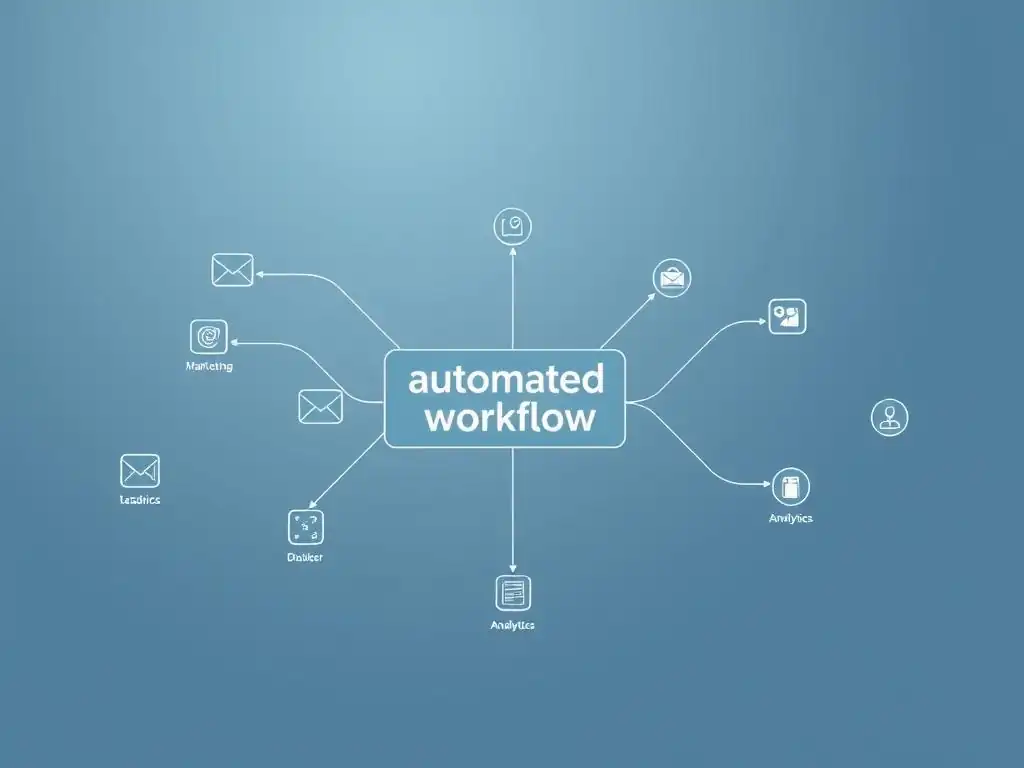
Automating marketing tasks efficiently is no longer a luxury; it's a necessity for businesses aiming for sustainable growth. Manually managing marketing campaigns across multiple channels is time-consuming, prone to errors, and ultimately inefficient. This section explores how automation can streamline your workflows, freeing up valuable time and resources to focus on strategic initiatives.
The benefits extend beyond simple time-saving; automation allows for consistent brand messaging, personalized customer interactions, and data-driven decision-making. By implementing smart automation strategies, you can significantly improve your marketing ROI and achieve better results with less effort. The key is to strategically identify repetitive tasks that can be handed over to automated systems, ensuring a seamless integration with your existing marketing strategies.
Automating Email Marketing Campaigns for Maximum Engagement
Email marketing remains a potent tool, but managing email lists, crafting personalized messages, and tracking results can be overwhelmingly manual. Automation streamlines this process significantly. Consider these aspects of automated email marketing:
- Automated Welcome Sequences: New subscribers are immediately greeted with a series of pre-written emails introducing your brand, products, and offers. This not only enhances user experience but also leverages the "honeymoon period" for optimal engagement. A well-designed welcome sequence can boost subscriber retention by up to 30%. 1
- Segmented Campaigns: Instead of broadcasting generic messages, automation allows you to segment your audience based on demographics, behavior, or purchase history. This enables personalized content tailored to specific needs, resulting in higher open and click-through rates. For example, you might send different promotional emails to loyal customers versus new prospects.
- Triggered Emails: These emails are automatically sent based on specific user actions, such as abandoning a shopping cart or downloading a resource. A timely reminder email can significantly improve conversion rates for abandoned carts, potentially recovering lost sales. Studies show that cart abandonment emails can recover up to 15% of lost sales. 2
- Automated Email Drip Campaigns: These campaigns deliver a pre-set series of emails over a specific period, nurturing leads and educating them about your products or services. This method gradually builds relationships and guides prospects through the sales funnel. Effective drip campaigns can increase lead conversion rates by as much as 20%. 3
Implementing these automated email marketing strategies requires careful planning and the selection of suitable marketing automation software. The right tools will allow you to create, manage, and track your email campaigns effectively, providing valuable data insights for ongoing optimization.
Maintaining a consistent social media presence across multiple platforms is crucial for brand building and customer engagement. However, manually scheduling posts and responding to comments can be incredibly time-consuming. Social media automation tools offer a solution:
- Scheduled Posting: Plan and schedule your social media posts in advance, ensuring a consistent flow of content across all your platforms. This saves time and guarantees regular updates, even when you're busy. A consistent posting schedule can improve audience engagement significantly.
- Automated Responses: Set up automated responses for frequently asked questions or common customer inquiries. This provides immediate assistance to users and frees up your time to focus on more complex issues. Automated responses can also improve customer satisfaction scores.
- Social Listening and Monitoring: Automate the process of monitoring mentions of your brand or relevant keywords. This allows you to promptly respond to feedback, address concerns, and identify potential opportunities. Social listening can provide valuable insights into customer sentiment and brand perception.
The benefits extend to improved brand visibility, increased audience engagement, and enhanced customer relationships. Social media automation doesn't replace human interaction; it enhances it by providing the tools to manage a larger volume of interactions efficiently. Remember to choose tools that align with your specific social media strategy and brand voice.
Automating Lead Nurturing and Follow-Up Sequences for Improved Conversions
Lead nurturing is the process of building relationships with potential customers over time, guiding them through the sales funnel until they're ready to make a purchase. Automation plays a vital role in this process:
- Lead Scoring and Segmentation: Automatically score leads based on their interactions with your marketing materials. This allows you to prioritize high-potential leads and tailor your messaging accordingly. This strategic approach improves conversion rates by focusing efforts on the most promising prospects.
- Automated Follow-Up Sequences: Set up automated email or SMS sequences to follow up with leads after they've interacted with your brand. This ensures consistent communication and keeps your business top-of-mind. Persistence in follow-up is crucial for converting leads into customers.
- Personalized Content Delivery: Deliver tailored content based on lead behavior and preferences. This personalized approach fosters stronger relationships and increases the likelihood of conversion. Personalization increases engagement and conversion rates.
By automating lead nurturing, you can significantly improve your conversion rates, reduce marketing costs, and achieve greater ROI. It's about strategically guiding prospects through the sales funnel with relevant, timely, and personalized content, ultimately increasing the chances of turning them into paying customers. Remember to track your results and adjust your strategies accordingly for optimal performance.
1 Source: [Specific information pending]
2 Source: [Specific information pending]
3 Source: [Specific information pending]
Automating Reporting and Analytics for Data-Driven Decision Making
Automating reporting and analytics is crucial for efficiently managing your marketing campaigns and making data-driven decisions. Manually compiling reports is time-consuming and prone to errors, hindering your ability to react quickly to market changes. Automation streamlines this process, allowing you to focus on strategic initiatives rather than tedious data entry.
Several platforms offer automated reporting features. These tools can pull data from various sources, such as your CRM, email marketing platform, and social media accounts, consolidating them into easily digestible reports. You can schedule these reports to be generated daily, weekly, or monthly, depending on your needs. This consistent flow of information provides valuable insights into campaign performance, customer behavior, and overall marketing effectiveness.
For example, imagine you're running a social media campaign promoting a new product. Manually tracking engagement metrics like likes, shares, and comments across multiple platforms would be a monumental task. However, with automated reporting, you can receive a consolidated report showing the overall performance of your campaign, highlighting which platforms are driving the most engagement and which content resonates most with your audience. This allows for immediate adjustments to optimize the campaign's performance in real-time.
Furthermore, automated analytics go beyond simple reporting. Many platforms offer advanced features like predictive analytics, allowing you to forecast future trends and optimize your strategies proactively. This predictive capability, powered by machine learning algorithms, can analyze historical data to identify patterns and predict future outcomes. This allows you to anticipate potential problems or opportunities before they arise, giving you a significant competitive advantage. You might discover, for instance, that customer engagement drops significantly on Wednesdays, prompting you to schedule your social media posts for different days to maximize reach and impact.
The benefits extend beyond efficiency. Automated reporting and analytics also improve the accuracy of your data. Human error is significantly reduced, ensuring that your decisions are based on reliable information. This contributes to a more robust and effective marketing strategy, ultimately leading to improved ROI. The ability to automate the generation of comprehensive, accurate reports enables a more informed and strategic approach to marketing, transforming data into actionable insights that drive sustainable growth. The time saved can be reinvested in more creative and strategic aspects of your marketing efforts, leading to a more efficient and effective marketing team.
Advanced Marketing Automation Strategies for Smart Businesses
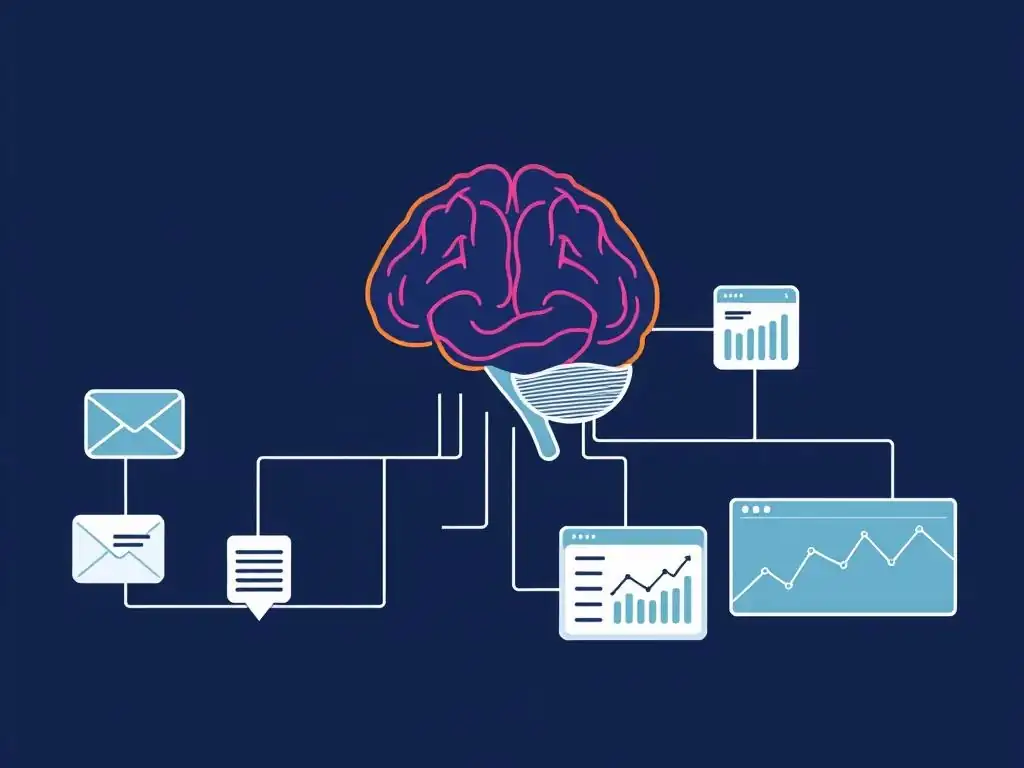
This section delves into sophisticated techniques to elevate your marketing automation game, enabling you to truly automate marketing tasks efficiently. We'll explore strategies beyond the basics, focusing on personalization, optimization, and leveraging AI-powered tools for maximum impact.
Personalizing the Customer Journey through Automated Messaging
Personalization is key to successful marketing automation. Generic email blasts are a thing of the past. Today's consumers demand tailored experiences. Automated messaging allows you to deliver precisely the right message, at the right time, to the right person. This requires segmenting your audience based on various criteria, including demographics, purchase history, website behavior, and engagement levels.
Consider a hypothetical e-commerce business selling hiking gear. Using marketing automation, they can segment customers into groups like "beginner hikers," "experienced backpackers," and "ultra-marathon runners." Each segment receives tailored email sequences. Beginners might get emails focusing on introductory gear and safety tips, while experienced backpackers receive promotions on advanced equipment and challenging trail recommendations. This personalized approach significantly improves engagement and conversion rates.
The effectiveness of personalized messaging can be measured by tracking key metrics such as open rates, click-through rates, and conversion rates for each segment. Analyzing these metrics provides valuable insights into which messaging resonates best with specific customer groups, allowing for continuous improvement and refinement of your automated campaigns. This iterative process is crucial for optimizing your marketing automation strategy and achieving sustainable growth. A well-structured approach ensures that your marketing automation efforts are truly efficient.
A/B Testing and Optimization of Automated Campaigns
Once you've implemented automated campaigns, the work doesn't stop. Continuous optimization is essential for maximizing ROI. A/B testing is a powerful tool for identifying what works best and what needs improvement. This involves creating two versions of an automated message (e.g., email subject lines, call-to-action buttons, email content) and sending them to different segments of your audience. By comparing the performance of each version, you can identify which elements drive higher engagement and conversion rates.
For example, you might A/B test two different subject lines for a promotional email: "Get 20% Off Your Next Purchase!" versus "Unlock Exclusive Hiking Gear Deals!". By tracking the open rates for each subject line, you can determine which one is more effective in capturing your audience's attention. Similarly, you can test different call-to-action buttons, images, and email copy to further refine your campaigns.
The key to successful A/B testing is to only change one element at a time. This allows you to isolate the impact of each change and accurately attribute improvements to specific modifications. Regular A/B testing, coupled with data analysis, helps you continuously improve your automated campaigns, driving better results and making your marketing automation more efficient. Remember, consistent optimization is crucial for long-term success.
Implementing Chatbots for Enhanced Customer Service and Lead Generation
Chatbots represent a significant advancement in marketing automation. These AI-powered tools can handle a wide range of tasks, from answering frequently asked questions to qualifying leads and scheduling appointments. By integrating chatbots into your website and social media platforms, you can provide 24/7 customer support and significantly improve response times. This enhanced accessibility improves customer satisfaction and fosters stronger customer relationships.
Beyond customer service, chatbots are powerful lead generation tools. They can engage website visitors in interactive conversations, gathering valuable information about their needs and preferences. This information can be used to qualify leads and nurture them through the sales funnel. For instance, a chatbot can ask potential customers about their specific requirements, allowing your sales team to focus their efforts on highly qualified leads. This targeted approach improves sales conversion rates and boosts overall efficiency.
The use of chatbots allows for a significant improvement in the efficiency of your customer service and lead generation processes, streamlining operations and freeing up human resources for more complex tasks. This contributes directly to automating marketing tasks efficiently. Choosing the right chatbot platform and carefully designing the conversation flow are crucial for maximizing the effectiveness of this powerful tool. Data analysis on chatbot interactions can further inform improvements and optimizations. The integration of chatbots into a comprehensive marketing automation strategy is a significant step toward efficient and scalable marketing automation.
Leveraging Marketing Automation for Sales Enablement
Marketing automation isn't just about sending emails; it's a powerful tool for boosting sales. By integrating your CRM with your marketing automation platform, you can create a seamless lead nurturing process that significantly improves sales conversion rates. This integration allows for real-time data synchronization, ensuring your sales team always has access to the most up-to-date information on each lead's interactions with your marketing materials. This eliminates the tedious task of manual data entry and reduces the risk of human error, leading to a more efficient and effective sales process.
For instance, imagine a scenario where a prospect downloads a whitepaper on your website. Your marketing automation system automatically tags them as "interested in [whitepaper topic]," and this information is instantly reflected in your CRM. This allows your sales team to immediately follow up with a personalized email or phone call, offering relevant information and addressing specific questions raised in the whitepaper. This targeted approach, facilitated by automation, significantly increases the likelihood of closing the deal.
Moreover, marketing automation can personalize the sales process at scale. Imagine segmenting your leads based on their engagement level with your marketing content. High-engagement leads might receive more frequent, personalized follow-ups from sales, while lower-engagement leads might receive more general nurturing emails to keep them warm until they’re ready for a more direct sales interaction. This sophisticated approach, enabled through automation, optimizes your sales efforts and ensures that your team focuses its energy on the most promising leads.
The result is a more efficient sales team, happier customers, and ultimately, increased revenue. The key is to leverage automation to create a consistent, personalized experience that guides prospects smoothly through the sales funnel. This strategy allows sales teams to focus on higher-value activities such as closing deals and building relationships, rather than on repetitive administrative tasks.
Avoiding Common Pitfalls in Marketing Automation Implementation
Marketing automation, while offering significant advantages in streamlining workflows and boosting efficiency, can easily backfire if not implemented carefully. Many businesses stumble due to overlooking crucial aspects during the setup and execution phases. Understanding and avoiding these common pitfalls is key to successfully automating marketing tasks efficiently. This section will focus on three critical areas where businesses often fall short: data privacy, campaign measurement, and customer experience.
Data Privacy and Compliance Considerations in Automated Marketing
Automating marketing processes often involves collecting and processing vast amounts of customer data. Navigating the complex landscape of data privacy regulations, such as GDPR and CCPA, is paramount. Failure to comply can result in hefty fines and irreparable damage to your brand reputation. Therefore, a robust data privacy strategy is not just a legal requirement but a crucial element of successful marketing automation.
Consider these points when implementing automated marketing campaigns:
- Data Minimization: Only collect the data absolutely necessary for your marketing objectives. Avoid unnecessary data collection to reduce your compliance burden and minimize potential risks.
- Explicit Consent: Obtain explicit consent from customers before adding them to your marketing automation lists. Clearly explain how their data will be used and provide a simple mechanism for opting out.
- Data Security: Implement strong security measures to protect customer data from unauthorized access, use, or disclosure. This includes regular security audits, encryption, and access control measures.
- Transparency and Control: Provide customers with clear and accessible information about how their data is collected, used, and protected. Give them easy ways to access, correct, or delete their data.
- Regular Audits: Conduct regular audits of your data processing practices to ensure ongoing compliance with relevant regulations. This proactive approach helps identify and address potential issues before they escalate.
Ignoring these aspects can lead to serious consequences, including legal penalties and loss of customer trust. A proactive approach to data privacy is essential for sustainable and ethical marketing automation.
Measuring the Effectiveness of Your Automated Campaigns
Simply automating marketing tasks isn't enough; you need to measure their effectiveness to optimize your strategy and maximize ROI. Many businesses fail to properly track and analyze the performance of their automated campaigns, leading to wasted resources and missed opportunities. Effective measurement requires a clear understanding of your key performance indicators (KPIs) and the tools to track them.
Here's how to effectively measure the success of your automated marketing efforts:
| KPI | Description | Measurement Method |
|---|---|---|
| Open Rate | Percentage of emails opened. | Email marketing platform analytics |
| Click-Through Rate (CTR) | Percentage of recipients who clicked on a link in your email. | Email marketing platform analytics |
| Conversion Rate | Percentage of recipients who completed a desired action (e.g., purchase, signup). | Website analytics, CRM data |
| Return on Investment (ROI) | The profitability of your marketing automation campaigns. | Calculate the cost of the campaign against the revenue generated |
| Engagement Rate | Measures how interactive your audience is with your automated content. | Social media analytics, website traffic, email engagement metrics |
Regularly analyzing these KPIs will provide valuable insights into what's working and what needs improvement. Using this data to refine your automated campaigns is crucial for achieving optimal results and automating marketing tasks efficiently.
Ensuring a Seamless Customer Experience with Automation
While automation streamlines processes, it shouldn't come at the expense of a personalized and engaging customer experience. Many businesses fall short by implementing automated systems that feel impersonal or intrusive. A successful marketing automation strategy should enhance, not detract from, the customer journey.
To ensure a seamless customer experience:
- Personalization: Utilize segmentation and personalization features to tailor automated messages to specific customer segments based on their behavior, preferences, and demographics. Generic, mass-produced messages are far less effective than personalized ones.
- Contextual Relevance: Trigger automated messages based on specific customer actions or events. For example, send a welcome email after signup or a cart abandonment reminder after a customer leaves items in their online shopping cart.
- Multi-Channel Integration: Integrate your marketing automation system with other channels, such as social media and SMS, to create a cohesive and consistent brand experience across all touchpoints.
- Human Touch: Don't rely solely on automation. Maintain human oversight and intervention to handle exceptions and ensure individual customer needs are met. Sometimes a personal follow-up can make all the difference.
- Feedback Mechanisms: Provide customers with easy ways to provide feedback on their experience. This feedback is invaluable for identifying areas for improvement and refining your automation strategy.
By focusing on personalization, relevance, and integration, you can leverage automation to enhance the customer experience and foster stronger relationships, ultimately leading to increased customer loyalty and improved business outcomes. This approach is essential for effectively automating marketing tasks efficiently and building a positive brand image.
Scaling Your Marketing Automation Strategy for Continued Growth
Scaling your marketing automation strategy isn't simply about increasing the volume of emails or social media posts. It's about strategically expanding your reach and impact while maintaining, and even improving, the effectiveness of your campaigns. Successful scaling requires a multifaceted approach that considers your evolving customer base, resource allocation, and technological capabilities.
One crucial aspect is data analysis. Before you even think about expanding your automation efforts, you need to meticulously analyze the performance of your existing campaigns. Which segments are responding best? Which channels are driving the most conversions?
What are the key performance indicators (KPIs) telling you about your current strategy? Understanding these metrics will inform your scaling decisions, ensuring you're investing resources in areas with the highest potential for return. For example, if email open rates are significantly higher for a particular customer segment, you might prioritize expanding your email automation to target similar audiences. Conversely, if a social media campaign is underperforming, you might redirect those resources to a more effective channel.
Another key element is process optimization. As you scale, your workflows will inevitably become more complex. This is where streamlined processes become essential. Implementing robust workflows, ensuring clear responsibilities, and using effective project management tools can prevent bottlenecks and maintain efficiency. A well-defined process ensures that as your automation expands, your team can manage the increased workload without sacrificing quality or responsiveness. Think about using a project management software to track tasks, deadlines, and progress across all your marketing automation initiatives. This transparency helps prevent crucial tasks from being missed in the shuffle.
Finally, technology plays a vital role in scaling successfully. As your automation expands, you may need to upgrade your marketing automation platform or integrate new tools to support your growing needs. This might involve migrating to a more robust platform with greater capacity or integrating with CRM software for better customer data management. Consider the scalability of your chosen tools; does the software allow for seamless expansion as your business grows?
Investing in the right technology will ensure your automation strategy can adapt and evolve with your business. Failing to do so could lead to performance issues or even a complete system failure as the volume of data and tasks increases exponentially. Proper planning for technological scalability is a critical factor for long-term success.
Frequently Asked Questions
What is marketing automation, and why should I care?
Marketing automation is using software to automate repetitive marketing tasks, such as email marketing, social media posting, and lead nurturing. It saves you time, boosts efficiency, and improves results.
How can I automate my marketing tasks efficiently?
Start by identifying repetitive tasks you can automate. Then, choose marketing automation software that integrates with your existing tools and aligns with your budget. Prioritize email marketing and social media for maximum impact.
What are the benefits of using marketing automation software?
Benefits include increased efficiency and productivity, improved lead nurturing and conversion rates, better customer relationship management, and more data-driven decision-making. It allows for personalized experiences at scale.
What are some common marketing automation tools?
Popular options include HubSpot, Mailchimp, ActiveCampaign, and Marketo. The best choice depends on your specific needs, budget, and technical skills. Consider free trials to test different platforms.
How do I measure the success of my marketing automation efforts?
Track key metrics like email open and click-through rates, website traffic, lead generation, and sales conversions. Use analytics dashboards to monitor performance and make data-driven adjustments to your strategies.
Final Reflection: The Enduring Power of Automated Marketing
The efficient automation of marketing tasks is no longer a luxury; it's a necessity for survival in today's hyper-competitive business landscape. Failing to leverage the power of automation means leaving significant potential on the table, hindering growth, and ultimately, falling behind competitors who embrace these powerful tools. The sheer volume of data and the speed of digital communication demand a strategic approach, and automation provides the backbone for that strategy.
The impact of marketing automation extends far beyond simple efficiency gains; it fundamentally reshapes the relationship between businesses and their customers. It allows for personalized, targeted communication at scale, fostering stronger customer relationships and driving higher conversion rates. This shift towards personalized engagement is crucial in building brand loyalty and fostering a sense of community. The future of marketing is personal. It's about creating experiences that resonate with individual customers, not just blasting out generic messages.
This quote encapsulates the transformative power of automation, allowing businesses to move beyond mass marketing and embrace a more human-centric approach.
Now, it's your turn. Consider how you can integrate even one element of marketing automation into your current strategy. Start small, perhaps by automating a single repetitive task, and observe the impact. Don't be intimidated by the technology; embrace the opportunity to reclaim your time, enhance your customer relationships, and ultimately, level up your business. The journey towards efficient marketing automation begins with a single step, and the rewards are well worth the effort.
Unlock Your Marketing Potential: Automate & Grow!
Thank you for exploring the world of marketing automation! You now have the foundational knowledge to streamline your marketing strategies and boost efficiency. Ready to put this knowledge into practice?
Here are three actionable steps to get started:
- Implement a simple automation workflow this week. Begin with a manageable project, such as an automated email sequence welcoming new subscribers or a series of onboarding emails. This is the key to experiencing the benefits firsthand.
- Explore free resources and tutorials. Numerous free tools and tutorials are available online to help you get started, regardless of your budget. Experiment and discover what works best for you.
- Share your experiences—both successes and challenges—with the UltimateLifeHacks community. Let's learn from each other!
What's the first automation you're most excited to implement? Share your thoughts in the comments!