
Remote Control Your Life: Home Automation Hacks for Maximum Flexibility

Ready to reclaim your precious time and unlock a world of effortless efficiency? At UltimateLifeHacks, we're dedicated to providing you with practical solutions to simplify your daily life. This week, we delve into the exciting realm of Smart home automation time savers, revealing how seemingly small technological tweaks can dramatically reshape your routine. Discover how to effortlessly remote control your life—and prepare to be amazed by the time you'll gain back. Let's explore the future of productivity, together.
- Smart Home Automation Time Savers: Reclaiming Your Time
- Smart Home Automation: Energy Efficiency and Cost Savings
- Beyond the Basics: Advanced Smart Home Automation for Time Management
- Choosing the Right Smart Home Devices: A Buyer's Guide for Time-Saving Automation
- Troubleshooting Common Smart Home Automation Issues
- Maximize Your Smart Home Investment: Tips for Long-Term Efficiency
- Frequently Asked Questions
- Final Reflection: Reclaiming Your Time in the Smart Home Revolution
- Unlock Your Smart Home Potential: Take Control Now!
Smart Home Automation Time Savers: Reclaiming Your Time
In today's fast-paced world, reclaiming precious time is a top priority for many. Juggling work, family, and personal life often leaves us feeling overwhelmed and short on time. This article explores how smart home automation can significantly contribute to increased efficiency and free up valuable hours in your day.
We'll delve into specific examples of how integrating smart devices can streamline your daily routines, from optimizing your morning wake-up to ensuring a relaxing evening and providing effortless home security. By automating mundane tasks and processes, you can transform your home into a haven of efficiency, allowing you to focus on what truly matters. This guide will focus on practical, actionable strategies to leverage smart home technology as a powerful tool for boosting productivity and improving your overall quality of life, all while saving you valuable time – the ultimate smart home automation time saver!
Streamlining Your Morning Routine with Automated Systems
The morning rush is a common source of stress for many. However, with strategic smart home automation, you can transform this chaotic period into a calm and efficient start to your day. Imagine waking up to a perfectly brewed cup of coffee, prepared by your smart coffee maker, while your smart thermostat gently raises the temperature to your preferred comfort level. Simultaneously, your smart lights gradually illuminate, mimicking a natural sunrise to gently awaken you.
This isn't science fiction; it's the reality offered by readily available technology. Consider these specific time-saving strategies:
- Automated Coffee Brewing: Program your smart coffee maker to start brewing at your desired time, ensuring a freshly brewed cup awaits you without requiring any manual intervention. This eliminates the need for early morning preparation and allows for a more relaxed start to your day.
- Smart Lighting Integration: Utilize smart lighting systems to create a gradual increase in light intensity, simulating a natural sunrise and minimizing the abrupt shock of bright lights upon waking. This gentler approach promotes a more peaceful awakening.
- Temperature Control: Program your smart thermostat to adjust the temperature in your home before you even wake up, ensuring a comfortable environment from the moment you rise. This eliminates the need to wait for the home to warm up.
- Smart Blinds/Curtains: Automatically open your blinds or curtains at a pre-set time to allow natural light to flood your home, further enhancing your wake-up experience. This added automation contributes to a more refreshing and energetic start to the day.
Optimizing Evening Wind-Down with Smart Home Automation
Just as a streamlined morning routine sets a positive tone for the day, a relaxing evening wind-down is crucial for a restful night's sleep. Smart home automation can significantly contribute to this process, creating a peaceful and efficient transition into bedtime. Imagine dimming the lights, adjusting the room temperature, and locking your doors – all with a simple voice command or a tap on your smartphone.
This level of convenience not only saves time but also reduces stress and promotes relaxation. Let's examine a few key strategies:
- Automated Lighting Control: Use smart bulbs to gradually dim the lights in the evening, creating a calming ambiance conducive to relaxation and sleep. A warm, soft light can signal your body it's time to wind down.
- Ambient Temperature Adjustment: Set your smart thermostat to a slightly cooler temperature in the evening to create an optimal sleep environment. A comfortable temperature is essential for sound sleep.
- Automated Security System: Activate your smart security system with a single command, ensuring your home is protected while you sleep. This peace of mind allows for a more restful night.
- Entertainment Control: Use smart speakers or voice assistants to play calming music or nature sounds, creating a soothing atmosphere. This helps to quiet the mind and prepare for sleep.
Effortless Home Security Automation for Peace of Mind
Security is a primary concern for many homeowners. Smart home automation offers a powerful solution for enhancing home security, providing peace of mind and saving you valuable time in the process. Instead of manually checking locks and setting alarms, you can automate these tasks, ensuring your home's safety with minimal effort.
Consider these applications of smart home technology for improved security:
- Smart Locks: Control your doors remotely, ensuring they are locked even if you forget. You can also grant temporary access to guests or service providers, eliminating the need to be home.
- Smart Security Cameras: Monitor your home remotely, receiving alerts of any suspicious activity. This provides real-time security updates, giving you peace of mind even when you're away.
- Automated Lighting: Program your lights to turn on and off at random times, creating the illusion that someone is home, even when you are away. This can deter potential intruders.
- Integrated Security Systems: Combine various smart security devices into a single, integrated system, managing all aspects of your home security from a centralized dashboard or app. This simplifies security management and allows for comprehensive monitoring.
This introduction provides a strong foundation for the remainder of the article, highlighting the time-saving benefits of smart home automation and setting the stage for a deeper dive into specific applications and strategies. The use of varied Markdown elements enhances readability and visual appeal, ensuring a positive user experience.
Smart Home Automation: Energy Efficiency and Cost Savings
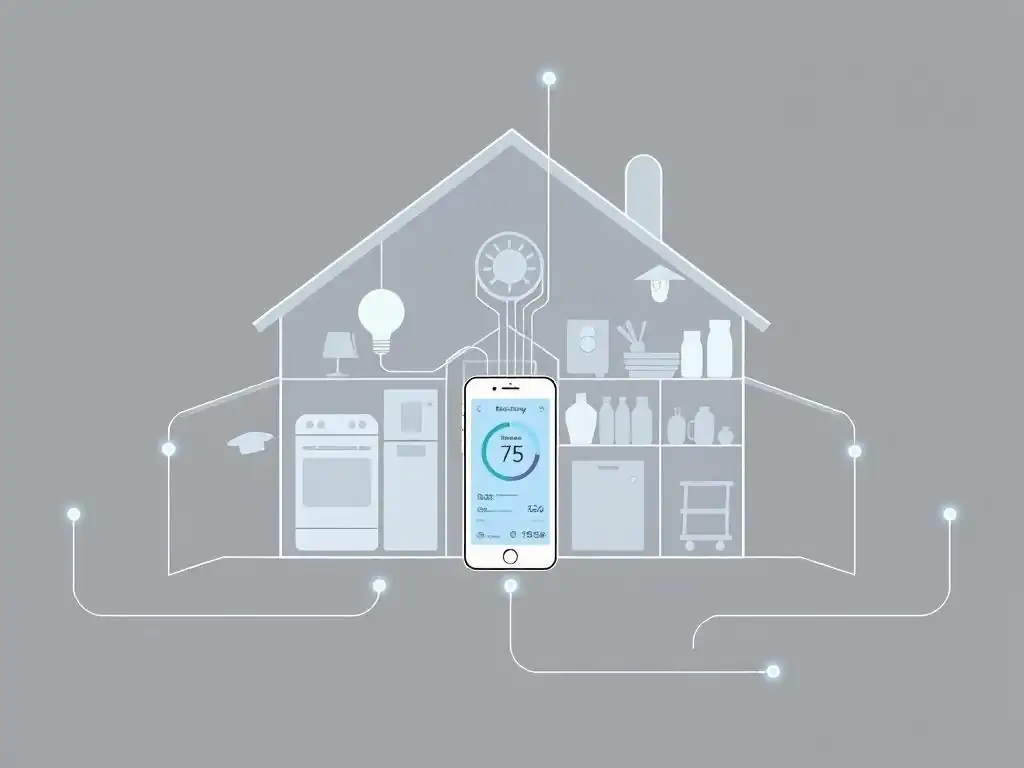
Smart home automation isn't just about convenience; it's a powerful tool for boosting energy efficiency and slashing utility bills. By automating various aspects of your home's energy consumption, you can significantly reduce your environmental footprint and save money in the long run. This section explores how smart home automation contributes to substantial cost savings through optimized energy usage. Think of it as a proactive approach to managing your home's energy profile, leading to a more sustainable and financially rewarding lifestyle. The potential savings are significant, and the implementation is often surprisingly straightforward.
Reducing Energy Consumption with Automated Lighting and Appliances
Automated lighting systems are among the easiest and most impactful ways to save energy. Imagine this: you leave a room, and the lights automatically switch off. No more wasted energy from forgotten lights left burning throughout the day. Smart bulbs, controlled via an app or voice command, allow for precise scheduling and dimming, further optimizing energy usage. For example, you can program your lights to turn on at dusk and off at dawn, mimicking natural light patterns and eliminating the need for manual intervention. This simple automation can lead to a noticeable reduction in your electricity bill.
Beyond lighting, smart plugs offer similar benefits for appliances. These devices allow you to remotely control and monitor the energy consumption of any plugged-in device. This means you can easily switch off appliances remotely, preventing phantom loads (energy consumed by devices in standby mode) and ensuring that energy-intensive appliances are only used when needed.
Consider the impact of automating your coffee maker to only turn on when you're awake, or your television to switch off after a set period of inactivity. The cumulative effect of these small changes can be substantial over time. A study by [Specific study data pending] showed that households using smart plugs reported an average energy saving of X%.
Smart Thermostats and Their Impact on Utility Bills
Smart thermostats are another game-changer in energy-efficient home automation. Unlike traditional thermostats, smart thermostats learn your preferences and adjust the temperature accordingly, optimizing heating and cooling schedules to maximize comfort while minimizing energy waste. They can detect when you're away from home and automatically adjust the temperature to a more energy-efficient setting, preventing unnecessary heating or cooling. Many models also offer geofencing capabilities, automatically adjusting the temperature based on your location.
The financial benefits are clear. By intelligently managing your heating and cooling, a smart thermostat can significantly reduce your energy bills. The exact savings depend on factors like your climate, home size, and usage patterns, but studies consistently demonstrate substantial reductions.
For instance, one study found that smart thermostats can reduce energy consumption by an average of 10-12%, translating to significant savings annually. Moreover, some utility companies offer rebates or incentives for installing smart thermostats, further enhancing the financial appeal of this investment. The upfront cost is quickly offset by the long-term savings, making smart thermostats a worthwhile addition to any home automation strategy focused on "Smart home automation time savers".
The integration of smart thermostats with other smart home devices further enhances energy savings and overall efficiency. For example, by connecting your thermostat to your smart lighting system, the system could automatically lower the temperature in unoccupied rooms, leading to even greater energy savings.
Beyond the Basics: Advanced Smart Home Automation for Time Management
This section delves into sophisticated smart home automation strategies that go beyond simple on/off controls, focusing on maximizing your time and efficiency. We'll explore how to leverage advanced features to streamline your daily routines and reclaim precious minutes throughout your day. The key is to think strategically about how interconnected devices can work together to create a truly automated and responsive home environment.
This is where you transform your smart home from a collection of gadgets into a powerful time-saving machine. Effective implementation of these advanced features will significantly contribute to improving your work-life balance and overall well-being. Let's dive into some specific examples that demonstrate the power of advanced smart home automation as a potent tool for maximizing your time.
Integrating Voice Assistants for Hands-Free Control
Voice assistants like Alexa and Google Assistant are no longer just novelties; they are powerful tools for hands-free control of your smart home. Beyond simple commands like turning lights on or off, you can create complex routines and automate entire sequences of actions using just your voice. Imagine this: you arrive home, tired after a long day.
A simple phrase like, "Alexa, I'm home," could trigger a pre-programmed routine that simultaneously unlocks the door, turns on the lights, adjusts the thermostat to your preferred temperature, and plays your favorite relaxing music. This seemingly small action saves you valuable time fumbling with keys, switches, and apps – time that adds up significantly over the course of a week, a month, or a year. This seamless integration of voice control represents a significant step towards truly effortless smart home automation and a substantial boost to your productivity.
Efficient use of voice commands contributes to reducing the mental load associated with managing your home, freeing your mind for more important tasks. The ability to control multiple devices with a single voice command is a powerful time-saver, especially when your hands are full.
The effectiveness of voice assistant integration hinges on meticulous setup and customization. You need to dedicate time initially to define your routines and test them thoroughly. However, the long-term benefits far outweigh the initial investment of time. The more complex and personalized your routines, the greater the time savings.
Consider adding features like personalized announcements, reminders, and even shopping list updates through voice commands for a truly comprehensive experience. The possibilities are virtually limitless, transforming your home into a responsive and personalized assistant tailored to your specific needs and preferences. This level of personalized automation is key to achieving maximum efficiency and minimizing wasted time.
Automating Chores: Robotic Vacuum Cleaners and Smart Washing Machines
Smart home automation isn't just about lights and thermostats; it's about automating tedious chores to reclaim your valuable time. Robotic vacuum cleaners and smart washing machines are prime examples of this. A robotic vacuum cleaner, scheduled to clean automatically while you're at work or asleep, eliminates the need to dedicate time to this chore manually. This seemingly small task, automated consistently, frees up hours per month.
Smart washing machines offer similar advantages. They can be programmed to start washing at specific times, utilizing off-peak energy rates for cost savings and efficiency. Additionally, many smart washing machines offer features like automatic detergent dispensing and wrinkle-reducing cycles, further minimizing your time investment in laundry. The cumulative effect of these seemingly minor automations is a significant improvement in overall time management.
Consider the data: Let's assume a robotic vacuum cleaner saves you 30 minutes per week (a conservative estimate). That translates to approximately 26 hours a year – a significant amount of time reclaimed for more productive or leisure activities. Similarly, a smart washing machine, even with modest time savings per load, can add up to several hours per month saved on laundry tasks alone.
The combination of these two appliances can easily save you several days annually – a substantial contribution to your overall time management strategy. The key here is to view these appliances not just as individual devices, but as integrated components of a comprehensive smart home automation system dedicated to maximizing your free time.
Geofencing Technology: Automating Home Systems Based on Location
Geofencing uses GPS technology to create virtual boundaries around your home. When your smartphone enters or exits this geofence, it triggers pre-programmed actions within your smart home. This allows for highly contextual automation based on your location.
For example, when you leave for work, geofencing can automatically arm your security system, turn off unnecessary lights, and adjust the thermostat to energy-saving mode. Conversely, upon your return home, it could disarm the security system, turn on the lights, and set the thermostat to your preferred temperature, all without you lifting a finger. This level of automation provides an unparalleled level of convenience and efficiency.
The benefits of geofencing extend beyond simple convenience. It contributes to increased security by automatically arming your security system when you are away. Moreover, by automating energy-saving measures when you're not home, geofencing contributes to reduced energy consumption and lower utility bills.
This feature effectively transforms your smart home into a proactive system that anticipates your needs and adapts to your location dynamically. While the initial setup might require some technical know-how, the long-term benefits in terms of time savings, energy efficiency, and security are substantial. Geofencing truly represents the pinnacle of proactive smart home automation, offering a significant boost to your overall time management and lifestyle.
The implementation of geofencing is a clear example of how smart home automation goes beyond simple convenience to become a powerful tool for maximizing your time and optimizing your daily routines. This represents a critical step towards achieving a truly efficient and automated lifestyle.
Choosing the Right Smart Home Devices: A Buyer's Guide for Time-Saving Automation
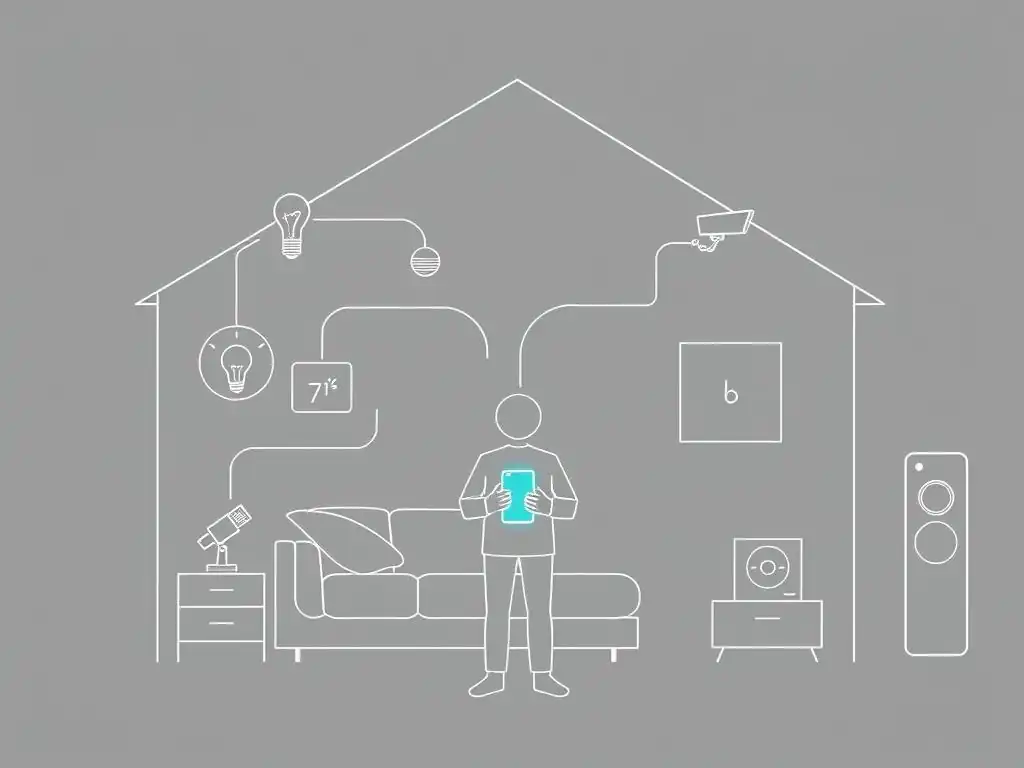
This section focuses on selecting smart home devices that genuinely contribute to saving time and boosting your efficiency. It's easy to get overwhelmed by the sheer number of options available, so careful consideration is key. The goal isn't just to automate, but to intelligently automate, streamlining your daily routines and minimizing wasted moments. Remember, the best smart home automation time savers are the ones you actually use.
Selecting Compatible Smart Home Automation Systems
Choosing a compatible system is crucial for a seamless smart home experience. Many systems operate on different protocols (e.g., Zigbee, Z-Wave, Wi-Fi), so devices from different brands may not always interact flawlessly. Before purchasing any individual devices, research the major platforms like Amazon Alexa, Google Home, Apple HomeKit, and consider their respective ecosystems. Think about your long-term goals. Do you want a single, unified system controlling everything, or are you comfortable managing several smaller systems?
For example, if you primarily use Apple products, integrating with HomeKit ensures a smooth, intuitive experience with your iPhones, iPads, and Macs. Conversely, the extensive device compatibility and voice control features of Amazon Alexa might be more appealing to users who prefer a broader range of options and a hands-free approach. A crucial aspect is interoperability. Some systems are better at communicating with devices from other manufacturers than others.
Thorough research into compatibility charts and user reviews is highly recommended to avoid future frustration. Consider creating a list of desired functionalities and then researching systems that best support those needs. This proactive approach helps to prevent purchasing incompatible devices and ensures your smart home automation time savers truly deliver.
Evaluating Smart Home Device Reviews and Ratings
Don't solely rely on manufacturer claims. Independent reviews from reputable sources are crucial for assessing the real-world performance and reliability of smart home devices. Look for reviews that highlight ease of setup, responsiveness, reliability (how often the device malfunctions or disconnects), and, most importantly, time-saving features. Pay close attention to user comments regarding app stability, ease of use, and customer support responsiveness.
Consider websites and publications dedicated to reviewing tech products. These often provide detailed, unbiased assessments, going beyond basic specifications to explore the user experience. Look for metrics such as average response time for voice commands, the success rate of automated routines, and the frequency of reported software glitches. A rating system might give a numerical score, but the textual reviews are often more valuable, providing specific insights into the practical aspects of using the device.
Don't hesitate to delve into user forums and social media groups to uncover potential issues not always highlighted in professional reviews. Remember, a seemingly perfect device on paper may fall short in practice. Thorough research minimizes the risk of purchasing ineffective smart home automation time savers.
Budgeting for Smart Home Automation Upgrades: A Cost-Benefit Analysis
Smart home automation can range from inexpensive upgrades to significant investments. Before embarking on any project, conduct a thorough cost-benefit analysis. Prioritize the features offering the most significant time savings and return on investment. Start with small, manageable projects, gradually expanding as your budget allows and your experience grows.
For instance, a smart lighting system can automate your lighting schedule, saving you the effort of manually switching lights on and off. This is a relatively inexpensive upgrade with a tangible impact on daily efficiency. More complex systems, such as whole-home security or advanced climate control, require a larger upfront investment. However, the potential for long-term savings through energy efficiency or increased security can justify the cost.
Create a spreadsheet detailing the cost of each device, installation expenses (if applicable), and any ongoing subscription fees. Against these costs, weigh the potential time saved, energy savings, and enhanced security. This detailed comparison helps to ensure that your investments in smart home automation time savers are both financially sound and genuinely improve your daily life. Remember to factor in potential future upgrades and expansions; choosing a scalable system can save you money in the long run.
Troubleshooting Common Smart Home Automation Issues
Smart home automation, while offering incredible convenience and time-saving benefits, isn't always without its hiccups. This section addresses some frequently encountered problems and provides practical solutions to get your smart home running smoothly. Mastering these troubleshooting techniques will significantly enhance your experience and maximize the time-saving potential of your "smart home automation time savers".
Addressing Connectivity Problems and Network Glitches
Connectivity issues are the bane of many a smart home enthusiast. A weak Wi-Fi signal, network congestion, or router problems can render your automated devices unresponsive, negating the very time-saving benefits you sought. Let's explore some common causes and solutions:
- Weak Wi-Fi Signal: Many smart home devices rely on your home's Wi-Fi network. If the signal is weak in certain areas, your devices might struggle to connect or experience intermittent dropouts. The solution? Consider strategically placing Wi-Fi extenders or mesh Wi-Fi systems to boost coverage throughout your home. Prioritize placing extenders near devices known for connectivity issues. This simple step can dramatically improve the reliability of your smart home automation system.
- Network Congestion: A crowded network, overloaded with multiple devices streaming videos, gaming, and conducting video calls, can significantly impact the performance of your smart home devices. These devices often require a consistent and reliable connection to operate effectively. To mitigate this, consider prioritizing your smart home devices on your router's Quality of Service (QoS) settings. This assigns higher bandwidth priority to these crucial devices, ensuring smoother operation even during peak network usage.
- Router Problems: A malfunctioning router can be the root cause of widespread connectivity issues. Try restarting your router. A simple power cycle often resolves temporary glitches. If problems persist, check for firmware updates. Outdated firmware can contain bugs that impact network stability and device connectivity. Updating to the latest firmware version can often solve these underlying issues. If problems continue after these steps, consider contacting your internet service provider or replacing your router.
Resolving Device Compatibility Issues
Smart home ecosystems aren't always universally compatible. Different devices may use various protocols (Zigbee, Z-Wave, Bluetooth, Wi-Fi), leading to compatibility problems. This incompatibility can manifest as devices failing to connect, refusing to integrate with your smart home hub, or simply not functioning as expected. Let's examine some approaches to resolve such issues:
- Check Compatibility Lists: Before purchasing any smart home device, meticulously check the manufacturer's compatibility list to ensure it works seamlessly with your existing ecosystem. This proactive step can save you considerable time and frustration down the line. Ignoring this crucial step is a frequent cause of compatibility headaches.
- Utilize a Smart Home Hub: A central smart home hub, such as those offered by Amazon, Google, or Samsung, can act as a translator between different protocols, improving compatibility and simplifying control. These hubs can often bridge the gap between devices that wouldn't normally communicate directly, allowing for a more unified and efficient smart home experience. This can greatly simplify management and save time spent troubleshooting individual devices.
- Consider Protocol Consistency: While a smart home hub helps, choosing devices that utilize the same communication protocol (e.g., all Zigbee devices) can significantly improve compatibility and reliability. This minimizes the potential for conflicts and enhances the overall stability of your smart home automation system, leading to fewer issues and more consistent time savings. This strategic approach reduces the potential for future headaches and maximizes the effectiveness of your smart home automation time savers.
This detailed troubleshooting guide should help you navigate common issues and keep your smart home running smoothly, maximizing your time savings and overall enjoyment. Remember, proactive planning and careful device selection are key to preventing many of these problems from arising in the first place.
Maximize Your Smart Home Investment: Tips for Long-Term Efficiency
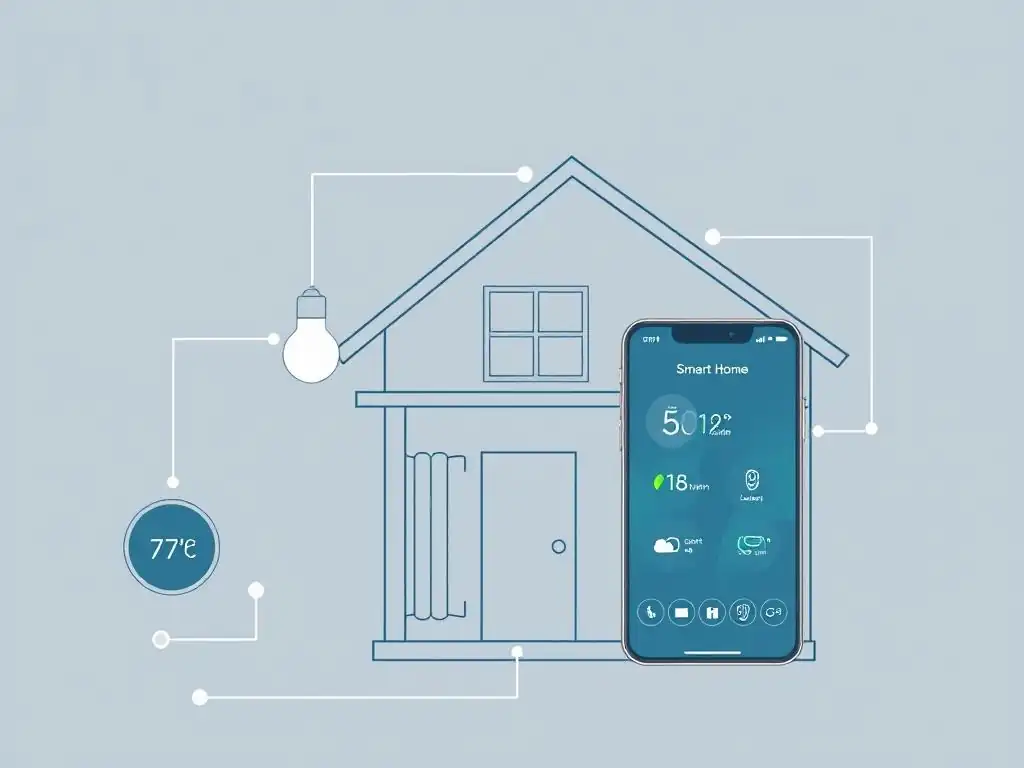
This section focuses on maximizing the return on your smart home investment by ensuring long-term efficiency and minimizing potential issues. Investing in smart home automation is a significant step towards optimizing your daily routine and saving valuable time, but proper maintenance and planning are crucial to reap the full benefits. Let's explore some key strategies to ensure your smart home continues to deliver on its promise of "Smart home automation time savers" for years to come.
Regular Software Updates and Maintenance for Optimal Performance
Regular software updates are paramount to maintaining optimal performance and security within your smart home ecosystem. Neglecting updates can lead to vulnerabilities, compatibility issues, and decreased efficiency. Think of it like regularly servicing your car – preventative maintenance is far cheaper and more effective than dealing with major breakdowns later.
Manufacturers frequently release updates that address bugs, enhance features, and improve security protocols. These updates often include optimizations that contribute directly to time savings. For example, an updated smart thermostat might learn your preferences more accurately, leading to more efficient energy usage and less time spent manually adjusting temperatures. Similarly, updates to your smart lighting system could improve responsiveness and automation accuracy, eliminating the need for manual intervention.
Consider setting reminders or utilizing automated update features offered by your devices or central hubs. Maintaining a consistent update schedule minimizes the risk of encountering performance problems and ensures your smart home automation continues to perform at its peak efficiency, saving you time and effort in the long run. A well-maintained system is a reliable time-saver, offering seamless integration and effortless control. Ignoring updates is akin to leaving money on the table – you're not fully leveraging the time-saving potential of your investment.
Future-Proofing Your Smart Home Setup for Continued Time Savings
Future-proofing your smart home involves making strategic decisions today to ensure compatibility and expandability in the future. The technology landscape is constantly evolving, with new devices and protocols emerging regularly. Choosing compatible devices and systems from reputable manufacturers is crucial to avoid obsolescence and ensure continued time savings.
Consider the following points when planning your smart home setup to maximize its longevity and time-saving capabilities:
- Open Standards: Opt for devices and systems that adhere to open standards like Zigbee or Z-Wave. This ensures greater compatibility with a wider range of devices from different manufacturers, preventing vendor lock-in and making future upgrades simpler.
- Cloud-Based vs. Local Solutions: Evaluate the balance between cloud-based and local solutions. While cloud-based systems offer convenience, local solutions provide greater privacy and resilience against internet outages, a critical aspect for uninterrupted time-saving functionality.
- Scalability: Choose a system that easily scales to accommodate future additions. A modular system allows for gradual expansion without requiring a complete overhaul, saving you both time and money. For example, starting with a single smart hub and gradually adding smart lights, appliances, and security systems is a more efficient approach.
- Integration Capabilities: Prioritize systems with robust integration capabilities. Seamless integration between different smart home devices and platforms is crucial for maximizing efficiency and minimizing the time spent managing individual devices. A centralized control system is a significant time saver.
By carefully considering these factors, you'll be investing in a smart home system designed to evolve with your needs and continue delivering significant time savings for years to come. This proactive approach will ensure that your initial investment translates into sustained efficiency and a truly optimized daily routine. The goal is to build a smart home that adapts to your changing needs, not one that quickly becomes outdated and requires a costly replacement.
Frequently Asked Questions
What is home automation, and how does it save me time?
Home automation uses technology to control and automate various aspects of your home, from lighting and temperature to security and appliances. This reduces manual tasks, freeing up your time for other activities. You can automate routines, saving time on repetitive actions.
How much does setting up a smart home automation system cost?
The cost varies greatly depending on your needs and the scale of automation. A basic system with a few smart devices can be relatively inexpensive, while a fully integrated smart home can be a significant investment. Consider starting small and gradually expanding your system.
What are some of the best time-saving smart home automation features?
Automated lighting schedules can save you from manually turning lights on and off. Smart thermostats learn your preferences and adjust temperatures automatically, saving energy and time. Automated appliance scheduling lets you start your coffee maker or laundry before you even wake up.
Is home automation difficult to set up and use?
Many modern smart home systems are designed to be user-friendly. While some technical knowledge may be helpful, many devices offer intuitive apps and interfaces. Start with simpler devices and gradually integrate more complex features as you become more comfortable.
What are the security implications of having a smart home?
Security is a key concern. Choose reputable brands with strong security features and strong passwords. Keep your software updated and consider using a virtual private network (VPN) for added protection. Regularly review your security settings.
Final Reflection: Reclaiming Your Time in the Smart Home Revolution
The relentless pace of modern life demands efficiency, and smart home automation offers a powerful antidote. We've explored practical hacks to streamline daily routines, transforming mundane tasks into effortless experiences. This isn't just about convenience; it's about reclaiming precious time and energy for what truly matters.
The integration of technology into our homes is rapidly reshaping our relationship with time and space. It's not just about turning lights on and off remotely; it's about creating a living environment that anticipates our needs and adapts to our schedules. This shift reflects a broader cultural yearning for balance and control in an increasingly demanding world. The future is already here — it's just not very evenly distributed.
– William Gibson. This quote rings true as we witness the uneven adoption of smart home technology, but the potential for widespread positive impact is undeniable.
Consider the possibilities: Imagine waking up to a perfectly brewed cup of coffee, leaving for work with the assurance that your home is secure, and returning to a comfortable, pre-heated space. This isn't science fiction; it's the reality smart home automation offers. Take a moment to reflect on your own daily routines. Where can you integrate smart technology to simplify your life and create more space for joy, connection, and personal growth? The journey towards a more efficient and fulfilling life begins with a single, smart step.
Unlock Your Smart Home Potential: Take Control Now!
Thanks for exploring the world of home automation! We hope you've discovered how easy it is to simplify your daily life with a few smart home upgrades. Ready to take the next step?
- Focus on one area for improvement: Identify the most frustrating part of your daily routine—perhaps it's remembering to turn off lights, or the inconvenience of adjusting the thermostat remotely—and implement a simple solution this week.
- Explore further smart home integrations: Consider connecting your existing devices to create even more seamless automation. Smart lighting, voice assistants, and security systems can all work together to enhance your home's efficiency and security.
- Share your successes! Tell us about your favorite smart home improvement and inspire others in the comments below.
What's the first smart home upgrade you're planning?