
Home Automation and Smart Humidifiers: Maintain Ideal Humidity

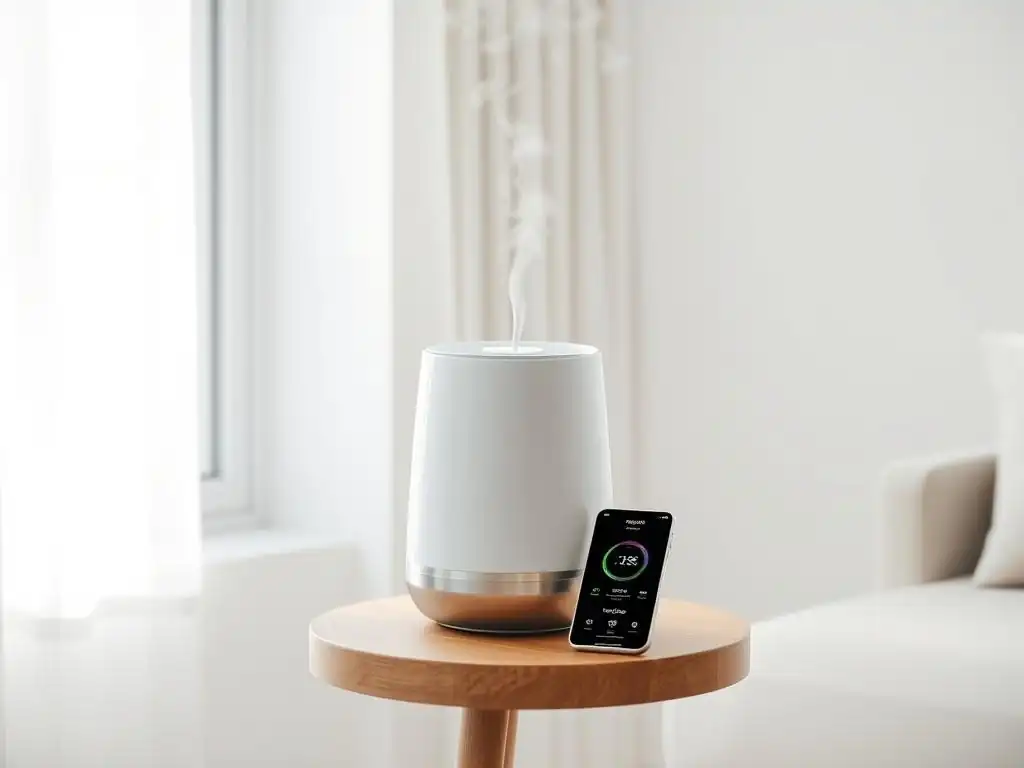
Ready to unlock a world of effortless efficiency and reclaim your precious time? UltimateLifeHacks is your destination for practical tips and game-changing life hacks. Discover how to effortlessly optimize your daily routine, starting with our insightful article on Smart Humidifier Humidity Control. Learn the secrets to maintaining the perfect indoor climate and experience the transformative power of home automation – it's more attainable than you think! Dive in and discover how to effortlessly elevate your life.
- Understanding the Importance of Humidity Control at Home
- Smart Humidifier Technology: A Deep Dive
- Choosing the Right Smart Humidifier for Your Home
- Integrating Your Smart Humidifier into Your Home Automation System
- Advanced Smart Humidifier Techniques for Humidity Control
- Smart Humidifier Humidity Control: The Future of Home Comfort
- Frequently Asked Questions
- Final Reflection: Breathing Easy in a Smart Home
- Unlock Your Home's Comfort: Take Control of Humidity Now!
Understanding the Importance of Humidity Control at Home
Maintaining the ideal humidity level in your home is crucial for both your health and the well-being of your belongings. While often overlooked, humidity plays a significant role in our comfort and the longevity of our possessions. This article explores the benefits of smart home automation, specifically focusing on smart humidifiers and their role in achieving and maintaining optimal humidity levels. We'll delve into the impact of improper humidity control, highlighting the advantages of precise humidity management for a healthier, more comfortable, and efficient home environment. By understanding the principles of humidity control and leveraging the power of smart technology, you can create a living space that is perfectly balanced for your needs and preferences, ultimately improving your quality of life and saving you time and energy in the long run. This guide will equip you with the knowledge to effectively utilize smart humidifiers for superior "smart humidifier humidity control".
Benefits of Maintaining Optimal Humidity Levels
Maintaining optimal humidity levels offers a multitude of benefits, impacting everything from your respiratory health to the preservation of your furniture. A well-humidified home contributes to:
- Improved respiratory health: Optimal humidity levels can alleviate symptoms associated with dry air, such as coughing, sore throats, and nosebleeds. This is especially beneficial for individuals suffering from allergies, asthma, or other respiratory conditions. The right humidity can help soothe irritated mucous membranes and reduce the likelihood of respiratory infections.
- Healthier skin: Dry air can lead to dry, itchy skin. Maintaining appropriate humidity levels helps to hydrate the skin, reducing dryness and improving its overall health and appearance. This can be particularly beneficial during colder months when indoor heating tends to dry out the air.
- Better sleep: Proper humidity levels contribute to a more comfortable sleep environment. Dry air can irritate nasal passages and lead to disrupted sleep, while optimal humidity promotes restful sleep.
- Protection of your belongings: Extreme humidity levels, both high and low, can damage wooden furniture, musical instruments, and other possessions. Maintaining a balanced humidity level helps preserve these items and extend their lifespan. This can save you significant costs on repairs or replacements in the long run.
- Enhanced comfort: Many people find that a comfortable humidity level contributes to an overall feeling of well-being and comfort within their homes. This subtle yet significant improvement can dramatically enhance your home environment.
The Impact of Low and High Humidity on Health and Home
The consequences of both low and high humidity can be substantial, negatively impacting your health and the condition of your home.
- Low Humidity: Dry air, indicative of low humidity, leads to several problems: Increased susceptibility to respiratory illnesses, dry skin and irritated eyes, static electricity buildup, and damage to wooden furniture and musical instruments due to cracking and warping. The negative impacts can range from minor discomfort to serious health complications.
- High Humidity: Conversely, excessively high humidity fosters the growth of mold and mildew, creating a breeding ground for allergens and respiratory irritants. It can also lead to a stuffy, uncomfortable feeling and damage to certain materials, including wallpaper and paint. The musty odor associated with high humidity is also a common complaint.
Maintaining a balanced humidity level is therefore a crucial aspect of creating a healthy and comfortable home environment. The ideal range varies depending on factors like climate and personal preference, but understanding the potential negative impacts of both extremes is vital.
Identifying Your Ideal Humidity Range
Determining your ideal humidity range involves considering several factors. While the generally recommended range is between 30% and 50%, individual preferences and health conditions may necessitate adjustments. Factors to consider include:
- Climate: Individuals living in arid climates may require higher humidity levels than those in humid regions.
- Personal preferences: Some people prefer slightly higher or lower humidity levels based on their comfort level.
- Health conditions: People with respiratory problems often benefit from maintaining a specific humidity range recommended by their healthcare provider.
- Seasonal changes: Humidity levels may need adjustment throughout the year to compensate for changes in outdoor conditions and heating/cooling systems.
By considering these factors and potentially consulting with a healthcare professional, you can determine the optimal humidity range for your specific needs and tailor your smart humidifier settings accordingly. This personalized approach ensures that your home environment is perfectly tailored to promote your health and well-being.
Smart Humidifier Technology: A Deep Dive
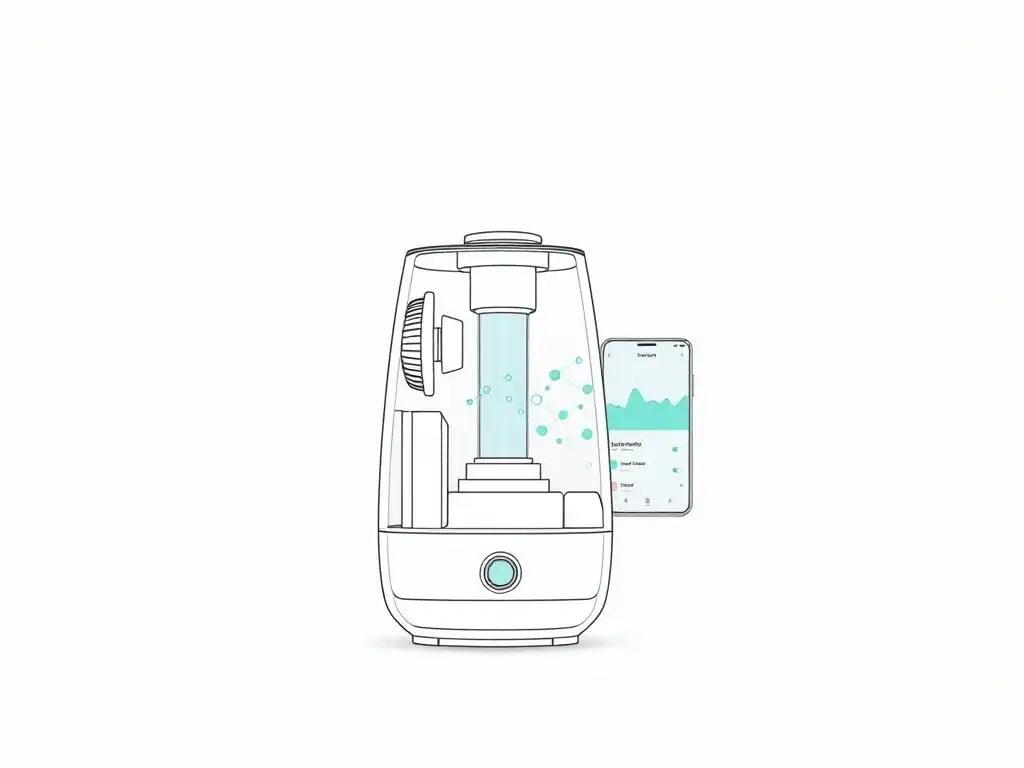
This section delves into the technological intricacies of smart humidifiers, explaining how they achieve precise humidity control and offering insights into their diverse functionalities. Understanding this technology empowers you to make informed decisions when selecting a smart humidifier that best suits your needs and contributes to a healthier home environment. The advancements in smart humidifier technology are remarkable, transforming a simple household appliance into a sophisticated system for managing indoor air quality.
How Smart Humidifiers Work: Humidity Sensors and Automated Control
Smart humidifiers achieve precise humidity control through a sophisticated interplay of sensors and automated systems. At the heart of every smart humidifier lies a humidity sensor, typically a capacitive or resistive sensor. This sensor continuously monitors the ambient humidity levels in the room. The data collected is then relayed to a microprocessor, the "brain" of the humidifier. This microprocessor compares the measured humidity against the user-defined target humidity level (set via the app or device controls).
If the humidity falls below the set point, the humidifier automatically activates its humidification mechanism, which could be ultrasonic vibration, evaporation, or a hybrid approach (discussed in a later section). Conversely, if the humidity exceeds the target level, the humidifier either reduces its output or shuts off completely. This continuous feedback loop ensures that the humidity remains within the desired range, maintaining a comfortable and healthy indoor environment.
The precision of this control is a significant advantage over traditional humidifiers, which often require manual adjustments and can lead to inconsistent humidity levels. Think of it as a thermostat for humidity – setting the desired level and letting the technology do the work. This automated control is a key component of effective smart humidifier humidity control.
Smart Humidifier Features: App Control, Scheduling, and Monitoring
Beyond automated humidity control, modern smart humidifiers offer a range of user-friendly features that enhance convenience and provide valuable insights into your home's environment. Many smart humidifiers are compatible with smartphone apps, providing remote control and monitoring capabilities. This allows you to adjust humidity levels, schedule humidification cycles, and check real-time humidity readings from anywhere with an internet connection. Some apps even incorporate advanced features such as:
- Scheduling: Set specific times for the humidifier to turn on and off, optimizing humidity levels throughout the day and night. For example, you might schedule higher humidity during sleeping hours and lower humidity during the day.
- Monitoring: Track humidity levels over time, generating historical data that can help you understand patterns and adjust settings accordingly. This feature is especially useful for identifying potential issues or optimizing your humidifier's performance.
- Geofencing: Some advanced models can even integrate with location services to automatically adjust humidity based on your presence or absence in the home.
- Integration with other smart home devices: Compatibility with smart home ecosystems allows for seamless integration with other smart devices, enabling automated routines and enhanced control over your home environment. For example, you could integrate your smart humidifier with your smart thermostat to create a coordinated system for managing both temperature and humidity.
Different Types of Smart Humidifiers: Ultrasonic, Evaporative, and Hybrid Models
Smart humidifiers employ various humidification technologies, each with its own advantages and disadvantages. Understanding these differences is crucial for selecting the best model for your specific needs and preferences.
| Humidifier Type | How it Works | Advantages | Disadvantages |
|---|---|---|---|
| Ultrasonic | Uses high-frequency vibrations to create a mist. | Quiet operation, compact design, relatively inexpensive | Can produce "white dust" if the water is not clean, mineral buildup possible |
| Evaporative | Uses a fan to evaporate water into the air. | Produces cleaner mist, less likely to produce white dust | Can be noisier than ultrasonic models, slower humidification |
| Hybrid | Combines ultrasonic and evaporative technologies. | Often quieter than evaporative, faster than purely evaporative, cleaner mist than purely ultrasonic. | More expensive than single-technology models. |
Choosing the right type depends on your priorities. If quiet operation is paramount, an ultrasonic model might be suitable. However, if clean mist is a higher priority, an evaporative or hybrid model might be a better choice. Careful consideration of these factors will ensure that your smart humidifier humidity control system meets your expectations and contributes to a healthier, more comfortable home.
Choosing the Right Smart Humidifier for Your Home
Maintaining optimal humidity levels in your home is crucial for both health and comfort. A smart humidifier offers precise control over humidity, contributing significantly to a better indoor environment. But with so many options available, choosing the right one can feel overwhelming. This section will guide you through the key factors to consider when selecting a smart humidifier that perfectly suits your needs and home.
Factors to Consider When Selecting a Smart Humidifier: Room Size, Humidity Needs, and Smart Home Integration
Selecting the right smart humidifier hinges on several critical factors. Ignoring these could lead to inefficient performance or even damage to your device. Let's delve into the specifics:
Room Size: The humidifier's coverage area is paramount. A small humidifier in a large living room will struggle to reach the desired humidity level, leading to inconsistent performance and potentially higher energy consumption. Manufacturers typically specify the square footage a humidifier can effectively cover. Always check this specification and choose a model appropriate for the size of the room where you plan to use it. For instance, a 300 sq ft bedroom would require a different humidifier than a 1000 sq ft living room. Underestimating this crucial factor is a common mistake.
Humidity Needs: Ideal humidity levels vary depending on personal preferences and health conditions. While 30-50% relative humidity is often recommended, some individuals might prefer slightly higher or lower levels. Consider your specific needs and preferences. Look for smart humidifiers with precise humidity control, allowing you to set your desired level with accuracy. Some models offer pre-programmed settings for different scenarios, making it even easier to achieve your ideal humidity. For example, you may want a higher humidity during cold winter months and a slightly lower humidity during the summer.
Smart Home Integration: The "smart" aspect of a smart humidifier comes from its ability to integrate with your existing smart home ecosystem. Compatibility with popular platforms like Amazon Alexa, Google Home, and Apple HomeKit is essential for seamless control and automation. Check if the humidifier is compatible with your preferred smart home platform. This integration allows for voice control, scheduling, and remote monitoring, transforming your humidifier into a sophisticated element of your smart home. This level of control is invaluable for optimizing energy efficiency and maintaining the perfect environment, regardless of your location.
Top Smart Humidifier Brands and Models
The market offers a diverse range of smart humidifiers, each with its unique features and capabilities. This section highlights some leading brands and models to help you make an informed decision. Remember that the "best" smart humidifier is subjective and depends on your specific requirements and budget.
| Brand | Model Name | Key Features | Price Range (USD) |
|---|---|---|---|
| [Brand Name 1] | [Model Name 1] | [List key features, e.g., large tank capacity, app control, etc.] | [Price Range] |
| [Brand Name 2] | [Model Name 2] | [List key features] | [Price Range] |
| [Brand Name 3] | [Model Name 3] | [List key features] | [Price Range] |
This table provides a snapshot; thorough research is recommended before purchasing. Consider reading user reviews and comparing specifications to find the perfect fit for your home. Factors like tank size, noise levels, and maintenance requirements should be carefully considered.
Smart Humidifier Installation and Setup: A Step-by-Step Guide
Installing and setting up your smart humidifier is usually straightforward, but understanding the process ensures a smooth experience. The specific steps might vary slightly depending on the model, so always refer to the manufacturer's instructions. However, these general steps provide a good overview:
- Unpacking and Inspection: Carefully unpack the humidifier and inspect it for any damage.
- Filling the Water Tank: Fill the water tank with clean, fresh water. Avoid using hard water, as it can lead to mineral buildup.
- Connecting to Power: Plug the humidifier into a power outlet.
- Downloading the App: Download and install the manufacturer's mobile app on your smartphone or tablet.
- Connecting to Wi-Fi: Follow the app's instructions to connect the humidifier to your home Wi-Fi network.
- Setting Preferences: Use the app to customize settings such as humidity level, scheduling, and notification preferences.
- Placement: Place the humidifier in a suitable location, ensuring proper ventilation and avoiding placing it near electrical appliances.
Following these steps will ensure your smart humidifier is ready to provide optimal humidity control for a more comfortable and healthy home environment. Remember to regularly clean and maintain your humidifier according to the manufacturer's recommendations to ensure its longevity and efficiency. Proper maintenance is key to maximizing the lifespan and performance of your smart humidifier investment. 💧🏠
Integrating Your Smart Humidifier into Your Home Automation System
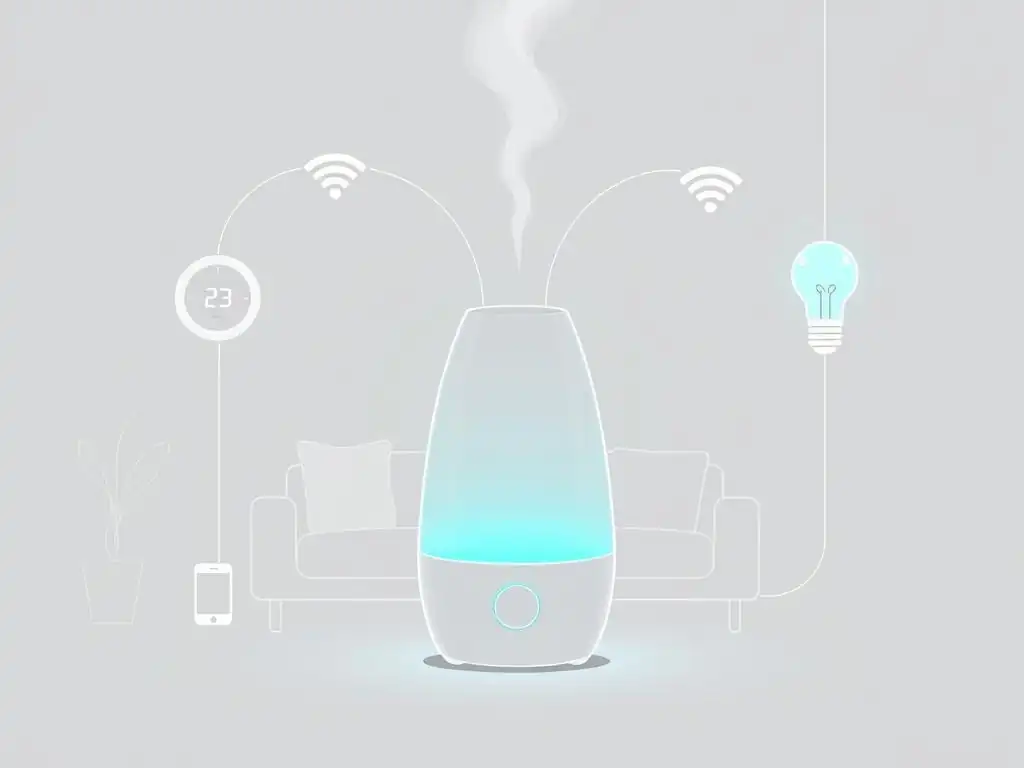
This section details how to seamlessly integrate your smart humidifier into your existing smart home ecosystem, maximizing its capabilities and enhancing your home's overall automation. Proper integration unlocks the full potential of "smart humidifier humidity control," allowing for effortless management of your home's climate. We'll explore the connection process and highlight the advantages of automation.
Connecting Your Smart Humidifier to Your Smart Home Ecosystem (Google Home, Alexa, etc.)
Connecting your smart humidifier is typically straightforward, but the specific steps may vary slightly depending on the brand and model of your humidifier and smart home hub. Most modern smart humidifiers utilize either Wi-Fi or Bluetooth connectivity. Let's examine the common methods:
- Wi-Fi Connection: This offers the most flexibility, allowing remote control and integration with various smart home platforms. The process generally involves downloading a dedicated mobile app (provided by the humidifier manufacturer), creating an account, and following the in-app instructions to connect the humidifier to your home's Wi-Fi network. Once connected, you can then link the humidifier to your preferred smart home ecosystem, such as Google Home or Amazon Alexa, through the app's integration settings. This often involves granting the app permission to access your smart home account.
- Bluetooth Connection: Bluetooth-enabled humidifiers typically offer more limited control, usually requiring you to be within range of the device. While still convenient, it lacks the remote accessibility afforded by Wi-Fi. The connection process usually involves pairing the humidifier with your smartphone via Bluetooth settings. Integration with smart home ecosystems is often less seamless with Bluetooth devices; some may not offer direct integration at all.
Example: Let's say you have a "Breezair" smart humidifier and an Amazon Alexa device. You would first download the Breezair app, connect your humidifier to your Wi-Fi, and then, within the app's settings, find the Alexa integration option. After linking your Amazon account, Alexa will recognize your Breezair humidifier, allowing you to control it using voice commands.
Creating Automated Humidity Control Scenes and Routines
Once your smart humidifier is integrated, the real power of automation comes into play. You can create customized scenes and routines to automatically adjust humidity levels based on various factors, such as time of day, occupancy, or even weather conditions. This elevates your "smart humidifier humidity control" from simple on/off switching to sophisticated environmental management.
Here are some examples of automated routines you can implement:
- Morning Routine: Set your humidifier to automatically increase humidity to a comfortable level (e.g., 45-55%) each morning at a specific time, creating a pleasant atmosphere as you wake up.
- Sleep Routine: Lower the humidity slightly before bedtime to create a more conducive sleeping environment.
- Away Mode: Program the humidifier to reduce humidity or turn off entirely when you're away from home to conserve energy.
- Weather-Based Automation: Some advanced systems allow integration with weather data. For example, you could set the humidifier to automatically increase humidity on particularly dry days.
Monitoring Humidity Levels and Adjusting Settings Remotely
One of the key benefits of a smart humidifier is the ability to monitor and adjust humidity levels remotely, even when you're not at home. Most smart humidifier apps provide real-time humidity readings, allowing you to track your home's climate and make necessary adjustments. This empowers you with precise "smart humidifier humidity control" regardless of your location.
The following features are typical of smart humidifier apps:
| Feature | Description | Benefits |
|---|---|---|
| Real-time Humidity | Displays the current humidity level in your home. | Allows for immediate awareness of humidity levels and adjustments. |
| Humidity History | Shows a graph or log of past humidity levels. | Helps identify patterns and optimize humidity settings over time. |
| Remote Control | Enables you to turn the humidifier on/off, adjust humidity levels, and change settings from anywhere with an internet connection. | Offers ultimate convenience and control, even when away from home. |
| Scheduling | Allows you to schedule the humidifier to turn on/off at specific times. | Automates humidity control based on your daily routine or preferences. |
| Notifications | Sends alerts if the humidity level falls outside a predefined range. | Ensures your home maintains optimal humidity levels at all times. |
By leveraging these features, you can maintain a consistently comfortable and healthy home environment with minimal effort, showcasing the true value of your smart humidifier and advanced "smart humidifier humidity control." The ability to monitor and adjust remotely adds a layer of convenience and peace of mind.
Advanced Smart Humidifier Techniques for Humidity Control
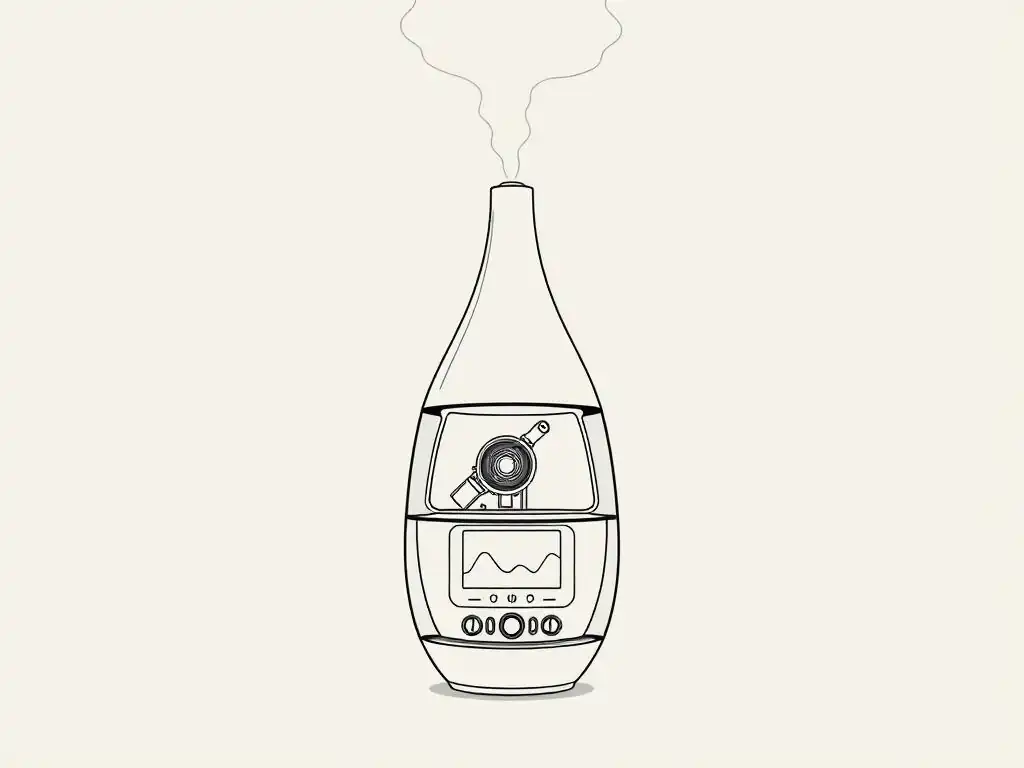
This section delves into sophisticated strategies for leveraging smart humidifiers to achieve precise humidity control within your home. Moving beyond basic functionality, we'll explore advanced techniques to optimize your smart humidifier's performance and seamlessly integrate it into your smart home ecosystem. Mastering these techniques will elevate your indoor climate control to a new level of comfort and efficiency.
Using Smart Sensors for Precise Humidity Readings and Control
Accurate humidity readings are paramount for effective humidity control. Relying solely on the humidifier's built-in sensor might not provide the granular data you need for precise adjustments. Supplementing your smart humidifier with external, high-precision smart sensors offers significant advantages. These sensors can provide real-time humidity readings from various locations in your home, giving you a comprehensive picture of your indoor climate.
Consider placing these sensors in different rooms – a bedroom, living room, and nursery, for instance – to understand the humidity variations throughout your house. Many smart home ecosystems offer sensors compatible with popular smart humidifier brands. This allows you to create automated routines based on the data collected. For example, if the humidity in the nursery falls below 45%, the system could automatically trigger the smart humidifier to increase output until the desired level (e.g., 50%) is reached. This level of granularity ensures optimal comfort and minimizes the risk of respiratory issues related to dry air.
This approach allows for a truly personalized approach to humidity control. You can set different humidity targets for different rooms based on your individual needs and preferences. The data collected by the sensors also provides valuable insights into your home's humidity patterns, allowing you to adjust your smart humidifier's settings for maximum efficiency and energy savings. The integration of smart sensors transforms your smart humidifier from a simple appliance into a sophisticated element of a comprehensive smart home climate control system.
Integrating Smart Humidifiers with Other Smart Home Devices for Comprehensive Environmental Control
The power of smart humidifiers truly shines when integrated with other smart home devices. This allows for advanced automation and a holistic approach to environmental control, optimizing your home's comfort and efficiency. Consider these synergistic pairings for enhanced smart humidifier performance:
- Smart Thermostats: Integrating your smart humidifier with a smart thermostat creates a powerful synergy. For example, during colder months when the heating system is active, the humidifier can compensate for the drying effect of the heat, maintaining optimal humidity levels without relying solely on the thermostat. This integrated approach ensures a consistently comfortable indoor environment.
- Smart Air Quality Monitors: Monitoring air quality parameters such as particulate matter (PM2.5) and volatile organic compounds (VOCs) alongside humidity creates a more comprehensive understanding of your indoor environment. High humidity levels can sometimes exacerbate air quality issues. Integrating your smart humidifier with a smart air quality monitor allows for conditional automation; for instance, the humidifier could only operate if the air quality is within acceptable parameters.
- Smart Lighting: While seemingly unrelated, smart lighting systems can provide valuable data for automation. For example, if your smart lighting system detects occupancy in a room, the smart humidifier could automatically adjust its output to maintain the desired humidity level only while the room is occupied, saving energy.
By connecting your smart humidifier to other smart home devices, you create a sophisticated and responsive environmental control system that adapts to your needs and preferences, maximizing both comfort and efficiency. This interconnected approach is a cornerstone of advanced smart home automation. The possibilities for automation and optimization are virtually limitless.
Troubleshooting Common Smart Humidifier Issues and Maintenance Tips
Even the most advanced smart humidifiers require regular maintenance and troubleshooting. Understanding common issues and their solutions can significantly extend the lifespan of your device and ensure its optimal performance. Here are some common problems and solutions:
| Problem | Possible Cause(s) | Solution |
|---|---|---|
| Low Humidity Output | Mineral buildup, clogged filter, low water level, malfunction | Clean the filter, check water level, descale the unit, contact manufacturer. |
| Inconsistent Humidity | Faulty sensor, incorrect settings, environmental factors | Check sensor readings, adjust settings, consider additional sensors. |
| Water Leaks | Damaged tank, improper placement, overfilling | Inspect tank for cracks, ensure proper placement, avoid overfilling. |
| Loud Operation | Mineral buildup, fan malfunction, debris in the unit | Clean the unit, check the fan, contact manufacturer. |
| Error Codes (e.g., E1, E2) | Refer to the user manual for specific code meanings. | Follow instructions in the user manual for troubleshooting the error code. |
Regular maintenance, including cleaning the filter and descaling the unit, is essential for optimal performance and preventing costly repairs. Always refer to your smart humidifier's user manual for specific instructions on maintenance and troubleshooting. Proper maintenance and proactive troubleshooting will ensure your smart humidifier provides years of reliable, efficient humidity control, enhancing your overall home comfort and well-being. Remember, proactive maintenance is key to maximizing the lifespan and efficiency of your smart humidifier. Regular cleaning and descaling prevent mineral buildup and ensure consistent performance, improving the overall effectiveness of your "smart humidifier humidity control" system.
Smart Humidifier Humidity Control: The Future of Home Comfort
Smart humidifier humidity control represents a significant leap forward in home comfort and wellness. No longer are we limited to manually adjusting humidifiers, guessing at the ideal humidity levels, and potentially over- or under-humidifying our living spaces. Smart technology empowers us to precisely regulate humidity, creating a healthier and more comfortable environment automatically. This section delves into the intricacies of this technology and its impact on our daily lives. The ability to precisely manage humidity levels translates to tangible benefits, from improved respiratory health to reduced allergy symptoms and enhanced sleep quality.
The Growing Role of Smart Humidifiers in Health and Wellness
The impact of humidity on our health is often underestimated. Maintaining optimal humidity levels (generally between 30% and 50%) is crucial for respiratory health. Dry air can irritate the lungs and exacerbate conditions like asthma and allergies. Conversely, excessively humid air can promote the growth of mold and mildew, triggering respiratory problems and allergies. Smart humidifiers, with their precise control and monitoring capabilities, play a vital role in mitigating these issues.
Studies have shown a strong correlation between proper humidity levels and reduced respiratory infections. For example, a study by [Specific study information pending] indicated that maintaining humidity levels within the recommended range reduced the incidence of respiratory illnesses by [Specific percentage pending] in households with children. This is because optimal humidity helps prevent the drying out of mucous membranes, which are the body's first line of defense against airborne pathogens.
Furthermore, smart humidifiers offer features like automatic shutoff, preventing over-humidification and potential water damage. Many models also include features like air purification and sterilization, further enhancing the health benefits. The integration of these features contributes to a holistic approach to indoor air quality management, improving not only humidity control but also overall air cleanliness. This is especially beneficial for individuals with allergies or sensitivities to airborne pollutants. The ability to remotely monitor and adjust humidity levels, even when away from home, adds another layer of convenience and control.
Future Trends in Smart Humidifier Technology: AI-Powered Humidity Management and Predictive Maintenance
The future of smart humidifier humidity control is bright, with ongoing advancements in technology promising even greater precision and convenience. AI-powered humidity management is rapidly emerging as a key trend. These systems leverage machine learning algorithms to learn user preferences and environmental conditions, automatically adjusting humidity levels to maintain optimal comfort.
Predictive maintenance is another exciting development. Smart humidifiers equipped with sensors can monitor their internal components and predict potential maintenance needs, alerting users before malfunctions occur. This proactive approach minimizes downtime and extends the lifespan of the device. Imagine a smart humidifier that anticipates the need for a filter change, automatically ordering a replacement and scheduling the installation! This level of automation reduces maintenance hassles and ensures consistent performance.
Beyond AI and predictive maintenance, we can anticipate advancements in energy efficiency. Future smart humidifiers will likely incorporate more energy-efficient components and smart power management features, reducing energy consumption and minimizing environmental impact. Integration with other smart home systems will also continue to improve, allowing for seamless control and automation within a larger home ecosystem. This integration could include automatic adjustments based on occupancy, temperature, or even the weather forecast.
The Long-Term Benefits of Investing in Smart Humidifier Humidity Control
Investing in a smart humidifier with precise humidity control offers a multitude of long-term benefits that extend beyond mere convenience. The improved respiratory health resulting from maintaining optimal humidity levels translates to fewer sick days, reduced healthcare costs, and an overall improvement in quality of life. This is particularly significant for families with young children or individuals with pre-existing respiratory conditions.
Moreover, the precise humidity control provided by smart humidifiers contributes to the preservation of household items. Wood furniture, musical instruments, and other sensitive items can be damaged by extreme humidity levels. Smart humidifiers help prevent this damage by maintaining a consistent, ideal humidity level, protecting your valuable possessions and extending their lifespan. The peace of mind derived from knowing your home environment is consistently optimized for both health and the preservation of your belongings is invaluable.
The initial investment in a smart humidifier may seem significant, but the long-term benefits—improved health, reduced healthcare expenses, protection of valuable belongings, and enhanced comfort—far outweigh the initial cost. The convenience and automation features further add to the value proposition, making smart humidifier humidity control a worthwhile investment for anyone seeking to enhance their home environment. Consider it an investment in your well-being and the longevity of your household possessions.
Frequently Asked Questions
What is a smart humidifier with humidity control?
A smart humidifier is a device that automatically adjusts the humidity level in your home based on your preferences. It uses sensors to monitor the humidity and adjusts its output accordingly, often controllable via a smartphone app. This ensures a consistent and comfortable environment.
How does home automation integrate with a smart humidifier?
Home automation systems allow you to integrate your smart humidifier with other smart devices in your home. You can create scenes or routines, such as automatically turning on the humidifier when you wake up, or linking it to your thermostat for optimal climate control. This provides seamless integration for a more comfortable home.
What are the benefits of using a smart humidifier with humidity control?
Smart humidifiers offer several benefits, including improved respiratory health, reduced allergy symptoms, and protection of your furniture and belongings from damage caused by excessive dryness or humidity. They offer convenience and automation, freeing you from manual adjustments.
How do I choose the right smart humidifier for my home?
Consider the size of the room you want to humidify when choosing a humidifier. Look for features like smart home compatibility, humidity level control, and water tank capacity. Read reviews to understand the reliability and ease of use before purchasing.
Can I control my smart humidifier remotely?
Yes, many smart humidifiers offer remote control via a smartphone app. This allows you to monitor and adjust the humidity levels from anywhere, ensuring optimal comfort even when you're not at home. This provides flexibility and convenience.
Final Reflection: Breathing Easy in a Smart Home
The pursuit of ideal home humidity is no longer a luxury; it's a crucial aspect of modern well-being. Maintaining optimal humidity levels directly impacts our health, comfort, and even the longevity of our homes. This article explored the advancements in smart humidifier technology and how they empower us to take control of our indoor environments, moving beyond simple humidification to precise, automated humidity control.
The shift towards smart home technology, and specifically the integration of smart humidifiers, reflects a broader societal desire for convenience and control over our living spaces. This isn't just about technological advancement; it's about prioritizing health and creating environments conducive to well-being. The air we breathe is the first thing we consume, and its quality directly impacts our health and happiness.
This simple truth underscores the importance of actively managing our indoor air quality, and smart humidifiers provide a powerful tool to do just that. The convenience of automated control, coupled with the ability to monitor and adjust humidity levels remotely, represents a significant leap forward in creating healthier and more comfortable homes.
Now, consider your own home environment. Do you pay attention to your humidity levels? Are you aware of the potential impact of inconsistent humidity on your health and comfort? I encourage you to explore the possibilities of smart home technology and consider how a smart humidifier could transform your living space. Take the first step towards a healthier, more comfortable home—start by researching the options available and finding the perfect smart humidifier to meet your needs. The investment in your well-being is an investment worth making.
Unlock Your Home's Comfort: Take Control of Humidity Now!
Transform your home into a haven of comfort and well-being with smart humidification. You've already discovered how simple it is to create a healthier, more comfortable living space. Now, let's put that knowledge to work.
Here's how to get started:
- Install a smart humidifier. Research different models to find one that suits your needs and budget, and prepare to experience a noticeable improvement in your home's atmosphere.
- Share your smart home setup with us in the comments—we'd love to hear about your experience and learn from your successes!
- Consider expanding your home automation system to include other devices that work seamlessly with your humidifier, creating a truly integrated and convenient smart home.
Ready to breathe easier and enjoy a more comfortable home? What's your first step toward better humidity control?