
UltimateLifeHacks: From Chaos to Control Automate Your Small Business Today


Feeling overwhelmed by the daily grind of your small business? Imagine a world where tedious tasks disappear, freeing you to focus on what truly matters: growth and innovation. At UltimateLifeHacks, we're dedicated to helping you reclaim your time and boost your productivity. Discover how to automate small business tasks and unlock a level of efficiency you never thought possible. Dive in and transform your chaotic workday into a streamlined success story – read on to learn how!
- Streamlining Your Small Business: Why Automate Tasks?
-
Top Automation Tools for Small Business Task Management
- Email Marketing Automation: Engaging Customers Efficiently
- Social Media Management Automation: Boosting Your Online Presence
- Project Management Automation: Streamlining Teamwork and Workflow
- Customer Relationship Management (CRM) Automation: Improving Client Interactions
- Accounting and Finance Automation: Simplifying Bookkeeping
- Step-by-Step Guide to Automating Small Business Tasks
- Advanced Automation Strategies for Small Businesses
- Avoiding Common Automation Pitfalls
- Real-World Examples: Small Business Automation Success Stories
- Conclusion: Embrace Automation for Small Business Growth
- Frequently Asked Questions
- Final Reflection: Reclaiming Your Time: The Automation Revolution in Small Business
- Unlock Your Business's Full Potential: Take Control Now!
Streamlining Your Small Business: Why Automate Tasks?
Juggling multiple roles, managing finances, and keeping up with client communication – the daily grind of a small business owner can feel overwhelming. The constant pressure to do more with less often leads to burnout and missed opportunities. But what if there was a way to reclaim your time, boost productivity, and significantly reduce the stress associated with running your own business?
The answer lies in automation. This article will explore the transformative power of automating small business tasks, demonstrating how simple technological solutions can lead to significant improvements in efficiency, profitability, and overall well-being. We'll delve into the concrete costs of manual processes, the substantial time savings automation provides, and the measurable increase in productivity that follows.
By the end, you'll understand why embracing automation isn't just a smart business move; it's a necessity for sustainable growth and a healthier work-life balance. Let's explore how to effectively automate your small business tasks and transform chaos into control.
The High Cost of Manual Processes in Small Businesses
Manually handling tasks in a small business, while seemingly cost-effective initially, often hides a significant hidden cost. Consider the time spent on repetitive tasks like data entry, invoice processing, and email management. These seemingly small tasks accumulate, consuming precious hours that could be spent on strategic planning, client acquisition, or product development – activities that directly contribute to business growth. Furthermore, manual processes are inherently prone to human error.
A simple mistake in data entry can lead to inaccurate financial reports, delayed payments, and frustrated clients. The cost of rectifying these errors, both in terms of time and potential financial losses, can quickly outweigh the perceived savings of manual labor. Let's quantify this with a simple example: Imagine spending 2 hours daily on manual invoicing.
At a conservative hourly rate of $30, that's a cost of $60 per day, or $1800 per month, purely on a task that could be largely automated. This doesn't even account for the potential errors and their consequential costs. Automating this process can free up valuable time and significantly reduce the risk of costly errors.
Time Savings: Reclaiming Your Precious Hours
One of the most immediate benefits of automating small business tasks is the significant time savings it provides. Think about the hours spent each week on repetitive, mundane tasks. These tasks, while necessary, often drain your energy and prevent you from focusing on higher-level strategic initiatives. Automating these processes, whether through dedicated software or simple integrations, frees up considerable time. This reclaimed time can be used for activities that directly contribute to business growth, such as:
- Developing new products or services
- Improving marketing strategies
- Building stronger client relationships
- Networking and expanding your business reach
- Focusing on personal well-being and reducing stress
The impact on your work-life balance is substantial. By reclaiming these hours, you can achieve a better equilibrium between your professional and personal life, leading to increased job satisfaction and reduced burnout. The time saved translates directly into increased capacity for innovation and growth.
Increased Efficiency and Productivity Through Automation
Automating tasks doesn't just save time; it dramatically increases overall efficiency and productivity. Automation eliminates human error, ensuring accuracy and consistency in processes like data entry, invoice generation, and customer communication. This leads to smoother workflows, faster turnaround times, and improved client satisfaction. Moreover, automation allows for better resource allocation. By automating routine tasks, you free up your employees to focus on more complex and value-added activities, maximizing their potential and contributing to a more engaged and productive workforce.
The improved efficiency translates into tangible results: faster project completion, increased output, and ultimately, higher profits. Imagine the impact of reducing errors by 50% – that translates directly into cost savings and improved client retention. Implementing automation systems is an investment that pays off exponentially in increased efficiency and productivity. The improved accuracy and consistency alone make it a worthwhile endeavor for any small business looking to thrive.
Scaling Your Business with Automated Systems
Automating tasks is not merely about saving time; it's a cornerstone of sustainable business growth. As your small business expands, manual processes become increasingly inefficient and prone to errors. Imagine trying to manage customer inquiries, invoice processing, and social media engagement manually when you've got a team of ten and hundreds of clients. The sheer volume of work would quickly overwhelm your staff, leading to burnout, decreased productivity, and ultimately, hindered growth.
Automated systems, however, offer a scalable solution. They adapt to your business's increasing demands without requiring a proportional increase in human resources. For instance, a robust customer relationship management (CRM) system can automatically manage customer interactions, track sales leads, and segment your audience for targeted marketing campaigns. This allows your sales team to focus on closing deals rather than spending hours on administrative tasks. Similarly, automated invoicing and payment processing systems can handle billing, reminders, and payment reconciliation, freeing up your accounting team to focus on strategic financial planning.
The beauty of automation lies in its adaptability. As your business grows and your needs evolve, you can integrate new automation tools and refine existing ones. This iterative approach ensures that your systems remain efficient and effective, even as your operations become more complex. Failing to automate as you scale is akin to trying to build a skyscraper with only hand tools – it's possible, but incredibly inefficient and ultimately unsustainable.
Investing in automation is an investment in your business's long-term growth and stability. The initial cost is far outweighed by the increased efficiency, reduced errors, and the ability to handle a larger volume of work without proportionally increasing your operational costs. This scalability is crucial for surviving and thriving in a competitive market. Smart automation allows you to allocate resources to strategic initiatives, fostering innovation and expansion, rather than being bogged down in mundane, repetitive tasks.
Top Automation Tools for Small Business Task Management
This section explores some of the leading tools available to automate crucial small business tasks, ultimately saving you time and boosting productivity. Choosing the right tools depends heavily on your specific needs and budget, but understanding the capabilities of these platforms is the first step towards efficient automation. We'll focus on three key areas: email marketing, social media management, and project management. Automating these areas can significantly streamline your operations and allow you to focus on strategic growth for your small business. Remember, effectively automating small business tasks is about strategic implementation, not just adopting every tool available.
Email Marketing Automation: Engaging Customers Efficiently
Email marketing automation is crucial for nurturing leads, announcing new products, and maintaining customer engagement. Effective automation allows for personalized messaging, targeted campaigns, and automated follow-ups, all without the need for constant manual intervention. Consider these key aspects:
- Segmentation: Divide your email list into specific segments based on demographics, purchasing history, or engagement levels. This allows for highly targeted campaigns that resonate with specific customer groups, improving open and click-through rates. For example, you could segment customers who have recently purchased a product to offer them related items or complementary services.
- Automated Sequences: Set up automated email sequences triggered by specific actions, such as a website signup, purchase, or abandoned cart. These sequences can nurture leads, offer support, and drive sales without manual intervention. A welcome email sequence, for instance, can introduce new subscribers to your brand and offerings, increasing engagement and brand loyalty.
- A/B Testing: Continuously test different subject lines, email content, and send times to optimize your email marketing performance. A/B testing allows you to refine your approach and maximize your return on investment (ROI) by identifying the most effective strategies for engaging your audience. Testing different call-to-action (CTA) buttons is particularly effective in improving conversion rates.
- Analytics Tracking: Monitor key metrics such as open rates, click-through rates, and conversions to gauge the effectiveness of your email campaigns. This data-driven approach allows for continuous improvement and optimization of your email marketing strategies. Tracking metrics helps you understand what resonates with your audience and adjust your approach accordingly.
Maintaining a consistent and engaging social media presence is vital for small businesses. Automation tools can help schedule posts, analyze performance, and engage with your audience, freeing up valuable time for other tasks. Consider the following automation features:
- Content Scheduling: Schedule posts across multiple platforms in advance, ensuring a consistent flow of content even when you're busy with other aspects of your business. This maintains a regular online presence and keeps your audience engaged. Tools often allow for visual calendars to plan your content strategically.
- Social Listening: Monitor brand mentions, relevant hashtags, and conversations within your industry to understand customer sentiment and respond effectively to queries or concerns. This proactive approach strengthens customer relationships and builds brand loyalty. Real-time monitoring allows for quick responses to customer issues.
- Engagement Automation: Some tools allow for automated responses to comments and messages, freeing up your time and ensuring timely responses to your audience. However, ensure that automated responses are personalized and avoid sounding robotic. A balance between automation and personal interaction is key.
- Performance Analytics: Track key metrics such as follower growth, engagement rates, and reach to understand the effectiveness of your social media efforts. This data-driven approach allows for continuous optimization of your social media strategy. Regularly analyzing your performance helps you identify what content works best for your audience.
Project Management Automation: Streamlining Teamwork and Workflow
Effective project management is crucial for small businesses to stay organized and meet deadlines. Automation can streamline workflows, improve collaboration, and enhance overall productivity. This involves:
- Task Assignment and Tracking: Automate the assignment of tasks to team members, track progress, and receive notifications of deadlines. This ensures accountability and keeps projects on track. Clear task assignments and progress tracking minimize confusion and delays.
- Workflow Automation: Automate repetitive tasks such as sending project updates, generating reports, or approving invoices. This frees up time for more strategic tasks and reduces the risk of human error. Streamlining workflows leads to increased efficiency and reduces bottlenecks.
- Collaboration Tools: Utilize project management tools with integrated communication features to facilitate seamless collaboration among team members. This improves communication and reduces the likelihood of misunderstandings. Effective communication is vital for successful project completion.
- Reporting and Analytics: Generate automated reports to track project progress, identify bottlenecks, and measure overall project performance. This data-driven approach allows for continuous improvement and optimization of your project management processes. Regular reporting helps you stay informed and make necessary adjustments.
Automating small business tasks is a multifaceted process requiring careful planning and selection of the right tools. The benefits, however, are undeniable – increased productivity, reduced workload, and ultimately, more time to focus on the strategic growth of your business. Remember to start small, focusing on automating the most time-consuming and repetitive tasks first. As you gain experience, you can gradually incorporate more automation into your workflow.
Customer Relationship Management (CRM) Automation: Improving Client Interactions
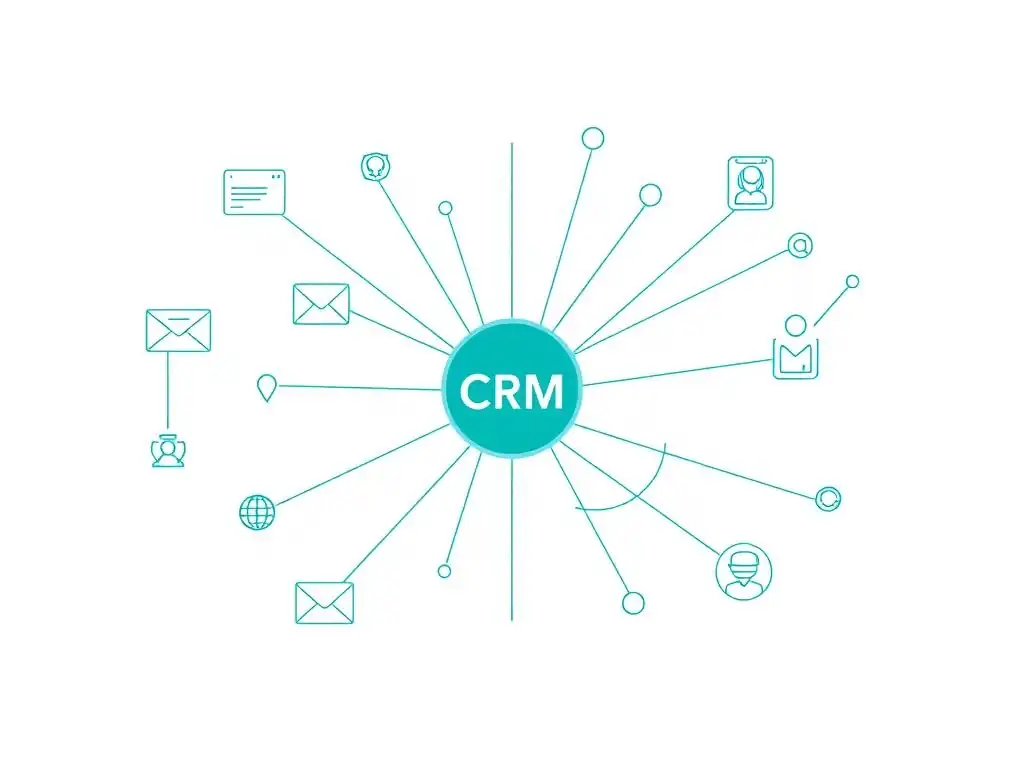
Automating your customer relationship management (CRM) system is a cornerstone of efficient small business operations. Effective CRM automation streamlines communication, improves client satisfaction, and ultimately boosts sales. Instead of manually inputting data and tracking interactions, automated systems handle much of the heavy lifting. This allows your team to focus on higher-value tasks like building relationships and closing deals.
For example, automated email sequences can nurture leads, sending targeted messages at predetermined intervals. Imagine setting up a welcome series for new clients, automatically sending them onboarding materials and helpful resources. This not only improves the client experience but also frees up your staff from manually sending these emails individually. Furthermore, automated reminders for follow-ups ensure that no potential client slips through the cracks. This proactive approach significantly improves client retention rates.
Beyond email, CRM automation can also automate appointment scheduling, task assignments, and even social media interactions. Imagine a system that automatically sends appointment reminders, reducing no-shows and improving time management. Or consider a system that automatically flags high-priority clients or those requiring immediate attention, ensuring that your team prioritizes those who need it most.
The possibilities are vast, and the benefits extend to every aspect of client interaction. Ultimately, implementing a robust CRM automation strategy is an investment in both efficiency and client satisfaction. The return on this investment is often seen in increased sales, improved customer loyalty, and a more engaged team.
Accounting and Finance Automation: Simplifying Bookkeeping
Efficient accounting and finance practices are critical for the health of any small business. Manual bookkeeping is time-consuming, prone to errors, and can lead to significant delays in financial reporting. Automating these tasks not only saves time but also significantly reduces the risk of costly mistakes. Automation tools can handle everything from invoice generation and payment processing to expense tracking and financial reporting.
For instance, automated invoicing systems can generate and send invoices automatically, reducing administrative overhead and ensuring timely payments. These systems often integrate with payment gateways, allowing clients to pay directly online, further streamlining the process. Furthermore, automated expense tracking tools can help you categorize and manage expenses, making tax preparation significantly easier and more accurate. Imagine effortlessly tracking mileage, receipts, and other expenses, all within a centralized system. This automation minimizes the risk of overlooking expenses or making errors in manual data entry.
Beyond basic bookkeeping, automated accounting systems offer advanced features such as financial forecasting and reporting. These tools can provide valuable insights into your business's financial health, allowing you to make data-driven decisions. Real-time access to financial data allows for quicker identification of potential problems and enables proactive adjustments to your business strategy.
The shift from manual to automated accounting is not just about efficiency; it's about gaining a clearer, more accurate picture of your business's financial performance, empowering you to make better, informed decisions for sustainable growth. This improved financial visibility is invaluable for small business owners seeking to optimize their operations and achieve long-term success.
Step-by-Step Guide to Automating Small Business Tasks
This section provides a practical, step-by-step approach to automating tasks within your small business, focusing on identifying areas for improvement and selecting the right tools for optimal efficiency. Remember, automating your small business tasks isn't about replacing human interaction entirely; it's about strategically leveraging technology to streamline processes and free up your time for more strategic initiatives. The goal is to automate small business tasks effectively, leading to increased productivity and profitability.
Assess Your Current Workflow and Identify Bottlenecks
Before diving into automation tools, a thorough assessment of your current workflow is crucial. This involves identifying the tasks that consume the most time and resources, and pinpointing any bottlenecks hindering efficiency. Consider using a workflow mapping tool or simply charting each step of your key business processes. For example, let's analyze invoice processing:
| Task | Time Spent (Avg.) | Frequency | Bottleneck? | Potential Automation |
|---|---|---|---|---|
| Creating Invoices | 15 minutes | Daily | Yes | Invoice generation software |
| Sending Invoices | 5 minutes | Daily | Yes | Automated email system |
| Tracking Payments | 30 minutes | Weekly | Yes | Accounting software integration |
| Chasing Overdue Payments | 1 hour | Weekly | Yes | Automated payment reminders |
| Reconciling Accounts | 2 hours | Monthly | Yes | Accounting software reconciliation features |
This table clearly highlights potential areas for automation. Notice how seemingly small tasks, when performed repeatedly, accumulate significant time losses. By identifying these bottlenecks, you can prioritize which areas to automate first for maximum impact. Focus on high-volume, repetitive tasks that are prone to human error. Think about tasks like data entry, email marketing, social media scheduling, and customer service responses. These are prime candidates for automation. Don't forget to consider the human element; while automation streamlines processes, it's essential to maintain a balance between technology and human interaction for a truly optimized workflow.
Choose the Right Automation Tools for Your Needs
Selecting the right automation tools requires careful consideration of your specific needs and budget. There's a wide array of software and platforms available, each catering to different business functions. Consider these factors:
- Scalability: Choose tools that can grow with your business. A tool suitable for a small team might not be efficient as your business expands.
- Integration: Ensure seamless integration with your existing software (CRM, accounting, email marketing, etc.). A fragmented system can create more problems than it solves.
- Cost: Evaluate the pricing models (subscription, one-time purchase, etc.) and ensure it aligns with your budget.
- Ease of Use: Select user-friendly tools that require minimal training and can be readily adopted by your team.
For example, if you're struggling with social media management, a scheduling tool like [Specific tool name pending] could automate posting across multiple platforms. If email marketing is a bottleneck, consider an email marketing automation platform like [Specific tool name pending] to streamline campaigns and personalize messaging. For accounting, explore integrated accounting software with features like automated invoice generation and payment processing. Remember, selecting the right tools is a key step in successfully automating small business tasks. Don't be afraid to try free trials or demos before committing to a purchase.
Integrate Your Chosen Tools for Seamless Workflow
Once you've selected your automation tools, the next crucial step is seamless integration. A fragmented system, where tools don't communicate effectively, defeats the purpose of automation. Aim for a unified system where data flows smoothly between your different applications. This might involve using APIs (Application Programming Interfaces) or employing integration platforms that connect different software.
For example, integrating your CRM with your email marketing platform allows for personalized email campaigns based on customer interactions. Similarly, integrating your accounting software with your invoicing system ensures accurate financial records and automated payment tracking. The key is to create a centralized system that minimizes manual data entry and ensures consistent data flow.
This integrated approach is essential for maximizing the efficiency gains of automation. Thorough testing after integration is vital to ensure everything works as expected and to identify any potential issues before they impact your operations. This final step is crucial for a truly efficient and effective automated workflow.
Train Your Team on the New Automated Systems

Successfully automating your small business tasks hinges not only on implementing the right tools but also on effectively training your team to use them. A poorly trained team can negate the benefits of automation, leading to errors, inefficiencies, and ultimately, frustration. Therefore, a robust training program is paramount. This shouldn't be a rushed, one-size-fits-all approach; instead, tailor your training to the specific needs and roles within your team.
Consider a phased approach. Begin with introductory sessions covering the overall purpose of automation and its benefits for the company. Highlight how these changes improve workflow and reduce individual workloads, fostering buy-in and minimizing resistance to change. Then, move to more hands-on training, focusing on individual software or systems. Provide clear, step-by-step instructions, supplemented with visual aids like screen recordings or presentations. Remember to cater to different learning styles – some team members might prefer visual demonstrations, while others may benefit from interactive exercises or written guides.
Regular check-ins and feedback sessions are crucial. Don't assume that initial training is sufficient. Schedule follow-up sessions to address any lingering questions or issues, ensuring everyone is comfortable and confident in using the new systems. Encourage open communication and create a safe space for team members to voice concerns or suggest improvements.
This iterative process ensures continuous improvement and maximizes the effectiveness of your automation strategy. Furthermore, consider offering ongoing support through readily accessible documentation, FAQs, or dedicated help desk channels. This proactive approach to training minimizes disruptions and maximizes the return on investment in your automation initiatives. Remember, a well-trained team is the key to unlocking the full potential of automated systems in your small business.
Monitor and Optimize Your Automated Processes
Implementing automation is not a "set it and forget it" process. Continuous monitoring and optimization are essential to ensure your automated systems remain efficient and effective over time. Regularly assessing the performance of your automated workflows allows you to identify bottlenecks, errors, and areas for improvement. This proactive approach prevents small issues from escalating into larger problems, ensuring the long-term success of your automation strategy.
Several key metrics should be tracked. For example, monitor the time saved per task, the reduction in error rates, and the overall increase in productivity. Compare these metrics against pre-automation data to quantify the impact of your automation efforts. Tools like project management software and business intelligence dashboards can be invaluable in collecting and analyzing this data. They provide a clear picture of the performance of individual automated processes and the overall efficiency of your operations.
Based on the data collected, make necessary adjustments. This might involve tweaking the parameters of your automated systems, refining workflows, or even switching to different software or tools altogether. Regularly review your automation strategy, and don't be afraid to adapt and iterate based on real-world performance. Remember that automation is a journey, not a destination.
Continuous improvement is key to maintaining a competitive edge and maximizing the benefits of automated processes in your small business. This iterative approach ensures that your automation strategy remains dynamic and responsive to the ever-evolving needs of your business. By consistently monitoring and optimizing your automated processes, you can ensure they continue to deliver value and contribute to the overall success of your small business.
Advanced Automation Strategies for Small Businesses
This section delves into sophisticated automation techniques that can significantly boost your small business's efficiency and productivity beyond basic task automation. We'll explore leveraging cutting-edge technologies to streamline operations and gain a competitive edge. Remember, automating small business tasks isn't just about saving time; it's about strategically optimizing your workflow for maximum impact.
Utilizing AI-Powered Automation Tools
Artificial intelligence (AI) is revolutionizing how small businesses operate. AI-powered tools go beyond simple rule-based automation; they learn, adapt, and improve over time, leading to increasingly efficient processes. Consider these applications:
- AI-driven chatbots for customer service: These intelligent bots can handle routine inquiries, freeing up your human staff to focus on complex issues. Data shows that businesses using AI chatbots experience a significant reduction in customer service response times – often by 50% or more. This leads to increased customer satisfaction and improved brand loyalty. The initial investment in setting up the chatbot may seem significant, but the long-term cost savings and increased efficiency make it a worthwhile investment for automating small business tasks.
- Predictive analytics for inventory management: AI can analyze sales data and predict future demand, optimizing your inventory levels and minimizing storage costs. This minimizes the risk of stockouts and overstocking, a common problem for small businesses. Imagine the precision: instead of relying on guesswork, your inventory management becomes data-driven and highly accurate.
- Smart email marketing automation: AI can personalize email campaigns based on individual customer behavior, improving open rates and conversion rates. This targeted approach enhances customer engagement and increases sales, proving the efficiency of automating small business tasks. For example, an AI-powered system might automatically segment your email list and send tailored promotions based on past purchases or browsing history.
Implementing Robotic Process Automation (RPA)
Robotic Process Automation (RPA) is a powerful technology that allows you to automate repetitive, rule-based tasks typically performed by humans. Think data entry, invoice processing, or report generation. RPA "robots" can interact with various software applications, mimicking human actions to execute these tasks with speed and accuracy.
Implementing RPA offers several key benefits:
- Increased efficiency and reduced errors: RPA significantly speeds up processes and minimizes human error, resulting in more accurate data and fewer costly mistakes. A study by Forrester found that RPA can improve productivity by up to 40%.
- Cost savings: By automating repetitive tasks, you free up your employees to focus on more strategic and value-added activities. This translates directly into cost savings and a better allocation of human resources.
- Improved compliance: RPA can help ensure compliance with regulations by automating processes that require adherence to specific rules and procedures. This reduces the risk of non-compliance penalties and legal issues. The consistent application of rules is a key strength of RPA in automating small business tasks.
RPA is particularly effective for businesses dealing with large volumes of structured data. Before implementing RPA, carefully analyze your processes to identify tasks suitable for automation. Prioritize those that are high-volume, repetitive, and rule-based.
Data Analytics for Improved Automation Decisions
Effective automation isn't a one-size-fits-all solution. To maximize the return on your automation investment, you need a data-driven approach. This involves collecting and analyzing data to inform your automation strategy.
- Identify bottlenecks: Analyze your current processes to pinpoint areas where inefficiencies exist. This could involve tracking process times, error rates, and employee workload. The data will highlight which tasks are most ripe for automation.
- Measure automation success: After implementing automation tools, monitor key performance indicators (KPIs) to assess the impact. Track metrics such as processing time, error rates, and cost savings. This data will allow you to refine your strategy and optimize your automation efforts continuously. This iterative approach is essential for maximizing the benefits of automating small business tasks.
- Adapt and improve: The business landscape is constantly evolving. Regularly review your automation strategies and make adjustments based on new data and changing business needs. This ensures that your automation tools remain relevant and effective over time. Flexibility and continuous improvement are key to long-term success.
The key takeaway is that automating small business tasks is not a one-time project but an ongoing process of optimization and refinement. By embracing advanced automation strategies and a data-driven approach, you can transform your business operations, significantly improve efficiency, and gain a competitive advantage.
The Future of Automation in Small Business
The future of automation in small businesses is bright, promising increased efficiency and profitability. We're moving beyond simple task automation towards more integrated and intelligent systems. This means less reliance on individual software solutions and more on interconnected platforms that seamlessly share data and automate complex workflows. Imagine a future where your CRM, accounting software, and marketing tools all communicate effortlessly, automatically updating each other and providing a holistic view of your business performance. This level of integration minimizes manual data entry, reducing errors and freeing up valuable time.
Furthermore, the rise of artificial intelligence (AI) and machine learning (ML) will significantly impact how small businesses automate their tasks. AI-powered tools can analyze vast amounts of data to identify trends, predict customer behavior, and even personalize marketing campaigns. This predictive capability allows businesses to proactively address potential problems and seize opportunities, leading to more informed decision-making. For example, an AI-powered system could analyze sales data to predict inventory needs, preventing stockouts and optimizing supply chain management. This proactive approach is crucial for small businesses aiming for sustainable growth.
Another key aspect of the future is the democratization of automation tools. As technology advances, automation solutions will become more user-friendly and affordable, making them accessible to even the smallest businesses. This increased accessibility will level the playing field, allowing smaller companies to compete more effectively with larger corporations.
No longer will sophisticated automation be the exclusive domain of large enterprises; small businesses will be empowered to leverage the same technologies to streamline their operations and boost productivity. This will foster innovation and create a more dynamic and competitive business landscape. The evolution towards simpler interfaces and intuitive designs will also reduce the learning curve, making automation adoption smoother and less daunting for business owners.
Avoiding Common Automation Pitfalls

Automating your small business tasks can dramatically increase efficiency, but only if done correctly. Many businesses stumble due to avoidable pitfalls. Understanding these common mistakes is the first step towards successful automation. Ignoring these potential problems can lead to wasted resources, decreased productivity, and ultimately, a less efficient business operation. Let's explore some key areas where businesses often falter.
Choosing the Right Automation Tools
Selecting the appropriate automation tools is crucial. A poorly chosen tool can create more problems than it solves. Consider these factors:
- Scalability: Will the tool grow with your business? A tool perfect for a small startup may become inadequate as you expand. Look for tools with flexible pricing plans and features that can adapt to your evolving needs.
- Integration: Does the tool integrate seamlessly with your existing systems? Poor integration leads to data silos and manual workarounds, negating the benefits of automation. Aim for tools that effortlessly connect with your CRM, email marketing platform, accounting software, and other essential applications.
- User-Friendliness: Even the most powerful tool is useless if it's too complicated to use. Prioritize user-friendly interfaces and robust training resources. A steep learning curve can discourage adoption and limit the tool's effectiveness. Consider free trials or demos to ensure a comfortable fit for your team.
- Cost vs. Benefit: Analyze the cost of the tool against the potential return on investment (ROI). While some tools may have a higher upfront cost, they might offer features that significantly reduce manual labor and save time in the long run. Calculate the potential savings in employee time and resources to justify the expense. Consider the total cost of ownership, including implementation, training, and ongoing maintenance.
For example, choosing a highly complex CRM when your business only needs basic contact management is a classic mistake. Similarly, selecting a marketing automation platform lacking essential features like email segmentation can hinder your marketing efforts rather than improve them. Careful consideration of these factors is essential for successful automation.
Data Security and Privacy Concerns
Data security and privacy are paramount, especially when automating processes that handle sensitive customer information. Failing to address these concerns can lead to serious legal and reputational damage.
- Data Encryption: Ensure your chosen automation tools utilize robust data encryption both in transit and at rest. This protects sensitive data from unauthorized access.
- Access Control: Implement strict access control measures, limiting access to sensitive data only to authorized personnel. Use role-based access control (RBAC) to assign permissions based on job roles and responsibilities.
- Regular Security Audits: Conduct regular security audits and penetration testing to identify and address vulnerabilities. Staying proactive in security measures is crucial for preventing data breaches.
- Compliance: Ensure compliance with relevant data privacy regulations such as GDPR, CCPA, etc. Understanding and adhering to these regulations are critical for protecting your business and your customers.
Ignoring these security measures can lead to data breaches, resulting in financial losses, legal penalties, and irreparable damage to your business reputation. Prioritize security from the outset of your automation strategy. Don't underestimate the importance of this aspect; a single breach can outweigh all the benefits of automation.
Over-Automation and Loss of Personal Touch
While automation offers significant benefits, over-automation can lead to a depersonalized customer experience. Striking the right balance is key.
- Maintaining Human Interaction: Some tasks, such as personalized customer service or handling complex inquiries, require a human touch. Over-automating these aspects can lead to frustrated customers and damage your brand image.
- Flexibility and Adaptability: Automation should complement, not replace, human judgment. Build in mechanisms for human intervention when necessary, allowing for flexibility and adaptability in handling unexpected situations.
- Monitoring and Adjustment: Continuously monitor the performance of your automated systems. Track key metrics, such as customer satisfaction, response times, and error rates. Make adjustments as needed to optimize efficiency and maintain a positive customer experience. Regular review and refinement are crucial for long-term success.
The goal is to automate repetitive tasks to free up employees for more strategic and creative work, not to eliminate the human element entirely. Finding this balance is crucial for maximizing the benefits of automation while preserving the essential human connection with customers and employees. A well-balanced approach ensures efficiency without sacrificing the personal touch that often builds customer loyalty.
Integration Challenges and Troubleshooting
Integrating different automation tools can present significant hurdles for small businesses. Many software solutions aren't designed to seamlessly communicate with each other. This lack of interoperability can lead to data silos, inconsistencies, and ultimately, a less efficient system than intended. For example, imagine a scenario where your CRM (Customer Relationship Management) software doesn't integrate with your accounting software.
Manually transferring data between these systems is time-consuming and error-prone, negating much of the time-saving benefits of automation. This is a common challenge when automating small business tasks, highlighting the importance of thorough due diligence before implementing any new software. Choosing tools with robust API integrations or opting for platforms that offer built-in integrations is crucial to avoid this pitfall.
Troubleshooting these integration issues can be complex and frustrating. It often requires a deep understanding of both the software and the underlying data structures. Problems can range from simple configuration errors to more intricate data mapping problems. In some cases, you might need to enlist the help of IT professionals or the software vendors themselves to resolve the issues.
The cost of this professional assistance should be factored into the overall automation budget. A proactive approach, involving thorough testing during the implementation phase, is vital to minimize these unforeseen complications and ensure a smoother transition to an automated system. Documenting every step of the integration process is also a wise strategy, allowing for easier identification and resolution of future problems.
This detailed documentation acts as a valuable troubleshooting guide, saving time and effort in the long run. Remember, a smoothly integrated system is paramount to successfully automating small business tasks. Don't underestimate the importance of meticulous planning and comprehensive testing in this critical stage.
Real-World Examples: Small Business Automation Success Stories
This section showcases how small businesses across various sectors have successfully implemented automation, leading to increased efficiency and profitability. We'll explore specific case studies, highlighting the challenges faced, the solutions implemented, and the positive outcomes achieved. Understanding these real-world examples will help you identify opportunities to automate your own small business tasks and propel your growth. Remember, automating small business tasks isn't about replacing human interaction entirely; it's about strategically leveraging technology to streamline operations and free up valuable time for more strategic initiatives.
Case Study 1: A Retail Business Automating Inventory Management
A local bookstore, "The Book Nook," faced significant challenges managing its inventory. Manually tracking stock levels, processing orders, and managing returns was time-consuming and prone to errors. This led to stockouts of popular titles, overstocking of less popular ones, and ultimately, lost revenue. To address these issues, "The Book Nook" implemented an automated inventory management system. This system integrated with their point-of-sale (POS) system, automatically updating stock levels with each sale. It also generated alerts when stock levels fell below a pre-determined threshold, allowing for timely reordering.
The results were dramatic. Stockouts decreased by 60%, leading to a 15% increase in sales. The automated system also significantly reduced the time spent on inventory management, freeing up staff to focus on customer service and other revenue-generating activities. The improved accuracy in inventory tracking minimized waste from overstocking and obsolescence. This successful automation of inventory management tasks demonstrates the significant impact that even a single automated system can have on a small retail business. The key takeaway? Investing in the right technology can translate directly into increased profitability and a more efficient workflow.
Case Study 2: A Service-Based Business Automating Appointment Scheduling
"Handy Helpers," a home repair and maintenance service, struggled with scheduling appointments. Juggling calls, emails, and manual calendar entries led to scheduling conflicts, missed appointments, and frustrated customers. Implementing an online appointment scheduling system drastically improved their efficiency. Customers could now book appointments directly through the company website, eliminating the need for phone calls and emails. The system automatically sends appointment reminders, reducing no-shows. It also integrates with the technicians' calendars, preventing double-booking.
The impact of automating appointment scheduling was immediate. The number of missed appointments dropped by 40%, leading to a significant increase in revenue. The automated system freed up administrative staff, allowing them to focus on other tasks. Customer satisfaction improved dramatically due to the ease of booking and the timely reminders.
This case study highlights the power of automating even seemingly small tasks like appointment scheduling. The streamlined process improved customer experience, increased efficiency, and ultimately boosted the bottom line. By choosing the right tools for automating small business tasks, "Handy Helpers" transformed their scheduling process from a source of frustration into a smooth, efficient operation. This is a perfect example of how automating seemingly mundane tasks can lead to significant improvements in overall business operations and customer satisfaction.
Conclusion: Embrace Automation for Small Business Growth
Automating small business tasks isn't just a trend; it's a necessity for survival and growth in today's competitive landscape. By strategically implementing automation tools, you're not just saving time, but also freeing up valuable resources to focus on core business activities, leading to increased profitability and a significant improvement in overall efficiency. This shift from manual processes to automated systems represents a paradigm shift in how small businesses operate, paving the way for scalability and sustainable success.
The initial investment in automation software and training might seem daunting, but the long-term return on investment (ROI) far outweighs the upfront costs. Consider the countless hours reclaimed, the minimized errors, and the enhanced customer satisfaction—these are the tangible benefits that contribute to a healthier bottom line and a more sustainable business model. Don't get left behind; embrace the power of automation and propel your small business towards unprecedented success.
Unlocking Your Business's Full Potential Through Automation
The transition to automated systems unlocks your business's true potential in several key areas. Firstly, increased productivity is a direct result. Imagine the time saved by automating repetitive tasks like invoicing, email marketing, and social media scheduling. This reclaimed time can be redirected towards strategic initiatives like product development, market research, or cultivating stronger client relationships. Secondly, reduced operational costs are a significant advantage.
Automation minimizes human error, leading to fewer costly mistakes and rework. It also streamlines workflows, reducing the need for extensive manual intervention and potentially lessening the reliance on a large workforce for certain tasks. Thirdly, improved customer satisfaction is a crucial outcome. Automated systems can ensure faster response times, personalized communication, and efficient order fulfillment, ultimately leading to happier customers and increased loyalty.
Consider the impact of instant order confirmations, automated email responses to frequently asked questions, and personalized marketing campaigns—these small touches significantly enhance the customer experience. Finally, enhanced scalability is achievable. Automation enables your business to handle increased workloads and expand operations more efficiently without a proportional increase in labor costs. This flexibility allows for controlled growth and adaptation to changing market demands.
The Long-Term Benefits of Automated Processes
The long-term advantages of automating small business tasks extend beyond immediate cost savings and increased efficiency. Investing in automation positions your business for sustained growth and resilience in the face of future challenges. Consider these key long-term benefits:
- Data-Driven Decision Making: Automated systems generate valuable data that can inform strategic business decisions. Tracking key metrics like customer engagement, sales conversions, and operational efficiency provides insights for continuous improvement and optimization.
- Competitive Advantage: In a highly competitive market, automation provides a significant competitive edge. Businesses that leverage automation effectively are better positioned to respond quickly to market changes, offer superior customer service, and ultimately, achieve higher profitability.
- Improved Employee Morale: Automating tedious and repetitive tasks frees up employees to focus on more engaging and challenging work, leading to increased job satisfaction and improved morale. This translates to reduced employee turnover and a more productive workforce.
- Future-Proofing Your Business: Automation is not a one-time fix; it's an ongoing process of optimization and refinement. By embracing automation early on, you're future-proofing your business and ensuring its adaptability to technological advancements and evolving market demands. This proactive approach ensures long-term sustainability and competitiveness.
The implementation of automation may require an initial investment of time and resources, but the long-term benefits are undeniable. From improved efficiency and reduced costs to enhanced customer satisfaction and sustainable growth, automating small business tasks is an investment in the future of your business. It's a strategic move that positions your company for success in the ever-evolving world of business. 🚀
Frequently Asked Questions
What small business tasks can I automate?
Many tasks are automatable! Consider social media posting, email marketing, customer support chatbots, invoice generation, and data entry. Focus on repetitive, time-consuming activities.
How much does automating small business tasks cost?
Costs vary greatly depending on the tools and services you choose. Some offer free plans with limitations, while others have monthly or annual subscriptions. Consider your budget and prioritize high-impact automations.
What are the benefits of automating tasks in my small business?
Automation saves you valuable time and money, reduces errors, and improves efficiency. This frees you to focus on strategic growth and other essential business activities.
Is it difficult to implement automation in my small business?
Not necessarily! Many user-friendly tools require minimal technical expertise. Start with easy-to-implement solutions and gradually add more complex automations as you gain experience.
Where can I find reliable tools to automate small business tasks?
Numerous platforms offer automation solutions. Research options like Zapier, IFTTT, HubSpot, and others tailored to your specific needs. Read reviews and compare features before choosing a tool.
Final Reflection: Reclaiming Your Time: The Automation Revolution in Small Business
The relentless pace of modern business demands efficiency, and for small business owners, automation isn't a luxury—it's a necessity for survival and growth. Failing to embrace the power of automation in today's competitive landscape is akin to fighting a battle with one hand tied behind your back. The time saved translates directly into increased profitability, reduced stress, and the freedom to focus on what truly matters: strategic growth and innovation.
The impact of automation on the small business landscape is profound and far-reaching. It's not just about saving time; it's about fundamentally reshaping the relationship between business owners and their work. It allows for a more sustainable and fulfilling entrepreneurial journey, freeing up mental space for creativity and strategic thinking. The key is not to prioritize what's on your schedule, but to schedule your priorities.
– Stephen Covey. This quote perfectly encapsulates the transformative power of automation: it allows you to prioritize the tasks that truly move the needle, rather than being bogged down in repetitive, time-consuming chores.
Now, consider your own business. What repetitive tasks are draining your energy and hindering your progress? What areas could benefit most from automation? I urge you to take a moment to identify these bottlenecks and explore the readily available tools and technologies designed to streamline your workflow. Embrace the automation revolution; reclaim your time, your energy, and your passion. The future of your business depends on it.
Unlock Your Business's Full Potential: Take Control Now!
Thank you for exploring the world of small business automation! We hope you've discovered valuable strategies to streamline your operations and reclaim your precious time. Ready to put this knowledge into practice?
- Prioritize one automation task today: Identify your business's most time-consuming process and dedicate some time today to setting up a simple automation. Even a small step can make a significant difference!
- Share your key insights: Discuss your most valuable takeaway from this article with fellow entrepreneurs on social media using #UltimateLifeHacks. Let's inspire each other!
- Explore additional automation options: Consider a free trial of relevant automation software, focusing on the area you prioritized earlier.
What single automation task will you tackle today to maximize your business's efficiency?