
Is Your Phone Stealing Your Focus? Take Back Control Now


Feeling overwhelmed by constant notifications and struggling to stay focused? At UltimateLifeHacks, we understand the battle against distractions. Our mission is to equip you with practical strategies to reclaim your time and boost productivity. Discover how to Reclaim Focus from phone distraction and unlock your true potential – dive into our insightful guide on digital minimalism and learn to master your technology, not let it master you. Are you ready to take back control of your day?
- Understanding Phone Distraction and Its Impact on Focus
-
Reclaim Focus: Practical Strategies to Minimize Phone Interruptions
- Creating a Phone-Free Zone: Designating Specific Times and Places for Digital Detox
- Mastering Notification Management: Customizing Settings for Peace of Mind
- Utilizing Built-in Phone Features: App Timers, Focus Modes, and Screen Time Limits
- The Power of Do Not Disturb: Scheduling Silence for Enhanced Concentration
- Mindful Phone Usage: Setting Intentional Goals for Each Interaction
-
Advanced Techniques to Reclaim Focus and Combat Phone Addiction
- Developing a Digital Minimalism Mindset: Prioritizing Real-Life Experiences
- Mindfulness and Meditation Practices: Cultivating Present Moment Awareness
- The Importance of Regular Breaks and Digital Detox Days: Resetting Your System
- Building Better Habits: Replacing Phone Scrolling with Intentional Activities
- Seeking Professional Help: Recognizing the Signs of Phone Addiction and Seeking Support
-
Reclaim Focus Phone Distraction: Long-Term Strategies for Sustainable Change
- Creating a Personalized Digital Wellness Plan: A Step-by-Step Guide
- Regularly Reviewing and Adjusting Your Digital Habits: The Importance of Ongoing Self-Reflection
- Finding Accountability Partners: Sharing Your Goals and Progress with Others
- Celebrating Successes and Learning from Setbacks: Maintaining Motivation and Momentum
-
Frequently Asked Questions
- How can I reclaim my focus when my phone constantly distracts me?
- What are some quick techniques to overcome phone distractions?
- Are there any apps that can help me reduce phone distractions?
- How can I create a more productive work environment to avoid phone distractions?
- What if I'm constantly checking my phone out of habit? How can I break this cycle?
- Final Reflection: Reclaiming Your Attention in a Hyper-Connected World
- Rediscover Your Focus: Reclaim Your Time and Attention
Understanding Phone Distraction and Its Impact on Focus
Our smartphones, while undeniably powerful tools for connection and productivity, often become insidious thieves of our focus. The constant buzz of notifications, the siren song of social media, and the ever-present temptation to check emails can significantly derail our concentration, impacting both our professional achievements and our personal well-being. This article explores the science behind smartphone distraction, examining how these devices hijack our attention and outlining practical strategies to reclaim your focus and boost your productivity.
We'll delve into the neurological mechanisms driving our phone addiction, the psychological impact of constant interruptions, and the tangible costs of this digital distraction on your time and overall effectiveness. Learning to manage your phone usage is crucial in navigating the modern digital landscape and achieving a more balanced, focused life. This guide provides the knowledge and tools to help you effectively Reclaim focus phone distraction.
The Neuroscience of Smartphone Addiction: Why We Can't Put Our Phones Down
Our brains are wired to seek rewards, and smartphones cleverly exploit this system. Each notification, like, or message triggers a dopamine release, creating a positive feedback loop that reinforces the behavior. This dopamine rush is similar to the reward system activated by food or other pleasurable activities, leading to compulsive checking and a difficult-to-break cycle of phone use. Studies have shown that the constant stimulation from smartphones can actually rewire the brain, making it harder to focus on tasks that don't provide immediate gratification.
This neurological response is a significant factor in understanding why we struggle to put our phones down, even when we know we should. The addictive nature isn't necessarily a personal failing; it's a consequence of how our brains respond to the design and functionality of these devices. Understanding this underlying mechanism is the first step towards regaining control.
How Constant Notifications Hijack Your Attention: The Psychology of Interruptions
Beyond the neurological aspects, the psychology of interruptions plays a crucial role in smartphone distraction. Each notification acts as a cognitive interruption, pulling our attention away from the task at hand. Even if we don't fully engage with the notification, the mere interruption disrupts our concentration and requires mental effort to refocus. This constant switching between tasks reduces our overall efficiency and increases the time it takes to complete projects.
Furthermore, the fear of missing out (FOMO) fueled by social media and constant connectivity contributes to this cycle. The psychological pressure to stay updated and connected keeps us tethered to our devices, even when it’s detrimental to our productivity and mental health. This constant state of low-level anxiety and distraction significantly impacts our ability to engage deeply in any given task.
The Productivity Drain: Quantifying the Cost of Phone Distraction on Your Work and Personal Life
The impact of phone distraction extends far beyond simple annoyance. The cumulative effect of these interruptions translates into a significant loss of productivity. Studies suggest that even brief interruptions can decrease efficiency by up to 40%, depending on the task's complexity. This translates to lost work hours, missed deadlines, and reduced overall output. The cost isn't just professional; personal relationships and leisure time also suffer.
Constant phone use can lead to feelings of isolation, reduced quality time with loved ones, and a diminished ability to fully engage in hobbies and recreational activities. To truly understand the extent of the problem, consider tracking your phone usage for a week. The results might surprise you, revealing a substantial amount of time lost to unproductive scrolling, checking notifications, and responding to messages that could have been better allocated to more meaningful pursuits. This quantification can be a powerful motivator for change.
Reclaim Focus: Practical Strategies to Minimize Phone Interruptions

This section provides actionable strategies to help you regain control over your attention and minimize phone-related distractions. The pervasive nature of smartphones means reclaiming focus requires a multi-pronged approach. We'll explore practical techniques to help you effectively manage your phone usage and cultivate a more focused state of mind. The goal is to reclaim focus and prevent your phone from hijacking your valuable time and mental energy. This isn't about eliminating phone use entirely, but rather about consciously choosing when and how you engage with it.
Creating a Phone-Free Zone: Designating Specific Times and Places for Digital Detox
One highly effective method for reclaiming focus is to create designated phone-free zones and times. This involves intentionally setting aside specific periods or locations where phone use is limited or completely prohibited. This could involve establishing a "phone-free hour" before bed, creating a phone-free zone in your workspace, or designating specific times during the day for focused work where your phone is placed out of reach.
Consider these examples:
- Designated Work Hours: Many find that dedicating the first three hours of their workday to deep work, with their phone silenced and in another room, drastically improves productivity and focus. This allows for uninterrupted concentration, maximizing output during peak performance times.
- Mealtime Mindfulness: Eating meals without the distraction of your phone allows you to savor the food, engage in conversation (if eating with others), and promotes better digestion. Studies have shown that eating while distracted can lead to overeating and less satisfaction.
- Before Bed Routine: The blue light emitted from screens disrupts melatonin production, impacting sleep quality. Establishing a phone-free hour before bed promotes better sleep hygiene and improves overall well-being. This contributes to better focus the following day.
Implementing these strategies requires discipline, but the benefits in terms of improved focus and reduced stress are significant. Experiment with different times and locations to find what works best for you and your daily routine. Remember, consistency is key to successfully implementing this technique to reclaim focus from your phone.
Mastering Notification Management: Customizing Settings for Peace of Mind
Notifications, while seemingly helpful, are often the biggest culprits in stealing our attention. Constant buzzing and beeping disrupt concentration and create a sense of urgency that can be highly detrimental to focus. Mastering notification management is therefore crucial for reclaiming focus.
Here's how to take control:
- Disable Non-Essential Notifications: Identify which apps truly require immediate notifications (e.g., important work messages). Turn off all others. You can always check these apps periodically during designated break times.
- Customize Notification Sounds: Consider using subtle notification sounds or vibrations instead of jarring ringtones. This reduces the disruptive impact of notifications while still providing alerts for important messages.
- Use Do Not Disturb Mode: Employ your phone's "Do Not Disturb" mode strategically. Schedule it during focused work sessions or periods of deep concentration to eliminate unwanted interruptions. This is a powerful tool for reclaiming focus and minimizing digital distractions.
Consider this table summarizing effective notification management strategies:
| Strategy | Description | Impact on Focus |
|---|---|---|
| Disable Non-Essential Apps | Turn off notifications for apps that don't require immediate attention. | Significantly reduces interruptions. |
| Customize Sounds/Vibrations | Use subtle alerts instead of loud or jarring notifications. | Minimizes distraction while still providing alerts. |
| Utilize Do Not Disturb Mode | Schedule periods where notifications are completely silenced. | Creates uninterrupted periods for deep work. |
Utilizing Built-in Phone Features: App Timers, Focus Modes, and Screen Time Limits
Modern smartphones offer built-in features designed to help manage screen time and improve digital well-being. Leveraging these tools can significantly aid in reclaiming focus and reducing phone-related distractions.
- App Timers: Many phones allow you to set time limits for specific apps. This helps you consciously control how much time you spend on each app, preventing you from getting sucked into endless scrolling.
- Focus Modes: These features allow you to block distracting apps during specific periods, promoting focused work or relaxation. They're incredibly effective for minimizing interruptions.
- Screen Time Limits: Your phone likely tracks your daily screen time. Use this data to identify patterns and set realistic daily or weekly limits. This promotes self-awareness and helps you make conscious choices about your phone usage.
By actively utilizing these built-in features, you can create a more balanced relationship with your phone and cultivate a more focused and productive lifestyle. Remember, these features are designed to support your efforts to reclaim focus and improve your overall digital well-being. Experiment with different settings to find the optimal balance that works best for you.
The Power of Do Not Disturb: Scheduling Silence for Enhanced Concentration
The constant buzz and ping of notifications are significant contributors to fragmented focus. Reclaiming focus often starts with silencing these digital interruptions. Most smartphones offer a "Do Not Disturb" (DND) mode, a powerful tool often underutilized. Instead of leaving it on passively, strategically schedule your DND periods. Think about your most focused work blocks – perhaps the early morning hours before the day's demands kick in, or a dedicated afternoon session. Activating DND during these times creates a digital sanctuary, allowing for uninterrupted concentration.
This isn't about ignoring all communication; it's about controlling when you engage. You can customize your DND settings to permit calls from specific contacts or allow exceptions for urgent situations. Experiment with different scheduling approaches. For example, you could set DND for 90-minute intervals, aligning with the Pomodoro Technique, followed by short breaks where you can check notifications.
This structured approach ensures you're not constantly reacting to your phone but proactively managing your attention. The key is to consciously choose when to reconnect, rather than passively reacting to every notification. The result is a significant improvement in deep work sessions and a noticeable reduction in the mental clutter caused by constant distractions.
The feeling of reclaiming control over your time and attention is incredibly rewarding. Try scheduling DND blocks for a week and observe the positive impact on your focus and productivity. You might be surprised at how much more you can accomplish.
Mindful Phone Usage: Setting Intentional Goals for Each Interaction
Mindless phone scrolling is a major productivity thief. To reclaim focus and minimize phone distractions, cultivate a more intentional relationship with your device. Before picking up your phone, ask yourself: What is my specific purpose? Are you checking a specific message, looking up information, or simply browsing? Simply having this intentionality transforms passive scrolling into active engagement. This simple act, while seemingly minor, significantly reduces the likelihood of getting sucked into a time-wasting vortex.
Instead of passively reacting to notifications, actively decide when and how to interact with your phone. Consider using a timer. Set a timer for 5 or 10 minutes to check emails or social media. When the timer goes off, stop, regardless of whether you've finished. This prevents endless scrolling and helps you stay on track with your intentions.
By setting limits and establishing clear goals for each interaction, you're actively preventing your phone from hijacking your attention. This mindful approach fosters a healthier relationship with your phone, transforming it from a source of constant distraction to a tool used purposefully and efficiently. Remember, the goal is not to eliminate phone use entirely, but to make it a conscious choice, rather than a passive habit. This purposeful approach contributes significantly to reclaiming your focus and boosting overall productivity.
Advanced Techniques to Reclaim Focus and Combat Phone Addiction
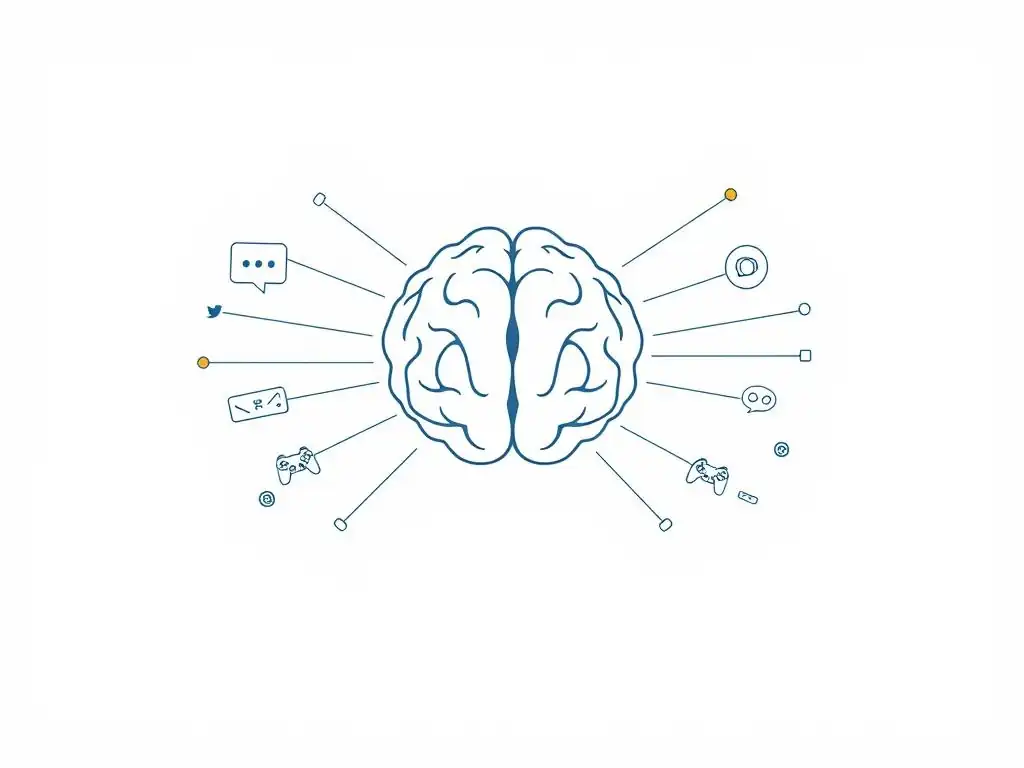
This section delves into sophisticated strategies to actively combat phone distraction and reclaim your focus, moving beyond simple notifications management. We'll explore techniques that address the root causes of phone addiction, fostering a more mindful and intentional relationship with your device. Successfully reclaiming your focus requires a multi-pronged approach, encompassing mental discipline, environmental control, and a conscious shift in mindset. Let's dive into these advanced techniques to truly reclaim focus phone distraction.
Developing a Digital Minimalism Mindset: Prioritizing Real-Life Experiences
The core of reclaiming focus lies in shifting your priorities. Digital minimalism isn't about eliminating technology entirely; it's about consciously choosing what technology serves you and what detracts from your well-being. This involves actively prioritizing real-life experiences over digital ones.
Consider tracking your daily phone usage for a week. Use your phone's built-in screen time feature or a dedicated app to see precisely where your time is going. This data can be shocking, revealing how many hours are spent passively scrolling or engaging in non-essential activities. Once you see this data, you can begin to make conscious choices.
For example, instead of immediately reaching for your phone when you have a spare moment, try engaging in a different activity. Read a book, listen to music without looking at your phone's screen, meditate, or even simply observe your surroundings. These small, intentional shifts can significantly impact your overall phone usage and enhance your focus. Prioritizing real-world interactions – conversations with loved ones, engaging in hobbies, enjoying nature – will naturally displace the urge to constantly check your phone. This conscious prioritization is key to reclaiming your focus and developing a healthier relationship with technology.
Mindfulness and Meditation Practices: Cultivating Present Moment Awareness
Mindfulness and meditation are powerful tools in the fight against phone addiction. These practices cultivate present moment awareness, helping you become more conscious of your impulses and behaviors. By being more present, you're less likely to succumb to the instant gratification offered by your phone.
Regular meditation, even for just 5-10 minutes a day, can significantly improve your attention span and reduce impulsivity. Numerous studies demonstrate the positive impact of mindfulness on focus and cognitive function. Start with guided meditations readily available through apps or online resources. Focus on your breath, your body sensations, and the present moment without judgment. As you become more skilled, you'll notice a marked improvement in your ability to resist the urge to check your phone, even when faced with notifications or boredom.
Incorporating mindfulness into your daily routine beyond formal meditation practices is also crucial. Pay attention to your actions throughout the day. When you reach for your phone, pause and ask yourself: "Why am I doing this? Is this serving me?" This simple act of conscious awareness can prevent mindless scrolling and help you make more intentional choices. The goal is to cultivate a state of mindful presence that naturally reduces the pull of constant phone checking.
The Importance of Regular Breaks and Digital Detox Days: Resetting Your System
Regular breaks and scheduled digital detox days are essential for resetting your system and preventing burnout. Constant phone usage leads to mental fatigue and reduced focus. Taking regular breaks allows your brain to rest and recharge, improving your overall cognitive function.
Implement the Pomodoro Technique: work in focused 25-minute intervals followed by a 5-minute break. During these breaks, avoid screens. Step away from your computer and phone, stretch, walk around, or engage in a quick mindfulness exercise. This structured approach can significantly improve productivity and reduce the urge to constantly check your phone.
Schedule regular digital detox days. Completely disconnect from all devices for a set period, perhaps a weekend afternoon or an entire day each week. Use this time to engage in activities that bring you joy and help you relax, such as spending time in nature, pursuing hobbies, or connecting with loved ones in person.
These digital detox periods provide a much-needed reset, allowing you to return to your devices with renewed focus and intention. The benefits of these breaks are cumulative, leading to a more balanced and productive relationship with technology. This conscious effort to reclaim focus phone distraction is a continuous process requiring commitment and self-awareness.
Building Better Habits: Replacing Phone Scrolling with Intentional Activities

Replacing mindless phone scrolling with intentional activities is crucial for reclaiming focus and breaking the cycle of phone addiction. It's not enough to simply reduce phone use; you need to actively replace the habit with something more fulfilling and productive. This requires a conscious effort and a strategic approach. Start by identifying your peak phone-scrolling times. Are you most likely to reach for your phone during work breaks, after dinner, or before bed? Once you've identified these trigger times, plan alternative activities.
For example, if you habitually scroll through social media during your lunch break, try replacing that with a short walk outside, a mindful meditation session, or even just a few minutes of focused reading. The key is to choose activities that engage your mind and body in a positive way, offering a sense of accomplishment or relaxation rather than the fleeting satisfaction of scrolling. Experiment with different activities to find what works best for you. Some individuals might find solace in creative pursuits like drawing or writing, while others might prefer physical activities like yoga or a quick workout.
Consider using habit-tracking apps or journals to monitor your progress and identify patterns. This data can provide valuable insights into your phone usage habits and help you tailor your replacement activities more effectively. Remember, building new habits takes time and consistency. Don't get discouraged if you slip up occasionally.
The key is to keep practicing and refining your strategy. Gradually, you'll find that your desire to mindlessly scroll diminishes as you discover the rewards of engaging in more meaningful activities. The process of reclaiming your focus is a journey, not a race. Celebrate small victories and remain committed to your goals.
Seeking Professional Help: Recognizing the Signs of Phone Addiction and Seeking Support
While many individuals can successfully manage phone overuse through self-help strategies, some may require professional assistance. Recognizing the signs of phone addiction is the first step towards seeking appropriate support. Excessive phone use isn't simply about spending a lot of time on your phone; it's about the impact it has on your life. Are you neglecting your responsibilities at work or school because you're constantly checking your phone?
Are your relationships suffering because you're prioritizing your phone over connecting with loved ones? Do you experience anxiety or withdrawal symptoms when you're separated from your phone? These are all potential indicators of problematic phone use.
Furthermore, consider the impact on your sleep. Excessive phone use before bed can disrupt your sleep cycle, leading to fatigue and decreased productivity. Similarly, constant notifications can be incredibly distracting and disruptive to your concentration. If you're struggling to manage your phone use despite your best efforts, seeking professional help is a sign of strength, not weakness.
A therapist or counselor specializing in addiction can provide guidance, support, and evidence-based strategies to help you regain control. They can help you identify the underlying causes of your phone addiction, develop coping mechanisms, and create a personalized plan for recovery. Cognitive Behavioral Therapy (CBT) is often effective in treating phone addiction, helping individuals identify and change negative thought patterns and behaviors associated with excessive phone use.
Don't hesitate to reach out for help if you need it. Your mental and emotional well-being are paramount. Reclaiming your focus and time is an investment in a healthier, more fulfilling life.
Reclaim Focus Phone Distraction: Long-Term Strategies for Sustainable Change
Minimizing phone distractions isn't a one-time fix; it's a journey requiring sustained effort and adaptation. True mastery of reclaiming your focus involves implementing long-term strategies that become ingrained habits. This section focuses on cultivating a sustainable approach to digital wellness, ensuring you consistently prioritize focus and minimize interruptions. We'll explore strategies to build a personalized plan, regularly review your progress, and leverage the power of accountability.
Creating a Personalized Digital Wellness Plan: A Step-by-Step Guide
Crafting a personalized digital wellness plan is crucial for effectively reclaiming your focus and minimizing phone distractions. This isn't a generic, one-size-fits-all approach; it's about understanding your unique digital habits and tailoring a strategy accordingly. Here's a step-by-step guide:
- Identify Your Peak Distraction Times: When are you most susceptible to phone interruptions? Is it during work hours, in the evenings, or perhaps first thing in the morning? Tracking your phone usage with built-in tools or apps can reveal patterns. This awareness is the foundation of effective change. For example, if you notice a spike in social media usage during your lunch break, you can plan a distraction-free activity for that time.
- Define Your Focus Goals: What do you want to achieve by minimizing phone distractions? Do you aim to enhance productivity at work, improve sleep quality, or deepen your engagement in hobbies? Clearly defining your goals provides motivation and direction. For instance, if your goal is to finish writing a report, set a specific time block free from phone interruptions to maximize your output.
- Set Realistic Boundaries: Don't try to change everything overnight. Start with small, achievable goals. For example, begin by silencing notifications during specific work periods or limiting social media usage to designated times. Gradually increase the stringency of your boundaries as you build resilience.
- Utilize Technology to Your Advantage: Explore apps and features designed to curb phone usage. These tools can help track your screen time, block distracting apps, or even schedule "focus modes" that limit access to certain functionalities. Experiment with various options to find what best supports your needs and preferences.
- Develop Alternative Habits: What will you do instead of reaching for your phone? Identify healthy substitutes, such as reading a book, going for a walk, or practicing mindfulness. Having proactive alternatives minimizes the temptation to fall back on mindless phone scrolling.
Regularly Reviewing and Adjusting Your Digital Habits: The Importance of Ongoing Self-Reflection
Creating a plan is only the first step; consistent monitoring and adjustment are vital for long-term success in reclaiming focus from phone distractions. Regular self-reflection allows you to identify what's working, what's not, and where improvements are needed.
Consider incorporating these practices:
- Weekly Check-ins: Dedicate some time each week to review your progress. Analyze your phone usage data, reflect on your successes and challenges, and identify areas for improvement. For instance, if you notice a relapse in social media usage, consider adjusting your boundaries or exploring new strategies to manage temptation.
- Journaling: Keeping a journal can provide valuable insights into your digital habits and their impact on your focus and well-being. Note down your experiences, challenges, and successes. This practice fosters self-awareness and facilitates continuous improvement.
- Experimentation: Don't be afraid to try different approaches. What works for one person may not work for another. Experiment with various techniques and strategies until you find a system that effectively supports your needs and preferences. This iterative process is key to long-term success in managing digital distractions.
Finding Accountability Partners: Sharing Your Goals and Progress with Others
Sharing your goals and progress with others can significantly enhance your commitment to reclaiming focus and minimizing phone distractions. Accountability partners provide support, encouragement, and a sense of responsibility.
Here's how to leverage the power of accountability:
- Choose the Right Partner: Select someone who understands your goals and is willing to provide support and constructive feedback. This could be a friend, family member, colleague, or even a mentor.
- Establish Check-in Mechanisms: Regularly check in with your accountability partner to discuss your progress, challenges, and any setbacks. This consistent communication reinforces your commitment and provides a valuable support system.
- Celebrate Successes: Acknowledge and celebrate milestones along the way. This positive reinforcement boosts motivation and reinforces the value of your efforts. Sharing your successes with your accountability partner adds an extra layer of satisfaction and encouragement.
Remember, reclaiming your focus from phone distractions is a continuous process. By combining long-term strategies with regular self-reflection and accountability, you can cultivate sustainable habits that prioritize focus and enhance your overall well-being.
Celebrating Successes and Learning from Setbacks: Maintaining Motivation and Momentum
Reclaiming focus from phone distractions is a marathon, not a sprint. It requires consistent effort and a resilient mindset. To stay motivated throughout this process, celebrating even small victories is crucial. Did you manage to resist checking your phone for an entire hour while working on a project? Fantastic! Acknowledge that accomplishment.
Perhaps you successfully completed a task without any interruptions from notifications. That's a win worth celebrating. These small wins build momentum and reinforce positive behavior patterns, making it easier to maintain focus in the long run. Consider keeping a journal to track your progress and note down your successes. This tangible record serves as a powerful reminder of your achievements and fuels further motivation.
However, setbacks are inevitable. There will be days when you find yourself falling back into old habits, succumbing to the siren call of notifications. Instead of viewing these lapses as failures, frame them as learning opportunities. Analyze what triggered the distraction. Was it a particular app?
A specific time of day? Understanding the root cause allows you to develop targeted strategies to prevent similar situations in the future. Perhaps you need to adjust your notification settings, utilize website blockers more effectively, or simply take more frequent breaks to avoid burnout. Remember, progress is not linear; it's a journey with ups and downs.
Embrace the setbacks as valuable lessons that propel you forward on your path to reclaiming focus. The key is to learn from mistakes, adapt your approach, and keep moving towards your goal. Don't let temporary slip-ups derail your overall progress; instead, use them as stepping stones to strengthen your resilience and commitment. The ability to learn from setbacks is a crucial ingredient in achieving lasting change in your relationship with your phone.
Frequently Asked Questions
How can I reclaim my focus when my phone constantly distracts me?
Minimize notifications and put your phone on Do Not Disturb mode during focused work periods. Consider using apps that block distracting apps.
What are some quick techniques to overcome phone distractions?
Try the Pomodoro Technique, working in focused bursts with short breaks. Turn your phone face down or place it in another room.
Are there any apps that can help me reduce phone distractions?
Yes! Many apps like Forest, Freedom, and StayFree can help you limit your phone usage and boost focus.
How can I create a more productive work environment to avoid phone distractions?
Designate a specific workspace free from distractions. Let others know when you need undisturbed focus time.
What if I'm constantly checking my phone out of habit? How can I break this cycle?
Be mindful of your phone usage. Replace the habit with a positive alternative, like stretching or drinking water. Gradually reduce your phone usage.
Final Reflection: Reclaiming Your Attention in a Hyper-Connected World
The relentless notifications, the endless scroll, the constant pull towards our phones – these are the hallmarks of modern life, and they are actively stealing our focus. The pervasive nature of digital distraction isn't just an inconvenience; it's a significant impediment to productivity, well-being, and genuine connection with ourselves and others. We've explored the insidious ways technology chips away at our attention spans, but the good news is that reclaiming control is entirely within our grasp.
The impact of constant digital stimulation on our mental health and overall sense of presence is undeniable. We've become accustomed to a fragmented existence, constantly switching between tasks and stimuli, leaving little room for deep work, mindful reflection, or even simple relaxation. The greatest enemy of knowledge is not ignorance, it is the illusion of knowledge.
– Stephen Hawking. This quote rings true when we consider how the illusion of constant connectivity can prevent us from truly engaging with the world around us and the knowledge it holds. We must actively choose to break free from this illusion.
You hold the power to reshape your relationship with technology. Start small: set boundaries, schedule dedicated "phone-free" time, and cultivate mindful practices. Experiment with different techniques – from turning off notifications to utilizing focus apps – to find what works best for you. Remember, reclaiming your focus isn't about eliminating technology entirely; it's about consciously choosing how and when you engage with it, ensuring it serves you, rather than the other way around. Take back control, and rediscover the joy of a focused, present life.
Rediscover Your Focus: Reclaim Your Time and Attention
Thank you for exploring the often-overlooked impact of phone distractions on your focus. You've gained valuable insights to help you reclaim your attention! Let's put this knowledge into action.
- Prioritize a Digital Detox: Dedicate daily time, perhaps 30 minutes, to be completely free from your phone. Observe how this affects your concentration and energy levels. This is a crucial first step toward regaining your focus.
- Share Your Insights: Discuss your experiences with friends and family. Let's promote mindful phone use and inspire others to take control of their attention.
- Explore Focus Techniques: Experiment with mindfulness techniques or productivity apps to find what best suits your needs and helps you maintain focus throughout the day.
Now that you understand the power of intentional phone use, which strategy will you implement first to regain your focus and boost your productivity?