
Deep Work Demystified: How to Achieve Profound Focus and Creativity


Welcome to UltimateLifeHacks, your destination for practical strategies to conquer daily challenges and unlock your full potential. Are you struggling to maintain focus and unleash your creative genius? Then prepare to be amazed by the power of deep work focus techniques. Discover how to transform your productivity and achieve profound results with our insightful guide, "Deep Work Demystified: How to Achieve Profound Focus and Creativity," found within our Cognitive Hacks section. Ready to unlock your potential? Let's dive in!
- Understanding Deep Work: The Foundation of Profound Focus
-
Mastering Deep Work Focus Techniques: Practical Strategies
- Cultivating a Deep Work Mindset: Strategies for Mental Preparation
- Time Blocking for Deep Work: Scheduling Your Focus Sessions Effectively
- Eliminating Distractions: Creating an Optimal Deep Work Environment
- The Pomodoro Technique for Deep Work: Structured Focus Intervals
- Mindfulness and Meditation for Enhanced Focus: Calming the Mind for Deep Work
-
Advanced Deep Work Strategies: Boosting Your Focus Power
- The Power of Flow State: Achieving Peak Performance Through Deep Work
- Utilizing Technology for Deep Work: Apps and Tools to Enhance Focus
- Overcoming Procrastination and Distraction: Mastering Your Deep Work Habits
- Personalized Deep Work Strategies: Tailoring Techniques to Your Needs
- Measuring Your Deep Work Success: Tracking Progress and Refining Techniques
-
Sustaining Deep Work: Long-Term Focus and Productivity
- Building a Sustainable Deep Work Routine: Consistency is Key
- Integrating Deep Work into Your Daily Life: Scheduling Focus Time
- The Importance of Rest and Recovery: Preventing Burnout and Maintaining Focus
- Deep Work and Creativity: Unleashing Your Innovative Potential
- Adapting Your Deep Work Strategy: Continuous Improvement and Optimization
- Deep Work Focus Techniques: Case Studies and Examples
- Frequently Asked Questions
- Final Reflection: Unlocking Your Potential Through Deep Work
- Unlock Your Deep Work Potential: Start Focusing Now!
Understanding Deep Work: The Foundation of Profound Focus
Deep work—the ability to focus without distraction on a cognitively demanding task—is the key to unlocking profound focus and unparalleled creativity. In our increasingly fragmented digital world, the capacity for sustained, concentrated effort is a rare and valuable skill, a superpower that can dramatically boost productivity and lead to breakthroughs in any field.
This article will delve into the science and practice of deep work, providing you with practical techniques and strategies to cultivate this essential skill and transform your work—and life—for the better. We'll explore how to identify your current focus habits, understand the neurological underpinnings of deep work, and ultimately, master the art of achieving profound focus and unlocking your creative potential.
This guide is designed to equip you with the tools necessary to conquer distractions, optimize your cognitive abilities, and consistently achieve peak performance. Mastering deep work isn't just about getting things done faster; it's about achieving a state of flow, where work becomes effortless and intensely rewarding.
Defining Deep Work and its Benefits for Productivity
Deep work, as coined by Cal Newport, is the ability to focus without distraction on a cognitively demanding task. This isn't simply concentrating on a task; it's about achieving a state of flow, where you're fully immersed in your work and time seems to melt away. The benefits extend far beyond increased output. Studies show that deep work significantly enhances:
- Cognitive Function: Improved memory, attention span, and problem-solving skills.
- Creativity: Deep focus fosters innovative thinking and the generation of novel ideas.
- Productivity: Accomplishing significantly more high-quality work in less time.
- Job Satisfaction: A sense of accomplishment and mastery leads to greater job satisfaction.
- Stress Reduction: Paradoxically, focusing intensely on a task can be incredibly calming and reduce overall stress levels.
Consider this: A study by [specific information pending] showed a significant correlation between regular deep work sessions and increased employee satisfaction and productivity. This highlights the tangible benefits of incorporating deep work into your daily routine, transforming it from a theoretical concept to a demonstrable strategy for success.
Deep Work vs. Shallow Work: Identifying Your Focus Habits
To harness the power of deep work, it's crucial to understand the difference between deep and shallow work. Shallow work consists of non-cognitively demanding activities that can be easily performed while distracted. Examples include checking emails, attending unproductive meetings, or constantly switching between tasks. Shallow work often leaves you feeling drained and unfulfilled, despite the time invested.
Deep work, conversely, demands your full attention and cognitive resources. It's the type of work that produces high-value results and leads to significant progress. Examples include writing a complex report, coding a new software feature, or conducting in-depth research.
Think about your typical workday. How much time do you spend on shallow work versus deep work? A simple time-tracking exercise can reveal surprising insights into your focus habits. By identifying your shallow work patterns, you can begin to strategically minimize distractions and allocate more time to activities that yield substantial results. This self-awareness is the first step towards cultivating a deep work mindset.
| Work Type | Characteristics | Example Activities | Impact on Productivity & Focus |
|---|---|---|---|
| Deep Work | Intense focus, cognitively demanding, high value | Writing a novel, coding, strategic planning | High productivity, sharp focus |
| Shallow Work | Easily distracted, low cognitive demand, low value | Checking emails, social media, attending unnecessary meetings | Low productivity, scattered focus |
This table illustrates the stark contrast between these two types of work, making it easier to recognize and prioritize deep work activities in your day.
The Neuroscience of Deep Work: Cognitive Benefits and Brain Optimization
The benefits of deep work aren't just anecdotal; they're rooted in neuroscience. When engaged in deep work, your brain enters a state of focused attention, enhancing the connections between neurons and strengthening cognitive pathways. This leads to:
- Improved Myelination: The process of myelination, where a fatty substance coats nerve fibers, improves the speed and efficiency of neural transmission. Deep work accelerates this process, resulting in faster processing speeds and enhanced cognitive abilities.
- Increased Neurotrophic Factors: Deep work stimulates the production of neurotrophic factors, proteins that support the growth and survival of neurons. This contributes to improved brain health and cognitive resilience.
- Enhanced Prefrontal Cortex Function: The prefrontal cortex, responsible for executive functions like planning, decision-making, and attention, is significantly strengthened through sustained periods of focused attention.
Regular practice of deep work techniques essentially "exercises" your brain, making it more efficient and resilient to distractions. This translates to improved memory, sharper focus, and enhanced creativity—benefits that extend far beyond the workplace and enrich various aspects of life. The brain, like a muscle, needs to be trained; deep work is the ultimate brain workout.
Mastering Deep Work Focus Techniques: Practical Strategies
This section delves into practical strategies to cultivate and maintain deep work focus, a crucial skill for enhancing productivity and achieving significant results. We'll explore techniques to prepare your mind, schedule your work effectively, and minimize distractions, all vital components of mastering deep work. Remember, consistent application of these techniques is key to reaping the benefits of increased concentration and improved creative output. The ultimate goal is to transform your approach to work, shifting from shallow multitasking to profound, focused sessions of deep work.
Cultivating a Deep Work Mindset: Strategies for Mental Preparation
Before diving into your deep work sessions, mental preparation is paramount. Think of it as priming your brain for peak performance. This involves more than simply sitting down at your desk; it's about actively cultivating a state of focused intention. One effective strategy is meditation. Even 5-10 minutes of mindfulness meditation can significantly improve your ability to concentrate. Studies have shown that regular meditation strengthens attention span and reduces mind-wandering. 1
Another crucial aspect is goal setting. Clearly define the specific tasks you aim to accomplish during your deep work session. Instead of vague goals like "work on project X," specify concrete objectives, such as "write three sections of the report" or "complete the coding for module A." This clarity provides a sense of purpose and direction, improving focus and preventing task-switching.
Finally, positive self-talk plays a significant role. Replace negative thoughts like "I can't do this" with affirmative statements such as "I am capable and focused." This mental reframing enhances your belief in your ability to succeed, directly impacting your concentration and resilience during challenging tasks. Believe in your capacity for deep work; it's a skill that can be honed with practice.
Time Blocking for Deep Work: Scheduling Your Focus Sessions Effectively
Time blocking is a cornerstone of effective deep work. It involves scheduling specific blocks of time dedicated exclusively to focused work, treating these periods as non-negotiable appointments. The key is consistency. Try to establish a routine, scheduling your deep work sessions at the same time each day, when your energy levels and concentration are typically at their peak. This consistency helps to train your brain to associate those specific times with focused work.
Consider your chronotype – your natural sleep-wake cycle – when scheduling. Are you a morning person or a night owl? Schedule your deep work sessions during your most productive hours. Experiment with different time blocks to find the optimal schedule for your personal rhythm.
The length of your deep work sessions should also be tailored to your individual needs and preferences. Some individuals find that shorter, more frequent sessions (e.g., 25 minutes with short breaks) are more effective, while others prefer longer, uninterrupted blocks (e.g., 90 minutes). The Pomodoro Technique, a popular time management method, is based on this principle. Experiment to find what works best for you, remembering that consistency is key.
Eliminating Distractions: Creating an Optimal Deep Work Environment
Minimizing distractions is crucial for successful deep work. Your environment should be designed to support concentration, not hinder it. This involves both physical and digital decluttering.
Physically, ensure your workspace is tidy and organized. A cluttered desk can lead to a cluttered mind. Minimize visual distractions, such as unnecessary papers or personal items. Consider using noise-canceling headphones to block out ambient noise, or play ambient music or white noise to create a more conducive atmosphere.
Digitally, turn off non-essential notifications on your computer and phone. Consider using website blockers or apps that limit access to distracting websites and social media during your deep work sessions. These tools can be invaluable in creating a distraction-free zone. Remember, even a quick glance at your phone can disrupt your flow and significantly reduce your deep work effectiveness. The goal is to create a sanctuary for your focus, a space free from the constant interruptions of the digital world.
1 [Specific study details pending]
The Pomodoro Technique for Deep Work: Structured Focus Intervals

The Pomodoro Technique is a simple yet powerful time management method that can significantly enhance your deep work sessions. It leverages the principles of focused work intervals punctuated by short breaks to combat mental fatigue and maintain concentration. The core of the technique involves working in 25-minute intervals, followed by a 5-minute break. After four such "pomodoros," you take a longer break of 15-20 minutes. This structured approach helps to segment your work, making it feel less daunting and more manageable.
This method isn't just about breaking down tasks; it's about cultivating a rhythm of focused effort and restorative rest. The short breaks prevent mental burnout, allowing your brain to recharge and prepare for the next burst of concentrated activity. Many find that the anticipation of a break actually increases their focus during the work period.
Experimentation is key; some individuals might find that 30-minute work intervals with 10-minute breaks are more effective for them. The key is to find the work-rest ratio that optimizes your deep work performance. Furthermore, tracking your progress using a timer and a simple log can provide valuable insights into your work patterns and identify potential areas for improvement in your deep work focus techniques.
This data-driven approach allows for continuous refinement of your personal Pomodoro strategy. Remember to minimize distractions during your work intervals to maximize the effectiveness of this technique. Turning off notifications, putting your phone on silent, and finding a quiet workspace are crucial steps in maximizing the benefits of the Pomodoro Technique for deep work.
Mindfulness and Meditation for Enhanced Focus: Calming the Mind for Deep Work
Mindfulness and meditation practices are increasingly recognized for their ability to improve focus and concentration, forming a cornerstone of effective deep work strategies. By training your mind to stay present and anchored in the current moment, you cultivate a heightened awareness that helps to quell the incessant mental chatter that often distracts us from our tasks. Regular meditation, even for short periods (e.g., 10-15 minutes daily), can significantly impact your ability to maintain focus during extended periods of deep work.
The benefits extend beyond simply silencing internal noise. Mindfulness cultivates a sense of calm and reduces stress, both of which are detrimental to sustained concentration. When your mind is less cluttered by anxiety or worry, you're better equipped to engage in demanding cognitive tasks requiring deep work focus techniques. There are numerous meditation techniques to explore, from guided meditations available through apps to simple breath-awareness exercises you can practice anywhere.
The crucial element is consistent practice. Even short, regular sessions are far more effective than sporadic, longer ones. Furthermore, incorporating mindfulness into your daily routine, even outside of formal meditation practice, can enhance its impact.
Paying close attention to your senses during mundane tasks, such as eating or walking, trains your mind to resist distractions and remain present, thereby improving your overall ability to focus. This heightened awareness directly translates to improved concentration during your deep work sessions, making mindfulness a valuable tool in your arsenal of deep work focus techniques. The cumulative effect of consistent mindfulness and meditation practice can lead to a significant improvement in your capacity for sustained, focused work.
Advanced Deep Work Strategies: Boosting Your Focus Power
This section delves into sophisticated techniques to amplify your deep work capabilities, moving beyond the basics and exploring strategies for sustained concentration and peak performance. We'll examine how to harness the power of flow states, leverage technology to minimize distractions, and conquer procrastination to maximize your deep work sessions. Mastering these advanced strategies will significantly enhance your productivity and creative output.
The Power of Flow State: Achieving Peak Performance Through Deep Work
Achieving a flow state is crucial for unlocking peak performance during deep work. Flow, often described as being "in the zone," is a state of intense focus and complete absorption in an activity. It's characterized by a loss of self-consciousness, a distortion of time perception, and a feeling of effortless control. Deep work techniques are directly linked to inducing this state.
Several factors contribute to entering a flow state:
- Clear Goals: Having a well-defined task with specific, measurable goals is paramount. Vague objectives hinder focus and prevent you from entering a flow state. For example, instead of aiming for "write a report," set a goal like "write 500 words of the introduction to the report."
- Optimal Challenge: The task should be challenging enough to engage you fully but not so difficult as to induce frustration or anxiety. Finding the "sweet spot" of challenge is key.
- Immediate Feedback: Receiving regular feedback on your progress helps maintain focus and motivation. This could be as simple as checking off completed sections on a to-do list or reviewing your work after a set interval.
- Deep Work Focus Techniques: Employing specific strategies such as the Pomodoro Technique (25-minute work intervals followed by 5-minute breaks) or time blocking can significantly increase the likelihood of entering a flow state. Experiment to find the technique that best suits your individual needs and working style.
The benefits of achieving flow during deep work are substantial. Studies show that individuals in a flow state exhibit increased creativity, problem-solving abilities, and overall productivity. They are less susceptible to distractions and experience a greater sense of satisfaction and accomplishment. Cultivating the conditions conducive to flow is an investment in maximizing your deep work potential.
Utilizing Technology for Deep Work: Apps and Tools to Enhance Focus
Technology, often cited as a major source of distraction, can paradoxically become a powerful ally in enhancing deep work focus. Numerous apps and tools are designed to minimize interruptions and optimize your work environment. Choosing the right tools is crucial for successfully implementing deep work focus techniques.
Here are some examples of how technology can support your deep work:
- Website Blockers: Apps like Freedom or Cold Turkey can temporarily block distracting websites and social media platforms, creating a distraction-free zone for focused work.
- Focus Apps: Apps like Forest or Focus To-Do use gamification to encourage sustained concentration. These apps reward consistent focus with virtual rewards, making the process more engaging.
- Noise-Cancelling Headphones: These headphones are invaluable for blocking out ambient noise and creating a quiet workspace, ideal for deep work.
- Note-Taking Apps: Apps like Evernote or OneNote provide a centralized space for capturing ideas and maintaining organized notes, preventing interruptions caused by searching for information.
- Task Management Apps: Tools like Todoist or Asana help you organize and prioritize tasks, ensuring that you focus on the most important activities during your deep work sessions.
Effective utilization of technology is not about simply using more tools; it's about selectively choosing the tools that best support your individual needs and workflow. Experimentation is crucial to finding the optimal technological setup for your deep work practice. The key is to use technology to enhance your focus, not to become another source of distraction.
Overcoming Procrastination and Distraction: Mastering Your Deep Work Habits
Procrastination and distractions are significant obstacles to achieving deep work. To master deep work, you need effective strategies to address these challenges proactively. Understanding the root causes of procrastination and developing coping mechanisms is essential.
Here are some strategies to combat procrastination and distractions:
- Time Blocking: Allocate specific blocks of time for deep work, treating these periods as unmovable appointments. Scheduling deep work sessions during your peak productivity hours can significantly improve your focus.
- The Two-Minute Rule: If a task takes less than two minutes, do it immediately. This prevents small tasks from accumulating and becoming overwhelming.
- The Pomodoro Technique: Work in focused bursts of 25 minutes, followed by short breaks. This structured approach helps maintain concentration and prevents burnout.
- Mindfulness and Meditation: Practicing mindfulness can increase your awareness of distractions and improve your ability to refocus when your attention wanders. Regular meditation can enhance your overall focus and reduce stress.
- Eliminate Distractions: Create a dedicated workspace free from clutter and interruptions. Turn off notifications on your electronic devices and let others know when you need uninterrupted time for deep work.
Overcoming procrastination and distractions is an ongoing process. Experiment with different strategies to find what works best for you. Consistency and self-discipline are crucial for establishing effective deep work habits. Remember, deep work is a skill that improves with practice. The more you dedicate yourself to these techniques, the more proficient you will become at achieving profound focus and unlocking your creative potential.
Personalized Deep Work Strategies: Tailoring Techniques to Your Needs
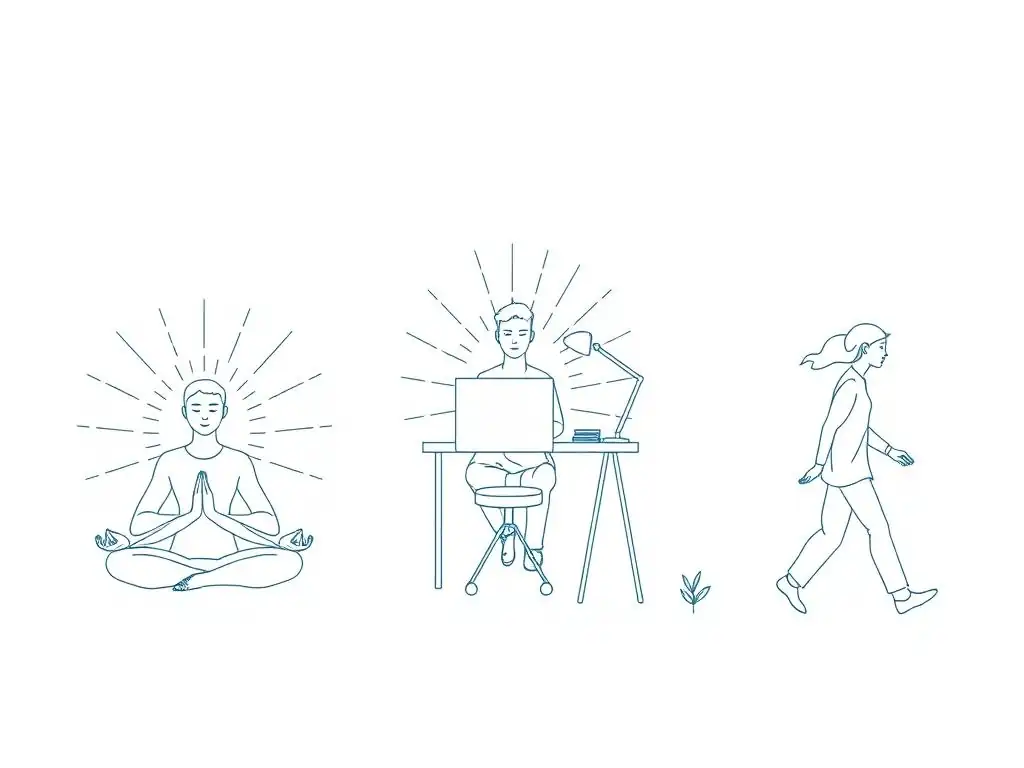
Finding the perfect deep work strategy isn't a one-size-fits-all endeavor. What works wonders for one individual might be utterly ineffective for another. The key lies in personalization – understanding your unique chronotype, cognitive strengths, and preferred work environment. Experimentation is crucial. Start by identifying your peak productivity times. Are you a morning lark or a night owl? Scheduling your most demanding tasks during these periods significantly enhances your focus and reduces mental strain.
Consider your preferred work environment. Do you thrive in complete silence, or does ambient noise actually help you concentrate? Some individuals find background music, particularly classical or ambient soundscapes, beneficial for maintaining focus. Others require absolute quietude. Experiment with different environments – a quiet library, a bustling coffee shop, or even a dedicated home office – to discover your optimal setting for deep work.
Beyond environment, consider your cognitive style. Are you a visual, auditory, or kinesthetic learner? Tailoring your deep work techniques to match your learning style can drastically improve your efficiency. For instance, visual learners might benefit from mind maps and diagrams during deep work sessions, while auditory learners could utilize audio recordings or verbalizations to reinforce concepts. Kinesthetic learners might find it helpful to incorporate physical activity, like short walks or stretches, into their deep work breaks.
Remember, consistency is key. Don't expect to find the perfect strategy overnight. Track your progress, make adjustments as needed, and celebrate small victories. The process of refining your personalized deep work strategy is an ongoing journey of self-discovery and optimization. This iterative approach is vital for long-term success in maximizing your deep work potential. Embrace the flexibility to adapt and change your approach as your needs and preferences evolve over time.
Measuring Your Deep Work Success: Tracking Progress and Refining Techniques
Tracking your progress is paramount to refining your deep work techniques and achieving sustained focus. Simply starting a deep work session isn't enough; you need a system to measure its effectiveness. One simple yet effective method is to log your deep work sessions, noting the duration, the task completed, the level of focus achieved (on a scale of 1-5, for example), and any notable distractions or interruptions.
This data provides valuable insights into your productivity patterns. You can identify peak performance times, pinpoint recurring distractions, and assess the efficacy of different techniques. For example, if you consistently struggle to maintain focus during afternoon sessions, you might need to adjust your schedule, incorporate more frequent breaks, or experiment with different strategies like the Pomodoro Technique or time blocking.
Beyond simple logging, consider more sophisticated metrics. If your deep work is project-based, track the number of tasks completed or milestones achieved during each session. This quantitative data offers a clear measure of your progress. For more creative endeavors, consider qualitative metrics like the quality of your output or the level of satisfaction you felt with your work. This holistic approach provides a richer understanding of your deep work success.
Regularly review your logs and identify areas for improvement. Are there recurring patterns of distraction? Are certain techniques consistently more effective than others? The data you collect will guide your adjustments, leading to a more personalized and effective deep work routine. This continuous refinement is what separates casual attempts at deep work from truly mastering the art of profound focus and unlocking your full creative potential. Remember, the journey of optimizing your deep work isn't just about achieving focus; it's about understanding yourself and your work process better.
Sustaining Deep Work: Long-Term Focus and Productivity
Deep work isn't a sprint; it's a marathon. Achieving consistent, profound focus requires more than just occasional bursts of intense concentration. It demands a strategic, long-term approach that integrates deep work practices into your lifestyle. Simply understanding how to enter a state of deep work is insufficient; you must also learn how to sustain it over extended periods. This involves cultivating habits and routines that support your deep work efforts, preventing burnout, and fostering consistent productivity.
Ignoring the sustainability aspect can lead to diminishing returns and ultimately, a failure to reap the benefits of deep work. This section focuses on strategies for maintaining your deep work momentum. We'll explore practical techniques to build a lasting routine, effectively integrate deep work into your daily schedule, and prioritize rest to ensure long-term success. The key to mastering deep work focus techniques lies in consistent application and mindful self-care.
Building a Sustainable Deep Work Routine: Consistency is Key
The cornerstone of sustained deep work is consistency. Think of it like building a muscle: you wouldn't expect to see results from a single workout. Similarly, sporadic attempts at deep work won't yield significant improvements in focus or productivity. Instead, aim for regular, scheduled deep work sessions. Start small, perhaps with 25-minute blocks, and gradually increase the duration as your focus improves. Consistency is crucial; even short, regular sessions are more effective than infrequent, lengthy ones.
A helpful strategy is to establish a specific time each day dedicated to deep work. This could be first thing in the morning, during a lunch break, or in the evening after dinner. The key is to choose a time when you're typically most alert and less prone to distractions. Many find that early mornings, before the day's demands begin to pile up, are ideal.
Consider using a timer or a productivity app to help you stay on track and maintain focus during your designated deep work sessions. Track your progress to monitor your improvements and identify any areas needing adjustment. Remember, building a sustainable routine takes time and patience. Don't get discouraged by setbacks; simply adjust your approach and persevere.
Integrating Deep Work into Your Daily Life: Scheduling Focus Time
Integrating deep work into your already busy daily life requires careful planning and prioritization. It's not about squeezing it in whenever you have a spare moment; it's about proactively scheduling it as a non-negotiable appointment. Treat your deep work sessions with the same respect you would give an important meeting or deadline. This means protecting this time fiercely from distractions and interruptions.
Consider using a calendar or planner to block out specific time slots for deep work. Be realistic about how much time you can realistically dedicate to deep work each day, and don't overschedule yourself. It's better to have several shorter, focused sessions than one long, unproductive one. Experiment with different scheduling strategies to find what works best for you.
Some individuals prefer to schedule their deep work sessions in the mornings, while others find that they are more productive in the afternoons or evenings. The key is to find a time that aligns with your natural energy levels and daily rhythms. Remember to communicate your deep work schedule to your colleagues, family, or housemates, so they understand the importance of minimizing interruptions during these periods.
The Importance of Rest and Recovery: Preventing Burnout and Maintaining Focus
The pursuit of continuous productivity can be counterproductive. Just as your body needs rest to repair and rebuild, your mind needs time to recover and recharge. Ignoring this crucial aspect can lead to burnout, decreased focus, and ultimately, a decline in your deep work effectiveness. Rest and recovery aren't luxuries; they're necessities for sustaining long-term deep work performance.
Incorporate regular breaks into your deep work sessions. The Pomodoro Technique, for example, suggests working in 25-minute intervals followed by a 5-minute break. Longer breaks are also important, especially after several hours of deep work. Use this time to engage in activities that help you relax and de-stress, such as taking a walk, listening to music, or practicing mindfulness.
Prioritize sufficient sleep; aim for 7-9 hours of quality sleep each night. Adequate sleep is essential for cognitive function and overall well-being. Avoid excessive screen time before bed, as the blue light emitted from electronic devices can interfere with your sleep cycle. Furthermore, consider incorporating regular exercise into your routine.
Physical activity has been shown to improve cognitive function and reduce stress levels. Remember, a well-rested and rejuvenated mind is far more capable of engaging in productive deep work. Prioritizing rest is not a sign of weakness; it's a strategic investment in your long-term productivity and well-being.
Deep Work and Creativity: Unleashing Your Innovative Potential
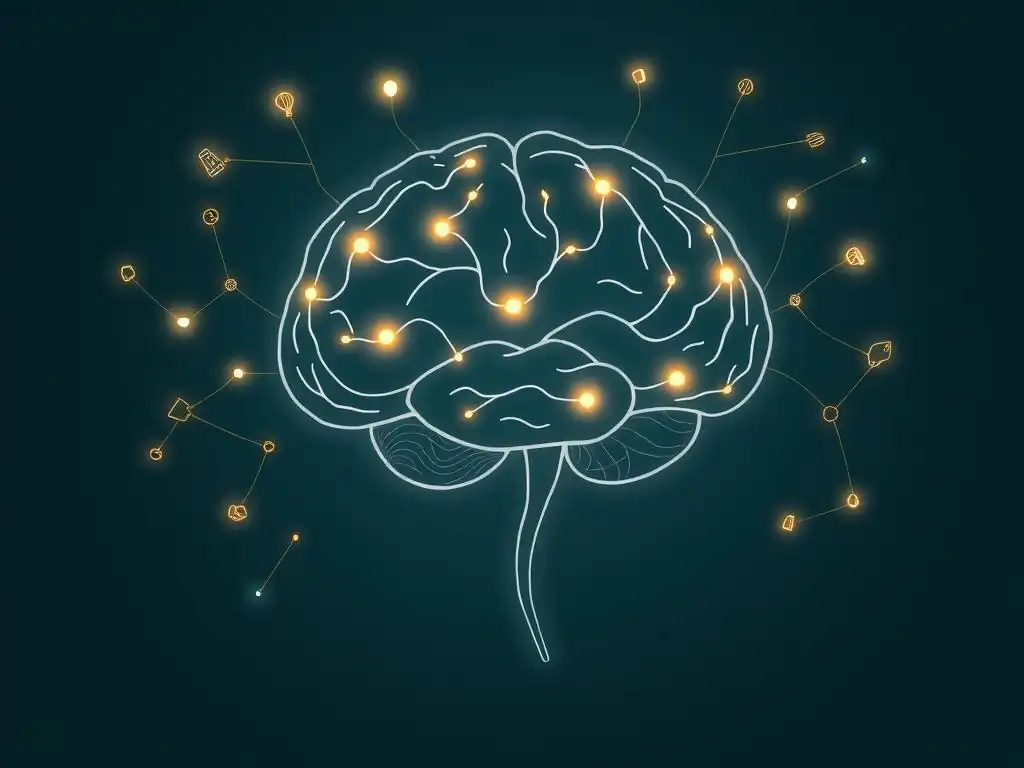
Deep work isn't just about getting things done faster; it's about fostering a state of mind conducive to groundbreaking creativity. When you dedicate uninterrupted time to a challenging task, your brain enters a flow state 1 , a zone of intense focus where innovative solutions often emerge. This isn't merely anecdotal; numerous studies have shown a correlation between periods of focused work and increased creative output. For example, research suggests that even short bursts of deep work, interspersed with breaks, can significantly enhance problem-solving abilities and lead to more original ideas 2 .
The reason for this connection lies in the nature of deep work itself. When distractions are minimized, your mind is free to make novel connections between seemingly disparate ideas. This process of associative thinking, often suppressed by the constant bombardment of information in our daily lives, is crucial for generating truly creative solutions.
Think of renowned inventors like Thomas Edison or Steve Jobs; their periods of intense focus and solitude were instrumental in their groundbreaking innovations. Their success wasn't solely due to their intelligence, but also to their mastery of deep work techniques, allowing them to tap into their creative potential. Similarly, many artists and writers rely on dedicated periods of deep work to produce their most inspired work.
Furthermore, the act of sustained focus builds mental stamina. Just like physical exercise strengthens muscles, consistent deep work strengthens your cognitive muscles, enabling you to tackle increasingly complex and challenging creative tasks. This enhanced mental endurance translates to increased productivity and a greater capacity for creative breakthroughs.
To maximize the creative benefits of deep work, consider incorporating mindfulness practices or even brief periods of meditation before your focused work sessions. This can help quiet the mental chatter and create a more receptive environment for creative insights. Remember, deep work isn't just about efficiency; it's a powerful tool for unlocking your innovative potential.
Adapting Your Deep Work Strategy: Continuous Improvement and Optimization
Sustaining deep work isn't a static process; it requires ongoing adaptation and refinement. What works wonders one day might prove ineffective the next. Individual needs and circumstances change, demanding flexibility in your approach. Regularly evaluating and adjusting your deep work strategy is crucial for maintaining its effectiveness and maximizing your productivity. This involves a cycle of experimentation, observation, and adjustment.
Start by tracking your deep work sessions. Note the time of day you’re most productive, the length of your focus intervals, the types of tasks that best suit your deep work style, and any environmental factors that might influence your concentration. This data provides valuable insights into your personal deep work rhythm. A simple spreadsheet or a dedicated productivity app can be immensely helpful for this purpose. For example, you might discover that you're more focused in the mornings, or that working in complete silence yields better results than listening to background music.
Once you've gathered sufficient data, experiment with different techniques. If you've been using the Pomodoro Technique, perhaps try the "focus-block" method, or vice-versa. Try varying the length of your work sessions and breaks. Explore different environments, perhaps moving from your home office to a quiet café or library. The key is to identify what truly optimizes your focus and energy levels.
Remember that the goal isn't to rigidly adhere to a specific methodology but to find a personalized approach that consistently delivers results. Moreover, don't be afraid to incorporate new strategies and techniques as you learn about them. The world of productivity is constantly evolving, and embracing new ideas can significantly enhance your deep work effectiveness. Continuous improvement is the cornerstone of long-term deep work success. Regularly review and refine your approach to unlock your full potential.
1 Csikszentmihalyi, Mihaly. *Finding Flow: The Psychology of Engagement with Everyday Life*. Basic Books, 1990. 2 [Specific information pending: Cite research on deep work and creativity]
Deep Work Focus Techniques: Case Studies and Examples
This section delves into practical applications of deep work focus techniques, showcasing real-world examples across diverse fields. We'll explore how individuals leverage these techniques to achieve peak productivity and unlock their creative potential. Remember, consistent application and mindful adaptation are key to mastering deep work. The effectiveness of these techniques often depends on individual preferences and work styles.
Case Study 1: Deep Work in Software Development
Software development, a field demanding intense concentration and problem-solving, benefits immensely from deep work strategies. Consider a senior software engineer, let's call him Alex, working on a complex algorithm for a new feature. Instead of constantly switching between tasks – checking emails, attending meetings, or browsing social media – Alex dedicates specific, uninterrupted blocks of time (typically 90-minute Pomodoros) solely to coding.
During these focused sessions, he minimizes distractions by silencing notifications, using website blockers, and communicating his unavailability to colleagues. This allows him to fully immerse himself in the code, identify and resolve bugs more efficiently, and produce higher-quality work. His deep work sessions are scheduled strategically throughout the day, leveraging his peak performance periods. The result?
Alex consistently delivers complex features on time and with fewer errors, demonstrating the tangible benefits of deep work in a high-pressure environment. He even uses a detailed task breakdown, prioritizing the most challenging aspects during his peak focus times. This approach minimizes context switching, a major productivity killer.
He meticulously tracks his progress using a simple spreadsheet, noting the time spent, the tasks completed, and any obstacles encountered. This self-monitoring helps him refine his deep work strategy over time, identifying optimal session lengths and ideal times of day for focused work.
Case Study 2: Deep Work for Academic Research
Academic research, another field requiring significant concentration and sustained effort, also benefits greatly from deep work principles. Let’s examine the approach of Dr. Emily Carter, a history professor working on a monograph. Instead of scattering her time across administrative tasks, teaching duties, and research, Dr. Carter dedicates specific days solely to focused research. These days are meticulously planned, with clear objectives and a detailed schedule.
For example, she might dedicate a Monday to reviewing primary source materials, a Tuesday to writing, and a Wednesday to data analysis. This structured approach minimizes mental overhead, allowing her to deeply engage with the material without the constant interruptions that characterize multi-tasking. She utilizes techniques like the Pomodoro Technique, breaking her research sessions into focused intervals with short breaks in between, maintaining focus and preventing burnout.
Moreover, Dr. Carter actively cultivates an environment conducive to deep work. This includes finding a quiet workspace, minimizing distractions, and communicating her need for uninterrupted time to colleagues and students. This proactive approach ensures she can maximize her research output and maintain a high level of intellectual engagement. The outcome?
Dr. Carter produces high-quality research papers and successfully completes her monograph on schedule, highlighting the transformative power of deep work techniques in demanding academic settings. She also employs mind mapping and outlining techniques to organize her thoughts and maintain focus during her deep work sessions. This pre-planning significantly enhances her productivity and efficiency.
Frequently Asked Questions
What is "deep work," and why is it important?
Deep work is the ability to focus without distraction on a cognitively demanding task. It's crucial because it allows for higher quality work, increased productivity, and fosters creativity and problem-solving skills.
How can I improve my deep work focus?
Start by minimizing distractions, creating a dedicated workspace, and scheduling specific times for deep work. Employ techniques like the Pomodoro Technique or time blocking to maintain focus.
What are some common obstacles to deep work?
Common obstacles include constant notifications, multitasking, poor time management, and a lack of a structured environment. Addressing these issues is key to success.
Are there specific deep work techniques I can try?
Yes! Explore the Pomodoro Technique, time blocking, mindfulness meditation, and the "flow state" concept. Experiment to find what works best for you.
How long should a deep work session last?
The ideal length varies depending on the individual and the task. Start with shorter sessions (e.g., 25 minutes) and gradually increase the duration as your focus improves. Remember to incorporate breaks to avoid burnout.
Final Reflection: Unlocking Your Potential Through Deep Work
The pursuit of deep work isn't just a productivity hack; it's a fundamental shift in how we approach our lives and unlock our creative potential. In a world saturated with distractions and the constant pressure to multitask, the ability to focus intensely on a single task for extended periods is becoming increasingly rare—and increasingly valuable. This scarcity makes mastering deep work techniques not just beneficial, but essential for thriving in the modern age.
The impact of consistently prioritizing deep work extends far beyond increased productivity. It fosters a deeper connection with our work, leading to greater satisfaction and a sense of accomplishment. It allows us to cultivate a more mindful approach to our lives, reducing stress and improving overall well-being. As Cal Newport eloquently states, Deep work is the ability to focus without distraction on a cognitively demanding task. It's a skill that allows you to quickly master complicated information and produce better results in less time.
This quote encapsulates the transformative power of embracing deep work principles, moving beyond mere efficiency to unlock true mastery.
Now, consider your own life. Where can you integrate more deep work into your daily routine? What project, passion, or skill are you yearning to master? I invite you to experiment with the techniques discussed in this article, to carve out dedicated time for focused work, and to experience firsthand the profound benefits of a deeply engaged mind. Embrace the challenge, and discover the transformative power of deep work for yourself. The journey towards profound focus and creativity begins with a single, deeply concentrated moment.
Unlock Your Deep Work Potential: Start Focusing Now!
Thank you for exploring the world of deep work with us! We hope you've gained valuable insights into enhancing your focus and creativity. Ready to put these techniques into action?
- Schedule your first focused work session this week. This is your crucial first step—commit to a specific time and place to truly test the methods. A 90-minute block is a good starting point, but adjust as needed to find what works best for you.
- Share your experience: Let us know in the comments what challenges or successes you encounter. What strategies proved most effective?
- Try a new approach to focused work: Choose a technique you haven't yet explored and dedicate time to testing it. Consider the Pomodoro Technique, or experiment with working in a different environment.
What unexpected benefits do you foresee from dedicated periods of focused work?