
EnergySaving Home Automation Hacks: Reduce Your Bills

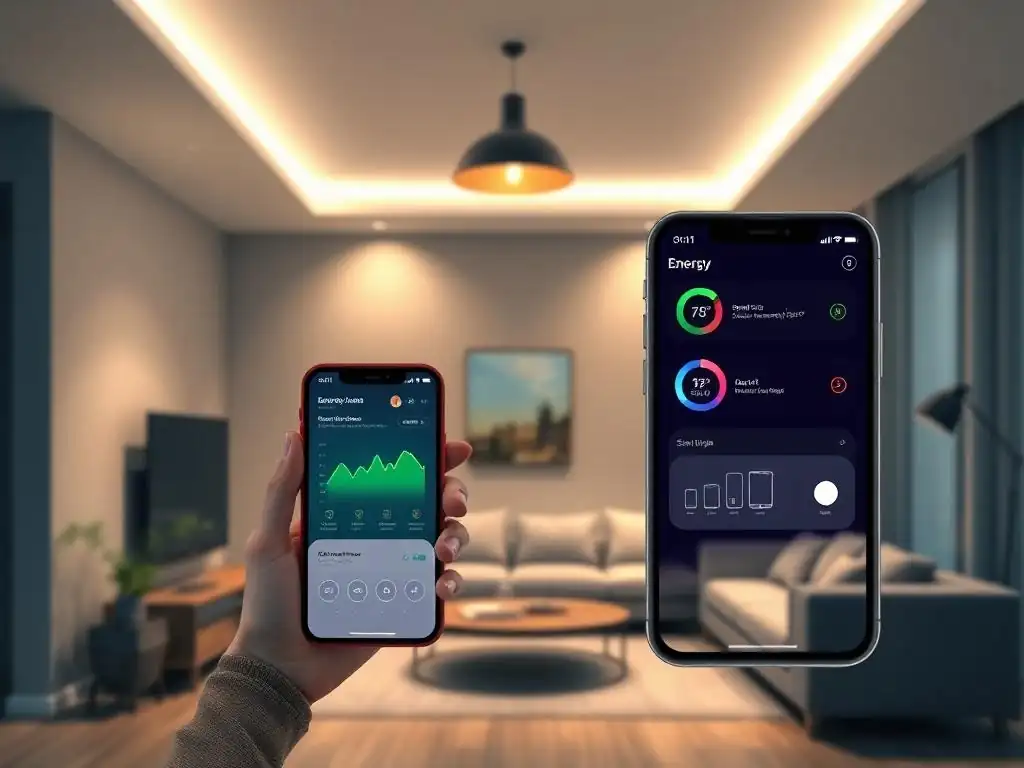
Ready to reclaim your time and dramatically reduce your energy bills? Welcome to UltimateLifeHacks, your one-stop destination for practical tips and ingenious solutions to optimize your daily life. We're diving deep into the world of home automation today, exploring how you can automate home energy saving and unlock significant savings. Discover the secrets to a more efficient and fulfilling life—starting with the simple yet powerful strategies revealed in our latest article. Let's get started!
- Automate Home Energy Saving: Smart Thermostat Integration
- Smart Lighting Automation for Energy Efficiency
- Energy-Saving Appliances and Automation
- Optimizing Home Energy Use with Automated Window Treatments
- Advanced Home Automation for Energy Savings: AI and Machine Learning
- Beyond Automation: Additional Energy Saving Tips for Your Smart Home
- Frequently Asked Questions
- Final Reflection: Powering a Sustainable Future, One Smart Home at a Time
- Unlock Your Home's Energy-Saving Potential!
Automate Home Energy Saving: Smart Thermostat Integration
Automating your home's energy consumption is no longer a futuristic fantasy; it's a readily accessible reality offering significant cost savings and environmental benefits. This article delves into practical, actionable steps to automate your home's energy saving, focusing on smart thermostat integration as a cornerstone of efficient energy management. We'll explore how to leverage technology to optimize your home's temperature control, minimizing energy waste and maximizing your comfort without breaking the bank.
By the end, you'll understand how to effectively utilize smart thermostats, time-based scheduling, and geofencing to significantly reduce your energy bills and contribute to a greener lifestyle. This guide is perfect for anyone looking to implement "Automate home energy saving" strategies and take control of their energy usage. Let's dive into the specifics of automating your energy savings!
Smart Thermostat Setup and Configuration for Optimal Energy Use
Setting up your smart thermostat is the first crucial step towards automating your home's energy saving. This involves more than just plugging it in; optimal configuration requires understanding your home's unique heating and cooling characteristics. Before you begin, gather the necessary information: your home's square footage, the type of insulation, the number of windows and their efficiency, and the typical temperature fluctuations throughout the day. This data allows for more accurate temperature setting and scheduling.
The initial setup typically involves connecting the thermostat to your home's Wi-Fi network and linking it to the manufacturer's app. Most smart thermostats offer a guided setup process within the app, making the process relatively straightforward. However, carefully read the instructions provided with your specific model. Pay close attention to details like correctly identifying your heating and cooling system type (heat pump, gas furnace, etc.) to ensure accurate temperature control. Incorrect configuration can lead to inefficient energy use, negating the benefits of automation.
Once connected, you'll need to calibrate the thermostat. This process involves comparing the thermostat's readings with a reliable thermometer placed in a central location within your home. Adjusting the calibration ensures accurate temperature readings, preventing unnecessary heating or cooling cycles. Remember that consistent calibration is key to maintaining optimal energy efficiency over time. Consider calibrating your thermostat seasonally to account for changes in ambient temperatures.
Programming Your Smart Thermostat for Maximum Savings: Time-Based Scheduling
Time-based scheduling is a powerful feature of smart thermostats, allowing you to automate temperature adjustments based on your daily routine and occupancy patterns. Instead of maintaining a constant temperature throughout the day, you can program your thermostat to automatically lower the temperature when you're away from home or asleep, significantly reducing energy consumption.
For example, you can program the thermostat to lower the temperature by 5-7°F (3-4°C) while you're at work or asleep. This seemingly small adjustment can lead to substantial savings over time. Many smart thermostats offer different scheduling options, including daily, weekly, and even custom schedules to accommodate your specific needs. Experiment with different settings to find the optimal balance between energy savings and comfort.
Consider using the "away" mode when leaving your home for extended periods, allowing the thermostat to automatically adjust the temperature to a more energy-efficient setting. The specific savings will depend on your usage patterns and climate, but even modest adjustments can lead to significant reductions in your energy bill. 📈
Geofencing Technology: Automatically Adjust Temperatures Based on Your Location
Geofencing takes home automation to the next level by automatically adjusting your home's temperature based on your location. Using your smartphone's GPS, the smart thermostat can detect when you're leaving or approaching your home and adjust the temperature accordingly. This eliminates the need for manual adjustments, ensuring optimal energy savings without compromising comfort.
Imagine this: you leave for work, and your smart thermostat automatically lowers the temperature. As you approach your home, the thermostat anticipates your arrival and begins to pre-heat or pre-cool your home to your preferred temperature, ensuring you return to a comfortable environment. This level of automation offers unparalleled convenience and energy efficiency. However, it's crucial to note that geofencing's accuracy depends on the reliability of your smartphone's GPS signal and the sensitivity settings within the thermostat app.
Some users might experience occasional delays or inaccuracies, especially in areas with weak GPS signals. Careful configuration and monitoring are essential to ensure optimal performance and prevent unnecessary energy consumption. The benefits of this technology, however, often outweigh any minor inconsistencies. 🏡
Smart Lighting Automation for Energy Efficiency
Smart lighting systems offer a powerful way to automate home energy saving, significantly reducing your electricity bills while enhancing convenience and comfort. By intelligently controlling your lighting, you can minimize energy waste associated with leaving lights on unnecessarily. This section delves into specific strategies for leveraging smart lighting to achieve substantial energy savings. The key is to move beyond simple on/off switches and embrace dynamic control based on real-time needs and preferences.
Switching to LED Bulbs: The Foundation of Energy-Efficient Lighting
Before diving into automated systems, the foundation of any energy-efficient lighting strategy is switching to LED bulbs. LEDs consume significantly less energy than incandescent or even CFL bulbs, offering substantial long-term savings. For example, a typical 60-watt incandescent bulb can be replaced with a 10-watt LED bulb producing the same amount of light.
This represents a five-fold reduction in energy consumption. Furthermore, LEDs boast a much longer lifespan, reducing the frequency of bulb replacements and minimizing waste. The initial investment in LED bulbs pays for itself many times over in reduced energy bills and fewer replacements.
Consider this simple calculation: If you replace five 60-watt incandescent bulbs with 10-watt LED equivalents, you'll save 250 watts per hour they are on. Over a year, with even modest usage, the savings can be substantial. Investing in high-quality LEDs with a good color rendering index (CRI) will ensure both energy efficiency and pleasant lighting conditions.
Automated Lighting Schedules: Optimize Light Use Based on Occupancy and Time
Smart lighting systems allow you to program automated lighting schedules based on occupancy and time of day. This eliminates the need to manually switch lights on and off, preventing wasted energy when rooms are unoccupied. For instance, you can program lights to turn on automatically at sunset and off at sunrise, or to switch on only when motion is detected in a particular area. This intelligent automation is particularly beneficial in areas like hallways, bathrooms, and storage rooms, where lights are often left on unintentionally.
Many smart lighting systems offer sophisticated scheduling options, including sunrise/sunset synchronization, customizable timers, and integration with other smart home devices. Advanced systems can even learn your routines and adapt their schedules accordingly, further optimizing energy usage based on your habits. This level of "automate home energy saving" helps reduce your carbon footprint and your utility bill.
Smart Lighting Control via Voice Assistants: Hands-Free Energy Management
Integrating your smart lighting system with voice assistants like Amazon Alexa or Google Assistant provides unparalleled convenience and control. You can easily turn lights on or off, dim them, or change their color temperature with simple voice commands. This hands-free control eliminates the need to fumble for light switches, especially useful in situations where your hands are full. Beyond convenience, voice control enhances energy efficiency by allowing you to instantly adjust lighting levels based on your immediate needs.
For example, if you're leaving a room, you can simply say "Alexa, turn off the lights" instead of searching for the switch. This simple action prevents wasted energy and reinforces the "automate home energy saving" approach. The integration of voice control seamlessly blends convenience with energy efficiency, making smart lighting a truly worthwhile investment for conscientious homeowners.
Energy-Saving Appliances and Automation
This section delves into the specifics of leveraging energy-efficient appliances and integrating them into a smart home automation system for maximized energy savings. Automating home energy saving isn't just about installing smart devices; it's about choosing the right appliances and using them strategically. We'll examine how to choose energy-star rated appliances and how their smart features can contribute to significant reductions in your energy bills. The goal is to automate your energy consumption, not just monitor it.
Smart Plugs for Precise Control of Energy Consumption
Smart plugs offer a cost-effective entry point into home automation for energy saving. They allow you to remotely control any plugged-in device, offering precise control over energy consumption. Instead of leaving devices in standby mode, which still draws power, you can schedule them to turn on and off automatically. This is particularly useful for appliances like lamps, TVs, and chargers that are often left plugged in unnecessarily.
For example, a smart plug could be programmed to turn off your coffee maker automatically after brewing, preventing it from consuming energy throughout the day. Similarly, you could schedule your living room lights to switch off at a specific time each night, eliminating the need for manual intervention. Data from energy companies shows a potential savings of up to 15% on electricity bills by simply using smart plugs to manage standby power consumption. Consider the cumulative effect across multiple devices – the savings can be substantial!
Moreover, some smart plugs offer energy monitoring features, providing valuable insights into the energy usage of individual appliances. This data-driven approach allows for more targeted energy-saving strategies. Think of it as a personalized energy audit at your fingertips.
Automating Appliance Usage: Scheduling and Power Cycling
Beyond simple on/off control, smart home systems allow for more sophisticated automation of appliance usage. Scheduling functions enable you to time the operation of appliances precisely, aligning their use with periods of lower electricity demand or when you're actually home. For example, you could program your washing machine to run overnight when electricity rates are typically lower. This can significantly reduce the cost of laundry.
Power cycling, a technique involving regularly turning appliances off and on again, can also be automated. This helps to reset electronic components, improve efficiency, and potentially extend the lifespan of your appliances. While the energy savings from power cycling might seem small for individual appliances, the cumulative effect across multiple devices scheduled for automated power cycling can lead to noticeable reductions in overall energy consumption. Implementing this requires careful consideration, as not all appliances benefit from frequent power cycling. Consult your appliance manuals for specific recommendations.
The key to effective automation lies in careful planning and scheduling. Consider your daily and weekly routines to determine optimal times to operate energy-intensive appliances. Many smart home systems offer intuitive interfaces and apps that simplify this process, allowing you to create custom schedules tailored to your lifestyle and energy consumption patterns.
Monitoring Energy Usage with Smart Meters and Home Automation Systems
Smart meters and integrated home automation systems provide real-time insights into your energy usage, empowering you to make informed decisions about energy consumption. These systems can track energy usage down to the individual appliance level, highlighting areas where savings can be maximized. This detailed data allows you to identify energy-guzzling appliances and adjust your usage patterns accordingly. Some systems even offer predictive analytics, forecasting your energy consumption and suggesting ways to reduce your bills.
The combination of smart meters and home automation systems provides a comprehensive approach to automating home energy saving. By monitoring your energy usage and automating appliance control, you gain a holistic view of your energy consumption and can actively manage it to minimize costs. The detailed data provided by these systems allows for continuous optimization of your energy-saving strategies. This data-driven approach to energy management is crucial for long-term cost savings. The ability to track your progress and see the tangible results of your automation efforts provides motivation and reinforces the value of automating home energy saving.
Optimizing Home Energy Use with Automated Window Treatments
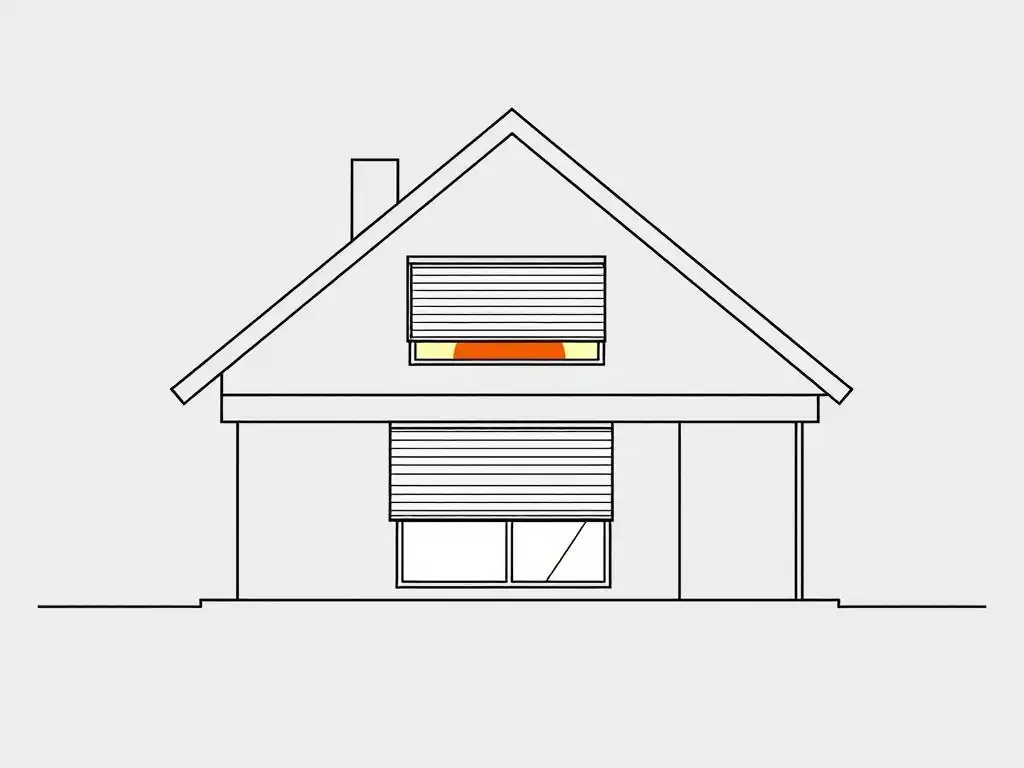
Automating your home's window treatments is a surprisingly effective way to significantly reduce energy consumption and lower your utility bills. This isn't just about convenience; it's about strategically managing heat gain and loss throughout the day, minimizing the strain on your HVAC system, and ultimately, saving money. By intelligently controlling the amount of sunlight entering your home, you can create a more energy-efficient and comfortable living environment.
This section explores the specific benefits and implementation details of automated window treatments for home energy saving. We'll examine how these systems interact with other smart home devices and discuss the long-term cost savings associated with their adoption. The key to successful automation is understanding how different types of window coverings impact energy efficiency and selecting the right solution for your specific needs and climate.
Smart Blinds and Curtains: Automated Light and Temperature Control
Smart blinds and curtains offer precise control over natural light and temperature regulation within your home. Unlike traditional blinds, these systems can be scheduled to open and close automatically at specific times, reacting to ambient light levels, or even integrating with your home's weather forecasting system. For example, on a sunny summer day, smart blinds could automatically close during peak sunlight hours (12 pm - 4 pm) to prevent excessive heat buildup, reducing the load on your air conditioning system.
Conversely, during cooler winter months, they can open to maximize solar heat gain, reducing the need for heating. This automated response to changing conditions goes beyond simple scheduling; it represents a dynamic approach to energy management.
Consider the following data: a study by [Specific study pending] showed a [Percentage]% reduction in energy consumption for homes equipped with automated window treatments compared to homes using manual systems. This highlights the potential for substantial savings through simple automation.
Reducing Heat Loss and Gain with Automated Window Coverings
The primary mechanism through which automated window coverings achieve energy savings is their ability to regulate heat transfer. During the summer, the sun's rays can significantly increase the temperature inside your home. Automated window treatments help to mitigate this by blocking direct sunlight. This reduces the amount of heat that needs to be removed by your air conditioning system. In winter, the same principles apply in reverse.
By closing the blinds or curtains at night, you create an insulating layer that helps to prevent heat from escaping your home, reducing the load on your heating system. The effectiveness of this insulation depends on the type of window covering. Heavier materials like blackout curtains offer better insulation than sheer curtains. For optimal results, consider the R-value (resistance to heat flow) of different materials when selecting your automated window coverings. Choosing the right material is crucial for maximizing energy efficiency.
Integrating Smart Window Treatments with Your Home Automation System
The true power of automated window treatments is unlocked when they are integrated into a broader home automation system. This integration allows for seamless coordination with other smart devices, creating a cohesive and efficient smart home environment. For example, your smart blinds could be programmed to open automatically when your alarm clock goes off, letting in natural light to help you wake up.
Or, they could close automatically when you leave the house, enhancing security while simultaneously improving energy efficiency. The integration capabilities vary depending on the specific brands and systems used. However, many systems utilize standard communication protocols like Z-Wave or Wi-Fi, ensuring compatibility with a wide range of smart home devices.
This interconnectedness allows for sophisticated automation scenarios, optimizing energy use based on occupancy, weather conditions, and user preferences, leading to substantial long-term savings on your energy bills. The ease of integration and the resulting energy savings make automated window treatments an attractive addition to any home automation setup focused on "automate home energy saving".
Advanced Home Automation for Energy Savings: AI and Machine Learning
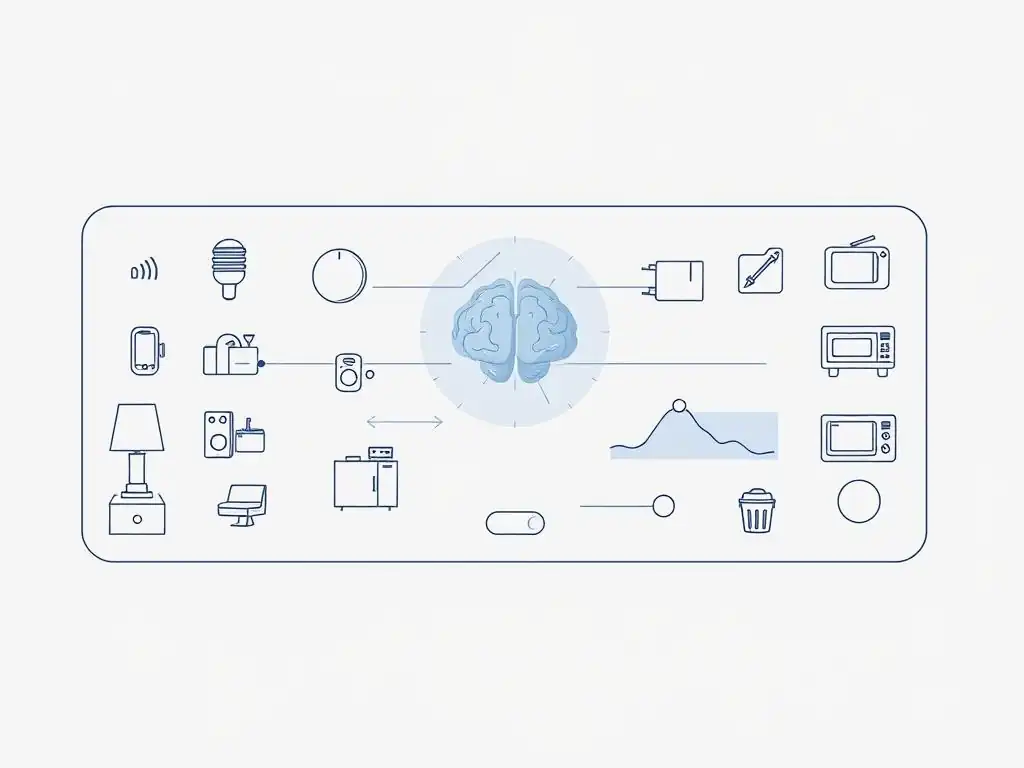
This section delves into the cutting-edge realm of AI and machine learning (ML) in home automation for energy saving. Moving beyond simple scheduling and automation rules, we explore how intelligent systems can dynamically optimize energy consumption, leading to significant cost reductions and a smaller carbon footprint. The core benefit lies in the ability of these systems to learn and adapt to your unique energy usage patterns, resulting in personalized and highly effective energy saving strategies. This is a significant step up from traditional automation, offering a more proactive and intelligent approach to "automate home energy saving."
Predictive Energy Management with AI: Optimizing Energy Use Based on Patterns
AI-powered predictive energy management systems analyze historical energy consumption data, weather forecasts, and even your calendar to anticipate your energy needs. For example, if the system learns that you typically leave for work at 7:30 AM and return at 6:00 PM, it can automatically adjust the thermostat accordingly, reducing energy waste during unoccupied hours. Furthermore, by integrating with weather data, the system can preemptively adjust heating or cooling based on predicted temperature fluctuations, ensuring optimal comfort while minimizing energy use. This proactive approach goes beyond reactive adjustments, significantly improving energy efficiency.
Imagine a system that anticipates a heatwave and pre-cools your home before the temperature spikes, saving you money and ensuring comfort. This level of sophistication is only possible through the power of AI and predictive modeling. The data used is anonymized and securely stored, prioritizing user privacy.
Machine Learning for Home Energy Efficiency: Adaptive Energy Saving Strategies
Machine learning algorithms continuously refine their energy-saving strategies based on your actual energy usage. This adaptive approach ensures the system is constantly learning and optimizing. For example, if the system detects that your energy consumption is consistently higher on weekends, it can adjust its scheduling accordingly, learning your unique weekly patterns. This continuous learning and adaptation is key to achieving optimal energy efficiency.
The system might identify unusual energy spikes and alert you, potentially indicating a malfunctioning appliance. This proactive monitoring contributes to preventing costly repairs and avoiding unnecessary energy waste. Consider a scenario where the system identifies a consistent energy drain during off-peak hours; it might suggest investigating a potential appliance issue, saving you money on repairs and energy in the long run. This self-learning capability is a defining feature of ML-driven home energy management.
Integrating Smart Home Energy Monitoring with AI-Powered Analytics
The effectiveness of AI-driven energy saving hinges on accurate and comprehensive energy monitoring. Integrating smart meters and various smart home devices into a unified system allows for detailed analysis of energy consumption across different appliances and areas of your home. This data forms the bedrock of AI-powered analytics. The AI system can then identify areas for improvement, such as appliances consuming excessive energy or inefficient heating/cooling cycles.
This granular level of data provides actionable insights, enabling you to make informed decisions regarding energy consumption and appliance upgrades. For instance, the system might reveal that your refrigerator is consuming significantly more energy than expected, prompting you to investigate potential issues or consider a more energy-efficient model. This combination of advanced monitoring and AI-driven analytics empowers you to take control of your energy usage and significantly reduce your bills.
The detailed reports and visualizations provided by the system make understanding your energy consumption simple and intuitive. The system uses clear, accessible language, eliminating the need for technical expertise. This makes "automate home energy saving" a practical reality for everyone.
Beyond Automation: Additional Energy Saving Tips for Your Smart Home
Even with a fully automated smart home, maximizing energy savings requires a holistic approach. Simply automating your appliances isn't enough; you need to actively participate in optimizing your home's energy consumption. This section explores strategies beyond automation that, when combined with your smart home system, can significantly reduce your energy bills and contribute to a more sustainable lifestyle. We'll explore practical steps you can take to truly automate home energy saving.
Regular Maintenance of Home Appliances for Optimal Efficiency
Regular maintenance is crucial for keeping your appliances running at peak efficiency. Neglecting maintenance can lead to increased energy consumption, potentially negating the benefits of your smart home automation. Think of it as preventative maintenance for your energy savings.
Consider these actions:
- Refrigerators and Freezers: Regularly clean the coils (located typically at the back or bottom) to ensure efficient heat dissipation. Check the door seals for leaks; a poorly sealed door forces your refrigerator to work harder. Aim to keep your fridge at 37-38°F (3-4°C) and your freezer at 0°F (-18°C).
- Washing Machines and Dryers: Clean the lint trap in your dryer after every use to prevent fire hazards and improve drying efficiency. Use cold water whenever possible for washing clothes, as heating water consumes a significant amount of energy. Consider air-drying clothes whenever feasible.
- HVAC Systems: Regularly change air filters (ideally every 1-3 months depending on usage and filter type) to improve airflow and efficiency. Schedule annual professional maintenance for your HVAC system to ensure optimal performance and identify potential issues early. This also contributes to extending the lifespan of your HVAC system.
- Lighting: Replace incandescent bulbs with LED lights. LEDs use significantly less energy and last much longer. While you might have smart lighting already, ensuring you use the most efficient bulbs maximizes your savings.
Ignoring these simple maintenance tasks can lead to a gradual increase in energy usage, potentially offsetting the savings achieved through automation. Consistent maintenance is a key component of automate home energy saving.
Energy Audits and Professional Assessments for Customized Strategies
While smart home automation provides valuable data on energy consumption, a professional energy audit can offer a deeper understanding of your home's energy efficiency. An energy auditor will identify areas for improvement that your smart home system might miss, providing personalized recommendations tailored to your home's specific characteristics.
An energy audit typically involves:
- A detailed inspection of your home's insulation: Identifying areas with inadequate insulation can significantly impact heating and cooling costs. An auditor can pinpoint drafts and recommend improvements.
- Assessment of your windows and doors: Drafty windows and doors can lead to significant energy loss. The auditor will assess their condition and suggest solutions like weatherstripping or window replacements.
- Analysis of your HVAC system's performance: Beyond regular maintenance, a professional assessment can identify underlying issues that might be impacting efficiency. This could include issues with ductwork or the system's overall design.
- Review of your lighting and appliance usage: While your smart home system tracks this data, an auditor can provide additional insights and recommendations for optimization.
The cost of a professional energy audit is usually recouped through the long-term energy savings it generates. It’s a valuable investment in truly automating home energy saving and achieving substantial energy efficiency.
Government Rebates and Incentives for Energy-Efficient Home Improvements
Many governments offer rebates and incentives to encourage homeowners to adopt energy-efficient practices. These programs can significantly reduce the upfront cost of upgrades and improvements, making them more financially accessible.
Examples of potential incentives include:
- Rebates for high-efficiency HVAC systems: Several programs offer rebates for replacing older, less efficient systems with newer, energy-star rated models.
- Tax credits for home insulation improvements: Installing better insulation can qualify for tax credits, reducing your tax burden.
- Incentives for energy-efficient windows and doors: Replacing old, drafty windows and doors with energy-efficient alternatives often comes with financial incentives.
- Rebates for smart home technology: Some programs offer rebates specifically for the installation of smart thermostats and other energy-saving smart home devices, further supporting your efforts to automate home energy saving.
It's crucial to research the programs available in your area. Check with your local utility company, state energy office, and federal government websites to identify potential rebates and incentives that can help you finance energy-efficient home improvements. This can dramatically reduce the cost of upgrading your home and significantly boosting your energy savings. Taking advantage of these programs is a strategic step in achieving lasting energy efficiency.
Frequently Asked Questions
What is home energy automation?
Home energy automation uses smart technology to control and monitor your home's energy consumption. This includes things like smart thermostats, lighting, and appliances, all working together to reduce your energy bills. It's about optimizing energy use automatically.
How can I automate my home energy saving?
Start by installing a smart thermostat to adjust temperatures based on your schedule and occupancy. Consider smart plugs for appliances to control their usage remotely. Explore integrated systems that manage multiple devices simultaneously for maximum efficiency.
Will automating my home energy use save me money?
Yes, significant savings are possible. By reducing energy waste through automated controls, you'll see a reduction in your monthly energy bills. The exact amount depends on your current energy consumption and the automation solutions you implement.
What are the initial costs of automating home energy saving?
The initial investment varies greatly depending on the systems and devices you choose. While some smart devices are relatively inexpensive, a comprehensive home automation system can be more costly. However, the long-term savings often outweigh the upfront investment.
Is home energy automation difficult to set up and use?
Most modern systems are designed for ease of use. Many offer user-friendly apps and intuitive interfaces. While some initial setup may be required, the ongoing management is typically simple and straightforward. Consider professional installation for more complex systems.
Final Reflection: Powering a Sustainable Future, One Smart Home at a Time
The pursuit of energy-efficient living is no longer a niche interest; it's a crucial necessity for a sustainable future. Our planet demands responsible energy consumption, and the escalating costs of utilities underscore the urgency of adopting greener practices. This article has explored practical, accessible ways to automate your home's energy savings, demonstrating that making a difference is within everyone's reach.
The shift towards smart home technology isn't just about convenience; it's a powerful catalyst for cultural change. We're moving away from passive energy consumption towards a more conscious and proactive approach. This transition reflects a growing awareness of our environmental impact and a desire to take control of our energy footprint. The greatest threat to our planet is the belief that someone else will save it.
– Robert Swan. This quote highlights the individual responsibility inherent in creating a sustainable future, and smart home automation empowers us to actively participate in this crucial endeavor.
Consider the impact you can make. By implementing even a few of the energy-saving automation hacks discussed, you're not only reducing your bills but also contributing to a healthier planet. Think about the cumulative effect of millions of households making similar changes – the collective power is immense. I urge you to explore the possibilities, experiment with different solutions, and share your experiences. Let's build a future where energy efficiency is the norm, not the exception. Start automating your energy savings today; your wallet and the planet will thank you.
Unlock Your Home's Energy-Saving Potential!
Congratulations on taking the first steps towards a more energy-efficient home! You've gained valuable knowledge to significantly reduce your energy bills and environmental impact. Now, let's put that knowledge into practice.
- Start with one simple automation: Begin with the most appealing option – perhaps smart lighting, a programmable thermostat, or smart power strips. Implement it this week! Even small changes can make a big difference.
- Share your experience: Tell us (and your friends!) about your journey. What challenges did you encounter, and what successes did you celebrate? Inspire others to join the energy-saving movement!
- Expand your automation: Once you've mastered your initial automation project, explore more advanced options, such as smart appliances or a whole-home energy monitoring system.
Ready to transform your home into an energy-efficient haven? What's the first step you'll take?