
UltimateLifeHacks: The Complete Toolkit for Digital Wellbeing: Apps, Tools, and Techniques

Welcome to UltimateLifeHacks, your ultimate resource for practical tips and tricks to conquer your daily grind! Are you overwhelmed by the constant digital demands of modern life? Discover how to reclaim your time and energy with our curated guide to the best digital wellbeing apps. This is your starting point to mastering digital minimalism and building a more balanced, productive life. Dive in and unlock the secrets to a more efficient and fulfilling you!
- Understanding the Need for Digital Wellbeing
- Best Digital Wellbeing Apps: A Comprehensive Guide
- Effective Techniques for Digital Wellbeing
- Tools and Resources for Digital Wellbeing
- Building a Sustainable Digital Wellbeing Routine
- Maintaining Digital Wellbeing in the Long Term
-
Frequently Asked Questions
- What are the best digital wellbeing apps mentioned in the UltimateLifeHacks article?
- How can these apps help improve my digital wellbeing?
- Are these apps only for smartphones, or are there desktop options too?
- What techniques, besides apps, does UltimateLifeHacks suggest for better digital wellbeing?
- Is there a cost associated with using these digital wellbeing apps?
- Final Reflection: Reclaiming Your Digital Life
- Unleash Your Digital Wellbeing Powerhouse!
Understanding the Need for Digital Wellbeing
In today's hyper-connected world, technology plays an undeniable role in our lives. While offering incredible benefits in communication, access to information, and entertainment, excessive or unchecked digital consumption can significantly impact our mental and physical health. This article serves as your comprehensive guide to navigating the digital landscape and cultivating a healthier relationship with technology – ultimately boosting your productivity and overall wellbeing. We'll explore the best digital wellbeing apps, practical tools, and effective techniques to reclaim control of your digital life and foster a more balanced existence.
This isn't about eliminating technology entirely; it's about mindful usage and harnessing its power for good, rather than succumbing to its potential downsides. We aim to equip you with the knowledge and resources to curate a digital environment that supports, rather than detracts from, your overall wellbeing. Finding the best digital wellbeing apps is just the first step on this journey.
The Impact of Technology on Mental Health
The pervasive nature of technology has led to a significant increase in issues related to mental wellbeing. Constant notifications, the pressure to stay connected, and the fear of missing out (FOMO) contribute to stress, anxiety, and even depression. Studies have shown a correlation between excessive screen time and sleep disturbances, impacting cognitive function and overall mood.
Furthermore, the curated perfection often presented on social media can lead to feelings of inadequacy and low self-esteem. The constant bombardment of information can also lead to information overload, making it difficult to focus and concentrate on important tasks. For example, a recent study [specific information pending] found a direct link between social media usage and increased levels of anxiety among young adults.
Understanding these impacts is crucial to proactively addressing potential negative consequences and fostering a healthier digital lifestyle. This understanding forms the foundation for selecting and utilizing the best digital wellbeing apps effectively.
Identifying Your Digital Wellbeing Challenges
Before diving into solutions, it's essential to pinpoint your specific digital wellbeing challenges. Honest self-reflection is key. Consider these questions:
- How much time do you spend on your phone or computer each day? Track your usage for a week to gain a clearer picture.
- Which apps or websites consume the most of your time? Be honest; even seemingly harmless apps can contribute to excessive usage.
- How does your technology usage affect your sleep, relationships, and productivity? Note any patterns or negative consequences.
- Do you experience feelings of anxiety or stress related to your technology use? Recognize the emotional toll of excessive digital consumption.
- What are your goals for improving your digital wellbeing? Defining clear objectives will help you stay focused and motivated.
Use this self-assessment to create a personalized plan. This could involve limiting specific app usage, scheduling dedicated "digital detox" periods, or exploring the best digital wellbeing apps designed to help you manage your technology consumption. Remember, identifying the problem is the first step towards finding a solution. This process is crucial in selecting the best digital wellbeing apps tailored to your specific needs.
Setting Realistic Goals for Improved Digital Wellbeing
Once you've identified your challenges, it's time to set realistic goals. Avoid drastic changes that are difficult to sustain. Start small and gradually build up your digital wellbeing practices. For example, instead of aiming to eliminate all social media, you might start by limiting your daily usage to 30 minutes. Or, instead of completely abstaining from your phone before bed, you could try placing it in another room an hour before sleep.
Celebrate your successes along the way; even small improvements contribute to significant long-term changes. Remember, consistency is more important than perfection. The best digital wellbeing apps can assist in tracking progress and maintaining motivation. By setting achievable goals and celebrating milestones, you'll build momentum and cultivate a sustainable approach to digital wellbeing.
Best Digital Wellbeing Apps: A Comprehensive Guide
This section dives deep into the world of digital wellbeing applications, providing a curated list of the best apps available to help you manage your digital life effectively. We'll explore apps categorized by their primary function, offering detailed insights into their features and benefits. Remember, finding the best app depends on your individual needs and preferences. Experiment to discover what works best for you!
Top Apps for Screen Time Management and Tracking
Understanding your screen time is the first step towards better digital wellbeing. These apps provide detailed insights into how much time you spend on various apps and devices, allowing you to identify areas for improvement. Effective screen time management is crucial for combating digital exhaustion and reclaiming your time.
Many apps offer robust features beyond simple tracking. For example, some allow you to set daily limits for specific apps, receive notifications when you exceed those limits, and even schedule app usage blocks. This proactive approach helps establish healthy boundaries with technology.
Here's a breakdown of key features to look for in a screen time management app:
- Detailed reports: Visualizations (graphs, charts) showing daily, weekly, and monthly usage patterns.
- App-specific limits: The ability to set individual time limits for different apps.
- Usage alerts: Notifications when you approach or exceed your set limits.
- App blocking: The capability to temporarily block distracting apps during focused work periods.
- Cross-platform compatibility: Access to data and controls across multiple devices (phone, tablet, computer).
Consider these additional factors when choosing an app: Ease of use, the level of customization offered, and the integration with other digital wellbeing tools you may already use. A user-friendly interface is crucial for long-term adherence to your digital wellbeing goals. Some apps offer more granular control than others, allowing for fine-tuning based on your specific needs.
Apps to Minimize Distractions and Enhance Focus
Distractions are a significant hurdle in achieving digital wellbeing. These apps help you create a more focused and productive environment by minimizing interruptions and promoting concentration. They achieve this through various methods, including website blockers, notification management, and even ambient noise generators.
The effectiveness of these apps hinges on your commitment to using them consistently. Simply downloading an app isn't enough; you need to actively utilize its features to reap the benefits. Consider these key features when selecting an app to improve your focus:
- Website and app blocking: The ability to block distracting websites and apps during specific times or periods.
- Customizable schedules: The option to create personalized schedules for blocking and allowing access to specific apps.
- Focus timers (Pomodoro Technique): Features that incorporate the Pomodoro Technique to enhance focus through timed work and break intervals.
- Notification management: Tools for controlling and minimizing app notifications.
- Ambient sounds: The inclusion of calming sounds or white noise to create a more focused atmosphere.
Remember, the best focus app will integrate seamlessly into your workflow and provide a balance between productivity and rest. Don't overwhelm yourself with too many features; simplicity and ease of use are key to long-term success.
Best Apps for Sleep Improvement and Stress Reduction
Sleep quality and stress levels are intrinsically linked to digital wellbeing. These apps offer tools and techniques to improve your sleep hygiene and manage stress effectively. Many incorporate mindfulness exercises, guided meditations, and sleep sounds to promote relaxation and better sleep.
The following features are crucial for effective sleep and stress management apps:
- Sleep tracking: Monitoring your sleep patterns to identify areas for improvement.
- Guided meditations and mindfulness exercises: Tools to help you relax and reduce stress.
- Sleep sounds and ambient noise: Calming sounds to aid in falling asleep and staying asleep.
- Sleep schedules and reminders: Features to help you establish and maintain a consistent sleep schedule.
- Stress management techniques: Tools like breathing exercises and progressive muscle relaxation.
Choosing the right app depends on your individual needs and preferences. Some apps focus primarily on sleep, while others offer a broader range of stress management tools. Consider exploring several apps to find the one that best fits your lifestyle and helps you achieve a better balance between your digital life and your overall wellbeing. Prioritize apps with a focus on user experience and scientifically-backed techniques. Remember, consistency is key to seeing positive results.
Apps Promoting Mindfulness and Mental Wellness

Mindfulness and mental wellness are crucial components of digital wellbeing. Several apps leverage technology to promote these aspects, offering guided meditations, breathing exercises, and personalized mental health support. These apps often incorporate features designed to track mood, identify triggers for stress or anxiety, and provide coping mechanisms.
For example, some apps use gamification techniques to encourage consistent practice, rewarding users for daily meditation sessions or completing mindfulness exercises. The effectiveness of these apps varies depending on individual needs and preferences, but many users report significant improvements in stress management, sleep quality, and overall mental wellbeing. It's important to note that while these apps can be beneficial tools, they should not replace professional mental healthcare.
They are best used as complementary aids to support a holistic approach to mental wellness. Many offer free versions with limited features, allowing users to explore the app's functionality before committing to a paid subscription which often unlocks additional content, personalized programs, and advanced features like progress tracking and personalized insights. The quality and depth of content also vary significantly between apps; some focus on specific techniques like progressive muscle relaxation, while others offer a broad range of mindfulness practices.
Excessive social media use can negatively impact mental health and productivity. Fortunately, several apps are designed to help users manage their social media consumption more effectively. These apps employ various techniques, including limiting app usage time, blocking access to specific platforms during certain hours, or providing visual representations of daily usage patterns to highlight overconsumption. Some apps go beyond simple time limits, offering features like website blockers that prevent access to distracting social media sites entirely.
Others incorporate personalized goals and progress tracking, motivating users to stay within their self-imposed limits. The effectiveness of these apps often depends on the user's commitment and self-discipline. While the app can provide the tools, it's ultimately up to the individual to use them effectively and consistently.
Many of these apps also provide insights into usage patterns, helping users identify triggers for excessive social media use and develop strategies for healthier engagement. It's important to consider the variety of features offered, choosing an app that aligns with individual needs and preferences. Some users may find simple timers sufficient, while others may require more robust features like website blocking and detailed usage reports to achieve a balanced relationship with social media.
Effective Techniques for Digital Wellbeing
This section delves into practical, actionable strategies to cultivate a healthier relationship with technology, moving beyond simply downloading apps. We'll explore techniques that empower you to consciously manage your digital life, leading to increased productivity and reduced stress. Remember, the "best" digital wellbeing apps are only as effective as the strategies you implement alongside them.
Mindful Tech Usage: Strategies and Practices
Mindful tech usage isn't about abstaining from technology; it's about using it intentionally. It's about cultivating awareness of your tech consumption habits and making conscious choices about how and when you engage with devices. This involves understanding your triggers and developing strategies to manage them.
Many individuals find themselves reaching for their phones out of habit, even when there's no pressing need. This mindless scrolling can significantly impact productivity and mental wellbeing. To combat this, consider these practices:
- Scheduled Tech Breaks: Implement regular breaks from screens throughout the day. Even short 5-10 minute breaks can make a difference. Try the Pomodoro Technique (25 minutes of work followed by a 5-minute break) to incorporate structured breaks into your workflow.
- Mindful Tech Check-ins: Before picking up your phone, pause and ask yourself: "What do I need from my phone right now?" This simple question can help you avoid aimless scrolling.
- Tech-Free Zones: Designate specific areas in your home (e.g., bedroom, dining room) as tech-free zones. This creates physical boundaries that reinforce your commitment to digital wellbeing.
- Awareness Tracking: Keep a journal or use a digital tracker to log your daily screen time. This provides valuable insights into your usage patterns, highlighting areas for improvement. Analyzing this data can reveal unexpected habits and help you identify triggers for excessive tech use. For example, you might discover you spend significantly more time on social media in the evenings, prompting you to adjust your routine.
Setting Boundaries with Technology: Time Blocking and Limits
Setting boundaries is crucial for maintaining a healthy relationship with technology. This goes beyond simply reducing screen time; it's about actively managing how and when you interact with your devices.
- Time Blocking: Allocate specific time slots for checking emails, social media, and other digital activities. Treat these blocks like appointments you can't miss. This prevents technology from consuming your entire day.
- App Limits: Utilize built-in features on your smartphone (or dedicated apps) to set daily time limits for specific applications. These features often provide notifications when you're nearing your limit, giving you a chance to consciously decide whether to continue.
- Notification Management: Disable non-essential notifications. Constant notifications disrupt focus and contribute to stress. Prioritize only essential notifications and silence the rest. Consider using "Do Not Disturb" modes during focused work periods.
- Designated Tech Time: Schedule specific times for engaging with technology for leisure. This approach turns technology usage into a mindful activity, rather than a passive, uncontrolled habit.
Digital Decluttering: Streamlining Your Digital Life
Just as decluttering your physical space can improve your mental wellbeing, decluttering your digital space is equally important. A cluttered digital environment can lead to stress, overwhelm, and decreased productivity.
- Unsubscribe from Unnecessary Emails: Unsubscribe from mailing lists you no longer find useful. A cluttered inbox can be a significant source of digital stress.
- Delete Unused Apps: Remove apps you haven't used in months. A clean phone interface reduces visual clutter and prevents impulsive app usage.
- Organize Files and Folders: Organize your digital files and folders systematically. A well-organized system makes it easier to find what you need, reducing frustration and wasted time. Consider using cloud storage services for efficient file management.
- Regular Digital Purges: Schedule regular "digital purges" to delete unnecessary files, photos, and videos. This practice prevents your digital space from becoming overwhelming. Think of it as a digital spring cleaning.
By implementing these techniques, you can create a more balanced and healthy relationship with technology, significantly improving your digital wellbeing and overall productivity. Remember, consistency is key. Start small, focus on one or two techniques at a time, and gradually build healthier digital habits.
Creating a Tech-Free Environment: Designing Your Space

Creating a tech-free environment is crucial for achieving digital wellbeing. It's not about completely eliminating technology, but rather about consciously designing spaces where technology takes a backseat, allowing you to disconnect and recharge. This involves more than just turning off your phone; it's about creating physical and mental boundaries.
One effective strategy is designating specific "tech-free zones" in your home. This could be your bedroom, your bathroom, or even a specific corner of your living room. These spaces should be sanctuaries where technology is explicitly prohibited. Consider removing all electronics from these areas, or at least keeping them out of sight and out of reach. This visual cue reinforces the mental boundary you're creating. The goal is to make these areas synonymous with relaxation and disconnection.
Think about the ambiance you want to cultivate in these tech-free zones. Soft lighting, calming colors, comfortable furniture, and natural elements like plants can contribute to a more peaceful atmosphere, making it easier to unwind and de-stress. The absence of screens further enhances this feeling of tranquility.
Furthermore, consider scheduling specific "tech-free times" within your day. This could be an hour before bed, a dedicated time for mindfulness or meditation, or even a full day each week dedicated to disconnecting completely. These periods of digital abstinence help train your brain to associate certain times and places with relaxation and rejuvenation, improving your overall digital wellbeing.
Consistency is key here; the more you practice, the easier it becomes to disconnect and the more significant the benefits become. Experiment to find what works best for you—whether it’s a morning walk before checking email or a dedicated evening for reading a physical book.
Utilizing Technology for Wellbeing: Positive Tech Habits
Ironically, technology itself can be a powerful tool for enhancing digital wellbeing. The key lies in cultivating positive tech habits, using technology consciously and intentionally to support your overall mental and emotional health, rather than letting it control you.
One effective technique is to leverage technology for mindfulness and meditation. Numerous apps offer guided meditations, mindfulness exercises, and even calming soundscapes. Incorporating these practices into your daily routine, even for just a few minutes, can significantly reduce stress and improve focus. These apps can act as a reminder to take breaks and prioritize self-care, a crucial aspect of digital wellbeing. Scheduling these sessions into your calendar can ensure consistency.
Another strategy involves utilizing technology to manage your screen time. Most smartphones and computers offer built-in features or downloadable apps that track your usage and help you set limits. These tools provide valuable insights into your digital habits, allowing you to identify areas for improvement. For example, you might discover you're spending excessive time on social media or checking emails late at night. Armed with this knowledge, you can consciously adjust your behavior and cultivate healthier habits. This self-awareness is a cornerstone of effective digital wellbeing strategies.
Furthermore, consider using technology to foster connections with loved ones. While excessive screen time can be detrimental, using technology to connect with family and friends can be incredibly beneficial. Video calls, messaging apps, and even online games can help maintain relationships and combat feelings of loneliness, which are often exacerbated by excessive technology use.
The key is to use these tools mindfully, ensuring they enhance your connections rather than replacing face-to-face interaction. Setting boundaries is crucial – limit the time spent on these platforms to avoid falling into the trap of excessive digital engagement. Prioritize quality over quantity in your digital interactions.
Tools and Resources for Digital Wellbeing
This section dives deep into the practical tools and resources that can significantly improve your digital wellbeing. We'll explore specific applications, website blockers, and organizational aids designed to help you reclaim your time and attention. Remember, the best digital wellbeing apps are the ones that best fit your individual needs and workflow. Experiment to find what works best for you.
Productivity Tools to Enhance Efficiency and Reduce Overload
Feeling overwhelmed by digital distractions? Productivity tools can be your secret weapon. These apps aren't just about task management; they're about strategically managing your time and energy to reduce digital overload. The key is to choose tools that integrate seamlessly into your existing workflow, rather than adding yet another layer of complexity.
Several apps excel at time blocking, a powerful technique for scheduling specific activities within your day. This prevents task-switching, a major productivity killer. By dedicating specific blocks of time to focused work, you'll find yourself less susceptible to digital distractions. Effective time blocking requires careful planning and discipline, but the rewards are substantial – increased focus and a greater sense of accomplishment.
Another crucial aspect is prioritization. Many productivity apps incorporate prioritization matrices, such as the Eisenhower Matrix (urgent/important), to help you focus on the most critical tasks first. This helps prevent feeling overwhelmed by a long to-do list. Focusing on high-impact activities first maximizes your efficiency and minimizes the time spent on less important tasks. This strategic approach directly contributes to better digital wellbeing by reducing stress and promoting a sense of control.
For example, some apps offer features like Pomodoro timers, which structure work in short, focused bursts interspersed with short breaks. This technique, based on the Pomodoro Technique, can significantly improve concentration and reduce mental fatigue, leading to increased productivity and a healthier relationship with technology. The cyclical nature of work and rest inherent in the Pomodoro Technique actively combats the negative effects of prolonged screen time.
Website Blockers and Focus Aids
Website blockers are essential tools in the fight against digital distractions. They provide a proactive approach to managing your online time, preventing you from accessing time-wasting websites during periods of focused work or relaxation. The effectiveness of these tools relies on your commitment to using them consistently. Consider it a form of digital self-care.
These blockers vary in their features. Some offer simple on/off toggles, while others provide more sophisticated scheduling options, allowing you to block specific websites during certain times of the day or for set durations. Some even provide detailed reports on your website usage, offering valuable insights into your online habits. This data can help you identify specific triggers and patterns of unproductive online behavior, empowering you to make informed decisions about your digital consumption.
Beyond simple website blocking, some apps offer more comprehensive focus aids. These might include ambient noise generators, mindfulness exercises, or even features that gently nudge you back to your task if they detect you've strayed from your intended focus. These integrated approaches offer a holistic strategy for managing digital distractions and enhancing focus. These features actively promote a healthier balance between work and relaxation, contributing significantly to improved digital wellbeing.
Apps for Note-Taking and Organization
Effective note-taking and organization are fundamental to managing information overload in the digital age. The right apps can transform how you capture, process, and retrieve information, leading to a more streamlined and less stressful digital experience. Choosing the right app depends on your personal preferences and workflow, but several key features should be considered.
Many apps offer features like tagging, search functionality, and cross-referencing, allowing you to easily locate specific information when needed. This reduces the time spent searching through countless files and emails, improving efficiency and reducing the feeling of being overwhelmed. The ability to organize notes by project, topic, or date is crucial for maintaining a clear and manageable system.
Furthermore, some apps offer collaboration features, allowing you to share notes and work collaboratively with others. This can be particularly beneficial for teamwork and project management, reducing the need for constant email exchanges and streamlining communication. The integration of these collaborative features significantly contributes to a more efficient and less stressful digital workflow. This improved efficiency translates directly into an enhanced sense of digital wellbeing. Consider the features that align best with your current digital organization system, ensuring a smooth transition and enhancing your productivity.
Browser Extensions for Enhanced Digital Wellbeing
Browser extensions offer a powerful, readily accessible way to improve your digital wellbeing directly within your browsing experience. Many extensions focus on minimizing distractions, limiting time spent on specific websites, or blocking inappropriate content. Choosing the right extension depends on your specific needs and challenges. For instance, if you find yourself constantly checking social media, an extension that limits your access to those platforms during work hours could be incredibly beneficial. Similarly, if you struggle with procrastination, an extension that blocks distracting websites might be the perfect solution.
Effective usage often involves a combination of extensions tailored to address various aspects of digital wellbeing. For example, one might use an extension to block social media during focused work periods, while simultaneously employing another to track overall screen time and website usage. This dual approach allows for both proactive prevention of distractions and retrospective analysis of online behavior, enabling informed adjustments to your digital habits.
The selection process itself requires careful consideration. Read reviews thoroughly, paying close attention to user experiences and any reported bugs or limitations. Remember that while extensions can be incredibly helpful, they are not a replacement for mindful self-regulation. They are tools to support your efforts, not to replace them. Over-reliance on any single technology can lead to a dependency that hinders genuine progress toward improved digital wellbeing.
A holistic approach, integrating mindful practices alongside technological aids, is always the most effective strategy. Experiment with different extensions to discover the combination that best aligns with your personal needs and preferences. This iterative process of trial and error is key to finding the perfect digital wellbeing toolkit for you. Don't be afraid to uninstall extensions that prove ineffective or cumbersome. The goal is to create a smoother, more intentional digital experience, not to add another layer of complexity to your life.
Building a Sustainable Digital Wellbeing Routine
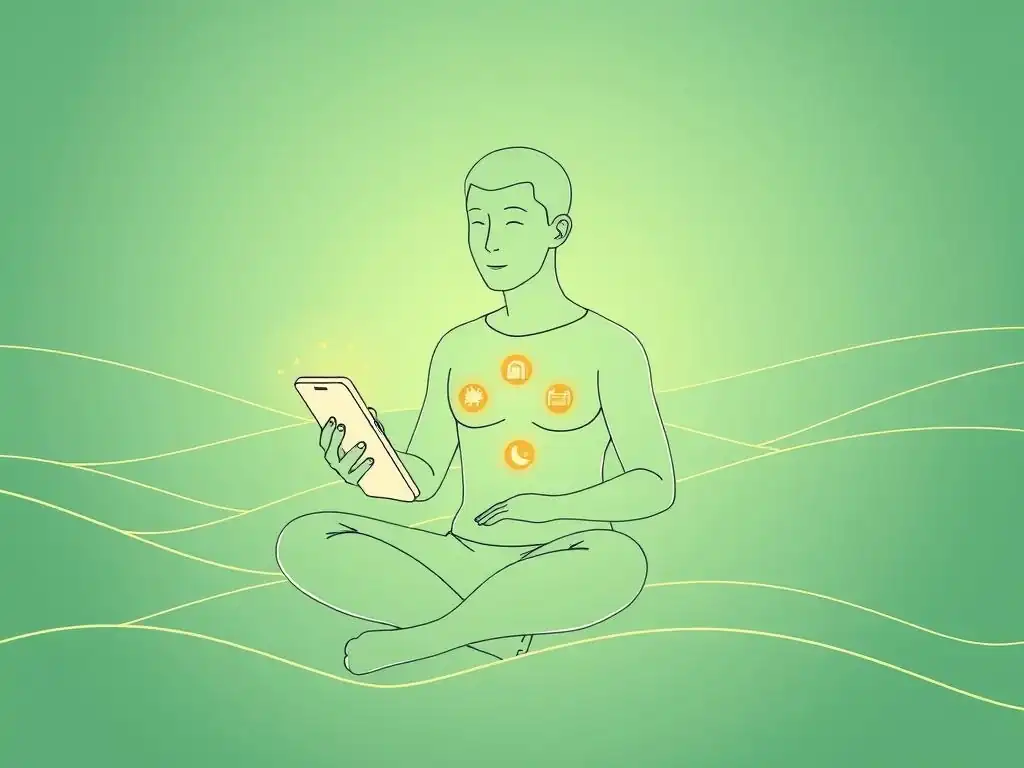
This section focuses on establishing practical, daily habits that support digital wellbeing. It's not enough to simply download an app; consistent integration into your lifestyle is key. We'll explore techniques to seamlessly weave digital wellbeing practices into your daily rhythm, ensuring long-term success. The goal is to cultivate a mindful relationship with technology, rather than a reactive one.
Integrating Digital Wellbeing Practices into Your Daily Life
Successfully integrating digital wellbeing practices requires a multi-pronged approach. It's about creating mindful moments throughout your day, rather than imposing drastic changes all at once. Start small and build momentum.
Consider these actionable steps:
- Designated Device-Free Times: Schedule specific periods each day – perhaps an hour before bed, during meals, or during dedicated family time – where you completely disconnect from all devices. This allows for deeper relaxation and improved quality of interactions. Experiment to find what works best for your schedule and stick to it.
- Mindful Tech Usage: Before picking up your phone or computer, pause and ask yourself: "Do I really need to do this now?" Often, we mindlessly scroll through social media or check emails without a clear purpose. This conscious pause can prevent unnecessary digital distractions.
- Tech-Free Zones: Designate specific areas in your home, such as your bedroom or dining room, as technology-free zones. This can significantly reduce the temptation to constantly check your devices. This physical separation can foster a more peaceful and present environment.
- Prioritize Offline Activities: Actively schedule time for hobbies and activities that don't involve screens. This could include reading a physical book, spending time in nature, exercising, pursuing creative endeavors, or engaging in meaningful conversations with loved ones. Balancing screen time with offline pursuits is essential for maintaining a healthy relationship with technology.
- Utilize Built-In Features: Most smartphones and computers have built-in features to monitor and manage screen time. Explore these settings and experiment with setting limits on specific apps or websites. This provides a simple way to gain greater awareness of your digital habits.
Monitoring Your Progress and Making Adjustments
Tracking your progress is crucial for maintaining momentum and making necessary adjustments to your digital wellbeing routine. This isn't about strict adherence to a rigid schedule, but about observing patterns and making informed choices.
Here are some strategies for effective monitoring:
- Use a Journal: Keep a daily or weekly journal to record your screen time, the apps you use most frequently, and your overall feelings about your technology usage. This provides valuable insights into your digital habits and allows you to identify areas for improvement.
- Track Your Mood: Pay attention to how your mood changes throughout the day, particularly in relation to your technology use. Do you feel more stressed or anxious after spending long periods on social media? Identifying these correlations can help you make informed decisions about your technology consumption.
- Regular Reviews: Schedule regular reviews of your digital wellbeing practices (e.g., weekly or monthly). During these reviews, assess your progress, identify areas where you're struggling, and adjust your strategies accordingly. Remember, it's an iterative process.
- Seek Support: If you're finding it difficult to manage your technology use on your own, consider seeking support from a therapist, counselor, or support group. They can provide guidance and support as you work towards establishing a healthier relationship with technology.
- Celebrate Small Wins: Acknowledge and celebrate your successes, no matter how small. This positive reinforcement can help you stay motivated and maintain momentum in your journey towards better digital wellbeing.
Long-Term Strategies for Maintaining Digital Wellbeing
Sustaining positive digital wellbeing habits requires ongoing commitment and adaptation. It's a marathon, not a sprint. The following strategies can help you maintain a healthy relationship with technology in the long term:
- Regular Detoxification: Schedule periodic digital detoxes – even short ones – to reset your relationship with technology and reconnect with yourself. This could involve a day, a weekend, or even a week without screens. The frequency depends on your individual needs and preferences.
- Mindfulness Practices: Incorporate mindfulness practices into your daily routine, such as meditation or yoga. These practices can help you cultivate greater self-awareness and improve your ability to manage your technology use mindfully.
- Continuous Learning: Stay informed about the latest research and best practices related to digital wellbeing. This can help you adapt your strategies as needed and stay ahead of the curve.
- Set Boundaries: Communicate your digital wellbeing goals to your family and friends, and ask for their support. Setting clear boundaries with others can make it easier to stick to your plan.
- Embrace Imperfection: Remember that it's okay to slip up occasionally. The key is to learn from your mistakes, adjust your strategies as needed, and keep moving forward. The journey towards better digital wellbeing is a continuous process of learning and growth. Don't get discouraged by setbacks; celebrate progress and learn from setbacks.
The Importance of Self-Compassion and Patience
Embarking on a journey towards improved digital wellbeing isn't a sprint; it's a marathon. Expecting immediate, drastic changes is unrealistic and can lead to discouragement. Building a sustainable routine requires self-compassion and patience. Remember that slip-ups are inevitable. One late-night scrolling session doesn't negate all your previous efforts. Instead of berating yourself, acknowledge the setback, understand the underlying cause (stress, boredom, etc. ), and gently redirect your focus back to your goals. This approach fosters a healthier relationship with technology, preventing the cycle of guilt and relapse that often accompanies overly strict, self-critical approaches to digital minimalism.
Developing self-compassion involves treating yourself with the same kindness and understanding you would offer a friend struggling with a similar challenge. Instead of harsh self-criticism, practice self-encouragement. Celebrate small victories, like going an entire day without checking social media unnecessarily or successfully resisting the urge to immediately respond to emails outside of work hours. These small wins contribute significantly to building momentum and reinforcing positive habits.
Patience is crucial because forming new habits takes time. Research suggests it takes an average of 66 days to form a new habit, 1 although this varies greatly depending on the individual and the complexity of the habit. Don't get discouraged if you don't see immediate results. Consistency is key. Small, incremental changes implemented consistently over time will yield far greater and more sustainable results than drastic, unsustainable changes. Remember, the goal is not perfection, but progress.
1 Lally, Phillippa; van Jaarsveld, Cornelia H. M.; Potts, Henry W. W.; Wardle, Jane (2010). "How are habits formed: Modelling habit formation in the real world". European Journal of Social Psychology. 40 (6): 998–1009.
Maintaining Digital Wellbeing in the Long Term
Maintaining digital wellbeing isn't a one-time fix; it's an ongoing process requiring consistent effort and adaptation. Think of it like a fitness regime – you wouldn't expect to see results from a single workout, right? Similarly, cultivating healthy digital habits requires sustained commitment and a willingness to adjust your strategies over time. This section explores key strategies to ensure your digital wellbeing plan remains effective and supports your overall health and happiness.
Strategies for Preventing Digital Burnout
Digital burnout is a real phenomenon, characterized by exhaustion, cynicism, and feelings of professional inadequacy stemming from excessive technology use. Preventing it requires proactive measures. One effective strategy is implementing the Pomodoro Technique. This involves working in focused bursts (e.g., 25 minutes) followed by short breaks (e.g., 5 minutes). This structured approach helps prevent mental fatigue and promotes sustained productivity without sacrificing wellbeing.
Another crucial aspect is setting realistic expectations. Avoid the trap of striving for constant connectivity. Schedule specific times for checking emails and social media, and stick to them. This helps establish boundaries and prevents technology from encroaching on your personal time and mental space.
Finally, prioritize offline activities. Engage in hobbies, spend time in nature, or connect with loved ones face-to-face. These activities provide crucial counterbalance to the demands of the digital world. Remember, the best digital wellbeing apps are only part of the solution; real-world engagement is equally important.
Adapting Your Digital Wellbeing Plan to Changing Needs
Your digital wellbeing plan shouldn't be static. Life changes, and your relationship with technology will evolve alongside it. What worked six months ago might not be as effective today. Regularly review and adjust your strategies. Perhaps your work demands have shifted, requiring you to engage more with certain apps. Or maybe you've discovered new apps that better support your needs.
Consider these factors and make necessary adjustments to your schedule, app usage limits, and overall digital habits. For example, if you find yourself constantly distracted by social media during work hours, you might need to adjust your notification settings or utilize website blockers. Flexibility and adaptability are key to long-term success in maintaining digital wellbeing. This iterative process ensures your plan remains relevant and effective in navigating the ever-changing digital landscape. Don't be afraid to experiment and find what works best for you.
Community Support and Resources for Digital Wellbeing
Finding community support can significantly enhance your digital wellbeing journey. Connecting with others facing similar challenges provides validation, encouragement, and practical tips. Numerous online forums and support groups cater to individuals striving for better digital habits. These communities offer a safe space to share experiences, ask questions, and learn from others' successes and challenges. Moreover, numerous resources exist beyond community forums. Look for workshops, webinars, or online courses focused on digital wellbeing and mindfulness.
These educational resources often provide valuable insights and practical strategies for managing technology use effectively. Remember, you're not alone in this endeavor. Leveraging community support and readily available resources can make a significant difference in your ability to maintain sustainable digital wellbeing practices. The journey towards better digital habits is often more successful when undertaken collaboratively. Exploring these resources can equip you with the knowledge and support needed to thrive in the digital age.
Frequently Asked Questions
What are the best digital wellbeing apps mentioned in the UltimateLifeHacks article?
The article highlights several top-rated apps, but doesn't provide a definitive "best" list as individual needs vary. It emphasizes exploring apps like Forest, Freedom, and Moment to find what best suits your specific needs.
How can these apps help improve my digital wellbeing?
These apps offer various features to help you manage screen time, reduce distractions, and foster healthier digital habits. They provide tools for tracking usage, setting limits, and even blocking access to distracting apps and websites.
Are these apps only for smartphones, or are there desktop options too?
Many apps offer both smartphone and desktop versions, allowing for comprehensive management across all your devices. Some apps specialize in one platform, so check the app description carefully before installing.
What techniques, besides apps, does UltimateLifeHacks suggest for better digital wellbeing?
The article promotes various techniques including mindful technology use, scheduling dedicated digital detox times, and creating physical boundaries around technology, such as not using devices in the bedroom.
Is there a cost associated with using these digital wellbeing apps?
Some apps offer free versions with limited features, while others require a subscription for full functionality. The article encourages readers to explore both free and paid options to find the best fit for their budget and needs.
Final Reflection: Reclaiming Your Digital Life
The relentless pace of digital life demands a conscious effort towards wellbeing; ignoring this crucial aspect leaves us vulnerable to burnout and disconnection. We've explored a comprehensive toolkit of apps, tools, and techniques designed to help you navigate the digital landscape with intention and mindfulness, ultimately reclaiming control over your time and attention. This isn't just about finding the "best" app; it's about cultivating a healthier relationship with technology.
The impact of technology on our mental and emotional wellbeing is undeniable, shaping our social interactions, sleep patterns, and even our sense of self. The constant stream of notifications, the pressure to stay connected, and the addictive nature of many platforms create a complex challenge. As Sherry Turkle wisely observed, We expect more from technology and less from each other.
This insightful quote highlights the crucial need to re-evaluate our relationship with technology and prioritize genuine human connection alongside our digital lives. The tools and strategies discussed in this article offer a pathway towards achieving this balance.
You now possess the knowledge and resources to begin building a more intentional digital life. Consider which strategies resonate most with you, experiment with different apps and techniques, and most importantly, be patient and kind to yourself throughout the process. This journey towards digital wellbeing is a personal one, requiring consistent effort and self-reflection. Don't be afraid to adjust your approach as needed, and remember that reclaiming your digital life is an act of self-care – a powerful investment in your present and future wellbeing.
Unleash Your Digital Wellbeing Powerhouse!
Thanks for exploring the world of digital wellbeing with us! You've now learned practical strategies to reclaim your time and energy. Ready to put your knowledge into action?
- Prioritize a digital detox: Start by identifying one app you use excessively and take a 24-hour break. This small step can significantly improve your focus and overall well-being. Notice the difference!
- Share your key takeaway: Let's build a community! Share your biggest insight or favorite tip from this guide on your preferred social media platform – tag us if you'd like!
- Try a mindfulness technique: Experiment with a short guided meditation or breathing exercise. Even five minutes can help manage digital overload.
What small change will you make today to boost your digital wellbeing?