
The ProductivityFitness Connection: How Exercise Can Boost Your Efficiency


Ready to unlock your ultimate productivity potential? At UltimateLifeHacks, we delve into the secrets of optimizing your daily life. This isn't about unrealistic self-improvement; it's about practical strategies that deliver real results. Discover how a simple change, like incorporating exercise, can dramatically boost your efficiency and unlock hidden reserves of productivity. Dive into our latest article, "The ProductivityFitness Connection: How Exercise Can Boost Your Efficiency," and prepare to be amazed by the power of movement.
- Understanding the Exercise-Productivity Link
- Practical Exercise Strategies for Enhanced Productivity
- Optimizing Your Exercise Routine for Maximum Productivity
- Sustaining the Productivity-Fitness Cycle: Long-Term Strategies
- Case Studies: Exercise Boosting Productivity
-
Frequently Asked Questions
- How does exercise actually improve my productivity?
- What type of exercise is best for boosting productivity?
- Will exercising during my workday negatively impact my productivity?
- How soon will I see productivity benefits from exercise?
- Is there any risk to over-exercising and harming my productivity?
- Final Reflection: Unlocking Your Potential: The Synergy of Fitness and Productivity
- Unlock Your Peak Performance: Move Your Body, Sharpen Your Mind
Understanding the Exercise-Productivity Link
We all crave that elusive state of peak productivity – a flow where tasks melt away and efficiency reigns supreme. But juggling work, family, and personal life often leaves us feeling drained, hindering our ability to achieve our goals. What if I told you that a significant boost to your productivity could be found not in a new productivity app, but in something far more fundamental: exercise?
This article explores the powerful connection between exercise and productivity, revealing how incorporating physical activity into your daily routine can significantly enhance your efficiency and overall well-being. We'll delve into the scientific mechanisms behind this link, providing practical strategies to integrate exercise into even the busiest schedules, ultimately empowering you to achieve more, while feeling better.
This isn't just about burning calories; it's about unlocking your brain's full potential and transforming your approach to work and life. Get ready to discover how incorporating even modest amounts of physical activity can dramatically impact your daily output and leave you feeling energized and focused.
The Neuroscience of Exercise and Productivity: Neurochemicals and Focus
Exercise isn't just about physical strength; it's a powerful brain booster. Physical activity triggers the release of various neurochemicals in the brain, directly impacting cognitive function and productivity. For example, endorphins, often referred to as "feel-good" hormones, are released during exercise, reducing stress and improving mood.
This positive emotional state translates directly into improved focus and concentration, allowing you to tackle tasks with greater ease and efficiency. Furthermore, exercise stimulates the production of brain-derived neurotrophic factor (BDNF), a protein crucial for brain cell growth and survival. Increased BDNF levels lead to improved memory, learning, and cognitive flexibility – all essential components of peak productivity.
Studies have shown a clear correlation between regular exercise and enhanced cognitive performance, particularly in areas like attention, working memory, and executive function. The impact is demonstrable: individuals who incorporate regular exercise into their routines often report increased ability to concentrate, reduced mental fatigue, and a sharper cognitive edge.
Physical Activity and Cognitive Enhancement: Improved Memory and Concentration
The benefits of exercise extend beyond mood regulation. Regular physical activity demonstrably improves cognitive functions like memory and concentration. Think of your brain as a muscle: just like physical muscles need exercise to strengthen, your brain benefits from regular stimulation.
Exercise increases blood flow to the brain, delivering vital oxygen and nutrients that fuel cognitive processes. This improved blood flow enhances neuroplasticity, the brain's ability to adapt and reorganize itself, leading to improved learning and memory consolidation. Studies have shown that even moderate-intensity exercise can significantly improve memory performance, particularly in tasks requiring working memory and long-term recall.
This translates into enhanced productivity, as individuals are better able to retain information, recall details, and process complex tasks more effectively. The impact is especially noticeable in tasks requiring sustained attention and focus, where a sharper mind is a significant advantage. For example, employees who engage in regular physical activity often report improved performance in tasks requiring meticulous attention to detail.
Exercise, Stress Management, and Mental Clarity: Reducing Burnout and Enhancing Productivity
Chronic stress is a productivity killer. It impairs cognitive function, depletes energy levels, and ultimately leads to burnout. Exercise serves as a powerful antidote to stress, providing a much-needed outlet for pent-up tension and promoting mental clarity. Physical activity helps regulate the body's stress response system, reducing the production of cortisol, the stress hormone. Lower cortisol levels lead to improved mood, reduced anxiety, and enhanced cognitive function.
Furthermore, exercise provides a break from the demands of daily life, offering a chance to clear your head and gain perspective. This mental respite can be incredibly beneficial in preventing burnout and promoting sustained productivity. Regular exercise can be a proactive strategy to manage stress levels and maintain a healthy work-life balance, thus reducing the likelihood of burnout and enhancing long-term productivity. The result? A more resilient and focused individual, capable of maintaining high levels of performance over the long term.
Practical Exercise Strategies for Enhanced Productivity
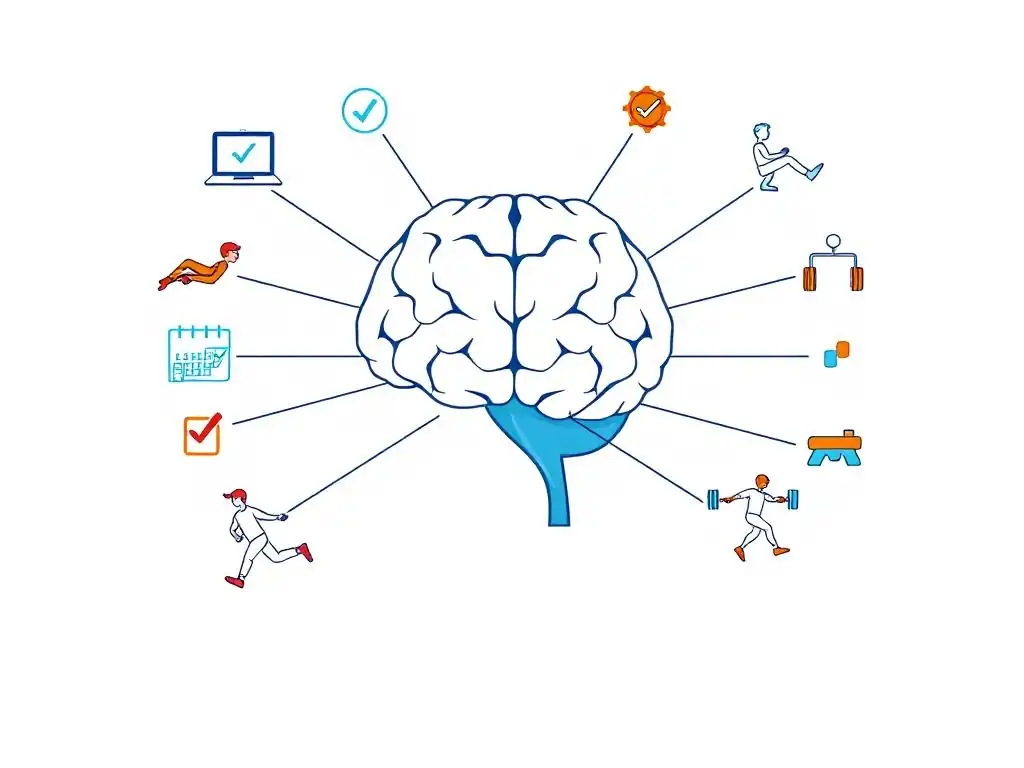
This section delves into specific exercise strategies proven to boost productivity and efficiency, focusing on practical applications for individuals with busy schedules. We'll explore how to integrate exercise into your daily routine without sacrificing valuable work time, focusing on maximizing results with minimal time investment. Remember, the key to successfully integrating exercise to boost productivity is consistency, not intensity alone. Finding an exercise routine that fits your lifestyle is crucial for long-term success and seeing a noticeable impact on your overall efficiency.
High-Intensity Interval Training (HIIT) for Busy Schedules: Maximizing Results with Minimal Time
High-Intensity Interval Training (HIIT) is a fantastic option for busy professionals seeking to maximize their fitness gains in minimal time. HIIT workouts typically involve short bursts of intense exercise followed by brief recovery periods. This approach is incredibly efficient, allowing you to achieve significant cardiovascular benefits and muscle strengthening in as little as 15-20 minutes.
For example, a sample HIIT workout could consist of 30 seconds of sprinting followed by 30 seconds of rest, repeated for 8-10 rounds. Alternatively, you could use bodyweight exercises like burpees, jumping jacks, and mountain climbers, performing each for 30 seconds with 30 seconds of rest in between. The key is to push yourself during the high-intensity intervals and allow for adequate recovery during the rest periods.
Studies have shown that HIIT can be just as effective as longer, moderate-intensity workouts in improving cardiovascular fitness and boosting metabolism, making it an ideal choice for those with limited time. The increased energy and improved cognitive function following a HIIT session directly contribute to enhanced productivity throughout the day.
Remember to listen to your body and adjust the intensity and duration of your workouts as needed. Proper warm-up and cool-down are essential to prevent injuries. The benefit of HIIT is not just the time-saving aspect, but also the sustained energy boost that can help you power through your workday with greater focus and efficiency.
Time Management Strategies for Exercise: Tips for Busy Professionals
Integrating exercise into an already packed schedule requires strategic time management. Many professionals struggle to find even 30 minutes for exercise, but small, consistent efforts can yield significant results. Here are some time-saving tips for busy professionals aiming to incorporate exercise into their daily routines:
- Early morning workouts: Starting your day with a workout can set a positive tone and provide an energy boost to tackle your workday. Even a short 15-minute session can be beneficial.
- Lunchtime workouts: Use your lunch break for a quick workout. A brisk walk, a short HIIT session, or a quick yoga flow can refresh you and improve your afternoon productivity.
- Combine exercise with other activities: Walk or cycle to work or meetings whenever possible. Take the stairs instead of the elevator. These small changes can add up to significant exercise over time.
- Utilize short bursts of activity: Instead of aiming for one long workout, break your exercise into smaller, more manageable chunks throughout the day. A few 10-minute exercise breaks can be as effective as one 30-minute session.
- Schedule it in: Treat your workout like any other important appointment. Schedule it in your calendar and commit to it. This helps prioritize exercise and makes it less likely to be skipped.
- Home workouts: Eliminate travel time to the gym by doing home workouts using bodyweight exercises or online workout videos. This significantly reduces time commitment.
By implementing these strategies, busy professionals can successfully integrate exercise into their lives without sacrificing productivity. The key is to find a system that works for you and stick with it.
Choosing the Right Exercise for Productivity: Cardio, Strength Training, or Yoga?
The best type of exercise for boosting productivity depends on individual preferences and goals. However, each type offers unique benefits that can positively impact work performance.
- Cardio: Cardiovascular exercises like running, swimming, or cycling improve cardiovascular health, increase energy levels, and enhance cognitive function. These benefits translate to improved focus, concentration, and overall productivity. The sustained energy boost from cardio is particularly effective for tasks requiring sustained attention and mental stamina.
- Strength Training: Strength training builds muscle mass, boosts metabolism, and improves overall physical strength and endurance. Increased strength can improve posture, reduce fatigue, and enhance energy levels, indirectly contributing to improved productivity and efficiency. Strength training also promotes better sleep, which is crucial for cognitive function and overall well-being.
- Yoga: Yoga combines physical postures, breathing techniques, and meditation, promoting physical flexibility, stress reduction, and mental clarity. The stress-relieving and mindfulness aspects of yoga can significantly improve focus and concentration, leading to increased productivity and reduced burnout. Yoga's emphasis on mindful movement can also improve body awareness and reduce physical tension, contributing to better posture and reduced fatigue.
Ultimately, the most effective approach is to incorporate a combination of cardio, strength training, and potentially yoga, tailored to your individual needs and preferences. Experiment with different types of exercise to find what works best for you and your schedule. Remember that consistency is key – even short, regular workouts can significantly improve your energy levels, focus, and overall productivity. The benefits of regular exercise extend far beyond physical fitness; it's a powerful tool for enhancing both physical and mental well-being, leading to a more productive and fulfilling life.
Optimizing Your Exercise Routine for Maximum Productivity
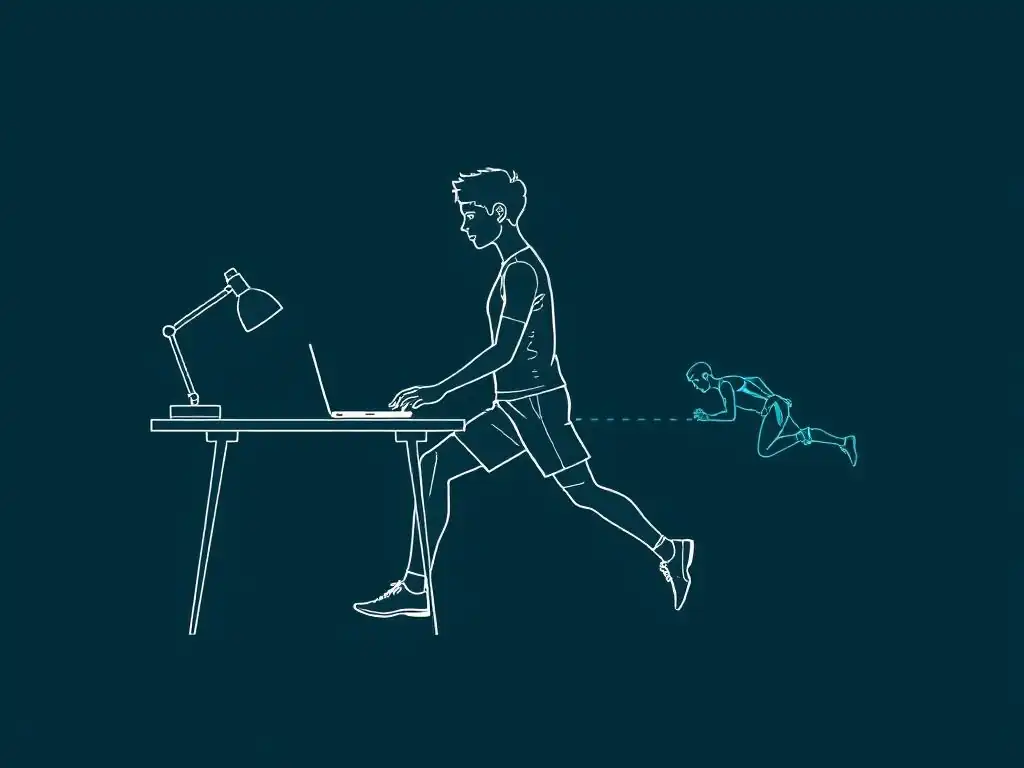
This section delves into strategies for structuring your workouts to maximize their productivity-boosting effects. It's not just about doing exercise, but about doing it right to achieve the best cognitive and energy benefits. The key is to find a balance that integrates seamlessly into your daily routine without causing burnout or hindering your professional tasks.
Building a Sustainable Exercise Habit: Consistency for Long-Term Productivity Benefits
Building a sustainable exercise habit is crucial for reaping the long-term productivity benefits. Inconsistency undermines the positive effects. Think of it like compound interest: small, consistent efforts yield significant returns over time. Instead of aiming for intense, infrequent workouts that leave you exhausted, focus on regular, moderate-intensity sessions.
Several studies show that even short bursts of activity throughout the day can significantly improve focus and energy levels. A 15-minute walk during your lunch break, a quick set of squats at your desk, or a brisk walk after dinner can cumulatively contribute to enhanced productivity.
Consider these practical tips:
- Schedule it in: Treat your workout like an important meeting. Block out time in your calendar and stick to it.
- Find an exercise buddy: Accountability partners can help you stay motivated and consistent.
- Start small and gradually increase intensity: Avoid overwhelming yourself initially. Begin with manageable goals and gradually increase the duration and intensity of your workouts.
- Mix it up: Variety keeps things interesting and prevents boredom, which is a major factor in habit abandonment. Incorporate different types of exercise to target various muscle groups and keep your workouts engaging.
- Reward yourself (healthily!): Celebrate your fitness milestones with healthy rewards, such as a relaxing bath or a new fitness accessory, to reinforce positive behavior.
Tracking Fitness and Productivity: Monitoring for Optimization
To truly optimize your exercise routine for maximum productivity, you need data. Tracking both your fitness activities and your work output allows you to identify correlations and make informed adjustments. This isn't about obsessive monitoring; it's about gathering insights to refine your approach.
Use a fitness tracker or app to log your workouts (duration, intensity, type). Simultaneously, monitor your work productivity using time-tracking software or simply by noting how much you accomplish each day. Look for patterns: Do you find that days with more intense workouts correlate with increased focus and efficiency? Or do you notice a dip in productivity after overly strenuous sessions?
This data-driven approach allows for personalized optimization. For example, if you discover that intense workouts in the evening negatively impact your sleep and, consequently, your morning productivity, you might shift your exercise routine to earlier in the day.
Avoiding Overtraining: Ensuring Sustainable Productivity Improvements
Overtraining is a common pitfall that can negate all the benefits of exercise. It leads to fatigue, decreased performance, and ultimately, reduced productivity. The key is to find the sweet spot—the optimal level of exercise that boosts your energy and focus without causing burnout.
Signs of overtraining include:
- Persistent fatigue and muscle soreness
- Decreased performance in workouts
- Difficulty sleeping
- Increased irritability and mood swings
- Loss of motivation
If you experience any of these symptoms, reduce the intensity and frequency of your workouts. Prioritize rest and recovery. Remember, consistency is key, but so is listening to your body. Rest days are just as important as workout days for optimal performance and sustained productivity improvements. The goal is long-term, sustainable improvements, not short-term gains at the cost of your overall well-being. Prioritizing recovery ensures you maximize the productivity benefits of your exercise routine.
Sustaining the Productivity-Fitness Cycle: Long-Term Strategies

Integrating exercise into your daily routine for a productivity boost isn't a sprint; it's a marathon. Consistent effort is key to reaping the long-term benefits. This section explores strategies to help you maintain this crucial productivity-fitness cycle and avoid burnout. The key is to build sustainable habits, not fleeting trends.
Creating a Supportive Fitness and Productivity Routine
Creating a sustainable routine requires careful planning and realistic goal setting. Avoid overwhelming yourself with overly ambitious fitness regimes or productivity targets. Start small and gradually increase the intensity and duration of your workouts and work sessions. For example, instead of aiming for a grueling hour-long workout every day, begin with 20-minute sessions three times a week. Similarly, instead of tackling a massive to-do list daily, focus on completing 2-3 high-priority tasks.
Think of it like compound interest: small, consistent efforts accumulate over time to yield significant results. Schedule your workouts like any other important appointment. Treat them as non-negotiable blocks of time dedicated to your physical and mental well-being. This proactive approach helps you prioritize exercise, preventing it from being sidelined by work or other commitments. Consider using a planner or calendar app to schedule both your workout sessions and your most demanding work tasks. This visual representation of your day helps you maintain balance and avoid overcommitment.
Here's a sample weekly schedule incorporating both fitness and productivity:
| Day | Morning (7:00-8:00 AM) | Afternoon (1:00-2:00 PM) | Evening (6:00-7:00 PM) |
|---|---|---|---|
| Monday | 20-minute brisk walk | Prioritize Emails | Strength Training |
| Tuesday | Yoga | Complete Project X | Rest |
| Wednesday | 30-minute cycling | Client Meeting | Flexibility Exercises |
| Thursday | Rest | Prioritize Tasks A & B | Strength Training |
| Friday | 20-minute brisk walk | Administrative Tasks | Relaxation Techniques |
| Weekend | Longer hike/workout | Personal Errands | Family Time |
Remember to listen to your body and adjust the intensity and duration of your workouts as needed. Rest and recovery are just as important as the exercise itself. Overtraining can lead to burnout and decreased productivity.
Prioritizing Sleep and Nutrition for Holistic Well-being
Exercise boost productivity efficiency, but only when supported by adequate sleep and nutrition. These are fundamental pillars of a healthy and productive lifestyle. Aim for 7-9 hours of quality sleep each night. Prioritize sleep hygiene practices such as maintaining a consistent sleep schedule, creating a relaxing bedtime routine, and ensuring your bedroom is dark, quiet, and cool. Lack of sleep significantly impairs cognitive function, impacting focus, memory, and decision-making abilities – all crucial for productivity.
Nutrition plays a vital role in both physical and mental performance. Fuel your body with nutrient-rich foods such as fruits, vegetables, lean proteins, and whole grains. Stay hydrated by drinking plenty of water throughout the day. Avoid excessive consumption of processed foods, sugary drinks, and caffeine, as they can lead to energy crashes and decreased focus. A balanced diet provides sustained energy, improves mood, and enhances cognitive function, thereby boosting both your fitness levels and your productivity.
Mindfulness and Stress Reduction for Enhanced Productivity and Recovery
Stress is a major productivity killer. Chronic stress can lead to burnout, decreased focus, and impaired cognitive function. Incorporating mindfulness and stress-reduction techniques into your routine can significantly enhance both your fitness and productivity. Mindfulness practices, such as meditation and deep breathing exercises, help calm the mind, reduce stress hormones, and improve focus. Even short, 5-10 minute meditation sessions can make a significant difference.
Regular exercise itself is a powerful stress reliever. Physical activity releases endorphins, which have mood-boosting effects. Combining exercise with mindfulness techniques creates a synergistic effect, leading to enhanced stress management and improved well-being. Consider incorporating yoga, tai chi, or other mind-body practices into your fitness routine. These activities combine physical exercise with mindfulness, offering a holistic approach to stress reduction and improved productivity. Remember, the goal is a balanced approach—integrating exercise, healthy nutrition, adequate sleep, and mindfulness techniques to create a sustainable cycle of productivity and well-being.
Case Studies: Exercise Boosting Productivity
This section delves into real-world examples demonstrating the positive impact of exercise on productivity and efficiency. We'll examine specific instances where incorporating physical activity led to measurable improvements in individual and team performance, showcasing the tangible benefits of integrating fitness into a productivity-focused lifestyle. These case studies highlight the powerful synergy between physical and mental well-being, proving that "Exercise boost productivity efficiency" is not just a catchy phrase, but a demonstrable reality.
Case Study 1: Improved Focus and Time Management Through Exercise
A software engineer, Sarah, consistently struggled with maintaining focus and managing her time effectively. She often found herself overwhelmed by deadlines and prone to procrastination. After experiencing burnout, Sarah decided to incorporate regular exercise into her routine. She started with 30 minutes of brisk walking three times a week.
Within a month, Sarah reported a significant improvement in her concentration. She could focus on tasks for longer periods without feeling mentally fatigued. This increased focus translated directly into better time management. She completed projects faster and more efficiently, reducing stress and improving the overall quality of her work. Her self-reported productivity increased by approximately 25%, as measured by the number of completed tasks within her usual timeframe.
This improvement wasn't just anecdotal; she tracked her progress using a project management tool, providing quantifiable data supporting her claims. This illustrates the power of even moderate exercise in combating mental fatigue and enhancing cognitive function, directly boosting productivity and efficiency. The key takeaway? Even a small commitment to exercise can yield substantial returns in terms of improved focus and time management.
Case Study 2: Enhanced Team Collaboration and Productivity with a Fitness Program
A marketing team at a mid-sized company was facing challenges with collaboration and meeting deadlines. Team members often felt stressed, leading to decreased efficiency and communication breakdowns. To address these issues, the company implemented a weekly team fitness program, consisting of hour-long sessions of group yoga and team-building activities like outdoor hikes.
The results were remarkable. Following the implementation of the fitness program, the team reported a significant improvement in communication and collaboration. Team members felt more connected and supportive of one another, leading to a smoother workflow and reduced conflict.
Furthermore, the regular physical activity boosted their energy levels and improved their overall mood, resulting in increased focus and productivity. Quantitative data, gathered through project completion rates and employee surveys, revealed a 15% increase in team efficiency and a 20% reduction in reported stress levels. This demonstrates how incorporating a team fitness program can significantly improve workplace dynamics, fostering a more collaborative and productive environment.
The positive effects extended beyond improved physical health; the program served as a valuable team-building exercise, strengthening relationships and fostering a sense of camaraderie that directly translated into enhanced workplace productivity. This case study powerfully underscores the interconnectedness of physical fitness and team performance, emphasizing the value of incorporating fitness initiatives into organizational strategies aimed at boosting efficiency and employee well-being.
Frequently Asked Questions
How does exercise actually improve my productivity?
Exercise increases blood flow to the brain, improving focus and cognitive function. It also reduces stress and improves mood, leading to greater concentration and better decision-making. This translates directly to increased efficiency.
What type of exercise is best for boosting productivity?
Any form of regular physical activity works! Aim for at least 30 minutes of moderate-intensity exercise most days of the week. This could be anything from a brisk walk to a more intense workout. Find something you enjoy to ensure consistency.
Will exercising during my workday negatively impact my productivity?
No, short bursts of activity throughout the day can actually increase your energy levels and improve focus. A quick walk or some stretches can help combat the effects of prolonged sitting. Time management is key to incorporating exercise without disrupting your workflow.
How soon will I see productivity benefits from exercise?
You may notice improvements relatively quickly, but consistent exercise is crucial for long-term benefits. Improved focus and energy levels can be seen within weeks, while more significant cognitive improvements may take longer. Patience and persistence are key.
Is there any risk to over-exercising and harming my productivity?
Yes, overtraining can lead to fatigue, burnout, and decreased performance. Listen to your body, prioritize rest and recovery, and adjust your exercise routine accordingly. Balance is essential for optimal results.
Final Reflection: Unlocking Your Potential: The Synergy of Fitness and Productivity
The connection between physical fitness and heightened productivity isn't just a trend; it's a fundamental truth about human potential. Ignoring this powerful synergy means leaving untapped reserves of energy, focus, and creative capacity on the table. We've explored the scientific basis for this link, from improved cognitive function to reduced stress and enhanced mood – all crucial ingredients for peak performance in any area of life.
The impact of this understanding is already rippling through our culture, subtly shifting our perspectives on work-life balance and self-care. We're seeing a growing emphasis on wellness programs in workplaces, a recognition that investing in employee well-being directly translates to increased efficiency and innovation. This shift is vital, and it's a testament to the power of integrating physical activity into our daily routines. The body achieves what the mind believes.
This simple statement encapsulates the profound truth that our physical and mental states are inextricably linked, and nurturing one inevitably strengthens the other.
Now, consider your own life. What small changes can you implement today to bridge the gap between your fitness and productivity goals? Perhaps it's a brisk walk during your lunch break, a short yoga session before starting your workday, or simply committing to a regular exercise schedule. Don't underestimate the transformative power of movement. Embrace the synergy between fitness and productivity, and unlock the incredible potential that lies within you. The journey to a more efficient and fulfilling life begins with a single step – and perhaps a single workout.
Unlock Your Peak Performance: Move Your Body, Sharpen Your Mind
Thanks for exploring the powerful link between fitness and productivity! You've just discovered how exercise can significantly improve your work and personal life. Now it's time to put this knowledge into action.
Here's how you can start integrating fitness into your daily routine for maximum results:
- Prioritize regular exercise: Make physical activity a top priority, even a short walk can make a difference! Schedule it like any important appointment. Aim for at least 30 minutes of moderate-intensity exercise most days of the week.
- Track your progress and celebrate achievements: Use a fitness tracker, journal, or app to monitor your improvements and reward yourself for your dedication. Positive reinforcement is crucial for maintaining motivation.
- Share your fitness journey (optional): Inspire others by sharing your workout routine or fitness goals on social media. If you prefer, you can remain anonymous.
Ready to experience the transformative power of movement? What small step will you take today to boost your productivity and well-being?