
The Secret to a Greener Home: EnergyEfficient Smart Home Solutions Revealed

Ready to unlock a world of effortless efficiency and significant savings? At UltimateLifeHacks, we're dedicated to simplifying your life and boosting your productivity. Discover the secrets to a more sustainable and cost-effective lifestyle, starting with our in-depth guide on Smart Home Energy Saving Tips. Learn how to effortlessly reduce your energy consumption and transform your home into a haven of efficiency. Dive in and uncover the surprising ways you can save money and the planet, one smart hack at a time.
- Understanding Your Energy Consumption: The First Step to Smart Home Energy Saving
- Smart Home Devices for Energy Savings: Maximizing Efficiency with Technology
- Advanced Smart Home Energy Saving Strategies: Taking Control of Your Home's Energy Use
- Beyond the Gadgets: Lifestyle Changes for Enhanced Energy Efficiency
- The ROI of Smart Home Energy Saving: Long-Term Benefits and Cost Savings
- Choosing the Right Smart Home Energy Saving Solutions for Your Needs
-
Frequently Asked Questions
- What are some smart home devices that can help me save energy?
- How much money can I save with smart home energy-saving solutions?
- Are smart home energy-saving devices difficult to install and use?
- What are the initial costs associated with implementing smart home energy-saving solutions?
- Do I need to be tech-savvy to use smart home energy-saving devices?
- Final Reflection: Embracing a Sustainable Future, One Smart Home at a Time
- Unlock Your Home's Green Potential Today!
Understanding Your Energy Consumption: The First Step to Smart Home Energy Saving
Embarking on a journey towards a greener, more energy-efficient home can feel daunting. However, with the advent of smart home technology, achieving significant energy savings is not only possible but surprisingly straightforward. This article reveals the secrets to harnessing smart home solutions for substantial energy reductions, ultimately leading to a smaller carbon footprint and lower utility bills.
We'll explore practical strategies, from analyzing your current energy usage to setting achievable goals, providing you with actionable smart home energy saving tips to transform your home into an eco-friendly haven. Understanding your current energy consumption is the crucial first step in this process – it’s the foundation upon which all effective energy-saving strategies are built. Let's dive in and discover how to optimize your home's energy performance with the power of smart technology.
Analyzing Your Current Energy Usage with Smart Meters and Home Energy Monitors
Before implementing any smart home energy saving strategies, it's vital to understand your current energy consumption patterns. This involves more than just glancing at your monthly utility bill. Smart meters and home energy monitors offer a granular view of your energy usage, providing insights into which appliances and systems are consuming the most energy. Smart meters, often installed by your utility provider, digitally track your energy use in real-time, allowing you to monitor consumption hourly or even minute-by-minute.
This data provides a baseline for comparison as you implement energy-saving measures. Home energy monitors, on the other hand, offer a more localized approach, often tracking energy usage for individual circuits or appliances within your home. These devices can identify energy hogs and highlight areas for improvement with greater precision.
By combining data from both smart meters and home energy monitors, you gain a comprehensive understanding of your home's energy profile, enabling you to make informed decisions about energy efficiency improvements. For example, you might discover that your heating and cooling system accounts for a significant portion of your overall energy use, prompting you to investigate smart thermostats and other energy-efficient upgrades. The detailed data provided by these tools is invaluable in setting realistic goals and tracking your progress towards a more sustainable home.
Identifying Energy Hogs: Pinpointing Areas for Improvement in Your Home
Once you have a clear picture of your overall energy consumption, the next step is to identify the specific "energy hogs" in your home. These are the appliances, systems, or behaviors that contribute disproportionately to your energy bills. Analyzing data from your smart meter and home energy monitor will reveal these culprits.
Common energy hogs often include older refrigerators, inefficient lighting, and heating and cooling systems that aren't properly maintained or optimized. For example, a refrigerator that is more than 10 years old might consume significantly more energy than a newer, energy-efficient model. Similarly, incandescent light bulbs use far more energy than LED alternatives.
By pinpointing these areas, you can prioritize your energy-saving efforts and focus on the changes that will yield the greatest impact. This targeted approach allows for a more efficient and effective strategy for reducing your overall energy consumption. Remember to also consider less obvious energy drains, such as phantom loads from electronics left plugged in even when turned off.
Setting Realistic Energy Saving Goals: A Practical Approach to Smart Home Energy Efficiency
Setting realistic energy-saving goals is paramount to achieving long-term success. Avoid overly ambitious targets that can lead to discouragement. Instead, start with small, achievable goals, and gradually increase your ambitions as you see progress.
For instance, you might aim to reduce your energy consumption by 5% in the first month, focusing on simple changes like switching to LED lighting and unplugging electronics when not in use. Once you've achieved this initial goal, you can set a more ambitious target for the following month, perhaps incorporating smart home technology like a smart thermostat or smart power strips. Regularly monitor your progress using your smart meter and home energy monitor, and adjust your goals as needed.
Celebrating milestones along the way is also crucial to maintaining motivation and staying committed to your energy-saving journey. By adopting a practical and incremental approach, you can transform your home into a more energy-efficient and sustainable space without feeling overwhelmed. Remember that even small changes can accumulate to make a significant difference over time.
Smart Home Devices for Energy Savings: Maximizing Efficiency with Technology
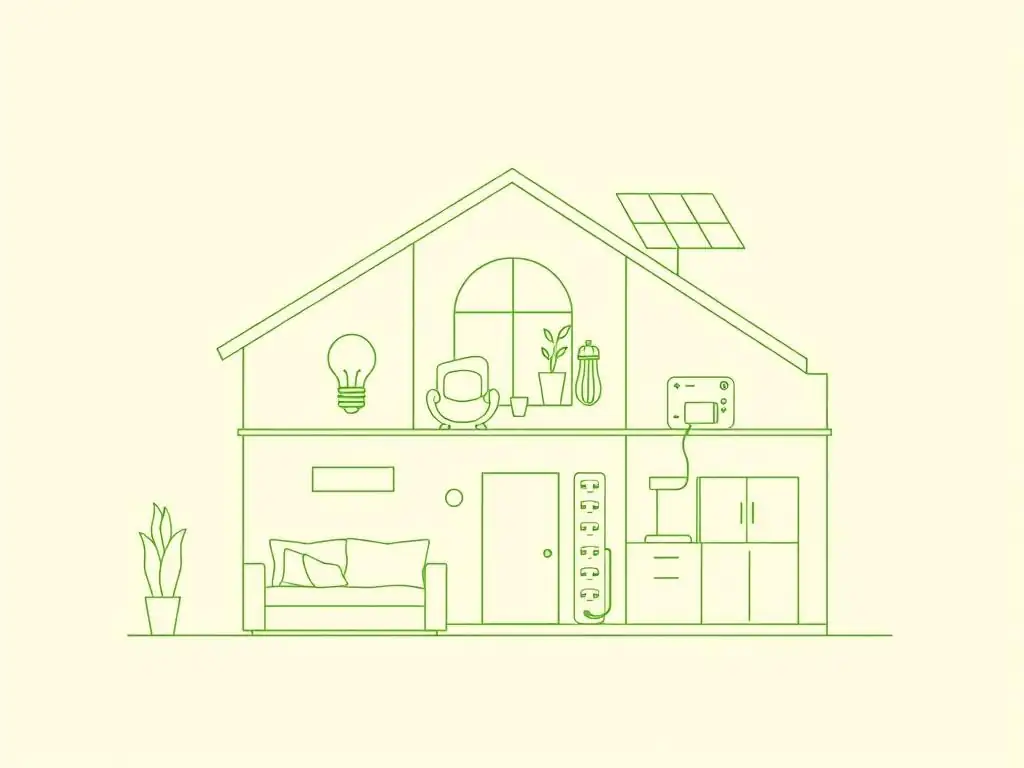
This section dives deep into specific smart home devices proven to significantly reduce energy consumption and contribute to a greener home. We'll explore their functionalities and highlight how they translate into tangible savings on your energy bills. Understanding the capabilities of these devices is crucial for implementing effective smart home energy saving tips.
Smart Thermostats: Optimizing Heating and Cooling with Nest Learning Thermostat and ecobee SmartThermostat
Smart thermostats represent a cornerstone of energy-efficient smart homes. Leading the pack are the Nest Learning Thermostat and the ecobee SmartThermostat, both renowned for their ability to learn your preferences and adjust temperatures accordingly, minimizing energy waste. These devices go beyond simple programmable thermostats; they utilize advanced algorithms to optimize heating and cooling based on your usage patterns, occupancy, and even weather forecasts.
The learning aspect means less manual intervention and more automatic adjustments for optimal comfort and energy efficiency. For instance, the Nest learns your schedule and adjusts the temperature accordingly, ensuring your home is warm when you arrive and cool when you leave, preventing unnecessary energy consumption during unoccupied periods. The ecobee, on the other hand, boasts remote sensors that provide a more accurate reading of the temperature in different zones of your home, leading to even more precise climate control and energy savings.
Programming Smart Thermostats for Maximum Energy Savings: Geofencing and Scheduling Features
Maximizing the energy-saving potential of smart thermostats involves leveraging their advanced features. Geofencing, for example, allows the thermostat to detect when you leave and arrive home, automatically adjusting the temperature to conserve energy while you're away. This eliminates the need for manual adjustments and ensures optimal energy efficiency without compromising comfort. Scheduling features are equally important.
You can program specific temperature settings for different times of the day, optimizing energy use based on your daily routine. For example, you can set a lower temperature overnight and during the workday, significantly reducing energy consumption during periods when you're less likely to be at home. This proactive approach to energy management is a key component of effective smart home energy saving tips.
Comparing Smart Thermostat Features and Prices: Finding the Best Fit for Your Budget
While both Nest and ecobee offer exceptional energy-saving capabilities, their features and pricing differ. The Nest Learning Thermostat is generally known for its sleek design and intuitive interface, but might be slightly more expensive than the ecobee. The ecobee SmartThermostat, conversely, often boasts a slightly lower price point while offering features like remote sensors for more precise temperature control across multiple zones. The best choice depends on your specific needs and budget.
Consider factors like the size of your home, the number of zones you need to control, and your desired level of automation when making your decision. A thorough comparison of features and prices is essential before investing in a smart thermostat. Remember to factor in potential long-term savings on your energy bills when evaluating the overall cost. This careful consideration is a crucial step in implementing effective smart home energy saving tips.
Smart Lighting: Reducing Energy Waste with Philips Hue and LIFX Smart Bulbs
Smart lighting represents another significant opportunity for energy savings in your smart home. Brands like Philips Hue and LIFX offer a wide range of smart bulbs that provide exceptional control and energy efficiency. These bulbs not only allow you to control your lighting remotely, but also offer features like dimming and color temperature adjustments, allowing you to fine-tune the ambiance and optimize energy consumption. For example, dimming your lights reduces energy usage considerably without sacrificing illumination. The ability to schedule lighting based on your routines further enhances energy efficiency.
Automating Lighting with Smart Home Integration: Scene Creation and Voice Control
The true power of smart lighting comes from its integration with other smart home devices and platforms. Scene creation allows you to program specific lighting scenarios for different times of day or activities. For example, you can create a "movie night" scene with dimmed lights and warm color temperature, or a "good morning" scene with bright, cool-toned lighting.
This automation not only enhances convenience but also maximizes energy efficiency by ensuring lights are only on when needed and at the optimal brightness. Voice control through platforms like Alexa or Google Assistant further streamlines lighting management, allowing you to effortlessly adjust lighting levels and create scenes with simple voice commands. This seamless integration is key for maximizing the energy-saving potential of your smart lighting system.
Choosing the Right Smart Bulbs for Your Needs: Brightness, Color Temperature, and Energy Efficiency
Selecting the right smart bulbs is crucial for achieving optimal energy efficiency. Consider factors like brightness (measured in lumens), color temperature (measured in Kelvin), and energy efficiency (measured in watts). Higher lumen ratings indicate brighter lights, while lower Kelvin values represent warmer, more yellowish tones.
Opting for bulbs with a high energy efficiency rating (measured in lumens per watt) ensures you get maximum brightness with minimal energy consumption. Carefully evaluating these specifications and comparing different models will help you choose the most energy-efficient and cost-effective smart bulbs for your home. This careful selection process is a vital element in achieving your smart home energy saving tips goals.
Smart Plugs: Controlling Energy Consumption of Individual Appliances with Kasa Smart Plugs and TP-Link Smart Plugs
Smart plugs represent a simple yet powerful tool in your arsenal for achieving significant smart home energy savings. These unassuming devices allow you to remotely control the power to any plugged-in appliance, offering granular control over energy consumption that's often lacking with traditional methods. Brands like Kasa and TP-Link offer a wide range of smart plugs, varying in features and price points.
The core functionality remains the same: the ability to switch devices on and off from your smartphone, regardless of your physical location. This seemingly small feature unlocks a world of energy-saving possibilities. For instance, you can easily turn off devices that are left on standby, such as chargers, TVs, or gaming consoles, which contribute significantly to "phantom load" – energy consumed even when the device isn't actively in use.
Furthermore, you can selectively power down appliances during periods of peak energy demand, helping to reduce your overall electricity bill and your carbon footprint. The convenience of remote control also extends to situations where you might forget to switch off appliances before leaving home; a simple tap on your phone ensures peace of mind and energy efficiency. Many smart plugs also integrate with other smart home ecosystems, allowing for more complex automation scenarios, as detailed below.
Monitoring Energy Usage with Smart Plugs: Identifying and Reducing Energy Vampires
One often-overlooked benefit of smart plugs lies in their ability to monitor energy consumption. Many advanced models provide detailed data on the power draw of connected appliances, allowing you to pinpoint those notorious "energy vampires" that silently drain power even when switched off. This data-driven approach is crucial for optimizing your energy usage. By tracking the energy consumption of individual devices over time, you gain valuable insights into their energy efficiency.
You might be surprised to discover that seemingly innocuous devices consume a significant amount of energy in standby mode. This information empowers you to make informed decisions about replacing inefficient appliances or changing usage habits. For example, you might find that an old desktop computer consumes considerably more energy than a modern laptop, even when idle.
This knowledge allows you to prioritize upgrading less efficient devices to significantly reduce your energy bills and contribute to a greener home. The ability to track energy usage is a key feature that elevates smart plugs from simple on/off switches to powerful energy management tools. This feature helps you understand your energy consumption patterns and make targeted improvements.
Scheduling and Automating Appliances with Smart Plugs: Maximizing Energy Savings
Beyond simple on/off control, smart plugs empower you to schedule and automate the operation of your appliances, maximizing energy savings and convenience. Imagine automatically turning off your lights at a set time each night, or scheduling your coffee maker to brew before you wake up. This level of automation not only saves energy but also adds a layer of convenience to your daily routine.
By setting schedules, you can ensure that appliances are only powered on when needed, eliminating wasted energy. For example, you can program your smart plugs to turn off your air conditioner when you leave for work and turn it back on shortly before your return, preventing unnecessary cooling during unoccupied periods. Moreover, you can integrate your smart plugs with other smart home devices and platforms, creating complex automation scenarios.
For instance, you could configure your smart plugs to turn on your smart lights when a motion sensor detects movement, ensuring efficient lighting only when necessary. This level of precise control and automation is key to achieving substantial and sustainable energy savings in your home, ultimately contributing to a more environmentally friendly lifestyle. The possibilities are endless, and the resulting energy savings are substantial.
Advanced Smart Home Energy Saving Strategies: Taking Control of Your Home's Energy Use
This section delves into sophisticated strategies for maximizing energy savings in your smart home, going beyond basic smart plugs and automated lighting. We'll explore how to integrate renewable energy sources and utilize advanced energy management systems to achieve truly remarkable reductions in your energy footprint and electricity bills. Effective implementation of these strategies will allow you to actively manage and optimize your home's energy consumption, leading to significant long-term savings and a smaller carbon footprint. These advanced smart home energy saving tips will elevate your home's efficiency to a new level.
Integrating Renewable Energy Sources: Solar Panels and Home Battery Storage
Harnessing renewable energy sources is a pivotal step towards achieving significant and sustainable energy savings. Solar panels and home battery storage systems represent a powerful combination for reducing reliance on the grid and minimizing your environmental impact. Let's examine the key aspects of incorporating these technologies into your smart home.
Cost-Effectiveness of Solar Panel Installation: Factors to Consider and ROI Calculations
The initial investment in solar panels can seem substantial, but the long-term cost savings and potential for increased home value make it a worthwhile consideration for many homeowners. Several factors influence the overall cost-effectiveness:
- System Size: Larger systems generate more power but come with a higher upfront cost. The optimal size depends on your energy consumption and roof space.
- Installation Costs: Labor costs vary significantly based on location and installer. Obtaining multiple quotes is crucial.
- Incentives and Rebates: Government incentives and utility company rebates can significantly reduce the initial investment. Research available programs in your area.
- Energy Production: Solar panel efficiency varies depending on the technology and weather conditions. Accurate estimations of annual energy production are essential for ROI calculations.
- Maintenance Costs: Regular maintenance is minimal, but unexpected repairs can impact the overall cost-effectiveness.
Calculating the Return on Investment (ROI) requires careful consideration of these factors. Typically, a comprehensive ROI analysis projects energy bill savings over the system's lifespan (usually 25-30 years), factoring in the initial cost, maintenance, and potential resale value increases. Many online calculators are available to assist with these calculations, providing a personalized estimate based on your specific circumstances. Remember to factor in potential increases in electricity prices over time, which can significantly enhance the ROI.
Utilizing Home Battery Storage for Peak Energy Efficiency: Tesla Powerwall and Similar Systems
Home battery storage systems, such as the Tesla Powerwall, are becoming increasingly popular as a complement to solar panel installations. These systems store excess solar energy generated during the day for use during peak demand periods or during power outages. This functionality offers several key benefits:
- Reduced Reliance on the Grid: By storing excess solar energy, you reduce your reliance on the grid, lowering your electricity bills.
- Increased Energy Independence: Home battery systems provide backup power during outages, ensuring essential appliances remain operational.
- Time-of-Use Rate Optimization: They allow you to utilize stored energy during peak pricing periods, minimizing costs associated with time-of-use electricity tariffs.
- Improved Grid Stability: By reducing peak demand, home battery systems contribute to the overall stability of the power grid.
While the upfront cost of a home battery system is significant, the long-term benefits, including increased energy independence and cost savings, make it an attractive option for many homeowners committed to maximizing their smart home's energy efficiency. The choice of battery system will depend on your energy needs and budget, with various options available from different manufacturers.
Smart Home Energy Management Systems: Centralized Control and Optimization with Home Assistant
Smart home energy management systems provide a centralized platform for monitoring and controlling all aspects of your home's energy consumption. Systems like Home Assistant allow you to gain granular control over your energy usage, automating tasks and optimizing performance.
Monitoring and Analyzing Energy Data: Gaining Insights into Your Home's Energy Consumption
A key feature of these systems is their ability to collect and analyze detailed energy consumption data. This data provides valuable insights into your home's energy usage patterns, pinpointing areas for improvement and optimization. Detailed visualizations and reports make it easy to identify energy-intensive appliances and behaviors.
For example, you might discover that your air conditioning unit consumes a disproportionate amount of energy during peak hours, prompting you to adjust its settings or usage schedule. This level of insight is crucial for effective energy management. The ability to track consumption in real-time allows for immediate adjustments and proactive energy saving actions.
Automating Energy Saving Actions: Creating Custom Rules and Schedules for Optimized Performance
Beyond monitoring, these systems allow for automation of energy-saving actions. You can create custom rules and schedules to optimize your home's energy performance. For instance:
- Automated Lighting: Lights can be automatically turned off in unoccupied rooms or dimmed based on ambient light levels.
- Smart Thermostat Control: The thermostat can be programmed to adjust temperatures based on occupancy and time of day, significantly reducing heating and cooling costs.
- Appliance Scheduling: Energy-intensive appliances can be scheduled to run during off-peak hours when electricity prices are lower.
- Geofencing: Appliances can be automatically turned off when you leave home and turned on when you return.
By automating these actions, you can achieve significant energy savings without requiring constant manual intervention. The ability to customize rules and schedules based on your specific needs and preferences ensures optimal energy efficiency and personalized comfort. This level of control and automation is the hallmark of advanced smart home energy saving strategies.
Beyond the Gadgets: Lifestyle Changes for Enhanced Energy Efficiency
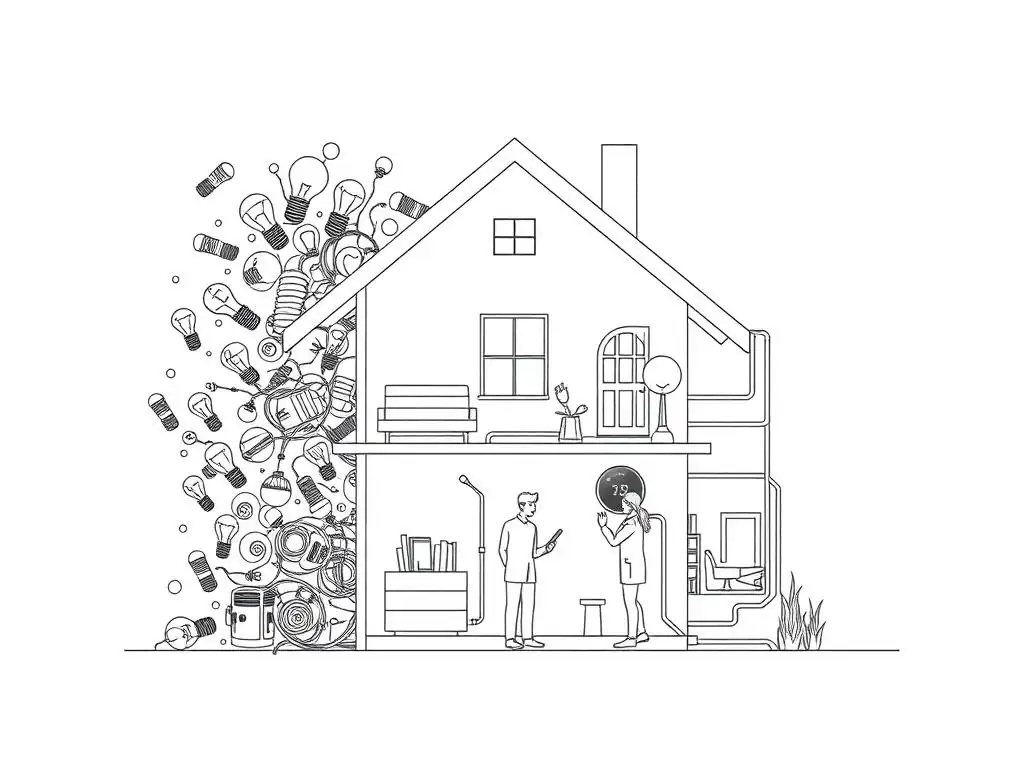
Smart home technology offers incredible potential for energy savings, but the journey to a truly energy-efficient home extends beyond the gadgets themselves. Adopting conscious lifestyle changes complements the capabilities of smart devices, maximizing their impact and fostering a more sustainable living environment. Integrating these behavioral shifts with your smart home setup will amplify your energy-saving efforts, leading to significant reductions in your carbon footprint and utility bills. Remember, even small, consistent changes can accumulate into substantial long-term benefits. This section explores practical ways to integrate these changes into your daily routine, maximizing the efficiency of your smart home investments.
Simple Habits for a Greener Home: Conscious Energy Consumption Practices
Embracing mindful energy consumption is paramount. Simple adjustments to daily habits can dramatically reduce energy waste. For instance, consciously turning off lights when leaving a room, a practice easily reinforced by smart lighting systems, is a fundamental step. Smart plugs, paired with timers or automated schedules, can further optimize this, ensuring lights and appliances are only active when needed. Similarly, unplugging chargers and electronics when not in use prevents "phantom loads," those small amounts of energy continuously drawn even when devices are off. This seemingly minor action adds up significantly over time. Consider these additional steps:
- Prioritize natural light: Open curtains and blinds during the day to maximize natural light, reducing reliance on artificial lighting. Smart blinds can automate this process, optimizing light intake based on time of day and sunlight availability.
- Lower your thermostat: Even a few degrees adjustment can make a noticeable difference. Programmable smart thermostats learn your preferences and adjust accordingly, optimizing heating and cooling schedules for maximum efficiency.
- Air dry clothes: Opt for air drying clothes whenever possible instead of using a dryer. This significantly reduces electricity consumption, especially during peak hours.
- Take shorter showers: Shorter showers conserve both water and energy used for heating water. Smart shower heads can even monitor and track your water usage, encouraging conservation.
Reducing Energy Waste in Everyday Activities: Practical Tips and Tricks
Beyond broad lifestyle changes, focusing on specific everyday activities presents further opportunities for energy savings. Small adjustments, when consistently implemented, contribute significantly to overall energy efficiency. Smart home devices can play a crucial role in facilitating and tracking these improvements. For example, smart appliances often provide detailed energy consumption data, allowing you to identify areas for improvement.
Consider the following examples:
| Activity | Energy-Saving Tip | Smart Home Integration | Estimated Savings (Annual, approximate) |
|---|---|---|---|
| Dishwashing | Wash full loads only, using the eco-mode setting. | Smart dishwasher with load sensing and energy monitoring. | $20 - $50 |
| Laundry | Wash clothes in cold water and air dry whenever possible. | Smart washer with energy-efficient settings and load sensing. | $30 - $70 |
| Cooking | Use lids on pots and pans, and choose energy-efficient cookware. | Smart oven with precise temperature control. | $15 - $40 |
| Heating & Cooling | Optimize thermostat settings using smart thermostats, and utilize smart vents. | Smart thermostat and smart vents. | $50 - $200+ |
| Standby Power Consumption | Unplug chargers and electronics when not in use, or use smart power strips. | Smart power strips with individual control and monitoring. | $10 - $30 |
By combining these simple habits with the capabilities of your smart home system, you can achieve significant energy savings and contribute to a more sustainable future. Remember, even small changes, consistently practiced, can lead to remarkable results. The key is mindful consumption and leveraging the tools at your disposal to track and optimize your energy usage. The data provided by your smart home devices will help you refine your approach, highlighting areas where further improvements can be made. This iterative process of adjustment and monitoring ensures continuous progress towards a truly energy-efficient home.
The ROI of Smart Home Energy Saving: Long-Term Benefits and Cost Savings
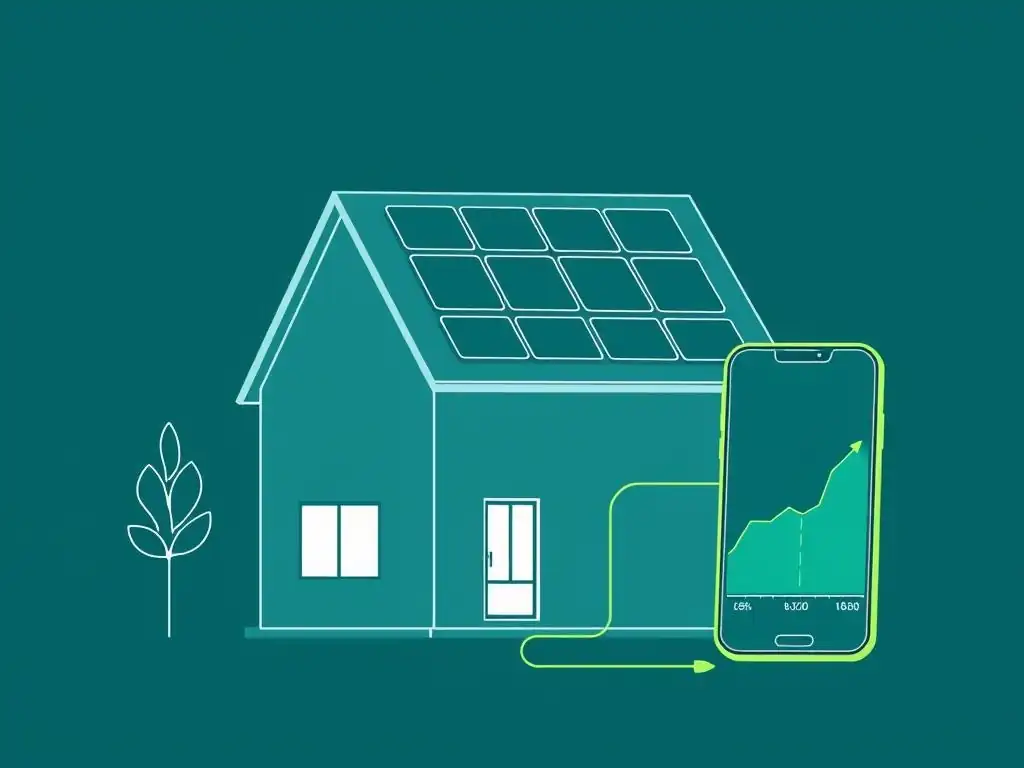
Investing in smart home energy-saving technology might seem like a significant upfront cost, but the long-term benefits and cost savings often outweigh the initial investment. This section explores the return on investment (ROI) you can expect from implementing smart home energy solutions, focusing on both financial and environmental returns. Understanding this ROI is crucial for making informed decisions about which technologies to prioritize. Many homeowners find that the cumulative savings over several years significantly reduce—and sometimes even eliminate—the initial expense.
Calculating Your Potential Savings: Estimating Energy Costs and Returns
Calculating your potential savings requires a two-pronged approach: first, estimating your current energy consumption and costs, and second, projecting the reduction achievable with smart home technology. Start by gathering your energy bills from the past year. Note your average monthly usage for electricity, gas (if applicable), and water. This data forms the baseline for comparison.
Next, research the specific energy-saving features of the smart home devices you're considering. For example, a smart thermostat can reduce heating and cooling costs by an average of 10-15% 1 by optimizing temperature settings based on occupancy and weather patterns. Smart lighting can achieve similar savings by automatically switching off lights in unoccupied rooms or adjusting brightness based on ambient light levels. Smart power strips can further reduce energy waste by cutting off power to devices in standby mode.
To estimate your potential savings, use online calculators or consult with energy efficiency experts. Many utilities offer free energy audits that can pinpoint areas for improvement and provide personalized savings estimates. Remember to factor in the purchase price of the smart home devices and any potential installation costs when calculating your ROI. A detailed spreadsheet, tracking monthly energy usage before and after implementation, will provide a clear picture of your actual return over time.
| Device | Estimated Annual Savings (USD) | Initial Cost (USD) | ROI (Years) 2 |
|---|---|---|---|
| Smart Thermostat | 150 - 300 | 100 - 250 | 0.5 - 2.5 |
| Smart Lighting | 50 - 150 | 50 - 200 | 0.3 - 4 |
| Smart Power Strip | 25 - 75 | 20 - 60 | 0.3 - 3 |
1 Average savings based on industry studies. Actual savings may vary.
2 ROI calculation assumes consistent energy savings and does not include potential increases in energy prices.
Long-Term Environmental Impact: Reducing Your Carbon Footprint with Smart Home Technology
Beyond the financial benefits, adopting smart home energy-saving solutions contributes significantly to a smaller carbon footprint. By reducing your energy consumption, you directly lessen your reliance on fossil fuels, contributing to cleaner air and a healthier planet. This is a crucial aspect of sustainable living, often overlooked when focusing solely on the financial ROI.
The cumulative effect of millions of households adopting these technologies is substantial. Small, individual changes, such as switching to LED lighting or optimizing heating and cooling schedules, add up to a large-scale impact on greenhouse gas emissions. Smart home technology streamlines these efforts, making energy conservation easier and more effective. Consider the long-term environmental benefits as an added, invaluable return on your investment, aligning your home with environmentally conscious practices.
This contributes to a more sustainable future for everyone. The reduction in your carbon footprint is a significant, intangible benefit that should be considered alongside the financial advantages. This makes smart home energy saving a win-win situation for both your wallet and the environment. The positive environmental impact extends beyond your home, contributing to a global effort towards sustainability.
Choosing the Right Smart Home Energy Saving Solutions for Your Needs
This section delves into the crucial considerations when selecting smart home devices for energy efficiency. Making informed choices ensures you achieve optimal energy savings and avoid costly mistakes. Ignoring these factors can lead to incompatibility issues, wasted money, and ultimately, a less effective smart home system. Let's explore the key elements for successful smart home energy saving implementation.
Factors to Consider When Selecting Smart Home Devices: Budget, Compatibility, and Features
Selecting the right smart home energy-saving devices requires careful consideration of several key factors. Budget, compatibility, and features are paramount. Let's examine each in detail:
Budget: Smart home technology spans a wide price range. From affordable smart plugs to high-end, integrated systems, costs can vary significantly. Before you begin, determine a realistic budget. This will help you narrow your options and avoid overspending. Consider prioritizing essential devices first, such as a smart thermostat, then gradually adding others as your budget allows. Prioritizing energy-intensive appliances, like your HVAC system, will yield the greatest returns on investment.
Compatibility: Ensure all your chosen devices are compatible with each other and your existing home infrastructure. A common protocol like Zigbee or Z-Wave is highly recommended for seamless integration. Proprietary systems can limit your flexibility and future expansion options. Check manufacturer specifications carefully to avoid compatibility headaches down the line. A poorly planned system can lead to frustration and limited functionality. Research thoroughly before purchasing to ensure smooth operation.
Features: Beyond basic functionality, consider advanced features that can maximize energy savings. Look for devices with energy monitoring capabilities, allowing you to track your consumption in real-time. Smart scheduling features, geofencing (automatically adjusting settings based on your location), and advanced learning algorithms can significantly improve energy efficiency. Some smart thermostats, for instance, learn your preferences and adjust accordingly, minimizing energy waste. Consider features that align with your lifestyle and energy-saving goals. For instance, if you frequently forget to turn off lights, a smart lighting system with motion sensors would be a valuable investment.
Step-by-Step Guide to Implementing Smart Home Energy Saving Solutions: A Practical Approach
Implementing smart home energy saving solutions involves a structured approach. Following these steps will ensure a smooth and effective transition to a more energy-efficient home. Let's break down the process:
- Assessment: Begin by assessing your home's energy consumption. Identify areas with the highest energy usage. This might involve reviewing your energy bills or using an energy audit tool. Focus on high-energy consumers like heating, cooling, and lighting.
- Device Selection: Based on your assessment, select appropriate smart home devices. Prioritize energy-intensive appliances. For example, a smart thermostat will likely provide the largest energy savings. Consider smart plugs for frequently used electronics, and smart lighting for improved control.
- Installation: Carefully follow the manufacturer's instructions for installation. Some devices require professional installation, while others are DIY-friendly. Ensure proper wiring and secure connections for optimal performance and safety. Careless installation can lead to malfunctions or even safety hazards.
- Integration: Integrate your devices into a central system if desired. This allows for centralized control and automation. Many smart home platforms offer app-based control and monitoring. This provides a convenient way to manage all your smart home devices from a single interface.
- Monitoring and Adjustment: Continuously monitor your energy consumption through your smart home system. Adjust settings as needed to optimize energy efficiency. Smart home systems often provide detailed reports on energy usage, helping you fine-tune your strategies. Regular monitoring and adjustments are crucial for maximizing energy savings.
- Maintenance: Regularly maintain your smart home devices to ensure optimal performance and longevity. This might involve software updates or occasional cleaning. Regular maintenance prevents malfunctions and extends the lifespan of your devices. Proper maintenance is essential for long-term energy savings.
This step-by-step guide, combined with careful consideration of budget, compatibility, and features, will empower you to effectively implement smart home energy-saving solutions. Remember that consistent monitoring and adjustment are key to achieving significant energy savings and optimizing your smart home's efficiency. By following these steps, you'll be well on your way to a greener and more cost-effective home.
Frequently Asked Questions
What are some smart home devices that can help me save energy?
Smart home devices like smart thermostats, smart lighting, and smart power strips can significantly reduce energy consumption. These devices allow for automated control and scheduling, optimizing energy use based on your habits and preferences.
How much money can I save with smart home energy-saving solutions?
The amount you save depends on your current energy usage and the specific devices you implement. However, many users report savings of 10-20% on their energy bills. This translates to substantial savings over time.
Are smart home energy-saving devices difficult to install and use?
Most smart home devices are designed for easy installation and use. Many offer user-friendly apps and intuitive interfaces, minimizing the learning curve. Professional installation may be necessary for some more complex systems.
What are the initial costs associated with implementing smart home energy-saving solutions?
The upfront cost varies greatly depending on the devices chosen. However, the long-term savings often outweigh the initial investment, making it a worthwhile endeavor. Consider starting with one or two key devices before expanding your system.
Do I need to be tech-savvy to use smart home energy-saving devices?
No, you don't need to be a tech expert. Many devices are designed with user-friendliness in mind. The accompanying apps typically provide clear instructions and support, making them accessible to users of all technical skill levels.
Final Reflection: Embracing a Sustainable Future, One Smart Home at a Time
The pursuit of energy efficiency isn't just a trend; it's a necessity for a sustainable future. Our planet's resources are finite, and the impact of our energy consumption is undeniable. By embracing smart home technology, we are not simply reducing our bills; we are actively participating in a global shift towards responsible energy usage.
The integration of smart home technology into our daily lives has profoundly altered our relationship with energy consumption. It's no longer a passive process; we are actively involved in monitoring, managing, and optimizing our energy usage. This shift in perspective is crucial. The greatest threat to our planet is the belief that someone else will save it.
– Robert Swan. This quote underscores the individual responsibility we all share in creating a greener future, and smart home solutions empower us to take concrete steps towards that goal. The convenience and insights offered by these technologies make sustainable living not just achievable, but also surprisingly enjoyable.
Now, consider your own home. What small changes can you implement today to reduce your energy footprint? Perhaps it's installing a smart thermostat, switching to LED lighting, or simply being more mindful of your energy consumption habits. Every action, no matter how small, contributes to a larger movement. Let's work together to build a future where sustainability isn't a luxury, but a way of life, powered by the innovative solutions at our fingertips.
Unlock Your Home's Green Potential Today!
Thank you for exploring the exciting world of energy-efficient smart home solutions! We hope you've gained valuable insights into how simple changes can significantly reduce your energy consumption and environmental impact. Now, let's put that knowledge into action!
- Start small, but start now: Begin with one easy energy-saving upgrade, such as replacing an incandescent lightbulb with an LED or optimizing your programmable thermostat. This initial success will motivate you to continue.
- Share your eco-friendly journey: Tell your friends and family about your energy-efficient solutions. Inspiring others is a powerful way to create positive change.
- Explore smart home technology: Discover innovative ways to make your home greener and more efficient by researching online resources. You might be surprised at the available options!
Ready to transform your home into a sustainable haven? What's the first step you'll take towards a greener, more energy-efficient lifestyle?