
Fitness for the Hectic Life: Quick and Effective Workouts for Busy People


Feeling overwhelmed by your busy schedule and struggling to find time for fitness? At UltimateLifeHacks, we understand. That's why we've dedicated ourselves to providing practical solutions for a more efficient and fulfilling life. Discover how to reclaim your health and well-being with our latest article on Quick Workouts for Busy People, revealing effective strategies to fit fitness into even the most hectic day. Ready to unlock your potential and experience the transformative power of efficient exercise? Let's dive in!
- Understanding the Challenges: Time Constraints and Quick Workouts for Busy Professionals
- Quick Workout Routines: High-Intensity Interval Training (HIIT) for Maximum Results
- Bodyweight Exercises: Effective Workouts Requiring No Equipment
- Short Workouts: Utilizing Lunch Breaks and Short Windows of Time
- Maximizing Workout Efficiency: Tips and Tricks for Busy People
- Maintaining Motivation: Staying Committed to Your Fitness Goals
- Integrating Fitness into Your Lifestyle: Long-Term Sustainability
- Frequently Asked Questions
- Final Reflection: Reclaiming Your Time, Reclaiming Your Health
- Unleash Your Inner Athlete: Start Your Fitness Journey Today!
Understanding the Challenges: Time Constraints and Quick Workouts for Busy Professionals
Juggling work, family, social life, and personal commitments leaves many feeling there's simply no time for fitness. This is especially true for busy professionals who often find their days packed to the brim, leaving little room for anything beyond the essentials.
But maintaining a healthy lifestyle is crucial for both physical and mental wellbeing, and neglecting fitness can lead to decreased energy levels, increased stress, and a higher risk of health problems. This article tackles the common challenges busy individuals face when trying to incorporate fitness into their routines and provides practical, effective solutions in the form of quick workouts designed to fit even the most demanding schedules.
We'll explore strategies for overcoming common barriers and define what truly constitutes a quick and effective workout, empowering you to prioritize your health without sacrificing your precious time. Let's dive into how you can reclaim your fitness journey, even with a hectic life.
The Time Crunch: Why Finding Time for Fitness is Difficult for Busy Individuals
The primary hurdle for many busy professionals is the simple lack of available time. Long working hours, commuting, family responsibilities, and social obligations often leave individuals feeling exhausted and with minimal free time. This time scarcity is further exacerbated by the perception that workouts must be lengthy and intense to be effective. This misconception often leads to procrastination and ultimately, the abandonment of fitness goals.
Many individuals feel overwhelmed by the idea of carving out an hour or more for a workout, leading them to believe that fitness is simply unattainable within their current lifestyle. This perception, however, is entirely false. We'll debunk this myth and demonstrate that even short, targeted workouts can yield significant results.
Overcoming Barriers: Strategies for Integrating Quick Workouts into Hectic Schedules
Integrating fitness into a busy schedule requires strategic planning and commitment. Several strategies can help busy individuals overcome these time constraints. For example, utilizing short bursts of activity throughout the day, such as taking the stairs instead of the elevator or incorporating a quick walk during lunch breaks, can significantly increase daily activity levels. Another effective strategy is scheduling workouts in advance, treating them as non-negotiable appointments.
This helps to solidify their importance and prevents them from being easily overlooked or postponed. Furthermore, finding a workout buddy can increase accountability and motivation, making it more likely that individuals will stick to their fitness routines. Finally, exploring diverse workout options, such as high-intensity interval training (HIIT) or bodyweight exercises, which require minimal equipment and time, can provide efficient and effective alternatives to traditional, longer workouts.
Defining "Quick": What Constitutes a Quick and Effective Workout for Busy People?
The definition of a "quick" workout is subjective and depends on individual circumstances and fitness levels. However, for the purposes of this article, we'll define a quick workout as one lasting between 15 and 30 minutes. This timeframe allows for efficient, targeted workouts that deliver significant results without demanding an excessive time commitment. Effective quick workouts typically focus on compound exercises, which work multiple muscle groups simultaneously, maximizing calorie burn and muscle engagement in a minimal amount of time.
They also prioritize intensity over duration, utilizing techniques like HIIT to achieve optimal results within a short timeframe. We'll explore various examples of quick, effective workouts in the following sections, catering to different fitness levels and preferences. Remember, even a short, intense workout is better than no workout at all – and consistency is key!
Quick Workout Routines: High-Intensity Interval Training (HIIT) for Maximum Results
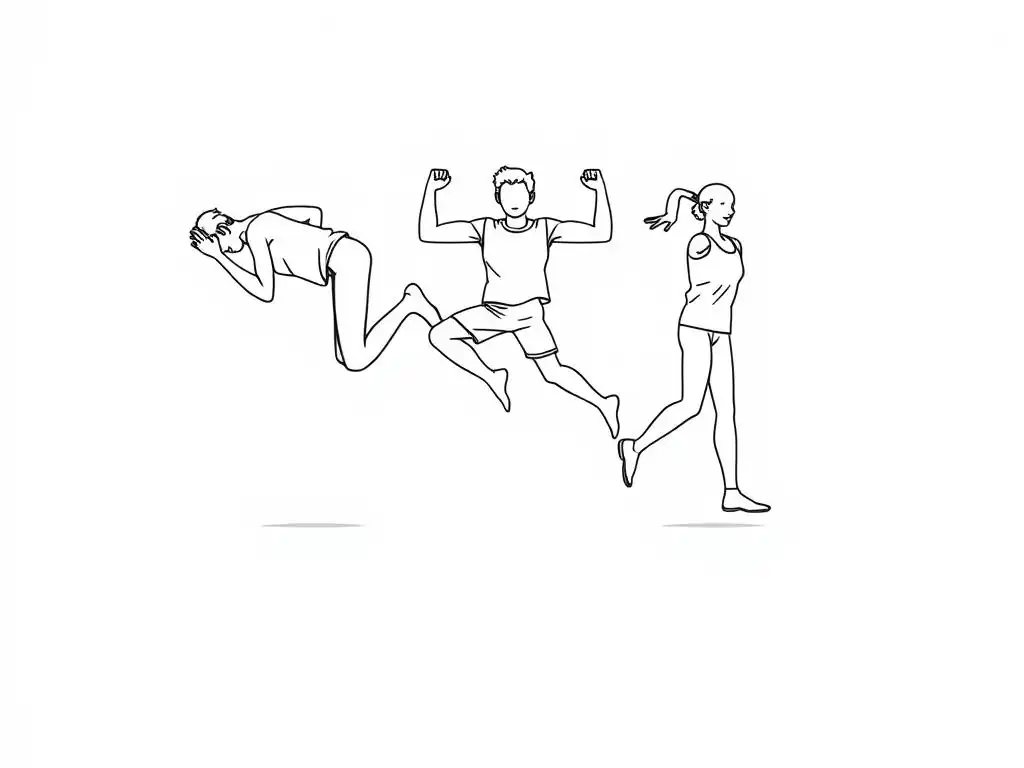
High-Intensity Interval Training, or HIIT, is a fantastic option for those seeking quick workouts for busy people. It involves short bursts of intense exercise followed by brief recovery periods. This method maximizes calorie burn and improves cardiovascular fitness in a minimal amount of time, making it ideal for fitting exercise into even the most packed schedules. The key to effective HIIT is maintaining a high intensity during the work intervals.
Your heart rate should be elevated significantly. Proper warm-up and cool-down are crucial to prevent injuries and maximize results. Remember to listen to your body and adjust the intensity as needed.
HIIT Workout 1: 15-Minute Full Body Blast (Beginner)
This beginner-friendly routine is perfect for those new to HIIT or returning to fitness after a break. It focuses on compound movements that work multiple muscle groups simultaneously, maximizing efficiency. Remember to consult your physician before starting any new workout routine.
This workout requires no equipment and can be done anywhere. The structure is: 30 seconds of exercise, followed by 30 seconds of rest. Repeat each exercise twice before moving to the next.
| Exercise | Muscles Worked | Description |
|---|---|---|
| Jumping Jacks | Full Body | Standard jumping jacks. |
| High Knees | Legs, Core | Bring your knees up towards your chest as high as possible. |
| Butt Kicks | Legs, Glutes | Kick your heels up towards your glutes. |
| Squat Jumps | Legs, Glutes | Perform a squat, then explode upwards into a jump. |
| Push-ups (on knees if needed) | Chest, Triceps, Shoulders | Standard push-ups, modified as needed. |
| Plank | Core, Shoulders | Hold a plank position, keeping your body in a straight line. |
| Burpees | Full Body | A full-body exercise combining a squat, push-up, and jump. |
| Mountain Climbers | Core, Legs | Start in a plank position and bring your knees towards your chest alternately. |
Remember to maintain proper form throughout the workout to avoid injury. Focus on quality over quantity. This routine should leave you feeling energized and accomplished, not exhausted and depleted. Enjoy your 15-minute full-body blast! 🏋️♀️
HIIT Workout 2: 20-Minute Advanced HIIT Routine
This 20-minute routine is designed for individuals with some experience in HIIT. It increases the intensity and duration of the exercises, incorporating more challenging variations. This workout requires minimal equipment: a sturdy chair or bench.
The structure is: 45 seconds of exercise, followed by 15 seconds of rest. Each exercise is performed for three rounds before moving to the next.
- Round 1: Burpees, Mountain Climbers, Jump Squats
- Round 2: Push-ups (incline push-ups on a chair for modification), Walking Lunges, Plank Jacks
- Round 3: Box Jumps (step-ups on a chair for modification), Bicycle Crunches, Superman
This advanced routine requires more stamina and strength. Remember to listen to your body and take breaks when needed. Proper hydration is crucial during and after this intense workout.
HIIT Workout 3: 25-Minute Full Body HIIT for Experienced Individuals
This 25-minute workout is for experienced individuals who are looking for a serious challenge. It combines high-intensity exercises with minimal rest periods to maximize calorie burn and build muscular endurance. This routine requires no equipment, but a timer is recommended to keep track of the intervals.
The workout structure is as follows: 60 seconds of exercise, followed by 15 seconds of rest. Each exercise is performed for four rounds.
- Round 1: Burpee variations (e.g., tuck jumps, box jumps), Sprint in place, Plyometric Lunges
- Round 2: Incline Push-ups (hands elevated on a sturdy surface), Lateral Bounds, Russian Twists (weighted if desired)
- Round 3: Jump Squats (with added weight if desired), High Knees (faster pace), Plank (hold for as long as possible)
- Round 4: Mountain Climbers (faster pace), Butt Kicks (faster pace), Burpees (fast-paced)
This routine is designed to push your limits. Focus on maintaining proper form even during the intense periods. Remember to prioritize proper warm-up and cool-down to minimize the risk of injury. This advanced workout will significantly improve your cardiovascular health and muscular strength and endurance. Remember to stay hydrated and fuel your body properly before and after this intense workout. Enjoy the challenge! 💪
Adapting HIIT: Modifications for Different Fitness Levels and Equipment Availability
High-Intensity Interval Training (HIIT) is incredibly versatile, adaptable to various fitness levels and equipment limitations. The beauty of HIIT lies in its customizability; you can tailor the intensity and exercises to match your current fitness capabilities and the resources you have available. This ensures that even beginners can reap the benefits of HIIT while experienced athletes can push their limits.
For individuals new to exercise or those recovering from injuries, modifications are crucial. Instead of jumping jacks, opt for marching in place or step-outs. Burpees can be replaced with modified burpees, where you skip the jump and simply stand back up. Instead of push-ups on the floor, try incline push-ups against a wall or a sturdy surface.
Remember, the goal is to maintain proper form and gradually increase intensity. Start with shorter work intervals (e.g., 20 seconds) and longer rest periods (e.g., 60 seconds), progressively increasing the work-to-rest ratio as your fitness improves. Listen to your body and don't push yourself beyond your limits. Consistency is key, and gradual progression is more sustainable than sudden, intense bursts of activity.
Equipment availability shouldn't hinder your HIIT routine. Many effective HIIT workouts require no equipment at all, relying solely on bodyweight exercises. However, if you have access to basic equipment, it can enhance your workout. Dumbbells, for instance, can easily be incorporated into many exercises, adding resistance and increasing the intensity. Resistance bands offer another excellent way to increase the challenge, suitable for a wide range of exercises.
Even household items can be repurposed; a sturdy chair can be used for step-ups, and a filled water bottle can serve as a makeshift weight. The key is to be creative and find ways to adapt the exercises to your available resources. For example, instead of using a jump rope, you can mimic the movement by performing high knees or butt kicks. The essence of HIIT isn't the equipment; it's the intensity and short bursts of exercise followed by brief recovery periods.
Remember to prioritize proper form over speed or the number of repetitions. Poor form can lead to injuries, negating the benefits of the workout. Start slowly, focus on your technique, and gradually increase the intensity and duration of your workout as you build strength and endurance.
The ability to modify HIIT to suit individual needs and circumstances makes it an exceptionally effective workout for busy people aiming for quick, efficient fitness gains. Consider consulting a fitness professional for personalized guidance, especially if you have pre-existing health conditions or are unsure about how to modify exercises safely. They can help you create a tailored HIIT plan that aligns with your fitness level and goals, helping you achieve your fitness objectives efficiently and safely.
Bodyweight Exercises: Effective Workouts Requiring No Equipment
Bodyweight exercises are a fantastic solution for those seeking "quick workouts busy people" can easily incorporate into their schedules. These workouts require no equipment, making them incredibly accessible and convenient. You can perform them virtually anywhere – at home, in a hotel room, or even during your lunch break at the office. The key is to understand how to structure a routine to maximize calorie burn and muscle engagement within a limited timeframe. This section will explore effective bodyweight exercises and provide sample routines to help you achieve your fitness goals without sacrificing precious time.
Top 5 Bodyweight Exercises for a Quick Full-Body Workout
Choosing the right exercises is crucial for maximizing efficiency in a short workout. These five exercises target multiple muscle groups simultaneously, offering a full-body workout in minimal time:
- Squats: A fundamental exercise that works your quads, glutes, hamstrings, and core. Aim for 3 sets of 10-15 repetitions. Focus on proper form to avoid injury; keep your back straight and chest up.
- Push-ups: A classic upper body exercise targeting your chest, shoulders, and triceps. Modify by doing them on your knees if needed. Aim for 3 sets of as many repetitions as possible (AMRAP).
- Lunges: Excellent for leg strength and balance, lunges work your quads, hamstrings, glutes, and calves. Perform 3 sets of 10-12 repetitions per leg.
- Plank: A static exercise that strengthens your core muscles, including your abs, back, and shoulders. Hold for 30-60 seconds, aiming for 3 sets. Proper form is key – maintain a straight line from head to heels.
- Burpees: A full-body, high-intensity exercise that combines squats, push-ups, and jumps. These are fantastic for boosting your heart rate and burning calories quickly. Aim for 3 sets of 8-12 repetitions. Remember to listen to your body and adjust the number of repetitions as needed.
This combination provides a well-rounded workout, hitting major muscle groups and elevating your heart rate for efficient calorie burning. Remember to warm up before starting and cool down afterward.
Creating a Bodyweight Workout Routine: Sample 10-Minute Routine
This sample routine demonstrates how to structure a quick and effective bodyweight workout for busy individuals seeking "quick workouts busy people" can easily manage. Remember to adjust the number of repetitions and sets based on your fitness level.
| Exercise | Sets | Reps/Time | Rest (seconds) |
|---|---|---|---|
| Jumping Jacks | 1 | 30 seconds | 30 |
| Squats | 3 | 12 | 30 |
| Push-ups | 3 | AMRAP | 30 |
| Lunges (each leg) | 3 | 10 | 30 |
| Plank | 3 | 30 seconds | 30 |
| Burpees | 3 | 8 | 30 |
| Stretching | 1 | 1 minute | - |
This routine can be completed in approximately 10 minutes, making it perfect for busy schedules. Consistency is key; aim to perform this routine 3-4 times a week for optimal results. You can easily adjust this routine by swapping exercises or altering the number of sets and repetitions to fit your needs and preferences. Tracking your progress helps to stay motivated and see results.
Advanced Bodyweight Exercises: Increasing Intensity and Challenge
Once you've mastered the basic bodyweight exercises, you can increase the intensity and challenge to continue seeing progress. This is crucial for those who want to avoid plateaus and continue to benefit from their "quick workouts busy people" routines. Here are some ways to advance:
- Increase Repetitions/Sets: Gradually increase the number of repetitions or sets you perform for each exercise.
- Reduce Rest Time: Shorten the rest periods between sets to increase the intensity of your workout.
- Add Variations: Incorporate more challenging variations of the exercises, such as incline push-ups, jump squats, or plyometric lunges. These variations increase muscle activation and calorie expenditure.
- Introduce Circuit Training: Combine several exercises into a circuit, performing one exercise after another with minimal rest. This method improves cardiovascular fitness and builds endurance.
- Incorporate plyometrics: Plyometric exercises like box jumps and jump squats increase power and explosiveness. However, make sure you have mastered the basic movements before attempting these advanced variations. Remember to prioritize proper form to prevent injuries.
By progressively overloading your muscles and continuously challenging your body, you can maintain consistent progress and continue reaping the rewards of your efficient and effective bodyweight workouts. Remember that listening to your body and adjusting your routine as needed is essential for long-term success and injury prevention.
Short Workouts: Utilizing Lunch Breaks and Short Windows of Time
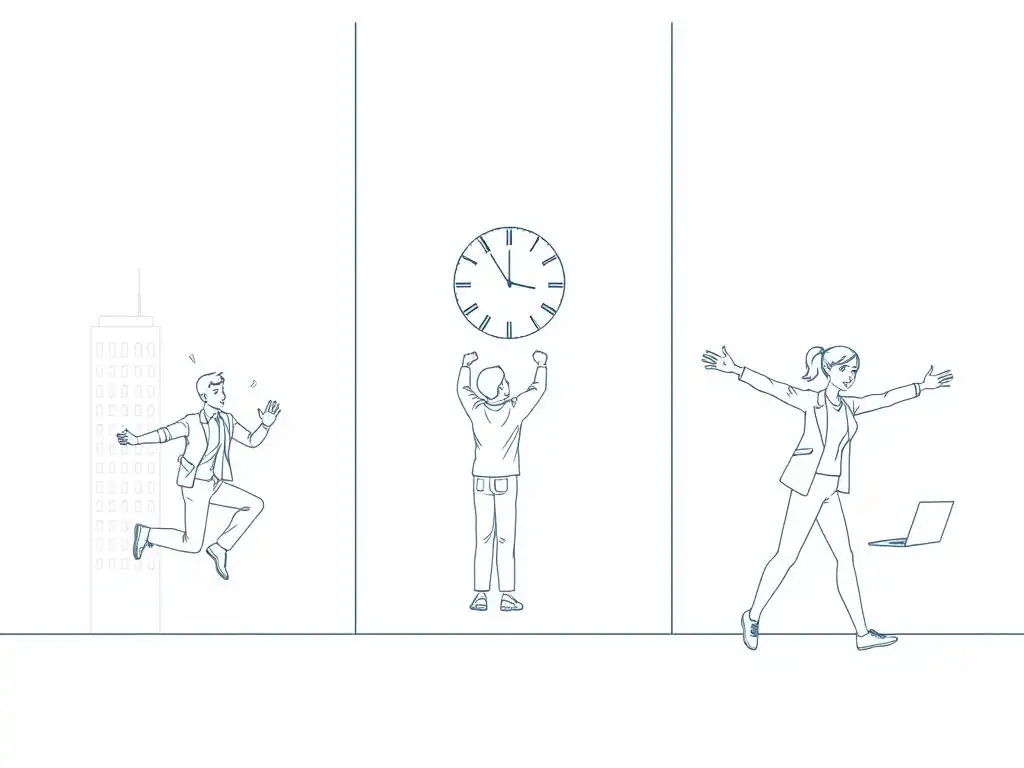
Busy schedules often leave little room for extensive gym sessions. However, incorporating short, high-intensity workouts throughout your day can significantly impact your fitness level. The key is to strategically utilize those small pockets of time that often go wasted – think lunch breaks, commutes (if you're not driving), or even short breaks between tasks. These "quick workouts busy people" can easily be adapted to your lifestyle and fitness level.
The focus is on maximizing efficiency, not necessarily duration. Remember, even a few minutes of intense exercise is better than nothing. Consistency is key in achieving lasting results with these short bursts of activity. This approach to fitness empowers individuals to prioritize health even with the most demanding schedules.
7-Minute Workout: The Power of Micro-Workouts
The 7-minute workout is a prime example of a highly effective micro-workout. This routine typically involves a circuit of 12 exercises, each performed for 30 seconds with 10 seconds of rest between each. The exercises are bodyweight-based, requiring no equipment, making it perfect for squeezing in a workout anywhere. Examples include jumping jacks, squats, push-ups (modified if needed), lunges, planks, and burpees.
The beauty of this workout lies in its adaptability. You can adjust the intensity and number of repetitions based on your fitness level. For instance, beginners might perform fewer repetitions or modify exercises like push-ups to incline push-ups against a wall.
Advanced individuals can increase the intensity by adding weights or performing more challenging variations. The 7-minute workout offers a quick and effective way to boost metabolism, improve cardiovascular health, and build strength, all while fitting into even the most tightly packed schedule. This makes it one of the most popular "quick workouts busy people" readily available.
Lunch Break Fitness: Maximizing Your Break for a Quick Workout
Your lunch break can be transformed from a passive period into an active opportunity for fitness. Instead of sitting at your desk, you can incorporate various activities to boost your health. A brisk walk around the block can significantly improve circulation and help clear your mind. If your workplace has a gym or fitness area, even a 15-20-minute session focusing on a specific muscle group can be highly beneficial.
Alternatively, you could perform a quick bodyweight circuit using exercises such as squats, lunges, and push-ups. The key is to plan ahead. Pack your workout clothes and shoes so you’re ready to go the moment your lunch break begins.
Remember to listen to your body and avoid pushing yourself too hard, especially if you're new to exercise. Consistent short workouts during your lunch break can contribute significantly to your overall fitness and wellbeing, making it a practical solution for many busy individuals seeking "quick workouts busy people" options. Remember to stay hydrated throughout your lunch break, as well.
Quick Workouts at Home: Utilizing Limited Space Effectively
Lack of access to a gym shouldn't be an excuse to skip your workout. Many effective exercises can be done at home with minimal space. Even a small apartment offers enough room for bodyweight exercises like squats, lunges, push-ups, planks, and burpees. These exercises target multiple muscle groups simultaneously, maximizing efficiency.
Consider investing in a resistance band; this versatile piece of equipment allows for a wide range of exercises and increases resistance for a more challenging workout. You can also incorporate yoga or Pilates routines, which can be performed in a limited space and focus on flexibility and core strength. Remember to find workout videos online that are tailored to limited spaces.
Many free resources offer guided routines suitable for home workouts, providing structured exercises for "quick workouts busy people" even in confined environments. Optimizing your home space for a quick workout is a convenient and efficient way to prioritize fitness without requiring a gym membership. The key is to be creative and adaptable.
Maximizing Workout Efficiency: Tips and Tricks for Busy People
This section focuses on strategies to get the most out of your limited workout time. Busy individuals often struggle to find even 30 minutes for exercise, so optimizing those precious minutes is crucial. We'll explore techniques to maximize calorie burn, muscle engagement, and overall fitness gains in short, effective workouts. Remember, consistency is key, and even short, intense bursts of activity are far better than no activity at all. This is especially relevant for those searching for "quick workouts busy people" can easily implement.
Prioritization: Scheduling Your Workouts Like Important Appointments
Treat your workouts like any other important appointment – a meeting with a client, a doctor's visit, or even a lunch date. Schedule them in your calendar, set reminders, and stick to them as religiously as possible. This proactive approach prevents workouts from being pushed aside by unexpected tasks or less urgent commitments.
Consider using a scheduling app that sends notifications and allows you to integrate your fitness routine seamlessly into your day. Don't underestimate the power of visualization; mentally preparing for your workout can improve adherence. Think of the positive feelings you'll experience afterward—increased energy, reduced stress, and a sense of accomplishment.
This mental preparation is just as important as the physical one. Studies show that people who visualize their workouts are more likely to complete them. For example, a study published in the Journal of Sport & Exercise Psychology showed a significant increase in adherence to exercise programs among participants who engaged in pre-workout visualization.
Workout Preparation: Optimizing Your Pre-Workout Routine for Efficiency
Efficient pre-workout preparation can save you valuable time and ensure a smooth, focused workout. Lay out your workout clothes the night before. Having everything ready minimizes the mental hurdle of getting started. Prepare your workout space beforehand.
This could involve setting up your equipment, choosing your playlist, or even preparing a quick and healthy pre-workout snack. A simple pre-workout snack, such as a banana or a small handful of nuts, can provide sustained energy during your workout. Avoid sugary drinks or large meals immediately before exercising as this can lead to digestive discomfort. This streamlined approach ensures you can dive straight into your workout without wasting time on unnecessary preparation.
Remember, even five minutes saved adds up over time. Consider using a timer to track the time spent on different activities; this can help you identify areas for improvement. Furthermore, having a clear workout plan ready eliminates indecision. Knowing exactly what exercises you'll be doing will help you make the most of your workout time.
Post-Workout Recovery: Quick Recovery Strategies for Busy Individuals
Post-workout recovery is just as important as the workout itself, especially for busy individuals. Neglecting recovery can hinder progress and increase the risk of injury. Prioritize hydration by drinking plenty of water immediately after your workout to replenish fluids lost through sweat. A quick, light meal or snack, rich in protein and carbohydrates, helps replenish glycogen stores and aid muscle repair. Consider a simple protein shake or a small portion of Greek yogurt with fruit.
Focus on active recovery techniques such as light stretching or a short walk. This can improve blood flow, reduce muscle soreness, and help your body recover more efficiently. Even 5-10 minutes of stretching can make a difference. Don't underestimate the power of rest; ensure you get adequate sleep to allow your body to repair and rebuild.
Sufficient sleep is crucial for muscle recovery and overall well-being. Prioritizing sleep, even if it means going to bed a little earlier, will significantly impact your recovery and your energy levels for the next day. Remember, a well-rested body is a more efficient and effective body. Consider tracking your sleep using a fitness tracker or sleep app to monitor your sleep quality and identify areas for improvement.
Consistency is Key: Building a Sustainable Fitness Habit
Consistency is the cornerstone of any successful fitness journey, especially for busy individuals. It's not about sporadic bursts of intense activity; it's about establishing a sustainable routine that integrates seamlessly into your already packed schedule. Think of fitness not as a separate entity, but as an integral part of your daily life, like brushing your teeth or having your morning coffee. The key is to find a rhythm that works for you.
One effective strategy is to schedule your workouts like any other important appointment. Block out time in your calendar, treating it with the same seriousness you would a business meeting or doctor's visit. This simple act of scheduling significantly increases your commitment and reduces the likelihood of skipping your workout due to unforeseen circumstances. Remember, even short, consistent workouts are far more beneficial than sporadic, longer sessions.
Another crucial aspect is finding activities you genuinely enjoy. If you dread your workouts, you're far less likely to stick with them. Experiment with different types of exercise – from brisk walking and cycling to yoga and HIIT – until you discover what motivates and energizes you. This doesn't mean you can't push yourself outside your comfort zone; it simply means finding enjoyable activities that make fitness less of a chore and more of a rewarding experience. Consider joining a fitness class to leverage the benefits of group motivation and accountability.
Furthermore, consider incorporating mini-workouts into your day. Instead of aiming for one lengthy session, break your workout into smaller, more manageable chunks. Take the stairs instead of the elevator, walk or cycle during your lunch break, or do a quick set of bodyweight exercises during commercial breaks while watching TV. These small additions add up, contributing significantly to your overall fitness level without demanding large blocks of uninterrupted time.
Remember that even 10-15 minutes of activity is better than nothing. The cumulative effect of these small efforts will yield significant results over time. The goal is to make movement a natural part of your day, not a separate, daunting task.
Maintaining Motivation: Staying Committed to Your Fitness Goals
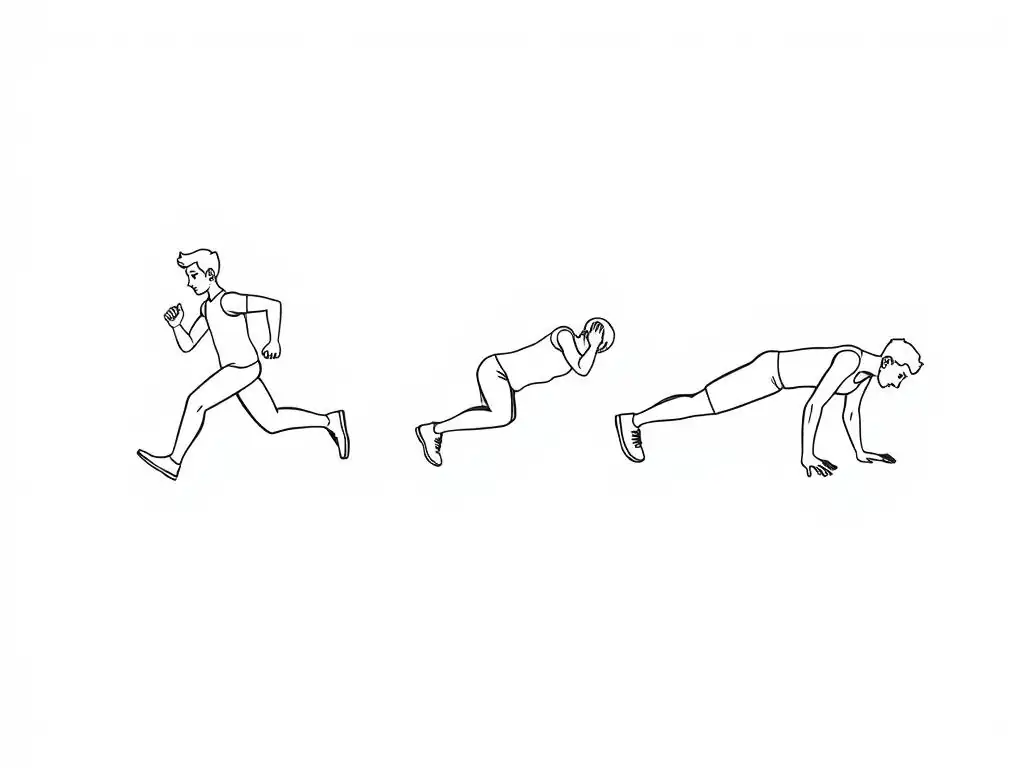
Staying motivated with a busy schedule can be challenging. Many people start fitness programs with gusto, only to find their enthusiasm waning after a few weeks. This section offers strategies to maintain that initial drive and stay committed to your fitness goals, even when time is tight. The key is to build a sustainable fitness routine that integrates seamlessly into your already hectic life, rather than adding another source of stress. Remember, consistency is key – even short, effective workouts are better than none at all.
Setting Realistic Goals: Avoiding Overwhelm and Burnout
One of the biggest pitfalls for busy individuals is setting unrealistic fitness goals. Aiming for an hour-long workout every day when you barely have time to make breakfast is a recipe for failure and frustration. Instead, start small. Begin with two 15-minute workouts a week. Once that becomes a habit, gradually increase the duration or frequency. Think of it like building a muscle – you wouldn't try to lift a massive weight on your first day at the gym.
For example, instead of aiming to run a marathon in three months, focus on consistently running for 20 minutes three times a week for the first month. Then, you can gradually increase the duration and intensity. This incremental approach helps prevent burnout and keeps you motivated by providing a sense of accomplishment along the way. Remember to celebrate these small victories! They are crucial steps on your path to a healthier lifestyle.
Finding Accountability Partners: Support and Encouragement for Success
Finding a workout buddy can significantly boost your motivation and commitment. Having someone to exercise with provides built-in accountability. You're less likely to skip a workout if you know someone else is counting on you. This doesn't necessarily mean hitting the gym together; it could be as simple as scheduling a daily walk with a colleague during your lunch break or joining an online fitness community.
Consider these options: A friend with similar fitness goals, a family member who shares your desire for a healthier lifestyle, or even a coworker who is also looking to incorporate more physical activity into their routine. The key is to find someone who understands your schedule and can provide encouragement and support, keeping you motivated even on those days when you lack the willpower to exercise alone. The shared experience and mutual support can make a significant difference in your adherence to your fitness plan.
Rewarding Yourself: Celebrating Milestones and Progress
Rewarding yourself for achieving fitness milestones is crucial for maintaining motivation. These rewards shouldn't undermine your healthy habits (avoiding large sugary treats after a good workout, for example! ), but they should acknowledge your hard work and dedication. These rewards can be small and simple, focusing on self-care and enjoyment.
Consider these ideas: Buying a new workout outfit, treating yourself to a massage, enjoying a relaxing bath after a tough workout, or even taking an extra hour to read a book. The key is to choose rewards that you genuinely enjoy and that reinforce the positive feelings associated with your fitness journey. Celebrating small wins along the way will make the entire process more enjoyable and sustainable, ensuring you stay committed to your fitness goals in the long run. Remember, consistency is key, and rewarding yourself for your efforts is a powerful tool to keep you going.
Tracking Progress: Monitoring Your Fitness Journey
Tracking your progress is crucial for maintaining motivation in any fitness program, especially when time is limited. Seeing tangible results, however small, reinforces your efforts and keeps you engaged. For busy individuals, consistent tracking can be challenging, so finding a simple, effective system is key. Don't get bogged down in overly complex methods; simplicity is your friend.
One effective method is a simple workout journal. This could be a physical notebook or a digital document. Record the date, the type of workout performed (e.g., 20-minute HIIT, 30-minute yoga), the duration, and any relevant notes, such as how you felt during the workout or any modifications you made.
This simple record provides a powerful visual representation of your commitment over time. You'll be surprised how motivating it is to see a consistent string of workout entries. Even on days when you feel less motivated, looking back at your progress can provide the encouragement you need to keep going.
Another option is to utilize fitness tracking apps. Many free and paid apps are available, offering features like workout tracking, calorie counting, and progress visualization. These apps often provide graphs and charts, visually representing your achievements. The gamification aspects of some apps can also be highly motivating, providing rewards and challenges to keep you engaged. Remember to choose an app that suits your needs and preferences, avoiding those with overly complicated interfaces or features you won't use. The goal is to simplify the tracking process, not to add another layer of complexity to your already busy life.
Furthermore, consider incorporating non-digital methods of tracking. For example, you could use a sticker chart, marking off each day you complete a workout. This visual representation can be incredibly satisfying, offering a clear and immediate sense of accomplishment. Or, you could take progress photos weekly or monthly to track changes in your physique.
This approach can be particularly effective in highlighting the positive physical changes resulting from your efforts, providing powerful visual reinforcement. Remember, the most important aspect is finding a method that you will consistently use and that makes you feel good about your progress. Choose a system that works for you and stick with it.
Integrating Fitness into Your Lifestyle: Long-Term Sustainability
This section focuses on the crucial aspect of making fitness a sustainable part of your life, not just a fleeting trend. For busy individuals, consistency is key when it comes to seeing results from quick workouts. It's not about intense, unsustainable bursts of activity; it's about building a routine that integrates seamlessly into your already packed schedule. We'll explore strategies to ensure your fitness journey isn't a sprint, but a marathon.
Making Fitness a Habit: Strategies for Long-Term Adherence
Building a lasting fitness habit requires more than just willpower; it demands strategic planning and mindful implementation. Consider these evidence-based strategies to increase your adherence to a quick workout routine:
- Schedule it like any other important appointment: Treat your workout time as non-negotiable. Block it out in your calendar, set reminders, and stick to it as religiously as you would a crucial business meeting. This simple act of scheduling significantly increases the likelihood of actually doing the workout.
- Start small and gradually increase intensity: Don't try to overhaul your entire life overnight. Begin with short, manageable workouts (even 10-15 minutes) and gradually increase the duration and intensity as you build stamina and confidence. This prevents burnout and fosters a sense of accomplishment. Think of it as a progressive overload for your habit formation, not just your muscles.
- Find an accountability partner: Working out with a friend or family member can provide much-needed support and motivation. The shared commitment and mutual encouragement can make a significant difference in long-term adherence.
- Reward yourself (healthily!): Celebrate your milestones with non-food rewards. Treat yourself to a new workout outfit, a massage, or a relaxing activity that you enjoy. Positive reinforcement strengthens the habit loop.
- Track your progress: Use a fitness tracker or journal to monitor your workouts and celebrate your achievements. Seeing tangible progress is incredibly motivating and helps you stay focused on your goals. Visualizing your success is a powerful tool for long-term adherence. 📈
Finding Your Fitness Style: Discovering Workouts You Enjoy
The key to sticking with a fitness routine is to find activities you genuinely enjoy. Quick workouts for busy people shouldn't feel like a chore; they should be something you look forward to. Experiment with different types of exercise until you discover what works best for you and your lifestyle. Consider these options:
- High-Intensity Interval Training (HIIT): HIIT workouts are short, intense bursts of exercise followed by brief recovery periods. They're incredibly effective for burning calories and improving cardiovascular fitness in a short amount of time. Many free HIIT workout videos are available online, catering to all fitness levels.
- Bodyweight exercises: These require no equipment and can be done anywhere, making them perfect for busy schedules. Think squats, push-ups, lunges, and planks. You can easily incorporate them into your daily routine.
- Yoga or Pilates: These practices improve flexibility, strength, and balance, and can be adapted to fit various time constraints. Many short yoga and Pilates routines are readily available online.
- Walking or jogging: Even a brisk 30-minute walk can provide significant health benefits. Incorporate walking into your daily routine by taking the stairs instead of the elevator, or walking during your lunch break.
Remember, the best workout is the one you'll actually do. Experiment, find what you love, and make it a regular part of your life.
The Importance of Rest and Recovery: Preventing Overtraining
While consistency is crucial, it's equally important to prioritize rest and recovery to prevent overtraining and injury. Quick workouts, while efficient, can still lead to burnout if not balanced with adequate rest. Consider these strategies:
- Prioritize sleep: Aim for 7-9 hours of quality sleep each night. Sleep is crucial for muscle repair and recovery, and it also helps regulate hormones that impact your energy levels and overall well-being. 😴
- Incorporate active recovery: Engage in low-impact activities like stretching, yoga, or a leisurely walk on your rest days. This promotes blood flow, reduces muscle soreness, and helps your body recover more effectively.
- Listen to your body: Pay attention to any signs of overtraining, such as persistent fatigue, muscle soreness, or decreased performance. Don't hesitate to take a rest day when needed. Your body will thank you for it.
- Nutrition plays a vital role: Fuel your body with nutrient-rich foods to support muscle repair and recovery. Proper hydration is also critical. Remember, your body needs the right fuel to recover from even short, intense workouts.
By incorporating these strategies, you can create a sustainable fitness routine that fits seamlessly into your busy life, helping you achieve your fitness goals without sacrificing your precious time. Remember, consistency and balance are key to long-term success with quick workouts for busy people.
Listen to Your Body: Adjusting Workouts Based on Your Needs
Ignoring your body's signals is a recipe for injury and burnout, especially when juggling a demanding schedule and a fitness routine. The beauty of quick workouts for busy people is their adaptability. A crucial element of long-term fitness success isn't just doing the workouts, but listening to your body and adjusting accordingly. This means recognizing the difference between muscle fatigue and actual pain. Muscle soreness after a workout is expected; sharp, persistent pain is not.
One effective strategy is to incorporate rest days strategically. Don't feel pressured to exercise every single day. Your body needs time to recover and rebuild muscle tissue. A well-planned rest day allows your muscles to repair themselves, preventing injuries and improving your overall performance in subsequent workouts. Consider alternating high-intensity days with lower-intensity active recovery days, such as a leisurely walk or yoga session. This approach promotes both physical and mental well-being.
Furthermore, pay attention to your energy levels. If you're constantly feeling drained, it's a clear sign that you need to adjust your routine. This could mean shortening your workouts, reducing the intensity, or simply taking more rest days. Prioritizing sleep is also essential. Aim for 7-9 hours of quality sleep each night to support muscle recovery and hormone regulation crucial for fitness progress. Remember, pushing yourself too hard when you're already fatigued only increases the risk of injury and can ultimately hinder your progress. Smart training is about balance and responsiveness, not just sheer willpower.
Consider incorporating active recovery techniques into your routine, such as foam rolling or light stretching. These practices can help alleviate muscle soreness and improve flexibility, reducing the risk of injury and helping you maintain consistency with your quick workouts. Furthermore, mental well-being is also linked to physical health.
If you're feeling stressed or overwhelmed, it might be beneficial to adjust your workout plan to include activities that promote relaxation and stress reduction, such as gentle yoga or meditation. Remember, a sustainable fitness plan considers your mental and emotional state, not just your physical capabilities. The goal is to create a fitness routine that supports your overall well-being, not detracts from it.
Frequently Asked Questions
How can I fit a workout into my busy schedule?
Finding time for exercise is challenging, but even short, intense workouts are effective. Try high-intensity interval training (HIIT) or bodyweight exercises during your lunch break or before bed. Consistency is key.
What type of workout is best for busy people?
HIIT workouts are ideal because they're time-efficient and burn a lot of calories in a short period. Bodyweight exercises require no equipment and can be done anywhere. Choose a workout you enjoy to stick with it.
Are quick workouts really effective?
Yes! Short, intense workouts can be just as effective as longer sessions. Focus on compound exercises that work multiple muscle groups simultaneously to maximize results in minimal time. HIIT is a great example.
What equipment do I need for quick workouts?
You don't need much! Bodyweight exercises require nothing, while minimal equipment like resistance bands or dumbbells can enhance your workout. Focus on functional fitness rather than fancy equipment.
How can I stay motivated to exercise when I'm busy?
Schedule your workouts like any other important appointment. Find a workout buddy for accountability or join an online fitness community for support. Remember to celebrate your progress along the way.
Final Reflection: Reclaiming Your Time, Reclaiming Your Health
The pursuit of fitness shouldn't be a luxury reserved for the leisurely; it's a vital component of a healthy and productive life, even amidst the chaos of a busy schedule. The truth is, finding time for yourself is an act of self-care, and incorporating even short bursts of exercise can dramatically improve both your physical and mental well-being. This isn't about achieving perfection; it's about progress, however small.
The impact of prioritizing fitness, even in small increments, is profound. It's not just about physical strength; it's about mental resilience, increased energy levels, and a heightened sense of self-efficacy. The body achieves what the mind believes.
This quote resonates deeply because it highlights the power of intention and belief in achieving fitness goals, regardless of time constraints. We've seen how adaptable and effective short, high-intensity workouts can be, proving that even the busiest individuals can cultivate a healthier lifestyle.
Now, consider your own life. What small changes can you implement today? Perhaps it's a 10-minute bodyweight circuit before work, a brisk walk during your lunch break, or a quick yoga session before bed. Don't let the myth of needing hours at the gym deter you. Embrace the power of small, consistent actions. Start small, build momentum, and watch as you transform not only your physical health but also your overall sense of well-being. Your future self will thank you.
Unleash Your Inner Athlete: Start Your Fitness Journey Today!
Thank you for exploring quick and effective workout strategies! We hope you found valuable insights on incorporating fitness into even the busiest schedules. Now it's time to put that knowledge into action.
Here's how to get started:
- Commit to a short workout this week: Choose a routine from the article and dedicate just 15 minutes to it. You'll be surprised at how much you can accomplish!
- Share your progress: Tell us (or your friends!) about your experience. Which workout did you try, and how did it make you feel?
- Try something new: Step outside your comfort zone and try a different fitness activity—even a short 10-minute session.
Ready to transform your fitness routine and feel amazing? What small change will you make today to prioritize your well-being?