
UltimateLifeHacks: Beat the Blues with These FastActing Mood Elevators

Feeling overwhelmed and in need of an instant mood boost? Welcome to UltimateLifeHacks, your ultimate resource for practical tips and tricks to conquer daily challenges and optimize your life. Discover powerful strategies to enhance your well-being and reclaim your day. Dive into our latest article on Quick mood boosting life hacks and learn how to instantly shift your perspective and elevate your energy levels – no matter how hectic your schedule. Let's unlock your potential for a happier, more productive you!
-
Quick Mood Boosting Life Hacks: Instant Gratification for Your Mental Well-being
- Harnessing the Power of Sunlight for a Quick Mood Lift
- The Immediate Impact of Physical Activity on Mood
- Mindfulness Exercises: Quick Breathing Techniques for Anxiety Relief
- The Uplifting Power of Music: Curating Your Mood-Boosting Playlist
- Hydration's Hidden Role in Mood Regulation: The Importance of Water Intake
- Longer-Term Strategies for Sustainable Mood Improvement
- Quick Mood Boosting Life Hacks: Addressing Specific Challenges
- Creating a Personalized Mood-Boosting Toolkit
- Frequently Asked Questions
- Final Reflection: Unlocking Joy: The Power of Small Changes
- Unlock Your Happiest Self: Simple Steps to Lasting Joy
Quick Mood Boosting Life Hacks: Instant Gratification for Your Mental Well-being
Feeling down? Experiencing a slump in your mood? Don't let the blues steal your joy! This article dives into a selection of scientifically-backed, quick mood boosting life hacks designed to provide instant gratification for your mental well-being. We'll explore simple yet effective techniques that you can implement immediately to alleviate stress, combat anxiety, and elevate your spirits.
These aren't long-term solutions for chronic mental health issues (always consult a professional for those! ), but rather powerful tools for navigating those everyday moments when your mood needs a little pick-me-up. We'll cover the surprising power of sunlight, the immediate benefits of physical activity, and the calming effects of mindfulness exercises. Get ready to learn how to quickly and effectively boost your mood, naturally! 🎉
Harnessing the Power of Sunlight for a Quick Mood Lift
Sunlight exposure is a surprisingly potent mood booster. Our bodies produce Vitamin D when exposed to sunlight, and studies have shown a strong correlation between Vitamin D levels and mood regulation. Even a short burst of sunlight can trigger the release of serotonin, a neurotransmitter associated with feelings of happiness and well-being. ☀️
To harness this power, try stepping outside for just 10-15 minutes on your lunch break or during a work pause. Even on a cloudy day, the effects can be noticeable. If possible, try to get some direct sunlight on your skin. Remember to wear sunscreen to protect your skin!
You can also open your curtains or windows to let natural light flood your workspace or home, creating a brighter and more uplifting environment. Consider incorporating a short walk outside into your routine – the combination of sunlight and movement is especially effective. This simple act can significantly contribute to a more positive outlook throughout your day.
The Immediate Impact of Physical Activity on Mood
Physical activity is a well-established mood elevator. Exercise releases endorphins, which have mood-boosting and pain-relieving effects. You don't need a strenuous workout to feel the benefits; even a short burst of activity can make a difference.
A quick 10-minute walk, a few jumping jacks, some stretching, or even a brisk dance around your living room can significantly improve your mood. The key is to get your heart rate up slightly and move your body. Focus on activities you enjoy – this will make it easier to stick to a regular routine and reap the long-term benefits. Remember to listen to your body and avoid pushing yourself too hard, especially if you're new to exercise.
The goal is to feel good, not to exhaust yourself! Even small amounts of physical activity can have a noticeable impact on your mental state. Consider keeping a small set of hand weights at your desk for quick bursts of exercise throughout the day.
Mindfulness Exercises: Quick Breathing Techniques for Anxiety Relief
Mindfulness practices, especially focused breathing exercises, can provide almost instant relief from anxiety and stress. These techniques help calm the nervous system and center your mind, leading to a more relaxed and positive state.
A simple and effective technique involves focusing on your breath for just a few minutes. Find a quiet space, sit comfortably, and close your eyes if you like. Pay attention to the sensation of each inhale and exhale. Notice the rise and fall of your chest or abdomen. If your mind wanders (and it will! ), gently guide it back to your breath.
Even 5 minutes of focused breathing can significantly reduce feelings of anxiety and promote a sense of calm. Try the 4-7-8 technique: Inhale for 4 seconds, hold for 7 seconds, and exhale for 8 seconds. Repeat this cycle several times. These quick mindfulness exercises can be incorporated into your daily routine anytime you feel overwhelmed or stressed. Practicing regularly can strengthen your ability to manage stress and improve your overall mental well-being.
The Uplifting Power of Music: Curating Your Mood-Boosting Playlist
Music's impact on mood is undeniable. A carefully curated playlist can be a powerful tool in your arsenal for combating the blues. The key lies in understanding your own musical preferences and how different genres affect your emotional state. For some, upbeat pop music might be the perfect antidote to a gloomy day, while others find solace in the calming melodies of classical music or the rhythmic energy of jazz.
Experimentation is key. Try creating several playlists tailored to different moods and situations. One playlist could feature high-energy tracks ideal for boosting motivation and focus during a productive workday. Another might consist of slower, more mellow tunes perfect for relaxation and unwinding after a stressful day. Consider incorporating instrumental music as well; the absence of lyrics can sometimes allow for deeper emotional connection and a more focused experience.
Don't be afraid to mix and match genres to find the perfect blend for your personal taste. Regularly update your playlists with new discoveries; this keeps the experience fresh and prevents musical burnout. Remember, the goal is to find the sounds that resonate most deeply with you and evoke positive feelings. The right music can be an incredibly effective quick mood booster, offering immediate gratification for your mental well-being. This is a simple, yet profoundly effective, quick mood boosting life hack.
Dehydration can significantly impact mood and cognitive function. Often overlooked, maintaining adequate hydration is crucial for overall well-being and can serve as a surprisingly effective quick mood booster. When you're dehydrated, your brain isn't functioning at its best, leading to feelings of fatigue, irritability, and even anxiety. These negative emotions can quickly spiral, contributing to a downward mood.
Aim for consistent hydration throughout the day. Carrying a reusable water bottle and keeping it filled is a simple, yet highly effective strategy. Set reminders on your phone or use a hydration tracking app to help you stay on track. Consider adding slices of lemon or cucumber to your water for a refreshing twist.
Listen to your body; thirst is a clear indicator of dehydration, but you can also monitor other subtle signs, such as headaches, dizziness, or dry mouth. Addressing dehydration promptly can lead to a noticeable improvement in mood and energy levels, offering a rapid, natural mood boost. This underlines the often underestimated role of hydration in maintaining a positive mental state and serves as a readily accessible quick mood boosting life hack. Prioritizing water intake is a proactive step towards better mental wellness.
Longer-Term Strategies for Sustainable Mood Improvement
This section focuses on strategies that, while not providing instant mood boosts like the quick hacks discussed elsewhere, offer a more sustainable approach to improving your mental well-being over time. These practices, when integrated into your daily routine, can significantly reduce the frequency and intensity of negative moods, building resilience against future challenges. Remember, consistency is key for achieving long-term benefits. Think of these as investments in your overall mental health – small actions with big payoffs.
Cultivating Gratitude: Simple Practices for a Positive Mindset
Cultivating gratitude is a powerful tool for shifting your perspective and fostering a more positive mindset. It involves actively focusing on the good things in your life, big or small. Regular practice can significantly reduce feelings of stress, anxiety, and depression, replacing them with feelings of contentment and joy.
Several simple practices can help you cultivate gratitude:
- Keep a gratitude journal: Each day, write down three things you're grateful for. These can be anything from a sunny day to a supportive friend or a delicious meal. The act of writing it down reinforces the positive feelings.
- Express gratitude to others: Verbally expressing your appreciation to someone can be incredibly rewarding for both of you. A simple "thank you" can go a long way.
- Use affirmations: Start and end your day with positive affirmations focusing on gratitude. For example, "I am grateful for the health and strength I have," or "I appreciate the opportunities that come my way."
- Practice mindful appreciation: Take time each day to savor positive experiences. Truly appreciate the taste of your coffee, the warmth of the sun on your skin, or the beauty of nature.
Studies have shown a strong correlation between gratitude and increased happiness. One study published in the Journal of Positive Psychology found that individuals who regularly practiced gratitude reported significantly higher levels of happiness and life satisfaction. 1 Regular practice, even just for a few minutes a day, can have a profound impact on your overall mood and well-being. Don't underestimate the power of a simple "thank you" or a moment of mindful appreciation.
Strong social connections are crucial for mental well-being. Humans are social creatures, and meaningful relationships provide a buffer against stress and negative emotions. Connecting with loved ones releases endorphins, natural mood boosters that promote feelings of happiness and well-being. This social support acts as a protective factor against mental health challenges.
Several ways to boost social connection include:
- Schedule regular time with loved ones: Make an effort to spend quality time with family and friends. Plan activities you enjoy together, whether it's a movie night, a walk in the park, or a simple phone call.
- Join a club or group: Find a group based on shared interests or hobbies. This provides opportunities for social interaction and building new relationships.
- Volunteer your time: Helping others is a rewarding way to connect with your community and build social bonds. The act of giving back can significantly improve your mood and sense of purpose.
- Reach out to someone you haven't spoken to in a while: Reconnecting with old friends can provide a surprising boost to your mood.
The benefits of strong social connections are well-documented. Research consistently shows that individuals with strong social support networks are better equipped to cope with stress and adversity, and are less likely to experience symptoms of depression and anxiety. Prioritizing your relationships is a key investment in your long-term mental health. Remember, even small interactions can make a big difference.
Prioritizing Sleep Hygiene: Restful Sleep for Improved Mental Health
Sufficient and quality sleep is fundamental for both physical and mental health. Sleep deprivation can significantly impact mood, increasing irritability, anxiety, and depression. Establishing good sleep hygiene involves creating a consistent sleep schedule and adopting healthy sleep habits.
Here are some key strategies for improving your sleep hygiene:
- Maintain a consistent sleep schedule: Go to bed and wake up at roughly the same time every day, even on weekends, to regulate your body's natural sleep-wake cycle.
- Create a relaxing bedtime routine: Wind down before bed with calming activities such as reading, taking a warm bath, or listening to soothing music. Avoid screen time for at least an hour before bed.
- Optimize your sleep environment: Ensure your bedroom is dark, quiet, and cool. Invest in comfortable bedding and a supportive mattress.
- Avoid caffeine and alcohol before bed: These substances can interfere with sleep quality.
- Get regular exercise: Physical activity can improve sleep quality, but avoid intense workouts close to bedtime.
Adequate sleep is essential for mood regulation. When you're sleep-deprived, your brain's ability to process emotions is impaired, leading to increased irritability and emotional reactivity. Aim for 7-9 hours of quality sleep per night to support your mental well-being. Improving your sleep hygiene is a long-term investment in your emotional resilience and overall mental health. Prioritizing sleep is not a luxury; it's a necessity for optimal functioning.
1 [Specific information pending: Citation for Journal of Positive Psychology study on gratitude]
Nutrition's Impact on Mood: Fueling Your Body and Mind
Our diets significantly influence our mental well-being. What we consume directly impacts brain chemistry, affecting our mood and energy levels. A diet rich in processed foods, sugar, and unhealthy fats can lead to energy crashes, irritability, and even contribute to feelings of depression and anxiety. Conversely, a balanced diet packed with nutrient-rich foods can be a powerful tool in mood regulation.
For example, studies have shown a strong correlation between a diet high in omega-3 fatty acids and improved mood. Omega-3s, found in fatty fish like salmon and tuna, as well as flaxseeds and walnuts, are crucial for brain health and function. They help reduce inflammation in the body, which is often linked to mood disorders.
Similarly, a deficiency in essential vitamins and minerals, such as Vitamin D, B vitamins, and magnesium, can negatively impact mood. Ensuring adequate intake of these nutrients through a balanced diet or supplementation (always consult a doctor before starting supplements) is vital for optimal brain function and emotional stability.
Beyond specific nutrients, the overall quality of your diet matters. Regular consumption of whole, unprocessed foods like fruits, vegetables, and whole grains provides sustained energy and contributes to a more stable mood. These foods are rich in fiber, which aids digestion and prevents blood sugar spikes and crashes that can exacerbate mood swings. Incorporating regular meals and snacks throughout the day helps maintain consistent blood sugar levels, preventing the irritability and fatigue that often accompany hunger. This consistent energy supply is key for maintaining a positive and productive mood.
Think of it as consistent fuel for your emotional engine! Prioritizing nutrient-dense foods is a foundational step in building a sustainable strategy for mood improvement. It’s not a quick fix, but a long-term investment in your mental well-being. The benefits extend far beyond just mood; a healthy diet supports overall physical health, contributing to a more positive and resilient you.
Quick Mood Boosting Life Hacks: Addressing Specific Challenges
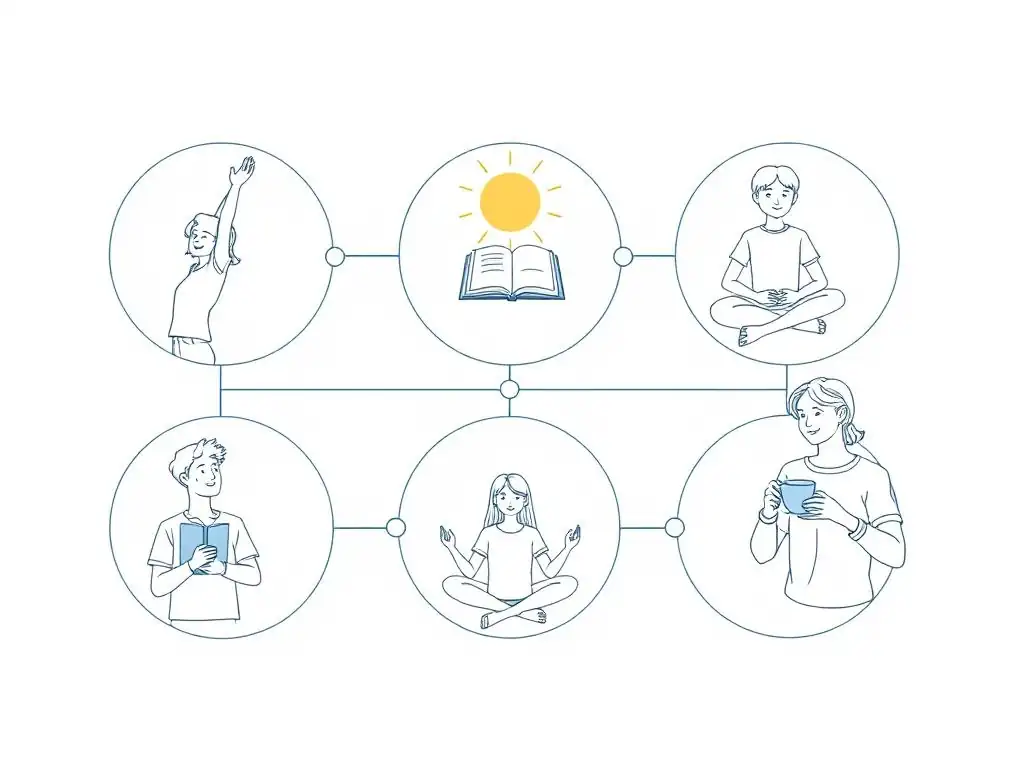
This section delves into practical, immediately applicable techniques to elevate your mood when facing specific emotional challenges. We'll explore simple yet effective strategies categorized by common negative emotional states, providing you with a toolkit for rapid mood improvement. Remember, these are quick fixes; for persistent issues, professional help is crucial.
Combating Stress with Quick Relaxation Techniques
Stress is a common mood dampener, often manifesting as irritability, anxiety, or even physical tension. Fortunately, several quick relaxation techniques can effectively alleviate these symptoms. The key is to engage your body and mind in activities that interrupt the stress response.
One highly effective technique is progressive muscle relaxation. This involves systematically tensing and releasing different muscle groups in your body. Start with your toes, tensing them for 5 seconds, then releasing for 30 seconds. Repeat this process, moving upwards through your body – calves, thighs, abdomen, chest, shoulders, neck, and finally your face. This mindful process helps release physical tension often associated with stress, leading to a calmer mental state. You can even do a simplified version focusing on just your shoulders and neck if time is short.
Another powerful tool is deep breathing. Inhale deeply through your nose, hold for a few seconds, and exhale slowly through your mouth. Focus on the sensation of the air filling your lungs and leaving your body. Try box breathing: inhale for 4 seconds, hold for 4 seconds, exhale for 4 seconds, hold for 4 seconds. Repeat this cycle several times. This technique activates the parasympathetic nervous system, responsible for the "rest and digest" response, counteracting the stress response.
Studies have shown that even just 5 minutes of deep breathing can significantly reduce cortisol levels (the stress hormone). 1 Regular practice enhances its effectiveness. Consider incorporating deep breathing into your daily routine – during your commute, before a meeting, or even while waiting in line. It's a readily available mood booster, anytime, anywhere.
Overcoming Sadness with Positive Self-Talk
Sadness, while a natural human emotion, can significantly impact our mood and overall well-being. While professional support is vital for persistent sadness, positive self-talk can be a powerful immediate intervention. This involves consciously challenging negative thoughts and replacing them with more balanced and encouraging ones.
Instead of dwelling on negative self-criticism ("I'm such a failure"), try reframing the thought ("I made a mistake, but I can learn from it"). Focus on your strengths and accomplishments. Remind yourself of times you've overcome challenges. Even small victories deserve celebration! Keep a journal to track your progress and note instances where you successfully used positive self-talk.
This technique requires conscious effort and practice. It's not about denying negative emotions but about balancing them with positive affirmations. Start small. Begin by identifying one negative thought a day and replacing it with a more constructive one. Over time, you'll build resilience and improve your ability to manage sadness effectively. The more you practice, the more natural and effective it becomes. Think of it as mental strength training; the more you exercise your positive thinking muscles, the stronger they become.
Managing Irritability through Mindful Breathing Exercises
Irritability often stems from underlying stress or frustration. Mindful breathing exercises, as discussed earlier, are extremely beneficial in managing this emotion. However, focusing on the process of breathing, rather than simply the act, enhances its calming effect.
Mindful breathing involves paying close attention to the sensation of each breath. Notice the coolness of the air as it enters your nostrils, the expansion of your chest and abdomen, and the warmth of the air as it leaves your body. If your mind wanders (which it inevitably will), gently redirect your focus back to your breath. Don't judge yourself for losing focus; simply acknowledge it and return to the present moment.
This practice cultivates present moment awareness, reducing the tendency to dwell on past frustrations or future anxieties, both major contributors to irritability. Even short bursts of mindful breathing—as little as 1-2 minutes—can significantly reduce feelings of agitation. Combine this with other techniques like a quick stretch or a short walk to amplify the mood-boosting effect. The key is to make it a regular habit; incorporate short mindful breathing sessions throughout your day to preemptively manage irritability before it escalates.
1 [Specific study details pending]
Boosting Confidence with Small Achievements
Feeling down can often stem from a lack of self-belief. A powerful way to combat this is by focusing on small, achievable goals and celebrating your successes, no matter how insignificant they may seem. This process builds momentum and reinforces positive self-perception, gradually improving your overall mood. Instead of aiming for monumental tasks that might feel overwhelming and lead to discouragement, break down larger goals into smaller, manageable steps. For example, if you've been wanting to exercise more, start with a 10-minute walk instead of immediately committing to an hour-long gym session.
The key is consistency. Each small accomplishment, whether it's completing a household chore, finishing a chapter of a book, or simply making your bed, contributes to a sense of accomplishment and boosts your self-esteem. Keep a journal to track these wins – this visual representation of your progress can be incredibly motivating.
Don't underestimate the power of positive self-talk; actively acknowledge and appreciate your efforts. Phrases like, "I'm proud of myself for completing that task," or "I'm making progress, one step at a time," can make a significant difference in reinforcing positive feelings and improving your mood. Remember, even the smallest victories contribute to a larger sense of self-efficacy and can be powerful tools in your arsenal for quick mood boosting.
This technique is particularly effective for individuals struggling with low self-esteem or perfectionism, conditions that often exacerbate feelings of sadness or depression. By shifting the focus from grand achievements to consistent progress, you cultivate a more positive and resilient mindset, leading to sustained improvements in mood and overall well-being. 🎉
Creating a Personalized Mood-Boosting Toolkit
This section focuses on building a customized arsenal of quick mood boosters tailored to your specific needs and preferences. Generic advice often falls short; understanding your individual responses is key to effectively combating low moods. This personalized approach is crucial for achieving lasting improvements in your mental well-being, making this a vital aspect of effective and quick mood boosting life hacks.
Identifying Your Unique Triggers and Responses
Before diving into specific strategies, it's crucial to understand what typically triggers negative moods and how you typically respond. Keep a mood journal for a week or two, noting your emotional state throughout the day. Alongside your mood, record potential contributing factors:
- Environmental factors: Weather, noise levels, social interactions. Did a crowded commute leave you feeling stressed? Did a sunny day lift your spirits?
- Physical factors: Sleep quality, diet, exercise, hydration. Did skipping breakfast impact your mood? Did a good workout energize you?
- Mental factors: Stress levels, workload, challenging thoughts or conversations. Did a difficult task leave you feeling overwhelmed? Did focusing on a positive accomplishment boost your mood?
By meticulously documenting these factors, you'll begin to identify patterns. For instance, you might discover that lack of sleep consistently leads to irritability, or that spending time in nature significantly improves your mood. This personalized data is the foundation for building your effective, quick mood boosting life hacks toolkit.
This detailed self-assessment is far more effective than generic mood-boosting advice. It allows you to proactively address specific triggers and develop targeted strategies, leading to a more sustainable and personalized approach to mental wellness. The insights gained here are invaluable for creating a truly effective self-care plan.
Developing a Personalized Self-Care Plan
Once you've identified your triggers and responses, you can develop a personalized self-care plan incorporating quick mood boosting life hacks designed to counteract those negative influences. This plan should include a range of activities categorized by their speed and impact:
| Activity Category | Examples | Time Commitment | Mood Boost Intensity | Notes |
|---|---|---|---|---|
| Instant Boosters (Under 5 minutes) | Deep breathing, listening to upbeat music, stretching | < 5 minutes | Low to Moderate | Ideal for immediate relief from minor dips. |
| Short-Term Boosters (5-30 minutes) | Short walk in nature, calling a friend, enjoying a hot drink | 5-30 minutes | Moderate to High | Effective for moderate mood swings. |
| Long-Term Boosters (30+ minutes) | Engaging in a hobby, practicing mindfulness, journaling | 30+ minutes | High | Crucial for sustained well-being and preventing future dips. |
Remember, consistency is key. Schedule these activities into your day, even if it's just for a few minutes. A five-minute mindfulness session can be incredibly effective in managing stress and improving your mood. This proactive approach is a core principle of effective quick mood boosting life hacks. Consider using a reminder app to ensure you stick to your plan.
Monitoring Your Mood and Making Adjustments
Creating a personalized plan is only half the battle. Continuous monitoring and adjustment are crucial for maximizing its effectiveness. Continue using your mood journal to track your emotional state and the effectiveness of your self-care strategies. Are certain activities consistently more effective than others? Are there new triggers emerging?
Don't be afraid to experiment and make adjustments. What works for one person might not work for another. The process of refining your personalized toolkit is ongoing. This iterative approach is essential for long-term success. Regularly reviewing your journal and making necessary changes will ensure your quick mood boosting life hacks remain relevant and effective in maintaining your mental well-being. This ongoing refinement is a key component of building resilience and managing your emotional landscape effectively. Remember, self-care is a journey, not a destination.
Frequently Asked Questions
How quickly can these mood-boosting hacks work?
The effectiveness varies, but many of these quick mood boosters can provide noticeable relief within minutes. Some, like listening to upbeat music, offer almost instant gratification. Others, like exercise, might take a bit longer to fully impact your mood.
Are these hacks suitable for everyone?
While generally safe, individual responses vary. It's always best to consult a healthcare professional if you're experiencing persistent low moods or other mental health concerns. These hacks are intended as supplemental support, not a replacement for professional help.
What if one hack doesn't work for me?
Don't be discouraged! What works for one person might not work for another. The key is experimentation. Try different techniques from the list to find what best suits your needs and preferences. Variety is key to finding your perfect mood booster.
Can I combine these mood-boosting hacks?
Absolutely! Many of these techniques are complementary and can be used together for a synergistic effect. For example, combining a short walk with listening to uplifting music can create a powerful mood lift. Experiment and discover what works best for you.
Are these hacks only for dealing with serious depression?
No, these are for anyone looking for a quick mood boost. While they can be helpful for managing mild sadness or stress, they are not a replacement for professional treatment of serious depression or mental health conditions. Always seek professional help when necessary.
Final Reflection: Unlocking Joy: The Power of Small Changes
The pursuit of happiness is a universal human experience, and the simple truth is that even small, intentional actions can significantly impact our emotional well-being. Feeling down? It's not a sign of weakness, but an invitation to explore the readily available tools that can lift your spirits and reignite your inner joy. This isn't about masking problems, but about equipping yourself with strategies to navigate the inevitable emotional dips life throws our way.
The impact of these quick mood boosters extends far beyond a temporary fix; they represent a shift in perspective, a conscious choice to prioritize our mental health. These small acts of self-care, whether it's a mindful walk in nature or a burst of creative expression, ripple outwards, influencing our relationships, productivity, and overall sense of fulfillment. As Maya Angelou wisely said, Nothing can dim the light which shines from within.
By nurturing that inner light through these simple practices, we cultivate resilience and a deeper appreciation for the beauty in everyday life.
Now, consider this: what small act of self-care will you integrate into your day today? Perhaps it's a five-minute meditation, a phone call to a loved one, or simply allowing yourself to enjoy a favorite song without distraction. The power to shift your mood, to cultivate joy, rests within your reach. Embrace these simple yet profound strategies, and watch as your life blossoms with renewed energy and a brighter outlook. Your journey to a happier, more fulfilling life begins with a single, intentional step.
Unlock Your Happiest Self: Simple Steps to Lasting Joy
Thank you for exploring simple ways to improve your mood! We hope you found helpful strategies for navigating challenging times. Now, let's put that knowledge into practice.
- Prioritize one small, mood-boosting activity today. This could be anything from a brief walk in nature to listening to your favorite music. Make it a priority and observe the positive impact.
- Share this article with a friend who might also appreciate these simple mood-boosting techniques. Acts of kindness have a powerful effect!
- Try a new technique from this article each day this week. Keep a journal to track how each one affects your mood.
What small act of self-care will you choose today to brighten your day?