
From Chaos to Calm: Organize Your Suitcase Like a Pro

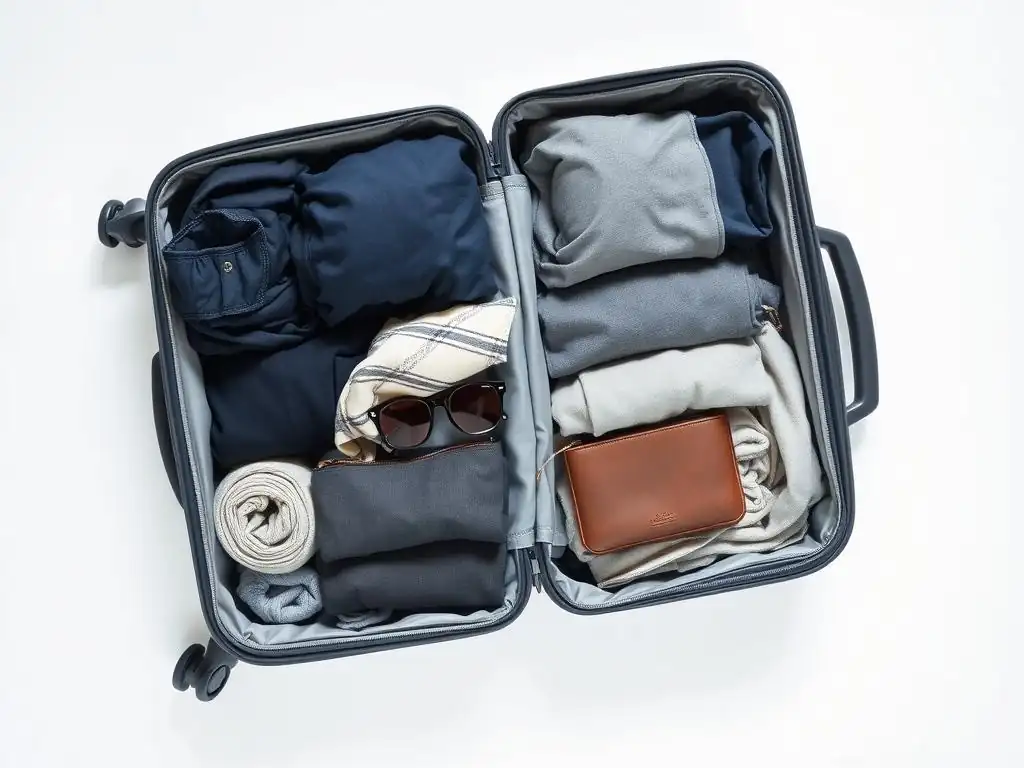
Ready to conquer travel chaos and reclaim your precious time? At UltimateLifeHacks, we're dedicated to providing practical solutions for a more efficient life. Learn how to transform your packing process from a stressful ordeal into a streamlined breeze with our expert guide on packing your suitcase efficiently like a pro. Discover the secrets to maximizing space, minimizing wrinkles, and ensuring a smooth journey – no more frantic last-minute searches! Dive in and unlock the art of efficient packing.
- Mastering Efficient Packing: A Pro's Guide to Suitcase Organization
- Efficient Packing Techniques: Maximizing Space and Minimizing Wrinkles
- Packing Specific Items Efficiently: Tips and Tricks
- Advanced Packing Techniques for Pro-Level Organization
- Beyond the Suitcase: Efficient Travel Organization
- Frequently Asked Questions
- Final Reflection: The Transformative Power of a Well-Packed Suitcase
- Unlock Your Travel Zen: Master the Art of Packing!
Mastering Efficient Packing: A Pro's Guide to Suitcase Organization
Packing a suitcase can often feel like a chaotic scramble, leading to overstuffed bags, wrinkled clothes, and a stressful start to your trip. But what if packing could be a streamlined, efficient process? This guide will transform your packing experience from a stressful ordeal into a well-organized, time-saving endeavor. We'll explore practical strategies and professional techniques to help you pack your suitcase efficiently, like a seasoned traveler, ensuring you arrive at your destination feeling calm and prepared. Learn to pack smarter, not harder, and reclaim your precious time before and during your trip.
This comprehensive guide focuses on efficient packing techniques that minimize stress and maximize space, ensuring you pack everything you need without the usual baggage of frustration. Mastering efficient packing isn't just about saving space; it's about optimizing your entire travel experience. Let's dive into the art of packing like a pro! 🧳
Planning Your Trip: The Foundation of Efficient Packing
Before even thinking about what to pack, careful trip planning is crucial for efficient packing. This foundational step significantly impacts how smoothly the packing process will go. Failing to plan adequately often results in overpacking or forgetting essential items. The key lies in understanding your trip's specific needs and tailoring your packing list accordingly. This section will guide you through the essential pre-packing steps that will save you time, stress, and ultimately, space in your suitcase.
Assessing Your Trip's Needs: Business Trip vs. Leisure Vacation
The nature of your trip drastically alters your packing needs. A business trip demands professional attire, often including suits, formal shirts, and dress shoes. This requires careful consideration of wrinkle-resistance and space-saving techniques. Conversely, a leisure vacation might involve casual clothes, swimwear, hiking boots, or specialized gear based on your activities.
Consider these key differences:
| Trip Type | Clothing Requirements | Essential Accessories | Space Considerations |
|---|---|---|---|
| Business Trip | Formal wear, suits, dress shoes, blouses | Laptop, briefcase, presentation materials | Minimalist, wrinkle-free packing |
| Leisure Vacation | Casual clothes, swimwear, hiking gear | Camera, sunscreen, travel documents | Versatile, adaptable packing |
Planning ahead allows you to choose appropriate clothing and accessories, avoiding unnecessary items that would otherwise take up valuable space. Remember to check the weather forecast for your destination to further refine your packing list.
Creating a Packing List: Categorizing Essentials and Non-Essentials
A well-structured packing list is your secret weapon against packing chaos. Instead of randomly throwing items into your suitcase, categorize your belongings into essential and non-essential items. This helps you prioritize and make informed decisions about what to include. Use a digital or physical list, and check off items as you pack them. Consider using a spreadsheet or dedicated packing app to further enhance organization.
Here's a sample categorization:
- Essentials: Passport/ID, Medications, Wallet, Phone Charger, Tickets
- Clothing: Tops, Bottoms, Underwear, Socks, Outerwear (categorized by day)
- Toiletries: Toothbrush, Toothpaste, Shampoo, Conditioner, etc. (travel-sized)
- Electronics: Phone, Laptop, Camera, Charger, Headphones
- Documents: Flight/Train tickets, Hotel confirmation, Insurance information
- Non-Essentials: Books, Magazines, Jewelry (consider carefully, as these often take up unnecessary space)
This structured approach prevents overpacking and ensures you have everything you need.
Choosing the Right Suitcase: Size and Features for Optimal Packing
Selecting the right suitcase is paramount for efficient packing. Consider the length of your trip and the activities planned. A smaller carry-on suitcase is ideal for short trips, while a larger checked suitcase is necessary for longer journeys. Look for features like compression straps, multiple compartments, and durable wheels for easier maneuverability. The suitcase's size directly impacts how much you can pack efficiently. Investing in a high-quality suitcase with well-designed features is a worthwhile investment for frequent travelers.
Efficient Packing Techniques: Maximizing Space and Minimizing Wrinkles
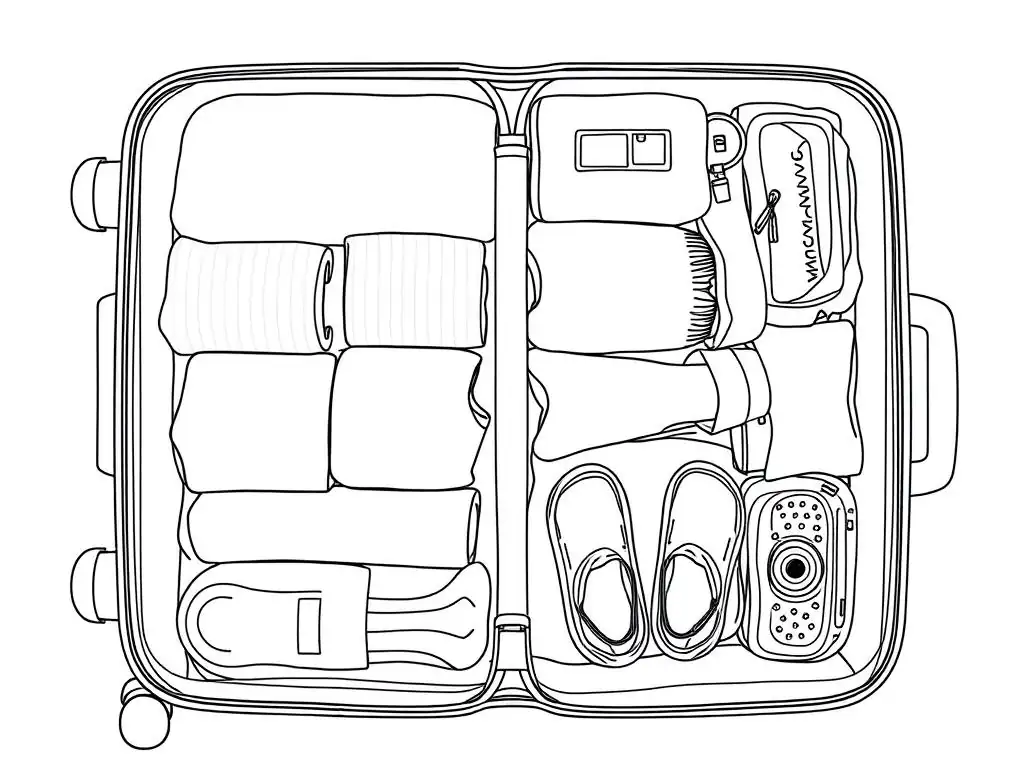
This section delves into proven techniques to pack your suitcase efficiently, minimizing wrinkles and maximizing space. We'll explore different methods, catering to various clothing types and travel styles. Mastering these techniques will transform your packing experience from a stressful chore into a streamlined process, ensuring you arrive at your destination feeling organized and ready to conquer the world! The key is to approach packing strategically, thinking vertically and utilizing every inch of available space. This directly addresses the need to pack suitcase efficiently like a pro.
The Rolling Method: Minimizing Wrinkles and Maximizing Space
The rolling method is a favorite among seasoned travelers for its effectiveness in minimizing wrinkles and maximizing space. Instead of folding clothes, you tightly roll them into compact cylinders. This technique is particularly effective for t-shirts, jeans, and other less delicate items. Think of it as creating your own custom clothing "sausages"!
Here's a step-by-step guide:
- Lay the garment flat.
- Starting from one side, roll it tightly towards the opposite end.
- Secure the rolled garment with a rubber band (optional, but recommended for maintaining shape).
Using the rolling method, you can easily fit significantly more clothes into your suitcase compared to traditional folding. Studies have shown that the rolling method can increase packing capacity by up to 20%, depending on the type of clothing and rolling technique. Furthermore, rolling helps prevent creasing, resulting in clothes that look fresh and presentable upon arrival. This is a crucial aspect of packing efficiently, especially for business trips or events where appearance matters. Consider using this method for the bulk of your clothing to truly pack suitcase efficiently like a pro.
The Folding Method: A Structured Approach for Delicate Items
While rolling is ideal for many items, the folding method remains essential for delicate garments like blouses, dresses, and suits. Improper rolling can lead to creases and damage, rendering these items unwearable. The key here is to fold strategically, aiming for a compact and structured arrangement.
Here’s a refined folding technique for delicate items:
- Lay the garment flat on a surface.
- Button or zip up the garment.
- Fold one sleeve across the garment.
- Fold the other sleeve over the first.
- Fold the garment in half, aligning the shoulders.
- Fold in thirds for a more compact form.
This method preserves the shape of the garments, reducing the risk of wrinkles and creases. It's particularly useful for items you want to keep looking crisp and professional. Remember to place these folded items carefully in your suitcase, protecting them from being crushed by heavier items. Combining rolling and folding techniques allows for a balanced approach to packing, maximizing space and minimizing wrinkles for all types of clothing. This is part of learning how to pack suitcase efficiently like a pro.
Utilizing Compression Cubes: Compressing Clothes for Tighter Packing
Compression cubes are game-changers for efficient packing. These are lightweight, zippered fabric pouches designed to compress clothing, significantly reducing their volume. They are particularly useful for packing bulky items like sweaters, jackets, and towels.
Benefits of using compression cubes include:
- Increased packing capacity: Compress clothes to fit more into your luggage.
- Improved organization: Keep clothes separated and easily accessible.
- Reduced wrinkles: The compression minimizes creasing.
- Protection: Keeps your clothes clean and protected from spills or dirt.
Before using compression cubes, ensure you pack your suitcase strategically. Place heavier items at the bottom and lighter items on top. Using compression cubes is a vital step in learning how to pack suitcase efficiently like a pro. Remember to leave some space in your suitcase to accommodate any souvenirs or purchases you might make during your trip. Consider the weight limits for your luggage as well to avoid additional charges.
Strategic Placement of Heavy Items: Balancing Weight for Easy Carrying
Proper weight distribution is paramount when packing a suitcase efficiently. Think of your suitcase like a seesaw; you want to achieve balance to prevent it from tipping over or feeling awkwardly weighted on one side. Heavy items, such as shoes, books, or toiletries, should be placed at the bottom of your suitcase, close to the wheels if it's a rolling suitcase. This lowers the center of gravity, making the suitcase easier to maneuver and less prone to tipping.
Imagine trying to roll a suitcase with a heavy laptop placed at the top – a recipe for disaster! Instead, position heavy items strategically at the base, creating a stable foundation for the lighter items you'll place on top. This prevents shifting during transit and reduces the risk of damage to fragile items. Furthermore, consider the weight distribution within the bottom layer.
If you have several heavy items, try to distribute them evenly to avoid an imbalance. For example, placing a heavy pair of boots on one side and a heavy book on the other will create a more balanced load than piling everything on one side. This simple technique significantly improves the ease of carrying and handling your suitcase, especially when navigating crowded spaces or navigating uneven terrain. Remember, a well-balanced suitcase is a happy suitcase!
Packing Specific Items Efficiently: Tips and Tricks
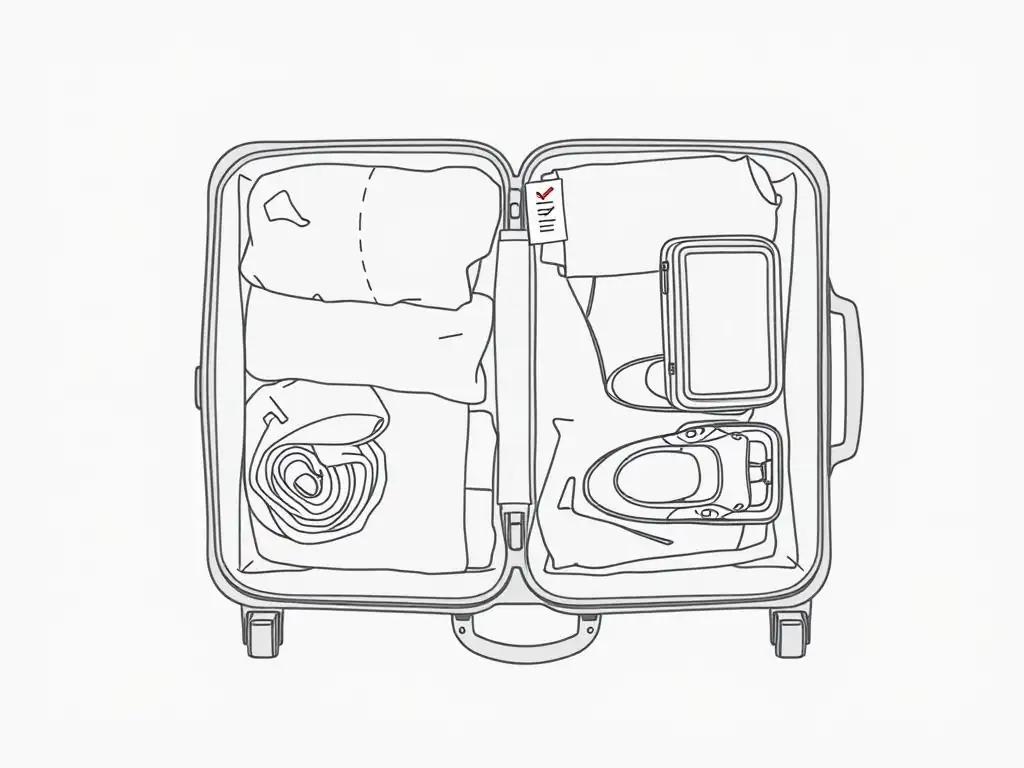
This section dives into the nuanced art of packing specific items efficiently, focusing on maximizing space and minimizing wrinkles. Mastering these techniques will transform your packing experience, allowing you to pack a suitcase efficiently like a pro. We'll cover shoes, fragile items, and electronics—the usual culprits of packing chaos.
Packing Shoes Efficiently: Protecting Clothes and Maximizing Space
Shoes often take up unnecessary space and can dirty your clothes. To pack shoes efficiently, follow these steps:
- Use Shoe Bags: Invest in reusable, lightweight shoe bags. These protect your clothes from dirt and keep your shoes organized. Consider using compression bags as well for added space-saving.
- Stuff Shoes Strategically: Don't just toss shoes in! Stuff socks, underwear, or rolled-up t-shirts inside to fill empty space and compress them further. This dual-purpose packing saves space and prevents shoes from shifting.
- Place Shoes at the Bottom: Place your shoes at the bottom of your suitcase, acting as a base layer of protection for more delicate items. Heavier shoes at the bottom will also help to distribute weight evenly.
- Consider Shoe Types: Consider the type of shoes you're packing. Flexible shoes like sneakers can be folded and compressed more easily than rigid shoes like boots. Boots can be filled with smaller items like belts or scarves, further maximizing space.
- Quantity Counts: Be realistic about how many shoes you need. The more shoes you pack, the less room you have for other essentials. Opt for versatile shoes that can be worn for multiple occasions.
Packing Fragile Items Safely: Preventing Breakage During Travel
Protecting fragile items during travel requires careful planning and packing. Preventing breakage is key to a stress-free trip. Here's how to pack fragile items efficiently:
- Use Protective Wrapping: Wrap each fragile item individually in bubble wrap, packing peanuts, or clothing. Multiple layers are your friend! Consider using specialized packing materials for extra security.
- Utilize Hard Cases: Place particularly fragile items in hard cases, such as a dedicated jewelry case or a sturdy makeup bag. This provides an extra layer of protection against impacts.
- Strategic Placement: Place fragile items in the center of your suitcase, surrounded by softer items like clothes. Avoid placing them near the edges or corners where they are more susceptible to damage.
- Fill Gaps: Fill any gaps around the fragile items with soft materials to prevent them from shifting and breaking during transit. Avoid leaving any space for them to move around.
- Label Clearly: Label your suitcase clearly as containing fragile items. This alerts baggage handlers to handle it with extra care, improving the chances of your belongings arriving intact. Use bright, easily visible labels.
Packing Electronics and Accessories: Protecting Devices and Cables
Packing electronics and accessories requires a different approach, prioritizing protection from scratches and damage. Here are some efficient techniques to keep your tech safe:
- Original Packaging: Whenever possible, utilize the original packaging for your electronics. This offers the best protection against damage.
- Protective Cases: Use protective cases for phones, tablets, and other portable devices. This adds an extra layer of protection against scratches and impacts.
- Cable Organization: Organize cables using cable ties or small pouches. This prevents tangles and makes it easier to find what you need. Labeling cables can also be helpful.
- Separate Compartment: Consider using a dedicated packing cube or a small, padded bag for your electronics. This keeps them separate from other items and adds an extra layer of cushioning.
- Power Banks Separately: Pack power banks separately from your other electronics to avoid potential short circuits. Always ensure that power banks meet airline regulations.
Remember, efficient packing is about more than just cramming everything in; it's about strategic organization and protection. By following these tips, you can transform your packing experience and travel with confidence, knowing your belongings are safe and sound. Packing a suitcase efficiently like a pro isn't about magic; it's about method!
Advanced Packing Techniques for Pro-Level Organization
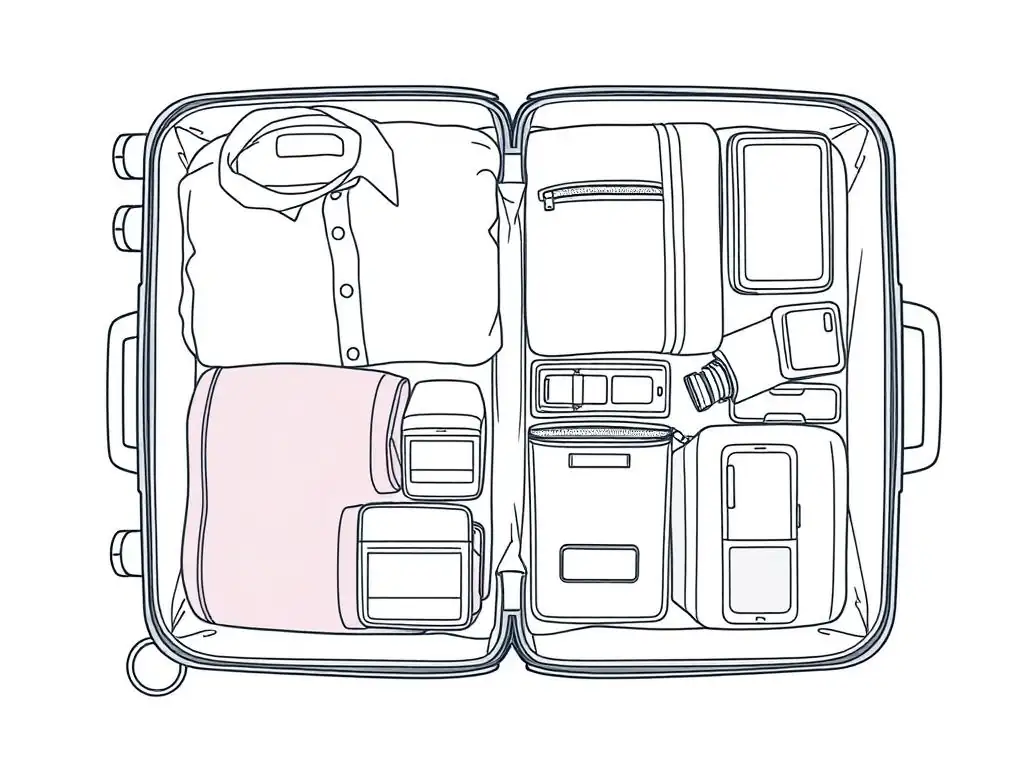
This section delves into advanced strategies to elevate your packing game from amateur to expert. We'll move beyond the basics, focusing on techniques that maximize space, minimize wrinkles, and ensure you're always prepared, no matter the trip length. Mastering these techniques will allow you to pack your suitcase efficiently like a pro, saving you valuable time and stress.
Utilizing Packing Cubes for Clothing Categorization
Packing cubes are a game-changer for efficient packing. These compressible fabric containers allow you to categorize your clothing, maximizing space and minimizing wrinkles. Think of them as mini-drawers within your suitcase. Instead of loose clothing creating a chaotic jumble, packing cubes create neat, organized compartments.
Imagine this: you're unpacking in your hotel room after a long flight. Instead of rummaging through a crumpled mess, you simply pull out the designated packing cube for your shirts, another for your pants, and another for your underwear. This method not only saves time but also keeps your clothes remarkably wrinkle-free.
Here's a suggested approach to maximize the benefits of packing cubes:
- Categorize: Use separate cubes for shirts, pants, underwear, socks, and any other clothing items.
- Roll, Don't Fold: Rolling your clothes instead of folding them saves space and reduces wrinkles significantly.
- Compression: Packing cubes allow for compression, squeezing out extra air and making more room for other items.
- Cube Size: Choose a variety of cube sizes to accommodate different types of clothing and optimize space usage. Larger cubes for bulky items, smaller ones for accessories.
Using packing cubes isn't just about neatness; it's about efficient packing. It helps you locate items quickly, which is particularly valuable when you're short on time. The organized structure also prevents items from shifting during transit, reducing the risk of wrinkles and keeping your suitcase contents neat. This method directly addresses the need to pack a suitcase efficiently like a pro, making unpacking a breeze.
Packing a Carry-On Suitcase Efficiently: Meeting Airline Regulations
Packing efficiently for a carry-on suitcase requires a different approach than packing a checked bag. Airline regulations regarding carry-on size and weight vary, so it's crucial to check your airline's specific guidelines before you begin packing. This is paramount for avoiding unexpected fees or delays at the gate.
To pack a carry-on suitcase efficiently like a pro, consider these strategies:
- Lightweight Materials: Opt for lightweight clothing made from fabrics that don't wrinkle easily.
- Versatile Clothing: Choose clothing items that can be mixed and matched to create multiple outfits.
- Roll, Don't Fold (again!): Rolling your clothes saves significant space in a carry-on.
- Utilize Shoe Organizers: Shoe organizers can protect your shoes and keep them separate from your clothing.
- Strategic Placement: Place heavier items at the bottom of the suitcase and lighter items on top.
- Toiletries: Use travel-sized containers for toiletries to meet liquid restrictions.
Failing to pack your carry-on efficiently can lead to exceeding weight limits, which often result in hefty fees. Furthermore, an unorganized carry-on can make finding essential items during a flight difficult and stressful. Mastering this skill is essential for stress-free travel, reflecting the professional approach to packing your suitcase efficiently like a pro.
Utilizing Vacuum-Sealed Bags: Extreme Space Saving for Extended Trips
For longer trips where space is at a premium, vacuum-sealed bags are an invaluable tool. These bags remove air from your clothing, significantly reducing their volume. This method is especially useful for bulky items like sweaters, jackets, and blankets. While they may require a vacuum cleaner or a manual pump, the space savings are undeniable.
However, remember that vacuum-sealed bags aren't suitable for all clothing items. Delicate fabrics could be damaged by the compression. Furthermore, items packed in vacuum bags can take longer to regain their shape after being removed, so plan accordingly.
Here's how to best utilize vacuum-sealed bags for efficient packing:
- Suitable Items: Use vacuum-sealed bags for bulky, non-delicate items like sweaters, jackets, and blankets.
- Avoid Delicates: Do not use vacuum-sealed bags for delicate fabrics or items that might be damaged by compression.
- Proper Sealing: Ensure the bags are properly sealed to prevent air from re-entering.
- Testing: Test the bags before your trip to ensure they work correctly and don't damage your belongings.
Vacuum-sealed bags, when used strategically, represent a powerful technique for anyone striving to pack their suitcase efficiently like a pro. They offer a significant space-saving advantage for those embarking on extended trips, allowing you to pack more while maintaining a manageable suitcase size. But always remember to prioritize the safety and condition of your belongings.
Last-Minute Packing Checklist: Avoiding Oversights Before Departure
Packing efficiently isn't just about the initial organization; it's about minimizing stress and maximizing preparedness right up until departure. A well-structured last-minute checklist can be the difference between a smoothly executed trip and a frantic scramble. This checklist helps you avoid those easily overlooked items that can derail even the most meticulously planned packing job.
One common oversight is forgetting essential documents. Passport, visa (if required), driver's license, flight/train tickets – these are non-negotiables. Consider making a separate, easily accessible pouch for these crucial items to avoid last-minute panic. Additionally, ensure you've checked the validity of your passport and any other documents well in advance, allowing time to renew or replace them if necessary. This proactive step avoids significant travel delays.
Another frequently forgotten item is medication. If you're on prescription medication, ensure you have a sufficient supply, exceeding your trip's duration to account for unforeseen delays. Pack your medication in its original container with the prescription label clearly visible. This simplifies any potential issues with airport security or customs checks. Don't forget over-the-counter essentials like pain relievers, allergy medication, and any personal care items you might need.
Charging devices are another common culprit in last-minute packing chaos. Before you even think about closing your suitcase, make sure all your electronic devices – phone, laptop, tablet, e-reader – are fully charged. Pack your chargers and any necessary adapters in a designated spot to avoid a frustrating search at the airport or hotel. Consider bringing portable chargers to ensure you stay connected throughout your trip, especially on longer journeys.
Finally, consider a quick check of your travel insurance documents. Understanding your coverage and knowing how to contact your provider in case of emergency is crucial for peace of mind. Keep a digital copy of your insurance information readily accessible on your phone, as well as a printed copy tucked safely in your luggage or carry-on. Remember that preparedness is key to a stress-free travel experience. This last-minute checklist ensures you leave nothing to chance and arrive at your destination feeling organized and ready for adventure! ✈️
Beyond the Suitcase: Efficient Travel Organization
This section delves into optimizing your travel experience beyond just packing your suitcase efficiently. We'll explore strategies for managing your travel documents and navigating airport security seamlessly, ensuring a smooth and stress-free journey. Mastering these aspects, in conjunction with efficient packing, truly elevates you to the level of a pro traveler. Efficient travel organization isn't just about the suitcase; it's about the entire travel experience.
Organizing Your Travel Documents: Easy Access to Important Information
Efficiently organizing your travel documents is crucial for a stress-free trip. Imagine frantically searching through your bag at the airport gate for your boarding pass – not a pleasant scenario! Instead, adopt a system that prioritizes accessibility and security. Consider using a dedicated travel document organizer, a slim folder, or even a clear zip-lock bag. This dedicated space will keep everything together and easily retrievable.
Here's a suggested checklist for your travel document organizer:
- Passport and Visa: Keep these at the very top, easily accessible.
- Boarding Pass(es): Print or save digital copies on your phone and a backup device.
- Hotel Confirmation: Both printed and digital copies are recommended.
- Travel Insurance Information: Including policy number and contact details.
- Emergency Contact Information: Keep a separate list of emergency contacts readily available.
- Copies of Important Documents: Keep photocopies of your passport, driver's license, and credit cards separate from the originals.
Consider using a color-coded system; for instance, use a specific colored folder or label for each type of document (e.g., blue for flight details, green for accommodation). This visual cue enhances quick identification. Remember, digital copies are great, but always have physical backups in case of electronic device failure. Packing your suitcase efficiently like a pro includes meticulous document management.
Preparing for Airport Security: Streamlining the Check-in Process
Navigating airport security checkpoints swiftly and smoothly is a critical component of efficient travel. Proactive preparation significantly reduces stress and potential delays. Before you even arrive at the airport, familiarize yourself with the Transportation Security Administration (TSA) guidelines. Understanding what's permitted and prohibited in carry-on luggage will save you valuable time and potential frustration.
Here are some key strategies for streamlined airport security:
- TSA PreCheck or Global Entry: Consider enrolling in these programs to expedite the security screening process. The time saved is invaluable, especially during peak travel seasons.
- Organize Your Carry-On: Keep liquids in a separate, easily accessible quart-sized bag. Place electronics in a dedicated compartment for quicker retrieval.
- Wear Appropriate Footwear: Avoid shoes with excessive metal components that could trigger alarms.
- Prepare for Laptop Removal: Have your laptop readily accessible in your carry-on for quicker screening.
- Remove Jackets and Belts: Do this before you reach the security line to save time.
Remember, the goal is to be prepared and organized, minimizing any unnecessary delays. This proactive approach is a hallmark of efficient travel and contributes significantly to a positive travel experience. Efficient packing and smooth airport security checks go hand-in-hand for the ultimate travel experience.
Packing for Different Climates: Adapting to Variable Weather Conditions
Packing for varying climates requires careful planning and adaptability. Whether you're heading from a sunny beach to a snowy mountain, understanding how to pack for different conditions is key to staying comfortable and prepared. Efficient packing for diverse climates requires strategic layering and versatile clothing choices.
Here’s how to adapt your packing to diverse weather conditions:
| Climate | Clothing Suggestions | Packing Tips |
|---|---|---|
| Hot & Humid | Lightweight, breathable fabrics; loose-fitting clothing; swimwear | Pack items in breathable bags; use moisture-wicking materials; prioritize quick-drying fabrics. |
| Cool & Dry | Layers of clothing; versatile pieces that can be mixed and matched | Utilize compression bags to save space; prioritize versatile items like a scarf or light jacket. |
| Cold & Snowy | Warm layers; waterproof outerwear; thermal underwear; sturdy boots | Pack heavier items at the bottom of your suitcase; use waterproof bags for sensitive electronics. |
Remember to check the weather forecast before you leave and adjust your packing accordingly. Over-packing is a common mistake; prioritize versatile items that can be worn in multiple settings. Efficient packing isn't just about fitting everything in; it's about packing the right things. Packing your suitcase efficiently like a pro means adapting to the specific needs of your destination's climate. By understanding these nuances, you can significantly enhance your travel experience and ensure your comfort throughout your journey.
Frequently Asked Questions
How can I pack my suitcase efficiently to save space?
Use packing cubes to compress clothing and separate items. Roll your clothes instead of folding them to minimize wrinkles and maximize space. Layer heavier items at the bottom and lighter ones on top.
What are the essential items to pack for a trip?
Essentials include clothing appropriate for the weather and activities, toiletries (travel-sized), important documents (passport, tickets), and any necessary medications. Don't forget a universal adapter if traveling internationally. Consider a first-aid kit.
How do I avoid overpacking when packing my suitcase?
Make a packing list and stick to it. Choose versatile clothing items that can be mixed and matched. Consider doing laundry during your trip if it's a longer stay. Think about reusing items (e.g., wearing the same outfit twice).
What are some tips for packing fragile items?
Wrap fragile items individually in bubble wrap or clothing. Place them in the center of your suitcase, surrounded by softer items for cushioning. Consider using a hard-shell suitcase for added protection.
What's the best way to organize my suitcase for easy access?
Organize your suitcase by activity or day. For example, pack all your workout clothes together. Use packing cubes or separate compartments to keep items categorized. Place frequently needed items, like your phone charger, at the top.
Final Reflection: The Transformative Power of a Well-Packed Suitcase
The art of efficient packing transcends mere organization; it's a metaphor for mastering life's complexities. A perfectly packed suitcase, free from chaotic rummaging and overflowing baggage, mirrors a mind prepared to tackle challenges with grace and efficiency. This isn't just about fitting more clothes into a smaller space; it's about optimizing your resources and maximizing your potential.
The impact of mindful packing extends far beyond the confines of travel. It reflects a broader societal shift towards minimalism and intentionality. We live in a world saturated with information and possessions, and the ability to curate and prioritize—to pack only what truly matters—is a valuable skill applicable to all aspects of life. Simplicity is the ultimate sophistication,
as Leonardo da Vinci wisely observed. This principle, applied to our suitcases, can unlock a sense of calm and control that ripples outwards, influencing how we approach our work, relationships, and personal goals.
Now, consider your own life. What "excess baggage" are you carrying? What aspects of your routine, your relationships, or your ambitions could benefit from a more strategic, more intentional approach? Take a moment to reflect on the principles outlined in this article—the power of planning, the importance of prioritization, and the surprising satisfaction of a perfectly organized space. Embrace the opportunity to declutter not just your suitcase, but your life, and embark on your journey—whatever it may be—with newfound clarity and confidence.
Unlock Your Travel Zen: Master the Art of Packing!
Thank you for taking the time to learn how to conquer suitcase chaos! You've gained valuable skills to pack like a pro and enjoy stress-free travel. Ready to put your new expertise to the test?
- Master the art of rolling: Efficient rolling techniques maximize space and minimize wrinkles. It's easier than you think!
- Share your packing success: Post a photo of your perfectly organized suitcase on social media using #UltimatePackingZen and inspire others!
- Challenge yourself: Pack for your next trip using half the luggage space you normally would.
What creative packing solutions will you try on your next trip?