
Conquer Cravings: The Ultimate Guide to Healthy Snacking for Busy People

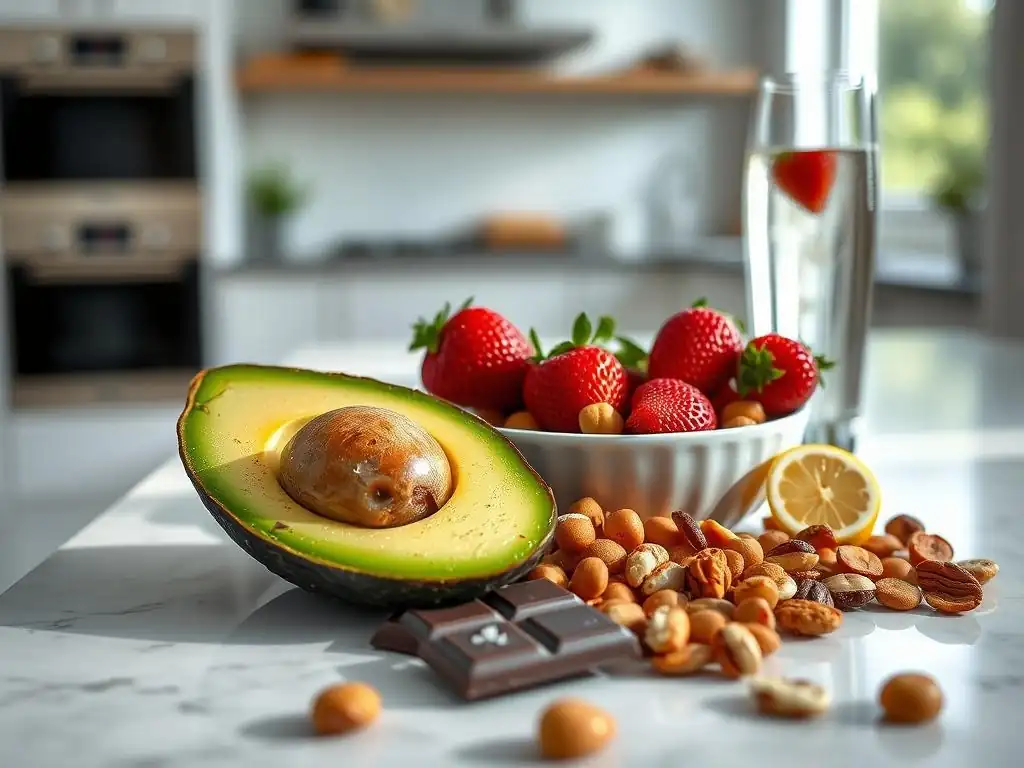
Feeling overwhelmed by the daily grind and struggling to maintain a healthy lifestyle? At UltimateLifeHacks, we understand. That's why we've created the ultimate resource for boosting your productivity and well-being. Discover practical strategies to conquer your cravings and effortlessly incorporate healthy snacking for busy people into your routine. Ready to unlock a more efficient and energized you? Let's dive in!
- Understanding Your Healthy Snacking Needs as a Busy Person
-
Building a Healthy Snacking Arsenal: Quick & Nutritious Options
- The Power of Protein: High-Protein Snacks to Keep You Full
- Smart Carbohydrate Choices: Complex Carbs for Sustained Energy
- Healthy Fats for Satiety and Brain Function: Nuts, Seeds, and Avocados
- The Role of Fiber in Healthy Snacking: High-Fiber Snacks to Curb Cravings
- Hydration is Key: Water and its Role in Appetite Control
- Planning Ahead: Strategies for Healthy Snacking Success
- Overcoming Common Healthy Snacking Challenges
- Recipes for Quick & Easy Healthy Snacks
- Maintaining a Healthy Lifestyle with Healthy Snacking Habits
- Frequently Asked Questions
- Final Reflection: Nourishing the Busy Soul: Beyond the Snack
- Unlock Your Snacking Superpowers!
Understanding Your Healthy Snacking Needs as a Busy Person
Juggling work, family, social life, and personal commitments leaves many of us with little time for anything beyond the bare essentials. Maintaining a healthy diet often falls by the wayside, leading to reliance on convenient but often unhealthy processed foods.
This comprehensive guide tackles the challenge of healthy snacking for busy people, offering practical strategies and delicious recipes to help you conquer cravings and nourish your body without sacrificing precious time. We'll explore how to identify your true hunger cues, manage stress-related cravings, and implement quick and easy snacking solutions that fit seamlessly into even the most demanding schedules.
This isn't about restrictive diets; it's about making mindful choices that support your well-being and boost your energy levels throughout the day. By the end of this article, you'll be equipped with the knowledge and tools to make healthy snacking a sustainable part of your busy life, ultimately contributing to a healthier and more productive you.
Identifying Your Hunger Cues: Differentiating True Hunger from Habitual Snacking
Often, what we perceive as hunger is actually thirst, boredom, or emotional stress. Before reaching for a snack, take a moment to assess your body's signals. True hunger typically involves a gradual increase in stomach rumbling, accompanied by a feeling of weakness or lightheadedness. Habitual snacking, on the other hand, is often triggered by emotional cues, such as stress, sadness, or even excitement. Learning to distinguish between these sensations is crucial for making conscious and healthy food choices.
Consider keeping a food journal for a week to track your snacking habits. Note down not only what you ate but also how you felt before and after consuming the snack. This self-reflection can reveal patterns and help you identify triggers for unnecessary snacking.
For example, you might discover that you tend to reach for sugary snacks when feeling stressed after a long workday. This awareness empowers you to develop coping mechanisms beyond food, such as taking a short walk, practicing mindfulness, or calling a friend. This process of self-awareness is key to breaking free from habitual snacking and establishing a healthier relationship with food.
Time Constraints and Healthy Snacking Solutions: Quick Prep & Grab-and-Go Options
Lack of time is a major obstacle to healthy eating. However, with a little planning and preparation, healthy snacking can be easily integrated into even the busiest schedules. The key is to prioritize quick prep and grab-and-go options. Instead of relying on processed snacks, prepare healthy snacks in advance.
Here’s a sample weekly snack prep plan:
| Day | Morning Snack | Afternoon Snack |
|---|---|---|
| Monday | Greek yogurt with berries | Apple slices with almond butter |
| Tuesday | Hard-boiled eggs | Baby carrots and hummus |
| Wednesday | Trail mix (nuts, seeds, dried fruit) | Edamame pods |
| Thursday | Cottage cheese with sliced peaches | Rice cakes with avocado |
| Friday | Banana with peanut butter | A handful of almonds |
| Weekend | Prepare larger batches of snacks for the week |
This simple planning drastically reduces the time spent preparing snacks during the week, allowing for quick and healthy choices. Remember, even small, mindful changes can significantly improve your overall diet and well-being. The goal isn't perfection, but progress.
The Impact of Stress on Cravings: Managing Stress for Better Snack Choices
Stress hormones can trigger cravings for sugary and fatty foods, providing a temporary sense of comfort and reward. However, these foods often lead to energy crashes and exacerbate stress in the long run. Managing stress effectively is crucial for making healthier snack choices. Instead of turning to food for comfort, explore alternative stress-reducing techniques.
Consider incorporating these strategies into your daily routine:
- Regular exercise: Even a short walk can significantly reduce stress levels.
- Mindfulness and meditation: These practices help calm the mind and reduce anxiety.
- Sufficient sleep: Aim for 7-8 hours of quality sleep each night.
- Social connection: Spending time with loved ones can boost mood and reduce stress.
By addressing the root cause of stress-related cravings, you can break the cycle of unhealthy snacking and cultivate healthier eating habits. Remember that a holistic approach to well-being, encompassing stress management and mindful eating, is key to long-term success. Prioritizing self-care will not only improve your overall health but also enhance your productivity and overall quality of life.
Building a Healthy Snacking Arsenal: Quick & Nutritious Options
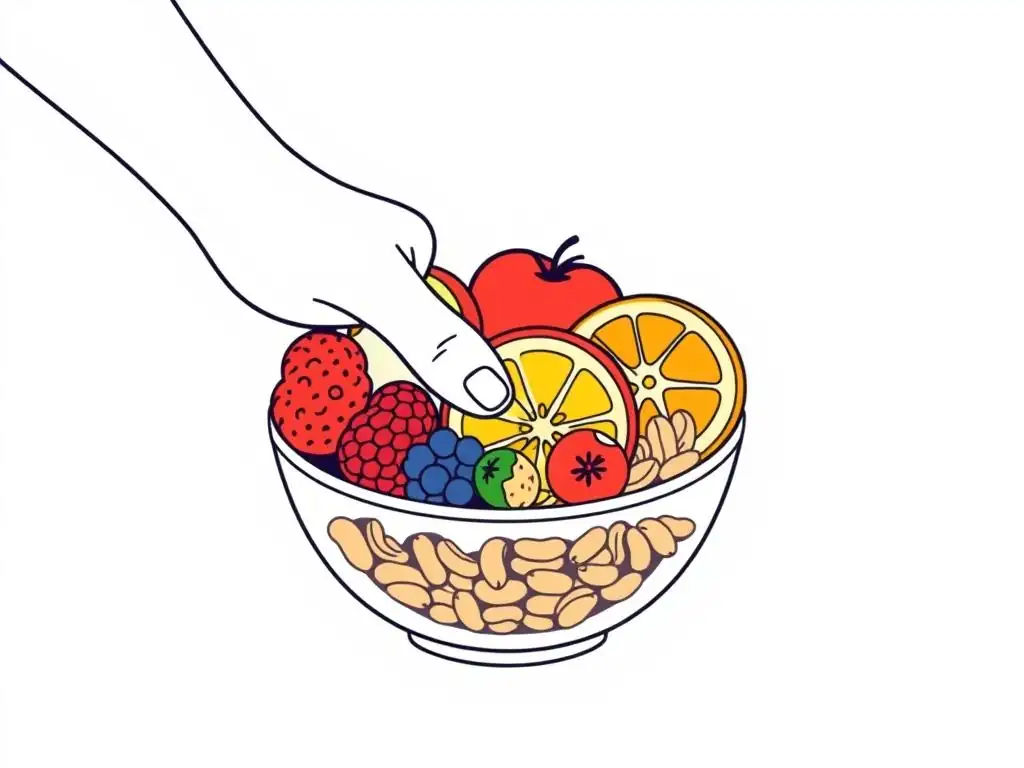
This section focuses on building a repertoire of healthy snacks readily available for those with busy schedules. We'll explore different macronutrient categories and provide specific examples to help you conquer cravings and maintain energy throughout your day. Remember, the key to healthy snacking for busy people is preparation and planning. Pre-portioning snacks and keeping them readily accessible will significantly increase your chances of making healthy choices when hunger strikes. This proactive approach minimizes impulsive, less-healthy choices.
The Power of Protein: High-Protein Snacks to Keep You Full
Protein is crucial for satiety, meaning it keeps you feeling full for longer. This is vital for preventing those mid-afternoon energy slumps and avoiding unhealthy cravings. Instead of reaching for sugary treats, opt for protein-rich snacks that provide sustained energy and support muscle growth and repair.
Here are some high-protein snack ideas perfect for busy lifestyles:
- Hard-boiled eggs: Prepare a batch at the beginning of the week for grab-and-go convenience. One hard-boiled egg provides around 6 grams of protein.
- Greek yogurt: Choose plain, non-fat Greek yogurt and add berries or a sprinkle of nuts for extra flavor and nutrients. A single serving (around 170g) can offer 20 grams of protein.
- Protein shakes: These are incredibly versatile and can be customized to your taste preferences. Combine protein powder with milk or water, adding fruits, vegetables, or nut butter for a balanced and satisfying snack. Aim for protein shakes with at least 20-30 grams of protein per serving.
- Edamame: Steamed edamame pods are a delicious and convenient source of protein and fiber. A cup of shelled edamame provides approximately 18 grams of protein.
- Trail mix (protein-focused): Create your own trail mix with nuts, seeds, dried fruit, and protein-rich additions like roasted chickpeas or pumpkin seeds. Be mindful of portion sizes to control calorie intake.
Smart Carbohydrate Choices: Complex Carbs for Sustained Energy
Not all carbohydrates are created equal. While simple carbohydrates (like refined sugars) lead to energy crashes, complex carbohydrates provide sustained energy release. Choosing complex carbs for your snacks helps prevent blood sugar spikes and subsequent dips, keeping your energy levels stable throughout the day.
Consider these options for healthy, complex carbohydrate snacks:
- Whole-grain crackers with avocado: The healthy fats in avocado combine with the fiber in whole-grain crackers to create a satisfying and energy-boosting snack.
- Fruits (apples, bananas, berries): Naturally sweet and packed with vitamins and fiber, fruits are a great choice for a quick and healthy snack. Remember to choose fruits lower in natural sugars like berries over high-sugar options like bananas.
- Popcorn (air-popped): A whole-grain snack that's low in calories and high in fiber, provided you avoid excessive butter or salt.
- Oatmeal (rolled oats): Prepare a small batch of oatmeal with water or milk and add nuts, seeds, or fruit for extra flavor and nutrients. This is a particularly satisfying breakfast or mid-morning snack.
Healthy Fats for Satiety and Brain Function: Nuts, Seeds, and Avocados
Healthy fats are essential for satiety, brain function, and overall health. Including healthy fats in your snacking routine can improve cognitive function, help regulate hormones, and keep you feeling full for longer periods.
Here are some examples of healthy fats to incorporate into your snacking plan:
- Almonds, walnuts, cashews: A handful of nuts provides healthy fats, protein, and fiber. Be mindful of portion sizes as nuts are calorie-dense.
- Chia seeds, flax seeds, pumpkin seeds: These seeds are rich in omega-3 fatty acids and fiber, contributing to both satiety and overall health. Add them to yogurt, oatmeal, or salads.
- Avocado: A creamy and versatile fruit that's rich in monounsaturated fats. Enjoy it on whole-grain toast, with crackers, or in a salad.
- Nut butters (peanut butter, almond butter): Choose natural nut butters with minimal added sugar and salt. Pair them with fruits, vegetables, or whole-grain crackers. Be mindful of portion size due to the high calorie content.
Remember, consistency is key when it comes to healthy snacking for busy people. By incorporating these suggestions into your daily routine, you can effectively manage cravings, maintain energy levels, and support your overall well-being. The goal is to find healthy snacking options that fit seamlessly into your busy schedule, making healthy choices the easiest choices.
The Role of Fiber in Healthy Snacking: High-Fiber Snacks to Curb Cravings
Fiber is your secret weapon in the battle against cravings. This indigestible carbohydrate adds bulk to your diet, promoting satiety and preventing those mid-afternoon energy crashes that often lead to unhealthy snacking. High-fiber foods keep you feeling full for longer, effectively managing your appetite and reducing the urge to reach for sugary or processed treats.
Think of fiber as a natural appetite suppressant, working gently but effectively to keep your hunger pangs at bay. The benefits extend beyond simple fullness; fiber also supports healthy digestion and contributes to overall gut health, which plays a significant role in overall well-being and energy levels. Ignoring fiber's crucial role in healthy snacking is a mistake many busy individuals make, leading to a vicious cycle of cravings and unhealthy food choices.
Choosing the right high-fiber snacks is crucial. Instead of reaching for processed snacks, consider incorporating naturally fiber-rich options into your daily routine. A handful of almonds, for example, provides a good source of fiber along with healthy fats and protein.
Similarly, a piece of fruit like an apple or pear offers both fiber and natural sweetness, satisfying your sweet tooth without the guilt. Other excellent options include whole-grain crackers (check the label for added sugars! ), a small portion of oatmeal, or even a veggie-packed salad with a light vinaigrette.
Planning ahead and keeping these healthy, high-fiber options readily available at work or at home is key to successfully navigating those moments when cravings strike. Remember, consistency is key; gradually increasing your fiber intake will help your body adapt and maximize the benefits. Don't underestimate the power of fiber in conquering cravings and maintaining a healthy, balanced diet, especially for those with hectic schedules.
Hydration is Key: Water and its Role in Appetite Control
Often, what we perceive as hunger is actually thirst in disguise. Dehydration can lead to increased feelings of hunger, prompting us to reach for snacks when a simple glass of water might suffice. Staying adequately hydrated is crucial for effective appetite control and maintaining energy levels throughout the day. Water helps to flush out toxins, improves digestion, and boosts metabolism – all factors that contribute to a healthier relationship with food. For busy individuals juggling multiple responsibilities, it’s easy to overlook the importance of hydration, but neglecting it can sabotage even the most well-intentioned healthy eating plans.
The connection between hydration and appetite control is surprisingly strong. When your body is dehydrated, it can send signals to the brain that mimic hunger pangs. This can lead to unnecessary snacking, often on less-healthy options. Therefore, before reaching for a snack, try drinking a large glass of water and waiting 15-20 minutes. You might find that your hunger subsides completely.
Carrying a reusable water bottle and keeping it filled throughout the day is a simple yet highly effective strategy for managing cravings and staying hydrated. Consider setting reminders on your phone or using a hydration tracking app to ensure you're consistently meeting your daily water intake goals. Remember, adequate hydration is not just about quenching thirst; it's a fundamental component of healthy snacking and overall well-being for busy people striving for a balanced lifestyle. Prioritize hydration; your body (and your waistline) will thank you.
Planning Ahead: Strategies for Healthy Snacking Success
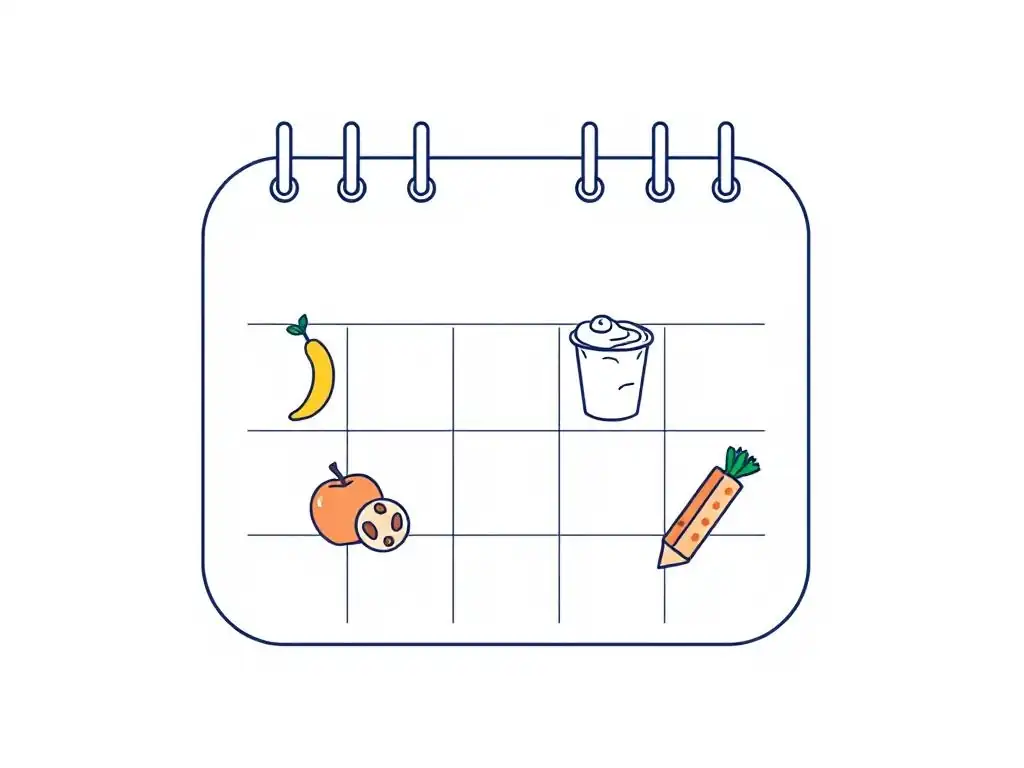
Effective healthy snacking for busy people isn't about willpower alone; it's about strategic planning. By proactively preparing and organizing your snack options, you significantly increase your chances of making healthy choices when hunger strikes. This section explores key strategies to help you conquer cravings and maintain a nutritious diet even with a packed schedule. The key is to anticipate your needs and make healthy choices readily available. This reduces the temptation to reach for less-healthy, convenient options.
Meal Prepping for Busy Schedules: Batch Cooking Healthy Snacks
Batch cooking is your secret weapon against unhealthy snacking. Instead of scrambling for something to eat when hunger hits, you'll have a ready supply of nutritious and delicious snacks. Consider dedicating a couple of hours each week to preparing snacks in bulk. This could involve washing and chopping fruits and vegetables, making trail mix, baking whole-wheat crackers, or preparing overnight oats.
Think variety! Don't just make one type of snack. Prepare a selection of options to keep things interesting and prevent boredom. Some ideas include:
- Fruit & Veggie Sticks with Hummus: Pre-cut carrots, celery, bell peppers, and apples paired with individual containers of hummus.
- Hard-boiled Eggs: A fantastic source of protein, easy to prepare in large batches.
- Nut Butters (in individual portions): Almond butter, peanut butter, cashew butter – a great source of healthy fats and protein.
- Trail Mix: Combine nuts, seeds, dried fruit (in moderation), and a touch of dark chocolate for a satisfying energy boost.
Remember to store your prepped snacks properly to maintain freshness and prevent spoilage. Using airtight containers and storing them in the refrigerator or freezer (depending on the snack) is crucial.
Smart Shopping for Healthy Snacks: Avoiding Processed Foods
Grocery shopping is where many healthy snacking plans fall apart. The abundance of processed foods, cleverly marketed as "healthy," can be overwhelming. To succeed, you need a strategic shopping list and the discipline to stick to it.
Prioritize whole, unprocessed foods. Focus on the perimeter of the grocery store, where fresh produce, dairy, and meats are typically located. This is where you'll find the most nutritious options.
Here's a checklist for smart snack shopping:
| Item Category | Healthy Choices | Unhealthy Choices to Avoid |
|---|---|---|
| Fruits & Vegetables | Fresh, frozen, or canned (in water or juice) | Dried fruit (often high in sugar), fruit snacks |
| Nuts & Seeds | Almonds, walnuts, chia seeds, pumpkin seeds | Pre-packaged mixes with added sugar or unhealthy fats |
| Dairy | Greek yogurt (plain, unsweetened), cheese | Processed cheese, flavored yogurt |
| Grains | Whole-grain crackers, popcorn (air-popped) | Chips, pretzels, highly processed crackers |
| Other | Hard-boiled eggs, edamame | Candy, pastries, processed meat snacks |
By sticking to this strategy, you'll significantly reduce your intake of added sugars, unhealthy fats, and artificial ingredients.
Creating a Healthy Snacking Routine: Consistency is Key
Consistency is the cornerstone of successful healthy snacking. Just like any other healthy habit, it takes time and effort to establish a consistent routine. Start by identifying your typical hunger patterns throughout the day. When do you usually feel the urge to snack? Plan your healthy snacks around these times.
Consider using a planner or a smartphone app to schedule your snacks. This will help you stay on track and prevent impulsive unhealthy choices. Don't forget to stay hydrated! Often, thirst masquerades as hunger. Drinking plenty of water throughout the day can help curb unnecessary snacking.
Remember that establishing a routine takes time. Don't get discouraged if you slip up occasionally. The key is to learn from your mistakes and keep trying. Celebrate your successes along the way! The more consistent you are, the easier it will become to make healthy snacking a natural part of your busy life. 🎉
Packing Your Snacks: Portable and Convenient Snacking Solutions
Preparing your snacks in advance is crucial for successful healthy snacking, especially for busy individuals. Improper planning often leads to impulsive unhealthy choices when hunger strikes. Packing your snacks strategically ensures you always have a healthy option readily available, preventing those regrettable trips to the vending machine or fast-food restaurant. This isn't just about grabbing a granola bar; it's about thoughtful preparation that caters to your specific needs and preferences.
Consider the type of container you use. Reusable containers are environmentally friendly and often more durable than disposable bags. Invest in a few good-quality, leak-proof containers in various sizes to accommodate different snacks. Smaller containers are ideal for single servings of nuts, seeds, or dried fruit, preventing overconsumption. Larger containers are perfect for salads, yogurt parfaits, or even leftover cooked quinoa. Think about portion control – using smaller containers helps manage calorie intake and prevents snacking on excessive amounts.
The portability of your snack is another key factor. If you're commuting, choose snacks that won't easily crush or spill. Hard-boiled eggs, for example, are a fantastic source of protein and are easily transported in a small container. Similarly, trail mix is a convenient and nutritious option, offering a mix of carbohydrates, protein, and healthy fats. However, be mindful of the ingredients; choose mixes lower in added sugar and higher in nuts and seeds.
For those with access to a refrigerator at work, consider prepping more perishable snacks. Pre-cut vegetables with hummus, individual yogurt cups, or even a small container of cottage cheese are all excellent choices. Preparing these the night before saves valuable time in the morning and ensures you have a healthy and refreshing snack ready to go. Remember to prioritize convenience; if preparing your snacks feels like a chore, you're less likely to stick to your plan.
The goal is to make healthy snacking effortless and enjoyable. By investing a little time in preparation, you'll reap the rewards of sustained energy and improved well-being throughout your busy day. This proactive approach transforms healthy snacking from a challenge into a seamless part of your routine, ultimately contributing to your overall health and productivity.
Overcoming Common Healthy Snacking Challenges
Healthy snacking for busy people presents unique hurdles. The convenience of processed foods often wins over the preparation time needed for nutritious options. This section dives into the most common challenges and offers practical solutions to help you conquer cravings and maintain a healthy diet even with a packed schedule.
We'll explore strategies to manage sugar cravings, emotional eating, and boredom snacking, providing you with actionable steps to build a sustainable healthy snacking routine. Remember, the key is to anticipate challenges and develop proactive strategies to overcome them. This approach is crucial for long-term success in achieving your healthy eating goals.
Dealing with Sugar Cravings: Healthy Alternatives to Sweets
Sugar cravings are a common obstacle for many trying to adopt healthy snacking habits. The sudden drop in blood sugar can lead to intense desires for sugary treats. However, succumbing to these cravings undermines your efforts. Instead of reaching for candy bars or sugary sodas, opt for healthier alternatives that satisfy your sweet tooth without the negative consequences.
Consider these options:
- Fruit: Nature's candy! Apples, bananas, berries, and oranges provide natural sugars and essential vitamins and minerals. Prepare fruit slices in advance for easy access throughout the day. Freezing grapes creates a delightful, refreshing treat.
- Dark Chocolate (70% cacao or higher): A small square of dark chocolate can curb cravings while providing antioxidants. Choose options with minimal added sugar.
- Yogurt with Berries: Greek yogurt is a protein powerhouse, and the sweetness of berries adds a satisfying touch. Look for plain yogurt and add your own sweetener sparingly, if needed.
- Baked Apples with Cinnamon: A simple, warm treat that satisfies your sweet tooth with natural sweetness and fiber.
- Chia Seed Pudding: Chia seeds absorb liquid, creating a creamy pudding-like texture. Sweeten with a touch of honey or maple syrup and add fruits for extra flavor and nutrients.
The key is to plan ahead. Keep healthy, sweet options readily available in your workplace or at home to avoid impulsive decisions when a craving strikes. Remember, the satisfaction of a healthy snack far outweighs the temporary pleasure of a sugary treat.
Managing Emotional Eating: Strategies for Stress-Free Snacking
Emotional eating, often triggered by stress, boredom, or loneliness, is a significant hurdle in healthy snacking. It's crucial to identify your emotional triggers and develop coping mechanisms that don't involve food.
Here are some strategies to manage emotional eating:
- Mindfulness: Before reaching for a snack, pause and reflect on your hunger. Are you truly hungry, or are you seeking comfort or distraction? Practicing mindfulness helps you differentiate between physical and emotional hunger.
- Identify Triggers: Keep a food journal to track your eating habits and identify situations that trigger emotional eating. This awareness is the first step toward breaking the cycle.
- Develop Healthy Coping Mechanisms: Instead of turning to food, explore alternative ways to manage stress and emotions. Exercise, meditation, spending time in nature, or connecting with loved ones can be effective stress relievers.
- Self-Compassion: Be kind to yourself. Everyone slips up sometimes. Don't beat yourself up over occasional lapses; instead, focus on getting back on track.
- Prioritize Sleep: Lack of sleep can increase cravings and emotional eating. Aim for 7-8 hours of quality sleep each night.
By addressing the underlying emotional needs, you can break free from the cycle of emotional eating and build a healthier relationship with food. Remember, self-awareness and healthy coping mechanisms are essential for long-term success.
Conquering Boredom Snacking: Finding Healthy Distractions
Boredom snacking is a common habit that can sabotage healthy eating goals. When you're not actively engaged, you may find yourself mindlessly reaching for snacks, even when you're not physically hungry. Combatting this requires finding healthy distractions to keep your mind and hands occupied.
Here are some effective strategies:
- Engage in Activities: Find hobbies or activities that keep your mind and body busy. This could include reading, exercising, listening to music, or spending time with loved ones.
- Plan Your Day: Having a structured schedule can minimize boredom and reduce impulsive snacking. Plan your work, leisure activities, and meals to maintain a sense of purpose and control.
- Stay Hydrated: Sometimes thirst is mistaken for hunger. Drink plenty of water throughout the day to keep your body hydrated and reduce the likelihood of unnecessary snacking.
- Chew Gum: Chewing gum can help curb cravings and keep your mouth busy, preventing mindless snacking.
- Set Realistic Goals: Don't strive for perfection. Allow yourself occasional treats and don't get discouraged by occasional lapses. Focus on making gradual, sustainable changes.
By proactively engaging in activities and addressing the root cause of boredom snacking, you can break free from this habit and maintain a healthier, more balanced approach to snacking. Remember, a busy schedule doesn't have to equate to unhealthy eating habits. With planning and mindful strategies, you can conquer cravings and nourish your body effectively, even amidst a demanding lifestyle.
Staying Consistent: Tips for Long-Term Healthy Snacking Habits
Maintaining healthy snacking habits isn't a sprint; it's a marathon. Consistency is key to reaping the long-term benefits of mindful snacking for busy people. Many initially embrace healthy options, only to revert to old, less-healthy habits. This often stems from a lack of planning and sustainable strategies. To avoid this common pitfall, focus on building habits that integrate seamlessly into your busy lifestyle.
One effective strategy is meal prepping. Setting aside even just an hour each week to prepare healthy snacks can drastically reduce the temptation to reach for less-healthy alternatives when hunger strikes. Think pre-portioned bags of trail mix, chopped vegetables ready for dipping, or individual containers of Greek yogurt with berries. This proactive approach ensures you always have nutritious options readily available, eliminating the excuse of "not having time" to prepare something healthy.
Beyond meal prepping, mindful planning is crucial. Before your week begins, take a few minutes to consider your schedule. Identify potential moments of hunger – that 3 pm slump, the late-night study session, or the long commute – and plan accordingly. This preemptive approach helps you avoid impulsive decisions driven by hunger. Having a plan prevents those moments of weakness where unhealthy snacks seem like the only viable option.
Another important aspect is gradual change. Don't try to overhaul your snacking habits overnight. Start by swapping one unhealthy snack for a healthier alternative each week. For example, replace your daily candy bar with a piece of fruit and a handful of almonds. This gradual approach makes the transition more manageable and less overwhelming, increasing your chances of long-term success.
Finally, self-compassion is essential. There will be days when you slip up and indulge in less-healthy options. Don't beat yourself up about it! Acknowledge the slip-up, learn from it, and get right back on track with your healthy snacking plan. Perfection is unattainable; consistency is the ultimate goal. By focusing on progress, not perfection, you'll be well on your way to establishing lasting healthy snacking habits that support your busy lifestyle and overall well-being. Remember, even small, consistent changes accumulate to significant improvements over time. 🎉
Recipes for Quick & Easy Healthy Snacks
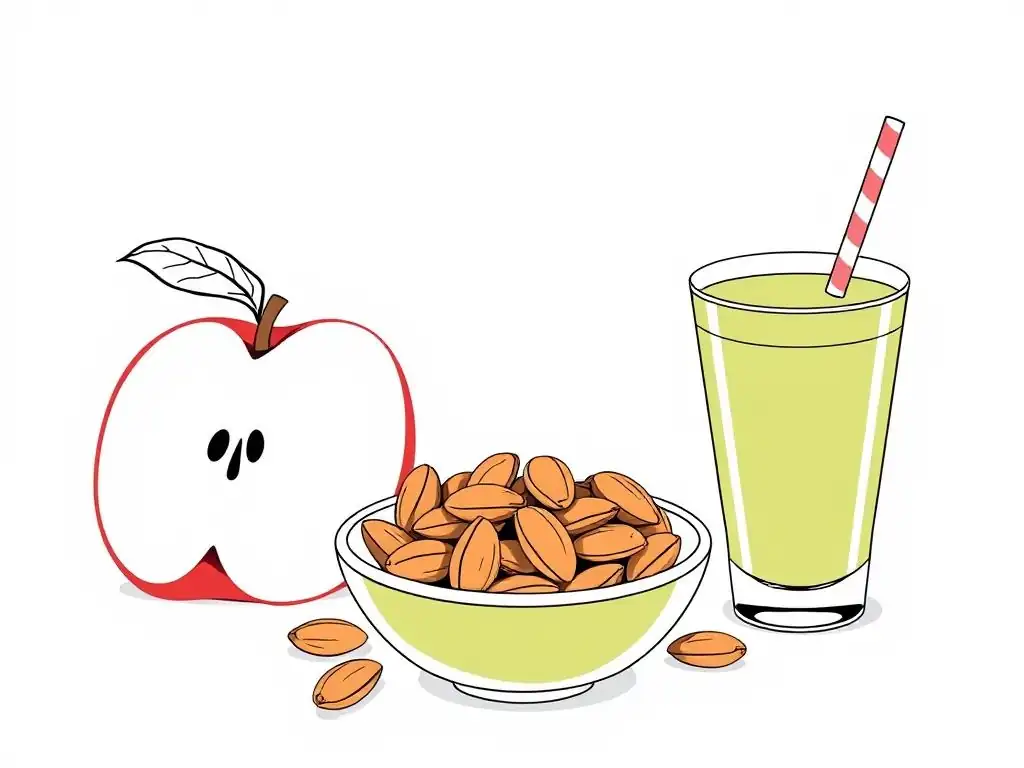
This section provides three simple, nutritious snack recipes perfect for busy individuals aiming to incorporate healthy snacking into their daily routines. These recipes require minimal preparation time and readily available ingredients, making them ideal for those with packed schedules. Remember, healthy snacking for busy people is all about convenience and nutritional value.
Quick Peanut Butter & Banana Bites
This classic combination is a powerhouse of energy and nutrients. Bananas provide potassium and natural sugars for sustained energy release, while peanut butter offers healthy fats and protein to keep you feeling full and satisfied. The preparation is incredibly simple, taking only a few minutes.
To make these delightful bites, simply slice a banana into rounds. Spread a thin layer of natural peanut butter (choose one with minimal added sugar and salt) onto each slice. You can enjoy them immediately or store them in an airtight container in the refrigerator for later consumption. For an added touch, sprinkle a few chia seeds or a dash of cinnamon for extra flavor and nutritional benefits. This snack provides approximately 200-250 calories, depending on the size of the banana and the amount of peanut butter used. It's a perfect example of satisfying healthy snacking for busy people.
This recipe is easily adaptable to your preferences. Consider adding a drizzle of honey for extra sweetness or swapping peanut butter for almond butter for a different flavor profile. The possibilities are endless!
Savory Edamame with Sea Salt
Edamame, or steamed soybeans, are a fantastic source of plant-based protein and fiber, making them an excellent choice for a healthy and filling snack. They're also surprisingly versatile and can be enjoyed in various ways. This recipe emphasizes simplicity and speed, making it perfect for healthy snacking for busy people.
To prepare, simply purchase frozen shelled edamame. Microwave according to package directions until tender. Once cooked, sprinkle generously with sea salt. The subtle saltiness enhances the natural sweetness of the edamame, creating a savory and satisfying snack. A single serving (approximately ½ cup) provides around 120-150 calories and a significant amount of protein and fiber, contributing to feelings of fullness and satiety. This is a great example of effortless, healthy snacking for busy people. The prep time is minimal, and the nutritional benefits are substantial.
Greek Yogurt with Berries and Granola
Greek yogurt is a protein-rich snack that provides a good source of calcium and probiotics. Combined with the antioxidants in berries and the crunch of granola, this snack offers a delicious and nutritious combination. This recipe is easily customizable to individual preferences and dietary needs.
For this recipe, choose plain, nonfat Greek yogurt to minimize added sugars. Top with a mix of your favorite berries (strawberries, blueberries, raspberries, etc.) for a burst of flavor and antioxidants. Finally, add a small amount of granola for added texture and a touch of sweetness. Be mindful of the granola's sugar content and opt for a low-sugar variety to keep the snack healthy.
A serving of this snack provides roughly 250-300 calories, offering a good balance of protein, carbohydrates, and healthy fats. This represents a convenient and delicious option for healthy snacking for busy people. The combination of textures and flavors makes it a satisfying and enjoyable snack. Remember to adjust portion sizes to meet your individual caloric needs.
Maintaining a Healthy Lifestyle with Healthy Snacking Habits
This section delves into the crucial role of healthy snacking in maintaining a balanced lifestyle, particularly for busy individuals. We'll explore how strategic snack choices directly impact your well-being and offer practical strategies for seamless integration into your demanding schedule. Remember, healthy snacking for busy people isn't about restriction; it's about mindful choices that fuel your body and mind effectively.
The Long-Term Benefits of Healthy Snacking: Weight Management, Energy Levels, and Overall Well-being
Healthy snacking, contrary to popular belief, is not the enemy of weight management. In fact, it can be a powerful ally. By choosing nutrient-dense snacks, you prevent extreme hunger, which often leads to overeating during meals. This controlled approach helps regulate blood sugar levels, preventing energy crashes and those tempting impulsive reaches for sugary, processed foods.
Studies show a strong correlation between regular consumption of fruits, vegetables, and nuts and reduced risk of chronic diseases. For example, a study published in the American Journal of Clinical Nutrition found that individuals who consumed a diet rich in fruits and vegetables had a significantly lower risk of developing type 2 diabetes. This is because these snacks are packed with vitamins, minerals, and antioxidants, bolstering your immune system and overall health.
Furthermore, healthy snacking significantly improves energy levels throughout the day. Instead of experiencing the mid-afternoon slump caused by a sugary snack, opting for something like Greek yogurt with berries provides sustained energy release, allowing you to maintain focus and productivity. This translates to increased efficiency and improved performance in both your personal and professional life. The benefits extend beyond physical health; improved energy levels directly contribute to better mental clarity and emotional well-being. You'll find yourself feeling more alert, less irritable, and better equipped to handle stress.
Integrating Healthy Snacking into Your Daily Routine: Tips for Success
Integrating healthy snacking into a busy schedule requires planning and preparation. It's not about finding extra time; it's about making smart use of the time you already have. Here are some practical strategies:
- Prep on the weekend: Spend a few hours on the weekend preparing snacks for the week. Wash and chop fruits and vegetables, portion out nuts and seeds, and prepare overnight oats or chia pudding. This minimizes the need for last-minute decisions when hunger strikes.
- Keep it accessible: Store healthy snacks in visible and easily accessible locations. Keep a bowl of fruit on your counter, a container of nuts in your desk drawer, or pre-portioned bags of trail mix in your bag.
- Embrace convenience: Choose convenient, pre-portioned healthy snacks like protein bars, single-serving bags of nuts, or individual yogurt cups. These options minimize preparation time and reduce the temptation of less healthy choices.
- Plan ahead: Schedule your snacks into your day just like you would schedule meetings or appointments. This ensures you don't skip them due to a busy schedule.
- Listen to your body: Pay attention to your hunger cues. Don't wait until you're ravenous before reaching for a snack. Having a planned snack prevents overeating later.
This structured approach ensures you consistently make healthy choices, even amidst a hectic lifestyle. Remember, consistency is key to reaping the long-term benefits of healthy snacking.
Tracking Your Progress: Monitoring Your Snacking Habits for Improvement
Tracking your snacking habits provides valuable insights into your progress and helps identify areas for improvement. Several methods can be employed:
- Food journal: Maintain a detailed food journal, noting the time, type, and quantity of each snack you consume. This meticulous record allows you to identify patterns and areas for improvement.
- Smartphone apps: Numerous smartphone applications are designed to track food intake, providing detailed nutritional information and progress reports. Many apps also offer personalized recommendations based on your goals and dietary needs.
- Weekly review: At the end of each week, review your snacking habits. Analyze your choices, identify any unhealthy patterns, and set goals for the following week. This reflective process helps maintain accountability and promotes continuous improvement.
By consistently monitoring your snacking habits, you can fine-tune your approach, ensuring that your snacking choices consistently support your overall health and wellness goals. This continuous monitoring and adjustment is essential for long-term success in adopting healthy snacking habits as a busy person. Remember, even small changes can make a big difference over time.
Frequently Asked Questions
What are the best healthy snacks for busy people?
Quick and easy options are key! Think grab-and-go snacks like fruit (apples, bananas), nuts, yogurt, or pre-portioned bags of trail mix. These require minimal preparation.
How can I avoid unhealthy snacking when I'm stressed?
Mindfulness is crucial. Before reaching for junk food, take a moment to identify your hunger and stress levels. Consider a stress-reducing activity like a short walk or deep breaths instead.
What if I don't have time to prepare healthy snacks?
Plan ahead! Prepare snacks on the weekend or in bulk. Utilize convenient options like pre-cut vegetables, protein bars, or individual servings of nuts.
How many healthy snacks should I eat per day?
It depends on your overall calorie needs and activity level. Generally, 2-3 small, healthy snacks between meals can help manage hunger and prevent overeating later.
Are there any healthy snacking tips for people on a budget?
Absolutely! Focus on inexpensive, whole foods such as oats, bananas, peanut butter, and canned beans. Buy in bulk when possible to save money.
Final Reflection: Nourishing the Busy Soul: Beyond the Snack
The relentless pace of modern life often leaves us reaching for quick, convenient—and often unhealthy—snacks. But conquering cravings isn't just about weight management; it's about fueling our bodies and minds for optimal performance and well-being. This guide has explored practical strategies for healthy snacking amidst a busy schedule, emphasizing mindful choices and planning to prevent impulsive decisions that can derail our health goals. We've seen how simple swaps and proactive preparation can make a world of difference.
The impact of mindful eating extends far beyond the immediate satisfaction of hunger. It's about cultivating a healthier relationship with food, one that prioritizes nourishment over mere convenience. This journey towards healthier snacking is a continuous process of self-discovery and self-care. As the saying goes, Take care of your body. It's the only place you have to live.
This simple truth underscores the importance of making conscious choices that support our overall health and happiness. The ripple effect of these choices extends to our energy levels, mood, and even our relationships, as we become more present and capable of engaging fully with life.
Now, consider your own relationship with snacking. What small changes can you implement today to move closer to a healthier, more mindful approach? Perhaps it's prepping snacks on the weekend, or simply taking a moment to appreciate the taste and texture of your food. Start small, be consistent, and celebrate your progress. Remember, the journey towards healthier snacking is a marathon, not a sprint. Embrace the process, and nourish your busy soul with intention and care.
Unlock Your Snacking Superpowers!
Thanks for exploring healthier snacking strategies! We hope you discovered delicious and convenient ways to fuel your body and manage cravings. Now, let's put your new knowledge into action.
- Create your perfect healthy snack plan: Take a few minutes to plan 3-5 healthy snacks you'll enjoy this week. Write them down! Visualization is key to success.
- Share your favorite healthy snack: Tell us (and your friends!) on social media about your go-to healthy snack. Use #UltimateSnackSwap to join the conversation.
- Try a week of mindful snacking: Pay attention to how different snacks make you feel—physically and mentally. Keep a journal to track your snacks and their effects.
Ready to ditch the sugar rush and enjoy sustained energy? What's the first healthy snack you'll try?