
The Surprising Way to Boost Your Metabolism Naturally


Ready to unlock your body's hidden potential and finally achieve your fitness goals? At UltimateLifeHacks, we're dedicated to providing you with practical, effective strategies to transform your daily life. Discover the surprising secrets behind naturally boosting your metabolism quickly, a game-changer for weight management and overall well-being. Dive into our "Healthy Lifestyle Hacks" section and learn how to optimize your routine for peak performance – it's time to take control and experience the ultimate life upgrade!
- Understanding Your Metabolism: The Key to Natural Weight Management
-
Naturally Boosting Your Metabolism: Proven Strategies
- Boost Metabolism Naturally Quickly: The Power of Regular Exercise
- Increasing Metabolism Through Strength Training: Building Lean Muscle Mass
- Optimizing Your Diet for a Faster Metabolism: The Role of Macronutrients
- The Importance of Hydration: Water's Impact on Metabolic Processes
- Prioritizing Sleep for Metabolic Health: The Restorative Power of Sleep
- Managing Stress Levels: The Connection Between Stress and Metabolism
- Boosting Metabolism Naturally Quickly: The Role of Specific Nutrients
- Specific Foods to Accelerate Your Metabolism
- Debunking Metabolism Myths: What Doesn't Work
- Creating a Sustainable Metabolism-Boosting Lifestyle
- Frequently Asked Questions
- Final Reflection: Igniting Your Inner Fire: A Natural Path to Metabolic Health
- Unleash Your Inner Energy: Jumpstart Your Metabolism Today!
Understanding Your Metabolism: The Key to Natural Weight Management
Boosting your metabolism naturally and quickly is a common goal for many seeking to improve their health and manage their weight. This isn't about quick fixes or fad diets; it's about understanding the intricate processes within your body and making sustainable lifestyle changes that support a naturally faster metabolic rate. This article will explore the science behind metabolism, the factors influencing its speed, and practical strategies to naturally accelerate your calorie-burning capabilities, ultimately contributing to healthy weight loss and overall well-being.
We'll delve into actionable tips that you can integrate into your daily routine to optimize your metabolic function and achieve lasting results. Remember, a healthy metabolism is not just about weight; it's about overall energy levels, efficient bodily functions, and a feeling of vibrant health.
What is Metabolism and Why is it Important?
Metabolism is the complex process by which your body converts food and drinks into energy. It's a continuous cycle involving numerous chemical reactions that fuel all your bodily functions, from breathing and thinking to exercising and digesting. Think of your metabolism as the engine of your body; a well-tuned engine runs smoothly and efficiently, while a sluggish one struggles to perform optimally. A healthy metabolic rate is crucial for several reasons:
- Weight management: A faster metabolism burns more calories at rest (basal metabolic rate) and during activity, making it easier to maintain a healthy weight.
- Energy levels: Efficient metabolism translates to sustained energy throughout the day, reducing fatigue and improving overall vitality.
- Nutrient absorption: A properly functioning metabolism ensures efficient absorption of essential nutrients from food, supporting overall health and well-being.
- Hormonal balance: Metabolic processes are intricately linked to hormone production and regulation, influencing various aspects of health, including mood, sleep, and reproductive function.
- Immune function: A strong metabolism supports a robust immune system, making you less susceptible to illness.
Factors Affecting Metabolic Rate: Genetics, Age, and Lifestyle
Your metabolic rate is influenced by a combination of factors, some of which you can control and others you cannot. Understanding these factors is key to developing an effective strategy for boosting your metabolism naturally.
- Genetics: Your genes play a significant role in determining your basal metabolic rate (BMR), the number of calories your body burns at rest. While you can't change your genes, you can influence your metabolism through lifestyle choices.
- Age: Metabolic rate naturally declines with age, typically starting around age 30. This is due to a decrease in muscle mass and hormonal changes. However, regular exercise and a healthy diet can help mitigate this age-related slowdown.
- Lifestyle: This is where you have the most control! Key lifestyle factors impacting your metabolism include:
- Diet: Consuming a balanced diet rich in protein, complex carbohydrates, and healthy fats is crucial for maintaining a healthy metabolic rate. Avoid processed foods, sugary drinks, and excessive alcohol consumption.
- Exercise: Regular physical activity, especially strength training, significantly boosts metabolism by increasing muscle mass. Muscle tissue burns more calories at rest than fat tissue.
- Sleep: Adequate sleep is essential for optimal metabolic function. Chronic sleep deprivation can disrupt hormonal balance and slow down your metabolism.
- Stress: High levels of chronic stress can negatively impact your metabolism, leading to weight gain and other health problems. Practicing stress-reducing techniques like yoga, meditation, or spending time in nature is crucial.
- Hydration: Drinking enough water is essential for all bodily functions, including metabolism. Dehydration can slow down metabolic processes.
The Link Between Metabolism and Weight Loss: Burning More Calories Naturally
A faster metabolism directly contributes to weight loss by increasing the number of calories your body burns throughout the day. While you can't drastically change your BMR overnight, you can make significant improvements through lifestyle changes. The key is to create a calorie deficit—burning more calories than you consume—while ensuring you're getting all the nutrients your body needs. This leads to sustainable, healthy weight loss without resorting to crash diets or restrictive eating patterns.
Remember that sustainable weight management is a marathon, not a sprint. Focusing on long-term lifestyle changes that support a healthy metabolism is the most effective approach. This includes:
- Prioritizing whole, unprocessed foods.
- Engaging in regular exercise, incorporating both cardio and strength training.
- Getting sufficient sleep.
- Managing stress effectively.
- Staying well-hydrated.
By focusing on these key areas, you can naturally boost your metabolism and work towards your weight loss goals in a healthy and sustainable way. The journey to a healthier you starts with understanding and optimizing your metabolic engine.
Naturally Boosting Your Metabolism: Proven Strategies

This section explores effective, natural methods to accelerate your metabolism, focusing on strategies you can implement immediately to see noticeable results. A faster metabolism contributes significantly to weight management, increased energy levels, and improved overall health. Remember, consistency is key – small, sustainable changes yield the best long-term results in boosting metabolism naturally quickly.
Boost Metabolism Naturally Quickly: The Power of Regular Exercise
Regular physical activity is paramount for a naturally faster metabolism. It's not just about burning calories; exercise fundamentally alters your body's composition and metabolic rate. While intense cardio workouts are beneficial, a balanced approach incorporating both cardio and strength training delivers optimal results.
Studies consistently demonstrate that even moderate exercise significantly increases metabolic rate, both during and after the workout (the "afterburn effect"). For example, a 30-minute brisk walk can elevate your metabolism for several hours afterward. This effect is amplified with higher-intensity interval training (HIIT), which involves short bursts of intense activity interspersed with periods of rest.
The intensity and duration of your workouts should be tailored to your fitness level. Starting slowly and gradually increasing the intensity and duration is crucial to avoid injury and burnout. Aim for at least 150 minutes of moderate-intensity or 75 minutes of vigorous-intensity aerobic activity per week, along with strength training exercises twice a week. Listen to your body and prioritize consistency over intensity. Remember, even small amounts of daily movement, like taking the stairs instead of the elevator, add up!
Increasing Metabolism Through Strength Training: Building Lean Muscle Mass
Building lean muscle mass is a game-changer when it comes to boosting metabolism naturally quickly. Muscle tissue is metabolically active, meaning it burns more calories at rest than fat tissue. This means that even when you're not exercising, your body is burning more calories thanks to the increased muscle mass.
Strength training, involving exercises like weightlifting, bodyweight exercises (push-ups, squats, lunges), and resistance band workouts, stimulates muscle growth. The more muscle you have, the higher your resting metabolic rate (RMR). A higher RMR translates to burning more calories throughout the day, even while sleeping!
Focus on compound exercises that work multiple muscle groups simultaneously, such as squats, deadlifts, bench presses, and rows. These exercises are highly effective for building muscle and boosting your metabolism. Remember to maintain proper form to avoid injuries and maximize results. A well-structured strength training program, combined with a balanced diet, is a highly effective strategy for long-term metabolic improvement.
Optimizing Your Diet for a Faster Metabolism: The Role of Macronutrients
Dietary choices significantly influence your metabolic rate. While fad diets often promise quick results, a balanced and sustainable approach focusing on macronutrient intake is far more effective for long-term metabolic health. This involves paying close attention to your intake of carbohydrates, proteins, and fats.
- Protein: Protein is crucial for muscle growth and repair, which, as discussed, directly impacts metabolism. Aim for a sufficient protein intake to support muscle building and maintenance. Good sources include lean meats, poultry, fish, eggs, beans, lentils, and tofu.
- Carbohydrates: Choose complex carbohydrates over refined sugars. Complex carbs, found in whole grains, fruits, and vegetables, provide sustained energy and are digested more slowly, preventing sharp spikes in blood sugar.
- Fats: Healthy fats are essential for hormone production and overall health. Include sources like avocados, nuts, seeds, and olive oil in your diet. Avoid excessive consumption of saturated and trans fats.
| Macronutrient | Importance for Metabolism | Good Sources |
|---|---|---|
| Protein | Builds and repairs muscle tissue, increasing RMR | Lean meats, poultry, fish, eggs, beans, lentils, tofu |
| Complex Carbohydrates | Provides sustained energy, avoids blood sugar spikes | Whole grains, fruits, vegetables |
| Healthy Fats | Supports hormone production, overall health | Avocados, nuts, seeds, olive oil |
Remember, consistency is key. Small, sustainable changes in your diet and exercise routine will lead to significant improvements in your metabolism over time. Boosting metabolism naturally quickly requires a holistic approach that combines regular exercise, strength training, and a balanced diet rich in protein, complex carbohydrates, and healthy fats.
The Importance of Hydration: Water's Impact on Metabolic Processes
Water is often overlooked, but it plays a crucial role in boosting your metabolism naturally and quickly. Think of your body as a complex machine; it needs the right fuel to run efficiently. Water is that essential fuel, acting as a catalyst for countless metabolic processes. Dehydration, on the other hand, can significantly slow down your metabolism. This is because many metabolic reactions rely on water to function properly. For example, the breakdown of food into usable energy (a core metabolic function) requires sufficient hydration. Without enough water, these reactions slow, leading to reduced energy production and a sluggish metabolism. Studies have shown a correlation between adequate water intake and increased metabolic rate. 1 Furthermore, water helps to flush out toxins from your body, preventing the buildup of waste products that can impede metabolic efficiency. Staying properly hydrated is not just about drinking when you're thirsty; it's about consistently maintaining a healthy water intake throughout the day. Aim for at least eight glasses of water daily, adjusting based on your activity level and climate. Consider carrying a reusable water bottle to remind yourself to sip throughout the day. This simple habit can make a surprisingly significant difference in boosting your metabolism naturally and quickly.
Prioritizing Sleep for Metabolic Health: The Restorative Power of Sleep
Sleep deprivation can wreak havoc on your metabolism. While you sleep, your body undertakes essential restorative processes, including hormone regulation and cell repair. These processes are directly linked to metabolic function. Insufficient sleep disrupts the delicate balance of hormones like leptin and ghrelin, which control appetite and satiety. This disruption can lead to increased hunger, cravings for unhealthy foods, and weight gain – all factors that negatively impact your metabolism. 2 Furthermore, lack of sleep can increase cortisol levels, the stress hormone. High cortisol levels are associated with increased abdominal fat storage and decreased metabolic rate. Aim for 7-9 hours of quality sleep each night to optimize your metabolic health. Establish a regular sleep schedule, create a relaxing bedtime routine, and ensure your sleep environment is dark, quiet, and cool. Prioritizing sleep is not just about feeling rested; it's a critical component of naturally and quickly boosting your metabolism and overall well-being. The restorative power of sleep is often underestimated, but its impact on metabolic processes is undeniable.
Managing Stress Levels: The Connection Between Stress and Metabolism
Chronic stress is a silent metabolic saboteur. When you're stressed, your body releases cortisol, a hormone that, in excessive amounts, can significantly slow down your metabolism. This is because your body prioritizes immediate survival mechanisms over long-term metabolic processes during periods of prolonged stress. 3 The result? Reduced energy expenditure, increased fat storage, particularly around the abdomen, and a slower metabolic rate. Moreover, stress often leads to unhealthy coping mechanisms, such as overeating or consuming processed foods high in sugar and unhealthy fats. These dietary choices further contribute to metabolic slowdown and weight gain. To combat the negative effects of stress on your metabolism, incorporate stress-reducing techniques into your daily routine. Regular exercise, mindfulness practices like meditation or yoga, spending time in nature, and prioritizing hobbies can all help manage stress levels effectively. Finding healthy ways to cope with stress is crucial not only for your mental well-being but also for optimizing your metabolic health and boosting your metabolism naturally and quickly. Remember, a calm and balanced mind contributes significantly to a healthy and efficient metabolism.
1 [Specific study citation pending] 2 [Specific study citation pending] 3 [Specific study citation pending]
Boosting Metabolism Naturally Quickly: The Role of Specific Nutrients
Several key nutrients play a crucial role in naturally boosting your metabolism. These aren't magic bullets, but rather essential components that support the complex biochemical processes involved in energy expenditure. Focusing on incorporating these nutrients into your diet can contribute significantly to a faster metabolism over time. It's important to remember that a balanced diet is key; focusing on one nutrient in isolation won't yield optimal results.
One of the most important players is protein. Protein requires more energy to digest than carbohydrates or fats, a process known as the thermic effect of food (TEF). This means your body burns more calories simply processing protein-rich meals. Good sources include lean meats, fish, poultry, beans, lentils, and tofu. Aim for a protein intake that aligns with your individual needs, considering factors like age, activity level, and overall health goals. A registered dietitian can help you determine the appropriate amount for you.
Another vital nutrient is iron. Iron is a critical component of hemoglobin, the protein in red blood cells that carries oxygen throughout the body. Adequate oxygen supply is essential for efficient cellular function and energy production. Iron deficiency can lead to fatigue and a sluggish metabolism. Excellent dietary sources of iron include red meat, spinach, lentils, and fortified cereals. However, iron absorption can be improved by consuming it with vitamin C-rich foods.
Furthermore, B vitamins are essential for energy metabolism. These vitamins act as coenzymes, assisting enzymes in breaking down carbohydrates, fats, and proteins to release energy. A deficiency in B vitamins can negatively impact metabolic rate. Good sources include whole grains, leafy green vegetables, meat, poultry, fish, and eggs. A balanced diet typically provides sufficient B vitamins, but supplementation may be considered in certain cases under the guidance of a healthcare professional.
Finally, don't underestimate the impact of water. Proper hydration is crucial for numerous bodily functions, including metabolism. Water aids in nutrient transport, waste removal, and temperature regulation, all of which contribute to efficient metabolic processes. Staying adequately hydrated throughout the day can significantly support your metabolic rate.
Aim for at least eight glasses of water daily, adjusting based on individual factors like climate and activity level. Remember, sugary drinks don't count towards your daily water intake; they can actually hinder your metabolic health. The importance of these nutrients cannot be overstated; integrating them strategically into a healthy diet is a foundational step in naturally boosting your metabolism.
Specific Foods to Accelerate Your Metabolism

Boosting your metabolism naturally quickly isn't about crash diets; it's about making smart food choices that fuel your body efficiently. Choosing the right foods can significantly impact your metabolic rate, contributing to weight management and overall well-being. This section explores specific food groups and examples to help you understand how to naturally increase your metabolic rate and achieve your health goals. Remember, consistency is key! Small, sustainable changes to your diet will yield the best long-term results in boosting your metabolism naturally quickly.
Spices to Boost Metabolism Naturally Quickly: Cinnamon, Ginger, and Chili
Certain spices possess thermogenic properties, meaning they increase your body's temperature and subsequently, your metabolic rate. Including these in your daily diet can offer a simple yet effective way to boost metabolism naturally quickly.
- Cinnamon: This aromatic spice is not only delicious but also helps regulate blood sugar levels, preventing energy crashes that can slow your metabolism. Studies suggest that cinnamon may improve insulin sensitivity, leading to more efficient energy utilization. Adding a sprinkle of cinnamon to your oatmeal, coffee, or yogurt is an easy way to incorporate it into your diet.
- Ginger: Known for its anti-inflammatory and digestive benefits, ginger also possesses thermogenic properties. It can help improve digestion, which is crucial for efficient nutrient absorption and energy production. Adding fresh ginger to stir-fries, soups, or teas can be a flavorful and metabolism-boosting addition to your meals.
- Chili Peppers (Capsaicin): The active compound in chili peppers, capsaicin, is a potent thermogenic agent. It temporarily increases your metabolic rate and can even help suppress appetite. However, start slowly if you're not used to spicy food, as capsaicin can cause discomfort for some individuals. Incorporate chili peppers into your cooking gradually to enjoy their metabolism-boosting benefits.
Protein-Rich Foods for a Faster Metabolism: Lean Meats, Fish, and Beans
Protein plays a vital role in boosting metabolism naturally quickly. The body requires more energy to digest protein compared to carbohydrates or fats, a process known as the thermic effect of food (TEF). This means that consuming protein-rich foods increases your metabolic rate for several hours after eating.
Here are some excellent protein sources to include in your diet:
- Lean Meats: Chicken breast, turkey, and lean cuts of beef are excellent sources of protein. Choose lean options to minimize saturated fat intake.
- Fish: Salmon, tuna, and other fatty fish are rich in protein and omega-3 fatty acids, which offer additional health benefits.
- Beans and Legumes: These are excellent plant-based protein sources, also providing fiber which aids in digestion and overall metabolic health. Include beans in soups, salads, or as a side dish for a delicious and metabolism-boosting meal.
Remember to vary your protein sources to ensure you're getting a wide range of essential amino acids.
Fruits and Vegetables for Metabolic Support: Leafy Greens, Berries, and Citrus Fruits
Fruits and vegetables are not only packed with essential vitamins and minerals but also contribute to a healthy metabolism. Their high fiber content promotes healthy digestion and prevents energy crashes. Furthermore, many fruits and vegetables contain antioxidants that protect cells from damage and contribute to overall metabolic health.
- Leafy Greens: Spinach, kale, and collard greens are nutrient-dense and low in calories, making them ideal for metabolic support.
- Berries: Blueberries, strawberries, and raspberries are rich in antioxidants and fiber, promoting healthy digestion and overall metabolic function.
- Citrus Fruits: Oranges, grapefruits, and lemons are excellent sources of Vitamin C, which plays a role in various metabolic processes. The high water content in citrus fruits also helps keep you hydrated, which is crucial for optimal metabolic function.
Remember to incorporate these foods into a balanced diet and lifestyle for optimal results. While these foods can contribute to boosting your metabolism naturally quickly, they are most effective when combined with regular exercise and a healthy lifestyle. Consult a healthcare professional or registered dietitian for personalized dietary advice.
Healthy Fats for Metabolic Function: Avocado, Nuts, and Olive Oil
Contrary to popular belief, healthy fats are crucial for a robust metabolism. They're not just about energy storage; they play a vital role in hormone production, nutrient absorption, and cellular function – all impacting your metabolic rate. Focusing on good fats is key to boosting your metabolism naturally and quickly. Let's explore some excellent choices:
Avocados are nutritional powerhouses. Rich in monounsaturated fatty acids, they help regulate blood sugar levels, preventing those energy crashes that can slow your metabolism. Furthermore, avocados contain fiber, which aids digestion and keeps you feeling full, preventing overeating – a significant factor in metabolic health. A simple addition of avocado slices to your breakfast or a creamy avocado smoothie can significantly contribute to your daily metabolic boost. Consider adding avocado to your salads, sandwiches, or even making guacamole for a healthy and flavorful snack.
Nuts, such as almonds, walnuts, and cashews, are another excellent source of healthy fats. These fats contribute to satiety, helping you manage your calorie intake. Beyond fats, nuts are packed with protein and fiber, further supporting metabolic function. A handful of nuts as a mid-afternoon snack can stave off hunger pangs and keep your metabolism humming along. Remember to consume nuts in moderation, as they are calorie-dense.
Olive oil, particularly extra virgin olive oil, is a cornerstone of the Mediterranean diet, renowned for its positive impact on overall health, including metabolism. Rich in monounsaturated fatty acids and antioxidants, olive oil helps reduce inflammation and improve insulin sensitivity, both crucial factors in maintaining a healthy metabolic rate. Using olive oil for cooking, salad dressings, or even as a dip for bread can be a delicious and effective way to boost your metabolism naturally.
Remember to choose high-quality olive oil to maximize its benefits. The subtle flavor variations between different olive oils can also add a delightful dimension to your cooking.
The incorporation of these healthy fats into your diet is not just about adding calories; it's about optimizing your body's ability to burn those calories efficiently. Remember that a balanced approach, combining these healthy fats with other metabolic-boosting foods and regular exercise, yields the best results. Don't expect overnight miracles; consistent healthy eating habits are key to achieving a naturally faster metabolism.
Debunking Metabolism Myths: What Doesn't Work
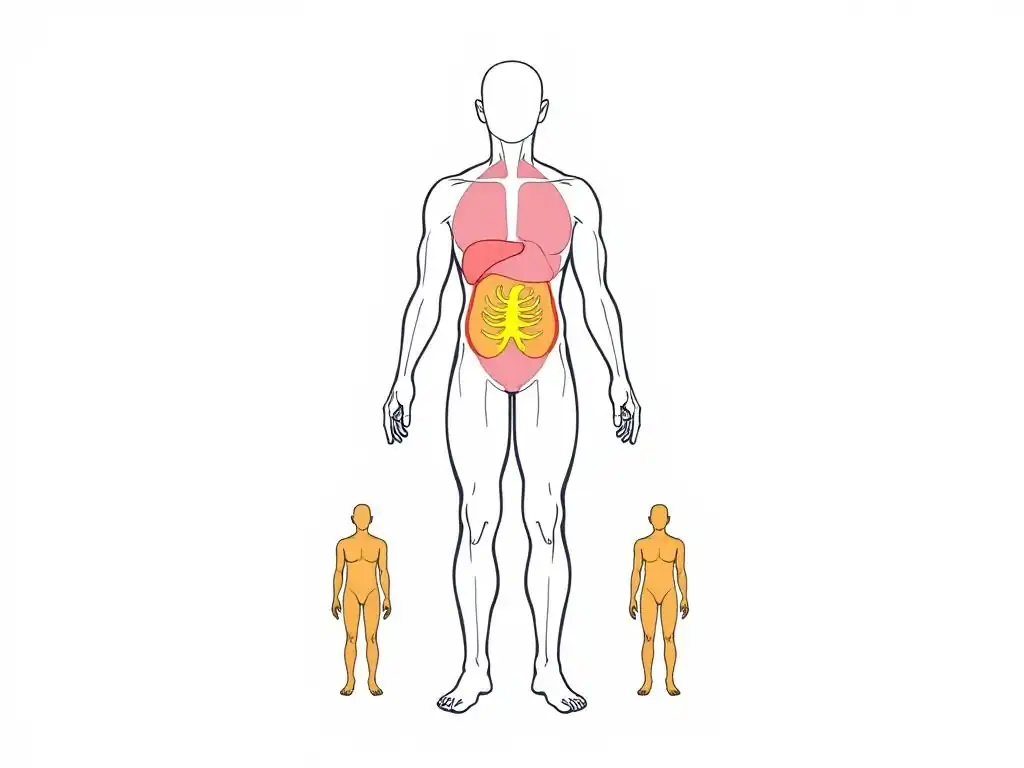
Many popular beliefs surrounding metabolism boosting are, unfortunately, misleading. Understanding these misconceptions is the first step towards achieving sustainable and healthy metabolic improvements. Focusing on quick fixes often leads to disappointment and can even be detrimental to your long-term health. Let's tackle some common myths head-on. The key to boosting your metabolism naturally quickly lies in sustainable lifestyle changes, not magic solutions.
Fasting for Metabolism Boost: Separating Fact from Fiction
The idea that intermittent fasting dramatically boosts metabolism is a pervasive myth. While some studies suggest potential benefits in specific contexts and for certain individuals, the overall evidence is inconclusive. The truth is more nuanced. Short-term fasting might lead to a temporary increase in metabolic rate, a phenomenon often attributed to the body's hormonal response to caloric restriction. However, this effect is usually short-lived and doesn't necessarily translate to significant long-term metabolic changes.
Moreover, prolonged or improperly implemented fasting can negatively impact metabolic function, leading to muscle loss and slowing down your metabolism in the long run. A healthy, balanced approach to nutrition is far more effective for sustained metabolic improvements than drastic fasting regimes. Consider consulting a nutritionist or doctor before undertaking any fasting program, especially if you have underlying health conditions. Individual responses vary greatly, and what works for one person may not be suitable for another.
Diet Pills and Metabolism: Understanding the Risks and Limitations
The allure of diet pills promising rapid metabolism boosts is strong, but the reality is often disappointing and potentially dangerous. Many of these products contain stimulants that temporarily increase energy expenditure, giving the illusion of a faster metabolism. However, these effects are often accompanied by unpleasant side effects such as increased heart rate, anxiety, and insomnia. Furthermore, the weight loss associated with these pills is often temporary and unsustainable. Once you stop taking them, your metabolism may return to its baseline, and you might even regain the lost weight.
More concerningly, some diet pills contain unregulated or even harmful ingredients. Long-term use can lead to serious health complications. Prioritizing a balanced diet and regular exercise is a far safer and more effective way to achieve sustainable weight management and boost metabolism naturally quickly. Always consult a doctor before considering any diet pills or supplements.
Metabolism Boosting Supplements: Evaluating Effectiveness and Safety
The market is flooded with supplements claiming to boost metabolism. However, many lack robust scientific evidence to support their claims. While some ingredients, like green tea extract or caffeine, might offer modest metabolic benefits, the effects are often small and vary significantly between individuals. It's crucial to approach these supplements with caution. Always check for third-party testing and verify the purity and quality of ingredients. Many supplements are not rigorously regulated, leading to potential contamination or inaccurate labeling. Furthermore, interacting supplements with medications can lead to unexpected and dangerous consequences. Before taking any metabolism-boosting supplement, consult your doctor or a registered dietitian to discuss potential benefits, risks, and interactions with your existing health conditions and medications. Prioritize a healthy diet and lifestyle as the foundation for a naturally boosted metabolism. Remember, the most effective way to boost metabolism naturally quickly is through sustainable lifestyle changes, not quick fixes or supplements.
Creating a Sustainable Metabolism-Boosting Lifestyle
This section focuses on building long-term habits to naturally and sustainably boost your metabolism. It's not about quick fixes; it's about making lasting changes that support your body's natural metabolic processes. Remember, a consistently high metabolism isn't just about weight loss; it's about overall health and energy levels. Let's explore how to achieve this.
Long-Term Strategies for Maintaining a Healthy Metabolism
Sustaining a boosted metabolism requires a holistic approach. It's not enough to implement a few changes for a week or two; you need to integrate these strategies into your daily life. Think of it as a lifestyle shift, not a diet.
One key element is consistent, moderate exercise. While intense bursts of activity can be beneficial, regular moderate-intensity cardio, such as brisk walking or cycling for 30-45 minutes most days of the week, is crucial for long-term metabolic health. This helps improve insulin sensitivity, a key factor in metabolic function. Additionally, incorporating strength training two to three times a week builds muscle mass, which boosts your resting metabolic rate (RMR). More muscle means more calories burned, even at rest!
Another crucial aspect is prioritizing sleep. Chronic sleep deprivation significantly impacts metabolic function. Aim for 7-9 hours of quality sleep each night. This allows your body to repair and rebuild, optimizing hormonal balance, including those that regulate metabolism. Consider establishing a relaxing bedtime routine to improve sleep quality.
Finally, stress management is paramount. Chronic stress elevates cortisol levels, which can negatively impact metabolism and lead to weight gain. Incorporate stress-reducing techniques into your daily routine, such as meditation, yoga, or spending time in nature. Even short breaks throughout the day can make a difference. These consistent efforts will contribute significantly to a naturally boosted metabolism over the long term.
Combining Diet, Exercise, and Lifestyle Changes for Optimal Results
To truly boost metabolism naturally quickly and sustainably, you need a synergistic approach that combines diet, exercise, and lifestyle changes. These components work together, amplifying each other's effects.
Consider the following example: Someone who incorporates regular high-intensity interval training (HIIT) workouts, eats a balanced diet rich in lean protein and whole grains, and manages stress through mindfulness meditation will experience a more significant and lasting metabolic boost than someone who only focuses on one area. The combination of these elements creates a powerful, holistic effect.
A well-balanced diet plays a pivotal role. Focus on consuming nutrient-dense foods, including plenty of fruits, vegetables, lean protein, and whole grains. These foods provide the necessary vitamins, minerals, and antioxidants to support optimal metabolic function. Limit processed foods, sugary drinks, and excessive saturated and unhealthy fats.
Remember, small changes accumulate. Even minor adjustments, like choosing water over sugary drinks or taking the stairs instead of the elevator, contribute to a healthier lifestyle and a naturally boosted metabolism. These seemingly insignificant choices, when consistently implemented, have a significant cumulative effect.
Monitoring Progress and Adjusting Your Approach
Tracking your progress is essential to ensure your strategies are effective and to make necessary adjustments. While you might not see immediate, dramatic results, consistent monitoring provides valuable feedback.
You can track your weight, body measurements, energy levels, and even sleep quality. Use a journal, fitness tracker, or a mobile app to record this data. This allows you to identify trends and make informed decisions about your approach. For example, if your energy levels are consistently low despite regular exercise, you might need to adjust your diet or address potential underlying health issues.
Remember, everyone's metabolism is unique. What works for one person might not work for another. Be patient and persistent, allowing time for your body to adapt to the changes you're making. If you're not seeing the results you desire after a few weeks, don't be discouraged. Re-evaluate your approach, making adjustments as needed. Consult a healthcare professional or registered dietitian for personalized guidance if necessary. The key is consistent effort and a willingness to adapt your strategy based on your individual needs and progress. This iterative process is key to achieving sustainable results in boosting your metabolism naturally.
Seeking Professional Guidance: When to Consult a Healthcare Professional
Before embarking on any significant lifestyle changes aimed at boosting your metabolism, especially if you have underlying health conditions, it's crucial to seek professional guidance. A healthcare professional, such as a doctor or registered dietitian, can provide personalized advice tailored to your specific needs and health status. Ignoring pre-existing conditions while attempting rapid metabolism boosts can be detrimental, potentially leading to unforeseen health complications.
For instance, individuals with thyroid issues, diabetes, or heart conditions should always consult their doctor before making drastic dietary or exercise changes. These conditions can significantly impact metabolic rate, and inappropriate interventions could worsen their symptoms. A doctor can perform necessary tests to identify any underlying issues that might be slowing your metabolism and recommend safe and effective strategies to address them. They can also help you differentiate between a naturally slower metabolism and a metabolism slowed by an underlying medical condition.
Furthermore, if you're experiencing unexplained weight loss or gain, persistent fatigue, or other unusual symptoms, consulting a healthcare professional is paramount. These symptoms could indicate a more serious underlying health problem that requires medical attention. Self-treating in such situations can be dangerous and delay appropriate medical intervention. A doctor can accurately diagnose the cause of your symptoms and develop a treatment plan that addresses both the underlying issue and your goal of boosting your metabolism naturally.
Remember, a healthy and sustainable approach to boosting your metabolism involves a holistic understanding of your individual health profile. Professional guidance ensures you're taking a safe and effective path towards achieving your health goals. Don't hesitate to reach out to a qualified healthcare professional; their expertise can be invaluable in your journey to a healthier, more energetic you.
They can help you create a personalized plan that considers your individual needs and helps you safely and effectively boost your metabolism naturally, quickly and sustainably. Ignoring professional advice can lead to setbacks and potentially harmful consequences. Prioritizing your health by seeking professional help is the cornerstone of a successful and sustainable metabolism-boosting journey.
Frequently Asked Questions
How can I boost my metabolism naturally and quickly?
While there's no magic bullet for instant results, combining regular exercise, a balanced diet rich in protein, and sufficient sleep will significantly boost your metabolism over time. Focus on sustainable lifestyle changes rather than quick fixes.
What foods help boost metabolism naturally?
Foods rich in protein (lean meats, fish, beans), fiber (fruits, vegetables, whole grains), and healthy fats (avocado, nuts, seeds) are excellent for boosting metabolism. Avoid processed foods and sugary drinks.
Does drinking a lot of water help boost metabolism?
Yes, staying hydrated is crucial for many bodily functions, including metabolism. Water helps your body process nutrients and burn calories more efficiently.
How much exercise is needed to boost metabolism naturally?
Aim for at least 150 minutes of moderate-intensity cardio per week, combined with strength training two to three times a week. Find activities you enjoy to ensure consistency.
Are there any supplements to help boost metabolism naturally?
While some supplements claim to boost metabolism, it's crucial to consult a doctor before taking them. A balanced diet and regular exercise are far more effective and safer long-term solutions.
Final Reflection: Igniting Your Inner Fire: A Natural Path to Metabolic Health
The pursuit of a naturally boosted metabolism isn't just a fleeting trend; it's a fundamental key to unlocking vibrant health and sustained energy. Ignoring the power of natural metabolic optimization in today's fast-paced world is akin to ignoring the sun's life-giving energy – we miss out on a crucial source of well-being. This article has explored practical, evidence-based strategies to achieve this, highlighting the profound impact small changes can have on our overall health.
The journey to a naturally thriving metabolism is a deeply personal one, reflecting our individual lifestyles and commitments to well-being. It's a journey that transcends simple weight management; it's about cultivating a relationship with our bodies that fosters vitality and resilience. The body achieves what the mind believes.
This quote underscores the power of mindset in achieving our health goals, reminding us that consistent effort and positive self-talk are as crucial as the dietary and lifestyle changes themselves. The ongoing influence of this knowledge extends beyond the individual, impacting families and communities as we collectively prioritize natural wellness.
Now, consider your own journey. What small, sustainable changes can you integrate into your daily routine to ignite your inner fire? Perhaps it's incorporating more mindful movement, prioritizing sleep, or consciously choosing nutrient-rich foods. Don't underestimate the power of these seemingly small steps; they are the building blocks of a healthier, more energetic you. Embrace the journey, celebrate your progress, and remember that true metabolic health is a marathon, not a sprint. Let's unlock our natural potential together.
Unleash Your Inner Energy: Jumpstart Your Metabolism Today!
Thank you for exploring the surprising secrets to naturally boosting your metabolism! You've gained valuable knowledge to transform your health. Ready to put it into action?
- Prioritize Key Strategies: Begin today by incorporating at least one of the following into your daily routine: adding more spices to your meals, focusing on protein-rich foods, or increasing your water intake. Even small changes can make a big difference!
- Share Your Success: Inspire others by sharing your experiences and initial results in the comments below. Which change are you most excited to try first?
- Track Your Progress: Keep a food journal and note how you feel over the next week. This will help you monitor your success and make necessary adjustments.
What unexpected benefits do you anticipate as you naturally boost your metabolism?