
Light's Out: Expert Tips for Blocking Light and Enhancing Sleep Quality

Ready to unlock the secret to truly restful sleep? At UltimateLifeHacks, we're dedicated to simplifying your life and boosting your productivity. Our latest Health & Fitness Hack dives deep into the surprising connection between blocking light and dramatically improving your sleep quality. Discover how even small changes can make a huge difference in your energy levels and overall well-being. Learn the proven techniques behind " Block light improve sleep quality" and start experiencing the transformative power of a good night's rest. Let's get started!
- Understanding the Impact of Light on Sleep Quality
- Effective Strategies to Block Light and Improve Sleep
- Beyond the Bedroom: Minimizing Light Exposure Throughout Your Home
- Advanced Techniques for Enhanced Sleep Quality Through Light Control
- Measuring Your Success: Tracking Sleep Improvement
- Frequently Asked Questions
- Final Reflection: Reclaiming the Night: Sleep, Light, and the Pursuit of Well-being
- Unlock Your Best Sleep Yet: Simple Steps to Darkness & Deeper Rest
Understanding the Impact of Light on Sleep Quality
Our modern lives, filled with the constant glow of screens and artificial lighting, often disrupt our natural sleep cycles. This article delves into the crucial relationship between light exposure and sleep quality, providing expert tips on how to effectively block light and significantly improve your rest. We'll explore the science behind how light affects melatonin production, the importance of maintaining a healthy circadian rhythm, and the specific detrimental effects of blue light emitted from electronic devices.
By understanding these mechanisms, you can implement practical strategies to create a sleep sanctuary and enjoy the restorative power of truly quality sleep. This is crucial for overall health and well-being, impacting everything from mood and energy levels to cognitive function and long-term health. Learning to effectively block light to improve sleep quality is an investment in your future self.
How Light Exposure Affects Melatonin Production
Melatonin, often called the "sleep hormone," is a crucial chemical messenger produced by the pineal gland in your brain. Its production is intricately tied to light exposure. When darkness falls, your body begins to produce melatonin, signaling to your body that it's time to wind down and prepare for sleep.
Conversely, exposure to light, especially bright light, suppresses melatonin production, making it harder to fall asleep and impacting the quality of your sleep. Studies have shown that even dim light at night can significantly reduce melatonin levels. This reduction in melatonin can lead to symptoms such as difficulty falling asleep, frequent awakenings, and a general feeling of unrest during the night.
The amount of melatonin suppression is directly correlated with the intensity and duration of light exposure. For example, exposure to bright streetlights outside your bedroom window will have a more significant impact than the faint glow of a digital clock.
The Role of Circadian Rhythm in Sleep Regulation
Our circadian rhythm is our internal biological clock, a roughly 24-hour cycle that regulates various physiological processes, including sleep-wake cycles. This rhythm is heavily influenced by light exposure. Exposure to light during the day helps to synchronize our circadian rhythm, promoting alertness and suppressing melatonin. Conversely, darkness signals the body to release melatonin and prepare for sleep.
Disruptions to this natural rhythm, such as exposure to light at night or irregular sleep schedules, can lead to sleep disorders and negatively impact overall health. Maintaining a consistent sleep schedule, even on weekends, is crucial for regulating your circadian rhythm and optimizing sleep quality. Similarly, getting sufficient sunlight exposure during the day helps to reinforce this natural cycle. Think of it as resetting your internal clock daily to ensure it's running smoothly and accurately.
Blue Light's Negative Influence on Sleep
Blue light, emitted by electronic devices such as smartphones, tablets, and computers, is particularly disruptive to sleep. Unlike other wavelengths of light, blue light is particularly effective at suppressing melatonin production. This means that even looking at your phone before bed can significantly delay your sleep onset and reduce the quality of your sleep.
The intensity of blue light emitted by these devices is often higher than other light sources, further exacerbating this effect. Moreover, the habit of using these devices in bed often keeps individuals awake, stimulating the mind and keeping them alert well past their bedtime. To mitigate the negative effects of blue light, consider using blue light-blocking glasses, reducing screen time before bed, and adjusting the color temperature settings on your devices to reduce blue light emission.
A significant reduction in blue light exposure in the hours leading up to sleep can translate into a marked improvement in sleep quality and overall well-being. 😴
Effective Strategies to Block Light and Improve Sleep
This section delves into practical, actionable strategies to effectively block light and consequently enhance your sleep quality. We'll explore various methods, from simple adjustments to your bedroom to utilizing technology to minimize light exposure. Remember, consistent implementation of these techniques is key to experiencing the benefits of a truly dark sleep environment. Optimizing your sleep environment for darkness is crucial for regulating your circadian rhythm and achieving restorative sleep.
Optimizing Your Bedroom Environment for Darkness
Creating a pitch-black bedroom is paramount for maximizing melatonin production and achieving deep, restful sleep. Even small amounts of light can disrupt your sleep cycle. Here's how to transform your bedroom into a sanctuary of darkness:
Choosing the Right Blackout Curtains or Shades
Investing in high-quality blackout curtains or shades is a cornerstone of effective light blocking. Look for curtains with a dense weave and a dark lining, preferably black. The thicker the material, the better it will block light. Consider the light-blocking capabilities of different materials.
For instance, thermal blackout curtains often offer superior light blocking compared to standard blackout curtains due to their multiple layers. Measuring your windows accurately before purchasing is crucial to ensure a proper fit and optimal light blockage. Poorly fitting curtains can leave gaps, allowing light to seep through. Don't underestimate the impact of this seemingly small detail; even a sliver of light can significantly impact your sleep.
Sealing Gaps and Cracks to Prevent Light Leakage
Even with blackout curtains, light can sneak in through gaps and cracks around your windows and doors. Address these vulnerabilities with simple, yet effective solutions. Use weather stripping or caulk to seal any gaps around window frames and doors. Consider installing door sweeps to prevent light from entering under your door. These seemingly small actions can make a surprisingly significant difference in the overall darkness of your room. Pay close attention to areas where light might penetrate – sometimes, a seemingly insignificant crack can significantly reduce the darkness of your room.
Using Light-Blocking Window Films
For a less intrusive solution than curtains, consider light-blocking window films. These films adhere directly to your windows, effectively reducing the amount of light entering your room. They are a particularly good option for renters who are unable to install curtains. Several types of window films exist, offering varying degrees of light blockage. Research different options to find one that meets your specific needs and preferences. Remember to carefully follow the manufacturer's instructions for proper application to avoid bubbles or creases, which might compromise their effectiveness.
Utilizing Technology to Minimize Light Exposure
Technology plays a significant role in our lives, often extending into our bedrooms. However, the blue light emitted from electronic devices can interfere with melatonin production, hindering sleep. Here's how to mitigate this:
Setting Up a Night Mode on Your Devices
Most smartphones, tablets, and computers offer a "night mode" or "dark mode" setting. This feature reduces the amount of blue light emitted from the screen, making it easier on your eyes and promoting better sleep. Activating night mode at least an hour before bedtime is recommended. Experiment with the intensity of the night mode setting to find a level that's comfortable for you without sacrificing readability. Consistency is key; make it a habit to turn on night mode every evening.
Using Blue Light Blocking Glasses
For those who use screens frequently before bed, blue light blocking glasses can be a valuable tool. These glasses filter out blue light, reducing its impact on your sleep. Choose glasses with a reputable certification to ensure effectiveness. Not all blue light glasses are created equal; research different options and choose a pair that is comfortable for you and effectively blocks blue light. Remember, these glasses are a supplementary tool; they should be used in conjunction with other light-blocking strategies.
Creating a Relaxing Pre-Sleep Routine to Reduce Screen Time
Establishing a relaxing pre-sleep routine is critical to minimizing screen time before bed. This routine could include activities such as reading a physical book, taking a warm bath, or practicing mindfulness meditation. These activities promote relaxation and help signal to your body that it's time to sleep. Avoid using screens for at least 30 minutes to an hour before bedtime to allow your body to naturally prepare for sleep. The goal is to create a calming environment that reduces stress and promotes better sleep. Experiment with different activities to discover what works best for you.
Beyond the Bedroom: Minimizing Light Exposure Throughout Your Home
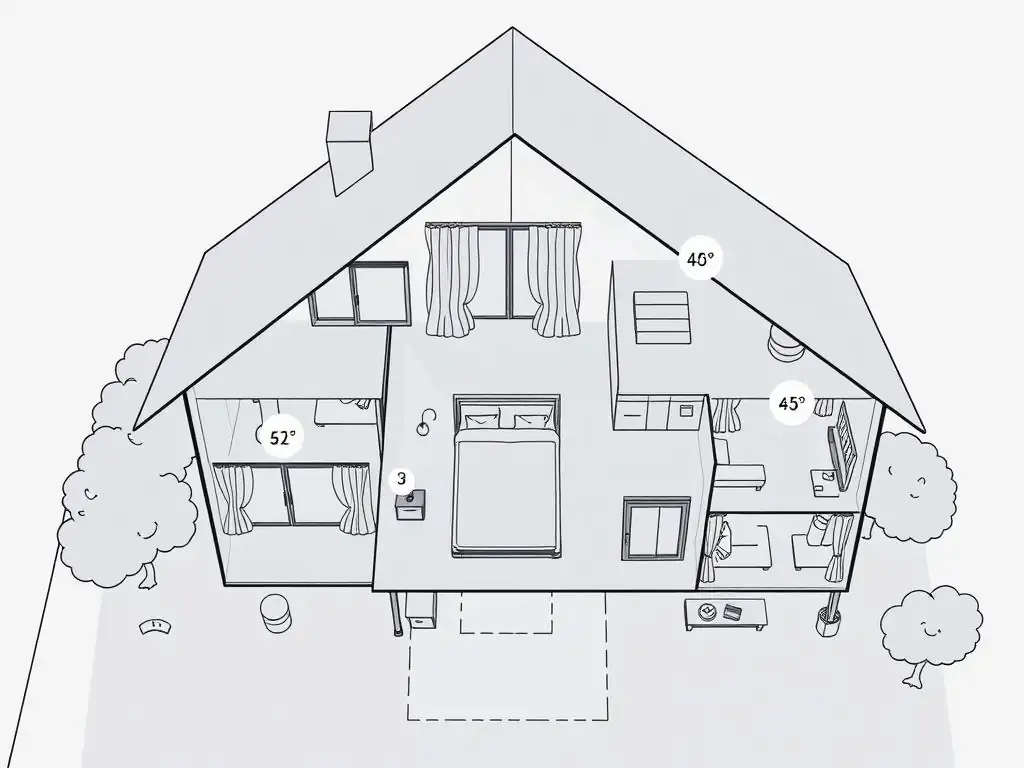
This section focuses on extending your light-blocking strategies beyond the confines of your bedroom to create a truly conducive environment for optimal sleep. Even small amounts of light exposure outside the bedroom can significantly impact melatonin production and sleep quality. By proactively minimizing light throughout your home, you can enhance your body's natural sleep-wake cycle and improve the restorative power of your sleep.
Remember, the goal is to create a consistently dark environment, promoting the release of melatonin and preparing your body for restful sleep. This holistic approach to light control is crucial for achieving consistent improvements in sleep quality. Let's explore effective strategies to achieve this.
Dimming Lights in the Evening
As evening approaches, gradually dimming your home's lighting is crucial for signaling your body to prepare for sleep. Sharp transitions from bright light to darkness can disrupt your circadian rhythm. Instead, opt for a gradual dimming process, starting about an hour or two before your desired bedtime. This allows your body to naturally adjust to decreasing light levels. Consider using dimmers on your light switches for a seamless transition.
Alternatively, using low-wattage bulbs or lamps with adjustable brightness levels can achieve the same effect. Experiment with different lighting levels to find what works best for you. Remember, the aim is to create a calming and relaxing atmosphere that promotes sleep. Avoid harsh, bright lights during this time. This gentle approach to light reduction significantly aids in improving sleep quality and reducing nighttime awakenings.
Using Nightlights Strategically
Nightlights can be helpful for navigating your home safely at night, especially for those prone to nighttime trips to the bathroom. However, even low-level light from nightlights can interfere with sleep quality if not used strategically. Instead of opting for bright nightlights, consider using dim, red-spectrum nightlights. Red light has a minimal impact on melatonin production compared to blue or white light.
Place the nightlight strategically – far away from your bed and ideally in areas only requiring minimal illumination. You want enough light to navigate safely, but not so much that it interferes with your sleep cycle. Consider using motion-sensor nightlights that only illuminate when needed, further minimizing light exposure. Strategic placement and the choice of the correct type of nightlight can ensure safety without compromising the darkness crucial for good sleep.
Minimizing Street Light Interference
Streetlights, while essential for safety, can significantly disrupt sleep if their light penetrates your bedroom. If you live in an area with bright streetlights, consider investing in blackout curtains or blinds specifically designed to block light. These are more effective than regular curtains and can significantly reduce light intrusion. Another option is to use heavy, dark-colored curtains layered with a lining to enhance light-blocking capabilities.
If possible, strategic plant placement outside your bedroom window can also help to diffuse streetlight, creating a softer, less intrusive light source. Consider the angle of the streetlight in relation to your window and experiment with different solutions to find the most effective method for blocking light and improving sleep quality. This proactive approach to managing external light sources is crucial for improving sleep hygiene and achieving better sleep.
Advanced Techniques for Enhanced Sleep Quality Through Light Control
This section delves into sophisticated strategies beyond basic light blocking to optimize your sleep environment and significantly improve sleep quality. We'll explore methods to leverage light, not just to block it, but to actively enhance your body's natural sleep-wake cycle. Mastering these techniques will elevate your sleep hygiene to a new level, leading to more restorative and rejuvenating rest. Remember, consistently implementing these strategies is key to experiencing their full benefits. The goal is to create a personalized sleep sanctuary that promotes optimal sleep regulation and helps you achieve the restorative sleep you deserve.
Light Therapy for Sleep Disorders (Addressing specific disorders)
Light therapy, often associated with treating seasonal affective disorder (SAD), also holds significant promise for managing other sleep disorders. Specifically, phototherapy can be a powerful tool in addressing certain sleep disturbances. The use of carefully calibrated light exposure at specific times of day can help reset the body's internal clock (circadian rhythm), regulating melatonin production and improving sleep patterns.
For example, individuals suffering from delayed sleep-wake phase disorder (DSWPD), characterized by a delayed sleep onset and awakening time, might benefit from morning light exposure. This helps shift the circadian rhythm earlier, promoting earlier sleep onset. Conversely, those with advanced sleep-wake phase disorder (ASWPD), who fall asleep and wake up very early, may benefit from evening light exposure to delay their sleep-wake cycle.
The intensity and duration of light therapy should be determined in consultation with a healthcare professional or sleep specialist. Improper use can be counterproductive. It's crucial to understand that light therapy is not a standalone solution and should be part of a comprehensive sleep improvement plan. Other factors, including diet, exercise, and stress management, play equally vital roles in achieving optimal sleep quality. Furthermore, the type of light used is also crucial – full-spectrum light boxes are generally preferred over regular indoor lighting.
Creating a Personalized Sleep Sanctuary
Designing a personalized sleep sanctuary is about creating an environment that optimally supports sleep. This goes beyond simply blocking light; it's about creating a holistic experience that promotes relaxation and reduces sleep disturbances.
Consider these elements:
- Optimal Temperature: A slightly cool room (around 65°F or 18°C) is generally ideal for sleep. Too warm, and you'll toss and turn; too cold, and you'll shiver.
- Noise Reduction: Minimize noise distractions with earplugs, white noise machines, or even a fan. Experiment to find what works best for you.
- Comfortable Bedding: Invest in high-quality bedding – sheets, pillows, and a mattress – that are comfortable and supportive.
- Aromatherapy: Certain scents, like lavender, chamomile, or sandalwood, are known to promote relaxation and sleep. Use essential oils cautiously and always dilute them properly.
- Darkness Control: Beyond blackout curtains, consider using eye masks to completely block out light. Even small amounts of light can disrupt sleep.
- Decluttering: A clean and organized bedroom promotes a sense of calm and reduces stress, contributing to better sleep.
This holistic approach to creating your sleep sanctuary is crucial. Even small improvements in one area can create a significant positive impact on your sleep quality. Remember to prioritize comfort and relaxation, and personalize your environment to best suit your needs.
The Importance of Consistent Sleep Schedule for Better Sleep Regulation
Maintaining a consistent sleep schedule is paramount for regulating your circadian rhythm and improving sleep quality. Going to bed and waking up at the same time each day, even on weekends, helps to synchronize your body's natural sleep-wake cycle, leading to more regular and restful sleep.
Inconsistent sleep patterns disrupt this natural rhythm, making it harder to fall asleep and wake up feeling refreshed. This inconsistency can lead to sleep deprivation and negatively impact various aspects of physical and mental health.
Think of your circadian rhythm as a highly sensitive internal clock. Regularity is key to keeping it running smoothly. While occasional deviations are inevitable, strive for consistency as much as possible. The benefits of a consistent sleep schedule extend beyond simply feeling more rested; it can improve mood, cognitive function, and overall well-being. This simple yet powerful strategy is a cornerstone of effective sleep hygiene and should be considered a non-negotiable aspect of any sleep optimization plan. Prioritize it, and you'll reap the rewards in improved sleep quality and overall health.
Measuring Your Success: Tracking Sleep Improvement
Successfully blocking light to improve sleep quality isn't just about implementing strategies; it's about verifying their effectiveness. Tracking your progress allows you to fine-tune your approach and celebrate your achievements. This section details practical methods to monitor your sleep improvements and understand what's working best for you. Consistent monitoring is key to optimizing your sleep hygiene and achieving long-term benefits. Remember, even small improvements contribute to better overall health and well-being.
Monitoring Sleep Patterns with Sleep Trackers
Sleep trackers, whether wrist-worn devices or smartphone apps, offer a quantifiable way to monitor your sleep. These tools provide data on various sleep stages (light, deep, REM), sleep duration, and even sleep disruptions. By consistently using a tracker alongside your light-blocking efforts, you can observe correlations between reduced light exposure and improved sleep metrics. For example, you might notice a significant increase in deep sleep duration after consistently using blackout curtains.
Analyzing the data generated by these trackers allows for a personalized approach. If you notice that despite blocking light, you still experience frequent awakenings, you can investigate other potential contributing factors, such as caffeine intake or stress levels. The objective data provided by trackers helps to separate subjective feelings about sleep quality from objective measurements, leading to more effective adjustments to your sleep routine. Different trackers offer different features; some even monitor heart rate variability and breathing patterns, providing a more comprehensive picture of your sleep health. Remember to choose a tracker that aligns with your needs and budget.
Recognizing Signs of Improved Sleep Quality
Beyond the quantifiable data from sleep trackers, several qualitative indicators signal improved sleep quality after successfully blocking light. These subjective measures are just as important, providing a holistic view of your sleep improvement journey. Pay attention to the following:
- Increased Energy Levels Throughout the Day: This is arguably the most significant indicator. If you consistently wake up feeling refreshed and energized, even without an alarm, it's a strong sign that your sleep quality has improved. This sustained energy will positively impact your productivity and overall mood.
- Improved Mood and Reduced Irritability: Poor sleep often leads to irritability, mood swings, and difficulty concentrating. Noticeable improvements in these areas suggest a positive change in your sleep patterns. Observe how your emotional responses to daily stressors change.
- Enhanced Cognitive Function: Better sleep directly translates to improved cognitive function, including memory, focus, and decision-making. You might find yourself more alert, sharper, and better able to concentrate on tasks that previously felt challenging.
- Reduced Daytime Sleepiness: The absence of excessive daytime sleepiness is a critical marker of sufficient and restorative sleep. If you find yourself less likely to succumb to the urge to nap during the day, it's a good indication that your nighttime sleep is meeting your body's needs.
- Easier Falling Asleep and Staying Asleep: This is a fundamental aspect of improved sleep quality. If you find yourself falling asleep more quickly and experiencing fewer nighttime awakenings, your efforts to block light are likely contributing to a more restful sleep.
By combining objective data from sleep trackers with these subjective observations, you gain a comprehensive understanding of how effectively light-blocking strategies are improving your sleep. Remember, consistency is key. Track your progress regularly, and don't hesitate to adjust your approach based on your observations. The goal is to create a sustainable sleep routine that promotes long-term health and well-being.
Frequently Asked Questions
How does light affect my sleep?
Light, especially blue light from screens, suppresses the production of melatonin, a hormone crucial for sleep. Exposure to light before bed can delay your sleep onset and reduce sleep quality. Minimizing light exposure before bed is key.
What are the best ways to block light in my bedroom?
Use blackout curtains or sleep masks to effectively block out external light sources. Consider light-blocking blinds or caulk any gaps around windows. A darker room promotes better sleep.
Are there any specific types of light I should avoid before bed?
Yes, blue light emitted from electronic devices like phones, tablets, and computers is particularly disruptive to sleep. Avoid screens for at least an hour before bed. Warm-toned lighting is a better alternative.
How can I improve my sleep quality beyond blocking light?
Maintaining a consistent sleep schedule, creating a relaxing bedtime routine, and ensuring your bedroom is cool, quiet, and comfortable are all important factors. Consider limiting caffeine and alcohol before bed.
What if I still struggle to sleep despite blocking light?
If you continue to experience sleep problems despite implementing these strategies, consult a sleep specialist or your doctor. Underlying medical conditions or sleep disorders could be contributing factors. Professional help is readily available.
Final Reflection: Reclaiming the Night: Sleep, Light, and the Pursuit of Well-being
The relentless glow of our digital age is robbing us of something precious: restorative sleep. The consequences of insufficient, poor-quality sleep are far-reaching, impacting not only our mood and energy levels but also our physical and mental health in profound ways. This article has explored the crucial role light plays in regulating our circadian rhythm, highlighting practical strategies to optimize our sleep environment and reclaim the restorative power of darkness.
The impact of light pollution on our sleep patterns is a growing concern, subtly altering our natural rhythms and contributing to a widespread sleep deficit. Sleep is the golden chain that binds health and our bodies together.
This quote, though not directly about light, underscores the fundamental importance of sleep to our overall well-being, a truth often overlooked in our fast-paced, always-on world. Understanding the science behind light's influence on sleep allows us to take proactive steps to improve our health and happiness, fostering a more harmonious relationship with our natural sleep-wake cycles.
Now, consider your own sleep habits. What steps can you take tonight to create a sanctuary of darkness? Perhaps it's investing in blackout curtains, dimming the lights an hour before bed, or unplugging from screens. Start small, make conscious choices, and observe the transformative effects of prioritizing sleep. Remember, the journey to better sleep begins with a single, well-lit step—in the right direction.
Unlock Your Best Sleep Yet: Simple Steps to Darkness & Deeper Rest
Thank you for exploring ways to improve your sleep! We hope you found our insights on minimizing light exposure helpful. Now let's put that knowledge into practice.
- Optimize your sleep environment: Identify sources of light, such as streetlights or electronic devices, and find ways to minimize their impact. This might involve using blackout curtains, an eye mask, or simply rearranging your furniture. This is a crucial step towards better sleep!
- Share your sleep tips: What's your best strategy for creating a dark and peaceful sleep space? Share your ideas in the comments below! Let's build a supportive community dedicated to improving sleep.
- Try a "digital sunset": Dim the lights and avoid screens an hour before bedtime. You'll likely notice a significant improvement in your sleep quality.
Ready for truly restorative sleep? What small change will you implement tonight to reduce light exposure and improve your rest?