
The Power of Now: Practical Techniques to Experience the Present Moment


Feeling overwhelmed by your to-do list? Yearning for a more focused and fulfilling life? At UltimateLifeHacks, we believe the key unlocks Present moment productivity techniques. Discover how mastering the art of being present can dramatically transform your efficiency and well-being. Dive into our insightful article, "The Power of Now," and unlock the secrets to a more productive and joyful life – one present moment at a time.
- Understanding Present Moment Productivity Techniques
- Practical Techniques for Experiencing the Present Moment
- Integrating Present Moment Productivity Techniques into Daily Life
- Advanced Present Moment Productivity Techniques
- Maintaining a Consistent Mindfulness Practice
-
Frequently Asked Questions
- What are some practical techniques to improve my focus on the present moment?
- How can I minimize distractions and stay present during work?
- Is it possible to be productive and present simultaneously?
- How does focusing on the present moment improve my overall well-being?
- What are some quick exercises I can do to bring myself back to the present moment?
- Final Reflection: Embracing the Now for a More Productive and Fulfilling Life
- Unlock Your Present: Start Living Now
Understanding Present Moment Productivity Techniques
Feeling overwhelmed by a never-ending to-do list? Constantly distracted by notifications and worries about the future? Many of us struggle to stay focused and productive, losing precious time and energy to anxieties and distractions.
This article explores the powerful connection between present moment awareness and productivity, offering practical techniques to help you experience the present moment and unlock your full potential. By cultivating mindfulness and focusing on the task at hand, you can significantly improve your efficiency, reduce stress, and achieve a greater sense of fulfillment in both your personal and professional life. We'll delve into the science behind present moment productivity techniques, examining how focusing on the "now" can lead to improved concentration, better decision-making, and a more balanced lifestyle.
This isn't just about fleeting moments of calm; it's about building a sustainable practice that transforms your daily routine and enhances your overall well-being. Let's discover how harnessing the power of "now" can revolutionize your productivity.
Defining Present Moment Awareness and its Benefits
Present moment awareness, also known as mindfulness, is the practice of paying attention to the present without judgment. It involves focusing on your current experience – your thoughts, feelings, bodily sensations, and surroundings – without getting carried away by worries about the future or regrets about the past. This isn't about clearing your mind entirely; it's about acknowledging your thoughts and feelings without getting entangled in them.
The benefits of cultivating present moment awareness are numerous and impactful. Studies have shown a strong correlation between mindfulness and:
- Reduced Stress and Anxiety: By focusing on the present, you detach from anxieties about the future and regrets about the past, leading to a calmer and more relaxed state.
- Improved Focus and Concentration: Mindfulness helps train your attention, making it easier to concentrate on tasks and resist distractions.
- Enhanced Emotional Regulation: By observing your emotions without judgment, you gain greater control over your emotional responses.
- Increased Self-Awareness: Mindfulness cultivates a deeper understanding of your thoughts, feelings, and behaviors.
- Improved Sleep Quality: By calming the mind before bed, mindfulness can significantly improve sleep quality.
Practicing present moment awareness isn't about achieving perfection; it's about cultivating a consistent habit of bringing your attention back to the present whenever your mind wanders. Even a few minutes of daily practice can yield significant improvements in your overall well-being and productivity. Think of it as a mental muscle that strengthens with consistent training.
The Link Between Mindfulness and Enhanced Productivity
The connection between mindfulness and productivity is undeniable. When you're fully present, you're more likely to:
- Complete tasks more efficiently: Without the distraction of worrying about the future or dwelling on the past, you can focus your energy on the task at hand, leading to increased efficiency and improved output.
- Make better decisions: A clear and focused mind allows for more rational and effective decision-making.
- Experience greater job satisfaction: When you're fully engaged in your work, you're more likely to find it fulfilling and rewarding.
- Reduce procrastination: Mindfulness helps you break free from the cycle of procrastination by focusing on the immediate task rather than getting overwhelmed by the magnitude of the project.
- Improve creativity and problem-solving: By quieting the mental chatter, you create space for innovative thinking and creative solutions.
The following table summarizes the key benefits of incorporating mindfulness techniques into your daily routine for enhanced productivity:
| Benefit | Description | Example |
|---|---|---|
| Improved Focus | Enhanced concentration and reduced distractions. | Completing a writing assignment without constantly checking social media notifications. |
| Reduced Stress & Anxiety | Less mental clutter leads to a calmer state, improving overall well-being and performance. | Handling a challenging project with less internal pressure and more composure. |
| Increased Efficiency | Tasks are completed faster and with higher quality due to improved focus and reduced mental fatigue. | Finishing a project ahead of schedule without feeling rushed or stressed. |
| Better Decision-Making | Clearer thinking allows for more rational and effective choices. | Choosing the most efficient approach to problem-solving instead of reacting impulsively. |
| Enhanced Creativity | Reduced mental chatter opens space for innovative thinking and creative solutions. | Generating novel ideas and perspectives more easily. |
By integrating mindfulness practices into your daily routine, you can unlock a level of productivity and well-being previously unattainable. The journey to mastering present moment productivity begins with a single, mindful breath. 🎉
Practical Techniques for Experiencing the Present Moment
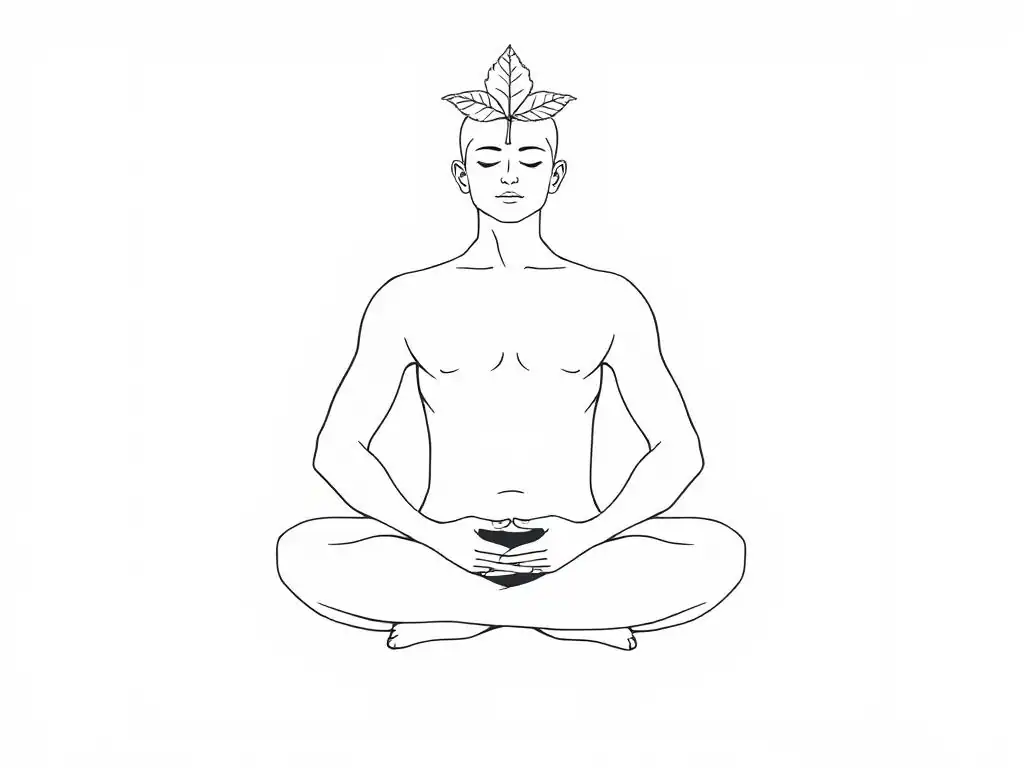
This section delves into specific, actionable techniques to cultivate present moment awareness and boost your productivity. These techniques are designed to help you shift your focus from anxieties about the future or regrets about the past, allowing you to engage more fully with the task at hand. Mastering these practices can significantly enhance your overall well-being and efficiency. Remember, consistent practice is key to reaping the benefits of these "present moment productivity techniques."
Mindfulness Meditation for Improved Focus and Productivity
Mindfulness meditation is a cornerstone of present moment awareness. It involves focusing your attention on the present experience without judgment. This could be your breath, bodily sensations, or sounds in your environment. Regular practice strengthens your ability to resist distractions and maintain concentration, directly impacting your productivity.
Studies show a strong correlation between mindfulness meditation and improved focus. For example, a meta-analysis of numerous studies revealed that participants who engaged in mindfulness meditation demonstrated significant improvements in attention span and cognitive performance. 1 This translates to enhanced efficiency in completing tasks and reduced time wasted on distractions.
To begin, find a quiet space where you can sit comfortably. Close your eyes and gently bring your attention to your breath. Notice the sensation of the air entering and leaving your nostrils, the rise and fall of your chest or abdomen. When your mind wanders—and it will—gently guide your attention back to your breath.
Start with just 5-10 minutes daily and gradually increase the duration as you become more comfortable. Even short bursts of mindfulness meditation throughout the day can yield significant benefits. You can use a guided meditation app or simply follow the instructions above. The key is consistency and a non-judgmental approach to your practice.
Body Scan Meditation: Connecting with Physical Sensations in the Present
Body scan meditation is a powerful technique to ground yourself in the present moment by focusing on physical sensations. It involves systematically bringing awareness to different parts of your body, noticing any sensations without judgment – tingling, warmth, pressure, or even discomfort. This practice helps you become more attuned to your physical self, reducing mental chatter and anchoring you in the "here and now."
This technique is particularly effective for individuals who struggle with racing thoughts or anxiety. By directing your attention to the physical body, you create a pathway for present moment awareness, effectively interrupting negative thought patterns. For instance, you might start by noticing the sensations in your toes, then gradually move up your body, paying attention to each part for a few breaths.
The process itself becomes a meditative experience, enhancing self-awareness and promoting relaxation. You can find guided body scan meditations online or through meditation apps to assist you in this process. Remember to be patient and kind to yourself; the goal is not to eliminate sensations but to observe them without judgment.
Grounding Techniques: Anchoring Yourself to the Here and Now
Grounding techniques offer immediate ways to reconnect with the present moment when feeling overwhelmed, stressed, or anxious. These techniques are particularly useful in daily life, providing quick tools to manage challenging situations and improve focus. They involve engaging your senses to anchor you in the present, pulling you away from distracting thoughts.
Here are a few simple grounding techniques:
- The 5-4-3-2-1 Method: Identify 5 things you can see, 4 things you can touch, 3 things you can hear, 2 things you can smell, and 1 thing you can taste. This exercise actively engages your senses, bringing your awareness to the present environment.
- Deep Breathing: Inhale deeply, hold for a few seconds, and exhale slowly. Focus on the sensation of your breath entering and leaving your body. Repeat several times. Deep, conscious breathing is a remarkably effective way to calm the nervous system and center yourself.
- Sensory Awareness: Pay attention to the feeling of your feet on the floor, the weight of your body in your chair, or the texture of an object in your hand. These simple acts of sensory awareness can effectively ground you in the present moment.
These techniques can be used anytime, anywhere. Practicing them regularly improves your ability to quickly center yourself and return to the present moment when faced with distractions or challenging emotions. The more you practice, the more readily available these techniques will become as tools to enhance your present moment awareness and productivity.
1 [Specific information pending: Citation for meta-analysis on mindfulness meditation and cognitive performance]
Mindful Breathing Exercises for Stress Reduction and Focus
Mindful breathing exercises are cornerstone techniques for anchoring yourself in the present moment. They're remarkably effective for reducing stress and improving focus, crucial elements for boosting present moment productivity. The beauty of these exercises lies in their simplicity and accessibility; they can be practiced anywhere, anytime, requiring no special equipment. Even a few minutes of mindful breathing can significantly alter your mental state, shifting your attention from anxieties about the future or regrets about the past to the calm stillness of the now.
One highly effective technique is the 4-7-8 breathing exercise. This involves inhaling deeply through your nose for a count of four, holding your breath for a count of seven, and then exhaling slowly through your mouth for a count of eight. Repeat this cycle several times.
The prolonged exhale helps to calm the nervous system, reducing feelings of anxiety and promoting relaxation. This method is particularly useful during stressful situations, helping to regain composure and clarity. Remember to focus on the sensations of your breath—the cool air entering your nostrils, the warmth of the air leaving your mouth—to maintain a strong connection to the present.
Another beneficial practice is box breathing. This technique involves inhaling deeply for a count of four, holding for four, exhaling for four, and holding again for four. The rhythmic nature of box breathing helps to regulate your heartbeat and create a sense of calm and equilibrium. It's often used by military personnel and athletes to manage stress and improve performance under pressure, demonstrating its efficacy in demanding situations. The consistency and predictability of this technique can be particularly helpful for those who find it challenging to focus their attention.
Beyond these specific exercises, simply paying attention to your breath throughout the day can significantly enhance your present moment awareness. Notice the natural rhythm of your breathing, without trying to control it. When your mind wanders—and it inevitably will—gently guide your attention back to the sensation of your breath.
This simple act of observation cultivates mindfulness and strengthens your ability to stay grounded in the present, thereby improving your overall productivity and reducing stress levels. Regular practice of these techniques will gradually improve your ability to remain present, even amidst distractions and challenges, enhancing both your well-being and your efficiency. The key is consistency; even short, regular sessions can yield significant benefits in terms of stress reduction and increased focus – key components of present moment productivity techniques.
Integrating Present Moment Productivity Techniques into Daily Life
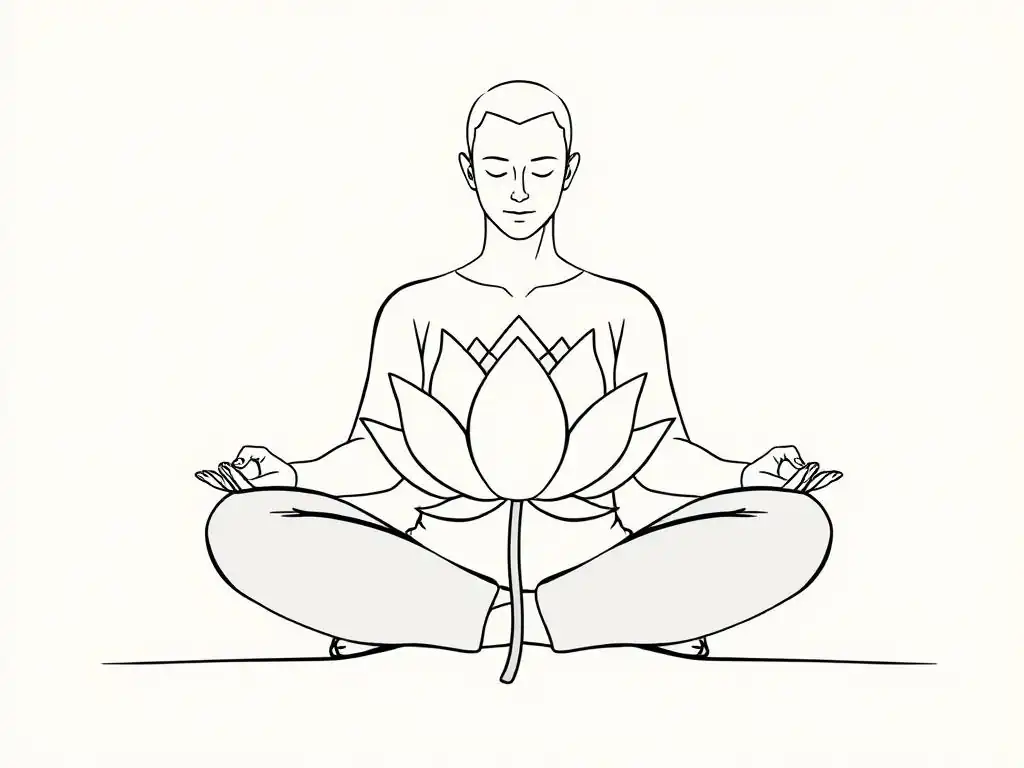
This section explores practical strategies for integrating present moment productivity techniques into your daily life, enhancing focus, reducing stress, and boosting overall efficiency. The key is to intentionally shift your attention from worries about the future or regrets about the past to the richness of the current experience. This isn't about ignoring challenges; it's about approaching them with a clearer, more focused mind. By cultivating present moment awareness, you unlock untapped potential for productivity and well-being. The benefits extend beyond simple task completion; they contribute to a more fulfilling and meaningful life.
Incorporating Mindfulness into Your Work Routine
Integrating mindfulness into your workday doesn't require lengthy meditation sessions. Small, intentional practices can significantly impact your focus and productivity. For example, before starting a task, take a few deep breaths, focusing on the sensation of the air entering and leaving your body. This simple act anchors you in the present, reducing mental clutter and improving concentration.
Another effective technique is the "Pomodoro Technique," which involves working in focused bursts (e.g., 25 minutes) followed by short breaks. During these breaks, engage in mindful activities like stretching, gentle walking, or simply observing your surroundings. Avoid checking your phone or engaging in mentally stimulating activities; instead, let your mind rest and recharge. This mindful approach prevents burnout and enhances the quality of your work.
Consider also incorporating short mindfulness exercises throughout the day, perhaps utilizing a meditation app for guided sessions lasting only 5-10 minutes. Data suggests that even brief mindfulness practices can lead to increased attention span and reduced stress levels, thus improving overall work performance. Remember, consistency is key. Start small, and gradually increase the frequency and duration of your mindfulness practices.
Practicing Mindful Eating for Enhanced Awareness and Enjoyment
Mindful eating is more than just paying attention to what you're eating; it's about cultivating a deeper appreciation for the experience. This involves engaging all your senses – sight, smell, taste, touch, and even sound – as you savor each bite. Instead of rushing through your meals, take your time. Put away distractions like your phone or television.
Chew slowly, noticing the textures and flavors of your food. Pay attention to your body's hunger and fullness cues. Mindful eating helps you become more attuned to your body's signals, preventing overeating and promoting healthier eating habits. This practice also fosters a greater appreciation for food, transforming mealtimes from a rushed necessity into a mindful experience.
Studies indicate that mindful eating can lead to weight management, improved digestion, and a greater sense of satisfaction with meals. For example, a study published in [specific information pending] showed a significant correlation between mindful eating practices and reduced emotional eating. By slowing down and savoring each bite, you transform a simple act of sustenance into a moment of mindful appreciation.
Cultivating Present Moment Awareness During Leisure Activities
Leisure activities are often a time for escaping from daily pressures, but we frequently find ourselves mentally preoccupied, even during these moments of relaxation. To fully benefit from your leisure time, cultivate present moment awareness. When engaging in hobbies like reading, gardening, or listening to music, focus entirely on the activity. Avoid multitasking or letting your mind wander to other things.
If your mind drifts, gently redirect your attention back to the present moment. For example, while walking in nature, pay close attention to the sights, sounds, and smells around you. Feel the wind on your skin, notice the textures of the ground beneath your feet. This mindful immersion enhances the enjoyment of the activity and reduces stress.
Similarly, when engaging in social activities, practice active listening, focusing on the other person's words and emotions rather than formulating your response. By fully engaging in your leisure activities, you not only enhance the experience but also recharge your mind and body, leaving you feeling refreshed and rejuvenated. This mindful approach to leisure time is crucial for maintaining a healthy work-life balance and preventing burnout. Remember, true relaxation comes from being fully present, not merely escaping into distractions.
Overcoming Distractions and Staying Present
Distractions are the arch-nemesis of present moment productivity. Our minds, constantly bombarded by notifications, to-do lists, and worries about the future, often struggle to focus on the task at hand. Overcoming these distractions requires a conscious and multifaceted approach. It's not about eliminating distractions entirely—that's often unrealistic—but about managing them effectively and training your mind to return to the present when it wanders.
One highly effective technique is mindful breathing. When you notice your attention drifting—perhaps you're caught up in a daydream or worrying about an upcoming deadline—take a few deep, conscious breaths. Focus on the sensation of the air entering and leaving your body. This simple act anchors you back to the present moment, gently redirecting your focus. Try inhaling for a count of four, holding for two, and exhaling for four. Repeat this several times until you feel calmer and more centered.
Another crucial aspect is creating a dedicated workspace. A clutter-free environment minimizes visual distractions, allowing you to concentrate better. This doesn't necessarily mean a minimalist aesthetic; rather, it's about organizing your space so that only the necessary items are within your immediate reach. Consider using noise-canceling headphones to block out auditory distractions, especially if you work in a busy environment. Even small changes, like turning off non-essential notifications on your phone or computer, can significantly improve your focus.
Furthermore, time-blocking is a powerful tool for managing distractions and enhancing productivity. Allocate specific time slots for different tasks, and stick to the schedule as much as possible. This structured approach helps you maintain focus by creating a framework for your day. When you're working on a specific task during its allotted time, resist the urge to multitask or switch to something else.
This prevents task-switching costs and keeps you deeply engaged in the present moment. Remember to incorporate short breaks throughout your day to prevent burnout and maintain sustained focus. These breaks, however, should be intentional and not simply opportunities for more distractions. Consider a short mindfulness meditation or a brief walk outdoors.
Finally, remember that self-compassion is key. It's normal for your mind to wander; it's a natural part of being human. Don't beat yourself up if you find your attention drifting. Instead, gently guide your focus back to the present moment without judgment. With consistent practice, you'll become increasingly adept at recognizing and redirecting distractions, leading to improved focus and enhanced present moment productivity. The journey to mastering focus is a marathon, not a sprint. Celebrate small victories along the way.
Advanced Present Moment Productivity Techniques

This section delves into sophisticated techniques to enhance your present moment productivity, building upon the foundational principles already discussed. Mastering these advanced strategies will allow you to not only experience the present moment more fully but also leverage that awareness to boost your efficiency and overall well-being. These techniques are particularly effective for those who have already established a basic mindfulness practice and are looking to deepen their engagement with the present.
The Power of Observation: Cultivating Non-Judgmental Awareness
Cultivating non-judgmental awareness is a cornerstone of present moment productivity. It's about observing your thoughts, feelings, and sensations without assigning value or judgment to them. This seemingly simple act significantly reduces mental clutter, freeing up cognitive resources for focused work. Instead of getting swept away by a negative thought ("I'm so behind on this project! "), you simply acknowledge its presence: "I'm noticing a thought about being behind schedule." This subtle shift in perspective prevents emotional reactivity and allows you to approach tasks with greater clarity and calmness.
Consider this example: You're working on a complex spreadsheet, and suddenly you feel overwhelmed. Instead of panicking, practice non-judgmental observation. Notice the feeling of overwhelm – the tightness in your chest, the racing heart, the tension in your shoulders. Acknowledge these sensations without judgment. Then, gently redirect your attention back to the task at hand, focusing on one cell, one formula at a time. This mindful approach, rooted in observation, helps you break down overwhelming tasks into manageable steps, significantly improving your productivity.
Practicing this regularly trains your mind to become a more objective observer rather than a reactive participant in your internal dialogue. This cultivates a sense of calm detachment that allows for clearer thinking and more efficient action. The key is consistent practice; even short periods of mindful observation throughout the day can yield significant benefits.
Engaging Your Senses Fully: A Pathway to Presence
Fully engaging your senses is a powerful technique to anchor yourself in the present moment. When your mind wanders, your senses offer a direct route back. Instead of passively experiencing your surroundings, actively notice them. What do you see? Hear? Smell? Taste? Feel?
For instance, while having your lunch, don't just eat; experience the food. Notice the texture, the temperature, the aroma, the taste nuances. Pay attention to the sounds around you – the hum of the refrigerator, the gentle clinking of cutlery. Feel the weight of the fork in your hand, the temperature of your drink. By deliberately engaging your senses, you ground yourself in the present, reducing mind-wandering and increasing your awareness of your immediate environment.
This heightened sensory awareness not only improves your present moment experience but also boosts creativity and focus. When you're fully present, you're more likely to notice subtle details, generate innovative ideas, and complete tasks with greater precision. This sensory engagement can be incorporated into any activity, transforming mundane tasks into mindful experiences and improving overall productivity.
Using Nature as a Tool for Mindfulness and Focus
Nature offers a potent antidote to the mental clutter and distractions of modern life. Spending time outdoors, even briefly, can significantly enhance your present moment awareness and improve your focus. The sights, sounds, and smells of nature provide a rich tapestry of sensory input that naturally anchors you in the present.
A simple walk in a park, observing the trees, the flowers, the birds, can be a powerful mindfulness exercise. Pay attention to the feel of the sun on your skin, the breeze on your face, the sounds of rustling leaves. Notice the colors, the shapes, the textures. This immersion in the natural world helps to quiet the mind and cultivate a sense of calm focus that translates directly into improved productivity.
Studies have shown that exposure to nature reduces stress hormones and improves cognitive function. 1 Incorporating regular nature breaks into your workday can significantly boost your efficiency and overall well-being. Even a few minutes spent observing a plant on your windowsill can provide a moment of calm and refocus your attention. Remember, the goal is not to escape the present but to fully engage with it, and nature provides an ideal setting for this practice.
1 [Specific study details pending]
Maintaining a Consistent Mindfulness Practice
Mindfulness isn't a one-time event; it's a cultivated skill. Consistent practice is key to reaping the benefits of present moment productivity techniques. Think of it like building muscle – you wouldn't expect to see results from a single workout. Similarly, sporadic mindfulness exercises won't yield the same transformative power as a dedicated, ongoing routine. This section explores strategies to integrate mindfulness into your daily life, ensuring you consistently experience the advantages of being present.
Creating a Daily Mindfulness Routine
Creating a daily mindfulness routine is crucial for integrating present moment awareness into your daily life. Start small and build gradually. Even five minutes a day can make a significant difference. Here's a sample routine you can adapt to your needs:
- Morning Meditation (5 minutes): Begin your day with a short guided meditation or simply focus on your breath. Many free apps offer guided meditations for beginners. This sets a calm and focused tone for the day.
- Mindful Moments Throughout the Day (1-2 minutes each): Schedule short breaks throughout your workday to practice mindfulness. This could involve focusing on your senses – what do you see, hear, smell, taste, and feel? Or, you could simply pause and appreciate your surroundings.
- Evening Reflection (5 minutes): Before bed, take a few minutes to reflect on your day. What went well? What could you improve? This helps process emotions and prepare for a restful sleep.
Consider using a timer or setting reminders on your phone to ensure you stick to your schedule. Consistency is more important than duration, especially when starting. Experiment with different times of day to find what works best for your schedule and energy levels. The key is to find a routine that is sustainable and enjoyable, promoting long-term adherence. Remember, the goal is to integrate mindfulness seamlessly into your daily rhythm, making it a natural part of your life, not an added chore. This consistent engagement with present moment productivity techniques will yield tangible results.
Overcoming Challenges and Maintaining Momentum
Maintaining a consistent mindfulness practice isn't always easy. Life throws curveballs, and it's easy to let your routine slip. Anticipating potential challenges and developing strategies to overcome them is vital for long-term success.
Here are some common obstacles and how to address them:
| Challenge | Solution |
|---|---|
| Lack of Time | Start with shorter sessions (even 1 minute) and gradually increase the duration. Prioritize mindfulness. |
| Feeling Restless/Anxious | Accept these feelings without judgment. Focus on your breath or body sensations. |
| Difficulty Focusing | Start with guided meditations. Practice regularly to improve concentration. |
| Forgetting to Practice | Set reminders on your phone or use a habit-tracking app. |
| Feeling Discouraged/Giving Up | Remember your initial goals. Focus on the positive changes you've already experienced. |
Remember that setbacks are normal. Don't beat yourself up if you miss a day or two. Simply acknowledge it and gently redirect your focus back to your practice. The key is to be kind to yourself and persistent in your efforts. Celebrating small victories along the way can also significantly boost motivation and maintain momentum. Consistent practice, coupled with strategies for overcoming obstacles, will pave the way to long-term success in integrating present moment productivity techniques.
The Long-Term Benefits of Present Moment Awareness for Well-being and Productivity
The consistent application of present moment productivity techniques offers numerous long-term benefits for both well-being and productivity. By cultivating a mindful approach to life, you'll experience a ripple effect across various aspects of your existence.
Studies show that regular mindfulness practice can lead to:
- Reduced Stress and Anxiety: Mindfulness helps regulate the nervous system, reducing the impact of stressors on your mental and physical health. 🧘♀️
- Improved Focus and Concentration: By training your mind to stay present, you enhance your ability to concentrate on tasks, leading to increased productivity. 🎯
- Increased Self-Awareness: Mindfulness helps you understand your thoughts, feelings, and behaviors better, enabling you to make more conscious choices. 🤔
- Enhanced Emotional Regulation: You become better equipped to manage challenging emotions without getting overwhelmed. This improves resilience and overall emotional well-being. 💪
- Improved Sleep Quality: Mindfulness practices can promote relaxation and reduce racing thoughts, contributing to better sleep. 😴
These benefits aren't merely anecdotal; they're supported by substantial research. The long-term impact of consistent mindfulness extends beyond momentary peace; it contributes to a more fulfilling and productive life, fostering a healthier and more balanced approach to daily challenges. By embracing present moment productivity techniques, you invest not only in your immediate well-being but also in your long-term success and happiness.
Frequently Asked Questions
What are some practical techniques to improve my focus on the present moment?
Several techniques can help. Mindfulness meditation is a great starting point, focusing on your breath and senses. Engaging in mindful activities like eating or walking can also bring you back to the present. Regular breaks throughout the day allow you to reset and refocus.
How can I minimize distractions and stay present during work?
Minimize interruptions by turning off notifications, using website blockers, and communicating your need for focused time. Time-blocking your schedule can help you allocate specific periods for deep work. Practice regular breaks to avoid burnout and maintain focus.
Is it possible to be productive and present simultaneously?
Yes! Present moment productivity emphasizes focusing on the task at hand with full attention. This leads to higher quality work and less wasted effort, making you both productive and present. It's about quality over quantity.
How does focusing on the present moment improve my overall well-being?
Being present reduces stress and anxiety by preventing you from dwelling on the past or worrying about the future. It increases self-awareness and allows you to appreciate the small things. This enhances overall happiness and mental clarity.
What are some quick exercises I can do to bring myself back to the present moment?
Try the 5-4-3-2-1 technique: Name 5 things you see, 4 things you touch, 3 things you hear, 2 things you smell, and 1 thing you taste. Alternatively, deep breathing exercises can quickly center you and anchor you in the present. Focusing on your physical sensations is another effective method.
Final Reflection: Embracing the Now for a More Productive and Fulfilling Life
The relentless pace of modern life often leaves us adrift in a sea of anxieties about the future and regrets about the past, hindering our ability to truly experience the present moment. This constant mental time-travel prevents us from fully engaging with the tasks at hand, diminishing both our productivity and our overall sense of well-being. Mastering the art of presence, however, unlocks a profound potential for increased efficiency and a richer, more meaningful existence.
The exploration of mindfulness and present moment awareness has profoundly impacted my own life, shifting my perspective from a future-oriented anxiety to a grounded appreciation of the here and now. This journey has taught me the invaluable lesson that true productivity isn't just about checking off to-do lists; it's about engaging deeply with each task, fueled by focus and intention. The present moment is filled with joy and happiness. If you are attentive, you will see it.
– Thich Nhat Hanh. This quote beautifully encapsulates the transformative power of shifting our attention to the present, allowing us to discover the inherent richness within each experience.
Now, it's your turn. I invite you to integrate even one of the techniques discussed in this article into your daily routine. Start small, perhaps with a few minutes of mindful breathing or a conscious effort to fully savor your next meal. Observe the subtle shifts in your focus, your energy levels, and your overall sense of well-being. Embrace the power of the present moment – it's not just a technique; it's a pathway to a more fulfilling and productive life, waiting to be explored.
Unlock Your Present: Start Living Now
Thank you for exploring the power of presence! We hope you found valuable insights into experiencing the present moment more fully. Ready to put this knowledge into practice? Let's turn those insights into action:
- Commit to a short mindfulness exercise today. Find a quiet space, close your eyes, and focus on your breath. Notice the sensations in your body. Even a few minutes can make a profound difference.
- Share this article with someone who might find it helpful. Let's spread the practice of mindfulness together!
- Take a moment to appreciate three things you're grateful for right now. This simple shift in focus can significantly improve your outlook.
What small step will you take today to truly embrace the present moment?