
Time Management for Freelancers: Manage Your Time and Clients Effectively


Welcome to UltimateLifeHacks, your ultimate resource for practical tips and tricks to conquer daily life! Are you a freelancer struggling to juggle projects and deadlines? Then dive into our latest Productivity Hacks article on Freelancer time management tips, where we reveal the secrets to mastering your schedule and boosting your efficiency. Discover proven strategies to not only manage your time effectively but also impress your clients and elevate your freelance career. Ready to unlock your true potential? Let's get started!
- Mastering Freelancer Time Management: Essential Strategies
-
Effective Client Management for Freelancers
- Communicating Clear Expectations: Setting Boundaries and Managing Client Requests
- Utilizing Project Management Tools: Streamlining Workflow and Collaboration
- Managing Multiple Clients Simultaneously: Balancing Workloads and Avoiding Conflicts
- Saying "No" to New Clients: Protecting Your Time and Capacity
-
Optimizing Your Freelancer Workspace for Productivity
- Creating a Dedicated Workspace: Minimizing Distractions and Maximizing Focus
- Utilizing Productivity Apps and Software: Enhancing Efficiency and Organization
- Implementing the Pomodoro Technique: Short Bursts of Focused Work for Enhanced Productivity
- Taking Regular Breaks: Preventing Burnout and Maintaining Energy Levels
- Advanced Freelancer Time Management Techniques
-
Maintaining Work-Life Balance as a Freelancer
- Setting Boundaries Between Work and Personal Life: Preventing Burnout and Maintaining Wellbeing
- Scheduling Dedicated Time for Personal Activities: Prioritizing Self-Care and Relaxation
- Utilizing Time Blocking for Personal Appointments: Ensuring a Balanced Schedule
- Regularly Reviewing Your Time Management Strategies: Adapting to Changing Needs
-
Freelancer Time Management: Long-Term Strategies for Success
- Continuous Improvement and Self-Reflection: Regularly Assessing Your Time Management Practices
- Learning from Mistakes and Adapting Your Approach: Refining Your Strategies Over Time
- Seeking Mentorship and Support: Learning from Experienced Freelancers
- Building a Sustainable Freelancing Business: Long-Term Time Management for Growth and Success
-
Frequently Asked Questions
- How can I effectively manage my time as a freelancer?
- What are some strategies for handling multiple clients simultaneously?
- How do I prevent procrastination and stay motivated when working from home?
- What are the best tools or apps for freelancers to manage their time?
- How can I improve my work-life balance as a freelancer?
- Final Reflection: Mastering Time, Mastering Freedom
- Unlock Your Freelance Potential: Take Control of Your Time
Mastering Freelancer Time Management: Essential Strategies
Freelancing offers unparalleled flexibility and autonomy, but it also presents unique challenges. Juggling multiple clients, projects, and deadlines can quickly lead to overwhelm and burnout if effective time management strategies aren't in place. This article provides practical, actionable freelancer time management tips to help you effectively manage your time and clients, ultimately boosting your productivity and overall well-being. We'll delve into understanding your personal work rhythm, implementing robust time tracking systems, and setting realistic goals—all crucial components of mastering the art of freelancer time management and achieving a sustainable work-life balance.
This guide focuses on proven techniques to help you optimize your workflow, improve client communication, and ultimately, increase your earning potential by maximizing your time. Mastering these skills will transform you from a busy freelancer to a highly efficient and successful one. Let's dive in!
Understanding Your Work Rhythm: Identifying Peak Productivity Times
Understanding your personal chronotype—your natural sleep-wake cycle—is the cornerstone of effective time management. Are you a morning person, a night owl, or somewhere in between? Identifying your peak productivity periods allows you to strategically schedule your most demanding tasks for when you're at your sharpest. This isn't about forcing yourself to work at specific times; it's about working with your natural rhythms.
Experiment with different scheduling approaches. Try dedicating your most focused hours to complex projects requiring deep work, while tackling less demanding tasks during periods of lower energy. Keep a detailed log of your daily activities, noting your energy levels and focus throughout the day. This data will reveal your personal peak productivity times, enabling you to optimize your schedule accordingly.
For example, if you find yourself most alert in the mornings, schedule client calls and crucial project work then. Conversely, if your energy levels are higher in the evenings, reserve that time for tasks requiring less intense focus. This personalized approach will significantly impact your efficiency and reduce feelings of being overwhelmed.
Time Tracking for Freelancers: Tools and Techniques for Accurate Monitoring
Accurate time tracking is non-negotiable for freelancers. It allows you to:
- Bill clients accurately: Avoid undercharging or undervaluing your services.
- Identify time-wasting activities: Pinpoint areas where you can improve efficiency.
- Improve project estimations: Refine your ability to accurately estimate project timelines in the future.
- Monitor your progress: Stay on track with deadlines and overall project goals.
Numerous time tracking tools are available, ranging from simple spreadsheets to sophisticated software applications. Experiment to find what works best for your workflow. Consider features like automatic time tracking, project categorization, and reporting capabilities. Regardless of the tool you choose, consistency is key.
Develop a habit of starting your timer at the beginning of each task and stopping it when you're finished. Regularly review your time tracking data to identify patterns and areas for improvement. This data-driven approach ensures you're not just working hard, but working smart. You'll be surprised how quickly you can identify time sinks and optimize your processes.
Setting Realistic Goals and Deadlines: Avoiding Overwhelm and Burnout
Setting realistic goals and deadlines is crucial for preventing overwhelm and burnout. Avoid the trap of overcommitting yourself. Prioritize tasks using methods like the Eisenhower Matrix (urgent/important), focusing on high-impact activities first. Break down large projects into smaller, manageable tasks to avoid feeling overwhelmed. Use project management tools to visualize your workload and track your progress. Remember to schedule regular breaks throughout your workday to avoid mental fatigue.
These breaks can be short, five to ten-minute intervals, but they're vital for maintaining focus and preventing burnout. Regularly review your goals and deadlines, adjusting them as needed based on your progress and unforeseen circumstances. Remember, flexibility is key in freelancing, and adjusting your plans as necessary is a sign of strength, not weakness. Prioritize self-care and build in buffer time to account for unexpected delays or challenges. A sustainable approach to work ensures longevity and success in the long term.
Prioritizing Tasks Effectively: The Eisenhower Matrix for Freelancers
Effective prioritization is the cornerstone of successful freelancer time management. Juggling multiple projects and client demands can quickly lead to overwhelm if you don't have a system for deciding what to tackle first. The Eisenhower Matrix, also known as the Urgent-Important Matrix, provides a powerful framework for prioritizing tasks based on their urgency and importance. This simple yet effective tool helps freelancers avoid getting bogged down in less crucial activities and focus their energy on what truly matters.
The matrix categorizes tasks into four quadrants:
| Quadrant | Description | Example for a Freelancer | Action |
|---|---|---|---|
| **I ** | Urgent and Important | Responding to a client's urgent request for a critical bug fix | Do it immediately |
| **II ** | Important but Not Urgent | Planning long-term projects, networking, skill development | Schedule it for later |
| **III ** | Urgent but Not Important | Answering non-critical emails, attending unimportant meetings | Delegate it or eliminate it |
| **IV ** | Neither Urgent nor Important | Checking social media excessively, browsing irrelevant websites | Eliminate it completely |
Implementing the Eisenhower Matrix involves a few key steps. First, list all your tasks. Then, for each task, consider its urgency (how soon it needs to be done) and its importance (how significant it is to your overall goals). Finally, place each task in the appropriate quadrant. This process clarifies your priorities and allows you to focus your time and energy on the most impactful activities.
For freelancers, Quadrant II is often neglected but is arguably the most important for long-term success. Activities like business development, marketing, and learning new skills might not seem urgent, but they are crucial for sustainable growth and preventing future crises. By proactively scheduling time for these important tasks, freelancers can avoid the constant firefighting associated with Quadrant I and build a more robust and sustainable business. Failing to dedicate time to Quadrant II tasks often leads to an overreliance on urgent, less profitable work in Quadrant I.
The Eisenhower Matrix is not a static system; it requires regular review and adjustment. As priorities shift and new tasks arise, you should reassess your task list and re-categorize items accordingly. The key is to consistently apply the matrix to maintain focus and maximize your productivity as a freelancer. Remember, consistent application of this simple tool can significantly improve your freelancer time management skills and lead to a more balanced and successful career. The benefits extend beyond mere task completion; it contributes significantly to reducing stress and increasing overall job satisfaction.
Effective Client Management for Freelancers

Effective client management is crucial for freelancer success. It's not just about completing projects; it's about building strong relationships, setting realistic expectations, and maintaining a healthy work-life balance. This section focuses on practical strategies to optimize your client interactions and ensure smooth project delivery. Mastering these techniques will significantly improve your workflow, reduce stress, and ultimately boost your profitability as a freelancer. This directly addresses the core need for effective "Freelancer time management tips."
Communicating Clear Expectations: Setting Boundaries and Managing Client Requests
Clear communication is the cornerstone of successful freelancer-client relationships. Ambiguity leads to misunderstandings, revisions, and ultimately, wasted time. To avoid this, establish clear expectations from the outset. This includes:
- Defining project scope: Before starting any project, create a detailed scope of work document outlining deliverables, timelines, and acceptance criteria. Use a structured format, perhaps a table, to clearly lay out expectations:
| Deliverable | Description | Deadline | Acceptance Criteria |
|---|---|---|---|
| Website Design | Design and develop a 3-page website | 2024-03-15 | Client approval of design mockups and final product |
| Content Writing | Write 5 blog posts (500 words each) | 2024-03-22 | Client review and approval of each post |
| Social Media Strategy | Develop a social media marketing plan | 2024-03-29 | Client sign-off on the proposed strategy |
- Setting boundaries: Establish clear communication channels and response times. Let clients know when you're available and when you're unavailable. This helps manage expectations and prevents constant interruptions. For example, clearly state: "I respond to emails within 24 hours, Monday-Friday."
- Managing client requests: Develop a process for handling client requests. This might involve a ticketing system or a simple email protocol. Prioritize requests based on urgency and project impact. Don't hesitate to push back on unreasonable requests or those outside the initial scope of work. Remember, "No" is a complete sentence.
Utilizing Project Management Tools: Streamlining Workflow and Collaboration
Leveraging project management tools is essential for efficient freelancer time management. These tools provide structure, organization, and facilitate collaboration with clients. Popular options include Asana, Trello, and Monday.com. These tools offer features like:
- Task management: Break down large projects into smaller, manageable tasks. Assign deadlines and track progress. This granular approach allows for better time allocation and prevents feeling overwhelmed.
- Collaboration features: Share files, communicate updates, and track feedback in a centralized location. This streamlines communication and reduces the back-and-forth email chains that consume so much time.
- Reporting and analytics: Monitor project progress, identify bottlenecks, and measure your productivity. This data-driven approach helps you continuously improve your workflow and refine your time management strategies. Regular review of these analytics is a key "Freelancer time management tip."
Choosing the right tool depends on your individual needs and preferences. Experiment with different options to find the one that best fits your workflow. The key is to consistently utilize the tool to reap its benefits.
Managing Multiple Clients Simultaneously: Balancing Workloads and Avoiding Conflicts
Juggling multiple clients simultaneously is a common challenge for freelancers. Effective time management and prioritization are crucial for success in this scenario. Consider these strategies:
- Time Blocking: Allocate specific time blocks for each client or project. This dedicated focus minimizes context switching and maximizes productivity. For instance, dedicate Monday morning to Client A, Tuesday afternoon to Client B, and so on.
- Prioritization Techniques: Use methods like the Eisenhower Matrix (urgent/important) to prioritize tasks. Focus on high-impact activities that deliver the most value to your clients and your business.
- Communication is Key: Keep all clients informed about your progress and any potential delays. Proactive communication prevents misunderstandings and builds trust. Transparency is a valuable asset in managing multiple clients effectively. This proactive approach is another vital "Freelancer time management tip."
- Buffer Time: Always build buffer time into your schedule to account for unexpected delays or emergencies. This prevents you from falling behind schedule and helps maintain a healthy work-life balance. This is crucial for long-term sustainability and prevents burnout, a common pitfall for freelancers.
Saying "No" to New Clients: Protecting Your Time and Capacity
Saying "no" can be one of the hardest, yet most crucial, skills for a freelancer to master. While the allure of more income is undeniable, accepting every project that comes your way quickly leads to burnout and ultimately, decreased productivity. Effective freelancer time management hinges on a careful balance between securing enough work and preventing overcommitment. Learning to politely and professionally decline projects that don't align with your goals or capacity is essential for long-term success.
One key strategy is to clearly define your capacity upfront. Before even considering a new project, assess your current workload and available time. Are you already working at full capacity? Do you have any upcoming deadlines or personal commitments that might impact your availability? Honest self-assessment is vital. Use a project management tool to track your hours and identify potential bottlenecks. This data-driven approach allows you to make informed decisions about taking on additional work.
Beyond capacity, consider the project's fit. Does it align with your skills and expertise? Will it be enjoyable and fulfilling, or will it feel like a chore? Taking on projects that you're not passionate about can lead to lower quality work and decreased motivation. Prioritize projects that excite you and challenge you in a positive way. This selective approach not only improves your work but also enhances your overall job satisfaction. Remember, a happy freelancer is a productive freelancer.
Finally, practice crafting a polite yet firm refusal. Avoid vague excuses; instead, offer a clear and concise explanation. For instance, you could say something like, "Thank you so much for considering me for this project. Unfortunately, my current workload doesn't allow me to take on any new clients at this time." Or, "While this project sounds interesting, it doesn't quite align with my current specialization.
I wish you all the best in finding a suitable freelancer." A professional and respectful refusal leaves the door open for future collaborations while protecting your valuable time and energy. Mastering the art of saying "no" is a powerful time management technique that every freelancer should embrace. It's a key component of sustainable, successful freelancing.
Optimizing Your Freelancer Workspace for Productivity
Effective freelancer time management hinges significantly on optimizing your workspace. A well-organized and distraction-free environment directly impacts your focus and productivity levels. This section will explore key strategies for transforming your workspace into a productivity powerhouse.
Creating a Dedicated Workspace: Minimizing Distractions and Maximizing Focus
Creating a dedicated workspace is paramount for effective freelancer time management. This doesn't necessarily mean a separate room; it's about defining a specific area solely for work. This dedicated space helps mentally switch into "work mode" and minimizes distractions. Consider these points:
- Eliminate clutter: A clean desk promotes a clear mind. Regularly declutter your workspace, removing anything unnecessary. A tidy environment reduces visual distractions and allows for easier concentration. Think of it as a visual representation of your mental clarity.
- Minimize noise: Background noise can severely impact focus. Consider using noise-canceling headphones, ambient soundscapes (nature sounds are often effective), or earplugs to create a quieter working environment. Experiment to find what works best for your concentration. Data suggests that even low-level ambient noise can negatively impact cognitive function for some individuals. 1
- Optimize lighting: Proper lighting is crucial for eye health and alertness. Natural light is ideal, but if that's not feasible, ensure you have adequate artificial lighting to avoid eye strain and fatigue. Poor lighting can lead to headaches and reduced productivity.
- Ergonomics matter: Invest in an ergonomic chair and desk setup to ensure proper posture and comfort. Discomfort leads to distractions and can even cause physical problems over time. A comfortable workspace allows you to work longer without interruptions caused by physical strain.
Utilizing Productivity Apps and Software: Enhancing Efficiency and Organization
Leveraging the right tools is critical for freelancer time management. Numerous apps and software solutions can streamline your workflow and boost efficiency. Here are some categories to explore:
- Project Management Tools: Tools like Asana, Trello, or Monday.com allow you to organize projects, tasks, and deadlines effectively. They facilitate collaboration with clients and help maintain a clear overview of your workload. These tools are essential for managing multiple projects simultaneously, a common situation for many freelancers.
- Calendar and Scheduling Apps: Google Calendar, Outlook Calendar, or other scheduling apps are indispensable for managing appointments, deadlines, and client meetings. Effective scheduling is a cornerstone of good time management for freelancers. Color-coding tasks by client or priority can further improve organization.
- Time Tracking Software: Toggl Track, Clockify, or other time tracking software helps monitor the time spent on specific tasks and projects. This data is invaluable for billing clients accurately and identifying areas where you might improve efficiency. Accurate time tracking is crucial for effective financial management and helps prevent undercharging.
- Communication Tools: Slack, Microsoft Teams, or other communication tools facilitate seamless interaction with clients and collaborators. Efficient communication minimizes misunderstandings and delays, saving you valuable time.
Implementing the Pomodoro Technique: Short Bursts of Focused Work for Enhanced Productivity
The Pomodoro Technique is a simple yet powerful time management method. It involves working in focused bursts (typically 25 minutes) followed by short breaks (typically 5 minutes). After four Pomodoros, take a longer break (15-20 minutes). This structured approach combats procrastination and maintains concentration.
- Benefits: The Pomodoro Technique provides structured breaks, preventing burnout and maintaining focus throughout the workday. Regular breaks improve cognitive function and reduce mental fatigue. It also encourages shorter, more manageable work sessions, making large tasks less daunting.
- Implementation: Start by selecting a task. Set a timer for 25 minutes and work exclusively on that task without interruptions. Once the timer goes off, take a 5-minute break. Repeat this cycle four times, then take a longer break before starting a new set of Pomodoros.
- Customization: The technique is highly customizable. You can adjust the work and break intervals to suit your individual needs and preferences. Experiment to find what works best for your energy levels and concentration span. Some find that slightly longer or shorter work intervals are more effective.
1 Further research is needed to specify the exact impact of ambient noise on cognitive function and productivity. [Specific data pending]
Taking Regular Breaks: Preventing Burnout and Maintaining Energy Levels
Taking regular breaks isn't just about avoiding burnout; it's a crucial strategy for maximizing your freelancer time management effectiveness. When you consistently work without breaks, your focus diminishes, leading to more mistakes and ultimately, less work completed in a given timeframe. Think of it like this: a high-performance engine needs regular maintenance and downtime to operate optimally. Your brain is no different.
The Pomodoro Technique, a popular time management method, advocates for 25-minute work intervals followed by a 5-minute break. This structured approach helps maintain concentration and prevents mental fatigue. However, the ideal break length and frequency depends on individual needs and the nature of the work. Some freelancers might find that shorter, more frequent breaks (e.g., 10-minute breaks every hour) work better for them. Experiment to discover what works best for your unique workflow and energy levels.
Beyond short breaks, incorporate longer rest periods into your schedule. A longer break, perhaps an hour-long lunch break or a mid-afternoon walk, can significantly improve your afternoon productivity. These breaks allow for complete mental detachment, helping you return to work refreshed and revitalized. Consider scheduling these longer breaks strategically, perhaps after completing a demanding task or a particularly intense period of work.
Remember, the quality of your breaks matters just as much as their frequency. Avoid passively scrolling through social media or engaging in other mindless activities during your breaks. Instead, prioritize activities that truly rejuvenate you. This could include a short walk outdoors, a quick meditation session, listening to calming music, or engaging in a hobby you enjoy. The goal is to give your mind and body a chance to rest and recharge, not to simply switch from one form of mental exertion to another. Effective freelancer time management involves strategic rest, not just continuous work.
Advanced Freelancer Time Management Techniques
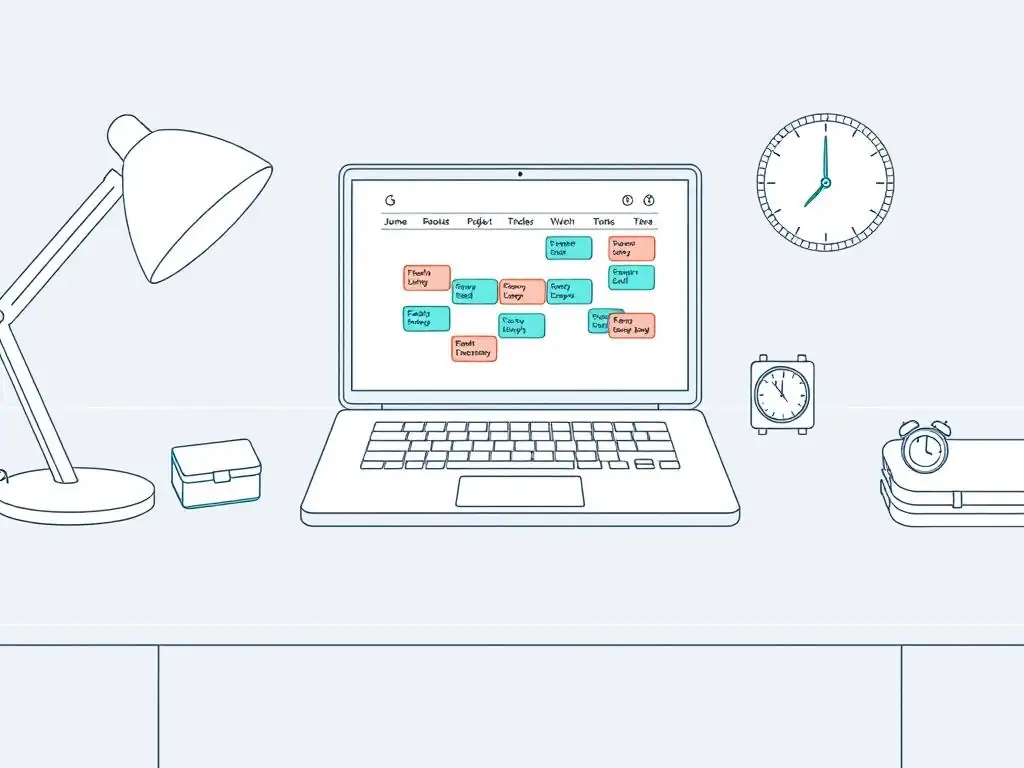
This section delves into sophisticated time management strategies specifically designed to optimize the freelancer's workflow and boost productivity. Moving beyond basic to-do lists, we'll explore techniques that leverage strategic planning and task prioritization to maximize your efficiency and minimize wasted time. Effective freelancer time management isn't just about doing more; it's about doing the right things, at the right time, and in the right way. Mastering these techniques will significantly improve your work-life balance and profitability.
Batching Similar Tasks: Streamlining Your Workflow and Saving Time
Batching, a cornerstone of effective freelancer time management tips, involves grouping similar tasks together and completing them in one concentrated session. This approach minimizes context switching—the mental overhead associated with shifting between different types of work—significantly boosting your overall efficiency. Instead of bouncing between writing emails, responding to client inquiries, and working on a design project, you'd dedicate specific blocks of time to each activity.
For instance, dedicate a two-hour block to solely responding to emails and client messages, followed by a three-hour block dedicated entirely to design work. This focused approach eliminates the mental friction of constantly switching gears, allowing you to enter a state of flow and complete tasks more quickly and accurately. The time saved by reducing context switching can be considerable, particularly for freelancers juggling multiple projects and clients.
Think about your typical workday: How often do you find yourself switching between tasks? By consciously batching similar activities, you'll observe a marked improvement in your productivity and a reduction in the time spent on administrative tasks. Experiment with different batching strategies to identify what works best for your individual workflow and project requirements. You might find that batching certain tasks leads to greater creativity and focus, ultimately improving the quality of your work.
Time Blocking for Freelancers: Scheduling Your Day for Maximum Efficiency
Time blocking is another powerful technique for freelancer time management. It involves allocating specific time slots in your day for predetermined tasks or activities. This proactive scheduling approach helps you maintain control over your time and prevents your day from being dictated by distractions or urgent requests that may not be the highest priority.
Consider a typical workday structured using time blocking:
| Time Slot | Activity | Priority | Notes |
|---|---|---|---|
| 8:00 AM - 9:00 AM | Email & Client Communication | High | Respond to urgent queries, schedule calls |
| 9:00 AM - 12:00 PM | Project A: Design Phase | High | Focus on key deliverables |
| 12:00 PM - 1:00 PM | Lunch Break | Low | |
| 1:00 PM - 3:00 PM | Project B: Content Creation | Medium | Write blog posts, articles |
| 3:00 PM - 4:00 PM | Administrative Tasks | Medium | Invoicing, expense tracking |
| 4:00 PM - 5:00 PM | Planning & Prioritization | High | Review schedule, plan next day's tasks |
By visually mapping out your day, you’ll gain a clearer understanding of how you spend your time and identify potential bottlenecks. This allows you to adjust your schedule and prioritize tasks more effectively. Remember, flexibility is key; be prepared to adjust your time blocks as needed, but strive to stick to the schedule as much as possible. Consistent time blocking will lead to improved focus and significantly enhanced productivity.
Delegating Tasks When Possible: Outsourcing Non-Core Activities
Effective freelancer time management also involves recognizing your limitations and strategically outsourcing non-core activities. Delegating tasks frees up valuable time to focus on your core competencies—the tasks that generate the most revenue and leverage your unique skills. This isn't about giving up control; it's about optimizing your workflow by focusing your energy on high-value activities.
Consider these potential areas for delegation:
- Administrative tasks: Invoicing, bookkeeping, social media management.
- Customer service: Responding to routine inquiries, providing basic technical support.
- Content creation: If writing isn't your forte, outsource blog posts or articles.
- Virtual assistance: Scheduling appointments, managing emails, conducting research.
By outsourcing these tasks, you free up significant time to focus on the core aspects of your business, leading to increased efficiency and profitability. The initial investment in outsourcing may seem significant, but the long-term benefits in terms of time saved and increased productivity often outweigh the costs. Carefully evaluate your workload and identify tasks that can be efficiently delegated without compromising quality. Remember, delegating doesn't mean abdicating responsibility; it's about strategically allocating resources to maximize your overall output. This is a crucial element in mastering freelancer time management tips and achieving sustainable success.
Automating Repetitive Tasks: Utilizing Technology to Save Time
Automating repetitive tasks is a cornerstone of effective freelancer time management. Many freelancers find themselves bogged down in mundane, recurring activities that eat into their productive hours. Fortunately, a plethora of tools and technologies exist to streamline these processes, freeing up valuable time for higher-level work and client interaction. The key is to identify these time-sinks and strategically implement automation solutions.
For example, consider invoicing. Manually creating and sending invoices for each project can be incredibly time-consuming. Instead, utilizing invoicing software like [Software Name Pending] allows for automated invoice generation, sending, and even payment reminders. This automation not only saves time but also reduces the risk of human error in calculations and data entry. The time saved can be redirected towards acquiring new clients or improving existing services.
Another area ripe for automation is social media management. Many freelancers struggle to maintain a consistent online presence across various platforms. Scheduling tools like [Software Name Pending] allow you to pre-schedule posts, ensuring a steady stream of content without requiring daily manual updates. This consistent engagement can significantly improve your online visibility and attract potential clients, ultimately boosting your income and justifying the time investment in learning the software.
Email management is yet another significant time drain for many freelancers. The constant influx of emails can disrupt workflow and lead to procrastination. Employing email filters and automation rules can help prioritize important messages, automatically archive less relevant ones, and even schedule responses for later. This organized approach prevents email overload and allows for more focused work sessions. Tools like [Software Name Pending] can greatly enhance this process, offering features like smart inbox organization and automated responses.
Beyond specific software, consider using automation features built into your operating system or existing applications. For instance, many operating systems offer built-in task schedulers that can automate repetitive file backups or system maintenance tasks. Leveraging these features minimizes the need for manual intervention and ensures data security without requiring additional time commitment.
This proactive approach demonstrates a commitment to professionalism and efficient workflow, leaving a positive impression on clients. Mastering these automation techniques dramatically enhances freelancer time management, allowing for greater efficiency and focus on core business activities. The initial learning curve is easily offset by the long-term time savings and increased productivity.
Maintaining Work-Life Balance as a Freelancer
The allure of freelance work—flexibility, autonomy, being your own boss—often overshadows the potential pitfalls. One significant challenge is maintaining a healthy work-life balance. The lines between professional and personal life can easily blur, leading to burnout and impacting overall well-being. Effective freelancer time management tips extend beyond just project scheduling; they encompass strategies to protect your personal time and prioritize self-care. Neglecting this crucial aspect can severely hinder productivity and long-term success. This section explores practical strategies to achieve a sustainable equilibrium between your freelance career and personal life.
Setting Boundaries Between Work and Personal Life: Preventing Burnout and Maintaining Wellbeing
Establishing clear boundaries is paramount to preventing burnout. Many freelancers struggle with the "always-on" mentality, readily responding to emails and messages at all hours. This constant accessibility erodes personal time and mental energy. To combat this, consider implementing the following:
- Designated Work Hours: Establish a consistent work schedule, even if it's flexible within those hours. Communicate these hours clearly to clients, setting expectations for response times. For example, you might specify that you respond to emails within 24 hours during weekdays, but not on weekends.
- Dedicated Workspace: Create a designated workspace, separate from your relaxation areas. This physical separation helps mentally signal the transition between work and leisure. Leaving this space at the end of the workday signifies the end of work.
- Technology Time-Outs: Schedule regular breaks from technology. Turn off notifications during dedicated personal time. Consider using website blockers during evenings and weekends to resist the urge to check emails or social media. This digital detox is crucial for mental rejuvenation.
- Regular Breaks: Integrate short breaks throughout your workday. Stepping away from your computer for even 5-10 minutes every hour can significantly improve focus and prevent mental fatigue. Use this time for stretching, a quick walk, or simply a moment of mindfulness.
Scheduling Dedicated Time for Personal Activities: Prioritizing Self-Care and Relaxation
Prioritizing self-care is not a luxury; it's a necessity for sustained productivity and well-being. Freelancers often sacrifice personal time to meet deadlines, but neglecting self-care creates a vicious cycle of exhaustion and decreased performance. Here's how to incorporate personal activities into your schedule:
- Block out Personal Time: Treat personal appointments—exercise, hobbies, social events—as important as client meetings. Schedule them in your calendar and protect that time fiercely. This proactive approach ensures you prioritize self-care.
- Weekend Routine: Establish a consistent weekend routine that includes activities you enjoy. This could include anything from hiking and spending time with loved ones to pursuing a hobby or simply relaxing. A predictable routine provides a much-needed mental reset.
- Mindfulness and Meditation: Incorporate mindfulness practices or meditation into your daily routine. Even 10-15 minutes of daily meditation can significantly reduce stress and improve focus. Many free apps offer guided meditations.
- Hobbies and Interests: Make time for activities outside of work that you genuinely enjoy. Engaging in hobbies helps reduce stress, boosts creativity, and provides a sense of accomplishment independent of your freelance work.
Utilizing Time Blocking for Personal Appointments: Ensuring a Balanced Schedule
Time blocking, a popular freelancer time management tip, isn't just for work. It's equally effective in managing personal time. By scheduling specific blocks for personal activities, you ensure they happen and prevent them from being squeezed out by work demands.
- Categorize Personal Tasks: Group similar personal tasks together. For instance, allocate a block for grocery shopping and errands, another for exercise, and another for socializing. This approach makes the scheduling process more efficient.
- Prioritize: Not all personal activities are equally important. Prioritize those that contribute most to your well-being and schedule them accordingly. For example, if exercise is crucial for your physical and mental health, schedule it before other less critical activities.
- Flexibility is Key: While scheduling is important, be prepared to adjust your personal time blocks as needed. Life happens, and unexpected events may require you to reschedule. The goal is to create a balanced schedule, not a rigid one.
- Review and Adjust: Regularly review your schedule and adjust your time blocks as needed. What works well one week might need tweaking the next. This iterative process ensures your schedule remains effective in supporting your work-life balance. Remember, effective freelancer time management is an ongoing process, not a one-time fix. Consistent effort and adaptation are key to achieving a sustainable and fulfilling balance.
Regularly Reviewing Your Time Management Strategies: Adapting to Changing Needs
Regularly reviewing your time management strategies is crucial for freelancers, as project demands, client needs, and even your personal energy levels fluctuate. What worked flawlessly last month might be completely ineffective next month. Ignoring this dynamic aspect of freelancing can lead to burnout and missed deadlines. Effective time management isn't a "set it and forget it" system; it's a living, breathing process that requires consistent monitoring and adjustment.
One effective approach is to schedule a weekly review, even if it's just for 15-20 minutes. During this review, analyze your time tracking data (more on this later). Identify tasks or projects that consistently took longer than anticipated. Were there unforeseen roadblocks? Did you underestimate the complexity of a task? Honest self-assessment is key here. Perhaps you need to refine your task breakdown process, allocating more time for specific stages. Maybe you need to implement better prioritization techniques, focusing on high-value tasks first.
Another aspect to consider is your energy levels. Are you consistently most productive in the mornings or afternoons? Adjust your schedule accordingly, scheduling demanding tasks during your peak productivity periods. If you find yourself consistently dragging in the afternoons, consider incorporating short breaks or changing your work environment to boost your focus. This could involve a quick walk outside, listening to energizing music, or even a brief meditation session.
Don't be afraid to experiment with different time management techniques. The Pomodoro Technique, time blocking, the Eisenhower Matrix – these are all valuable tools, but their effectiveness varies from person to person. What works wonders for one freelancer might be a complete disaster for another. The key is to find a system that aligns with your personal working style and preferences, and to continually refine it based on your experiences.
This iterative process ensures you're always optimizing your time management approach for maximum efficiency and minimizing stress. Remember, the goal is not just to manage your time, but to master it, adapting your strategies to achieve a sustainable and productive work-life balance. This continuous adaptation is a crucial component of long-term success as a freelancer.
Freelancer Time Management: Long-Term Strategies for Success
Effective freelancer time management isn't just about juggling tasks; it's about building sustainable, efficient systems that support your long-term success. This requires a proactive, evolving approach, going beyond daily to-do lists and embracing strategic planning. Mastering this aspect is crucial for preventing burnout and ensuring consistent profitability. This section focuses on the long-term strategies vital for navigating the unique challenges of freelance work and achieving consistent productivity.
Continuous Improvement and Self-Reflection: Regularly Assessing Your Time Management Practices
Regular self-assessment is the cornerstone of effective freelancer time management. It's not enough to simply try new techniques; you need to evaluate their impact. This involves more than just checking off tasks. Consider these key aspects:
- Tracking Time: Use a time-tracking app or spreadsheet to meticulously record how you spend your time each day for at least a week. Categorize your activities (client work, admin, marketing, personal). This data provides invaluable insights into where your time actually goes, revealing potential time-wasting activities. You might be surprised by how much time seemingly insignificant tasks consume.
- Identifying Time Thieves: Once you've tracked your time, analyze the results. Are you spending excessive time on social media? Are certain clients consistently requiring more time than anticipated? Identifying these "time thieves" allows you to develop strategies to minimize their impact. For example, scheduling specific blocks for social media engagement can prevent it from becoming a major distraction.
- Analyzing Productivity Peaks: Everyone has times of day when they are most productive. Identify your peak performance hours and schedule your most demanding tasks during those periods. Conversely, schedule less demanding tasks for your less productive times. This simple strategy can significantly boost your overall efficiency.
- Regular Reviews: Schedule regular reviews (weekly or monthly) of your time management strategies. Analyze your progress, identify areas for improvement, and adjust your approach accordingly. This iterative process ensures you're constantly refining your techniques and maximizing your productivity. Remember, what works today might not work tomorrow. Adaptability is key.
Learning from Mistakes and Adapting Your Approach: Refining Your Strategies Over Time
No time management system is perfect. Mistakes are inevitable, but they are also valuable learning opportunities. The key is to analyze your failures and use them to refine your approach. Consider these points:
- Post-Project Analysis: After completing a significant project, take time to reflect on your process. What worked well? What could have been improved? Were there unexpected delays? Why did they occur? Documenting these reflections helps you identify patterns and avoid repeating mistakes in the future.
- Client Feedback: Don't hesitate to ask clients for feedback on your work and communication. This can reveal areas where you might be inefficient or where your communication could be improved. Improving your client communication can save you valuable time in the long run by reducing misunderstandings and clarifying expectations.
- Experimentation: Don't be afraid to experiment with different time management techniques. The Pomodoro Technique, time blocking, Eisenhower Matrix—these are all tools, and the most effective approach is highly individual. Track the results of your experiments, and keep what works and discard what doesn't.
- Embrace Flexibility: Your time management system should be flexible and adaptable to changing circumstances. Life throws curveballs; allow your system to accommodate unexpected events and priorities. Rigidity can be counterproductive.
Seeking Mentorship and Support: Learning from Experienced Freelancers
The freelance journey can be isolating. Connecting with other freelancers, particularly those with more experience, can provide invaluable support and guidance. Consider these options:
- Networking: Attend industry events, join online communities, and connect with other freelancers on social media. Networking provides opportunities to learn from others' successes and failures, sharing experiences and offering mutual support.
- Mentorship Programs: Seek out formal or informal mentorship programs. A mentor can offer personalized advice, guidance, and support as you navigate the challenges of freelance work. Their experience can save you time and prevent costly mistakes.
- Online Courses and Workshops: Invest in your professional development by taking online courses or attending workshops focused on freelancer time management and productivity. These resources provide structured learning and often include practical exercises and strategies.
- Collaboration: Collaborate with other freelancers on projects when appropriate. This can allow you to share workloads, leverage each other's skills, and learn from different approaches to time management. This synergistic approach can significantly improve efficiency.
Remember, consistent effort and a commitment to continuous improvement are key to mastering freelancer time management and achieving long-term success. 🥂
Building a Sustainable Freelancing Business: Long-Term Time Management for Growth and Success
Building a sustainable freelancing business requires more than just juggling immediate tasks; it demands a strategic approach to time management that fosters growth and long-term success. This isn't about simply completing projects; it's about creating a business model that allows for consistent income, professional development, and a healthy work-life balance. Many freelancers fall into the trap of focusing solely on the immediate project, neglecting crucial aspects like marketing, networking, and self-improvement. This short-sighted approach often leads to burnout and inconsistent income streams.
Effective long-term time management for freelancers involves proactively scheduling time for business development activities. This might include dedicating specific days or blocks of time each week to marketing efforts, such as updating your online portfolio, reaching out to potential clients, or engaging with relevant industry communities on social media. Think of these activities as investments in your future; they are as crucial as completing client projects. A well-structured schedule ensures that these essential tasks don't get lost in the flurry of immediate demands.
Furthermore, incorporating continuous learning into your schedule is vital. The freelance landscape is constantly evolving, with new technologies and methodologies emerging regularly. Setting aside time for skill development, whether through online courses, workshops, or simply dedicated reading, is an investment that pays dividends in the long run. This not only improves your service offerings but also enhances your marketability and allows you to command higher rates. This proactive approach ensures you remain competitive and adaptable in a dynamic market.
Finally, prioritizing self-care is paramount for long-term sustainability. Freelancing can be intensely demanding, leading to burnout if not properly managed. Scheduling dedicated time for rest, relaxation, and activities outside of work is not a luxury but a necessity. This might involve regular exercise, spending time with loved ones, or pursuing hobbies.
A well-rested and balanced freelancer is a more productive and creative freelancer. By integrating these self-care practices into your schedule, you're building a business model that is not only successful but also sustainable and fulfilling. Ignoring this aspect can lead to a decline in productivity and ultimately, the failure of your freelance business. Prioritizing your well-being is a key element of effective freelancer time management.
Frequently Asked Questions
How can I effectively manage my time as a freelancer?
Effective time management for freelancers involves prioritization, planning, and consistent execution. Use tools like calendars and to-do lists to schedule tasks and track progress. Regular breaks are crucial to avoid burnout.
What are some strategies for handling multiple clients simultaneously?
Clear communication with each client is key. Use project management software to organize deadlines and tasks, preventing overlaps and confusion. Dedicated work blocks for specific clients can improve focus.
How do I prevent procrastination and stay motivated when working from home?
Establish a structured work schedule with specific start and end times. Create a dedicated workspace free from distractions. Reward yourself for completing tasks to maintain motivation.
What are the best tools or apps for freelancers to manage their time?
Many options exist! Consider project management tools like Asana or Trello, calendar apps like Google Calendar, and time-tracking software like Toggl Track. Choose tools that fit your workflow.
How can I improve my work-life balance as a freelancer?
Set clear boundaries between work and personal life. Schedule regular downtime and stick to it. Learn to say no to projects that overload you. Prioritize your well-being.
Final Reflection: Mastering Time, Mastering Freedom
Effective time management isn't just about ticking boxes; it's the cornerstone of a thriving freelance career. The strategies discussed – from prioritizing tasks with the Eisenhower Matrix to leveraging project management tools and setting firm boundaries – are more crucial than ever in today's fast-paced, hyper-connected world. Ignoring these principles can lead to burnout, missed deadlines, and ultimately, a less fulfilling freelance experience.
The impact of mastering one's time extends far beyond individual productivity; it shapes the very fabric of the freelance landscape. The ability to manage time effectively allows freelancers to deliver high-quality work, build strong client relationships, and ultimately, command better rates. This empowerment ripples outwards, influencing the overall perception and value of freelance work. Time is the most valuable asset you have, and the only one you can't replace.
This quote rings truer than ever for freelancers who are building their own businesses and careers.
Now, consider your own workflow. What small adjustments can you make today to better manage your time and energy? Perhaps it's implementing a time-blocking system, setting clearer boundaries between work and personal life, or finally investing in that project management software you've been eyeing. Take a moment to reflect on your current practices and identify areas for improvement. Embrace the power of intentional time management, and unlock the freedom and success you deserve as a freelancer.
Unlock Your Freelance Potential: Take Control of Your Time
Thank you for exploring the world of freelance time management! You now have the tools to significantly improve your schedule and boost your productivity. Ready to put your new knowledge into practice?
- Implement the Pomodoro Technique: Begin with a single 25-minute focused work session today and see how this simple change can dramatically improve your efficiency.
- Schedule Dedicated Time for Yourself: Dedicate at least 30 minutes each day to administrative tasks or self-care. This ensures your well-being remains a priority.
- Share Your Successes: Share your favorite time management tip in the comments—let's build a thriving community of effective freelancers!
What's the first step you'll take to master your freelance time and transform your workflow?