
The DistractionFree Social Media Experience: Use Social Media Without Losing Time


Ready to reclaim your time and conquer your to-do list? At UltimateLifeHacks, we're dedicated to providing you with practical strategies for a more efficient and fulfilling life. This week, we dive deep into the often-overlooked productivity killer: social media distractions. Discover how to minimize social media distractions and unlock a world of newfound productivity. Learn the secrets to a distraction-free social media experience – and finally achieve that elusive work-life balance. Let's get started!
- Understanding the Social Media Time Drain: Why We Lose Hours
-
Strategies to Minimize Social Media Distractions: Reclaiming Your Time
- Setting Time Limits: Using Built-in Features and Third-Party Apps
- The Power of Scheduled Social Media Usage: Planning Your Social Media Time
- Curating Your Feeds: Unfollowing and Blocking for a More Focused Experience
- Utilizing Social Media's Notification Settings: Taming the Alerts
- Creating a Dedicated Social Media Space: Physical and Digital Boundaries
- Advanced Techniques for a Distraction-Free Social Media Experience
- Measuring Your Success: Tracking Your Social Media Usage and Progress
-
Frequently Asked Questions
- How can I minimize social media distractions while still staying connected?
- What are some effective techniques to reduce time spent on social media?
- Is it possible to completely eliminate social media distractions?
- How can I improve my focus while using social media?
- What are the benefits of minimizing social media distractions?
- Final Reflection: Reclaiming Your Time, Reclaiming Yourself
- Unlock Your Focused Social Media Life
Social media platforms, while offering connection and information, are notorious time sinks. We often find ourselves passively scrolling, clicking, and engaging in activities that offer minimal value, leaving us feeling drained and unproductive at the end of the day. This article delves into the mechanics of social media distraction and provides practical strategies to reclaim your time and attention.
Minimizing social media distractions isn't about eliminating social media entirely; it's about cultivating a healthier, more mindful relationship with these platforms, maximizing their benefits while minimizing their negative impacts on productivity and overall well-being. We'll explore the psychological triggers that keep us hooked and offer actionable steps to regain control over your digital life. This guide provides tools and techniques to help you achieve a distraction-free social media experience, enabling you to use these platforms efficiently and effectively without sacrificing valuable time.
Before implementing any strategies, understanding your personal social media usage patterns is crucial. Take a moment for a self-assessment. Consider the following questions:
- Which platforms consume the most of your time? (e.g., Instagram, Facebook, TikTok, Twitter) Be honest! Quantify it if possible – how many hours per day, on average?
- What activities within those platforms are the biggest time-wasters? Is it endlessly scrolling through feeds? Getting caught up in comment sections? Watching videos? Playing games?
- What triggers your social media usage? Is it boredom? Stress? A need for validation? Identifying these triggers is key to breaking the cycle.
- What are the actual benefits you derive from your social media usage? Are you genuinely connecting with loved ones, staying informed, or learning something new? Or is it mostly passive consumption?
Use this self-assessment to pinpoint your specific areas of weakness. A detailed log of your daily social media usage for a week can provide incredibly insightful data. Track the time spent on each platform and activity to gain a clearer picture of where your time is going. This data will form the foundation of your personalized strategy for minimizing distractions.
For example, you might discover that you spend an average of two hours daily on Instagram, mostly watching short-form videos. This information allows you to target specific strategies to reduce this time. The key is to be objective and honest with yourself.
The addictive nature of social media isn't accidental. Platforms are meticulously designed to keep you engaged. Several psychological mechanisms contribute to this:
- Variable Rewards: The unpredictable nature of notifications and updates creates a sense of anticipation and excitement, similar to gambling. You never know when you'll receive a like, comment, or message, keeping you constantly checking.
- Social Validation: Likes, comments, and shares provide a dopamine rush, reinforcing the behavior and making you crave more social approval.
- Fear of Missing Out (FOMO): The constant stream of updates can create a sense of anxiety that you're missing out on something important, encouraging frequent checking.
- Endless Scrolling: The design of many platforms is optimized for endless scrolling, making it easy to lose track of time. The algorithm often prioritizes engaging content, even if it's not particularly valuable or relevant to you.
Understanding these psychological mechanisms is crucial to developing effective strategies for managing your social media usage. Recognizing that these platforms are designed to be addictive empowers you to approach them with more awareness and intentionality. By understanding the "why" behind your behavior, you can start to take control and break free from the cycle of endless scrolling and wasted time. Remember, you are in charge of your digital habits.
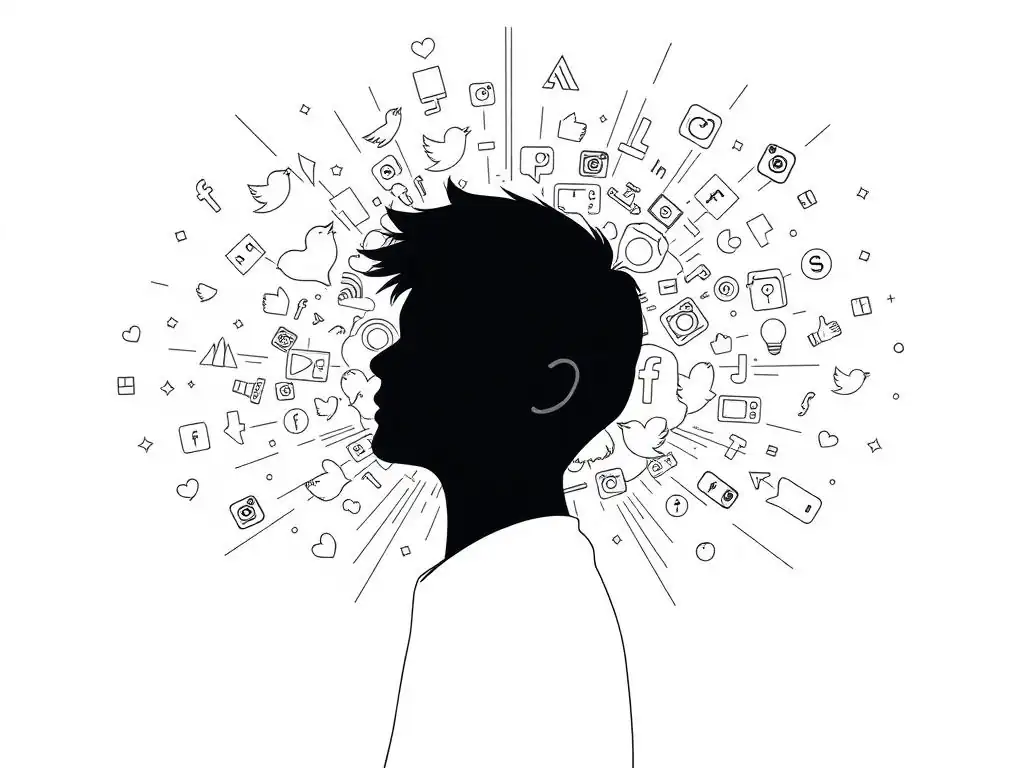
This section delves into practical strategies to significantly reduce the time you spend passively scrolling through social media, helping you reclaim valuable hours in your day. We'll explore techniques to actively manage your social media consumption, transforming it from a time-sink into a more intentional and productive activity. The goal is to minimize social media distractions and regain control of your schedule.
Setting Time Limits: Using Built-in Features and Third-Party Apps
Many social media platforms now offer built-in features to help you manage your usage. For example, Instagram and Facebook allow you to set daily time limits. Once you reach your limit, the app will send you a notification, gently reminding you to step away. This is a fantastic first step in consciously controlling your social media intake. These built-in timers offer a simple, effective way to minimize social media distractions.
However, for more robust control, consider third-party apps designed specifically for time management. These apps provide more granular control, allowing you to set specific time blocks for each platform, track your usage across multiple apps, and even block access after a certain period. Some apps even offer features like website blockers, extending the time management beyond just social media. The data collected by these apps can be incredibly insightful, revealing just how much time you're unconsciously spending on social media. This awareness is crucial in developing effective strategies to minimize social media distractions.
Consider the following table outlining some key features of both built-in and third-party apps:
| Feature | Built-in App Features (e.g., Instagram, Facebook) | Third-Party Apps |
|---|---|---|
| Time Limits | Usually basic daily limits | Granular control, per-app limits, custom schedules |
| Usage Tracking | Limited tracking | Detailed reports, across multiple platforms |
| Blocking Features | Usually none | Website blocking, app blocking |
| Notifications | Simple notifications when limit is reached | Customizable notifications, reminders |
| Ease of Use | Very user-friendly | Varies depending on the app |
This self-imposed restriction is key to reclaiming your time and fostering a healthier relationship with social media. Remember, the goal is to minimize social media distractions, not eliminate them entirely.
Instead of passively engaging with social media whenever a notification pops up, try scheduling specific times for checking your feeds. This proactive approach helps to minimize social media distractions by controlling when and how often you engage. Treat social media like any other appointment – plan it into your day. This could be during your lunch break, after completing a task, or at the end of the workday. The key is consistency.
By scheduling your social media usage, you're consciously deciding when to engage, rather than reacting to notifications. This helps you to maintain focus on your priorities and avoid getting sucked into endless scrolling. Experiment with different schedules to find what works best for you. Some people might find that scheduling two short sessions is more effective than one long session.
Others might prefer to check social media only once a day. The optimal schedule is highly individual and depends on your personal preferences and daily routines. The key is to find a rhythm that works for you and helps you minimize social media distractions.
Curating Your Feeds: Unfollowing and Blocking for a More Focused Experience
A cluttered feed filled with irrelevant content is a breeding ground for distractions. Take control by actively curating your feeds. Unfollow accounts that consistently trigger negative emotions, waste your time, or simply don't align with your interests. Don't be afraid to be ruthless; a smaller, more focused feed is far more beneficial than a sprawling, overwhelming one.
Furthermore, utilize the block feature to eliminate accounts that consistently post disruptive or negative content. This will significantly improve your overall social media experience and help you minimize social media distractions. Remember, you're in control of your online environment. By actively managing your feeds, you create a more positive and productive space for yourself. This proactive approach is vital for successfully minimizing distractions and reclaiming your time. The goal is a curated feed that truly reflects your interests and values, fostering a positive and productive online experience.
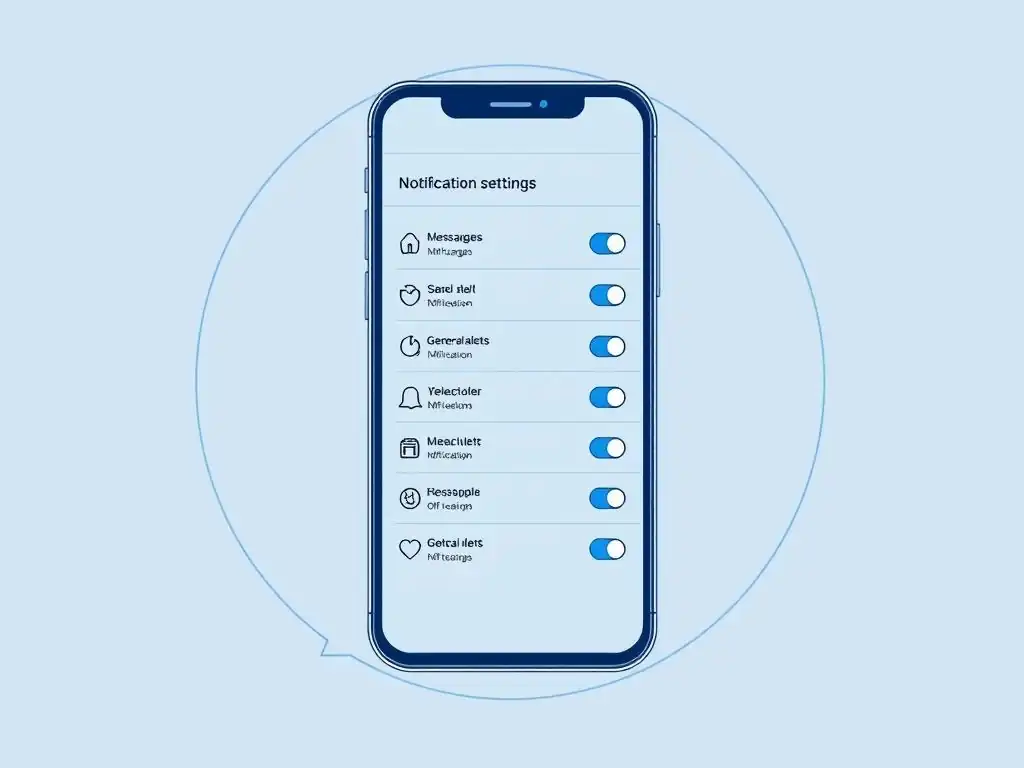
Social media platforms are notorious for their persistent notifications, designed to keep you engaged. However, these constant alerts are major contributors to lost productivity and fractured focus. Fortunately, each platform offers robust notification customization options. Mastering these settings is a crucial step in minimizing social media distractions.
For instance, on platforms like Instagram and Facebook, you can meticulously tailor which notifications you receive. Instead of allowing every like, comment, and follower request to interrupt your workflow, you can selectively choose to only receive notifications for direct messages from close friends or family, or perhaps only for mentions in posts. This significantly reduces the frequency of interruptions without sacrificing essential communication.
Experiment with different notification settings to find the optimal balance between staying connected and maintaining your focus. Remember, you can always adjust these settings later if needed. Don't be afraid to turn off notifications entirely for certain accounts or features that tend to be particularly distracting.
The same principle applies to other platforms like Twitter and TikTok. Many allow you to mute specific keywords or accounts, effectively silencing the noise from less important sources. This feature is extremely useful for managing the information overload often associated with these platforms.
Consider turning off notifications for groups, pages, or accounts that don't directly contribute to your personal or professional goals. By strategically managing your notification settings, you can transform your social media experience from a constant barrage of interruptions to a more controlled and productive interaction. This mindful approach significantly contributes to minimizing social media distractions and reclaiming valuable time.
Establishing clear boundaries, both physical and digital, is essential for minimizing social media distractions. This involves creating a designated time and space for social media consumption, rather than allowing it to seep into every aspect of your day.
Physical Boundaries: Consider designating a specific area in your home or workspace solely for social media use. This could be a particular chair, a corner of a room, or even a specific device. By limiting your social media activities to this designated space, you subconsciously create a mental association, making it easier to detach from social media when you leave that space.
This helps you avoid the mindless scrolling that often occurs when you're passively engaging with social media throughout the day. The key here is to create a ritual – a clear beginning and end to your social media session.
Digital Boundaries: Beyond physical boundaries, establishing digital boundaries is equally important. This could involve using website blockers or apps that limit your access to social media platforms during specific times. Many productivity apps allow you to schedule specific blocks of time for social media, ensuring you're not constantly tempted to check your feeds. You could also consider using the "Do Not Disturb" mode on your phone during focused work periods.
For example, you might allocate 30 minutes in the evening specifically for checking social media, rather than sporadically checking it throughout the day. This helps you consciously manage your social media time instead of letting it consume your day passively. This controlled approach is vital in minimizing social media distractions and reclaiming your focus and productivity. It's all about creating a conscious separation between your work and social media activities.
This section delves into sophisticated strategies to minimize social media distractions and reclaim your time. We'll explore techniques beyond simply limiting your usage, focusing on mindful engagement and productive integration. The goal is not to eliminate social media entirely, but to harness its power while mitigating its potential to derail your focus and productivity. Mastering these techniques will significantly improve your ability to minimize social media distractions and optimize your daily workflow.
Mindful social media consumption isn't about passively scrolling; it's about actively choosing why and how you engage. Before opening any app, ask yourself: What specific information or connection am I seeking? Setting clear intentions helps prevent aimless browsing that often leads to wasted time. For instance, instead of mindlessly scrolling through your Instagram feed, dedicate 15 minutes to specifically looking for recipes for a healthy dinner. This targeted approach minimizes distractions by giving your social media usage a clear purpose.
Furthermore, practice the art of presence. When you are engaging with social media, be fully present in that moment. Avoid multitasking – resist the urge to check emails or work on other tasks while scrolling. Studies show that multitasking reduces efficiency and increases error rates.
By giving your full attention to your social media interactions – even for short, dedicated periods – you can process information more effectively and avoid the feeling of having "wasted time." This mindful approach is key to minimizing social media distractions and maximizing the value of your interactions. Think of it as a form of mindful meditation, focusing your attention on the task at hand, enhancing your concentration and minimizing the tendency to get sidetracked.
Contrary to popular belief, social media can be a productivity tool. The key is strategic integration. Many platforms offer features that facilitate communication and collaboration, accelerating workflow. For example, using LinkedIn to network with professionals in your field, or Twitter to stay updated on industry news, can significantly improve your productivity. However, this requires discipline. Schedule specific times for these productive social media activities, treating them as appointments you can't miss. This prevents spontaneous, time-consuming browsing.
Consider using social media for research. Need information on a specific topic? Utilize relevant hashtags and search functions on platforms like Twitter or Facebook to quickly gather information. Remember to critically evaluate sources, as not all information found online is reliable. This structured approach transforms social media from a source of distraction into a valuable research tool, directly contributing to your productivity goals. The effectiveness of this strategy is highly dependent on planning and self-discipline. Without a clear plan, you risk falling back into unproductive, time-consuming browsing.
The Importance of Digital Detox: Regular Breaks and Disconnects
Regular digital detoxes are crucial for maintaining mental clarity and preventing social media overload. Schedule periods throughout your day or week where you completely disconnect from all social media platforms. This could be as short as a 30-minute break, or as long as a full day or even a weekend. These breaks allow your brain to rest and refocus, improving your ability to concentrate and resist the urge to constantly check your feeds. Consider using apps that help you schedule these breaks and limit your access during specified times.
The benefits of digital detox extend beyond improved focus. Studies have shown a strong correlation between excessive social media use and increased stress and anxiety. Regular disconnects allow you to reconnect with yourself and your surroundings, reducing stress levels and promoting a healthier work-life balance. Experiment with different detox durations to find what works best for you. The key is consistency – regular, planned breaks, rather than sporadic, unplanned escapes. This mindful approach to digital wellness is essential for minimizing social media distractions and cultivating a healthier relationship with technology. Remember, technology is a tool; you are in control.
Successfully minimizing social media distractions requires a proactive approach, not just a reactive one. You need to understand how you're currently using social media before you can effectively change your habits. This section focuses on practical methods for tracking your social media usage and analyzing your progress toward a distraction-free experience. Effective measurement is key to understanding your baseline and celebrating your wins along the way. The goal is to minimize social media distractions and reclaim your time.
Monitoring Your Time Spent: Apps and Techniques for Tracking
Many apps are designed to help you monitor your time spent on various applications, including social media platforms. These tools offer valuable insights into your usage patterns. For example, some apps provide detailed reports showing the total time spent on each platform daily, weekly, or monthly. This granular data allows you to identify which platforms are the biggest time sinks.
Beyond dedicated time-tracking apps, many operating systems offer built-in features to monitor app usage. These native features may not be as comprehensive, but they provide a quick overview of your digital habits. Remember, consistent tracking is crucial. Even a few days of data can reveal surprising trends.
Beyond apps, consider a simple, manual method: use a notebook or spreadsheet to log your social media usage. Note the platform, the start and end time, and even a brief description of your activity (e.g., scrolling through feeds, responding to messages, engaging with posts). This manual approach might seem old-fashioned, but it can be surprisingly effective in raising your awareness of your habits. The act of recording your usage can itself be a deterrent to excessive scrolling.
Once you've collected data on your social media usage, the next step is analysis. Look for patterns and trends. Are there specific times of day when you're most likely to get sucked into social media? Are particular platforms more addictive than others? Do certain types of content (e.g., videos, news articles) lead to longer sessions?
Consider creating a simple table to visualize your data:
| Day | Platform | Time Spent (minutes) | Type of Activity | Notes |
|---|---|---|---|---|
| Monday | 60 | Scrolling, liking | Felt unproductive after this session | |
| Monday | 30 | Reading news | Relatively productive, but still long | |
| Tuesday | 90 | Engaging with friends | Lost track of time | |
| Tuesday | TikTok | 120 | Watching videos | Very distracting |
| Wednesday | 45 | Checking messages | More mindful usage |
Analyzing this data might reveal that TikTok is your biggest time waster, or that you tend to spend more time on social media in the evenings. This awareness is the first step towards making positive changes. Identifying these patterns allows you to tailor your strategies for minimizing social media distractions.
Adjusting Your Strategies: Continuous Optimization for Maximum Impact
Based on your analysis, you can now adjust your strategies. If you identified specific times of day when you're most prone to distraction, try scheduling those times for focused work or other activities. If a certain platform is consistently a problem, consider setting time limits using the app's built-in features or using a third-party app to block access during certain hours.
Remember that minimizing social media distractions is an ongoing process, not a one-time fix. Regularly review your tracking data and adjust your strategies as needed. Experiment with different techniques to find what works best for you. Celebrate small victories and don't be discouraged by occasional setbacks.
The key is to continuously optimize your approach to achieve a more balanced and productive relationship with social media. The ultimate goal is to use social media intentionally, rather than letting it passively consume your time and attention. By consistently tracking, analyzing, and adapting, you'll be well on your way to a distraction-free social media experience. 🎉
Frequently Asked Questions
You can minimize distractions by setting specific times for checking social media, using website blockers during work hours, and unfollowing accounts that trigger excessive scrolling. Prioritize engaging content over passive consumption.
Try using the Pomodoro Technique, allocating specific time blocks for social media and sticking to them. Delete distracting apps from your phone or limit their notifications. Replace scrolling with more productive activities.
Complete elimination might be unrealistic for many, but you can significantly reduce distractions. Focus on intentional usage rather than mindless scrolling. Prioritize real-life interactions and activities.
Practice mindful scrolling, consciously choosing what you engage with. Set a time limit for each session and stick to it. Avoid multitasking and focus solely on the platform you're using.
Minimizing distractions leads to increased productivity, reduced stress, and improved mental well-being. You'll have more time for important tasks and activities, leading to a more fulfilling life.
Final Reflection: Reclaiming Your Time, Reclaiming Yourself
The relentless scroll has become a modern-day siren song, luring us away from meaningful engagement and into a vortex of fleeting content. We've explored strategies to navigate this digital landscape, to reclaim our attention and prioritize what truly matters. But the fight for a distraction-free social media experience is far from over; it's a continuous process of mindful engagement.
The impact of constant connectivity on our mental well-being is undeniable. We've seen how easily our focus can be hijacked, our time fragmented, and our sense of self diluted in the endless stream of updates and notifications. The real problem is not that we have too little time, but that we have too much time that is not our own.
– Carl Sandburg. This quote resonates deeply, highlighting the insidious nature of distractions that steal our precious moments and leave us feeling depleted. The journey towards a more intentional relationship with social media is a personal one, requiring constant vigilance and self-awareness.
You now possess the tools to cultivate a more mindful approach. Consider which platforms truly serve you, and which ones drain your energy. Experiment with the techniques discussed – setting time limits, silencing notifications, and curating your feeds. Most importantly, remember that you are in control. This isn't about eliminating social media entirely, but about harnessing its power for good, using it to connect authentically and intentionally, without sacrificing your time, your peace, or your sense of self. Take charge of your digital life; your future self will thank you.
Thank you for exploring distraction-free social media strategies! We hope you found practical ways to reclaim your time and enhance your productivity. Ready to apply what you've learned?
- Create a personalized social media schedule: Identify your most productive times and schedule specific blocks for social media engagement. This ensures social media fits into your day, rather than dictating it.
- Share your best tip for staying focused with other readers in the comments below! Let's build a supportive community of mindful social media users.
- Try a digital detox for a day this week—you might be amazed by how much you accomplish!
What's your biggest challenge in managing your social media time, and how will you approach it differently now?