
The Power of Breath: Simple Breathing Exercises to Reduce Anxiety

Feeling overwhelmed by the daily grind? At UltimateLifeHacks, we're dedicated to helping you reclaim your time and energy. Discover practical strategies to boost your productivity and simplify your life. This week, we dive into the fascinating world of anxiety relief breathing exercises, revealing simple yet powerful techniques to calm your mind and body. Ready to unlock a more peaceful and productive you? Let's explore the transformative power of breath!
- Understanding the Anxiety-Breath Connection
- Simple Breathing Exercises for Anxiety Relief
- Incorporating Breathing Exercises into Your Daily Routine
- Advanced Breathing Techniques for Anxiety Management
- When to Seek Professional Help for Anxiety
- Frequently Asked Questions
- Final Reflection: Breathing Our Way to a Calmer Future
- Breathe Easy: Unlock Your Inner Calm Today
Understanding the Anxiety-Breath Connection
Anxiety, a pervasive modern ailment, significantly impacts our daily lives. Feeling overwhelmed, stressed, and constantly on edge is a common experience for many, leading to decreased productivity, strained relationships, and a diminished quality of life. This article delves into a powerful, yet often overlooked, tool for managing anxiety: your breath.
We will explore the profound connection between breathing patterns and anxiety levels, demonstrating how simple breathing exercises can provide effective and immediate anxiety relief. Learning to consciously control your breath offers a readily accessible, drug-free method for calming your nervous system and regaining a sense of control amidst overwhelming feelings. This exploration will provide you with practical, evidence-based techniques to incorporate into your daily routine for long-term anxiety management and improved mental well-being, making it a valuable addition to your self-care toolkit.
We'll cover the science behind how breathing impacts your body, how to recognize anxiety-related breathing patterns, and the physiological mechanisms behind the anxiety relief provided by specific breathing exercises. Prepare to discover the transformative power of mindful breathing for conquering anxiety.
How Breath Impacts Your Nervous System
Your breath is intrinsically linked to your autonomic nervous system (ANS), which controls involuntary bodily functions like heart rate, digestion, and breathing. The ANS has two branches: the sympathetic nervous system (SNS), responsible for the "fight-or-flight" response, and the parasympathetic nervous system (PNS), responsible for the "rest-and-digest" response. When you experience anxiety, your SNS is activated, leading to increased heart rate, rapid breathing (hyperventilation), muscle tension, and feelings of unease.
Conversely, activating your PNS through specific breathing techniques helps slow your heart rate, regulate breathing, and reduce muscle tension, thus easing anxiety symptoms. The process is remarkably simple yet powerful: by consciously slowing and deepening your breaths, you signal to your brain to shift from a state of heightened alert to one of relaxation and calm.
This shift is crucial for managing anxiety, as it counteracts the physiological effects of the stress response. Studies have shown that even short periods of slow, deep breathing can significantly reduce levels of cortisol (the stress hormone) and increase levels of oxytocin (the "bonding hormone"), contributing to a sense of well-being and emotional regulation.
Recognizing the physical manifestations of anxiety is the first step towards effectively managing it. Anxiety often presents with noticeable breathing irregularities. These can include:
- Rapid, shallow breathing (hyperventilation): This is a hallmark of anxiety, often leading to feelings of dizziness, lightheadedness, and shortness of breath. You may find yourself taking short, quick breaths, primarily using your chest rather than your diaphragm.
- Holding your breath: Periods of breath-holding, often unconscious, can exacerbate anxiety symptoms by further increasing carbon dioxide levels in the blood, leading to feelings of panic.
- Increased sighing: Frequent sighing can be a subtle indicator of underlying anxiety, as it's often a subconscious attempt to regulate breathing and alleviate discomfort.
- Chest tightness: Anxiety can cause a feeling of pressure or tightness in the chest, making breathing feel difficult or labored.
Understanding these common breathing patterns associated with anxiety will help you identify when you're experiencing an anxious episode and prompt you to employ breathing techniques to regain control. Becoming aware of these physical cues allows for proactive intervention, preventing anxiety from escalating into a full-blown panic attack. Learning to recognize these subtle shifts in your breathing is a crucial skill in managing anxiety effectively.
The Physiology of Anxiety Relief Through Breathing Exercises
The effectiveness of breathing exercises in anxiety relief stems from their direct impact on the body's physiological responses to stress. Slow, deep breaths activate the vagus nerve, a crucial component of the PNS. Stimulating the vagus nerve signals the brain to slow down heart rate, reduce blood pressure, and decrease the release of stress hormones. This physiological shift from a state of "fight-or-flight" to "rest-and-digest" is fundamental to anxiety reduction.
Different breathing exercises target specific physiological mechanisms:
- Diaphragmatic breathing (belly breathing): This technique engages the diaphragm, the primary muscle of respiration, promoting deeper, slower breaths and reducing heart rate variability.
- Box breathing: This technique involves inhaling, holding, exhaling, and holding for equal counts (e.g., four seconds each), creating a rhythmic pattern that calms the nervous system.
- Alternate nostril breathing (Nadi Shodhana): This yogic technique involves alternating breaths through each nostril, promoting balance and relaxation.
These techniques, when practiced regularly, can retrain your breathing patterns, reducing the frequency and intensity of anxiety symptoms. The consistent practice strengthens the connection between mind and body, enabling you to consciously regulate your physiological responses to stress and cultivate a sense of calm and control. Remember, consistent practice is key to reaping the full benefits of these techniques.
Simple Breathing Exercises for Anxiety Relief
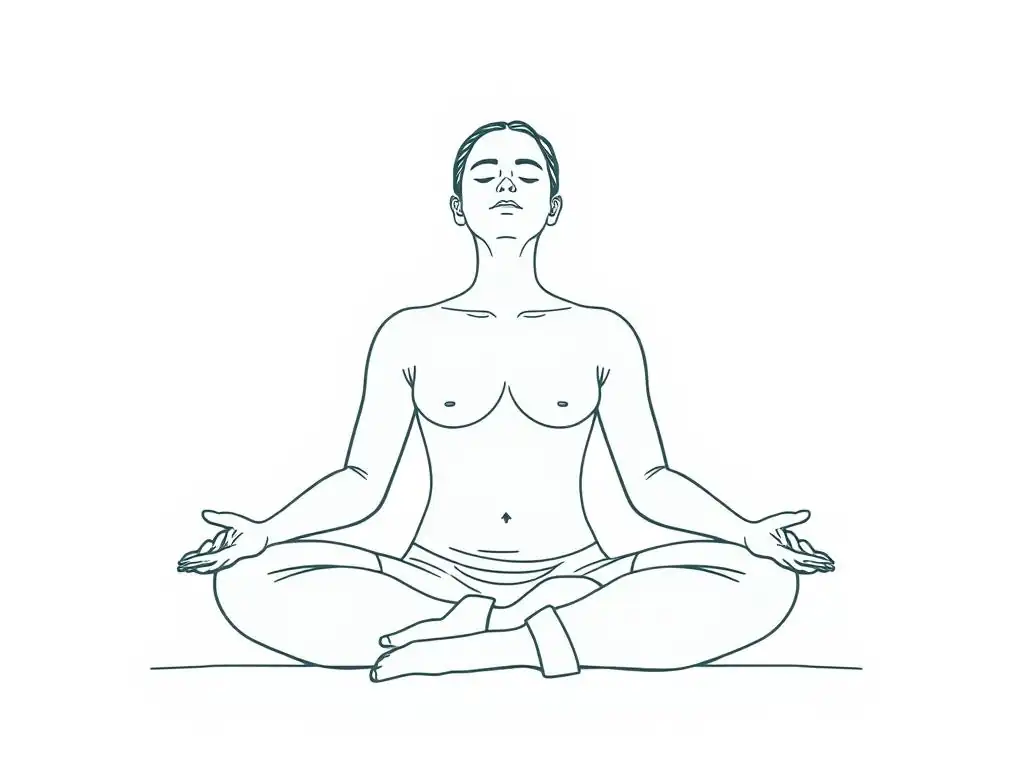
This section explores several simple yet powerful breathing exercises proven effective in reducing anxiety and promoting a sense of calm. These techniques are readily accessible, requiring no special equipment or extensive training, making them ideal for incorporating into your daily routine as part of your personal anxiety management strategy. Regular practice can significantly improve your ability to manage stressful situations and cultivate a greater sense of inner peace. Remember, consistency is key; even short, regular sessions can yield substantial benefits in anxiety relief.
Box Breathing Technique for Immediate Anxiety Reduction
Box breathing, also known as square breathing, is a simple yet highly effective technique for immediate anxiety reduction. It involves inhaling, holding, exhaling, and pausing for equal durations, typically four seconds each, creating a "box" shape on a graph representing breath duration. This rhythmic breathing pattern helps regulate the autonomic nervous system, slowing the heart rate and calming the mind. The predictable nature of the exercise can be particularly soothing during moments of intense anxiety.
The technique is straightforward:
- Inhale: Slowly and deeply inhale through your nose for a count of four. Feel your abdomen expand.
- Hold: Hold your breath for a count of four.
- Exhale: Slowly exhale through your mouth for a count of four, feeling your abdomen contract.
- Pause: Pause for a count of four before repeating the cycle.
Repeat this cycle for 5-10 minutes, or until you feel your anxiety lessening. You can adjust the count (e.g., three seconds or five seconds) to suit your comfort level. This exercise is particularly useful for managing immediate anxiety triggers, such as public speaking or stressful meetings. Many find that visualizing a square while performing the exercise enhances its calming effects.
Alternate Nostril Breathing (Nadi Shodhana) for Calming the Mind
Alternate nostril breathing, or Nadi Shodhana, is a yogic breathing technique that helps balance the energy flow within the body, promoting relaxation and reducing mental chatter often associated with anxiety. This technique involves alternately inhaling and exhaling through each nostril, using a finger to close off one nostril at a time. The rhythmic nature of the exercise, combined with the focused attention required, helps quiet the mind and induce a state of calmness.
Practicing Nadi Shodhana involves these steps:
- Find a comfortable seated position: Sit upright with your spine straight but relaxed.
- Right hand positioning: Use your right hand, placing your ring finger and little finger gently on your palm. Use your thumb to close your right nostril, and your index finger to close your left nostril.
- Inhale through the left nostril: Close your right nostril with your thumb and inhale deeply through your left nostril.
- Close the left nostril, open the right: Close your left nostril with your index finger, release your thumb, and exhale slowly through your right nostril.
- Inhale through the right nostril: Inhale deeply through your right nostril.
- Close the right nostril, open the left: Close your right nostril with your thumb, release your index finger, and exhale slowly through your left nostril.
- Repeat: Continue this cycle for 5-10 minutes, focusing on the rhythm of your breath and the sensation of the air flowing through your nostrils.
This practice is excellent for calming a racing mind and promoting a sense of equilibrium. Consistency is key; even short daily sessions can significantly contribute to long-term anxiety relief.
Diaphragmatic Breathing (Belly Breathing) for Deep Relaxation
Diaphragmatic breathing, also known as belly breathing or abdominal breathing, focuses on using the diaphragm – the muscle located beneath your lungs – to maximize your breath capacity. This deep, slow breathing pattern stimulates the parasympathetic nervous system, responsible for the body's "rest and digest" response, counteracting the effects of the sympathetic nervous system which is activated during stress and anxiety. The resulting relaxation response can significantly reduce feelings of anxiety and promote a sense of calm.
Here's how to practice diaphragmatic breathing:
- Find a comfortable position: Lie on your back with your knees bent and feet flat on the floor, or sit comfortably with your back straight.
- Place your hands: Place one hand on your chest and the other on your abdomen, just below your rib cage.
- Inhale deeply: Inhale slowly and deeply through your nose, allowing your abdomen to rise while your chest remains relatively still. You should feel your lower hand rise significantly more than your upper hand.
- Exhale slowly: Exhale slowly and completely through your mouth, feeling your abdomen fall.
- Repeat: Repeat this cycle for 5-10 minutes, focusing on the sensation of your breath moving in and out of your abdomen.
This technique is ideal for promoting overall relaxation and reducing chronic anxiety. The deep, slow breaths help to oxygenate the blood, calming the nervous system and promoting a sense of well-being. Regular practice can help train your body to respond more effectively to stressful situations, reducing the intensity and duration of anxious feelings. Consider incorporating this exercise into your daily routine, perhaps before bed or during moments of stress.
4-7-8 Breathing Technique for Quick Stress Relief
The 4-7-8 breathing technique, also known as the relaxing breath, is a simple yet powerful tool for managing anxiety and promoting relaxation. It's a type of pranayama, an ancient yogic breathing practice, and its effectiveness lies in its ability to activate the parasympathetic nervous system, responsible for the body's "rest and digest" response. This counteracts the effects of the sympathetic nervous system, which is activated during stressful situations, leading to the "fight or flight" response.
This technique is particularly useful for immediate stress relief. Unlike some other breathing exercises that require extended practice to yield significant benefits, the 4-7-8 method can provide noticeable calming effects within minutes. Its simplicity also makes it easily accessible to beginners, regardless of their experience with mindfulness or meditation practices. You can practice it virtually anywhere – at your desk, on your commute, or even while waiting in line – making it a highly practical tool for daily anxiety management.
The method involves a specific ratio of inhalation, holding, and exhalation. It's crucial to maintain this ratio for optimal results. Inconsistent timing can diminish the calming effects. Furthermore, focusing on the breath and the sensations in your body during the exercise enhances its efficacy.
Paying attention to the rise and fall of your chest or abdomen helps ground you in the present moment and reduces mind-wandering, a common contributor to anxiety. Regular practice, even for just a few minutes daily, can significantly improve your ability to manage stress and anxiety in the long term. Many users report a noticeable reduction in anxiety levels after just a few weeks of consistent practice.
Many find the 4-7-8 technique particularly helpful in moments of acute anxiety. For example, before a public speaking engagement or an important meeting, a few rounds of 4-7-8 breathing can significantly calm nerves and improve focus. Similarly, it can be a valuable tool to manage anxiety triggered by sudden stressful events. The simplicity and portability of the technique make it a highly versatile tool for anxiety relief in various contexts.
Remember, consistency is key. The more you practice, the more readily you'll be able to access its calming effects when you need them most. Integrating it into your daily routine, perhaps as part of a morning or evening mindfulness practice, can significantly enhance its long-term benefits.
Incorporating Breathing Exercises into Your Daily Routine
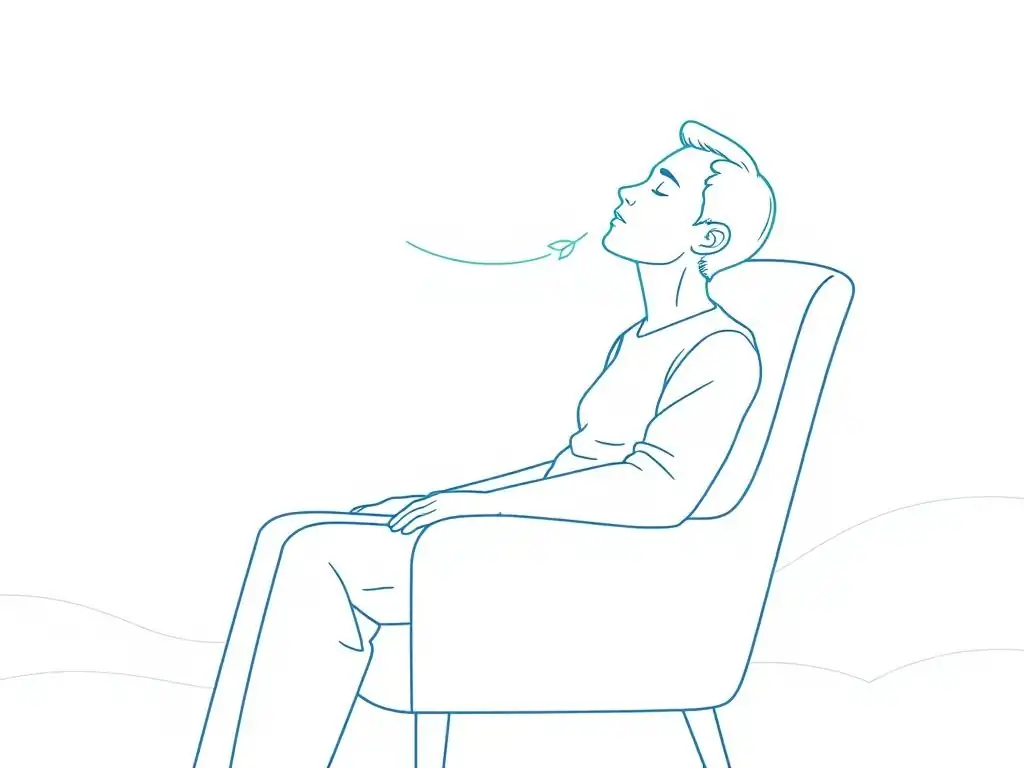
Breathing exercises, while seemingly simple, are powerful tools for managing anxiety and improving overall well-being. Successfully integrating them into your daily routine requires planning and commitment, but the rewards – reduced stress, improved focus, and enhanced emotional regulation – are well worth the effort. This section explores practical strategies for making breathing exercises a consistent part of your day, maximizing their anxiety relief benefits.
We'll explore how to seamlessly weave these techniques into your existing schedule, ensuring they become a natural part of your self-care routine. Think of it as adding a vital vitamin to your daily wellness plan—a vitamin for your mental health.
Breathing Exercises for Managing Daily Stress
Daily stressors, from work deadlines to relationship conflicts, can trigger anxiety responses. Proactive anxiety relief is key, and incorporating simple breathing exercises can significantly mitigate these effects. The box breathing technique, for instance, is incredibly effective. It involves inhaling for a count of four, holding for four, exhaling for four, and holding again for four. This rhythmic pattern helps regulate the nervous system, calming both the mind and body.
Another effective technique is the 4-7-8 method: inhale for four seconds, hold for seven, and exhale slowly for eight. This longer exhale helps to slow your heart rate and promote relaxation. Remember, consistency is key. Even five minutes of dedicated practice can make a noticeable difference in your ability to manage daily stress and alleviate feelings of anxiety. Don't underestimate the power of these seemingly small actions in creating a significant impact on your mental health.
Creating a Personalized Breathing Practice Schedule
The effectiveness of breathing exercises for anxiety relief is directly related to consistency. Creating a personalized schedule that integrates these practices into your daily routine is crucial. Consider your daily schedule and identify consistent time slots, even if they are just a few minutes long. Some people find it beneficial to practice first thing in the morning to set a calm and focused tone for the day. Others prefer incorporating breathing exercises during lunch breaks or before bedtime to de-stress after a long day.
Experiment to find what works best for you. Use a planner, a phone reminder, or even a sticky note as a visual cue to maintain consistency. Remember, the goal isn't to create a rigid routine that feels like a chore, but rather to establish a sustainable practice that supports your mental wellbeing. A personalized schedule increases adherence and amplifies the anxiety-reducing effects.
Combining Breathing with Mindfulness and Meditation Techniques
Combining breathing exercises with mindfulness and meditation practices can significantly amplify their anxiety relief benefits. Mindfulness encourages focusing on the present moment without judgment, while meditation cultivates a state of deep relaxation. By pairing deep, conscious breathing with these techniques, you create a synergistic effect that promotes deeper relaxation and stress reduction. For example, you could incorporate the 4-7-8 breathing technique while focusing on the sensation of your breath entering and leaving your body. This mindful awareness of your breath enhances the relaxation response.
Similarly, you can use specific breathing patterns as anchors during meditation, using the rhythm of your breath to guide your focus and quiet your mind. This integrated approach to stress management provides a holistic and powerful method for reducing anxiety and improving overall mental wellness. This combined approach offers a more comprehensive and effective strategy for managing anxiety. 🧘♀️
Breathing Exercises for Sleep Improvement and Anxiety Reduction at Night
Experiencing racing thoughts and anxiety at night can significantly impact sleep quality. The inability to quiet the mind prevents relaxation and restful sleep, perpetuating a cycle of anxiety and sleeplessness. Fortunately, specific breathing exercises can be incredibly effective in calming the nervous system and preparing the body for sleep. These techniques help regulate the autonomic nervous system, reducing the production of stress hormones like cortisol and promoting the release of melatonin, a hormone crucial for sleep regulation.
One highly effective technique is the 4-7-8 breathing exercise, also known as the relaxing breath. This method involves inhaling deeply through the nose for a count of four, holding your breath for a count of seven, and then exhaling slowly through your mouth for a count of eight. Repeating this cycle for several minutes before bed can significantly reduce racing thoughts and promote relaxation.
The prolonged exhale helps slow your heart rate and calm your nervous system, preparing your body for sleep. Many individuals report a noticeable decrease in anxiety and improved sleep quality after just a few weeks of consistent practice. It's important to find a comfortable position, perhaps lying on your back or side, to maximize the relaxation benefits.
Another beneficial technique is the alternate nostril breathing, or Nadi Shodhana. This ancient yogic practice involves alternately closing one nostril while inhaling and exhaling through the other. This technique balances the energy flow in the body, promoting a sense of calm and equilibrium. While initially requiring some practice to master the technique, the calming effects are often felt quite quickly.
The rhythmic nature of the breathing helps regulate the breath and slow down the heart rate, making it an excellent tool for managing anxiety and improving sleep quality. The rhythmic and controlled nature of the breathing can help quiet the mind and promote a sense of inner peace, essential for a good night's sleep. Remember to focus on the sensation of the breath, noticing the flow of air and the subtle changes in your body as you practice.
Beyond these specific techniques, consistency is key. Integrating a short breathing exercise into your nightly routine, perhaps 10-15 minutes before bedtime, can significantly improve your sleep quality and reduce nighttime anxiety. Creating a calming bedtime routine, including a warm bath, reading, or listening to calming music, can further enhance the effectiveness of these breathing exercises.
Experiment with different techniques to find what works best for you and remember that patience and regular practice are crucial for experiencing the full benefits. The power of breath is a readily available tool for managing anxiety and improving sleep – harness its potential for a more peaceful and restorative night's rest.
Advanced Breathing Techniques for Anxiety Management
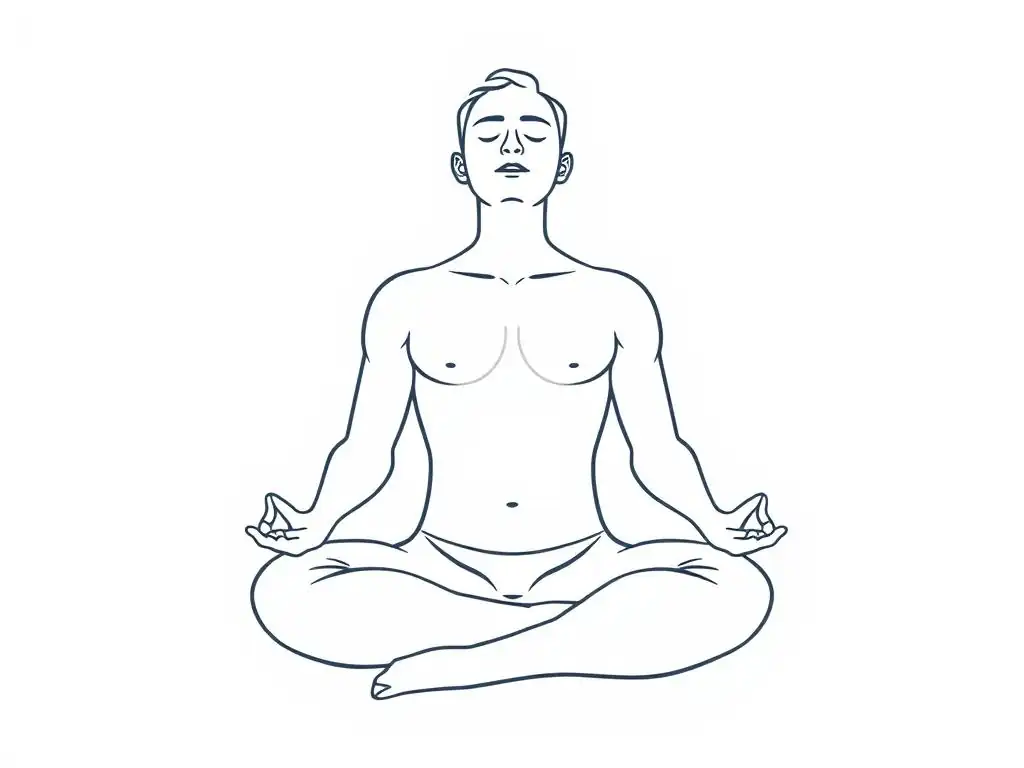
This section delves into more advanced breathing exercises that can provide significant anxiety relief, building upon the foundational techniques discussed earlier. These methods require a bit more practice and focus but offer potent tools for managing and reducing anxiety symptoms. Remember, consistency is key; regular practice will enhance your ability to utilize these techniques effectively in stressful situations. The goal is to cultivate a mindful approach to breathing, transforming it from an unconscious act into a conscious tool for self-regulation. This empowers you to directly influence your physiological response to anxiety triggers.
Coherent Breathing for Heart Rate Variability Optimization
Coherent breathing, also known as resonance frequency breathing, focuses on synchronizing your breath with your heart rate to optimize heart rate variability (HRV). HRV reflects the variation in time between heartbeats, and a higher HRV is generally associated with better stress resilience and overall well-being. The technique involves inhaling and exhaling at a specific rhythm—typically six breaths per minute—for a duration of 5-10 minutes. This slow, controlled breathing pattern helps regulate the nervous system, shifting it from a state of "fight-or-flight" (sympathetic nervous system activation) to a state of "rest-and-digest" (parasympathetic nervous system activation).
Practicing coherent breathing can lead to noticeable reductions in anxiety symptoms, improved sleep quality, and increased feelings of calm and focus. Studies have shown a positive correlation between coherent breathing and decreased cortisol levels (the stress hormone). To achieve the optimal six breaths per minute, you can count slowly to five during each inhale and each exhale.
Try to maintain a consistent rhythm, avoiding rushed or shallow breaths. Focus on the sensation of your breath entering and leaving your body, noticing the gentle rise and fall of your chest or abdomen. Consistent practice will help you internalize the rhythm, making it easier to implement during moments of anxiety.
Pranayama Breathing Techniques for Advanced Anxiety Relief
Pranayama, originating from ancient yogic practices, encompasses a variety of breathing techniques designed to cultivate inner peace and balance. Several pranayama exercises are particularly effective for anxiety relief. For example, Nadi Shodhana (alternate nostril breathing) helps to calm the nervous system by balancing the energy flow within the body. This technique involves alternately inhaling through one nostril and exhaling through the other, using your thumb and ring finger to gently control the airflow. It's often recommended to begin with shorter sessions (e.g., 5 minutes) and gradually increase the duration as you become more comfortable.
Another effective technique is Bhramari Pranayama (bee breath), which involves humming softly during exhalation. The gentle vibration created by the humming is believed to soothe the nervous system and reduce anxiety. This technique is particularly helpful for relieving tension in the head and neck. The rhythmic nature of both Nadi Shodhana and Bhramari Pranayama helps to regulate the breath and promote a sense of calm and focus. These practices are best learned through guided instruction, as proper technique is crucial for optimal results. Remember to consult with a qualified yoga instructor for personalized guidance.
Ujjayi Breath for Relaxation and Focus
Ujjayi breath, often called the "ocean breath," involves constricting the back of the throat slightly during both inhalation and exhalation, creating a soft, gentle sound resembling the ocean waves. This subtle constriction helps to slow down the breath and deepen its impact on the nervous system. The gentle sound created provides a focal point, helping to quiet the mind and reduce racing thoughts, common symptoms of anxiety.
Practicing Ujjayi breath can enhance relaxation, improve focus, and promote a sense of grounding. It's often incorporated into yoga and meditation practices to deepen the experience. The technique is relatively simple to learn and can be practiced anytime, anywhere, making it a valuable tool for managing anxiety in daily life. However, it's important to avoid over-constricting the throat; the constriction should be subtle and comfortable.
If you experience any discomfort, adjust the technique accordingly. The key is to find a gentle, consistent constriction that allows for a smooth, controlled breath. Regular practice of Ujjayi breath can significantly improve your ability to manage stress and anxiety.
Bhramari Pranayama (Bee Breath) for Calming the Nervous System
Bhramari Pranayama, often called Bee Breath, is a powerful technique for anxiety relief that leverages the soothing effect of sound on the nervous system. The gentle humming sound produced during this practice helps to calm the mind and reduce racing thoughts, a common symptom of anxiety. This technique is particularly effective because it directly engages the vagus nerve, a crucial component of the parasympathetic nervous system responsible for the "rest and digest" response. Stimulating the vagus nerve helps to counteract the body's "fight or flight" response, which is often triggered during anxiety attacks.
The practice involves a simple yet profound technique. You begin by gently closing your eyes and finding a comfortable seated position. Place your index fingers lightly on your ears, covering the tragus (the small, fleshy protrusion on the outer ear). Gently close your eyes and begin to inhale deeply through your nose.
As you exhale slowly through your nose, produce a humming sound, similar to the buzz of a bee. The sound is created by partially obstructing the airflow with your tongue and throat. The vibrations generated during this humming resonate within the nasal cavities and skull, creating a calming effect.
The duration of each breath cycle can be adjusted to your comfort level. Start with 5-10 repetitions, holding each exhale for a few seconds longer than the inhale. As you become more comfortable with the technique, you can gradually increase the number of repetitions and the duration of each breath. Consistency is key; practicing Bhramari Pranayama regularly, even for just a few minutes each day, can significantly reduce anxiety levels and promote a sense of calm and well-being.
It's important to note that while Bhramari Pranayama is generally safe and effective, it's advisable to consult with a healthcare professional or qualified yoga instructor before incorporating it into your routine, especially if you have any underlying health conditions. They can provide personalized guidance and ensure the practice is safe and appropriate for your individual needs. Remember, managing anxiety is a holistic process, and combining breathing exercises like Bhramari Pranayama with other stress-reduction techniques, such as mindfulness meditation or regular exercise, can further enhance its effectiveness and contribute to a more balanced and healthy lifestyle.
The gentle hum of the Bee Breath can be a powerful tool in your journey towards lasting anxiety relief. 🧘♀️
When to Seek Professional Help for Anxiety
Anxiety is a common human experience, and simple breathing exercises can be a valuable tool in managing mild to moderate anxiety. However, it's crucial to understand the limitations of self-help techniques and recognize when professional intervention is necessary. This section will clarify when self-care strategies like anxiety relief breathing exercises might not be enough and guide you towards seeking professional help. Ignoring persistent or severe anxiety can have significant negative impacts on your overall well-being, affecting sleep, relationships, work performance, and overall quality of life. Prioritizing your mental health is paramount.
Recognizing the Limits of Self-Help Breathing Exercises
Self-help breathing exercises, while effective for managing occasional anxiety, are not a substitute for professional treatment when dealing with severe or persistent anxiety disorders. These exercises primarily address the physical symptoms of anxiety – rapid heart rate, shallow breathing, and muscle tension – providing immediate relief. However, they don't address the underlying psychological causes of anxiety. Think of it like this: breathing exercises are like taking ibuprofen for a headache; it might alleviate the pain temporarily, but it doesn't cure the underlying condition causing the headache.
Similarly, breathing exercises can provide temporary relief from anxiety symptoms, but they won't resolve the root causes of chronic anxiety. For example, if your anxiety stems from a traumatic experience, a difficult relationship, or a significant life change, breathing exercises alone are unlikely to provide lasting relief. You need professional help to address these deeper issues.
Furthermore, the efficacy of self-help techniques varies greatly depending on the individual and the severity of their anxiety. Some individuals might find significant relief from simple breathing exercises, while others might experience minimal or no improvement. This is why it's essential to be mindful of your response to these techniques and seek professional support if they prove ineffective. Don't hesitate to reach out for help if you're struggling; it's a sign of strength, not weakness.
Identifying Signs You Need Professional Support for Anxiety
Several warning signs indicate that your anxiety requires professional intervention. These signs go beyond occasional feelings of worry or nervousness and represent a more significant disruption to your daily life. Consider seeking professional help if you experience:
- Persistent and overwhelming anxiety: Anxiety that lasts for weeks or months, significantly impacting your daily functioning.
- Panic attacks: Sudden episodes of intense fear accompanied by physical symptoms like rapid heartbeat, shortness of breath, and dizziness.
- Avoidance behaviors: Avoiding situations or places that trigger anxiety, leading to significant limitations in your life.
- Significant impact on daily life: Anxiety interfering with work, school, relationships, or social activities.
- Physical symptoms: Persistent physical symptoms like headaches, stomach problems, or sleep disturbances related to anxiety.
- Suicidal thoughts or self-harm: These are serious signs requiring immediate professional help. Reach out to a crisis hotline or mental health professional immediately.
It's important to note that these signs can manifest differently in individuals. What might be manageable for one person could be debilitating for another. Trust your intuition – if you feel overwhelmed and unable to cope with your anxiety, seeking professional help is a crucial step towards recovery. Don't underestimate the power of professional guidance.
Finding Qualified Mental Health Professionals for Anxiety Treatment
Finding the right mental health professional is crucial for effective anxiety treatment. Several types of professionals can provide effective treatment, including:
- Psychiatrists: Medical doctors specializing in mental health who can diagnose and treat mental illnesses, including anxiety disorders, often prescribing medication.
- Psychologists: Professionals trained in diagnosing and treating mental health disorders through therapy and counseling.
- Therapists/Counselors: Mental health professionals who provide therapy and counseling to help individuals manage their anxiety and other mental health concerns.
When searching for a professional, consider their experience with anxiety disorders, their therapeutic approach, and their personality. A good fit is essential for effective treatment. Many online directories and resources can help you find qualified mental health professionals in your area. Remember, seeking professional help is a positive step towards managing your anxiety and improving your overall well-being. Taking care of your mental health is just as important as taking care of your physical health. Don't hesitate to reach out for support – you deserve to feel better.
Frequently Asked Questions
How do breathing exercises help reduce anxiety?
Breathing exercises help regulate the autonomic nervous system, slowing your heart rate and reducing the production of stress hormones like cortisol. This shift from fight-or-flight to rest-and-digest promotes a calmer state.
What are some simple breathing exercises I can try?
Try the 4-7-8 technique (inhale for 4 seconds, hold for 7, exhale for 8) or box breathing (inhale, hold, exhale, hold for equal counts, e.g., 4 seconds each). Start with a few minutes daily and gradually increase.
How often should I practice breathing exercises for anxiety relief?
Regular practice is key. Aim for at least 5-10 minutes daily, or even several shorter sessions throughout the day. Consistency is more important than duration.
Are there any contraindications to breathing exercises?
While generally safe, individuals with certain medical conditions like hyperventilation syndrome should consult their doctor before starting. Listen to your body and stop if you feel discomfort.
Can breathing exercises replace other anxiety treatments?
Breathing exercises are a valuable complementary tool, but they shouldn't replace professional help if you're experiencing severe anxiety. They're best used in conjunction with therapy or medication if needed.
Final Reflection: Breathing Our Way to a Calmer Future
The simple act of breathing, often overlooked, holds the key to unlocking a profound sense of calm amidst the chaos of modern life. Anxiety, a pervasive issue affecting millions, finds a powerful antidote in the conscious practice of breathing exercises. This isn't just a fleeting trend; it's a fundamental shift towards prioritizing mental wellness through readily accessible techniques.
The impact of incorporating mindful breathing into daily routines is undeniable. It's not merely about reducing anxiety symptoms; it's about cultivating a deeper connection with ourselves and fostering resilience in the face of stress. The breath is the bridge between the body and the mind.
This quote perfectly encapsulates the transformative power of conscious breathing, allowing us to bridge the gap between our physical sensations and our mental state, fostering a sense of groundedness and inner peace. The ongoing cultural shift towards self-care and mental health awareness has created fertile ground for these practices to flourish, offering a tangible path towards well-being.
You now possess the tools to navigate the turbulent waters of anxiety. Don't just read about these breathing exercises; practice them. Make them a part of your daily routine, a moment of self-compassion amidst the demands of your day. Start small, with just a few minutes of conscious breathing, and watch as the transformative power of breath unfolds, leading you towards a calmer, more centered, and ultimately, more fulfilling life.
Breathe Easy: Unlock Your Inner Calm Today
Thank you for exploring the power of breathwork! We hope you've discovered valuable techniques to manage anxiety. Now, let's put your newfound knowledge into practice. Ready to feel the difference?
- Prioritize your breath: Begin each morning with five minutes dedicated to one of the breathing exercises described in this article. Notice how your energy and mood shift.
- Share your experience: Share the breathing techniques you've learned with a friend or family member and invite them to practice with you.
- Explore further: Discover guided meditation apps or online resources that integrate breathwork for even deeper relaxation and stress reduction.
What small change will you incorporate into your daily life to practice mindful breathing?