
UltimateLifeHacks: 5Minute Mental Reset Techniques for Instant Calm


Feeling overwhelmed and in need of a quick escape from the daily grind? UltimateLifeHacks is your destination for practical solutions to life's everyday challenges. Discover powerful techniques to boost your productivity and reclaim your well-being. Dive into our latest article on Quick mental reset techniques, and learn how to achieve instant calm in just 5 minutes. Ready to unlock a more efficient and peaceful you? Let's get started!
-
Quick Mental Reset Techniques: Reclaiming Your Calm in 5 Minutes
- Understanding the Need for Quick Mental Reset Techniques
- Identifying Your Stress Triggers: A Personalized Approach to Mental Wellness
- 5-Minute Mindfulness Meditation for Instant Stress Relief
- Deep Breathing Exercises: A Simple Path to Mental Clarity
- Progressive Muscle Relaxation: Releasing Tension for Inner Peace
- The Power of Positive Affirmations: Reframing Your Thoughts
- Utilizing Nature for Rapid Mental Reset: Sensory Calming
- Quick Mental Reset Techniques: Incorporating Movement for Stress Reduction
- Creating a Personal Mental Reset Toolkit: Your Go-To Strategies
- Maintaining Mental Wellness: Long-Term Strategies for Sustained Calm
- Beyond 5 Minutes: Building a Sustainable Mental Wellness Routine
- Seeking Professional Help: When to Reach Out for Support
-
Frequently Asked Questions
- What are some quick mental reset techniques I can use when feeling overwhelmed?
- How can I incorporate these techniques into my busy daily routine?
- Are these techniques effective for managing stress and anxiety?
- Do I need any special equipment or tools for these mental reset techniques?
- How long will it take to see results from practicing these quick mental resets?
- Final Reflection: Reclaiming Your Calm in a Frantic World
- Unlock Your Inner Calm: Start Your 5-Minute Reset Now!
Quick Mental Reset Techniques: Reclaiming Your Calm in 5 Minutes
Feeling overwhelmed? Stressed out? In today's fast-paced world, it's easy to get caught in a whirlwind of demands, leaving little time for self-care and mental wellbeing.
This article explores the crucial need for incorporating quick mental reset techniques into your daily routine, providing practical strategies to regain your composure and enhance your overall mental wellness. We'll delve into identifying personal stress triggers, and demonstrate simple yet effective 5-minute techniques to achieve instant calm, ultimately improving your focus, productivity, and overall quality of life. Learning to manage stress effectively is not a luxury, but a necessity for navigating the pressures of modern life and maintaining a healthy mind.
Mastering these quick mental reset techniques will empower you to navigate daily challenges with greater ease and resilience, equipping you with the tools to cultivate a more peaceful and productive existence. This guide focuses on practical and readily implementable strategies, making mental wellness accessible to everyone.
Understanding the Need for Quick Mental Reset Techniques
In our always-on culture, stress is ubiquitous. From demanding work schedules and family responsibilities to financial worries and social pressures, the sources of stress are seemingly endless. Ignoring these stressors can lead to burnout, anxiety, and decreased productivity. Quick mental reset techniques aren't about escaping reality; they're about equipping yourself with tools to manage the inevitable challenges of daily life.
These techniques offer a proactive approach to mental wellness, allowing you to address stress in the moment before it escalates into something more significant. Think of these techniques as mini-breaks for your brain, short bursts of self-care designed to interrupt the cycle of stress and restore mental equilibrium. Regular practice can significantly improve your mood, reduce anxiety levels, and enhance your overall cognitive function. The benefits extend beyond immediate stress relief; consistent use builds resilience and strengthens your ability to handle future challenges with greater composure.
Identifying Your Stress Triggers: A Personalized Approach to Mental Wellness
Before implementing any mental reset technique, it's crucial to understand your personal stress triggers. What situations, people, or thoughts consistently lead to feelings of anxiety or overwhelm? Keeping a journal can be incredibly helpful. For a week, note down situations that caused stress, the accompanying emotions, and the intensity of those emotions (on a scale of 1-10, for example). This process of self-reflection allows you to identify patterns and pinpoint your specific stressors. Examples of common triggers include:
- Work-related deadlines: The pressure to meet tight deadlines can be incredibly stressful.
- Financial concerns: Money worries are a significant source of anxiety for many.
- Relationship conflicts: Disagreements with loved ones can take a toll on mental wellbeing.
- Social media: The constant comparison and pressure to maintain a perfect online persona can be detrimental.
- Lack of sleep: Insufficient sleep significantly impacts mood and stress levels.
Once you've identified your triggers, you can develop personalized strategies to mitigate their impact. This might involve setting realistic deadlines, creating a budget, practicing assertive communication, limiting social media use, or prioritizing sleep. Understanding your individual stress landscape is the first step towards building a personalized mental wellness plan. This self-awareness allows for more effective application of mental reset techniques, ensuring they are targeted and effective.
5-Minute Mindfulness Meditation for Instant Stress Relief
Mindfulness meditation is a powerful technique for calming the mind and reducing stress. Even a short 5-minute session can make a significant difference. Find a quiet space where you can sit or lie down comfortably. Close your eyes and focus on your breath, noticing the sensation of each inhale and exhale. If your mind wanders (and it will!
), gently guide your attention back to your breath. You can also focus on bodily sensations, such as the feeling of your feet on the floor or the rise and fall of your chest. There are many guided meditations available online or through apps, which can be particularly helpful for beginners. The key is to be patient and kind to yourself. Don't judge your thoughts or try to suppress them; simply acknowledge them and gently redirect your focus back to your breath or chosen point of focus.
Consistent practice, even in short bursts, can significantly reduce stress, improve focus, and enhance overall mental wellbeing. Remember that the goal isn't to empty your mind, but to cultivate a sense of present moment awareness. This simple practice can be a game-changer in managing stress and promoting inner peace. 🎉
Deep Breathing Exercises: A Simple Path to Mental Clarity
Deep breathing exercises are a cornerstone of many quick mental reset techniques. They work by directly influencing the autonomic nervous system, shifting it from the "fight or flight" sympathetic state to the calming parasympathetic state. This physiological change translates into a noticeable reduction in stress and anxiety levels. The beauty of these exercises lies in their simplicity and accessibility; they can be performed virtually anywhere, anytime.
One effective technique is the 4-7-8 breathing method. Inhale deeply through your nose for a count of four, hold your breath for a count of seven, and exhale slowly through your mouth for a count of eight. Repeat this cycle four to five times.
The extended exhale helps to slow your heart rate and calm your mind. Another approach involves focusing on the sensation of your breath entering and leaving your body. Pay close attention to the rise and fall of your chest or abdomen, noticing the coolness of the inhaled air and the warmth of the exhaled air.
This mindful breathing helps to anchor you in the present moment, reducing the tendency to dwell on anxieties or worries. Regular practice of deep breathing exercises enhances their effectiveness, making them a powerful tool for managing stress and achieving mental clarity throughout your day. Even a few minutes of focused breathing can make a significant difference in your mental state.
Progressive Muscle Relaxation: Releasing Tension for Inner Peace
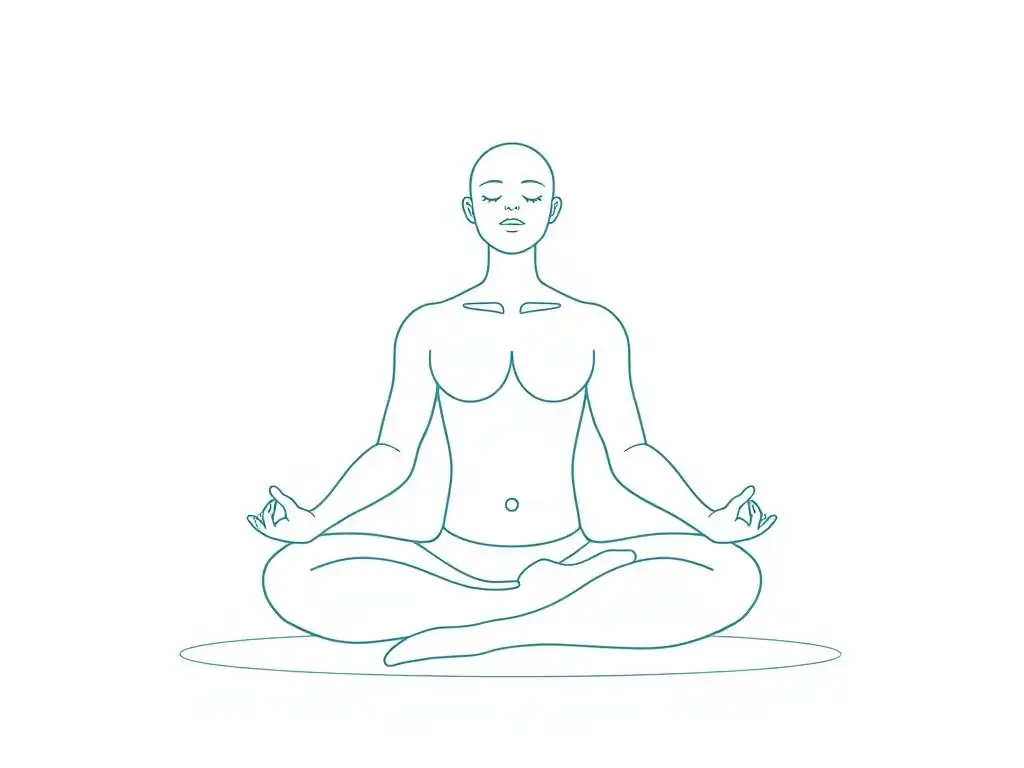
Progressive muscle relaxation (PMR) is a quick mental reset technique that directly addresses the physical manifestations of stress. It involves systematically tensing and releasing different muscle groups in your body. By consciously releasing the tension, you not only alleviate physical discomfort but also promote a sense of calm and relaxation that extends to your mind.
The process typically begins with the toes, progressively moving upwards through the body. You might start by tensing the muscles in your feet, holding the tension for a few seconds, and then releasing it completely. Pay close attention to the contrast between the tension and the subsequent relaxation.
This heightened awareness of physical sensations helps to disconnect from mental anxieties and promotes a deeper sense of body awareness. You can repeat this process for various muscle groups—calves, thighs, abdomen, chest, shoulders, arms, hands, neck, and face. Remember to breathe deeply throughout the exercise, further enhancing its calming effect.
Consistent practice of PMR can lead to improved sleep quality, reduced muscle pain, and a greater capacity to manage stress effectively. Even a shortened version focusing on a few key muscle groups can provide a significant mental reset within five minutes. For example, concentrating on the shoulders, neck, and jaw muscles can alleviate tension headaches and improve mental focus.
The Power of Positive Affirmations: Reframing Your Thoughts
Positive affirmations are short, positive statements that can help reprogram your subconscious mind and shift your perspective. They work by counteracting negative thought patterns and fostering a more optimistic outlook. When used as part of a quick mental reset technique, positive affirmations can quickly change your emotional state from stressed or anxious to calm and confident.
The key to effective affirmation is repetition and belief. Choose affirmations that resonate with you personally and that align with your goals. Instead of generic statements, tailor your affirmations to address your specific needs and challenges. For example, if you're feeling overwhelmed, an effective affirmation might be, "I am capable of handling this," or "I am calm and centered." Repeat your chosen affirmation several times, focusing on the feeling it evokes.
Visualize yourself embodying the qualities expressed in the affirmation. The combination of verbal repetition and mental imagery strengthens the impact of the affirmation, making it a powerful tool for reframing your thoughts and promoting a positive mental state. Remember, consistency is crucial. Regular practice of positive affirmations can significantly improve your overall well-being and resilience to stress. Even a brief session of three to five minutes can make a noticeable difference in your mental outlook.
Utilizing Nature for Rapid Mental Reset: Sensory Calming
Connecting with nature offers a surprisingly effective way to achieve a quick mental reset. The sensory experience – the sights, sounds, smells, and even the feel of nature – can profoundly impact our nervous system, shifting us from a state of stress to one of calm. This isn't about embarking on a lengthy hike; even a few minutes can make a difference.
For instance, stepping outside to observe the changing colors of a sunset can be incredibly soothing. The gradual shift in hues, the soft light, and the quiet stillness of the evening can create a sense of peace and tranquility. Similarly, listening to the gentle sounds of rain or a nearby fountain can have a calming effect. The rhythmic patterns of these natural sounds can help slow your heart rate and ease your mind.
Even the simple act of feeling the sun on your skin or the cool breeze on your face can be remarkably restorative. The key is to engage your senses fully, paying attention to the details of your natural surroundings. This mindful observation helps to shift your focus away from anxious thoughts and towards the present moment.
Studies have shown a correlation between time spent in nature and reduced levels of cortisol, the stress hormone. Therefore, incorporating even brief moments of nature immersion into your daily routine can be a powerful tool for stress management and rapid mental reset. Try experimenting with different aspects of nature – the rustling leaves of a tree, the smell of freshly cut grass, or the texture of smooth river stones – to discover which sensory experiences are most calming for you.
Quick Mental Reset Techniques: Incorporating Movement for Stress Reduction
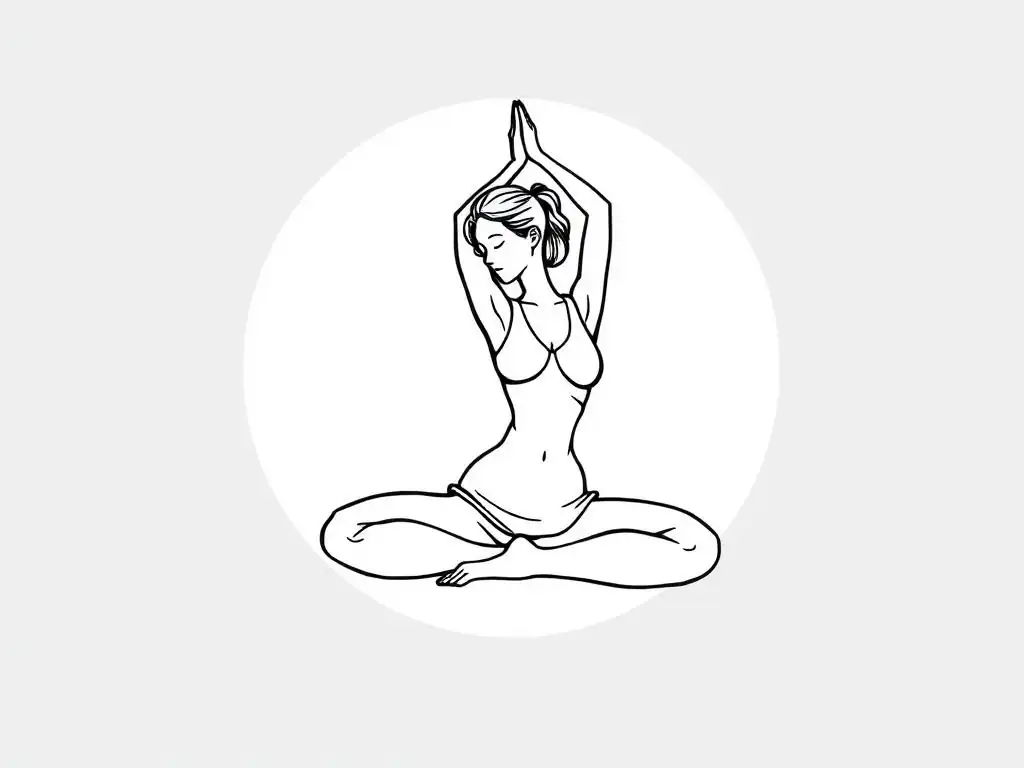
Movement, even in short bursts, can be a remarkably effective way to quickly reset your mental state. When you're feeling overwhelmed, physical activity acts as a natural stress reliever. It doesn't require a strenuous workout; even a few minutes of simple movement can make a significant difference. The key is to choose an activity you enjoy and can easily incorporate into your day.
For example, a brisk walk around the block can help clear your head and release endorphins, natural mood boosters. Similarly, a few minutes of stretching or yoga can help alleviate physical tension, which often accompanies mental stress. Even simple activities like dancing to your favorite music or doing some light calisthenics can be effective. The goal is to get your body moving, increase your heart rate slightly, and focus on the physical sensations of your body in motion.
This helps shift your attention away from anxious thoughts and promotes a sense of grounding and presence. Remember that consistency is key. Regular physical activity, even in small doses, contributes to long-term mental well-being.
Consider incorporating short movement breaks throughout your day, particularly during periods of high stress or mental fatigue. This proactive approach can significantly improve your ability to manage stress and quickly reset your mental state. Experiment with different types of movement to find what best suits your preferences and energy levels.
Creating a Personal Mental Reset Toolkit: Your Go-To Strategies
Developing a personalized mental reset toolkit is crucial for effectively managing stress and promoting mental well-being. This toolkit should contain a variety of strategies tailored to your individual needs and preferences, ensuring you have readily available tools to cope with stressful situations. This isn't a one-size-fits-all approach; what works for one person might not work for another.
Begin by identifying your personal stressors and the situations that typically trigger feelings of overwhelm. Once you've pinpointed these triggers, brainstorm potential coping mechanisms. This could include deep breathing exercises, progressive muscle relaxation techniques, listening to calming music, spending time in nature (as discussed earlier), engaging in a favorite hobby, or simply journaling your thoughts and feelings. The key is to select strategies that are both effective and easy to implement.
Once you've assembled your toolkit, practice using these strategies regularly, even when you're not feeling stressed. This will help build a habit and ensure that these techniques are readily available when you need them most. Regularly review and refine your toolkit as needed. What works well today might not be as effective in the future.
Continuously experimenting with new techniques and adapting your strategies based on your experience is essential for maintaining a robust and effective mental reset toolkit. Remember, building resilience requires ongoing self-awareness and a willingness to adapt your approach to stress management. This personalized approach will empower you to effectively navigate challenging situations and maintain your mental equilibrium.
Maintaining Mental Wellness: Long-Term Strategies for Sustained Calm
Maintaining a calm and centered mindset isn't just about quick fixes; it's about cultivating long-term mental wellness. While 5-minute reset techniques are invaluable for immediate stress relief, incorporating sustainable practices into your daily life is key to experiencing consistent calm. Think of these quick resets as first aid – crucial in emergencies, but not a replacement for ongoing preventative care.
One powerful strategy is mindful meditation. Regular meditation, even for just 10-15 minutes daily, can significantly reduce stress levels and improve emotional regulation. Studies have shown that consistent meditation practice increases gray matter in the brain regions associated with emotional processing, leading to greater resilience against stress. 1 Start small; even a few minutes of focused breathing can make a difference. There are many guided meditation apps available to help you get started, offering diverse styles to find what suits you best.
Beyond meditation, incorporating regular physical activity is crucial. Exercise isn't just about physical health; it's a powerful tool for mental wellness. Physical activity releases endorphins, natural mood boosters that combat stress and anxiety. Aim for at least 30 minutes of moderate-intensity exercise most days of the week. This could be anything from a brisk walk to a more intense workout – find an activity you enjoy to ensure consistency. The key is to find movement that you genuinely look forward to, making it a sustainable part of your routine rather than a chore.
Prioritizing sleep is another cornerstone of long-term mental wellness. Insufficient sleep dramatically impacts mood, cognitive function, and stress response. Aim for 7-9 hours of quality sleep each night. Establish a consistent sleep schedule, create a relaxing bedtime routine (perhaps including a warm bath or reading), and ensure your bedroom is dark, quiet, and cool to optimize your sleep environment. Addressing sleep disturbances proactively can significantly improve your overall mental wellbeing and capacity to handle daily stressors. Consider keeping a sleep diary to identify patterns and potential issues.
Finally, cultivating healthy social connections is vital. Strong social support networks provide emotional buffering against stress and promote feelings of belonging and security. Make time for meaningful interactions with loved ones, whether it's a phone call, a shared meal, or engaging in a shared hobby. Nurturing these relationships provides a crucial emotional anchor, helping you navigate challenges and maintain a sense of calm amidst life's inevitable ups and downs. Remember that building and maintaining strong relationships is an investment in your long-term mental health.
1 [Citation needed: Specific study on meditation and gray matter increase]
Beyond 5 Minutes: Building a Sustainable Mental Wellness Routine
This section explores how to integrate the quick mental reset techniques discussed previously into a more comprehensive, long-term mental wellness strategy. Simply employing a 5-minute technique occasionally isn't enough to cultivate lasting mental resilience. Think of these techniques as tools in your mental wellness toolbox; consistent use is key to their effectiveness. A sustainable routine requires a multifaceted approach, combining mindful practices with lifestyle adjustments.
Integrating Mental Reset Techniques into Your Daily Life
Sustaining mental well-being isn't a sprint; it's a marathon. Integrating quick mental reset techniques into your daily routine requires intentionality and consistency. Here's a practical approach:
- Morning Mindfulness: Start your day with a 5-minute mindfulness exercise, such as deep breathing or a short meditation. This sets a calm and focused tone for the day. Even a simple body scan, noticing sensations without judgment, can be incredibly effective. The goal isn't to eliminate all stress, but to build resilience to it.
- Midday Mental Refresh: Schedule a short break mid-day, perhaps around lunchtime, to employ one of your quick reset techniques. This can help counteract the stress buildup that often occurs during a busy workday. Stepping away from your computer for even 5 minutes to practice some deep breathing can significantly improve your afternoon productivity.
- Evening Wind-Down: Before bed, dedicate 5-10 minutes to a relaxing activity, such as gentle stretching, reading a book, or listening to calming music. Avoid screens during this time to promote better sleep and reduce anxiety. This helps your mind transition from the day’s activities to a restful state.
- Consistency is Key: The effectiveness of these techniques hinges on consistency. Treat your mental wellness routine like any other important appointment – schedule it and stick to it. Tracking your progress with a journal or app can enhance your commitment and help you identify patterns and areas for improvement.
- Experiment and Adapt: Not all techniques work for everyone. Experiment with different methods to discover what resonates best with you. What works wonders for one person might be ineffective for another. Regularly review and adapt your routine as needed. This flexibility ensures that your mental wellness plan remains relevant and effective over time.
The benefits of a consistent mental wellness routine extend beyond stress reduction. Studies show that regular mindfulness practices can improve focus, enhance emotional regulation, and boost overall well-being. By incorporating these quick techniques into a broader self-care strategy, you’re investing in your long-term mental health and resilience. Remember, even small, consistent actions can lead to significant positive changes. Think of it as building mental muscle – the more you exercise it, the stronger it becomes.
Seeking Professional Help: When to Reach Out for Support
While quick mental reset techniques are valuable tools for managing everyday stress, they are not a replacement for professional mental health support. Knowing when to seek professional help is crucial for maintaining optimal mental well-being. This section outlines key indicators that suggest the need for professional guidance.
When to Reach Out for Support
Persistent symptoms, particularly those interfering with daily life, warrant professional attention. Consider seeking support if you experience:
- Persistent feelings of sadness, hopelessness, or worthlessness: These feelings, if prolonged and intense, could indicate depression. Don't underestimate the power of professional guidance in navigating these difficult emotions.
- Difficulty concentrating or making decisions: Chronic difficulties with focus and decision-making can significantly impact various aspects of your life, from work to relationships. A mental health professional can provide strategies and support to overcome these challenges.
- Significant changes in sleep patterns: Consistent sleep disturbances, whether insomnia or excessive sleeping, can be a sign of underlying mental health issues. Professional evaluation can help identify the root cause and develop effective coping mechanisms.
- Increased irritability, anxiety, or anger: If you find yourself experiencing heightened irritability, anxiety, or anger more frequently and intensely than usual, it's important to seek professional help. Unmanaged negative emotions can have far-reaching consequences.
- Suicidal thoughts or self-harm: These are serious warning signs requiring immediate professional intervention. If you or someone you know is experiencing suicidal thoughts, please seek help immediately. There are resources available to provide support and guidance.
Remember, seeking professional help is a sign of strength, not weakness. Mental health is just as important as physical health, and seeking support when needed is a crucial step in maintaining overall well-being. A mental health professional can provide personalized guidance, develop coping strategies, and offer treatment options tailored to your specific needs. Don't hesitate to reach out for support when you need it. Your mental health is worth it.
Frequently Asked Questions
What are some quick mental reset techniques I can use when feeling overwhelmed?
A quick mental reset involves deep breathing exercises, focusing on your breath for a minute or two. You can also try a short mindfulness meditation or a brisk walk to clear your head.
How can I incorporate these techniques into my busy daily routine?
Schedule short breaks throughout your day, even just 5-10 minutes, for a quick reset. Use alarms or reminders to prompt these breaks. Prioritize self-care to make time for these techniques.
Are these techniques effective for managing stress and anxiety?
Yes, these mindfulness-based techniques have been shown to reduce stress and anxiety levels. They help to regulate your nervous system and promote a sense of calm. Consistency is key to experiencing their full benefits.
Do I need any special equipment or tools for these mental reset techniques?
No, these techniques are accessible and require no special equipment. You can practice them anywhere, anytime. The most important thing is to commit to the practice.
How long will it take to see results from practicing these quick mental resets?
You might notice immediate benefits like reduced tension and improved focus. Consistent practice over time will lead to greater stress resilience and improved overall well-being. Be patient and persistent.
Final Reflection: Reclaiming Your Calm in a Frantic World
The relentless pace of modern life demands we find pockets of peace, and these five-minute mental reset techniques offer a powerful antidote to the pervasive stress of daily living. The ability to quickly center oneself is no longer a luxury, but a crucial skill for navigating the complexities of our world and maintaining both mental and physical well-being. Ignoring the need for regular mental recalibration is akin to ignoring the need for physical exercise – the consequences accumulate and eventually manifest in significant ways.
The impact of constant connectivity and the pressure to perform are undeniable forces shaping our cultural landscape. We are constantly bombarded with information, demands, and expectations, leaving little room for quiet reflection and self-care. The price of anything is the amount of life you exchange for it,
as Henry David Thoreau wisely observed. This rings particularly true in our current climate, where the relentless pursuit of productivity often comes at the expense of our mental and emotional well-being. These simple techniques offer a pathway to reclaim that lost life, to prioritize our inner peace amidst the chaos.
You now hold the key to unlocking moments of calm amidst the storm. Take a moment to reflect on which technique resonated most with you, and commit to incorporating it into your daily routine. Even five minutes a day dedicated to mental reset can profoundly impact your overall well-being, reducing stress, enhancing focus, and cultivating a greater sense of inner peace. Start small, be consistent, and watch as your ability to manage stress and find calm grows stronger with each passing day. Your well-being is worth it.
Unlock Your Inner Calm: Start Your 5-Minute Reset Now!
Thank you for exploring these powerful 5-minute mental reset techniques! We hope you've discovered new strategies to manage stress and find your center. Ready to incorporate these into your daily life?
- Prioritize your most effective technique: Choose one method from the article that resonates most strongly with you and commit to practicing it daily for a week. Observe how it impacts your daily experience.
- Share your 5-Minute Reset journey: Tell us (and your friends!) on social media which technique you chose and how it's working for you! Let's build a supportive community focused on well-being.
- Explore a new technique each week: Don't be afraid to experiment! Each method offers unique benefits, so discover what works best for you.
What simple change will you make today to prioritize your mental well-being?