
The 20Minute Workout for a Stronger Body


Ready to reclaim your time and transform your body? Welcome to UltimateLifeHacks, your destination for practical tips and tricks to optimize every aspect of your life. We're diving straight into maximizing your fitness with our latest article: a 20-minute full body workout that delivers serious results without demanding hours at the gym. Intrigued? Discover how to achieve a stronger, healthier you in less time than you think – read on!
- Introduction: Maximizing Your 20-Minute Full Body Workout
- Warm-up: Preparing Your Body for a 20 Minute Full Body Blast
-
The 20-Minute Full Body Workout Routine: Exercises and Sets
- High-Intensity Interval Training (HIIT) Approach Explained
- Exercise 1: Burpees (Effective for Full Body Strength and Cardio)
- Exercise 2: Squats (Targeting Legs and Glutes)
- Exercise 3: Push-ups (Chest, Shoulders, and Triceps Engagement)
- Exercise 4: Lunges (Leg Strength and Balance)
- Exercise 5: Plank (Core Strength and Stability)
- Exercise 6: Jumping Jacks (Cardio and Full Body Coordination)
- Rest and Recovery Periods Between Sets
- Cool-Down and Stretching: Post-Workout Recovery for Muscle Repair
- Tips for Optimizing Your 20-Minute Full Body Workout Routine
- Conclusion: Achieving Fitness Goals with a 20-Minute Full Body Workout
- Frequently Asked Questions
- Final Reflection: Unlocking Strength in 20 Minutes: A Lasting Legacy
- Unleash Your Inner Strength: Start Your 20-Minute Transformation!
Introduction: Maximizing Your 20-Minute Full Body Workout
Fitting in a workout can feel impossible with a busy schedule. Between work, family, and social commitments, dedicating an hour or more to exercise often feels like a luxury. But what if you could achieve significant fitness gains in just 20 minutes?
This article explores the effectiveness of a 20-minute full body workout, providing you with a structured routine and highlighting the numerous benefits of incorporating high-intensity, short bursts of exercise into your daily life. We'll delve into why this approach is ideal for busy individuals, showcasing the impressive results achievable in a short timeframe, and debunking the myth that longer workouts are always superior. Get ready to transform your fitness routine and reclaim your valuable time with a powerful 20-minute full body workout designed for maximum impact and minimal time commitment.
This guide is perfect for anyone looking to incorporate a quick, effective, and efficient workout into their busy life, optimizing both physical and mental well-being. We’ll cover the benefits, provide a sample workout routine, and address frequently asked questions.
Why Choose a 20-Minute Full Body Workout? Time Efficiency and Results
Let's face it: life is busy. Finding a dedicated hour for a workout can be challenging, leading many to skip exercise altogether. A 20-minute full body workout offers a compelling solution, maximizing efficiency without compromising results. The key lies in high-intensity interval training (HIIT).
HIIT involves short bursts of intense exercise followed by brief recovery periods. This method elevates your heart rate significantly, boosting calorie burn and improving cardiovascular fitness. Furthermore, full-body workouts engage multiple muscle groups simultaneously, leading to greater calorie expenditure and increased muscle growth compared to isolated muscle exercises.
Studies have shown that short, high-intensity workouts can be just as effective, if not more so, than longer, lower-intensity sessions for improving cardiovascular health, strength, and endurance. The time efficiency of a 20-minute full body workout makes it an ideal option for individuals with limited time, promoting adherence and consistency in a fitness routine. This method is particularly beneficial for building lean muscle mass and improving overall fitness levels.
Benefits of Short, High-Intensity Workouts for Busy Schedules
The benefits of a 20-minute full body workout extend far beyond simply saving time. This type of workout routine offers a multitude of advantages for busy individuals striving to maintain a healthy lifestyle:
- Increased Time Efficiency: The most obvious benefit is the significant time saving. A 20-minute workout can be easily integrated into even the busiest schedules, eliminating the excuse of “not having enough time.”
- Improved Cardiovascular Health: HIIT workouts are incredibly effective for improving cardiovascular health. The short bursts of intense activity followed by rest periods elevate your heart rate and improve your body's ability to efficiently deliver oxygen to your muscles. This leads to a stronger heart and improved endurance.
- Enhanced Metabolism: High-intensity interval training boosts your metabolism for hours after your workout, helping you burn more calories throughout the day, even at rest. This is crucial for weight management and overall health.
- Increased Muscle Strength and Growth: While shorter than traditional workouts, a well-structured 20-minute full-body routine can effectively stimulate muscle growth and strength gains. The intensity of the exercises makes the most of your workout time.
- Improved Mental Well-being: Exercise releases endorphins, which have mood-boosting effects. Even a short, intense workout can significantly improve your mood, reduce stress, and increase energy levels. This is invaluable in managing the pressures of a busy lifestyle.
- Increased Adherence: The shorter duration makes it easier to stick to a consistent workout routine. The feeling of accomplishment after completing a 20-minute workout is a powerful motivator, encouraging continued participation.
Warm-up: Preparing Your Body for a 20 Minute Full Body Blast
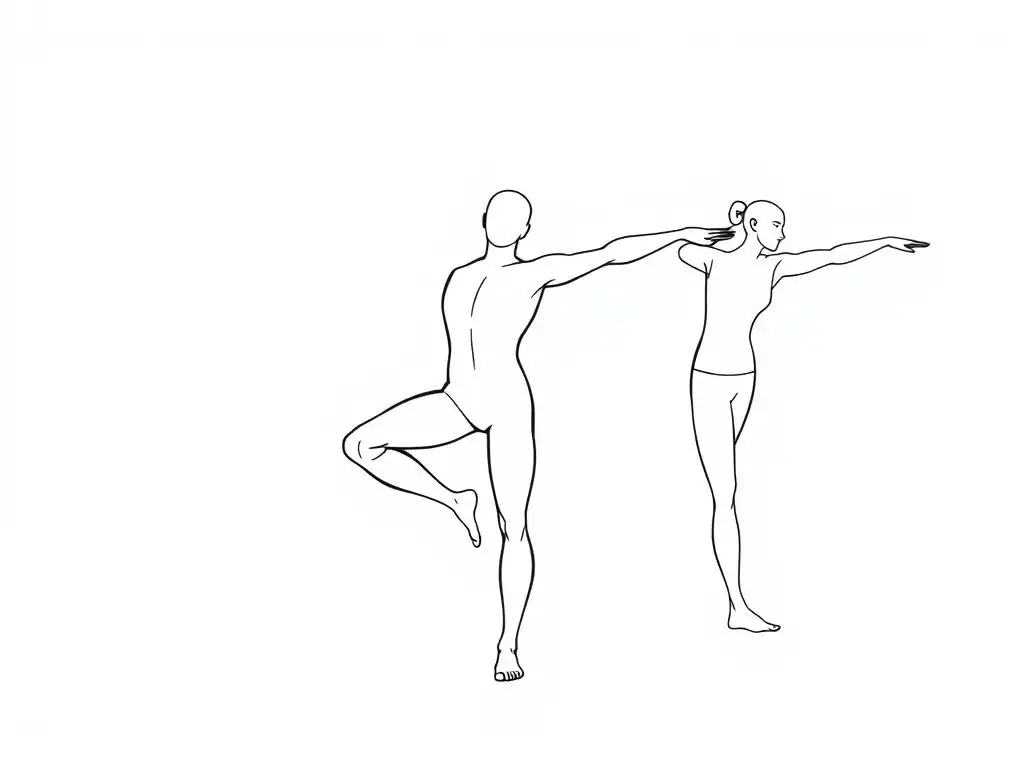
A proper warm-up is crucial before any workout, especially a high-intensity 20-minute full body routine. Skipping this critical step increases your risk of injury and reduces the effectiveness of your exercise. Think of it as priming your engine before a race – you wouldn't start a car without warming it up, would you?
The same principle applies to your body. A well-structured warm-up prepares your muscles, improves blood flow, and increases your range of motion, allowing you to perform at your peak and minimizing the risk of strains or pulls. This section outlines the two key components of an effective warm-up for your 20-minute full-body workout: dynamic stretching and light cardio.
Dynamic Stretching for Optimal Performance
Dynamic stretching involves controlled movements that take your joints through their full range of motion. Unlike static stretching (holding a stretch in one position), dynamic stretches mimic the movements you'll be performing in your workout, preparing your muscles for the work ahead. Aim for 5-10 minutes of dynamic stretching, focusing on major muscle groups. Here are some examples perfect for a 20-minute full body workout:
- Arm Circles: Forward and backward, 10 repetitions each direction. This prepares your shoulders and upper back for exercises like push-ups and rows.
- Leg Swings: Forward and backward, and side to side, 10 repetitions each direction per leg. This warms up your hip flexors, hamstrings, and quads, crucial for squats and lunges.
- Torso Twists: Gentle twists from side to side, 10 repetitions each direction. This improves mobility in your core, vital for stability during many exercises.
- High Knees: Marching in place, bringing your knees high towards your chest, for 30 seconds. This increases heart rate and warms up your legs.
- Butt Kicks: Similar to high knees, but kicking your heels towards your glutes. 30 seconds. This further warms up your hamstrings and glutes.
Remember to perform each dynamic stretch with controlled movements, avoiding bouncing or jerky motions. Listen to your body and stop if you feel any pain. The goal is to gently prepare your muscles, not to strain them. This dynamic stretching routine significantly improves the effectiveness and safety of your 20-minute full-body workout.
Light Cardio to Increase Blood Flow
Following your dynamic stretching, incorporate 2-3 minutes of light cardio to elevate your heart rate and increase blood flow to your muscles. This prepares your cardiovascular system for the more intense exercise to come and further warms your muscles. Effective options include:
- Jumping Jacks: A classic warm-up exercise that gets your heart pumping and engages multiple muscle groups. Perform for 60 seconds.
- Brisk Walking: Walking at a moderate pace for 2 minutes helps increase blood flow without overexerting yourself before your main workout.
- Jumping Rope: Jumping rope for 1-2 minutes is a great way to increase your heart rate and improve coordination. (Adjust time based on your fitness level).
The key is to choose an activity you enjoy and that gets your heart rate slightly elevated. You should feel a gentle warmth in your muscles and a slight increase in your breathing rate. Avoid intense cardio at this stage; this is about preparation, not exhaustion. This light cardio, combined with the dynamic stretching, ensures that your body is optimally prepared for your 20-minute full-body workout, maximizing results and minimizing injury risks. This approach ensures you make the most of your 20-minute full body workout routine.
The 20-Minute Full Body Workout Routine: Exercises and Sets
This section details a highly effective 20-minute full body workout routine designed for maximum results in minimal time. This routine utilizes a High-Intensity Interval Training (HIIT) approach to maximize calorie burn and muscle engagement. Remember to consult your physician before starting any new workout regimen. This 20 minute full body workout is perfect for busy individuals looking to maintain fitness without extensive gym time.
High-Intensity Interval Training (HIIT) Approach Explained
The core principle of this 20 minute full body workout hinges on High-Intensity Interval Training (HIIT). HIIT involves short bursts of intense exercise followed by brief recovery periods. This method is incredibly efficient for building strength, improving cardiovascular health, and burning calories, even after your workout concludes (the "afterburn effect"). We'll be using a 40-second work/20-second rest structure for each exercise. This ratio is easily adjustable based on your fitness level; beginners might start with a 30-second work/30-second rest interval, gradually increasing intensity over time.
The key is to push yourself during the work intervals, maintaining a challenging pace. The short rest periods allow for minimal downtime, maximizing the workout's effectiveness within the 20-minute timeframe. Remember to prioritize proper form over speed to avoid injury. This 20minute full body workout is designed to be challenging, but remember to listen to your body and take breaks when needed.
Exercise 1: Burpees (Effective for Full Body Strength and Cardio)
Burpees are a fantastic full-body exercise that combines strength training with cardiovascular work. They engage multiple muscle groups simultaneously, including your legs, glutes, chest, shoulders, and core. Proper form is crucial to maximize benefits and avoid injury.
Here's how to perform a burpee correctly:
- Stand with your feet shoulder-width apart.
- Squat down, placing your hands on the floor in front of you.
- Kick your feet back into a plank position.
- Perform a push-up (optional, modify as needed).
- Return to the plank position.
- Bring your feet forward, close to your hands.
- Explosively jump up, reaching your arms overhead.
- Land softly and immediately repeat.
For this 20-minute full body workout, we'll perform 3 sets of burpees, each lasting 40 seconds with a 20-second rest between sets. Focus on maintaining a controlled movement throughout each repetition. Remember to breathe! Consistent burpee practice will significantly improve your overall fitness level. This exercise is a cornerstone of many effective 20minute full body workouts.
Exercise 2: Squats (Targeting Legs and Glutes)
Squats are a fundamental exercise targeting your legs and glutes, building strength and improving lower body power. They are a crucial component of many effective 20minute full body workouts.
Proper squat form is essential for preventing injuries:
- Stand with your feet shoulder-width apart, toes slightly outward.
- Keep your back straight and core engaged.
- Lower your body as if sitting in a chair, keeping your weight in your heels.
- Ensure your knees don't extend beyond your toes.
- Push through your heels to return to the starting position.
In this 20-minute full body workout, we'll perform 3 sets of squats, each lasting 40 seconds with a 20-second rest between sets. Aim for controlled, deep squats, focusing on proper form to maximize muscle engagement and avoid strain. Variations like jump squats can be incorporated once you've mastered the basic squat technique to further intensify this part of your 20minute full body workout. Remember, consistency is key to seeing results. Proper form and gradual progression are vital to avoid injuries and maximize the effectiveness of this 20minute full body workout.
Exercise 3: Push-ups (Chest, Shoulders, and Triceps Engagement)
Push-ups are a classic bodyweight exercise that effectively targets multiple muscle groups simultaneously. This makes them incredibly efficient for a short, high-impact workout like our 20-minute routine. Proper form is crucial to maximize results and minimize risk of injury. Begin by positioning your hands slightly wider than shoulder-width apart, fingers pointing forward.
Your body should form a straight line from head to heels, engaging your core to prevent sagging. Lower your chest towards the floor by bending your elbows, keeping them close to your body. Push back up to the starting position, focusing on squeezing your chest muscles at the top.
Aim for 3 sets of as many repetitions as possible (AMRAP). If you're new to push-ups, you can modify the exercise by performing them on your knees to reduce the intensity. As you get stronger, gradually increase the number of repetitions or sets. Remember to maintain proper form throughout the exercise to avoid strain.
Listen to your body and take breaks when needed. Variations like incline push-ups (hands on a raised surface) or decline push-ups (feet elevated) can also be incorporated to target different muscle fibers and increase the challenge. A consistent push-up routine will contribute significantly to increased chest strength, shoulder stability, and triceps definition, all key components of a strong and well-balanced physique. Remember to focus on controlled movements and proper breathing for optimal results.
Exercise 4: Lunges (Leg Strength and Balance)
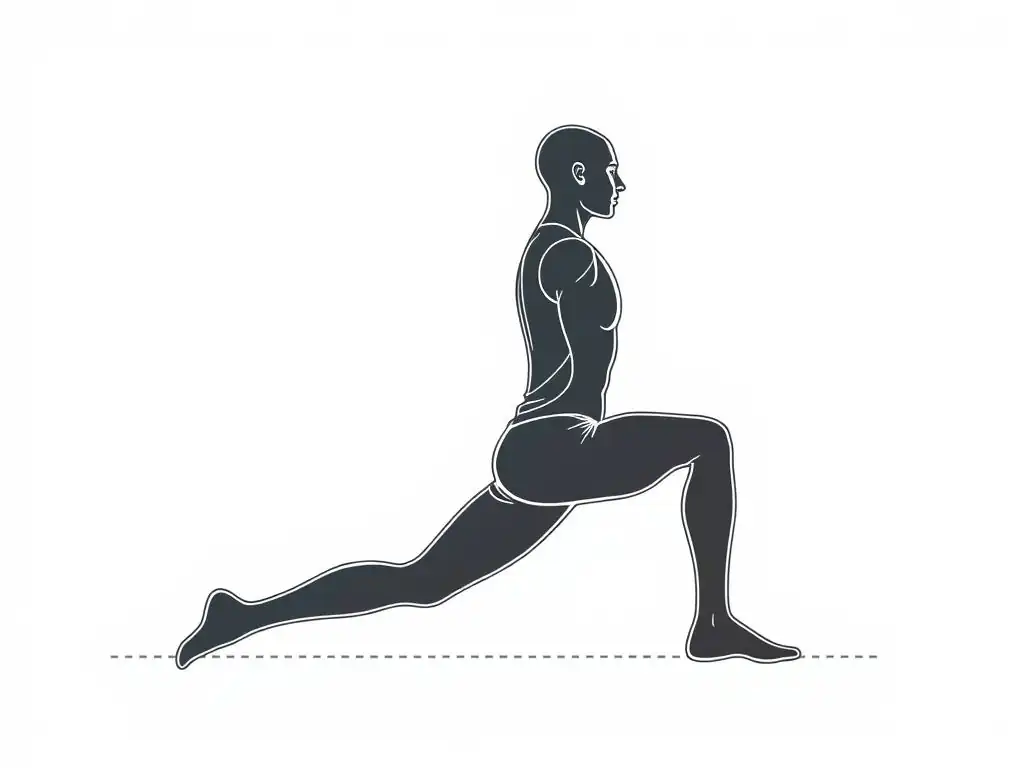
Lunges are a fantastic exercise for building leg strength and improving balance. They work your quadriceps, hamstrings, glutes, and calves, contributing to overall lower body power and stability. To perform a lunge correctly, stand with your feet hip-width apart. Step forward with one leg, bending both knees to 90-degree angles. Ensure your front knee stays aligned with your ankle, avoiding any strain on your knee joint. Push off with your front foot to return to the starting position, and repeat with the other leg.
For our 20-minute workout, aim for 3 sets of 10-12 repetitions per leg. Maintaining a controlled pace is more effective than rushing through the repetitions. Focus on feeling the muscles working in your legs. Lunges are highly adaptable; you can modify them by reducing the step length for a less intense workout, or increase the challenge by holding weights in your hands.
Variations like walking lunges (stepping continuously forward) or reverse lunges (stepping backward) can also be incorporated to further engage your leg muscles and enhance your overall fitness. Proper form is vital in preventing injuries, so pay close attention to your posture and knee alignment. The benefits of regular lunges extend beyond physical strength; they also improve balance and coordination, which are crucial for everyday activities.
Exercise 5: Plank (Core Strength and Stability)
The plank is a deceptively simple yet highly effective exercise for building core strength and stability. It engages multiple muscle groups, including your abdominals, back, shoulders, and glutes, improving posture and overall body control. To perform a plank correctly, start by lying face down on the floor with your forearms flat on the ground, elbows directly beneath your shoulders. Push your body up, forming a straight line from head to heels, engaging your core muscles. Your body should be parallel to the floor, avoiding sagging in the hips or arching in the back.
Hold the plank position for as long as you can maintain proper form, aiming for 3 sets. Even short holds, performed correctly, are beneficial. As you get stronger, gradually increase the duration of your plank holds. Remember that maintaining proper form is more important than holding the plank for an extended period with poor form.
The plank is a static exercise, meaning your body doesn't move, but the muscular endurance required is significant. This exercise is crucial for strengthening your core, which is essential for many other movements and activities. Variations such as side planks or forearm planks can be incorporated to target different muscle groups and add variety to your routine. A strong core is the foundation of a healthy and functional body; thus, incorporating planks into your 20-minute workout is an excellent choice for improving overall fitness and reducing the risk of injury.
Exercise 6: Jumping Jacks (Cardio and Full Body Coordination)
Jumping jacks are a fantastic, dynamic exercise that elevates your heart rate, boosting cardiovascular health. Beyond the cardio benefits, jumping jacks engage multiple muscle groups simultaneously, improving full-body coordination and muscular endurance. This makes them an ideal addition to a short, high-intensity workout like this 20-minute routine. Proper form is crucial to maximize benefits and minimize injury risk.
To perform a jumping jack correctly, stand with your feet together and arms at your sides. Jump, spreading your legs to shoulder-width apart while simultaneously raising your arms overhead. Return to the starting position with another controlled jump. Maintain a consistent rhythm throughout the set, focusing on smooth, controlled movements.
Avoid bouncing or jarring movements which can strain your joints. Remember to engage your core throughout the exercise to maintain stability and prevent lower back pain. Aim for a controlled, steady pace rather than rushing through the repetitions. Listen to your body and stop if you experience any pain.
Consider modifying the exercise by stepping instead of jumping if you have knee or ankle issues. This lower-impact variation still provides excellent cardiovascular and muscular benefits. Remember, consistent, proper form is key to reaping the rewards of jumping jacks and avoiding potential injuries. Even small modifications can make a significant difference in your workout experience and overall effectiveness.
Rest and Recovery Periods Between Sets
Adequate rest between sets is paramount for maximizing the effectiveness of your 20-minute full body workout and preventing injury. While the brevity of this routine necessitates efficiency, neglecting rest can lead to decreased performance and increased risk of muscle strain or fatigue. The ideal rest period depends on several factors, including your fitness level, the intensity of the exercise, and your individual recovery rate.
For a 20-minute full body workout, aim for short rest periods of approximately 30-60 seconds between sets. This allows your heart rate to partially recover while preventing excessive muscle fatigue. During this brief rest, focus on deep breathing to replenish oxygen levels in your muscles. This controlled breathing helps facilitate faster recovery and reduces the risk of feeling overly taxed.
Longer rest periods (over 60 seconds) might be necessary for particularly challenging exercises, while shorter rests (around 30 seconds) can be suitable for lighter movements. Pay close attention to how your body responds. If you feel excessively fatigued before completing a set, extend your rest period.
Conversely, if you feel you could handle more intensity, slightly shorten your rest intervals. Remember, this is your workout; adjust the rest periods to suit your individual needs and capabilities to optimize your results and ensure a safe and effective workout. Don't hesitate to experiment to find the optimal rest time that balances intensity and recovery for your body.
Cool-Down and Stretching: Post-Workout Recovery for Muscle Repair
A 20-minute full body workout, while efficient, demands proper recovery to maximize its benefits and prevent injuries. Neglecting the cool-down phase can lead to muscle soreness, stiffness, and even potential strains. This section details the importance of incorporating a cool-down and stretching routine into your 20-minute workout regimen. Remember, recovery is just as crucial as the workout itself for achieving optimal physical fitness and preventing setbacks.
Static Stretching to Improve Flexibility
Static stretching, holding a stretch for a sustained period (typically 15-30 seconds), is ideal for post-workout recovery. It helps lengthen muscles that have been shortened and tightened during exercise, improving flexibility and range of motion. This is particularly important after a high-intensity 20-minute full body workout, as your muscles will be warm and more receptive to stretching. Failing to stretch properly can lead to reduced flexibility and an increased risk of injury in subsequent workouts.
Here's a sample static stretching routine suitable after a 20-minute full body workout:
- Hamstring Stretch: Sit with legs extended, reach towards your toes, holding for 30 seconds. Repeat 2-3 times.
- Quadriceps Stretch: Stand on one leg, pull your heel towards your buttock, holding for 30 seconds. Repeat 2-3 times per leg.
- Calf Stretch: Lean against a wall with one leg straight and the other slightly bent. Hold for 30 seconds. Repeat 2-3 times per leg.
- Triceps Stretch: Reach one arm overhead, bend at the elbow, and gently pull your elbow towards your head with your other hand. Hold for 30 seconds. Repeat 2-3 times per arm.
- Chest Stretch: Interlock your fingers behind your back and gently straighten your arms, feeling the stretch across your chest. Hold for 30 seconds. Repeat 2-3 times.
- Shoulder Stretch: Reach one arm across your body and gently pull it towards your chest with your other hand. Hold for 30 seconds. Repeat 2-3 times per arm.
Remember to breathe deeply and avoid bouncing during static stretches. The goal is to feel a gentle pull, not sharp pain. Consistency is key; regular stretching will improve your flexibility over time, making your 20-minute full body workout even more effective and reducing the risk of injury. Listen to your body and adjust the duration of each stretch as needed.
Importance of Hydration After a High-Intensity Workout
Hydration is paramount after any intense physical activity, especially a 20-minute full body workout. During exercise, your body loses fluids through sweat, leading to dehydration if not replenished adequately. Dehydration can impair physical performance, cause fatigue, headaches, and muscle cramps. It also hinders the body's recovery process, impacting muscle repair and potentially delaying gains from your workout.
The amount of water you need to drink after your 20-minute workout depends on various factors, including intensity, duration, environmental conditions (temperature and humidity), and individual factors like body weight and sweat rate. However, as a general guideline, aim to drink at least 16-20 ounces of water within the hour following your workout. You can also consider electrolyte drinks, particularly if your workout was exceptionally intense or you sweat profusely. Electrolytes, like sodium and potassium, are lost through sweat and are essential for muscle function and hydration.
Replenishing these electrolytes helps your body recover more effectively and prevents muscle cramps. Proper hydration is a vital component of a successful 20-minute full body workout routine, contributing to both immediate and long-term fitness gains. 💧
Tips for Optimizing Your 20-Minute Full Body Workout Routine
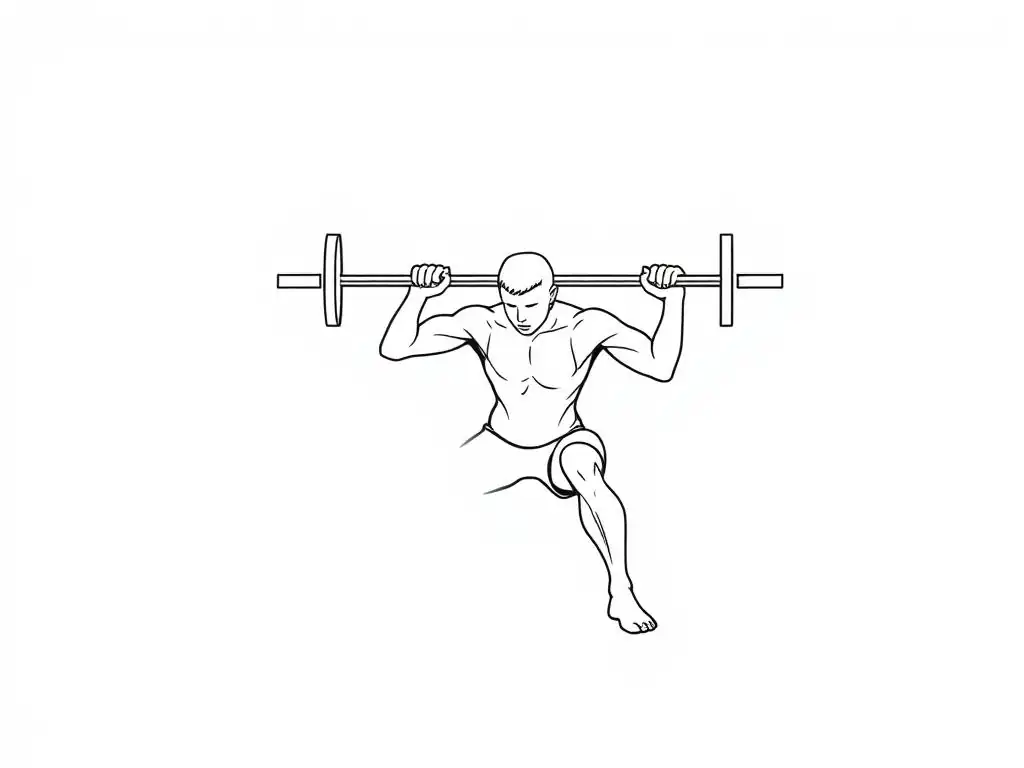
This section delves into strategies to maximize the effectiveness of your 20-minute full body workout, ensuring you achieve optimal results within the limited timeframe. We'll explore techniques to prevent injury, adapt the routine to your fitness level, and progressively increase the intensity to continually challenge your body. Remember, consistency is key! Even a short, effective workout performed regularly will yield significant improvements in strength, endurance, and overall fitness.
Proper Form and Technique for Injury Prevention
Maintaining correct form is paramount during any workout, but especially crucial in high-intensity, time-constrained routines like a 20-minute full body blast. Poor form significantly increases your risk of injury, potentially derailing your fitness goals and causing setbacks. Focus on quality over quantity. It's better to perform fewer repetitions with perfect form than many repetitions with sloppy technique.
Here's a breakdown of key considerations for injury prevention:
- Warm-up: Always begin with a 5-minute dynamic warm-up, such as arm circles, leg swings, and torso twists. This prepares your muscles for exertion and reduces the risk of strains. Don't skip this vital step!
- Controlled Movements: Avoid jerky or bouncy movements. Each repetition should be controlled and deliberate, focusing on engaging the target muscles throughout the entire range of motion.
- Proper Breathing: Breathe deeply and rhythmically throughout each exercise. Exhaling during exertion and inhaling during the less strenuous phase helps regulate blood flow and prevents dizziness.
- Listen to Your Body: Pay attention to any pain or discomfort. If you feel sharp pain, stop the exercise immediately and consult a healthcare professional. Minor muscle soreness is expected, but sharp pain is a warning sign.
- Progressive Overload: Gradually increase the weight, resistance, or repetitions as you get stronger. Avoid sudden jumps in intensity, which can lead to injury.
Adapting the Workout to Your Fitness Level
A 20-minute full body workout can be tailored to suit various fitness levels. Beginners should focus on bodyweight exercises and shorter rest periods, gradually increasing the intensity as they gain strength and endurance. More advanced individuals can incorporate heavier weights, more challenging variations of exercises, and shorter rest periods to maximize the metabolic response.
Here's how to adapt the workout:
| Fitness Level | Exercise Modifications | Rest Periods | Repetitions | Sets |
|---|---|---|---|---|
| Beginner | Bodyweight exercises, fewer repetitions | 60-90 seconds | 8-12 | 2-3 |
| Intermediate | Light weights, increased repetitions | 45-60 seconds | 12-15 | 3-4 |
| Advanced | Heavier weights, advanced exercise variations | 30-45 seconds | 15-20 | 4-5 |
Remember to prioritize proper form regardless of your fitness level. It's better to perform fewer repetitions with perfect form than many repetitions with poor form.
Progression and Increasing Intensity Over Time
To continue seeing results from your 20-minute full body workout, it's essential to progressively overload your muscles. This means gradually increasing the difficulty of the workout over time to continually challenge your body and promote growth. This can be achieved through several methods:
- Increasing Weight/Resistance: Gradually increase the weight or resistance used in your exercises. This is a classic method for stimulating muscle growth and strength gains.
- Increasing Repetitions: Once you can comfortably perform a set number of repetitions with good form, increase the number of repetitions you perform per set.
- Decreasing Rest Periods: Shortening your rest periods between sets will increase the intensity of your workout and improve your cardiovascular fitness.
- Adding Sets: As you get stronger, add an extra set to each exercise. This will increase the overall volume of your workout.
- Introducing New Exercises: Incorporate new exercises into your routine to challenge different muscle groups and prevent plateaus. Consider variations of squats, lunges, push-ups, and rows to keep your workouts fresh and effective.
By consistently implementing these progressive overload strategies, you'll ensure your 20-minute full body workout remains challenging and effective, leading to continued improvements in strength, endurance, and overall fitness. Remember to listen to your body and adjust the program accordingly. A well-structured 20-minute routine, consistently applied, can be a powerful tool for achieving your fitness goals.
Listen to Your Body and Rest When Needed
Ignoring pain or pushing yourself too hard during a 20-minute full body workout, or any workout for that matter, is counterproductive. A crucial element of any effective fitness routine is mindful listening to your body's signals. This isn't about slacking off; it's about intelligent training. Pushing through sharp, persistent pain can lead to injuries that sideline you for weeks, completely derailing your progress on your 20 minute full body workout goals. Remember, consistency is key, and consistent training requires avoiding setbacks.
Instead of striving for a specific number of repetitions or sets regardless of how you feel, focus on quality over quantity. If you feel a twinge in your knee during squats, modify the exercise or take a short break. Perhaps try a lighter weight or substitute with a different exercise that targets the same muscle group but with less stress on the affected area. For example, if lunges are causing discomfort, consider performing bodyweight squats instead. The goal is to maintain a challenging workout without jeopardizing your physical well-being.
Adequate rest is just as important as the workout itself. Your muscles need time to repair and rebuild after intense exercise. While a 20-minute workout is relatively short, it can still be taxing depending on the intensity and exercises chosen. Ensure you get sufficient sleep—ideally 7-9 hours per night—to allow your body to recover effectively. Don't hesitate to incorporate rest days into your weekly schedule to allow your body a complete break from strenuous activity.
This helps prevent overtraining and optimizes your results from your 20 minute full body workout. Remember, a well-rested body is a stronger, more resilient body, better equipped to handle the demands of your fitness journey. Prioritizing rest is not a sign of weakness, but rather a smart strategy for long-term success in achieving your fitness goals. Listen to your body; it will tell you what it needs.
Conclusion: Achieving Fitness Goals with a 20-Minute Full Body Workout
This 20-minute full body workout routine, designed for efficiency and effectiveness, offers a powerful tool for achieving your fitness goals. Remember, the key isn't just completing the workout; it's about consistent effort and smart integration into your lifestyle. This program, while short, packs a punch, targeting major muscle groups and improving cardiovascular health. Whether your goal is weight loss, muscle building, or simply improved overall fitness, incorporating this routine can significantly contribute to your success.
The flexibility of a 20-minute workout allows you to fit fitness into even the busiest schedules, making it a sustainable and effective solution for long-term health improvement. By prioritizing this short but potent workout, you're investing in your physical and mental well-being, reaping the rewards of increased energy, improved mood, and a stronger, healthier body. This efficient approach to fitness empowers you to make significant progress without demanding excessive time commitments.
Consistency is Key for Long-Term Results
The effectiveness of any workout routine hinges on consistency. A single 20-minute full body workout won't magically transform your physique. However, consistent execution, even on days when you feel less motivated, compounds over time, leading to noticeable improvements. Think of it like compound interest: small, regular contributions yield significant long-term gains.
Aim for at least 3-4 sessions per week to experience optimal results. Don't be discouraged if you miss a day or two; simply get back on track with your next scheduled workout. Track your progress – using a simple journal or fitness app – to monitor your achievements and stay motivated.
Celebrate milestones, no matter how small, to reinforce positive habits and maintain your commitment. Remember, consistency is the cornerstone of sustainable fitness success, and with this 20-minute routine, consistency is achievable. The key is to build it into your routine, making it as much a part of your day as brushing your teeth.
Integrating This Workout into Your Daily Routine for Maximum Benefits
Integrating this 20-minute full body workout into your daily routine requires strategic planning and commitment. Identify a consistent time slot that works best for your schedule. This could be first thing in the morning before work, during your lunch break, or in the evening before dinner. The most important aspect is consistency; choose a time that you're most likely to stick to. To avoid excuses, prepare your workout space in advance.
Lay out your exercise mat, gather any necessary equipment (resistance bands, dumbbells), and put on your workout clothes the night before. Consider setting a reminder on your phone or calendar to ensure you don't forget. If you find it difficult to motivate yourself alone, consider working out with a friend or family member. Accountability can be a powerful tool for maintaining consistency.
Furthermore, scheduling your workout like any other important appointment will help you prioritize it. Remember, this 20-minute investment in yourself will yield significant returns in terms of physical and mental well-being. This strategy of planning and preparation will help you achieve the benefits of a 20-minute full body workout consistently, leading to long-term fitness success. Don't underestimate the power of a well-structured routine.
Frequently Asked Questions
Can I really get a full-body workout in just 20 minutes?
Yes! This workout is designed for maximum efficiency. It utilizes compound exercises that work multiple muscle groups simultaneously, allowing you to achieve a full-body workout in a short amount of time. You'll be surprised at the results.
What equipment do I need for this 20-minute workout?
This workout requires minimal equipment. You can easily do it at home with just your bodyweight. However, dumbbells or resistance bands can be added for an increased challenge.
Is this workout suitable for beginners?
Yes, absolutely! The workout can be modified to suit all fitness levels. Beginners can focus on proper form and fewer repetitions, while more experienced individuals can increase the intensity.
How often should I do this 20-minute workout?
Aim for at least 3-4 times per week, allowing for rest days between workouts to allow your muscles to recover and rebuild. Listen to your body and adjust as needed.
Will this 20-minute workout help me lose weight?
While this workout is excellent for building strength and endurance, weight loss depends on a combination of exercise and diet. This workout can be a valuable component of a weight-loss plan, boosting your metabolism and burning calories.
Final Reflection: Unlocking Strength in 20 Minutes: A Lasting Legacy
The pursuit of fitness shouldn't be a marathon, but a series of manageable sprints. This article has explored the surprising effectiveness of 20-minute full-body workouts, demonstrating that high-intensity training can deliver remarkable results without demanding hours of commitment. This is especially crucial in our increasingly busy world, where finding time for self-care often feels like an impossible task.
The impact of prioritizing short, effective workouts extends far beyond physical health; it's a testament to the power of mindful intention. It's about reclaiming control over our time and well-being, proving that even small, consistent actions can yield significant transformations. The journey of a thousand miles begins with a single step.
This ancient proverb perfectly encapsulates the essence of this approach – consistent 20-minute workouts, repeated over time, become the foundation for a stronger, healthier you. This isn't just about physical fitness; it's about cultivating a disciplined mindset that can be applied to all aspects of life.
Now, consider your own life. What small, consistent action could you implement today to build towards a larger goal? Don't let the perceived enormity of a task paralyze you. Embrace the power of the 20-minute workout – both literally and metaphorically – as a reminder that significant progress is achievable through focused effort and consistent dedication. Start today. Your stronger, healthier self awaits.
Unleash Your Inner Strength: Start Your 20-Minute Transformation!
Ready to unlock a stronger, healthier you in just 20 minutes a day? This short but effective workout is your key to a significant improvement in your well-being. Don't wait for the perfect moment – start now!
- Begin your workout immediately! Even a short five-minute session is a powerful first step. Your body is waiting to respond to the challenge.
- Share your journey! Tell us on social media how you feel after your first workout using #20MinuteChallenge. Let's inspire each other to achieve our fitness goals!
- Adapt and personalize your workout: Modify the exercises to suit your fitness level and discover new ways to maximize your results.
Are you ready to experience the transformative power of consistent, short workouts?