
The Ultimate Sleep Environment Checklist: Ensure You're Getting the Best Rest

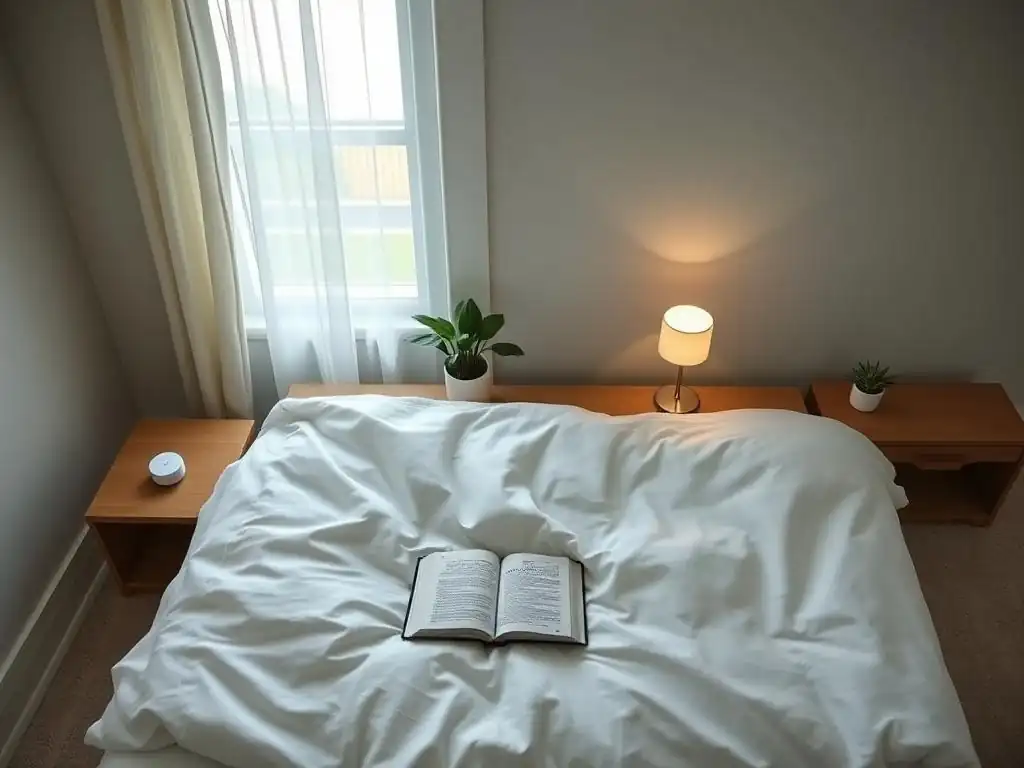
Ready to unlock the secret to unparalleled productivity and well-being? At UltimateLifeHacks, we deliver practical strategies to transform your daily life. But first, consider this: is your sleep environment truly optimized for peak performance? Our comprehensive Optimize sleep environment checklist reveals the often-overlooked elements impacting your rest and energy levels. Discover how small changes can lead to significant improvements in your sleep quality and overall health – dive in and start optimizing your rest today!
-
Optimize Sleep Environment Checklist: Your Step-by-Step Guide to Better Sleep
- Step 1: Assessing Your Current Sleep Environment
- Step 2: Optimizing Your Bedroom for Relaxation and Sleep
- Step 3: Enhancing Your Bed and Bedding for Superior Sleep
- Step 4: Decluttering and Organizing Your Sleep Space for Restful Sleep
- Step 5: Creating a Relaxing Pre-Sleep Routine to Optimize Sleep Environment
- Beyond the Checklist: Advanced Sleep Environment Optimization Tips
- Troubleshooting Common Sleep Environment Issues
- Maintaining Your Optimized Sleep Environment: Long-Term Strategies
- Frequently Asked Questions
- Final Reflection: Weaving the Tapestry of a Restful Night
- Unlock Your Best Sleep Yet!
Optimize Sleep Environment Checklist: Your Step-by-Step Guide to Better Sleep
Getting a good night's sleep is crucial for overall health and well-being. But how many of us truly optimize our sleep environment for maximum rest and rejuvenation? This comprehensive checklist will guide you through a step-by-step process to transform your bedroom into a sleep sanctuary, helping you achieve the deep, restorative sleep you deserve.
We'll explore key factors influencing sleep quality, from light and noise levels to temperature and humidity, providing practical solutions to enhance your sleep environment and optimize your sleep cycle. By following this checklist, you'll be well on your way to experiencing the transformative power of a truly optimized sleep environment – a key component in maximizing your productivity and overall well-being. This guide will help you rank high in search results for "Optimize sleep environment checklist".
Step 1: Assessing Your Current Sleep Environment
Before you start making changes, it's essential to evaluate your current sleep environment. This assessment will pinpoint areas needing improvement and provide a baseline for measuring the effectiveness of your optimization efforts. Consider these crucial factors:
Evaluating Your Bedroom's Light Levels for Optimal Sleep
Light significantly impacts melatonin production, the hormone regulating your sleep-wake cycle. Too much light, especially blue light emitted from electronic devices, can suppress melatonin, making it harder to fall asleep and stay asleep. Assess your bedroom's light levels at night. Is it completely dark, or is there ambient light from streetlights, electronic devices, or gaps under your door?
Note the sources and intensity of any light present. Consider using a light meter for a more precise measurement. This initial assessment will inform your choices for mitigating light pollution and creating a darker sleep environment. Remember, even small amounts of light can disrupt your sleep.
Assessing Noise Pollution & Its Impact on Sleep Quality
Noise pollution, whether it's traffic noise, neighborhood sounds, or household appliances, can significantly impact sleep quality. Even seemingly insignificant noises can disrupt your sleep cycles, leading to fragmented sleep and daytime fatigue. Take note of all noise sources in your bedroom and their intensity, particularly during nighttime hours. Consider keeping a sleep diary for a few nights to record any disruptions caused by noise. This detailed analysis will help you implement effective noise reduction strategies. A quieter sleep environment contributes significantly to better rest.
Analyzing Temperature and Humidity for Ideal Sleep Conditions
Temperature and humidity play a crucial role in sleep comfort. An overly warm or cold room can disrupt sleep, while excessive humidity can lead to discomfort and sweating. Use a thermometer and hygrometer to measure the temperature and humidity levels in your bedroom. The ideal sleep temperature is generally between 60-67°F (15-19°C), but this can vary based on individual preferences. Similarly, optimal humidity levels generally fall within the 30-50% range. Note your current readings and compare them to the ideal range to identify any areas needing adjustment. Addressing these environmental factors is key to achieving comfortable and restful sleep.
Step 2: Optimizing Your Bedroom for Relaxation and Sleep
Once you've assessed your sleep environment, it's time to implement changes that promote relaxation and better sleep.
Creating a Dark and Quiet Sleep Sanctuary: Blackout Curtains and Noise Reduction Techniques
Creating a dark and quiet bedroom is paramount for optimal sleep. Invest in blackout curtains to block out streetlights and ambient light. Consider using earplugs or a white noise machine to minimize disruptive noises. For more significant noise reduction, explore options like soundproofing materials or relocating your bed away from noisy areas. The goal is to create a haven of tranquility conducive to deep, restful sleep. Even small improvements in darkness and quiet can make a significant difference. This involves a proactive approach to managing environmental factors impacting your sleep.
Regulating Temperature for Ideal Sleep: The Perfect Sleep Temperature
Maintaining the ideal sleep temperature is crucial for comfortable sleep. If your bedroom is too warm, consider using a fan or air conditioner. If it's too cold, use extra blankets or a heater. Experiment to find your personal comfort zone, remembering that the ideal temperature is usually cooler than what you might find comfortable during the day. A consistent temperature throughout the night is also important; avoid significant temperature fluctuations. Consider a smart thermostat for precise temperature control.
Maintaining Optimal Humidity Levels for Comfortable Sleep
Maintaining optimal humidity levels contributes significantly to sleep comfort. Excessive humidity can lead to discomfort and sweating, while dry air can irritate nasal passages and lead to dryness. Use a humidifier or dehumidifier to adjust humidity levels to the ideal range of 30-50%. Regularly monitor humidity levels and adjust as needed to ensure a consistently comfortable sleep environment. This simple step can dramatically improve your sleep quality and overall well-being. Remember that comfort is key to a good night's rest. 😴
Step 3: Enhancing Your Bed and Bedding for Superior Sleep
This step focuses on transforming your bed into a haven of comfort and support, crucial for optimizing your sleep environment. Investing in high-quality bedding can significantly impact your sleep quality and overall well-being. Let's explore the key components:
Choosing the Right Mattress for Your Body Type and Sleep Style
Your mattress is the foundation of your sleep experience. A poorly chosen mattress can lead to back pain, discomfort, and restless nights. Consider your body type – are you a lightweight, average weight, or heavier individual? Your sleep style also matters – do you sleep on your back, side, or stomach?
Different mattress types cater to different needs. For instance, memory foam mattresses conform to your body shape, providing excellent pressure relief, ideal for side sleepers. Innerspring mattresses offer more bounce and support, suitable for back sleepers who prefer a firmer surface. Latex mattresses combine support and breathability, a good option for those prone to overheating.
Before making a purchase, try lying on different mattresses for at least 10-15 minutes to determine the best fit. Don't hesitate to seek advice from a sleep specialist or mattress expert to find the perfect match for your individual needs. Remember, a good mattress is an investment in your health and well-being.
Selecting the Perfect Pillows and Bedding for Comfort and Support
Pillows play a vital role in spinal alignment and neck support during sleep. The wrong pillow can lead to neck pain, headaches, and disrupted sleep. Consider using pillows that support your head and neck in a neutral position, regardless of your sleep position. For side sleepers, a thicker pillow is often recommended to fill the space between the head and shoulder, maintaining proper spinal alignment.
Back sleepers typically benefit from a thinner pillow, preventing the head from being elevated too high. Stomach sleepers might prefer a very thin pillow or no pillow at all. Beyond pillows, consider the quality of your bedding. High-thread-count sheets offer a smoother, softer feel, enhancing comfort and sleep quality.
Choose breathable materials like cotton or linen to prevent overheating. Consider the temperature regulation properties of your bedding, particularly if you tend to sleep hot or cold. Investing in quality bedding contributes significantly to a more comfortable and restful sleep experience.
The Importance of Clean and Fresh Bedding for Hygienic Sleep
Maintaining clean and fresh bedding is paramount for hygienic sleep. Our bedding accumulates sweat, dead skin cells, dust mites, and other allergens over time. These allergens can trigger allergies, asthma, and other respiratory problems, disrupting sleep quality. Regular washing of your bedding – at least once a week – is crucial to eliminate these allergens and maintain a clean sleep environment. Wash your sheets, pillowcases, and duvet covers in hot water (at least 130°F) to effectively kill dust mites.
Dry your bedding thoroughly in a dryer to further eliminate mites. Consider using hypoallergenic bedding materials if you suffer from allergies. Regularly airing out your mattress and pillows can also help to reduce moisture and prevent the build-up of allergens. Prioritizing clean bedding contributes to a healthier and more refreshing sleep environment.
Step 4: Decluttering and Organizing Your Sleep Space for Restful Sleep
A cluttered and disorganized bedroom can significantly impact your sleep quality and overall well-being. Creating a calming and organized space is essential for promoting relaxation and restful sleep. Let's explore how to achieve this:
The Impact of Clutter on Sleep Quality and Mental Well-being
Research shows a strong correlation between clutter and stress levels. A cluttered bedroom can create a sense of visual chaos, overwhelming your mind and making it difficult to relax before bed. This visual clutter can lead to increased anxiety and stress, hindering your ability to fall asleep and stay asleep.
The physical act of clearing clutter can be therapeutic, reducing stress and promoting a sense of calm and control. A clean and organized space contributes to a more peaceful and restful sleep environment. Studies have shown that people who sleep in cluttered rooms report lower sleep quality compared to those who sleep in organized spaces.
Creating a Calming and Organized Sleep Environment
Creating a calming sleep environment involves decluttering your bedroom and incorporating elements that promote relaxation. This includes removing unnecessary items from your bedside table and nightstand, ensuring a clean and organized surface. Consider using calming colors for your bedroom walls and bedding, opting for soft pastels or neutral tones. Minimize screen time before bed, as the blue light emitted from electronic devices can interfere with your sleep cycle.
Instead, engage in relaxing activities such as reading a book, taking a warm bath, or listening to calming music. Incorporating natural elements like plants can also contribute to a more peaceful atmosphere. A well-organized and aesthetically pleasing bedroom promotes a sense of calm and tranquility, conducive to restful sleep.
Utilizing Storage Solutions to Maximize Space and Minimize Clutter
Effective storage solutions are crucial for maintaining a clutter-free bedroom. Utilize under-bed storage containers, drawers, shelves, and wardrobes to organize your belongings. Consider investing in storage solutions that are both functional and aesthetically pleasing, enhancing the overall look of your bedroom. Regularly declutter your belongings, getting rid of items you no longer need or use.
This helps to prevent the accumulation of clutter and maintain a clean and organized space. By maximizing storage and minimizing clutter, you create a more relaxing and conducive environment for restful sleep. Remember, a well-organized bedroom contributes significantly to a peaceful and restorative sleep experience.
Step 5: Creating a Relaxing Pre-Sleep Routine to Optimize Sleep Environment
A relaxing pre-sleep routine is crucial for signaling your body it's time to wind down and prepare for sleep. This isn't just about hitting the hay at the same time every night; it's about creating a consistent sequence of calming activities that help transition your mind and body from the day's activities to a state of restful slumber. Consistency is key here; your body thrives on predictability, and a regular routine helps regulate your circadian rhythm, leading to improved sleep quality and easier falling asleep.
Think of it as training your body to associate specific actions with sleep, making the process more automatic and efficient. Neglecting this crucial step can lead to difficulty falling asleep, frequent awakenings, and ultimately, a less restorative sleep experience.
Developing a Consistent Bedtime Routine for Better Sleep
A consistent bedtime routine is the bedrock of a successful pre-sleep strategy. This means going to bed and waking up around the same time every day, even on weekends, to maintain a stable sleep-wake cycle. This regularity is vital because it synchronizes your internal clock, which regulates your body's natural sleep-wake cycle. Aim for a routine that lasts approximately 30-60 minutes.
For example, a routine could involve a warm bath, reading a book, listening to calming music, or light stretching. Avoid vigorous exercise or mentally stimulating activities close to bedtime. Remember that consistency is more important than the specific activities you choose – find what works best for you and stick to it.
The key is to create a predictable sequence of events that your body learns to associate with sleep. This predictability reduces anxiety and promotes relaxation, making it easier to fall asleep and stay asleep throughout the night. The benefits are undeniable: improved sleep quality, increased energy levels during the day, and a better overall sense of well-being.
Incorporating Relaxation Techniques into Your Pre-Sleep Routine
Integrating relaxation techniques into your pre-sleep routine is vital for optimizing your sleep environment. Techniques like deep breathing exercises, progressive muscle relaxation, and mindfulness meditation can significantly reduce stress and anxiety, preparing your body for sleep. Deep breathing, for instance, slows your heart rate and lowers your blood pressure, promoting a state of calm.
Progressive muscle relaxation involves systematically tensing and releasing different muscle groups to relieve physical tension. Mindfulness meditation encourages focusing on the present moment, helping to quiet the racing thoughts that often prevent sleep. Even just 10-15 minutes of these practices can make a substantial difference in your ability to fall asleep and enjoy a more restful night's sleep.
Experiment with different techniques to find what best suits your preferences and needs. Remember to create a quiet and dimly lit environment conducive to relaxation and focus. The benefits extend beyond improved sleep: reduced stress levels, enhanced mood, and increased overall well-being are just some of the positive effects you can expect.
Minimizing Screen Time Before Bed to Improve Sleep Quality
Minimizing screen time before bed is paramount for optimizing your sleep environment. The blue light emitted from electronic devices like smartphones, tablets, and computers suppresses melatonin production, a hormone crucial for regulating your sleep-wake cycle. This suppression can lead to difficulty falling asleep, disrupted sleep, and poor sleep quality. Aim to avoid screens for at least one to two hours before bedtime.
If you must use electronics, consider using blue light-blocking glasses or adjusting your device's settings to reduce blue light emission. Instead of screens, engage in relaxing activities like reading a physical book, taking a warm bath, or listening to calming music. These activities promote relaxation and help prepare your body for sleep. The impact of reducing screen time before bed is substantial: improved sleep quality, increased energy levels, and a more refreshed feeling upon waking.
By making this simple change, you'll significantly contribute to creating an optimal sleep environment and improving your overall sleep health. Consider this a small change with significant, positive long-term effects on your well-being. 😴
Beyond the Checklist: Advanced Sleep Environment Optimization Tips

This section delves into strategies beyond the basic checklist to truly optimize your sleep environment and achieve restorative rest. We'll explore how seemingly small adjustments can significantly impact your sleep quality, leading to improved energy levels and overall well-being. Remember, even seemingly minor tweaks in your sleep environment can dramatically improve your sleep hygiene and help you achieve a more restful night.
Investing in Smart Home Technology for Sleep Optimization
Smart home technology offers innovative ways to cultivate the ideal sleep environment. Consider integrating devices that automate aspects of your sleep routine for a more seamless and effective experience. For example, smart lighting systems can gradually dim the lights in the evening, mimicking the natural sunset and signaling your body to prepare for sleep. This is called circadian rhythm optimization, and it's incredibly effective. Conversely, smart alarms can gently wake you with increasing light intensity, mimicking a sunrise and promoting a more natural awakening.
Smart thermostats allow for precise temperature control throughout the night. Maintaining a slightly cooler room temperature (around 65°F or 18°C) is generally ideal for sleep. Smart devices can automate this temperature adjustment, ensuring consistent comfort throughout the night, preventing disturbances caused by fluctuating temperatures. This consistent temperature is crucial for maintaining a consistent sleep schedule, and avoiding disruptive awakenings.
Furthermore, some smart speakers offer sleep soundscapes or white noise generators, effectively masking disruptive noises from outside or within your home. The consistent, gentle sounds can help block out distractions and improve sleep continuity. Investing in these technologies might seem like an added expense, but the long-term benefits to your sleep quality and overall health are significant.
Using Aromatherapy and Essential Oils to Enhance Sleep
Aromatherapy, the therapeutic use of essential oils, can be a powerful tool for creating a relaxing and sleep-conducive atmosphere. Certain scents have been shown to promote relaxation and reduce stress, which are key factors in achieving quality sleep. Lavender, known for its calming properties, is a popular choice. Studies have shown that inhaling lavender essential oil can reduce anxiety and improve sleep quality. Other beneficial essential oils include chamomile, which has a soothing effect, and sandalwood, which promotes relaxation and reduces mental chatter.
However, it's crucial to use essential oils responsibly. Always dilute essential oils with a carrier oil, such as jojoba or almond oil, before applying them topically. For aromatherapy purposes, use a diffuser to disperse the scent gently into the air. Avoid using strong or overwhelming scents, as these can be counterproductive and potentially disruptive to sleep. Remember to always test a small amount of any essential oil on your skin before widespread application to check for allergies. Choosing the right essential oil and using it appropriately can significantly contribute to creating a truly optimized sleep environment.
The Benefits of a Consistent Sleep Schedule for Improved Sleep
Maintaining a consistent sleep schedule is paramount for optimizing your sleep environment and overall sleep quality. This means going to bed and waking up around the same time every day, even on weekends. A consistent sleep schedule helps regulate your body's natural sleep-wake cycle, known as your circadian rhythm. A disrupted circadian rhythm can lead to sleep disturbances, fatigue, and other health problems.
By sticking to a regular sleep schedule, your body learns to anticipate sleep and wakefulness, making it easier to fall asleep and wake up feeling refreshed. This consistency is key to improving sleep quality and reducing sleep inertia—that groggy feeling upon waking. Even small variations in your sleep schedule can have a noticeable impact on your sleep quality.
Aim for a sleep schedule that allows for at least seven to nine hours of sleep per night – the recommended amount for most adults. This consistent sleep duration, coupled with a consistent sleep schedule, is fundamental to creating an optimized sleep environment conducive to restorative sleep. Prioritizing a consistent sleep schedule is a foundational aspect of long-term sleep optimization.
Troubleshooting Common Sleep Environment Issues
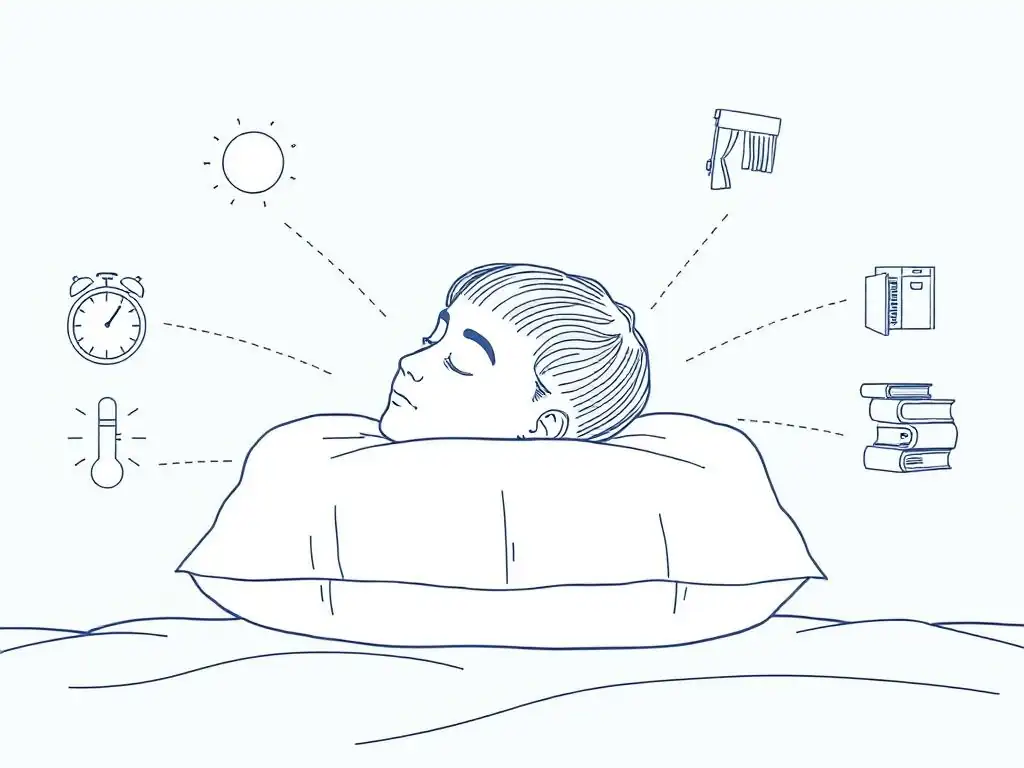
Optimizing your sleep environment is crucial for achieving restorative sleep. While creating the ideal sleep sanctuary involves many factors, sometimes unexpected issues arise. This section focuses on troubleshooting common problems that can disrupt your sleep, offering practical solutions to help you reclaim those precious Zzz's and optimize your sleep environment checklist. Addressing these challenges proactively contributes significantly to better sleep quality and overall well-being. Remember, even small adjustments can make a big difference in your sleep experience.
Dealing with Noise Disturbances: Effective Noise Cancellation Solutions
Noise pollution is a significant sleep disruptor. Whether it's traffic, neighbors, or household sounds, unwanted noise can prevent you from falling asleep or wake you during the night. Fortunately, several effective noise cancellation solutions can create a more peaceful sleep environment.
Several strategies can help minimize noise intrusions. Consider using earplugs designed for sleeping. Foam earplugs are readily available and affordable, offering a basic level of noise reduction. For more significant noise reduction, explore earplugs with noise-canceling technology. These often incorporate specialized materials to effectively dampen sound waves.
Beyond earplugs, consider investing in white noise machines. These devices generate consistent sounds like fan noise, ocean waves, or rain, masking disruptive noises and promoting relaxation. Alternatively, you can use apps on your smartphone or tablet that play ambient sounds.
For more persistent noise issues, explore soundproofing solutions for your bedroom. This could involve installing thicker curtains, adding rugs to absorb sound, or using sound-dampening materials on your walls. While more involved, these solutions offer long-term noise reduction, contributing to a consistently quiet sleep environment.
Addressing Light Pollution: Strategies for a Darker Bedroom
Light, even dim light, can significantly impact your sleep quality. Our bodies are naturally sensitive to light, and exposure to light at night can suppress melatonin production, a hormone crucial for regulating sleep-wake cycles. This can lead to difficulty falling asleep and lighter, less restful sleep. Therefore, creating a truly dark bedroom is paramount for optimizing your sleep environment checklist.
The first step is to identify and address all sources of light in your bedroom. This includes blocking out streetlights, moonlight, and electronic device emissions. Consider using blackout curtains or blinds specifically designed to block light. These are far more effective than standard curtains at minimizing light penetration.
Next, ensure all electronic devices are turned off or put into sleep mode. The subtle glow from even a standby light can disrupt your sleep. Consider using an alarm clock that doesn't emit any light. Alternatively, position your phone and other devices far away from your bed.
Finally, pay attention to subtle light sources. Even small LED lights on electronics or appliances can contribute to light pollution. Consider covering these lights or replacing them with less visually intrusive options. A truly dark bedroom will significantly improve your sleep quality and contribute to a more restful night's sleep.
Managing Temperature Fluctuations: Climate Control Solutions for Better Sleep
Maintaining a consistently comfortable bedroom temperature is essential for optimal sleep. A temperature that's too hot or too cold can lead to discomfort, restlessness, and frequent awakenings. Finding the ideal temperature for sleep is a personal preference, but generally, a slightly cool room (around 65°F or 18°C) is considered ideal for most people.
To manage temperature fluctuations, consider investing in a programmable thermostat. This allows for precise temperature control throughout the night, ensuring consistent comfort. You can program it to lower the temperature slightly before bedtime and maintain a consistent temperature throughout the night.
If a programmable thermostat isn't feasible, consider using a fan to circulate air and maintain a comfortable temperature. A ceiling fan can gently circulate air, preventing the air from becoming stagnant and helping to regulate temperature.
For those who live in climates with significant temperature variations, consider using a high-quality comforter or duvet to regulate your body temperature. Choose a material that is breathable and moisture-wicking to prevent overheating. Layering blankets allows you to adjust your warmth throughout the night as needed. Remember, a comfortable temperature is crucial for a restful night's sleep, directly impacting your ability to optimize your sleep environment checklist.
Maintaining Your Optimized Sleep Environment: Long-Term Strategies
Optimizing your sleep environment isn't a one-time task; it's an ongoing process. Consistent effort in maintaining a conducive sleep space is crucial for reaping the long-term benefits of improved sleep quality and overall well-being. Think of it as preventative maintenance for your most important daily activity: sleep! Neglecting this aspect can lead to a gradual decline in sleep quality, impacting your energy levels, mood, and overall health. This section outlines key strategies for sustaining a sleep environment optimized for restful nights, night after night.
Regular Cleaning and Maintenance of Your Sleep Space
Dust, allergens, and pet dander accumulate quickly in bedrooms, silently undermining your sleep quality. Regular cleaning is essential for maintaining a healthy and comfortable sleep environment. A weekly cleaning routine is ideal, but even a bi-weekly effort significantly improves the air quality in your bedroom.
Here's a suggested cleaning checklist:
- Dusting: Pay attention to surfaces like your nightstand, dresser, and window sills. Use a microfiber cloth to trap dust particles effectively. Don't forget to dust your ceiling fan blades, as accumulated dust can fall onto your bed.
- Vacuuming/Mopping: Vacuum or sweep the floor, paying special attention to areas under the bed and in corners. If you have carpets, vacuum thoroughly. Hardwood or tile floors should be mopped with a suitable cleaning solution.
- Air Purification: Consider using an air purifier, especially if you suffer from allergies or live in a highly polluted area. These devices can significantly reduce airborne allergens and improve air quality.
- Laundry: Wash your bedding (more on this in the next section! ), and consider laundering any other bedroom textiles like curtains or rugs as needed.
Remember to always use hypoallergenic cleaning products to minimize the risk of irritating your respiratory system. A clean sleep space contributes significantly to a better night's sleep, directly impacting your ability to optimize sleep environment checklist items.
Periodic Bedding Refreshment for Hygiene and Comfort
Your bedding is in direct contact with your skin throughout the night, making its cleanliness paramount. Regularly refreshing your bedding isn't just about hygiene; it contributes significantly to your overall sleep comfort.
Here's a schedule to consider:
- Sheets: Wash your sheets at least once a week, or more frequently if you sweat heavily or have pets. Use hot water (at least 130°F) to kill dust mites and bacteria.
- Pillowcases: Wash your pillowcases twice a week due to their proximity to your face and hair.
- Blankets and Comforters: Wash blankets and comforters every 2-3 months, or more often if needed. Check care labels for specific washing instructions. Consider using a dryer sheet to help reduce static cling.
- Mattress Protector: A mattress protector is a crucial investment. It shields your mattress from spills, sweat, and allergens, prolonging its life and keeping it clean. Wash it according to the manufacturer's instructions.
- Pillows: Pillows should be replaced every 1-2 years, depending on the type of fill. Over time, pillows lose their support and can accumulate allergens.
Regularly refreshing your bedding directly contributes to a more hygienic and comfortable sleep environment, allowing you to enjoy a more restful and rejuvenating sleep. This is a key element in any effective optimize sleep environment checklist.
Creating a Sustainable Sleep Environment for Consistent Restful Sleep
Maintaining an optimized sleep environment is a long-term commitment. It's about creating sustainable habits that support consistent restful sleep. This involves more than just cleaning; it encompasses creating a relaxing atmosphere and making mindful choices about your sleep space.
- Consistent Sleep Schedule: Maintaining a consistent sleep-wake schedule, even on weekends, helps regulate your body's natural sleep-wake cycle (circadian rhythm). This is a cornerstone of effective sleep hygiene.
- Temperature Control: A slightly cool room (around 65°F or 18°C) is generally ideal for sleep. Consider using a fan or air conditioner to regulate the temperature if needed.
- Minimize Light and Noise: Darkness and quiet are essential for quality sleep. Use blackout curtains or an eye mask to block out light, and earplugs to reduce noise distractions. Consider using a white noise machine to mask disruptive sounds.
- Declutter and Organize: A clean and organized bedroom promotes relaxation and reduces stress. Decluttering can significantly improve your sleep environment and create a more peaceful atmosphere. Think of it as a daily self-care ritual.
- Regular Review and Adjustment: Periodically review your sleep environment and make adjustments as needed. What works well today might need tweaking in a few months. This continuous optimization is key to long-term success.
By consistently implementing these strategies, you'll build a sustainable sleep environment that promotes restful sleep and enhances your overall well-being. This holistic approach to sleep optimization will yield significant improvements in your energy levels, mood, and overall health. Remember, a consistently optimized sleep environment is a crucial part of any successful optimize sleep environment checklist.
Frequently Asked Questions
What is the most important factor in optimizing my sleep environment?
The most important factor is creating a dark, quiet, and cool room. These conditions naturally promote melatonin production and better sleep quality. Addressing these first will yield the biggest improvements.
How can I make my bedroom quieter for better sleep?
Consider using earplugs, a white noise machine, or heavy curtains to block out external noise. Experiment to find what works best for you and your environment. Even small reductions in noise can make a big difference.
What temperature is ideal for sleeping?
The ideal sleep temperature is generally between 60-67 degrees Fahrenheit (15-19 degrees Celsius). A slightly cooler room promotes deeper, more restful sleep. Consider a fan or thermostat adjustments to achieve this.
What role does light play in sleep optimization?
Light significantly impacts your sleep cycle. Minimize light exposure before bed by using dim lights or blue light blocking glasses. Ensure your bedroom is completely dark using blackout curtains to maximize melatonin production.
Are there any inexpensive ways to improve my sleep environment?
Yes! Simple changes like refreshing your bedding, using a comfortable pillow, and decluttering your bedroom can significantly impact your sleep quality without breaking the bank. Prioritize cleanliness and comfort.
Final Reflection: Weaving the Tapestry of a Restful Night
The pursuit of optimal sleep isn't merely a matter of counting sheep; it's a fundamental pillar of overall well-being, directly impacting our physical and mental health, productivity, and even our emotional resilience. Ignoring the power of a meticulously crafted sleep environment is akin to neglecting the foundation upon which a strong and vibrant life is built. The checklist presented in this article serves as a roadmap, guiding you toward a sanctuary of rest.
Creating the ideal sleep environment is a deeply personal journey, a process of understanding your own unique needs and preferences. It's about listening to your body and responding to its cues. Sleep is the golden chain that ties health and our bodies together.
– Thomas Dekker. This quote highlights the profound interconnectedness between sleep and our overall health, a connection often overlooked in our fast-paced lives. The impact of a well-optimized sleep environment extends beyond the bedroom; it ripples outward, influencing our relationships, our work, and our ability to navigate the complexities of daily life with grace and energy.
Now, consider your own sleep sanctuary. What adjustments can you make today to enhance its restorative power? Perhaps it's dimming the lights an hour before bed, investing in a higher-quality mattress, or simply creating a calming pre-sleep ritual. Take the first step towards prioritizing your sleep; your future self will thank you for it. Embrace the transformative power of a well-crafted sleep environment, and unlock the potential for a healthier, happier, and more fulfilling life.
Unlock Your Best Sleep Yet!
Thank you for exploring our ultimate sleep environment checklist! We hope you found valuable advice for creating a haven of restful nights. Now, let's put that knowledge into action and transform your bedroom into a sleep sanctuary.
- Prioritize one change: Start by addressing the biggest sleep disruptor in your bedroom. Is it noise, temperature, light, or something else? Focusing on one key improvement can dramatically improve your sleep.
- Share your sleep success: Tell us (or your friends!) about the most impactful changes you've made to your sleep environment. What single adjustment has made the biggest difference?
- Experiment and refine: Everyone's sleep needs are unique. Don't hesitate to experiment with different techniques and discover what works best for you. Keep track of your progress and make adjustments to optimize your sleep.
What small change can you make tonight to improve your sleep quality?