
The Ergonomic Power of Breaks: Incorporating Movement Into Your Workday


Feeling overwhelmed by your to-do list? UltimateLifeHacks is your secret weapon to conquer daily chaos and unlock peak productivity. Discover how even small changes can make a huge difference – starting with our insightful article on "Ergonomic breaks boost productivity." Learn the surprising ways incorporating strategic movement into your workday can transform your efficiency and well-being. Ready to reclaim your time and boost your output? Let's dive in!
- Understanding the Link Between Ergonomic Breaks and Productivity
- Designing Your Ideal Ergonomic Break Routine
- Recommended Ergonomic Products for Enhanced Breaks
- Creating a Movement-Rich Office Environment
- Measuring the Effectiveness of Your Ergonomic Break Strategy
- Case Studies: Real-World Examples of Ergonomic Break Success
- Conclusion: Maximize Your Workday with Ergonomic Breaks
- Frequently Asked Questions
- Final Reflection: The Enduring Power of Movement
- Unlock Your Peak Productivity: Move Your Body, Sharpen Your Mind
Understanding the Link Between Ergonomic Breaks and Productivity
In today's fast-paced world, maintaining productivity while safeguarding your physical well-being is a constant balancing act. Many of us spend significant portions of our day seated, often in less-than-ideal ergonomic conditions. This sedentary lifestyle, while seemingly efficient in the short term, can lead to a significant decline in productivity and serious health consequences in the long run. This article explores the crucial connection between incorporating ergonomic breaks into your workday and boosting overall productivity.
We'll delve into the negative impacts of prolonged sitting, the benefits of strategic movement breaks, and practical strategies for seamlessly integrating these breaks into your daily routine. Understanding and implementing these strategies is key to optimizing both your work performance and your long-term health, proving that ergonomic breaks boost productivity in significant ways. This is particularly relevant for those working from home, focusing on optimizing their ergonomic home office setup for maximum efficiency and well-being.
The Negative Impact of Prolonged Sitting: Health Risks and Reduced Efficiency
Prolonged sitting, a common characteristic of many modern workplaces, poses a multitude of health risks that directly impact productivity. Studies have linked excessive sitting to an increased risk of obesity, cardiovascular disease, type 2 diabetes, and certain types of cancer. Beyond these serious health concerns, prolonged sitting also leads to a significant decrease in energy levels and cognitive function.
The physical discomfort resulting from poor posture and lack of movement—stiff neck, back pain, and general fatigue—can significantly reduce concentration and efficiency. Imagine trying to focus on a complex task while experiencing a persistent throbbing headache or aching back. The mental drain from physical discomfort is substantial, leading to errors, missed deadlines, and decreased overall output. This impact is amplified for those working in home offices, where the lines between work and relaxation can blur, leading to extended periods of inactivity.
Consider this: A recent study [specific information pending] showed a [percentage]% decrease in productivity among employees who sat for more than six hours a day without taking breaks. This clearly demonstrates the direct link between prolonged sitting and reduced work efficiency. The cost of neglecting ergonomic considerations is not just a matter of physical health; it’s a significant drain on individual and organizational productivity.
Ergonomic Breaks: A Proactive Approach to Preventing Workplace Injuries
Implementing regular ergonomic breaks is a proactive strategy to mitigate the risks associated with prolonged sitting and prevent workplace injuries. These breaks aren't just about standing up and stretching; they are about consciously incorporating movement and mindful adjustments to your posture and workspace. A well-structured ergonomic break program involves a variety of activities designed to counteract the negative effects of prolonged sitting.
These activities could include:
- Micro-breaks: Short, frequent pauses (every 30-60 minutes) to stand up, stretch, and walk around.
- Stretching exercises: Simple stretches targeting the neck, shoulders, back, and legs to alleviate muscle tension.
- Walking breaks: A short walk around the office or outdoors to improve circulation and boost energy levels.
- Mindful posture adjustments: Regularly checking and correcting your posture to maintain proper alignment.
By incorporating a variety of movements into your workday, you can significantly reduce the risk of developing musculoskeletal disorders (MSDs) such as carpal tunnel syndrome, tendonitis, and back pain. This proactive approach not only protects your physical health but also contributes to a more focused and productive workday. The benefits extend beyond physical health; regular movement contributes to improved mood and reduced stress levels, further enhancing productivity. A healthy body contributes to a healthy mind, and that translates directly to better work performance.
Boosting Focus and Cognitive Function with Strategic Movement Breaks
Beyond preventing physical problems, ergonomic breaks play a crucial role in boosting focus and cognitive function. Movement stimulates blood flow to the brain, delivering vital oxygen and nutrients that enhance mental clarity and alertness. Taking short breaks to move around can actually improve your concentration and cognitive performance, leading to increased productivity and better quality of work.
Think of it this way: Your brain, like any other muscle, needs regular breaks to function optimally. Prolonged periods of intense focus can lead to mental fatigue and reduced efficiency. Strategic movement breaks act as a reset button, allowing your mind to refresh and refocus, leading to improved cognitive performance. This is especially important for tasks requiring sustained attention to detail or creative problem-solving.
The benefits of these breaks are demonstrably linked to improved concentration, enhanced memory, and faster decision-making abilities. Incorporating short, focused movement breaks throughout your workday can lead to a significant improvement in the quality and quantity of your work, maximizing your overall productivity. This approach directly addresses the core of the issue: ergonomic breaks boost productivity by enhancing both physical and mental well-being.
Designing Your Ideal Ergonomic Break Routine
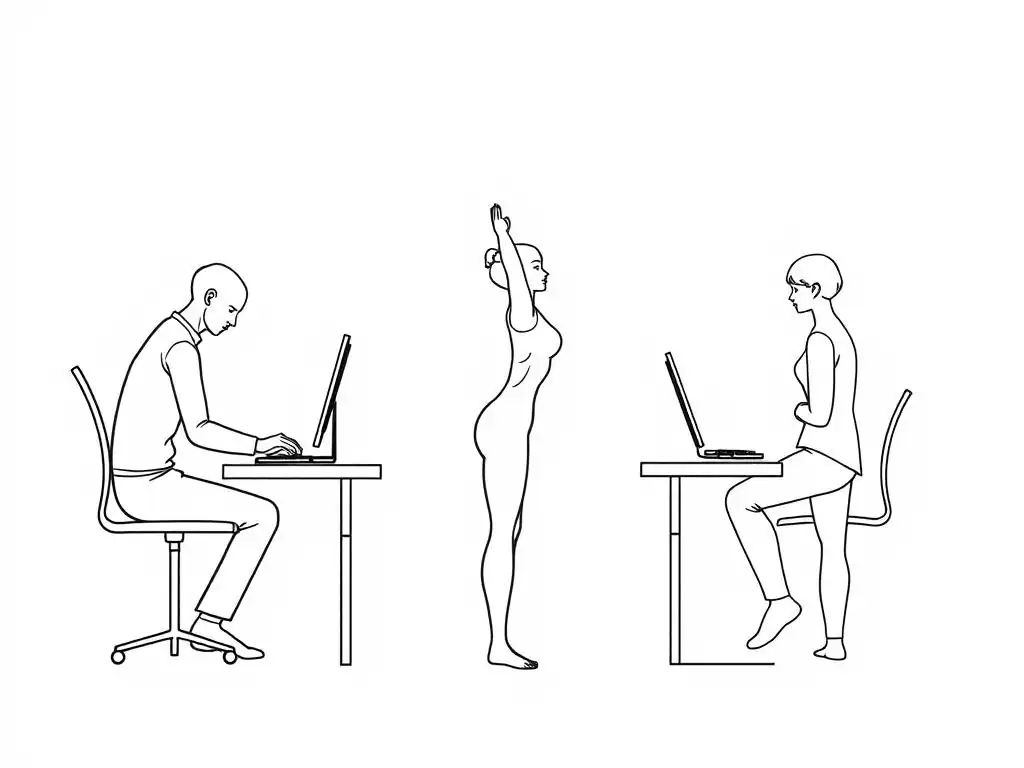
Creating an effective ergonomic break routine isn't about rigidly adhering to a schedule; it's about consciously integrating movement and rest into your workday to counteract the negative effects of prolonged sitting. The key is personalization. What works for one person might not work for another. Consider your individual needs, your work style, and your physical limitations when designing your routine. Successful implementation hinges on consistency and mindful attention to your body's signals.
Ignoring fatigue or discomfort only exacerbates the problem, potentially leading to long-term musculoskeletal issues. A well-structured break routine, however, can significantly improve posture, reduce stress, and ultimately, boost productivity. Think of it as an investment in your long-term well-being and professional success. Remember, ergonomic breaks boost productivity by reducing fatigue and improving focus.
The 20-20-20 Rule and Its Variations for Eye Strain Relief
Eye strain is a common complaint among those who spend long hours working at a computer. The 20-20-20 rule is a simple yet effective technique to combat this. Every 20 minutes, look at an object 20 feet away for 20 seconds. This allows your eye muscles to relax and refocus, preventing eye fatigue and headaches. But the 20-20-20 rule is just a starting point. Variations can be incorporated to personalize it further.
For instance, you can adjust the frequency based on your individual needs. If you find yourself experiencing eye strain more frequently, reduce the interval to 15 minutes. Conversely, if you feel your eyes are less strained, you can extend the interval to 25 or even 30 minutes. Also, consider incorporating other eye exercises.
Gentle eye rolling, focusing on near and distant objects alternately, and blinking consciously can all contribute to better eye health and reduce the impact of prolonged screen time. Remember, consistency is key. Making this a regular part of your ergonomic break routine will yield the best results and contribute significantly to your overall well-being. This is a crucial aspect of achieving optimal ergonomic breaks boost productivity.
Incorporating Micro-Breaks: Simple Stretches and Movement Exercises at Your Desk
Micro-breaks, short bursts of activity lasting only a few minutes, are incredibly effective at combating the negative effects of prolonged sitting. These brief interruptions can significantly improve circulation, reduce muscle tension, and increase energy levels. The beauty of micro-breaks lies in their ease of integration into any workday.
Here are a few simple stretches and exercises you can perform at your desk:
- Neck Rolls: Gently roll your neck clockwise and then counterclockwise, releasing tension in your neck and shoulders.
- Shoulder Shrugs: Slowly shrug your shoulders up towards your ears, hold for a few seconds, and then release. Repeat several times.
- Wrist Stretches: Extend your arms forward and gently bend your wrists up and down, then side to side.
- Torso Twists: Gently twist your torso from side to side, loosening up your back muscles.
- Leg Raises: While seated, extend one leg straight out, hold for a few seconds, and then lower it. Repeat with the other leg.
Even these small movements can make a big difference in how you feel throughout the day. Remember to listen to your body and stop if you feel any pain. The goal is to improve your posture and increase blood flow, not to cause discomfort. By incorporating these micro-breaks into your routine, you’ll experience the benefits of ergonomic breaks boost productivity in a tangible way.
The Pomodoro Technique and Its Application to Ergonomic Work Habits
The Pomodoro Technique, a time management method involving focused work intervals followed by short breaks, can be seamlessly integrated with ergonomic break strategies. The traditional Pomodoro Technique uses 25-minute work intervals followed by a 5-minute break. However, adapting this to incorporate ergonomic principles is highly beneficial.
Instead of a passive 5-minute break, consider actively using this time for stretching, walking around, or performing the micro-breaks described earlier. This active break enhances the benefits of the Pomodoro Technique, counteracting the negative effects of prolonged sitting and promoting better posture. Longer breaks, such as the one after four Pomodoro cycles (typically 20-25 minutes), can be utilized for more extensive movement, like a brisk walk or a quick workout.
This proactive approach to breaks not only improves your physical well-being but also enhances your focus and productivity during the work intervals. By combining the focused work periods with active ergonomic breaks, you’ll experience the full power of ergonomic breaks boost productivity. The key is to be consistent and mindful of your body's signals, adjusting the technique to suit your individual needs and preferences.
Recommended Ergonomic Products for Enhanced Breaks
Taking ergonomic breaks isn't just about stepping away from your desk; it's about actively engaging in movements that counteract the prolonged static postures associated with sedentary work. Investing in the right ergonomic products can significantly enhance the effectiveness of these breaks, boosting productivity and minimizing discomfort. This section details some top choices to help you build a truly ergonomic break routine. Remember, even small changes can have a big impact on your overall well-being and work performance. Optimizing your workspace for ergonomic breaks is a key element in maximizing your productivity.
Best Standing Desks for Active Workstations
Integrating standing breaks into your workday is a powerful way to combat the negative effects of prolonged sitting. A standing desk isn't just for full-time standing; it provides the perfect platform for incorporating short, active breaks throughout the day. Look for features like adjustable height settings (allowing for seamless transitions between sitting and standing), a spacious work surface (to accommodate your laptop, monitor, and other essentials), and a stable base (to ensure a wobble-free experience).
The best standing desks offer a smooth transition, allowing you to easily switch between sitting and standing positions without interrupting your workflow. Consider models with memory settings to save your preferred heights, streamlining the process further. Choosing a standing desk is a significant investment in your long-term health and ergonomic posture, directly impacting your productivity levels.
Prioritizing this will pay dividends in increased energy and focus, reducing fatigue and improving overall well-being. This translates directly into better performance and improved "Ergonomic breaks boost productivity."
The ideal standing desk allows for dynamic movement during your breaks, even incorporating minor stretches and adjustments while you continue working. This subtle movement is crucial for maintaining circulation and preventing stiffness.
Top-Rated Exercise Balls for Improved Posture and Core Strength
Exercise balls, also known as stability balls, offer a unique approach to ergonomic breaks. Sitting on an exercise ball during breaks engages your core muscles, improving posture and promoting better spinal alignment. This active sitting encourages subtle movements throughout the day, preventing prolonged static postures. When selecting an exercise ball, consider the size – it should be appropriate for your height.
A too-small ball will require excessive leaning, while a too-large ball will offer insufficient support. Look for balls made from high-quality, durable materials that are resistant to popping. Many models come with a pump for easy inflation, ensuring the perfect firmness for optimal support and comfort.
Incorporating an exercise ball into your workspace is a simple yet impactful way to enhance the effectiveness of your ergonomic breaks. The subtle core engagement and improved posture contribute to reduced fatigue and increased concentration, ultimately leading to a boost in productivity. This simple addition significantly contributes to the overall effectiveness of "Ergonomic breaks boost productivity".
High-Quality Ergonomic Chairs for Optimal Spinal Support During Breaks
Even during breaks, the chair you choose plays a crucial role in maintaining proper posture and reducing strain. Opting for a high-quality ergonomic chair ensures optimal spinal support, even when you're not actively working. Look for features like adjustable lumbar support (to provide customized back support), adjustable armrests (to reduce shoulder tension), and breathable fabric (to prevent overheating).
A well-designed ergonomic chair contributes to a more comfortable break, enabling you to relax and recharge without exacerbating existing postural issues. Investing in an ergonomic chair is a long-term investment in your health and well-being. It's not just about comfort; it's about supporting your body's natural alignment, reducing strain, and contributing to improved posture throughout the day.
This directly translates to enhanced focus, reduced fatigue, and improved "Ergonomic breaks boost productivity". Consider chairs with features like headrests for added neck support, and ensure the chair's height is adjustable to accommodate different users and postures. The right ergonomic chair is an essential element in maximizing the benefits of your ergonomic breaks.
Investing in a Footrest: Enhancing Circulation and Comfort During Sitting Breaks
Proper posture is paramount for ergonomic success, but even with the best chair, prolonged sitting can lead to discomfort and reduced productivity. This is where a footrest becomes an invaluable asset during your ergonomic breaks. A footrest allows you to adjust your leg position, promoting better blood circulation and reducing strain on your lower back and legs. This is particularly important during breaks, when you might be tempted to simply slump in your chair. Instead, using a footrest encourages a more upright posture, even while seated, which can significantly improve comfort and prevent stiffness.
The benefits extend beyond simple comfort. Improved circulation, facilitated by a footrest, can lead to increased energy levels and mental alertness. This is crucial, as fatigue is a common productivity killer. By actively promoting better blood flow during your breaks, a footrest can help you return to work feeling refreshed and revitalized, ready to tackle your tasks with renewed focus. Consider the difference between a slumped, sluggish break and one spent with your feet comfortably supported, allowing your body to gently reset. The latter is far more conducive to boosting productivity.
Choosing the right footrest is also important. Look for adjustable height and tilt options to ensure a personalized fit, catering to your individual height and desk setup. Some footrests even incorporate features like massage rollers or different textured surfaces for added comfort and stimulation. Investing in a high-quality footrest is an investment in your long-term well-being and productivity.
The initial cost is easily offset by the increased comfort, improved circulation, and boosted energy levels it provides, ultimately contributing to a more productive and enjoyable workday. Think of it as a small investment with significant returns in terms of both physical and mental well-being, directly impacting your capacity for focused work. The positive impact on "ergonomic breaks boost productivity" is undeniable.
Creating a Movement-Rich Office Environment
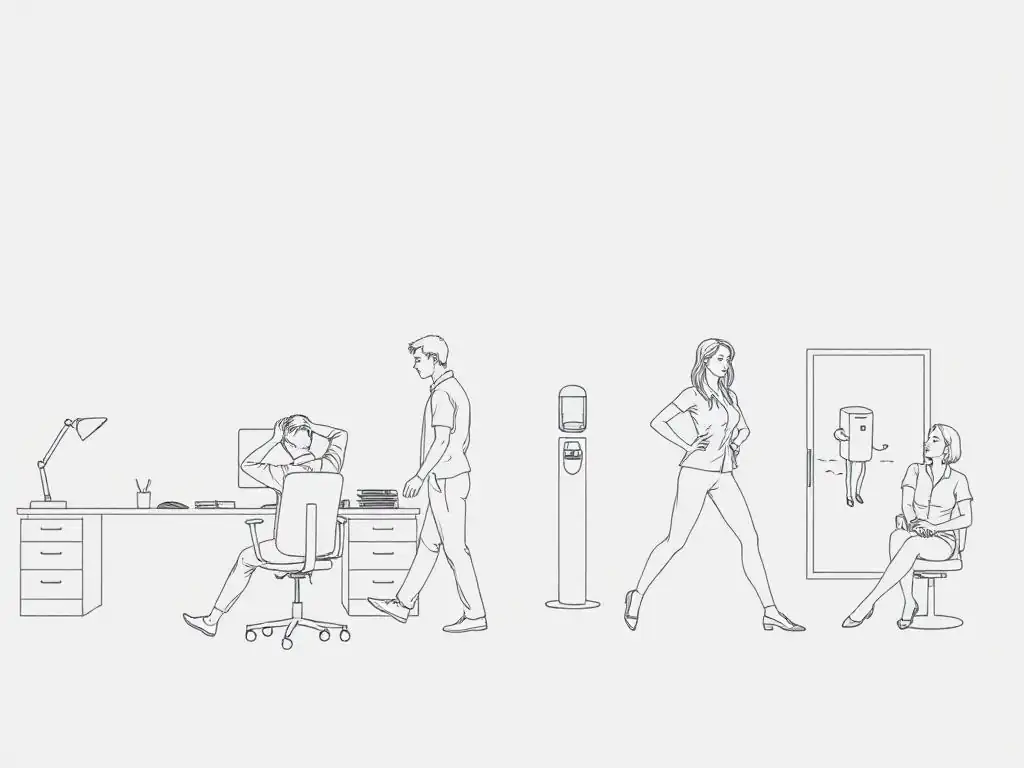
This section explores practical strategies for integrating movement into your workday, focusing on how an ergonomically designed workspace can facilitate this. The key is to create an environment that encourages movement, rather than one that confines you to a static posture for hours. This isn't just about preventing discomfort; it's about boosting productivity and overall well-being. Remember, ergonomic breaks boost productivity by reducing fatigue and improving focus.
Designing an Ergonomic Workspace: Layout and Furniture Placement for Easy Movement
Designing your workspace for movement involves thoughtful consideration of furniture placement and overall layout. Avoid cramped spaces that restrict your movement. Instead, aim for a layout that encourages you to get up and move around naturally.
Consider these points:
- Strategic Placement of Supplies: Keep frequently used items within easy reach, but not too close. This subtle nudge encourages you to stand up to retrieve less accessible items. For instance, place your printer a few steps away from your desk.
- Standing Desk Integration: A standing desk is a fantastic tool, but it's even better when paired with a well-designed workspace that allows for easy transitions between sitting and standing. Ensure enough space around your desk to move freely.
- Movement-Encouraging Furniture: Invest in furniture that promotes movement. A chair that encourages good posture but doesn't lock you into one position is essential. Consider an active sitting ball or a kneeling chair to engage different muscle groups.
- Walkable Distance to Resources: If possible, position your coffee maker, water cooler, and restroom a short walk away from your desk. These small trips add up to significant movement throughout the day.
- Visual Cues: Place visual reminders, like sticky notes or small plants, strategically around your workspace to remind you to stand up and stretch at regular intervals.
Utilizing Your Lunch Break for Active Recovery: Walking Meetings and Outdoor Activities
Lunch breaks are often wasted opportunities for incorporating movement. Transform your lunch break into an active recovery period. Instead of a sedentary lunch at your desk, consider these alternatives:
- Walking Meetings: If possible, conduct some meetings while walking. This is a great way to integrate physical activity into your workday while still being productive. A brisk 30-minute walk can significantly improve energy levels and focus.
- Outdoor Activities: Take your lunch break outside. A short walk in a park or simply sitting outdoors in the sunshine can do wonders for your mood and energy levels. Sunlight exposure is also beneficial for Vitamin D production, crucial for overall health.
- Mindful Movement: Even simple stretches or a short yoga session during your lunch break can help alleviate stiffness and improve circulation. This helps in reducing physical strain, which can significantly affect your productivity levels.
Remember, the goal is to break up prolonged periods of sitting. Even short bursts of activity during lunch are beneficial for your physical and cognitive well-being. This directly impacts your afternoon productivity.
Encouraging Movement Amongst Colleagues: Team Stretching and Walking Meetings
Promoting a movement-rich culture within the workplace is key to creating a sustainable environment that benefits everyone. Consider these collaborative approaches:
- Team Stretching Breaks: Organize short, guided stretching sessions for your team. This can be done in the office or even outdoors, fostering a sense of camaraderie while promoting physical well-being. Even 5 minutes of team stretching can make a difference.
- Walking Meetings: Encourage colleagues to opt for walking meetings whenever feasible. This not only promotes physical activity but also can lead to more creative and engaging discussions.
- Active Lunch Initiatives: Organize group lunches that involve physical activity, such as a team hike or a game of frisbee in a nearby park. This promotes team building and active breaks simultaneously.
- Ergonomic Workshops: Conduct workshops on the importance of ergonomic practices and the benefits of incorporating movement into the workday. Education is key to fostering a long-term culture of well-being in the office.
By prioritizing movement and implementing these strategies, you can create a more productive, healthier, and enjoyable work environment. Remember, ergonomic breaks boost productivity and contribute to a happier, more engaged workforce. The benefits extend beyond just physical health; they positively affect mental clarity and overall job satisfaction.
Measuring the Effectiveness of Your Ergonomic Break Strategy
Implementing ergonomic breaks isn't just about feeling better; it's about demonstrably boosting productivity and overall well-being. To truly understand the impact of your new ergonomic break strategy, you need a system for measuring its effectiveness. This involves tracking key metrics before, during, and after implementing changes. Only through rigorous data collection can you ascertain whether your approach is truly optimizing your workday and preventing future health problems.
This section details how to track your progress and refine your strategy for maximum benefit. Remember, the goal is to create a sustainable system that improves both your physical and mental performance. Consistent monitoring is crucial for achieving long-term gains in productivity and health, aligning perfectly with the benefits of ergonomic breaks boost productivity.
Tracking Productivity Levels Before and After Implementing Ergonomic Breaks
Before introducing any ergonomic break strategy, establish a baseline for your productivity. This involves tracking your output across a period of at least two weeks. Use a method that suits your workflow. For example:
- For writers: Track word count, number of articles completed, or pages written per hour.
- For programmers: Monitor lines of code written, bugs fixed, or features implemented.
- For project managers: Track tasks completed, meetings attended, and project milestones achieved.
Record this data meticulously. A simple spreadsheet or productivity tracking app will be invaluable. After implementing your new ergonomic break routine (again, over at least two weeks), repeat the same process. Compare the pre- and post-implementation data. Did your output increase? If so, by how much? Even a small percentage increase can signal a significant improvement over time. Remember to consider other factors that might influence productivity, such as project complexity or deadlines. Analyze the data to isolate the impact of ergonomic breaks. Quantifiable improvements directly support the claim that ergonomic breaks boost productivity.
Monitoring Physical Symptoms: Reduced Back Pain, Improved Posture, and Increased Energy Levels
The physical benefits of ergonomic breaks are equally important to track. Many people underestimate the link between physical discomfort and decreased productivity. Persistent back pain, poor posture, and fatigue can significantly impact concentration and focus. By monitoring these symptoms, you can directly link ergonomic breaks to improved physical well-being and, consequently, enhanced productivity. Consider keeping a daily log noting:
- Back pain: Rate your back pain on a scale of 1-10 (1 being no pain, 10 being excruciating pain) before and after your workday, and at regular intervals throughout the day.
- Posture: Self-assess your posture throughout the day. Use a mirror or take photos to track any improvements. Consider using a posture corrector for a period to see if it aids in maintaining good posture during work.
- Energy levels: Rate your energy levels on a scale of 1-10 at the start and end of each workday. Note any noticeable changes after incorporating ergonomic breaks.
This detailed tracking enables you to identify patterns and measure the positive impact of your strategy on your physical health. The reduction in physical discomfort directly contributes to increased focus and, ultimately, improved productivity. The data collected will serve as concrete evidence supporting the assertion that ergonomic breaks boost productivity.
Long-Term Benefits of Consistent Ergonomic Breaks: Preventing Chronic Health Issues
The long-term benefits of consistent ergonomic breaks extend far beyond immediate productivity gains. By proactively addressing potential health issues, you're investing in your long-term well-being and preventing costly problems down the line. While immediate improvements in productivity are valuable, the prevention of chronic health issues is a significant advantage often overlooked. Consistent implementation of ergonomic breaks can help mitigate the risk of:
- Carpal tunnel syndrome: Regular hand and wrist stretches during breaks can significantly reduce the risk.
- Eye strain: Regular breaks that incorporate eye exercises and looking away from the screen can ease eye fatigue.
- Neck and shoulder pain: Stretching and movement breaks help alleviate muscle tension.
- Back pain and spinal issues: Proper posture and regular movement minimize strain on the spine.
By consistently incorporating ergonomic breaks, you're not only boosting your daily productivity but also actively investing in your future health. This proactive approach to well-being will yield significant long-term benefits, emphasizing the importance of ergonomic breaks boost productivity not just for today, but for years to come. The prevention of these chronic issues translates to consistent high productivity levels, minimizing lost workdays and maintaining a healthy, productive lifestyle.
Case Studies: Real-World Examples of Ergonomic Break Success
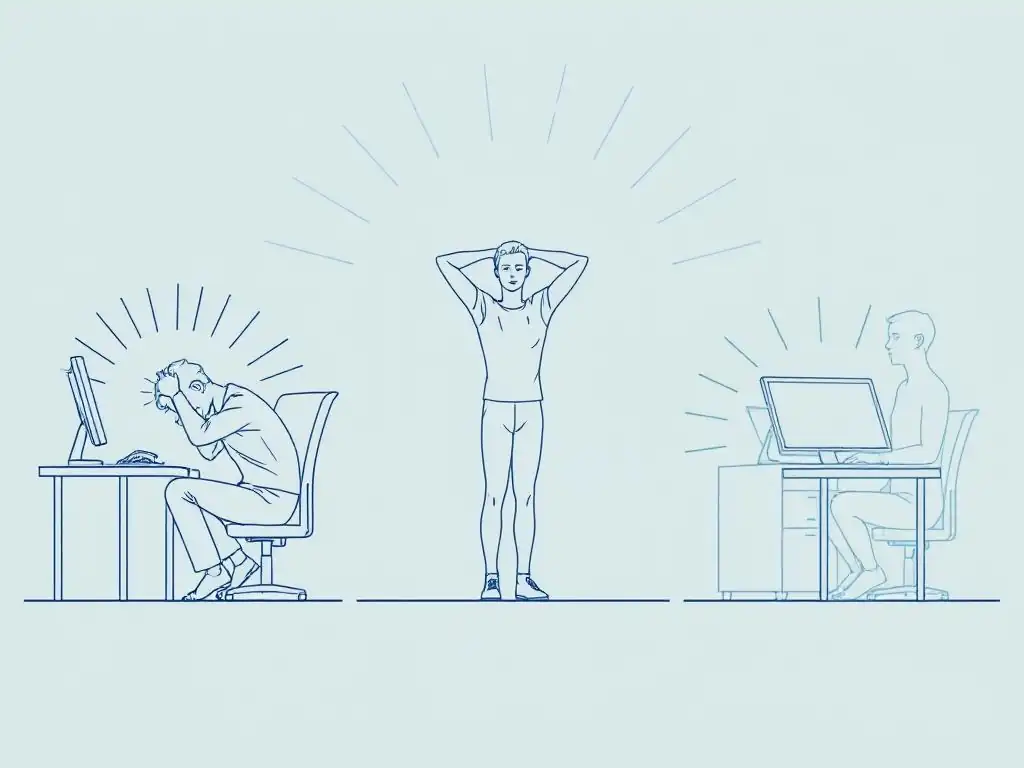
This section details real-world applications of ergonomic breaks and their demonstrable impact on productivity. We'll explore how companies and individuals have successfully integrated movement into their workdays, leading to significant improvements in efficiency and well-being. The positive correlation between ergonomic breaks and productivity gains is undeniable, as evidenced by the following case studies. These examples highlight the transformative power of prioritizing movement to combat sedentary behavior, a key factor in reducing workplace strain and boosting overall output. Remember, ergonomic breaks boost productivity isn't just a catchy phrase; it's a proven strategy.
Company A's Implementation of Ergonomic Break Programs and Resulting Productivity Gains
Company A, a mid-sized software development firm, implemented a comprehensive ergonomic break program. Prior to the program, employee complaints regarding musculoskeletal issues were high, leading to increased sick days and decreased productivity. The program, introduced in Q1 2023, included several key components:
- Mandatory 5-minute stretch breaks every hour: These breaks involved guided stretches focusing on neck, back, and shoulder mobility, easily accessible via short instructional videos.
- Walking meetings: For certain meetings, employees were encouraged to walk around the office or outdoors, fostering collaboration while increasing physical activity.
- Ergonomic workstation assessments: Individual workstation assessments ensured proper chair height, monitor placement, and keyboard positioning, minimizing strain.
- Educational workshops: Workshops educated employees on the importance of posture, proper lifting techniques, and the long-term benefits of regular movement.
The results were striking. Within three months of implementing the program, the following improvements were observed:
| Metric | Before Program | After Program (3 Months) | Percentage Change |
|---|---|---|---|
| Sick days due to musculoskeletal issues | 15 per month | 3 per month | -80% |
| Employee reported pain levels (scale 1-10) | 6.8 | 3.2 | -53% |
| Project completion rate | 85% | 92% | +8% |
| Employee satisfaction score | 62% | 78% | +26% |
This data clearly demonstrates a strong positive correlation between implementing an ergonomic break program and increased productivity. The reduction in sick days alone resulted in significant cost savings for Company A, while the improvement in project completion rates directly translated to increased profitability. The success of Company A’s initiative underscores the significant return on investment associated with prioritizing employee well-being through strategic ergonomic interventions. This is a shining example of how ergonomic breaks boost productivity in a tangible and measurable way.
Individual Success Story: How incorporating ergonomic breaks transformed their workday.
Sarah, a graphic designer working from home, previously experienced chronic neck and back pain due to prolonged periods of sitting. Her workday was characterized by long stretches of uninterrupted work, often exceeding four hours without a break. She frequently experienced headaches and reduced concentration levels by the afternoon.
After learning about the benefits of ergonomic breaks, Sarah implemented several changes:
- Regular micro-breaks: Every 25 minutes, Sarah takes a short 5-minute break to stand up, stretch, and walk around her home office.
- Incorporating movement into tasks: She now takes phone calls while pacing, and uses a standing desk for parts of her workday.
- Mindful stretching: Sarah incorporates simple stretches throughout her day, targeting areas prone to tension.
The impact on her well-being and productivity has been substantial. She reports a significant reduction in pain, improved focus, and increased energy levels throughout the day. Her productivity increased by approximately 15%, and she feels much more comfortable and energized at the end of the workday.
Sarah's experience showcases how even small, incremental changes in incorporating movement can lead to significant improvements in both physical and mental well-being, ultimately boosting productivity. This is a perfect illustration of how implementing simple strategies can translate into a significant improvement in work performance, proving again that ergonomic breaks boost productivity. Her transformation underscores the importance of personal responsibility in creating a healthier and more productive work environment.
Conclusion: Maximize Your Workday with Ergonomic Breaks
This exploration of ergonomic breaks highlights their crucial role in boosting productivity and overall well-being. By strategically incorporating movement and mindful breaks into your workday, you not only combat the negative physical effects of prolonged sitting but also enhance cognitive function and reduce stress. The benefits extend beyond immediate comfort; consistent implementation of ergonomic breaks contributes to long-term health improvements and a more sustainable work-life balance. Remember, prioritizing your physical and mental health isn't a luxury—it's a cornerstone of peak performance.
Investing in your well-being directly translates to increased efficiency, improved focus, and a greater sense of accomplishment throughout your workday. The positive impact of ergonomic breaks on productivity is undeniable, making it a worthwhile investment for any individual striving for optimal performance. This strategic approach to work breaks isn't just about taking time off; it's about recharging for peak productivity.
Actionable Steps to Implement an Ergonomic Break Routine Today
Implementing an ergonomic break routine doesn't require a complete overhaul of your schedule. Start small and build momentum. Here's a practical approach:
- Set Reminders: Use your phone or computer to set reminders every 25-50 minutes. This structured approach helps create a consistent habit. ⏰
- Micro-Breaks vs. Longer Breaks: Incorporate both. Micro-breaks (2-5 minutes) can involve simple stretches at your desk, while longer breaks (15-30 minutes) allow for more substantial movement like a brisk walk.
- Variety is Key: Don't stick to the same routine every time. Mix up your activities. One day, do some light yoga stretches; another day, take a walk around the block; and another, perform some simple calisthenics. This keeps things interesting and prevents boredom.🤸♀️
- Hydration and Nutrition: Couple your breaks with hydration and healthy snacks. Dehydration and low blood sugar can significantly impact your energy levels and focus. 💧🍎
- Mindful Movement: Focus on the movement itself. Pay attention to your body and how it feels. This mindful approach enhances the benefits of your breaks.
- Track Your Progress: Keep a journal or use a productivity app to track your break routine and its impact on your energy levels and productivity. This data-driven approach allows for adjustments and refinements. 📈
- Experiment and Adjust: What works for one person may not work for another. Experiment with different break durations, activities, and timings until you find a routine that consistently boosts your productivity.
Resources for Further Learning on Ergonomic Practices and Workplace Wellness
While this article provides a solid foundation, further exploration can significantly enhance your understanding of ergonomic practices and workplace wellness. Consider exploring resources that offer more in-depth information on:
- Ergonomic Assessment Tools: These tools can help you analyze your workspace and identify areas for improvement.
- Workplace Wellness Programs: Many employers offer wellness programs that include ergonomic training and resources.
- Online Courses and Workshops: Numerous online platforms offer courses and workshops on ergonomics, posture, and workplace wellness.
- Professional Ergonomic Consultants: For more complex situations or specific needs, consulting a professional ergonomic consultant can provide tailored solutions.
- Books and Articles on Ergonomics and Productivity: Numerous publications delve into the scientific basis of ergonomics and its impact on productivity. Seek out reputable sources with evidence-based information.
Remember, continuous learning and adaptation are key to maintaining a healthy and productive work environment. By proactively addressing ergonomic factors and incorporating movement into your workday, you'll experience significant improvements in your overall well-being and achieve a higher level of productivity. Prioritizing "Ergonomic breaks boost productivity" should be a top priority for anyone seeking to optimize their work performance.
Frequently Asked Questions
How often should I take ergonomic breaks?
Ideally, take a short ergonomic break every 30-60 minutes. Even a few minutes of movement can significantly improve posture and reduce strain. Aim for at least a 5-minute break every hour.
What constitutes a good ergonomic break?
A good break involves gentle stretching, walking around, or doing some light exercise. Avoid prolonged sitting and focus on counteracting your usual work posture. Simple neck rolls or shoulder stretches are effective.
Are ergonomic breaks really necessary for productivity?
Yes! Regular movement improves blood flow, reduces muscle fatigue, and boosts focus. This leads to increased energy levels and ultimately, higher productivity. It prevents burnout too.
What are some quick ergonomic break exercises I can do at my desk?
Try shoulder shrugs, neck rotations, or wrist stretches. You can also stand up and walk around for a minute or two. Even simple stretches can make a big difference.
How can I remember to take ergonomic breaks throughout my workday?
Set reminders on your phone or computer. Use a timer or download an app specifically designed for encouraging movement breaks. Try integrating them into your existing work schedule.
Final Reflection: The Enduring Power of Movement
The integration of ergonomic breaks into our increasingly sedentary work lives isn't just a trend; it's a necessity for sustained productivity and overall well-being. Ignoring the profound impact of movement on our physical and mental health is a gamble we can no longer afford to take. The cost of neglecting our bodies is simply too high, manifesting in decreased efficiency, chronic pain, and a diminished quality of life.
The shift towards understanding the crucial role of movement in combating the negative effects of prolonged sitting is a testament to our growing awareness of the interconnectedness of mind and body. This understanding is not merely intellectual; it's deeply personal. The body achieves what the mind believes.
This quote resonates deeply, highlighting how our belief in the power of movement directly influences our ability to incorporate it into our daily routines. The cultural shift towards valuing active breaks, away from the outdated "grind-it-out" mentality, is a positive step towards a healthier and more productive future for all.
You, the reader, now hold the key to unlocking a more balanced and energized workday. Don't just passively consume this information; actively integrate these ergonomic break strategies into your daily routine. Experiment with different movement exercises, find what works best for you, and make it a non-negotiable part of your workday. Your body, your mind, and your productivity will thank you for it. Embrace the power of movement – it's an investment in your future self.
Unlock Your Peak Productivity: Move Your Body, Sharpen Your Mind
Thank you for exploring the power of movement breaks! We hope you now understand how even small changes can significantly boost your focus and energy throughout the day. Ready to put this into practice?
- Prioritize your first movement break: Schedule a short break within the next hour. A brisk walk, some stretches, or even a few minutes of deep breathing can make a big difference. This small step is crucial for establishing a healthier work routine.
- Share your favorite movement break ideas: Let's build a community! Share your favorite energizing exercises in the comments below.
- Experiment to find what works best: Try a short yoga sequence, a brisk walk, or even some jumping jacks. Find what energizes you and makes you feel your best!
What's your biggest challenge to incorporating more movement into your workday, and how will you overcome it today?