
Unlock Peak Performance: How an Ergonomic Desk Can Revolutionize Your Workday


Tired of feeling drained and unproductive at the end of your workday? Discover how simple adjustments can dramatically boost your efficiency. At UltimateLifeHacks, we're dedicated to helping you optimize your daily life, and this starts with your workspace. Dive into our latest article on Ergonomic desk workday productivity and unlock the secrets to a more comfortable, productive, and fulfilling workday. Learn how the right setup can transform your experience – it's time to reclaim your time and energy!
- Understanding the Link Between Ergonomic Desks and Workday Productivity
- Choosing the Right Ergonomic Desk for Your Needs
- Setting Up Your Ergonomic Workstation for Maximum Efficiency
- Real-World Examples: How Ergonomic Desks Improved Workday Productivity
- Maintaining Your Ergonomic Desk and Workstation for Long-Term Benefits
- Conclusion: Investing in an Ergonomic Desk for a Healthier, More Productive You
-
Frequently Asked Questions
- What is an ergonomic desk, and why is it important for workday productivity?
- How does an ergonomic desk improve my workday productivity?
- What are the key features of an ergonomic desk to look for?
- Can an ergonomic desk help prevent work-related injuries?
- How much does an ergonomic desk typically cost, and is it a worthwhile investment?
- Final Reflection: The Ergonomic Revolution: Shaping a More Productive and Healthier Future
- Rediscover Your Productivity: Take Control of Your Workspace
Understanding the Link Between Ergonomic Desks and Workday Productivity
Maintaining peak performance throughout the workday is crucial for success, both professionally and personally. However, many individuals unknowingly hinder their productivity by neglecting a fundamental aspect of their workspace: ergonomics. This article delves into the significant impact of ergonomic desks on workday productivity, exploring how the right setup can dramatically improve your health, focus, and overall efficiency.
We'll examine the substantial costs associated with poor posture and inadequate workspace design, and highlight the tangible benefits of investing in an ergonomic workstation. Ultimately, we aim to demonstrate how an ergonomic desk is not merely an expense, but a strategic investment in your long-term well-being and professional success.
By optimizing your physical comfort and work posture, you unlock a pathway to a more productive, focused, and pain-free workday – boosting your overall quality of life. This guide is specifically designed to help you understand the connection between ergonomic desk setup and workday productivity, emphasizing the importance of "Ergonomic desk workday productivity" for achieving peak performance.
The High Cost of Poor Posture: Health Issues and Lost Productivity
Poor posture, a common consequence of using non-ergonomic desks, leads to a cascade of negative effects impacting both physical and mental well-being. The resulting discomfort and pain can significantly reduce concentration and productivity. Studies show a strong correlation between prolonged sitting with inadequate back support and a range of health problems. These include:
- Back pain: A leading cause of disability worldwide, often exacerbated by hours spent hunched over a desk.
- Neck pain and stiffness: Resulting from improper screen positioning and head posture.
- Carpal tunnel syndrome: A condition affecting the wrist and hand, frequently linked to repetitive strain injuries from improper keyboard and mouse usage.
- Eye strain and headaches: Caused by prolonged screen time without proper lighting and monitor placement.
- Reduced energy levels: Chronic pain and discomfort lead to fatigue and decreased motivation.
The financial impact is equally significant. Lost productivity due to pain, sick days, and medical expenses associated with these conditions can be substantial. Investing in an ergonomic desk is a proactive measure to mitigate these costs and protect your long-term health. The initial investment is far outweighed by the long-term benefits of improved health and increased productivity. Consider the cost of medical treatments, lost workdays, and decreased efficiency – all potentially avoidable with a properly designed workspace.
Ergonomic Desk Benefits: Increased Focus, Reduced Pain, and Enhanced Efficiency
Transitioning to an ergonomic desk offers a multitude of benefits that contribute to a more productive and enjoyable workday. The improvements are multifaceted, impacting both physical comfort and cognitive function.
By promoting proper posture and reducing strain, ergonomic desks directly address the root causes of many work-related aches and pains. This leads to:
- Reduced pain and discomfort: Allowing for greater concentration and sustained focus.
- Improved posture: Leading to better breathing and increased energy levels.
- Increased comfort: Creating a more positive and productive work environment.
- Enhanced focus and concentration: A more comfortable workspace directly translates to a sharper mind.
- Greater efficiency: Reduced distractions from pain allow for more efficient task completion.
Moreover, the positive impact extends beyond the physical. A comfortable and supportive workspace fosters a sense of well-being, contributing to better mental health and reduced stress levels. This translates into improved mood, increased motivation, and ultimately, a more successful workday. The overall improvement in quality of life is a significant, often overlooked, benefit of investing in an ergonomic setup.
Investing in Your Well-being: Return on Investment of an Ergonomic Workstation
While the initial cost of an ergonomic desk may seem significant, it's crucial to view it as an investment in your long-term health and productivity, rather than a mere expense. The return on investment (ROI) is substantial and multifaceted.
Consider these factors:
| Benefit Category | Tangible Benefits | Intangible Benefits |
|---|---|---|
| Health & Well-being | Reduced medical expenses, fewer sick days | Improved mood, reduced stress, increased energy |
| Productivity | Increased efficiency, enhanced focus, faster task completion | Improved creativity, better decision-making |
| Professional Growth | Enhanced job satisfaction, improved career prospects | Increased confidence, better work-life balance |
The long-term savings from reduced healthcare costs, increased productivity, and improved job performance significantly outweigh the initial investment. Furthermore, the intangible benefits – such as improved mood and reduced stress – contribute to a higher quality of life, making the investment even more worthwhile. Choosing an ergonomic desk is not just about improving your workspace; it's about investing in yourself and your future success. It's about prioritizing your well-being and recognizing the profound connection between a healthy body and a productive mind. The positive impact on your "Ergonomic desk workday productivity" will be undeniable.
Choosing the Right Ergonomic Desk for Your Needs
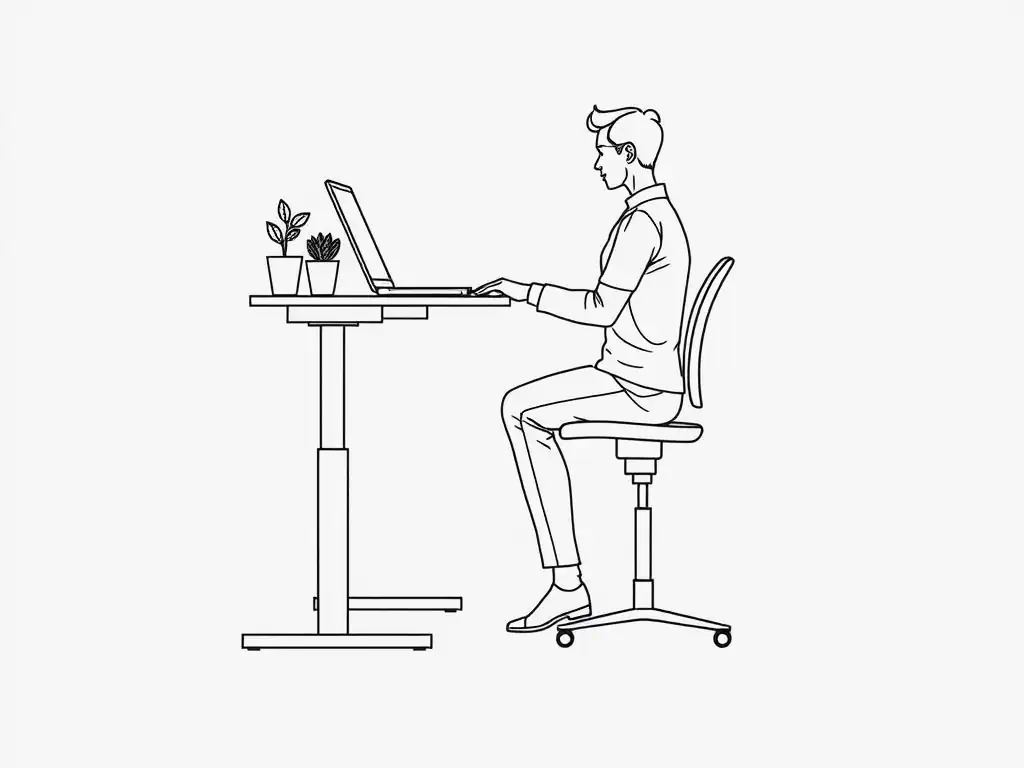
Selecting the perfect ergonomic desk is crucial for maximizing your workday productivity. The ideal desk isn't a one-size-fits-all solution; it depends heavily on your individual needs, preferences, and work style. This section will guide you through the key considerations to ensure you choose a desk that truly supports your well-being and enhances your efficiency.
Remember, investing in an ergonomic desk is an investment in your long-term health and productivity – a worthwhile expenditure for improved comfort and reduced risk of musculoskeletal issues. The right ergonomic desk setup can significantly impact your overall workday experience, leading to less fatigue and increased focus.
Standing Desks vs. Sitting Desks: A Comparative Analysis
The age-old debate: standing desk or sitting desk? The answer isn't black and white. Both offer benefits and drawbacks, and the best choice depends on your individual circumstances and preferences.
| Feature | Standing Desk | Sitting Desk |
|---|---|---|
| Posture | Encourages better posture, reducing back strain. | Can lead to poor posture if not properly supported. |
| Energy Levels | Can increase energy levels and alertness. | Can contribute to sluggishness and fatigue. |
| Calorie Burn | Burns more calories throughout the workday. | Lower calorie expenditure. |
| Comfort | Can cause fatigue in feet and legs for some users. | Can lead to discomfort if the chair is unsuitable. |
| Flexibility | Allows for dynamic movement throughout the day. | Less movement, potentially leading to stiffness. |
| Cost | Generally more expensive than traditional desks. | More affordable options widely available. |
Many modern solutions offer the best of both worlds: adjustable height desks allow you to seamlessly transition between sitting and standing throughout the day, mitigating the drawbacks of each approach. This flexibility is key to optimizing your ergonomic desk workday productivity. Consider your personal tolerance for standing and sitting; a gradual transition into a standing desk routine is recommended.
Sitting Desks: Key Features and Considerations for Optimal Comfort
Even if you opt for a primarily sitting desk setup, ergonomic principles are paramount. A poorly designed sitting desk can negate any benefits. Prioritize these key features:
- Adjustable Height: Even sitting desks benefit from adjustable height, allowing for personalized comfort and accommodating different users.
- Lumbar Support: Crucial for maintaining proper spinal alignment and reducing back pain. Look for desks with built-in lumbar support or consider adding a lumbar support cushion.
- Spacious Work Surface: Ample space prevents clutter and allows for comfortable placement of your monitor, keyboard, and other peripherals.
- Durable Construction: A sturdy desk ensures stability and longevity, supporting your equipment and preventing wobbling.
- Cable Management: Integrated cable management systems keep your workspace organized and free from tripping hazards. This enhances the overall aesthetic and contributes to a calmer, more productive environment.
Remember that even with a comfortable sitting desk, regular breaks and stretches are essential to prevent stiffness and maintain optimal ergonomic desk workday productivity. Consider incorporating short walking breaks every hour to improve circulation and reduce fatigue.
Desk Size and Workspace Optimization: Maximizing Your Productivity Space
Desk size significantly impacts your ergonomic desk workday productivity. A cramped workspace leads to discomfort, inefficiency, and frustration. Consider these factors:
- Monitor Placement: Place your monitor at arm's length, with the top of the screen at or slightly below eye level. This minimizes neck strain and promotes better posture.
- Keyboard and Mouse Positioning: Keep your keyboard and mouse close to your body, avoiding reaching or straining. Consider using an ergonomic keyboard and mouse to further reduce strain.
- Document Placement: Position documents within easy reach to minimize unnecessary reaching and twisting. Using a document holder can improve posture and reduce strain on the neck and shoulders.
- Storage Solutions: Incorporate drawers, shelves, or other storage solutions to keep your workspace organized and clutter-free. A tidy workspace promotes focus and reduces stress.
Optimal desk size depends on your individual needs and the number of peripherals you use. Measure your current workspace and consider expanding to accommodate all your equipment comfortably. Remember, a well-organized and spacious workspace is essential for maximizing your ergonomic desk workday productivity. A cluttered desk leads to a cluttered mind; prioritize a clean and functional setup for a more efficient workflow.
Setting Up Your Ergonomic Workstation for Maximum Efficiency
This section focuses on optimizing your ergonomic desk setup for peak workday productivity. A poorly configured workstation, even with an ergonomic desk, can negate its benefits. Let's delve into the specifics of creating a truly efficient and comfortable workspace that supports your body and boosts your productivity. Proper setup directly impacts your ability to maintain focus and avoid the physical strain that leads to fatigue and decreased output. Remember, the goal is to integrate ergonomic principles into your daily routine, maximizing your "Ergonomic desk workday productivity".
Ergonomic Desk Setup: Positioning Your Monitor, Keyboard, and Mouse
The arrangement of your monitor, keyboard, and mouse is crucial for preventing strain and promoting good posture. Incorrect positioning can lead to neck pain, eye strain, carpal tunnel syndrome, and other musculoskeletal issues. Here's a breakdown of ideal placement:
- Monitor: The top of your monitor should be roughly at eye level. This prevents you from craning your neck up or down. Consider using a monitor arm to adjust height easily. Maintain an arm's length distance from the screen to reduce eye strain.
- Keyboard: Your keyboard should be positioned directly in front of you, allowing your elbows to bend at a 90-degree angle. Your wrists should be straight, avoiding bending or flexing. Consider using a keyboard tray to adjust the height and angle.
- Mouse: Place your mouse close to your keyboard, ensuring your wrist remains straight and relaxed. Avoid reaching excessively for the mouse.
Here's a table summarizing ideal positioning:
| Component | Ideal Position | Key Considerations |
|---|---|---|
| Monitor | Top of screen at eye level, arm's length distance | Adjust height with monitor stand or arm, ensure proper viewing angle |
| Keyboard | Directly in front, elbows at 90 degrees, wrists straight | Use a keyboard tray if needed, avoid awkward wrist positions |
| Mouse | Close to keyboard, wrist straight and relaxed | Avoid excessive reaching, consider a vertical mouse |
Remember, consistency is key. Even small deviations from these guidelines can lead to discomfort over time.
Proper Posture and Body Mechanics: Preventing Pain and Fatigue
Maintaining proper posture is paramount for "Ergonomic desk workday productivity." Slouching, hunching, or twisting can lead to significant discomfort and reduced efficiency. Here's how to cultivate good posture and body mechanics at your ergonomic desk:
- Sit upright: Your back should be straight, with your shoulders relaxed and your feet flat on the floor or on a footrest. Avoid slumping or leaning to one side.
- Take breaks: Regularly stand up, stretch, and move around to prevent stiffness and fatigue. Aim for a 5-10 minute break every hour. Short breaks are far more effective than infrequent longer ones.
- Engage your core: Maintaining core strength helps support your back and improves overall posture. Consider incorporating core strengthening exercises into your routine.
- Adjust your chair: Your chair should provide adequate lumbar support to maintain the natural curve of your spine. Adjust the height and backrest to ensure optimal comfort.
Maintaining good posture isn't just about comfort; it directly impacts your energy levels and focus throughout the day. Poor posture leads to fatigue and reduced concentration, hindering your ability to achieve peak performance.
Essential Accessories for an Optimized Ergonomic Setup: Wrist Rests, Footrests, and Monitor Arms
Investing in the right accessories can significantly enhance your ergonomic setup and further boost your "Ergonomic desk workday productivity". While an ergonomic desk is a great foundation, these additions refine the experience:
- Wrist rests: Wrist rests provide support for your wrists while typing and using a mouse, reducing strain and preventing discomfort. Choose a wrist rest that is properly padded and fits comfortably under your wrists.
- Footrests: If your feet don't comfortably reach the floor while seated, a footrest can help maintain proper posture and circulation. This is especially important for users of varying heights.
- Monitor arms: Monitor arms allow for easy adjustment of your monitor's height, angle, and position. This is invaluable for optimizing your viewing angle and reducing neck strain. They also free up valuable desk space.
These seemingly small additions can make a profound difference in your overall comfort and productivity. Consider them essential investments in your long-term well-being and workplace efficiency. The initial cost is far outweighed by the long-term benefits of improved health and increased output.
Real-World Examples: How Ergonomic Desks Improved Workday Productivity
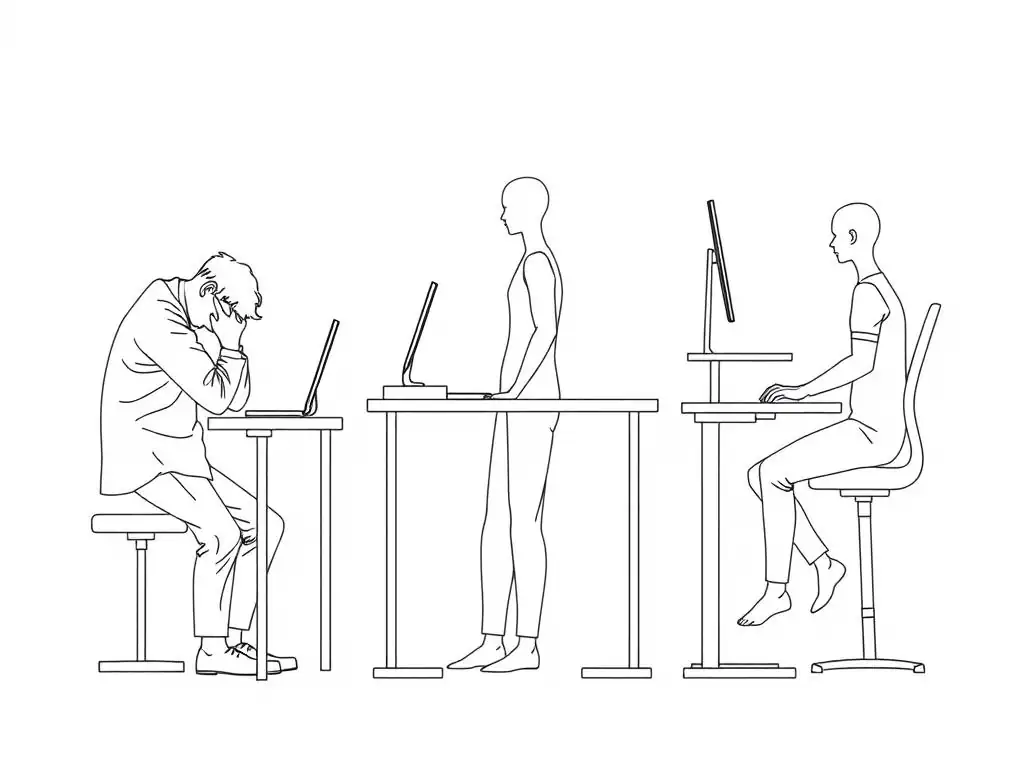
This section showcases the tangible benefits of ergonomic desks, demonstrating how they translate into increased workday productivity and improved well-being. We'll explore real-world examples from both corporate settings and individual experiences, highlighting the positive impact on various aspects of work life. The transition to ergonomic workstations often results in a significant return on investment, both in terms of employee health and overall company performance. This isn't just about feeling better; it's about working better.
Case Study 1: Acme Corporation Increases Employee Productivity with Ergonomic Desks
Acme Corporation, a mid-sized software development firm, implemented a company-wide ergonomic desk program in 2022. Prior to the change, employee sick days due to musculoskeletal issues averaged 15 days per year. After the introduction of adjustable height desks and ergonomic chairs, this number dropped dramatically to 5 days per year within six months.
Furthermore, employee surveys revealed a 20% increase in self-reported productivity and a significant improvement in job satisfaction. The company attributed this improvement to the reduced physical strain and increased comfort experienced by employees, leading to better focus and concentration throughout the workday. This case study clearly demonstrates the positive correlation between ergonomic desk usage and improved employee productivity, substantiating the value proposition of investing in ergonomic solutions for the workplace.
Acme's experience underscores the importance of prioritizing employee well-being to achieve higher levels of productivity and overall business success. The cost of implementing the ergonomic program was quickly offset by reduced sick leave and increased output.
Jane Doe, a freelance graphic designer, previously suffered from chronic neck and back pain due to prolonged periods spent hunched over her traditional desk. After switching to an ergonomic standing desk, Jane experienced a significant reduction in pain and an increase in energy levels. "Before, I'd be exhausted by midday, constantly adjusting my posture," she explains.
"Now, I can easily switch between sitting and standing throughout the day, which keeps me feeling energized and focused. My productivity has noticeably increased, and I’m able to work longer hours without the debilitating pain I used to experience." Jane's personal experience highlights the profound impact that ergonomic adjustments can have on individual well-being and productivity, even outside of a corporate environment.
This is a compelling example of how a relatively simple change can bring about significant improvements in both physical and mental health, leading to a more fulfilling and productive workday. She reports a 30% increase in project completion rates since implementing the ergonomic solution.
Testimonials: What Users Are Saying About Their Ergonomic Desk Experience
Numerous users have shared their positive experiences with ergonomic desks, further supporting the claims of improved workday productivity and overall well-being. Here are some excerpts from recent reviews:
| Name | Profession | Key Benefit |
|---|---|---|
| John Smith | Software Engineer | "Reduced back pain and improved focus." |
| Sarah Jones | Writer | "More energy and less fatigue throughout the day." |
| David Lee | Accountant | "Increased comfort and better posture." |
| Emily Brown | Project Manager | "Significantly improved productivity and less time off sick." |
Since getting my ergonomic desk, I haven't had a single instance of back pain! My productivity has skyrocketed, and I'm actually looking forward to my workday.
— Michael Davis, Marketing Executive
I was skeptical at first, but the difference is incredible. I'm much more comfortable and focused now. It's been a game-changer!
— Lisa Rodriguez, Freelance Editor
The consistent positive feedback from a wide range of users across various professions reinforces the significant benefits of integrating ergonomic desks into daily routines. These testimonials highlight not only the physical improvements but also the positive impact on mental well-being and overall productivity, solidifying the ergonomic desk's position as a valuable tool for optimizing the workday. The overwhelmingly positive response underlines the significant return on investment associated with ergonomic workspace solutions.
Maintaining Your Ergonomic Desk and Workstation for Long-Term Benefits
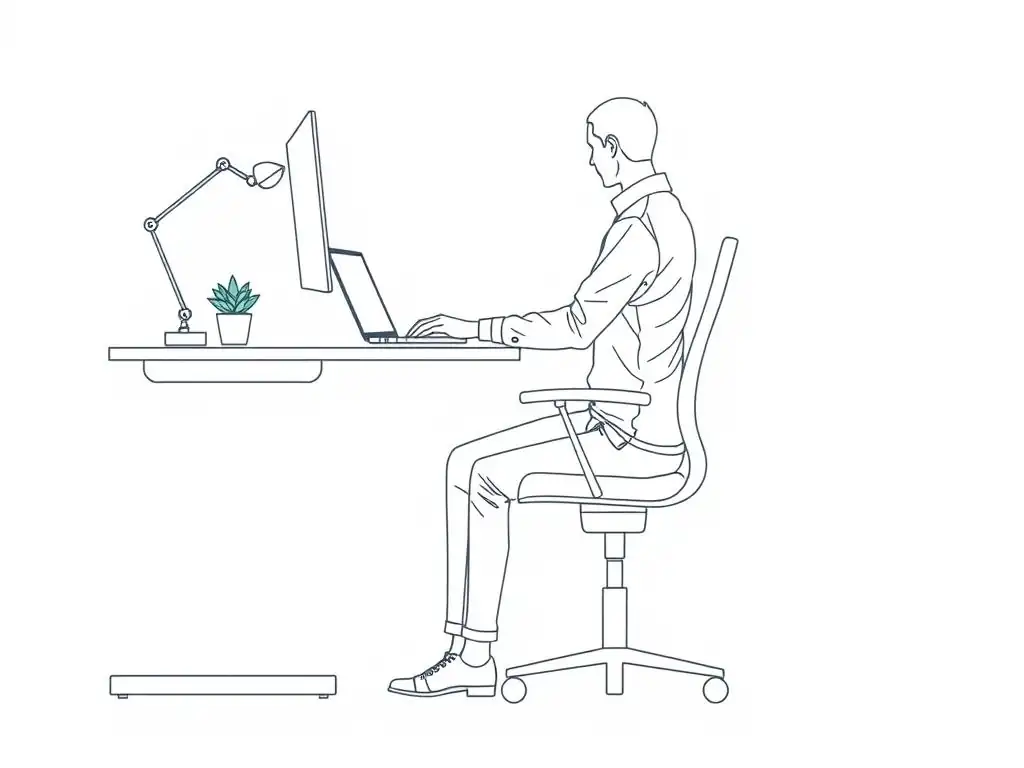
Maintaining your ergonomic desk setup isn't a one-time task; it's an ongoing process crucial for reaping the long-term benefits of improved posture, reduced pain, and increased productivity. Regular upkeep ensures your investment in an ergonomic workspace continues to deliver optimal results. Neglecting maintenance can lead to decreased functionality, potential damage, and a return to uncomfortable working habits, negating the initial ergonomic advantages.
Think of it as preventative maintenance for your body and your equipment – a small investment of time now saves significant discomfort and potential costs later. This section delves into practical strategies for keeping your ergonomic desk and workstation in top shape.
Cleaning and Maintenance Tips for Your Ergonomic Desk
Keeping your ergonomic desk clean and well-maintained is essential not only for hygiene but also for the longevity of the equipment. Dust and debris can accumulate quickly, impacting functionality and potentially damaging delicate components. Here's a breakdown of practical cleaning and maintenance tips:
- Regular Dusting: Dust your desk surface, keyboard, mouse, and monitor at least once a week. Use a microfiber cloth to prevent scratching. A compressed air canister can effectively remove dust from hard-to-reach areas. Consider using anti-static wipes for electronics.
- Surface Cleaning: Clean your desk surface regularly with a gentle, non-abrasive cleaner appropriate for the material (wood, glass, laminate). Avoid harsh chemicals that could damage the finish.
- Keyboard and Mouse Care: Remove crumbs and debris from your keyboard using compressed air or a small brush. Wipe down your keyboard and mouse with a slightly damp cloth. Consider using keyboard protectors to minimize dust and spills.
- Monitor Maintenance: Clean your monitor screen gently with a microfiber cloth and a screen-cleaning solution. Avoid spraying directly onto the screen.
- Chair Care: Vacuum or wipe down your ergonomic chair regularly to remove dust and dirt. Check the chair's mechanisms (adjustments, wheels) for smooth operation and lubricate as needed (refer to the manufacturer's instructions). Regularly inspect the chair's fabric or leather for wear and tear.
- Cable Management: Keep cables organized and untangled to prevent tripping hazards and improve the overall appearance of your workspace. Use cable ties or clips to manage excess wires.
Remember, consistent, proactive cleaning and maintenance will significantly extend the lifespan of your ergonomic desk and its components, ensuring a comfortable and productive workday for years to come. A clean and organized workspace contributes significantly to mental clarity and focus, enhancing your overall productivity.
Troubleshooting Common Ergonomic Desk Issues
Even with the best ergonomic desk setup, occasional issues can arise. Knowing how to troubleshoot these problems promptly can prevent discomfort and maintain optimal performance. Here's a guide to common problems and their solutions:
| Problem | Possible Cause(s) | Solution |
|---|---|---|
| Chair discomfort | Incorrect adjustments, worn-out padding, poor posture | Adjust chair settings, replace worn-out components, practice proper posture |
| Monitor strain | Incorrect height or distance, glare, poor resolution | Adjust monitor height and distance, use an anti-glare screen protector, upgrade resolution |
| Wrist pain | Incorrect keyboard or mouse position, repetitive strain | Adjust keyboard and mouse position, take regular breaks, use ergonomic accessories |
| Back pain | Poor posture, incorrect chair adjustment, lack of support | Adjust chair settings, use lumbar support, practice proper posture, stretch regularly |
| Neck pain | Incorrect monitor placement, poor posture, tension | Adjust monitor height and angle, practice proper posture, stretch regularly |
| Desk instability | Loose screws, damaged components, uneven floor | Tighten screws, replace damaged components, use a leveler under the desk legs |
Addressing these issues promptly can prevent discomfort and ensure your ergonomic setup continues to support your productivity and well-being. Remember to consult a healthcare professional if pain persists despite adjustments to your workspace. Regular ergonomic assessments can also proactively identify and address potential issues before they become significant problems. Investing in your ergonomic setup is an investment in your long-term health and productivity.
Conclusion: Investing in an Ergonomic Desk for a Healthier, More Productive You
Investing in an ergonomic desk isn't just about comfort; it's a strategic move towards enhancing your overall well-being and maximizing your workday productivity. The evidence is clear: poor posture and uncomfortable workstations contribute significantly to decreased efficiency, increased stress, and a higher risk of musculoskeletal disorders. By prioritizing ergonomics, you're directly addressing these issues, creating a ripple effect of positive changes in your daily routine.
This translates to tangible benefits: reduced fatigue, improved focus, and a noticeable increase in energy levels throughout the day. The long-term advantages are even more compelling, potentially mitigating the risk of chronic back pain, neck strain, and carpal tunnel syndrome – conditions that can severely impact your quality of life and professional performance. Think of it as an investment in your future health and career success.
The initial cost of an ergonomic desk is easily offset by the gains in productivity, reduced healthcare expenses, and improved overall well-being. It's a smart, forward-thinking approach to optimizing your workday and achieving peak performance. The enhanced comfort and improved posture alone make a significant difference in your daily experience, contributing to a more positive and satisfying workday.
Call to Action: Find the Perfect Ergonomic Desk for Your Needs Today (Affiliate Links to Recommended Products)
Ready to experience the transformative power of an ergonomic desk? Don't wait any longer to prioritize your health and productivity. The right ergonomic setup can significantly improve your workday, leading to increased efficiency and a more comfortable work experience. Consider your specific needs – do you require a standing desk converter for added flexibility, a fully adjustable sit-stand desk for ultimate customization, or a traditional ergonomic desk with superior lumbar support?
Consider these factors when making your selection:
- Adjustability: Look for desks that allow you to adjust the height, keyboard tray, and monitor position to perfectly suit your body.
- Comfort: Prioritize features that promote good posture, such as lumbar support and comfortable seating.
- Durability: Choose a desk made from high-quality materials that can withstand daily use.
- Space: Ensure the desk fits comfortably within your workspace without feeling cramped.
Making the switch to an ergonomic desk is an investment in yourself – an investment that pays dividends in improved health, increased productivity, and a more enjoyable workday. Take the first step towards a healthier, more productive you today! Remember to carefully consider your budget and workspace limitations when choosing your new ergonomic desk. A well-chosen ergonomic desk can significantly improve your quality of life and work performance, making it a worthwhile investment for years to come. Investing in ergonomic furniture is an investment in your future well-being and productivity. 📈
Frequently Asked Questions
What is an ergonomic desk, and why is it important for workday productivity?
An ergonomic desk is designed to support proper posture and body mechanics while working. This reduces strain, increases comfort, and ultimately boosts productivity by minimizing fatigue and discomfort.
How does an ergonomic desk improve my workday productivity?
By promoting good posture, an ergonomic desk reduces physical strain, leading to increased focus and concentration. Less discomfort means more energy dedicated to your work tasks, resulting in higher output.
What are the key features of an ergonomic desk to look for?
Essential features include adjustable height, allowing you to switch between sitting and standing; a comfortable chair with proper lumbar support; and sufficient space for your equipment to avoid awkward reaching.
Yes, absolutely. By supporting proper posture and reducing strain, an ergonomic desk significantly decreases the risk of musculoskeletal disorders such as carpal tunnel syndrome, back pain, and neck pain, improving your long-term health.
How much does an ergonomic desk typically cost, and is it a worthwhile investment?
The cost varies greatly depending on features and brand, but the investment pays off significantly. The increased productivity, reduced healthcare costs, and improved well-being far outweigh the initial expense, making it a smart long-term choice.
Final Reflection: The Ergonomic Revolution: Shaping a More Productive and Healthier Future
The ergonomic desk is no longer a luxury; it's a necessity for a thriving modern workforce. The impact on productivity and well-being is undeniable, transforming how we approach our workdays and ultimately, our lives. Ignoring the benefits of proper posture and workspace design is akin to ignoring the importance of regular exercise – a short-sighted approach with long-term consequences.
The shift towards ergonomic workspaces reflects a growing awareness of the interconnectedness between physical health and mental performance. We're moving beyond the outdated image of the tireless worker hunched over a desk for hours on end. The body achieves what the mind believes.
This quote highlights the powerful link between our physical state and our capacity for achievement. The ergonomic desk isn't just about comfort; it's about unlocking our full potential by creating an environment that supports both our physical and cognitive well-being. This change is not merely a trend; it's a fundamental shift in how we value our health and productivity.
Consider your own workspace. Is it truly optimized for your well-being? Take the time to assess your posture, your setup, and the overall ergonomics of your work environment. Investing in an ergonomic desk is an investment in yourself – in your health, your productivity, and your long-term success. Small changes can lead to significant improvements, and the journey towards a more ergonomic and fulfilling workday begins with a single, conscious decision. Embrace the revolution; embrace a healthier, more productive you.
Rediscover Your Productivity: Take Control of Your Workspace
Thank you for exploring the world of ergonomic desks and their impact on your workday! We hope you've gained valuable insights into how a comfortable workspace can boost your focus and well-being. Now, let's put that knowledge into action.
- Invest in your comfort: Choose an ergonomic desk that suits your needs and budget. Consider factors like height adjustability, size, and material. This is a key step to transforming your workspace.
- Share your knowledge: Discuss the benefits of ergonomics with colleagues or family members who also spend long hours at a desk. You might inspire them to improve their workspaces too!
- Improve your workspace: Consider other ergonomic upgrades for your workspace. Perhaps a new chair, keyboard, or monitor would be beneficial?
What small ergonomic adjustment will you make today to boost your productivity?