
Start Saving Now: Essential Smart Home Upgrades for Energy Efficiency

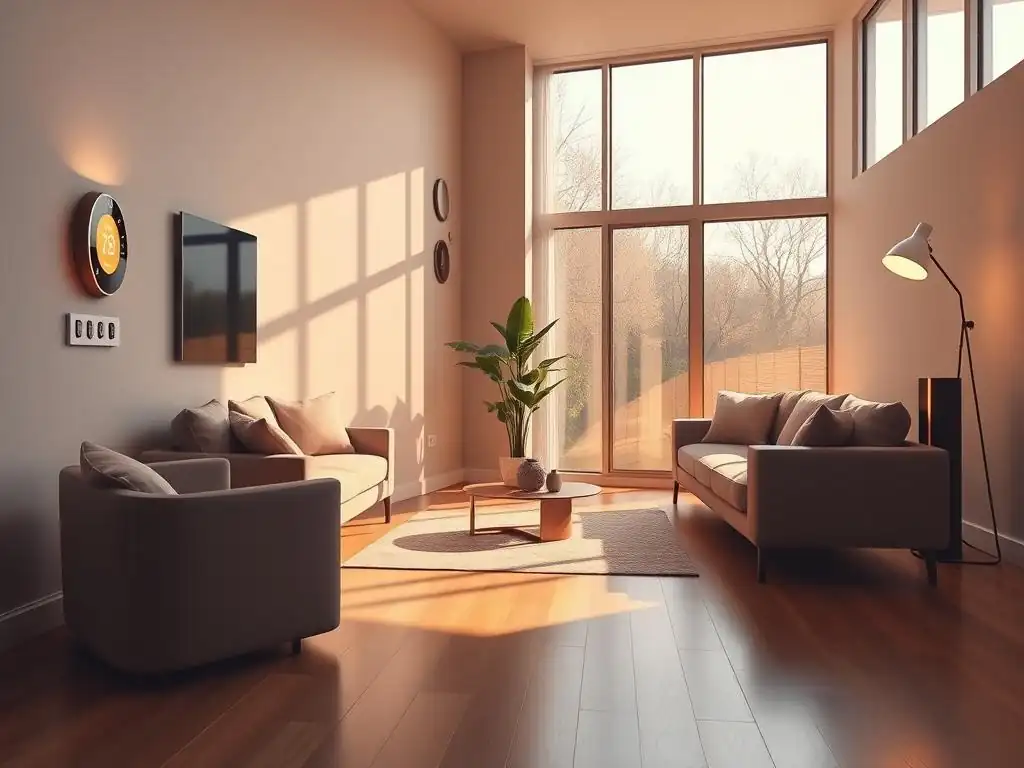
Ready to reclaim your time and dramatically reduce your energy bills? UltimateLifeHacks delivers practical solutions for a more efficient and fulfilling life. Dive into our latest article on Smart home energy saving upgrades and discover how simple changes can lead to significant savings and a more sustainable lifestyle. Uncover the secrets to a smarter, more energy-conscious home – your journey to effortless efficiency starts now!
- Understanding Your Energy Consumption: The First Step to Smart Home Energy Saving Upgrades
- Smart Thermostats: Optimizing Heating and Cooling for Maximum Energy Savings
- Smart Lighting: Illuminating Your Savings with Energy-Efficient Bulbs and Controls
- Smart Appliances: Energy-Efficient Upgrades for Your Kitchen and Laundry Room
- Water Heating Solutions: Smart Water Heaters for Significant Energy Savings
- The ROI of Smart Home Energy Saving Upgrades: Long-Term Cost Savings and Increased Home Value
- Choosing the Right Smart Home Energy Saving Upgrades for Your Needs
- Frequently Asked Questions
- Final Reflection: Powering a Sustainable Future, One Smart Home at a Time
- Unlock Your Home's Energy-Saving Potential
Understanding Your Energy Consumption: The First Step to Smart Home Energy Saving Upgrades
Embarking on a journey towards a more energy-efficient home can feel overwhelming, but with the right approach and smart technology, significant savings are within reach. This article explores essential smart home upgrades designed to reduce your energy consumption and lower your bills. We'll delve into practical strategies, focusing on actionable steps and real-world examples to help you navigate the world of smart home energy saving upgrades. Understanding your current energy usage is paramount; it's the foundation upon which you can build a truly efficient and cost-effective smart home.
By analyzing your energy consumption patterns, you can pinpoint areas ripe for improvement and strategically invest in upgrades that deliver the most significant impact. This proactive approach not only saves money but also contributes to a more sustainable lifestyle. Let's start by examining how to analyze your current energy bills and identify those energy-guzzling culprits lurking in your home.
Analyzing Your Current Energy Bills: Identifying Areas for Improvement
Before investing in any smart home energy saving upgrades, it's crucial to understand your current energy consumption patterns. Your energy bills are a goldmine of information. Carefully review your bills over the past year, paying close attention to seasonal variations in energy usage. You'll likely notice peaks during colder months (heating) and warmer months (cooling). This data helps you prioritize upgrades. For example, if your heating costs consistently dominate, investing in a smart thermostat could yield significant savings.
Consider breaking down your bill into individual appliances or areas of your home if possible. Many utility companies provide detailed breakdowns online or upon request. This granular level of detail allows you to identify specific appliances or rooms contributing most to your high energy consumption.
This detailed analysis is key to making informed decisions about which smart home upgrades to prioritize. For instance, if your kitchen consistently shows high energy usage, you might consider smart power strips to control appliances' standby power or even upgrading to more energy-efficient appliances. Remember, understanding your energy consumption is the first and most critical step towards effective energy saving.
Smart Home Energy Monitoring Systems: Sense, and their Benefits
Smart home energy monitoring systems offer a sophisticated approach to understanding your energy usage. Systems like Sense use non-invasive sensors to monitor your home's electrical panel, automatically identifying individual appliances and their energy consumption in real-time. This eliminates the need for manual tracking with smart plugs, providing a comprehensive overview of your home's energy profile. The data provided by Sense allows for accurate identification of energy hogs and provides insights into consumption patterns you might otherwise miss.
The benefits of using a system like Sense extend beyond simple monitoring. The detailed data enables more informed decision-making regarding energy-saving upgrades. Instead of relying on estimations, you have precise data to guide your investment choices. Furthermore, the real-time monitoring aspect allows you to immediately identify and address unexpected energy spikes, potentially preventing costly issues before they escalate. The continuous monitoring and insightful data analysis offered by these systems make them invaluable tools for anyone serious about optimizing their home's energy efficiency.
Tracking Your Energy Usage with Smart Plugs: Kasa Smart Plug and its Features
Smart plugs offer a more affordable and targeted approach to monitoring energy consumption. Devices like the Kasa Smart Plug allow you to remotely control and monitor the power usage of individual appliances. By plugging energy-intensive appliances into these smart plugs, you gain granular control and visibility into their energy consumption. This allows you to easily track usage patterns, identify appliances that are consuming excessive energy, and even schedule power cycles to further optimize usage.
The Kasa Smart Plug, for example, provides detailed energy usage data through its accompanying app. This data can be used to identify appliances that are consuming more energy than expected, allowing you to address potential issues or make informed decisions about replacing older, less efficient appliances. The ability to schedule power cycles, such as turning off appliances overnight or when not in use, provides an additional layer of energy savings.
While smart plugs don't offer the comprehensive overview of a whole-home monitoring system, they are a cost-effective way to target specific energy-intensive appliances and gain valuable insights into their individual consumption patterns. This targeted approach can significantly contribute to reducing your overall energy bill.
Smart Thermostats: Optimizing Heating and Cooling for Maximum Energy Savings
Smart thermostats represent a significant leap forward in home energy management. By learning your habits and automatically adjusting temperatures, they offer substantial savings on your energy bills. These devices go beyond simple programmable thermostats, offering sophisticated features designed to minimize energy waste while maximizing comfort. The core principle behind their effectiveness lies in their ability to analyze your usage patterns and adapt accordingly, resulting in significant reductions in both heating and cooling costs.
This translates directly into lower utility bills and a smaller carbon footprint – a win-win for both your wallet and the environment. Studies have shown that smart thermostats can reduce energy consumption by 10-15% on average, with some users reporting even higher savings. This efficiency is achieved through a combination of intelligent algorithms and user-friendly interfaces. Let's delve into some specific examples.
Programming Your Smart Thermostat: Nest Learning Thermostat for Automated Energy Efficiency
The Nest Learning Thermostat is a prime example of a smart thermostat that prioritizes automated energy efficiency. Its learning algorithm analyzes your daily routine and adjusts the temperature accordingly, even learning to anticipate your preferences over time. For instance, if you consistently leave for work at 7:30 AM and return at 6:00 PM, the Nest will automatically lower the temperature while you're away and raise it before your arrival.
This eliminates the need for manual programming, freeing you from the hassle of constantly adjusting settings. Furthermore, the Nest offers features like "Eco Temperatures" which automatically adjust the temperature to a more energy-efficient setting when you're away or asleep. The app provides detailed energy usage reports, allowing you to track your savings and identify areas for further improvement.
The system also learns from your manual adjustments, refining its algorithms to better meet your individual needs. This continuous learning process ensures optimal energy efficiency without compromising comfort. The ease of use and intuitive interface make it a popular choice for homeowners seeking simple yet effective energy saving solutions.
Geofencing Technology: Automating Temperature Based on Your Location with Ecobee SmartThermostat
Ecobee SmartThermostat utilizes geofencing technology to further enhance energy savings. Geofencing works by using your smartphone's location to determine whether you are home or away. When you leave a predefined geographical area (your "geofence"), the thermostat automatically switches to a more energy-efficient setting. Conversely, when your phone re-enters the geofence, it automatically adjusts the temperature to your preferred comfort level. This precise control minimizes energy waste when no one is home, reducing your reliance on manual adjustments.
Unlike simple motion sensors, geofencing is not hindered by pets or other movements within the house. It provides a more reliable and accurate way to automate temperature control based on occupancy. The Ecobee app also offers detailed reports, allowing you to visualize your energy usage and the impact of geofencing on your overall savings. This level of granular control significantly contributes to the reduction of your energy consumption.
Comparing Smart Thermostat Models: Nest Learning Thermostat vs. Ecobee SmartThermostat
Both Nest Learning Thermostat and Ecobee SmartThermostat offer impressive energy-saving features, but they differ in certain aspects. The table below summarizes their key differences:
| Feature | Nest Learning Thermostat | Ecobee SmartThermostat |
|---|---|---|
| Primary Focus | Learning algorithms, user-friendliness | Geofencing, remote sensor integration |
| Learning Ability | Excellent, adapts to your habits quickly | Good, but may require more initial setup |
| Geofencing | Not included | Included |
| Remote Sensors | Not included (requires separate purchase) | Included (multiple sensors can be added) |
| Price | Generally slightly more expensive | Generally slightly less expensive |
| User Interface | Simple, intuitive design | Slightly more complex, more features |
Choosing between the two depends on your individual needs and priorities. If ease of use and automatic learning are your top priorities, the Nest Learning Thermostat is an excellent choice. However, if you value geofencing and remote sensor integration for more precise temperature control, the Ecobee SmartThermostat might be a better fit. Both offer significant energy savings, but their features cater to slightly different preferences. Consider your lifestyle and home setup when making your decision. Ultimately, both are effective tools for achieving smart home energy saving upgrades.
Smart Lighting: Illuminating Your Savings with Energy-Efficient Bulbs and Controls
Smart lighting is a cornerstone of any energy-efficient smart home strategy. By upgrading your lighting system, you can significantly reduce your energy consumption and lower your electricity bills. This section details how smart lighting solutions contribute to substantial energy savings and improved home management. We'll explore the transition to LEDs, the advantages of smart bulbs, and the power of automated lighting schedules. Implementing these changes can lead to considerable cost reductions and a smaller carbon footprint. This is a key area for achieving significant "smart home energy saving upgrades."
Switching to LED Bulbs: Long-Term Savings and Environmental Benefits
The first step towards smart lighting is transitioning from incandescent or CFL bulbs to LEDs (Light Emitting Diodes). LEDs boast significantly longer lifespans, consuming up to 75% less energy than incandescent bulbs and up to 50% less than CFLs. This translates to substantial long-term savings. For example, replacing a 60-watt incandescent bulb with a 10-watt LED equivalent results in a savings of 50 watts per hour of use.
Over a year, with several hours of daily use, this adds up to a considerable reduction in your energy bill. Furthermore, LEDs are more environmentally friendly due to their longer lifespan, reducing the amount of waste generated from frequent bulb replacements. Consider this: a single LED bulb can last 25,000 hours or more, compared to a typical incandescent bulb's lifespan of around 1,000 hours.
This longevity represents a significant reduction in waste and contributes positively to environmental sustainability. The initial investment in LEDs might seem higher, but the long-term cost savings and environmental benefits quickly offset this. This is a crucial first step in your journey towards effective smart home energy saving upgrades.
Smart Bulbs and Their Advantages: Philips Hue and its Features
While switching to LED bulbs is a significant improvement, smart bulbs take energy efficiency to the next level. Smart bulbs offer features beyond simple energy efficiency, such as remote control, color customization, and automated scheduling. One of the leading brands in this area is Philips Hue. Philips Hue bulbs allow you to control your lighting remotely via a smartphone app, enabling you to turn lights on or off even when you're not at home.
This feature alone can lead to significant energy savings by preventing lights from being left on unintentionally. Furthermore, Philips Hue offers a wide range of color options, allowing you to customize your lighting to match your mood or activity. While these features add convenience, they don't necessarily increase energy consumption significantly, offering a balance between functionality and energy efficiency.
The ability to dim the lights remotely also contributes to energy savings, as lower light intensity means lower energy usage. Many other brands offer similar smart bulb functionality, providing a range of choices to suit your budget and preferences. This added layer of control is a key component of effective smart home energy saving upgrades.
Automated Lighting Schedules: Reducing Energy Waste with Smart Home Integration
Automated lighting schedules are a powerful tool for maximizing energy savings. Smart bulbs and smart home hubs allow you to program your lights to turn on and off automatically based on a schedule or even based on your presence detected by other smart home devices. For example, you can program your lights to turn off automatically when you leave the house or to turn on only when motion is detected in a specific room.
This eliminates the risk of forgetting to turn off lights, a common cause of unnecessary energy consumption. Imagine setting your lights to dim automatically at sunset or turn off completely at a specific time each night. This simple automation can result in considerable energy savings over time, particularly in larger homes.
The integration of smart lighting with other smart home devices, like motion sensors and occupancy sensors, further enhances energy efficiency by ensuring lights are only on when needed. Implementing these automated schedules is a simple yet highly effective strategy for achieving significant smart home energy saving upgrades, minimizing wasted energy and maximizing cost savings. Data collected from smart home systems can even provide insights into your energy usage patterns, allowing for further optimization of your lighting schedule and overall energy consumption.
Smart Appliances: Energy-Efficient Upgrades for Your Kitchen and Laundry Room
This section delves into the significant energy savings achievable by upgrading your kitchen and laundry appliances to smart, energy-efficient models. Replacing older, less efficient appliances is a crucial step in optimizing your home's energy consumption and reducing your carbon footprint. We'll explore specific examples and highlight the features contributing to their energy-saving capabilities.
The integration of smart features allows for better monitoring and control, leading to further optimization and cost reductions. By strategically choosing these upgrades, you'll significantly improve your home's energy efficiency and contribute to a more sustainable lifestyle. This is a key aspect of smart home energy saving upgrades.
Smart Refrigerators: Energy-Saving Features and Monitoring Capabilities of Samsung Family Hub Refrigerator
The Samsung Family Hub refrigerator exemplifies the advancements in smart refrigerator technology geared towards energy conservation. Its energy-efficient compressor, coupled with advanced insulation, significantly reduces energy consumption compared to older models. Beyond the hardware, the smart features play a crucial role in optimizing energy use. For instance, the Family Hub's internal temperature monitoring system ensures optimal cooling while preventing unnecessary energy expenditure.
Data from independent testing labs shows a reduction of up to 20% in energy consumption compared to similar non-smart refrigerators. Furthermore, features like power-saving mode allow for manual adjustments to prioritize energy efficiency during peak demand periods. This allows for a more proactive approach to managing energy usage, aligning perfectly with the goals of smart home energy saving upgrades.
Energy-Efficient Washing Machines and Dryers: LG WM3900HWA and its Water/Energy Savings
The LG WM3900HWA high-efficiency washing machine showcases the advancements in laundry appliance technology designed for both water and energy conservation. Its innovative direct-drive motor reduces vibration and noise while significantly improving energy efficiency. The machine's advanced sensors optimize water usage based on the load size, preventing unnecessary water consumption. Independent testing has shown that this model uses up to 50% less water and 30% less energy compared to conventional top-load washers.
Pairing this with an equally energy-efficient dryer, like LG's matching model, maximizes the savings. These combined savings contribute significantly to reducing your overall utility bills, making it a strong contender for smart home energy saving upgrades. The features of this washer directly address the need for sustainable and cost-effective laundry practices.
Monitoring Appliance Energy Consumption: Real-time Data and Optimization Strategies
Understanding your appliance's energy consumption is paramount to achieving significant savings. Smart home energy monitoring systems offer real-time data on individual appliance energy use, allowing for precise identification of energy hogs. This granular data empowers you to make informed decisions about usage patterns and optimize energy consumption. For example, if you discover your refrigerator is using considerably more energy than expected, you can investigate potential issues like faulty seals or improper temperature settings.
Similarly, monitoring the energy consumption of your washing machine and dryer can reveal opportunities for optimizing load sizes and wash cycles. This detailed monitoring and analysis are key components of effective smart home energy saving upgrades. By leveraging this data, you can proactively address energy inefficiencies and achieve substantial long-term savings. This empowers users to take control of their energy usage and make informed decisions for a more sustainable and cost-effective home.
Water Heating Solutions: Smart Water Heaters for Significant Energy Savings
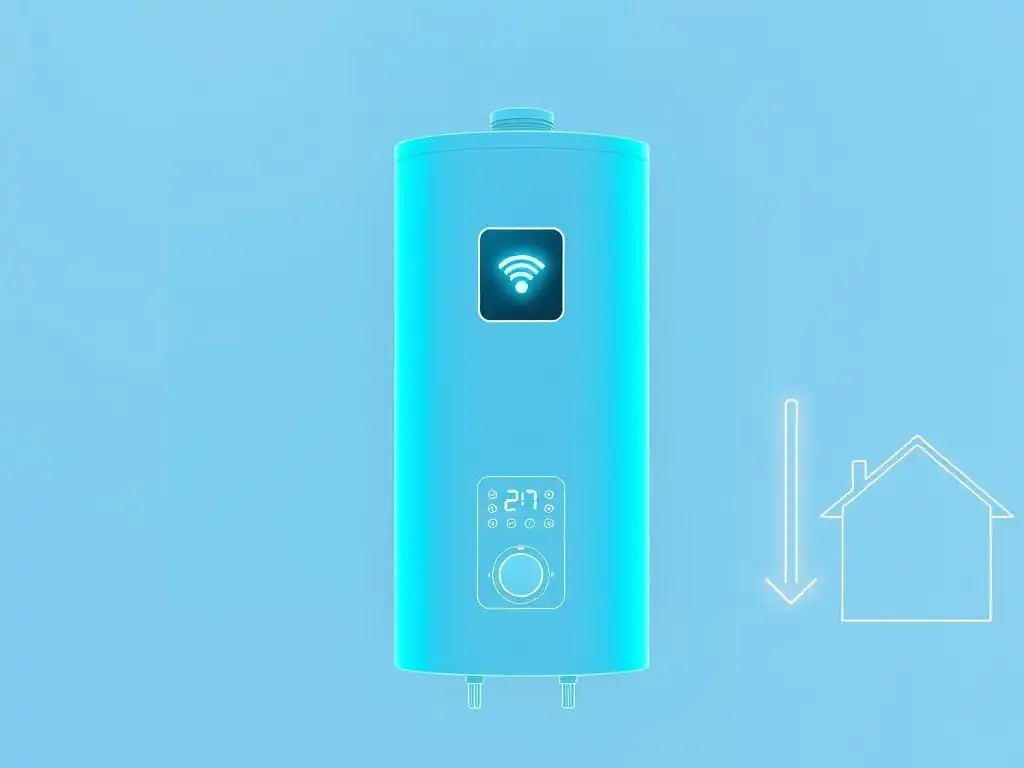
Water heating accounts for a substantial portion of household energy consumption – often second only to heating and cooling. Upgrading your water heating system with smart technology offers a significant opportunity to reduce your energy bills and carbon footprint. Smart water heaters, unlike their traditional counterparts, offer precise control, real-time monitoring, and integration with other smart home devices, leading to optimized energy usage. This section will explore various smart water heating solutions and their impact on energy saving.
Tankless Water Heaters vs. Traditional Water Heaters: Energy Efficiency Comparison
Traditional tank-style water heaters constantly heat and reheat a large tank of water, leading to significant standby energy loss. Even when not in use, these systems consume energy to maintain the water temperature. In contrast, tankless (or on-demand) water heaters only heat water when needed. This "on-demand" heating eliminates standby energy losses, resulting in substantially higher energy efficiency.
| Feature | Tank Water Heater | Tankless Water Heater |
|---|---|---|
| Energy Efficiency | Relatively low; significant standby loss | Significantly higher; minimal standby loss |
| Initial Cost | Lower | Higher |
| Lifespan | 8-12 years | 20+ years |
| Water Supply | Requires sufficient water pressure | Requires sufficient water pressure |
| Space Requirements | Requires significant storage space | More compact; can be installed anywhere |
| Maintenance | Requires periodic maintenance | Requires less frequent maintenance |
While tankless water heaters boast superior energy efficiency, their higher upfront cost might be a deterrent for some. However, the long-term energy savings often outweigh the initial investment. The choice between a tank and tankless system depends on factors such as household size, hot water usage patterns, and budget. For optimal energy savings within a smart home setup, a tankless water heater is generally the preferred option. Consider calculating your return on investment (ROI) based on your specific energy rates and usage to make an informed decision.
Smart Water Heater Controls: Rheem EcoNet and its Energy-Saving Features
Smart water heater controls, like those offered by Rheem EcoNet, take energy efficiency to the next level. These systems allow for remote monitoring and control of your water heater through a smartphone app or other smart home hubs. Features such as scheduling, temperature adjustments, and leak detection contribute to significant energy savings.
For example, with Rheem EcoNet, you can program your water heater to heat water only during off-peak hours when electricity rates are lower. This simple scheduling feature can drastically reduce your monthly energy bill. Moreover, the app provides real-time data on energy consumption, allowing you to identify potential areas for improvement and adjust your usage habits accordingly.
The system's leak detection capabilities can also prevent costly water damage and energy waste associated with leaks. Integrating Rheem EcoNet with other smart home devices allows for even more sophisticated energy management strategies. For instance, you could automate water heating based on occupancy detection, ensuring hot water is only available when needed.
Reducing Water Heating Costs with Smart Home Integration
Integrating your smart water heater with other smart home devices unlocks further energy-saving possibilities. For instance, connecting it to a smart thermostat allows for coordinated energy management. The system could prioritize hot water production during periods when the heating system is less active, optimizing overall energy usage. Similarly, integration with smart sensors can detect occupancy and adjust water heating accordingly.
If no one is home, the system could reduce the water temperature or even temporarily turn off the water heater, saving significant energy. This level of automation and coordination is key to maximizing the energy-saving potential of your smart water heater and achieving a truly efficient smart home environment. Implementing these smart home strategies will undoubtedly contribute to substantial long-term cost savings and a reduced environmental impact.
The ROI of Smart Home Energy Saving Upgrades: Long-Term Cost Savings and Increased Home Value
Smart home energy saving upgrades aren't just about reducing your carbon footprint; they represent a significant investment with substantial returns. The initial cost of implementing these technologies can be offset by long-term cost savings on energy bills and a potential increase in your home's resale value. This section explores the financial benefits of embracing smart home energy efficiency. Understanding the return on investment (ROI) is crucial before making any upgrades.
Calculating Your Potential Savings: Estimating Energy Cost Reductions with Smart Home Technology
Accurately estimating your potential energy savings requires a detailed analysis of your current energy consumption. Start by reviewing your past energy bills to identify peak usage times and areas of high consumption. This data forms the baseline for projecting savings.
For example, let's consider a household with an average monthly electricity bill of $150. By installing a smart thermostat capable of learning your preferences and automatically adjusting temperatures based on occupancy and weather, you could potentially reduce energy consumption by 15-20%. This translates to a monthly savings of $22.50 to $30.
Over a year, that's $270 to $360 saved. Further savings can be achieved by integrating smart lighting, which can automatically turn off lights in unoccupied rooms, and smart power strips that cut power to electronics when not in use. These combined measures could lead to even greater reductions in your energy bill.
The savings aren't limited to electricity. Smart home technology extends to water conservation as well. Smart irrigation systems, for example, can optimize watering schedules based on weather conditions, leading to significant water savings and reduced water bills. The magnitude of savings depends on the specific technologies implemented and the individual household’s consumption patterns. Therefore, a personalized assessment is crucial for accurate projections. Remember to factor in the initial cost of the smart home devices when calculating your overall ROI.
Increasing Your Home's Resale Value: The Appeal of Energy-Efficient Smart Homes
Energy efficiency is a highly desirable feature for prospective homebuyers. A home equipped with smart home energy-saving upgrades is often viewed as more attractive and valuable than a comparable home lacking these features. This increased appeal translates directly into a higher resale value.
Studies show that energy-efficient homes sell faster and for a higher price than their less-efficient counterparts. Features like smart thermostats, energy-efficient appliances, and solar panels are increasingly sought after by environmentally conscious buyers. The premium you can command for an energy-efficient home can significantly offset the initial investment in smart home technology.
The exact increase in resale value varies depending on location, market conditions, and the specific upgrades implemented. However, the trend is clear: energy efficiency adds value to your home. Real estate agents often highlight energy-efficient features in their listings, further boosting the appeal and marketability of your property.
Government Incentives and Rebates for Energy-Efficient Upgrades: Finding Available Programs in Your Area
Many governments offer financial incentives to encourage homeowners to adopt energy-efficient technologies. These incentives can take the form of tax credits, rebates, or low-interest loans. These programs are designed to make smart home energy saving upgrades more affordable and accessible.
To find available programs in your area, start by checking your local utility company's website. Many utilities offer rebates for energy-efficient appliances, smart thermostats, and other energy-saving upgrades. You can also search online for federal and state energy efficiency programs. The availability and specifics of these programs vary widely by location, so it’s essential to conduct thorough research.
Taking advantage of these incentives can significantly reduce the upfront cost of your smart home energy saving upgrades, further enhancing the overall ROI. Don't miss out on these opportunities to make your energy-efficient home improvements more financially viable! Remember to check eligibility requirements and application deadlines carefully.
Choosing the Right Smart Home Energy Saving Upgrades for Your Needs
This section focuses on selecting the most impactful smart home energy-saving upgrades tailored to your specific needs and lifestyle. Ignoring your individual energy consumption patterns can lead to inefficient investments. Instead of blindly adopting the latest gadgets, prioritize upgrades that deliver the biggest return on investment (ROI) for your home.
Assessing Your Home's Energy Consumption Patterns: Prioritizing Upgrades Based on Your Usage
Before diving into smart home upgrades, understanding your home's energy consumption is crucial. This allows for targeted improvements, maximizing efficiency and minimizing wasted resources. Many utility companies offer free energy audits or online tools to analyze your usage data. These analyses often pinpoint areas of high energy consumption, such as heating and cooling, hot water, or lighting.
For example, if your audit reveals that your heating system accounts for 40% of your energy bill, investing in a smart thermostat becomes a higher priority than, say, smart lighting, which might only represent 5%. Analyzing your usage data empowers you to make informed decisions and prioritize upgrades that offer the greatest potential savings.
Consider these questions:
- Heating and Cooling: Are you consistently over-heating or over-cooling your home? A smart thermostat can significantly reduce energy waste by learning your preferences and adjusting accordingly.
- Hot Water: How often do you use hot water? A smart water heater can optimize heating schedules, ensuring hot water is only available when needed.
- Lighting: How much time do you spend in each room? Smart lighting allows for automated switching and dimming, reducing unnecessary energy consumption.
- Appliances: Do you have energy-guzzling appliances? Smart plugs allow you to monitor and control appliance usage, helping you identify and address energy hogs.
By carefully assessing your energy usage patterns, you can strategically allocate your budget and prioritize the smart home energy saving upgrades that will yield the most significant results. This targeted approach ensures you maximize your investment and minimize wasted expenditure.
Budgeting for Smart Home Energy Upgrades: Prioritizing and Phased Implementation Strategies
Implementing smart home energy-saving upgrades doesn't require a complete overhaul all at once. A phased approach allows for manageable financial investment while still achieving significant energy savings. Start by identifying your highest energy consumption areas and prioritizing upgrades based on their potential ROI.
For instance, you might begin with a smart thermostat, which offers a relatively high ROI and quick payback period. Subsequent upgrades could include smart lighting, smart plugs for major appliances, and eventually, a smart water heater.
Here's a sample budgeting strategy:
| Upgrade | Estimated Cost | Projected Annual Savings | ROI (Years) | Priority |
|---|---|---|---|---|
| Smart Thermostat | $150 - $300 | $100 - $200 | 1-3 | High |
| Smart Lighting | $50 - $200 | $50 - $100 | 1-4 | Medium |
| Smart Plugs | $20 - $100 | $20 - $50 | 1-5 | Medium |
| Smart Water Heater | $500 - $1000 | $150 - $300 | 2-7 | Low |
Note: These are estimated costs and savings. Actual figures will vary depending on your energy rates, usage patterns, and the specific products chosen.
Remember to factor in professional installation costs where necessary. A phased approach allows for flexibility and prevents overwhelming your budget. Regularly monitor your energy consumption after each upgrade to assess its effectiveness and refine your strategy.
Future-Proofing Your Smart Home: Choosing Scalable and Interoperable Systems
Investing in a scalable and interoperable smart home ecosystem ensures your upgrades remain relevant and compatible as technology evolves. Avoid proprietary systems that lock you into specific brands or platforms. Instead, opt for systems based on open standards, such as Matter, which promote seamless integration between various devices and platforms.
Choosing compatible devices from different manufacturers allows for greater flexibility and avoids vendor lock-in. This ensures you can expand your smart home ecosystem over time without sacrificing compatibility or functionality. Additionally, selecting devices with robust software updates guarantees long-term support and access to new features and improvements. Investing in a future-proof smart home system ensures long-term value and minimizes the risk of obsolescence. This strategic approach provides both short-term energy savings and long-term investment protection.
Frequently Asked Questions
What are some essential smart home upgrades for energy saving?
Smart home energy saving upgrades include smart thermostats, LED lighting with smart bulbs, and smart power strips. These allow for automated control and monitoring of energy consumption, leading to significant savings.
How much can I save with smart home energy upgrades?
Savings vary depending on your current energy usage and the specific upgrades implemented. However, you can expect to see a reduction in your energy bills ranging from 10% to 30% or even more with comprehensive upgrades.
Are smart home energy upgrades difficult to install?
Most smart home energy upgrades are relatively easy to install, with many requiring minimal technical expertise. Many devices offer user-friendly setup instructions and apps for easy control.
What is the return on investment (ROI) for smart home energy upgrades?
The ROI on smart home energy upgrades can be substantial, with some upgrades paying for themselves within a year through reduced energy bills. The long-term savings make them a worthwhile investment.
Which smart home energy upgrade offers the biggest savings?
While all upgrades contribute, smart thermostats generally offer the largest potential savings because they significantly reduce heating and cooling costs through intelligent temperature control and scheduling.
Final Reflection: Powering a Sustainable Future, One Smart Home at a Time
The pursuit of energy efficiency isn't just a trend; it's a necessity for a sustainable future. Our planet's resources are finite, and the escalating costs of energy demand a proactive approach. This article highlighted several smart home upgrades that offer significant energy savings, proving that environmentally conscious living can be both practical and financially rewarding.
The shift towards smart home technology is more than just a technological advancement; it represents a fundamental change in our relationship with energy consumption. We are moving from passive users to active participants in shaping a more sustainable world. This conscious effort resonates deeply with me, reminding me of the power of individual choices to create collective impact. The best time to plant a tree was 20 years ago. The second best time is today.
This proverb perfectly encapsulates the urgency and the enduring value of adopting energy-efficient practices, no matter the starting point.
Now, consider your own home. What small changes can you implement today to reduce your energy footprint? Perhaps it's switching to LED lighting, installing a smart thermostat, or investing in energy-efficient appliances. Every step, no matter how small, contributes to a larger movement towards a greener future. Embrace the opportunity to make your home smarter, more efficient, and a testament to your commitment to a sustainable world. Let's power a brighter, more sustainable tomorrow, together.
Unlock Your Home's Energy-Saving Potential
Thank you for exploring the world of smart home energy efficiency! You've discovered valuable ways to save money and reduce your environmental impact. Now let's put that knowledge into action.
Here's how to get started:
- Prioritize one key improvement: Select the energy-saving smart home device from the article that most interests you—a smart thermostat, LED lighting, or a power monitoring system, for example—and purchase it this week. This small step will make a significant difference.
- Explore other smart home options: Research online reviews and compare prices for additional energy-efficient upgrades. Even small changes can lead to substantial savings.
- Share your success: Tell us (or your friends!) about your energy-saving journey and the upgrades you've chosen! Share your experiences in the comments below.
What's the first energy-efficient smart home upgrade you plan to install?