
How to Use a Timer to Beat Procrastination and Stay Focused

Feeling overwhelmed by your to-do list and struggling to stay focused? At UltimateLifeHacks, we believe in simplifying your life and maximizing your potential. Discover how to conquer procrastination and unlock peak productivity with our groundbreaking Timer procrastination focus productivity hack, a game-changer for anyone striving for a more efficient and fulfilling daily routine. Dive into the world of Digital Minimalism and learn how to reclaim your time – let's get started!
- Understanding the Power of Timers for Productivity
- Choosing the Right Timer for Your Needs
- Implementing the Pomodoro Technique and Variations
- Overcoming Common Timer-Related Challenges
- Integrating Timers into Your Daily Routine for Long-Term Success
- Frequently Asked Questions
- Final Reflection: Taming the Clock, Mastering Your Focus
- Conquer Your To-Do List: Start Timing Your Success Today!
Understanding the Power of Timers for Productivity
Procrastination: that insidious enemy of productivity, whispering sweet nothings of "just five more minutes" while your to-do list grows longer and your stress levels climb. We've all been there. But what if there was a simple, readily available tool that could significantly curb this unproductive habit and boost your focus?
This article delves into the surprisingly effective power of timers as a practical life hack to combat procrastination and unlock peak productivity. We'll explore the science behind time-based focus techniques, help you pinpoint your personal procrastination triggers, and guide you through setting achievable goals and time blocks using a timer as your secret weapon. This approach aligns perfectly with the principles of digital minimalism, helping you regain control over your time and attention in our increasingly distracting digital world.
By harnessing the power of a simple timer, you can reclaim your focus and dramatically improve your overall efficiency, transforming your daily routine from chaotic to controlled. Let's dive in and discover how to use a timer to beat procrastination and cultivate a more productive mindset. ⏰
The Neuroscience of Time-Based Focus Techniques
Our brains are wired to respond to deadlines. The Pomodoro Technique, for example, leverages this innate response. This method uses a timer set for 25 minutes of focused work followed by a 5-minute break. The looming deadline created by the timer triggers the release of dopamine, a neurotransmitter associated with reward and motivation, making the task feel less daunting and more achievable. Repeated cycles reinforce this positive feedback loop, gradually improving focus and concentration. Furthermore, the structured breaks prevent burnout and maintain sustained productivity throughout the day. Research suggests that short, frequent breaks are more effective than infrequent long breaks for cognitive restoration. 1 This isn't just about arbitrary time management; it's about aligning your work habits with your brain's natural rhythms. Understanding these neurological mechanisms is key to effectively using a timer to overcome procrastination.
Identifying Personal Procrastination Triggers
Before you can effectively use a timer, you need to understand why you procrastinate. Are you overwhelmed by large tasks? Do you struggle with decision fatigue? Is it a lack of clarity on what needs to be done? Or perhaps you're simply avoiding a task you find unpleasant or challenging.
Identifying your personal procrastination triggers is crucial for creating a tailored strategy. Consider keeping a procrastination journal for a week, noting down what you were doing when the urge to procrastinate struck, and what you did instead. This self-awareness is the foundation for building a more effective system. For example:
| Procrastination Trigger | Example | Solution |
|---|---|---|
| Overwhelm | Feeling daunted by a large project | Break the project into smaller, more manageable tasks, each with its own timer. |
| Perfectionism | Fear of not doing something perfectly | Set a timer for a specific time block focused on progress, not perfection. |
| Lack of Clarity | Unsure of the next steps | Spend 5 minutes (timer!) outlining the next steps before starting the main task. |
Setting Achievable Goals and Time Blocks
Once you've identified your triggers, you can start setting achievable goals and time blocks. Instead of vaguely aiming to "work on the report," set a specific goal like "write the introduction to the report" with a 30-minute timer. Breaking down large tasks into smaller, time-limited chunks makes them far less intimidating.
Remember to build in realistic breaks—this isn't about relentless work, but about focused, efficient work punctuated by restorative breaks. Experiment with different timer durations to find what works best for you. Some find the Pomodoro Technique (25 minutes work, 5 minutes break) ideal, while others might prefer longer or shorter intervals.
The key is consistency and finding a rhythm that sustains your focus without leading to burnout. The use of a timer provides a structured framework, leading to increased accountability and a sense of accomplishment with each completed time block. This structured approach, coupled with self-awareness of your procrastination triggers, is a powerful combination for enhancing productivity and reclaiming control over your time.
1 [Further research needed on specific studies supporting this claim]
Choosing the Right Timer for Your Needs
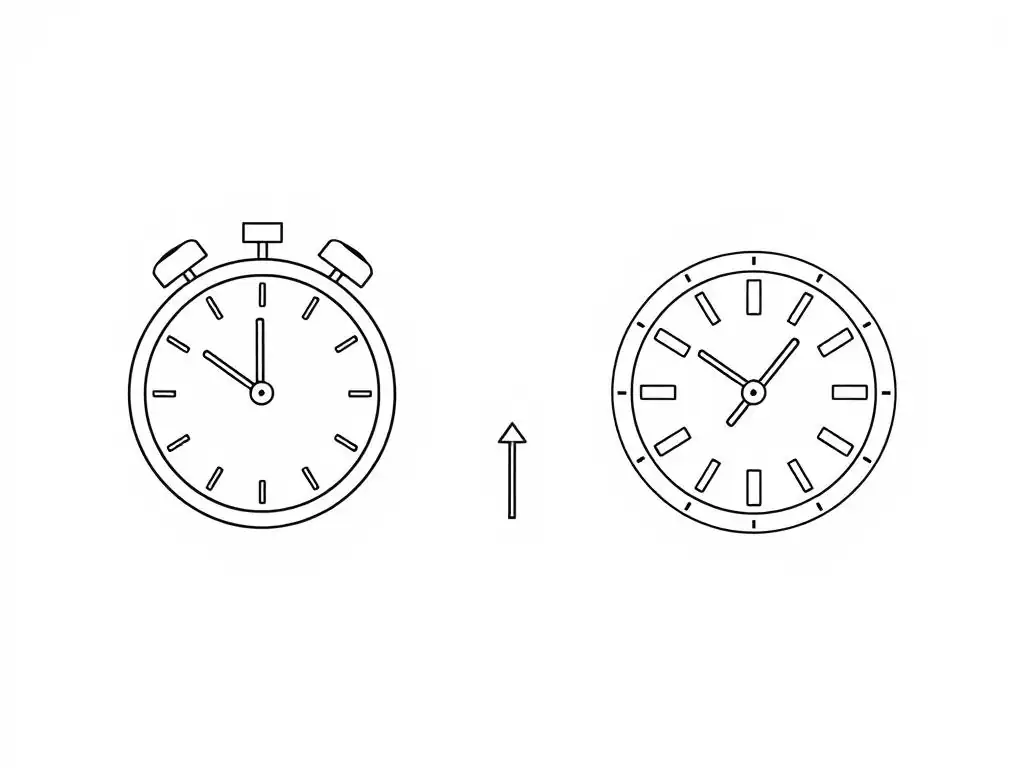
This section delves into the crucial first step in conquering procrastination with the power of timers: selecting the right tool for the job. The effectiveness of your timer-based productivity hack hinges on choosing a device that fits your personal preferences and workflow. Ignoring this step can lead to inconsistent use and ultimately, a return to unproductive habits. Let's explore the options and find the perfect timer for your procrastination-busting strategy.
Analog vs. Digital Timers: A Comparison
The age-old debate – analog versus digital – extends even to the humble timer. Both offer unique advantages and disadvantages when it comes to focus and productivity.
| Feature | Analog Timer | Digital Timer |
|---|---|---|
| Visual Appeal | Often aesthetically pleasing, calming effect | Clean and modern, often customizable displays |
| Distraction | Minimal distractions; simple, direct use | Potential for notifications, app switching |
| Flexibility | Limited to preset times; no extra features | Customizable intervals, multiple timer settings |
| Portability | Generally compact and easily transported | Highly portable, especially app-based solutions |
| Durability | Typically very durable; less prone to damage | Susceptible to battery issues, software glitches |
| Cost | Generally inexpensive | Can range widely; some free, others subscription-based |
For some, the simple ticking of an analog timer provides a tangible, meditative focus aid. The visual countdown offers a clear, uninterrupted representation of remaining time. Others find the flexibility and additional features of digital timers more appealing, allowing for customized work intervals and breaks. The choice often comes down to personal preference. Consider your working style and environment when making your decision. Do you prefer a minimalist approach or a more feature-rich experience?
Top Timer Apps for Focus and Productivity
Digital timers offer a plethora of features beyond simple timekeeping. Many apps incorporate techniques like the Pomodoro Technique, offering structured work and break intervals optimized for peak concentration. Here are a few examples of popular apps designed to enhance focus and productivity through timer utilization:
- Focus To-Do: This app blends task management with Pomodoro timers for streamlined workflow. Its intuitive interface and helpful features make it a popular choice among productivity enthusiasts.
- Forest: Gamifies the process of staying focused by growing a virtual tree during your work sessions. Leaving the app before the timer finishes kills your tree, providing a visual incentive to stay on task. A unique approach to tackling procrastination.
- Freedom: While not solely a timer, Freedom blocks distracting websites and apps during your designated focus periods, creating a distraction-free environment. Pairing this with a timer app can significantly boost productivity.
- Clockwork Tomato: A simple and elegant Pomodoro timer, perfect for those who prefer a clean, uncluttered interface. Its straightforward design minimizes distractions and allows for seamless integration into existing workflows.
These are just a few examples; numerous other apps offer similar functionality. Experiment to find one that best suits your needs and preferences. Consider features such as customizable timer lengths, break reminders, progress tracking, and integration with other productivity tools.
Optimizing Timer Settings for Personal Use
The effectiveness of your timer isn't just about choosing the right tool; it's about using it strategically. Experimentation is key to finding the optimal timer settings for your individual workflow.
The Pomodoro Technique, a popular time management method, suggests 25-minute work intervals followed by 5-minute breaks. However, this is just a starting point. You might find that shorter or longer intervals work better for you. Some individuals thrive on 50-minute sessions with longer breaks, while others prefer shorter, more frequent intervals. Experiment with different durations to determine your peak performance window. Consider these factors:
- Your Attention Span: Are you easily distracted, requiring shorter, more frequent breaks? Or do you have a longer attention span, allowing for longer work sessions?
- The Nature of Your Task: Highly focused tasks might require longer uninterrupted periods, while less demanding tasks might benefit from shorter intervals.
- Your Energy Levels: Adjust your timer settings based on your natural energy fluctuations throughout the day. Schedule more demanding tasks for your peak productivity periods.
Remember, the goal is to find a rhythm that promotes sustained focus and prevents burnout. Regularly review and adjust your timer settings as needed to optimize your productivity. Tracking your progress and making adjustments based on your experience is crucial for long-term success in using timers to combat procrastination and boost your focus. Don't be afraid to experiment and find what works best for you.
Implementing the Pomodoro Technique and Variations
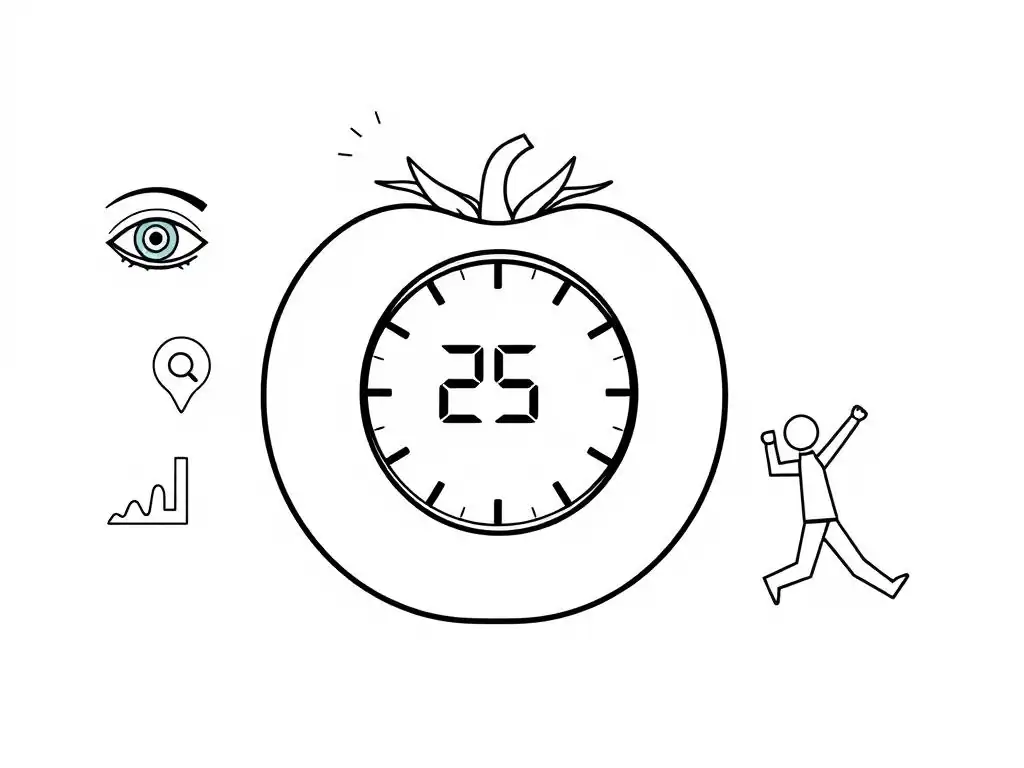
The Pomodoro Technique, a time management method using a timer to break down work into intervals, is a powerful tool to combat procrastination and boost productivity. It leverages the principles of focused work sprints followed by short breaks, leading to improved concentration and reduced mental fatigue. This technique is especially relevant in our digitally saturated world where constant distractions threaten our focus. Mastering the Pomodoro Technique, and its variations, can be a game-changer in managing your time effectively and conquering procrastination. Let's delve into the specifics.
The Classic Pomodoro Technique: A Step-by-Step Guide
The core of the Pomodoro Technique is remarkably simple. It involves these steps:
- Choose a task: Select a single task you want to accomplish. Avoid multitasking; focus on one thing at a time for maximum efficiency. This is crucial for effective timer procrastination focus productivity hacks.
- Set a timer: Set a timer for 25 minutes. This is one "Pomodoro." During this time, work exclusively on the chosen task. Minimize distractions as much as possible. Silence your phone notifications, close unnecessary tabs on your computer, and let those around you know you need uninterrupted time.
- Work intensely: Focus intently on the task. If your mind wanders, gently redirect your attention back to the task at hand. This focused effort is key to maximizing your productivity during each Pomodoro.
- Take a break: Once the timer rings, take a 5-minute break. Step away from your work, stretch, grab a drink of water, or do something completely unrelated to your task. This short break helps prevent burnout and mental fatigue.
- Repeat: Repeat steps 1-4. After every four Pomodoros (that's 100 minutes of work), take a longer break of 15-20 minutes.
The beauty of the Pomodoro Technique lies in its simplicity and adaptability. It's a framework, not a rigid rule, and can be adjusted to fit your individual needs and work style.
This structured approach transforms the fight against procrastination into a series of manageable sprints. The short, frequent breaks act as positive reinforcement, making the work sessions feel less daunting and more achievable. The timer itself acts as a powerful accountability tool, helping you stay on track and avoid getting bogged down in less important activities.
Personalizing the Pomodoro Technique
The classic Pomodoro Technique is a great starting point, but its effectiveness hinges on personalization. What works for one person may not work for another. Experiment with different work and break intervals to find your optimal rhythm. For instance:
- Adjusting work intervals: Some individuals find 25 minutes too short, while others find it too long. Try experimenting with intervals of 30, 45, or even 50 minutes, adjusting the break accordingly. The key is to find a length that keeps you engaged without leading to burnout.
- Tailoring break activities: Your breaks should be rejuvenating, not just time-fillers. Consider activities like short walks, mindful breathing exercises, or listening to calming music. Avoid checking social media or emails during breaks, as this can lead to further distractions.
- Incorporating micro-breaks: For tasks requiring intense concentration, consider incorporating short micro-breaks (1-2 minutes) every 10-15 minutes. These brief pauses can help maintain focus and prevent mental fatigue.
The beauty of the Pomodoro Technique lies in its flexibility. It's not a rigid system; it's a tool to be adapted to your unique needs and preferences. Experimentation is key to discovering the perfect balance between work and rest for optimal productivity.
Advanced Pomodoro Strategies: Breaks and Rewards
To further enhance the effectiveness of the Pomodoro Technique, consider incorporating these advanced strategies:
- Strategic Break Planning: Instead of passively deciding what to do during your breaks, plan them out beforehand. This preemptive planning helps you stay focused and makes your breaks more intentional and effective. For example, you could plan a short walk around the block during your 5-minute breaks and a longer walk or meditation session during your longer breaks.
- Reward Systems: Integrate a reward system into your Pomodoro sessions. After completing a set number of Pomodoros, reward yourself with something you enjoy—a cup of coffee, a short episode of your favorite show, or a few minutes of social media browsing. This positive reinforcement can significantly boost motivation and make the entire process more enjoyable.
- Tracking Progress: Use a notebook, spreadsheet, or app to track your Pomodoro sessions. This helps you monitor your progress, identify areas for improvement, and maintain accountability. Seeing your progress visually can be incredibly motivating. Visualizing your accomplishments is a powerful timer procrastination focus productivity hack.
By strategically incorporating these advanced strategies, you can transform the Pomodoro Technique from a simple time management method into a powerful system for boosting productivity and overcoming procrastination. Remember, consistency is key. The more you practice, the better you'll become at leveraging the power of focused work sprints and strategic breaks to achieve your goals.
This section addresses the hurdles many encounter when integrating timers into their productivity routines. Successfully using a timer to combat procrastination isn't just about setting the clock; it's about understanding and overcoming potential obstacles. We'll explore common challenges and offer practical solutions to ensure your timer becomes a powerful tool for focus and productivity, not a source of frustration. The key to mastering the "timer procrastination focus productivity hack" lies in proactive planning and strategic adaptation.
Managing Distractions During Focused Work
One of the biggest challenges when using a timer for focused work is managing distractions. Our digital age is rife with interruptions – notifications, emails, social media updates – constantly vying for our attention. Ignoring these distractions is crucial for effective use of the timer procrastination focus productivity hack. Here's a structured approach:
- Preemptive Strategy: Before starting your timer, proactively minimize distractions. Turn off non-essential notifications on your phone and computer. Close unnecessary browser tabs. Let your family or roommates know you need uninterrupted time. Consider using website blockers or apps to temporarily restrict access to distracting websites. This preemptive strike is key to preventing interruptions and maintaining focus.
- Mindful Breaks: Short, intentional breaks are essential. Instead of succumbing to the lure of distractions during your work intervals, plan short breaks into your timer schedule. A 5-minute break every 25 minutes (the Pomodoro Technique) can help you maintain focus and prevent burnout. During these breaks, engage in activities that are not screen-related: stretch, walk around, or grab a drink of water. This helps you recharge without triggering further procrastination.
- The "Two-Minute Rule": If a distraction arises that can be dealt with in under two minutes, address it immediately. Responding to a quick text or email might save you from dwelling on it and disrupting your focus later. However, anything that requires more than two minutes should be deferred until your break or the end of your timed work session.
Optimizing Timer Lengths for Peak Focus
The length of your timer intervals significantly impacts your productivity. Finding the optimal length is a personal process. The "timer procrastination focus productivity hack" isn't about a one-size-fits-all solution; it's about experimentation.
The Pomodoro Technique (25 minutes of focused work followed by a 5-minute break) is a popular starting point. However, some individuals find shorter intervals (e.g., 15 minutes) more effective, while others might benefit from longer ones (e.g., 50 minutes). Experiment with different timer lengths to determine what best suits your attention span and work style. Consider these factors:
| Timer Length (minutes) | Potential Benefits | Potential Drawbacks |
|---|---|---|
| 15 | Easier to maintain focus for beginners, less overwhelming | May lead to frequent interruptions and context switching |
| 25 | Popular and well-tested, good balance | Might feel too long for some individuals |
| 50 | Allows for deep work and minimal interruptions | Requires strong self-discipline and concentration |
Keep a log of your work sessions, noting the timer length, your level of focus, and the amount of work completed. This data-driven approach will help you fine-tune your timer strategy for optimal results. Remember, the goal of the "timer procrastination focus productivity hack" is to find a sustainable rhythm that maximizes your focus and minimizes procrastination.
Maintaining Focus and Preventing Procrastination Relapse
Even with a well-structured timer system, procrastination can still creep in. The key to long-term success with the "timer procrastination focus productivity hack" lies in proactive strategies to prevent relapse.
- Accountability: Share your goals and timer schedule with a friend, family member, or colleague. Knowing someone is aware of your commitment can increase your accountability and motivation.
- Reward System: After completing a set number of timed work sessions, reward yourself with something you enjoy. This positive reinforcement can help maintain motivation and prevent procrastination. Make sure the reward isn't something that could itself become a distraction.
- Self-Compassion: Don't beat yourself up if you experience setbacks. Procrastination is a common struggle, and it's okay to have off days. Acknowledge the setback, learn from it, and gently redirect your focus back to your tasks. The "timer procrastination focus productivity hack" is a journey, not a race. Consistency over perfection is key. Remember to prioritize self-care and avoid burnout. This holistic approach to managing your time and attention is crucial for long-term success.
Integrating Timers into Your Daily Routine for Long-Term Success
This section explores how seamlessly integrating timers into your daily routine can significantly impact your productivity and help you conquer procrastination. The key isn't just using a timer sporadically; it's about building a consistent habit that reinforces focused work and mindful breaks. Think of it as a productivity hack that transforms your relationship with time, leading to long-term success in managing your workload and achieving your goals.
The consistent use of timers, especially in combination with other techniques, becomes a powerful tool in your arsenal against procrastination. We'll examine effective strategies to make timer use a natural part of your daily workflow. This isn't about rigid adherence to schedules, but rather about creating a framework that promotes focus and reduces the mental friction often associated with starting and maintaining tasks.
The ultimate goal is to cultivate a sustainable rhythm of work and rest, optimizing your energy levels and output. Remember, consistency is key; even small, incremental improvements in your timer usage will yield substantial results over time.
Implementing Time-Blocking Strategies
Time blocking, a cornerstone of effective time management, synergizes perfectly with timer usage. Instead of vaguely scheduling tasks, you allocate specific time slots for particular activities. For example, you might block out 50 minutes for focused writing, followed by a 10-minute break. This structured approach, aided by a timer, minimizes context switching and maximizes deep work. The timer acts as a visual cue, signaling the start and end of each block. This structured approach reduces the mental load of constantly deciding what to work on next.
Consider this example: A typical workday could be structured as follows:
| Time Block | Activity | Timer Duration | Notes |
|---|---|---|---|
| 9:00 - 9:50 AM | Focused Writing | 50 minutes | Minimize distractions; use noise-canceling headphones if needed. |
| 9:50 - 10:00 AM | Break | 10 minutes | Stretch, walk around, grab a drink. |
| 10:00 - 10:50 AM | Email & Communication | 50 minutes | Respond to emails, schedule calls. |
| 10:50 - 11:00 AM | Break | 10 minutes | Quick meditation or mindfulness exercise. |
| 11:00 AM - 12:00 PM | Project Research | 60 minutes | Deep focus; eliminate all interruptions. |
By consistently using this time-blocking method with a timer, you'll train your brain to associate specific time periods with particular tasks, improving your focus and reducing procrastination. Experiment with different block lengths to discover what works best for your individual rhythm and energy levels. Remember to schedule breaks; they are crucial for maintaining sustained productivity and preventing burnout.
Tracking Progress and Identifying Improvement Areas
To maximize the benefits of using a timer against procrastination, regularly track your progress. This involves noting not only how much time you spend on tasks but also your level of focus and the frequency of interruptions. You can use a simple spreadsheet, a dedicated productivity app, or even a notebook to record this data.
Analyzing this data reveals patterns and helps you identify areas for improvement. For example, if you consistently struggle to maintain focus during certain time blocks, you might need to adjust the length of your work sessions or change your environment. Tracking your progress also provides a sense of accomplishment and motivates you to continue improving your time management skills.
This data-driven approach transforms timer usage from a simple tool into a powerful self-improvement strategy. Analyzing your data allows you to refine your time-blocking strategy, making it even more effective over time. Don't be afraid to experiment and adjust your approach based on what you learn from your tracking.
The key is to be honest in your self-assessment. Were there unexpected interruptions? Did you find yourself easily distracted? Identifying these patterns is crucial for refining your technique and achieving optimal focus.
Building a Sustainable Focused Work Habit
The ultimate goal is to integrate timer use into your daily routine so seamlessly that it becomes second nature. This requires consistency and patience. Start small; don't try to overhaul your entire workflow overnight. Begin by implementing timers for just one or two tasks each day, gradually increasing the number as you become more comfortable.
Celebrate your successes, no matter how small. Acknowledge your progress and reward yourself for sticking to your schedule. This positive reinforcement helps solidify the habit and makes the process more enjoyable. Remember, building a sustainable focused work habit is a marathon, not a sprint.
There will be days when you slip up, but the key is to get back on track as soon as possible. Don't let setbacks derail your progress; view them as learning opportunities. By consistently utilizing timers and tracking your progress, you'll cultivate a powerful and sustainable habit that significantly enhances your focus, productivity, and overall well-being, effectively combating procrastination and unlocking your full potential. This consistent application of the timer procrastination focus productivity hack will transform your work habits for the better.
Long-Term Benefits of Using Timers for Productivity
Integrating timers into your daily routine offers significant long-term benefits that extend far beyond simply completing tasks. Consistent use fosters a powerful cycle of improved focus, increased efficiency, and reduced stress, ultimately leading to a more fulfilling and productive life. This isn't just about short-term gains; it's about cultivating a sustainable approach to managing your time and energy.
One of the most significant advantages is the development of self-discipline. Initially, setting a timer might feel artificial or restrictive. However, over time, the act of committing to a specific timeframe for a task trains your brain to focus and resist distractions. This strengthens your willpower muscle, making it easier to tackle challenging projects and resist impulsive procrastination in other areas of your life. Think of it like weight training for your mental fortitude. The more you use the "timer weight," the stronger you become.
Furthermore, consistent timer use significantly improves time management skills. By allocating specific time blocks to different tasks, you gain a clearer understanding of how long activities actually take. This self-awareness is crucial for realistic planning and scheduling, reducing the likelihood of overestimating your capabilities and leading to less stress and missed deadlines. This translates into a more organized and less chaotic daily existence, allowing you to fit more into your day without feeling overwhelmed.
Beyond individual task management, employing timers promotes a sense of accomplishment and satisfaction. The simple act of completing a timed task, no matter how small, provides a sense of closure and progress. This positive reinforcement loop encourages continued use and strengthens the habit of focused work. The cumulative effect of these small victories contributes to a greater sense of self-efficacy and overall well-being. You'll find yourself feeling more confident and capable, ready to tackle even bigger challenges.
Finally, integrating timers into your routine can lead to a substantial reduction in stress and anxiety. The structure and predictability provided by timed work sessions can significantly reduce the mental clutter associated with endless to-do lists and looming deadlines. Knowing you have a dedicated time block for a specific task reduces the pressure to multitask and allows you to fully concentrate on the task at hand. This focused approach minimizes mental fatigue and promotes a more relaxed and balanced lifestyle. The feeling of control over your time is a powerful antidote to stress.
Frequently Asked Questions
How can a timer help me overcome procrastination?
Using a timer implements the Pomodoro Technique. This involves working in focused bursts (e.g., 25 minutes) followed by short breaks. The structured approach combats procrastination by breaking down tasks into manageable chunks.
What type of timer is best for this productivity hack?
Any timer will work, but a simple digital timer or a dedicated Pomodoro app is ideal. These offer clear visuals and often include built-in break reminders, enhancing the process.
Is this technique effective for all types of tasks?
While effective for many, it's best suited for tasks requiring focused attention. It may be less helpful for highly creative or less structured projects. Experiment to find what works best for you and your specific work style.
How long should my work intervals and breaks be?
The classic Pomodoro Technique uses 25-minute work intervals followed by 5-minute breaks. However, you can adjust these lengths to find what suits your attention span and energy levels. Experimentation is key!
What if I get distracted during a work interval?
Simply acknowledge the distraction, gently redirect your focus back to the task, and continue the timer. Don't beat yourself up over minor interruptions; it's part of the process. Consistency is more important than perfection.
Final Reflection: Taming the Clock, Mastering Your Focus
The relentless march of time is a double-edged sword; it can be our greatest enemy, fueling procrastination, or our most powerful ally, driving productivity. In a world saturated with distractions, learning to harness the simple power of a timer is not just a productivity hack, it's a crucial life skill. This article explored various timer techniques, from the Pomodoro method to time blocking, demonstrating how strategically allocating time can dramatically improve focus and reduce the crippling effects of procrastination.
The impact of mastering time management extends far beyond simply completing tasks; it’s about reclaiming control over your life and fostering a healthier relationship with your work. It's about recognizing the insidious nature of procrastination and actively combating it with mindful intention. Time is the most valuable thing a man can spend.
– Theophrastus. This quote rings truer than ever in our fast-paced, hyper-connected world, where the ability to focus and prioritize is paramount to success and well-being. The techniques discussed here are not just about efficiency; they are about cultivating self-awareness and respecting the precious resource of time.
Now, consider your own relationship with time. What are your biggest procrastination triggers? Which timer technique resonates most with you? Take the first step towards a more focused and productive you by experimenting with these strategies. Don't just read about them – implement them. Start small, track your progress, and adjust your approach as needed. The journey to mastering your focus is a personal one, but with the right tools and a commitment to self-improvement, you can conquer procrastination and unlock your full potential.
Conquer Your To-Do List: Start Timing Your Success Today!
Ready to unlock the power of focused work and transform your productivity? This guide will help you achieve a more effective and fulfilling workday.
- Embrace the Pomodoro Technique: Begin with focused 25-minute work intervals, followed by short 5-minute breaks. This simple method can significantly improve your work habits.
- Share Your Experiences: We encourage you to share your feedback on using timers to manage your time. What strategies worked best for you? What challenges did you encounter? Your insights can help others on their productivity journey.
- Monitor Your Progress: Keep a simple log to track your focused work sessions. Celebrating your accomplishments will reinforce positive changes and motivate you to continue improving your time management skills.
What task will you tackle first using this powerful technique? Share your plans in the comments below!