
UltimateLifeHacks: Conquer Digital Distractions Proven Strategies for Laser Focus


Are you ready to reclaim your focus and conquer the digital distractions that steal your precious time? UltimateLifeHacks is your guide to a more productive and fulfilling life. We delve into the art of digital minimalism, offering practical strategies to help you regain control. Discover how to effectively implement the proven techniques detailed in our main article, "Stop digital distractions now," and unlock your true potential. Let's embark on this journey toward a more efficient and intentional you – read on to discover how.
- Stop Digital Distractions Now: Understanding the Enemy
-
Reclaim Your Focus: Practical Strategies to Minimize Digital Distractions
- Mastering the Art of Notification Management: Taming the Alerts
- Website Blockers and Productivity Apps: Powerful Tools for Focus
- Time Blocking and the Pomodoro Technique: Structuring Your Day for Success
- Mindfulness and Meditation: Cultivating Mental Strength Against Distractions
- Digital Detox Strategies: Occasional Breaks for Enhanced Focus
- Creating a Distraction-Free Workspace: Optimizing Your Environment
- Long-Term Strategies for Sustained Focus: Building a Digital Minimalist Lifestyle
- Stop Digital Distractions Now: Actionable Steps for Immediate Improvement
-
Frequently Asked Questions
- How can I stop digital distractions from derailing my productivity?
- What are some quick wins to reduce digital distractions immediately?
- Are there apps that can help me manage my digital distractions?
- How do I overcome the urge to constantly check my phone?
- What if I'm struggling to control my digital distractions despite trying these techniques?
- Final Reflection: Reclaiming Your Focus in a Hyper-Connected World
- Unleash Your Undistracted Potential: Reclaim Your Focus Today!
Stop Digital Distractions Now: Understanding the Enemy
In today's hyper-connected world, digital distractions are a constant battle for our attention. From the incessant ping of notifications to the siren song of social media, our devices are designed to keep us hooked, often at the expense of our productivity, focus, and overall well-being. This article provides proven strategies to help you regain control and conquer these digital distractions, ultimately boosting your efficiency and improving your quality of life.
We'll explore the science behind why we get so easily sidetracked, the hidden costs of constant connectivity, and, most importantly, actionable steps you can take to reclaim your focus and achieve a state of laser-sharp concentration. Learning to effectively manage digital distractions is not just about increased productivity; it's about cultivating a healthier, more mindful relationship with technology and reclaiming your time and mental energy.
This guide offers practical, immediately implementable techniques to help you say "Stop digital distractions now!" and start living a more focused and fulfilling life.
The first step in conquering digital distractions is identifying your specific weaknesses. What apps or activities consistently pull you away from your tasks? For many, the culprits are readily apparent:
- Social Media: The endless scroll of feeds on platforms like Instagram, TikTok, and Facebook is a major time sink. The dopamine rush from likes and comments creates a powerful feedback loop, making it difficult to disengage.
- Email: The constant influx of emails can feel overwhelming, leading to a reactive cycle of checking and responding, interrupting your workflow.
- Instant Messaging: Apps like WhatsApp, Messenger, and Slack offer instant communication, but they can also lead to constant interruptions and context switching, hindering deep work.
- News and Entertainment Websites: The readily available stream of news and entertainment online can easily derail your focus, especially if you find yourself frequently checking for updates.
- Gaming: Video games, whether on mobile or console, can be highly engaging and distracting, making it hard to resist the urge to play.
To pinpoint your personal digital distractions, try tracking your time for a few days. Note how much time you spend on different apps and websites and how often you're interrupted. This self-awareness is crucial for developing effective strategies to manage your digital consumption. This exercise might even reveal surprising patterns you weren't aware of!
The Neuroscience of Digital Distraction: Why We Get Hooked
Understanding why we're drawn to digital distractions is key to breaking free. The design of many apps and websites leverages principles of behavioral psychology and neuroscience to maximize engagement. These techniques exploit our brains' reward systems, leading to addictive behaviors.
For example:
- Variable Rewards: Social media platforms often employ variable reward schedules, meaning you never know exactly when you'll receive a like, comment, or notification. This unpredictability keeps us constantly checking back, hoping for a reward. This is similar to the mechanism behind slot machines and other gambling games.
- Dopamine Release: Each notification or interaction triggers a release of dopamine, a neurotransmitter associated with pleasure and reward. This reinforces the behavior, making it harder to resist checking your phone or computer.
- Fear of Missing Out (FOMO): The constant stream of updates on social media can create a sense of FOMO, pushing us to stay connected to avoid missing out on important information or social events.
Understanding the neurological mechanisms behind our digital addiction allows us to approach the problem with greater awareness and develop more effective strategies to overcome it.
The Cost of Constant Connectivity: Impact on Productivity and Well-being
The constant barrage of digital distractions comes at a significant cost. The impact extends beyond just lost productivity; it affects our mental and physical health as well.
| Negative Impact | Description |
|---|---|
| Reduced Productivity | Constant interruptions fragment focus, reducing the quality and quantity of work. |
| Increased Stress & Anxiety | The pressure to stay connected and respond immediately can lead to overwhelm. |
| Impaired Sleep | Screen time before bed disrupts sleep patterns, leading to fatigue and poor health. |
| Diminished Attention Span | Frequent switching between tasks weakens our ability to concentrate. |
| Social Isolation | Excessive online time can paradoxically lead to feelings of loneliness. |
The cumulative effect of these negative impacts can significantly diminish our overall well-being and quality of life. By taking proactive steps to manage digital distractions, we can reclaim our focus, improve our productivity, and cultivate a healthier relationship with technology. The benefits extend far beyond simply getting more things done; it's about creating space for deeper work, improved mental clarity, and a more balanced lifestyle.
Reclaim Your Focus: Practical Strategies to Minimize Digital Distractions

This section provides actionable strategies to significantly reduce digital distractions and reclaim your focus. We'll explore techniques to regain control over your attention and boost productivity, helping you truly Stop digital distractions now. The modern digital landscape is rife with interruptions, but with mindful application of these methods, you can cultivate a more focused and productive workflow. We'll cover everything from managing notifications to utilizing powerful productivity apps.
Mastering the Art of Notification Management: Taming the Alerts
Constant notifications are a major source of digital distraction. Learning to effectively manage them is crucial for regaining focus. The first step is understanding which notifications are truly essential. Many apps bombard us with non-critical updates, draining our attention and disrupting our flow.
Consider this: a study by the University of California, Irvine, found that it takes an average of 23 minutes to regain focus after an interruption. Multiply that by the number of notifications you receive daily, and the cumulative time lost is staggering. To combat this, follow these steps:
- Identify Essential Notifications: Determine which notifications are absolutely necessary for your work or personal life. This might include urgent emails, calls, or messages from close contacts.
- Disable Unnecessary Notifications: For all other apps, disable notifications entirely. Many apps allow granular control, letting you silence specific notification types (e.g., likes, comments, etc.) while keeping essential ones active.
- Batch Process Notifications: Instead of reacting to each notification as it arrives, designate specific times during the day to check and respond to messages and emails. This approach prevents constant interruptions.
- Use "Do Not Disturb" Mode: Utilize the built-in "Do Not Disturb" features on your devices during focused work periods. This silences all notifications for a set time, allowing for uninterrupted concentration.
- Employ Notification Grouping Apps: Explore apps designed to group similar notifications, presenting them in a more manageable format than a constant stream of individual alerts.
Website Blockers and Productivity Apps: Powerful Tools for Focus
Website blockers and productivity apps offer powerful tools to help you Stop digital distractions now. These applications provide features that actively prevent you from accessing distracting websites or apps during dedicated work sessions. This proactive approach is particularly effective for individuals who struggle with impulsive online browsing.
Here’s a breakdown of their effectiveness:
| App Type | Description | Benefits | Potential Drawbacks |
|---|---|---|---|
| Website Blockers | Prevent access to specific websites or categories of websites during set times. | Eliminates temptation to browse distracting sites; improves focus and productivity. | Requires discipline to set and stick to blocking schedules; potential for accidental blocking. |
| Productivity Apps | Offer features like time tracking, task management, and website blocking. | Integrated approach to productivity; provides tools beyond just blocking distractions. | Can be overwhelming with too many features; requires learning curve. |
The effectiveness of these apps depends heavily on your self-discipline and the careful selection of tools that fit your specific needs and workflow. Experiment with different apps to find the perfect fit for your productivity style.
Time Blocking and the Pomodoro Technique: Structuring Your Day for Success
Effective time management is crucial in minimizing digital distractions. Techniques like time blocking and the Pomodoro Technique can significantly improve focus and productivity. These methods provide a structured framework for your day, allocating specific time slots for focused work and scheduled breaks. This approach proactively limits the opportunities for distractions to derail your progress.
- Time Blocking: Allocate specific blocks of time for particular tasks. This creates a schedule that prioritizes focused work periods, minimizing the chance of unplanned distractions.
- Pomodoro Technique: Work in 25-minute focused intervals (Pomodoros), followed by a 5-minute break. After four Pomodoros, take a longer break of 15-20 minutes. This structured approach helps maintain focus and prevents burnout. The short breaks provide opportunities to briefly check notifications or messages without significantly disrupting your concentration. The scheduled breaks are crucial for maintaining productivity throughout the day. This structured approach helps you to truly Stop digital distractions now by building in dedicated time for focused work and planned breaks. This method is remarkably effective in reducing interruptions and maximizing your overall output. ⏳
Mindfulness and Meditation: Cultivating Mental Strength Against Distractions
Mindfulness and meditation practices are powerful tools in the fight against digital distractions. By cultivating a heightened awareness of your thoughts and feelings, you build resilience against the constant pull of notifications and the allure of social media. Regular meditation, even for just 10-15 minutes a day, can significantly improve your ability to focus and resist impulsive engagement with digital devices. This isn't about eliminating all technology; it's about developing the mental fortitude to choose when and how you interact with it.
The benefits extend beyond simply resisting distractions. Studies have shown that mindfulness practices enhance attention span, improve cognitive function, and reduce stress levels—all crucial factors in maintaining focus in our digitally saturated world. The key is consistency.
Start with short sessions and gradually increase the duration as your comfort level grows. There are numerous guided meditation apps available to assist you, offering a range of techniques tailored to different needs and experience levels. Focusing on your breath, observing your thoughts without judgment, and gently redirecting your attention when it wanders are fundamental practices that strengthen your mental resilience against digital temptations.
The more you practice, the easier it becomes to identify and manage the urge to reach for your phone or computer when faced with boredom or stress. This self-awareness is crucial for effectively stopping digital distractions now and in the future. In essence, mindfulness helps you reclaim control over your attention, rather than letting technology dictate your focus.
Digital Detox Strategies: Occasional Breaks for Enhanced Focus
Regular digital detox periods are essential for resetting your brain and enhancing your ability to focus. These aren't about permanently abandoning technology; rather, they're strategic breaks designed to recharge your mental batteries and improve your relationship with your devices. A complete digital detox, even for a single day, can be surprisingly effective in breaking ingrained habits and highlighting the extent to which technology influences your attention. During these breaks, you can engage in activities that promote relaxation and mental clarity, such as spending time in nature, reading a physical book, engaging in creative pursuits, or simply enjoying quiet contemplation.
The frequency and duration of your digital detox periods will depend on your individual needs and lifestyle. Some people find that a short, daily break—perhaps an hour in the evening—is sufficient, while others may benefit from longer, less frequent detoxes, such as a weekend without digital devices. The key is to find a rhythm that works for you and to make it a consistent part of your routine.
Experiment with different approaches to determine what yields the best results in terms of improved focus and reduced digital distractions. You might even consider scheduling regular "digital sabbaths"—a day or half-day each week completely free from technology. This structured approach helps you proactively manage your digital consumption and prevent it from overwhelming your ability to concentrate.
Planning ahead and communicating your intentions to others can help prevent interruptions during your detox periods. Remember, the goal isn't to eliminate technology entirely, but to use it mindfully and intentionally, ensuring it serves your needs rather than controlling your attention. This mindful approach is key to stopping digital distractions now and reclaiming your focus.
Creating a Distraction-Free Workspace: Optimizing Your Environment
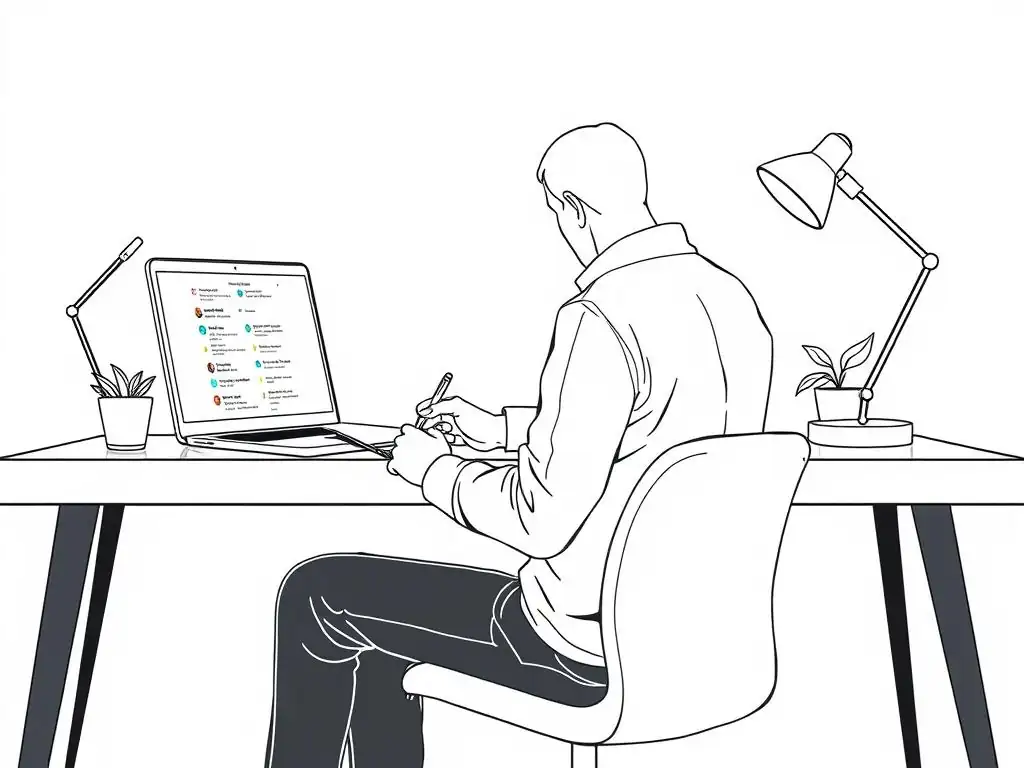
Optimizing your workspace is crucial for effectively implementing a "Stop digital distractions now" strategy. A cluttered and disorganized environment directly correlates with decreased focus and productivity. By consciously crafting a distraction-free zone, you cultivate an atmosphere conducive to deep work and enhanced concentration. This section explores practical steps to achieve this.
Decluttering Your Digital Desktop: A Clean Space, A Clear Mind
A cluttered digital desktop mirrors a cluttered mind. Icons scattered haphazardly, overflowing downloads folders, and unread emails piling up create a constant, low-level source of anxiety and distraction. The first step in conquering digital distractions is to establish a clean and organized digital workspace.
Consider these strategies for a cleaner digital desktop:
- Regularly delete unnecessary files: Schedule a weekly or bi-weekly cleanup to remove outdated files, duplicate downloads, and temporary files. Think of it as a digital spring cleaning. Utilize your operating system's built-in search functionality to locate and remove large, unused files.
- Organize files into logical folders: Create a structured filing system for your documents, images, and videos. Use descriptive folder names and a consistent naming convention. This makes it easier to quickly locate files when needed, reducing the time spent searching and minimizing distractions.
- Unsubscribe from unnecessary email newsletters: Many of us subscribe to newsletters we rarely read. These emails clutter our inboxes and constantly compete for our attention. Take the time to unsubscribe from irrelevant newsletters to reduce email overload and improve focus.
- Utilize desktop widgets strategically: While widgets can be helpful, too many can be overwhelming. Select only essential widgets and position them strategically to avoid visual clutter. Consider using a task management widget to keep track of your to-do list and avoid mentally juggling tasks.
Implementing these steps can significantly improve your digital workflow and free up mental space for more important tasks. A clean digital desktop facilitates a clearer mind, allowing you to focus on the task at hand and avoid the constant pull of digital distractions.
Optimizing Your Physical Workspace: Minimizing Visual Clutter
Your physical workspace plays a significant role in your ability to focus. A cluttered desk filled with papers, pens, and other items creates visual distractions that compete for your attention. Minimizing visual clutter is essential for creating a calm and productive environment.
To optimize your physical workspace:
- Declutter your desk regularly: Remove unnecessary items from your desk, keeping only essential tools and materials. A clean, organized desk creates a sense of calm and order, making it easier to concentrate.
- Utilize storage solutions: Invest in drawers, organizers, and other storage solutions to keep your desk tidy and organized. This prevents items from accumulating and creating visual clutter.
- Choose a calming color scheme: The colors in your workspace can affect your mood and productivity. Opt for calming colors such as blues, greens, or neutrals to create a relaxing atmosphere.
- Optimize lighting: Adequate lighting is crucial for reducing eye strain and improving focus. Ensure your workspace is well-lit, either with natural light or a suitable artificial light source. Avoid harsh, flickering lights that can be distracting.
The goal is to create a workspace that promotes a sense of calm and reduces visual distractions. By minimizing clutter and optimizing the physical environment, you create a space conducive to deep work and improved concentration.
Utilizing Ambient Sounds and Music: Enhancing Focus Through Audio
While silence can be beneficial for some, others find that ambient sounds or music can enhance focus and block out distracting noises. The key is to choose sounds that are calming and non-distracting.
Consider these audio options for enhancing focus:
- Ambient soundscapes: Nature sounds like rain, ocean waves, or forest sounds can be incredibly effective in masking distracting noises and creating a calming atmosphere. Many free apps and websites offer a variety of ambient soundscapes.
- Classical music: Certain types of classical music, particularly those with slow tempos and simple melodies, can promote relaxation and concentration. Avoid music with lyrics, as they can be distracting.
- White noise: White noise, a consistent blend of all audible frequencies, can help mask distracting noises and create a more focused environment. Many white noise generators are available online or as apps.
Experiment with different sounds to find what works best for you. The goal is to identify sounds that help you block out distracting noises and create a more immersive and focused work environment. Remember, the "Stop digital distractions now" strategy isn't just about eliminating digital devices; it's about creating a holistic environment that supports your concentration. Finding the right auditory background is a key component of this.
Communicating Boundaries: Setting Expectations with Colleagues and Family
Setting clear boundaries is crucial for minimizing digital distractions, especially when working from home or in shared spaces. This involves proactively communicating your needs and expectations to colleagues, family members, and even housemates. Open and honest communication prevents misunderstandings and ensures everyone respects your focused work periods.
For colleagues, consider implementing specific communication windows. Instead of being constantly available via instant messaging or email, designate specific times for checking messages and responding. You might announce, "I'll be checking emails at 10:30 am and 2:30 pm, but otherwise I'll be heads-down working on [project name]." This preemptive strategy minimizes interruptions and allows you to concentrate during your dedicated work blocks. Consider using the "Do Not Disturb" feature on your communication platforms during these periods. This visual cue reinforces your commitment to focused work and helps colleagues understand when to expect a prompt response and when to wait.
With family, the approach needs a more personal touch. Explain the importance of your work and the impact of constant interruptions on your productivity and overall well-being. Schedule dedicated family time, separate from your work hours, to avoid feelings of resentment or neglect. Visual cues, such as a closed door or a specific "Do Not Disturb" signal, can be helpful.
A simple, "I'm working now, I'll be with you in an hour," can be more effective than repeatedly trying to dismiss interruptions. Involving family members in setting these boundaries, perhaps through a family meeting, can promote understanding and collaboration. Remember, consistency is key; the more consistent you are with your boundaries, the more likely people are to respect them.
Don't be afraid to gently but firmly redirect interruptions when they occur, reminding them of the pre-arranged schedule. This proactive approach not only improves your focus but also strengthens family relationships by creating clear expectations and dedicated time for both work and family. Establishing these boundaries is a critical step in successfully implementing a "stop digital distractions now" strategy.
Long-Term Strategies for Sustained Focus: Building a Digital Minimalist Lifestyle
This section explores long-term, sustainable strategies to stop digital distractions now and cultivate a digital minimalist lifestyle conducive to enhanced focus and productivity. It's not about temporary fixes, but about fundamentally reshaping your relationship with technology to support your goals, rather than hindering them. We'll delve into practical steps you can take to build a more intentional and focused digital life.
Curating Your Digital Consumption: Choosing Quality Over Quantity
The key to conquering digital distractions isn't necessarily reducing consumption, but curating it. Think of it like decluttering your physical space—you don't necessarily throw everything away; you keep what's valuable and functional, getting rid of the rest. The same principle applies to your digital life.
Instead of passively consuming endless streams of information, actively choose what you engage with. Ask yourself: Does this app, website, or social media platform truly add value to my life? Does it align with my goals and priorities? If the answer is no, it's time to reconsider its place in your digital ecosystem.
Consider these practical steps:
- Unsubscribe from unnecessary emails: A cluttered inbox is a breeding ground for distraction. Unsubscribe from newsletters and promotional emails you no longer find useful. Many email providers offer tools to help manage this process efficiently.
- Limit social media usage: Set specific times for checking social media, and stick to them. Use app timers or built-in features to limit your usage. Consider deleting time-wasting apps altogether.
- Prioritize quality over quantity: Instead of passively scrolling through endless feeds, engage with content that genuinely interests you and provides value. Focus on learning, connecting with loved ones, or pursuing creative activities.
Developing Healthy Digital Habits: A Sustainable Approach to Technology
Building healthy digital habits is crucial for long-term success in managing distractions. It's about consciously shaping your relationship with technology to support your well-being and productivity. This involves more than just reducing screen time; it's about creating mindful routines.
Here's how to foster healthier digital habits:
- Establish designated "digital-free" zones: Create spaces in your home or office where technology is not allowed. This could be your bedroom, your workspace, or even specific times of the day.
- Schedule regular breaks: Taking regular breaks from screens can help prevent burnout and improve focus. Use the Pomodoro Technique or other time management strategies to structure your work and rest periods effectively.
- Practice mindful technology use: Instead of passively consuming content, engage with technology intentionally. Focus on the task at hand, and resist the urge to multitask.
- Cultivate a "digital sabbath": Consider setting aside a specific day or time each week where you disconnect from technology completely. This allows you to recharge and reconnect with yourself and your surroundings.
Regular Digital Audits: Maintaining Control Over Your Digital Life
Regular digital audits are essential for maintaining control over your digital life and preventing distractions from creeping back in. Think of it as a spring cleaning for your digital environment. These audits should be conducted periodically—perhaps monthly or quarterly—to ensure your digital habits remain aligned with your goals.
During a digital audit, consider these points:
- Review your app usage: Analyze which apps you use most frequently and whether their usage aligns with your goals. Identify time-wasting apps and consider uninstalling them or limiting their access.
- Assess your social media presence: Review your social media feeds and unfollow accounts that no longer serve you. Limit your engagement with negative or unproductive content.
- Clean up your digital files: Organize your files and delete unnecessary documents or data. A well-organized digital environment can significantly reduce stress and improve productivity.
- Evaluate your notification settings: Reduce the number of notifications you receive from apps and websites. Focus only on essential notifications that require immediate attention.
By consistently implementing these long-term strategies, you can effectively stop digital distractions now and cultivate a digital minimalist lifestyle that prioritizes focus, productivity, and well-being. Remember, it's a journey, not a race. Be patient with yourself, celebrate your progress, and adjust your approach as needed. The goal is to create a sustainable relationship with technology that serves your needs, not the other way around.
The Power of Intention: Setting Clear Goals for Digital Usage
Intentionality is key to breaking free from the grip of digital distractions. Simply reacting to notifications and impulses leads to a scattered, unproductive day. Instead, proactively defining your digital goals empowers you to control your technology, rather than letting it control you. This involves more than just vaguely hoping to use your phone less; it requires a concrete plan.
Consider setting Specific, Measurable, Achievable, Relevant, and Time-bound (SMART) goals. 1 For example, instead of aiming to "reduce social media use," try "limit Instagram to 30 minutes per day between 7 PM and 7:30 PM for the next week." This clear goal allows you to track your progress and adjust your strategy as needed. You can even use a timer or productivity app to monitor your usage and stay accountable.
Another powerful technique is to establish a clear purpose for each digital interaction. Before opening an app or checking a website, ask yourself: "What specific information or task do I need to accomplish here?" This focused approach helps to eliminate aimless scrolling and unproductive browsing. If you can't articulate a clear purpose, resist the urge to engage.
Furthermore, aligning your digital usage with your overall life goals is crucial. Ask yourself: How does spending time on this app or website contribute to my long-term aspirations? If the answer is unclear or negative, it’s time to re-evaluate your digital habits. Perhaps you need to uninstall certain apps or block distracting websites.
The key is to create a digital environment that actively supports, rather than undermines, your personal and professional objectives. This conscious alignment strengthens your intention and makes it easier to resist digital temptations. Think of it as a form of digital decluttering; you're actively removing items that don't serve a purpose, freeing up mental and emotional space for what truly matters.
1 SMART goals are a widely used framework for effective goal setting. Numerous resources are available online explaining this methodology in detail.
Stop Digital Distractions Now: Actionable Steps for Immediate Improvement
This section provides actionable strategies to immediately reduce digital distractions and improve focus. We'll explore quick wins you can implement today, followed by a framework for building a more personalized, long-term plan. The goal is to help you reclaim your attention and boost productivity, answering the urgent need to Stop digital distractions now.
Quick Wins for Increased Focus: Immediate Actions to Implement Today
Several small changes can significantly impact your focus. Start with these immediate actions:
- Turn off non-essential notifications: Silence those incessant pings and vibrations from social media, email, and games. Many applications allow you to customize notification settings; take advantage of this! You'll be surprised how much calmer and more productive you feel without the constant interruptions. For example, schedule specific times to check emails instead of reacting to every notification.
- Use website blockers: Many free and paid browser extensions can block distracting websites during work or study sessions. These tools provide a powerful way to enforce your focus. Consider using a website blocker even for short periods; even 30 minutes of uninterrupted time can lead to significant progress.
- Organize your digital workspace: A cluttered desktop mirrors a cluttered mind. Take a few minutes to organize your files, delete unnecessary documents, and create a visually appealing workspace. This simple act of tidying can reduce visual distractions and improve mental clarity. Try using folders and subfolders to categorize your files effectively.
- Implement the "two-minute rule": If a task takes less than two minutes, do it immediately. This prevents small tasks from piling up and becoming overwhelming, thus reducing the mental clutter that contributes to distractions.
- Take short breaks: Regular breaks are crucial for maintaining focus. The Pomodoro Technique (working in 25-minute intervals with 5-minute breaks) is a popular and effective method. These short breaks allow your brain to rest and recharge, improving your concentration for the next work period. Remember that even short breaks are more effective than powering through without any respite.
The immediate implementation of these strategies will significantly contribute to reducing digital distractions and improving your overall focus. Remember, consistency is key.
Building a Personalized Focus Plan: Tailoring Strategies to Your Needs
While quick wins provide immediate relief, a personalized plan ensures long-term success in managing digital distractions. This involves identifying your specific triggers and weaknesses, and developing tailored strategies to address them.
Consider these steps:
- Identify your biggest distractions: What apps, websites, or activities consistently pull your attention away? Keep a journal for a few days, noting down every instance where you felt your focus drift. This self-awareness is the first step towards effective management.
- Schedule dedicated focus time: Block out specific times in your day for focused work, free from digital interruptions. Treat these blocks as appointments you cannot miss. Communicate these times to others to minimize interruptions.
- Designate distraction-free zones: Establish physical spaces where digital devices are minimized or prohibited. This could be a specific room in your house or a quiet corner in a coffee shop.
- Utilize productivity apps: Explore apps designed to improve focus and productivity. Many apps offer features like time tracking, task management, and website blocking. Choose an app that aligns with your workflow and preferences.
- Regularly review and adjust: Your focus plan is not static. As your needs and habits change, review and adjust your strategies to ensure they remain effective. What worked a month ago might not work today. Continuous adaptation is essential.
Tracking Your Progress: Measuring Success and Refining Your Approach
Tracking your progress is essential for identifying what works and what doesn't. This allows you to refine your approach over time, leading to greater focus and productivity.
Here are some effective tracking methods:
- Time tracking: Use a timer or app to track how long you spend on focused tasks versus how long you're distracted. This data provides valuable insights into your patterns and helps you identify areas for improvement.
- Journaling: Note down your daily experiences with focus and distractions. What worked well? What didn't? This reflection helps you identify trends and refine your strategies.
- Goal setting: Set realistic, measurable goals for your focus improvement. For instance, aim to increase your focused work time by 15 minutes each day. Track your progress toward these goals to stay motivated.
- Regular self-assessment: Periodically review your entire focus plan. Are your strategies still effective? Are there any areas you need to adjust? Regular self-assessment is key to sustained improvement. Consider a weekly or monthly review of your progress.
By consistently monitoring your progress and making necessary adjustments, you’ll gradually refine your approach to conquering digital distractions and achieving laser focus. Remember, the journey to improved focus is ongoing; embrace the process of continuous learning and refinement. This commitment will ultimately help you Stop digital distractions now and achieve sustained productivity.
Celebrating Small Victories: Maintaining Motivation and Momentum
Sustaining focus in the face of constant digital distractions requires more than just willpower; it demands a strategic approach to motivation. One crucial element often overlooked is the power of celebrating small victories. Instead of fixating on the monumental task of completely eliminating distractions, break down your goal into smaller, manageable steps. Each time you successfully resist the urge to check social media, answer a non-urgent email, or engage in another digital detour, acknowledge your accomplishment.
This positive reinforcement is key to maintaining momentum. Consider using a simple reward system. For instance, after an hour of focused work free from digital distractions, you could treat yourself to a short break, a cup of tea, or a few minutes of a relaxing activity. The key is to make the reward something you genuinely enjoy and that doesn't involve screens. This positive reinforcement loop helps solidify the behavior you're trying to cultivate—a focused, distraction-free state.
Don't underestimate the impact of self-congratulation. A simple mental "well done" or a quick note in a journal documenting your success can make a significant difference in maintaining your motivation. These small acknowledgements, while seemingly insignificant, cumulatively contribute to a powerful sense of accomplishment, fueling your drive to continue your progress.
Remember, conquering digital distractions is a marathon, not a sprint, and celebrating each milestone keeps you engaged and energized throughout the process. This positive feedback loop is crucial for long-term success in managing digital distractions and enhancing productivity. The more you celebrate your wins, the more likely you are to see sustained improvements in your focus and overall efficiency.
Frequently Asked Questions
How can I stop digital distractions from derailing my productivity?
The key is mindful technology use. Start by identifying your biggest time-wasters (social media, email, etc.) and then implement strategies like turning off notifications, using website blockers, and scheduling specific times for checking those apps. Consistency is crucial.
What are some quick wins to reduce digital distractions immediately?
Try the Pomodoro Technique (25 minutes focused work, 5 minutes break). Put your phone on Do Not Disturb mode, close unnecessary tabs on your computer, and clear your workspace of clutter. Even small changes can make a big difference.
Are there apps that can help me manage my digital distractions?
Yes! Many apps are designed to block distracting websites and apps, track your usage, and help you stay focused. Explore options like Freedom, Forest, or Cold Turkey; choose one that best fits your needs and stick with it.
How do I overcome the urge to constantly check my phone?
Practice self-discipline and mindfulness. Consciously choose when you'll check your phone, and stick to those times. Try replacing the habit with a more productive activity. Gradually reduce your phone usage over time.
What if I'm struggling to control my digital distractions despite trying these techniques?
Consider seeking professional help. A therapist or counselor can help you identify underlying issues contributing to your digital addiction and develop strategies for managing them. Don't be afraid to ask for support.
Final Reflection: Reclaiming Your Focus in a Hyper-Connected World
The relentless barrage of digital notifications and information overload is not just a modern inconvenience; it's a fundamental challenge to our productivity, well-being, and ability to truly connect with ourselves and others. We've explored practical strategies to combat this pervasive issue, from mindful technology use to creating intentional digital boundaries. The fight for focus is a battle worth fighting, and the rewards are immeasurable.
The impact of constant digital distraction extends far beyond simple lost productivity. It subtly erodes our attention spans, fragments our thoughts, and contributes to a pervasive sense of anxiety and overwhelm. The real problem is not whether machines think but whether men do.
- B.F. Skinner. This quote, while seemingly unrelated at first glance, highlights the crucial point: we must reclaim our capacity for focused thought before technology fully dictates our mental landscape. The strategies discussed in this article—from the simple act of turning off notifications to the more involved practice of mindful technology use—are not merely about efficiency; they are about reclaiming our agency and our minds.
You now hold the power to reshape your relationship with technology. Start small. Choose one strategy from this article—perhaps turning off non-essential notifications or scheduling dedicated "digital detox" periods—and integrate it into your daily routine. Observe the impact on your focus, your energy levels, and your overall sense of well-being. This is not a race; it's a journey towards a more intentional and fulfilling life, one free from the tyranny of constant digital distraction. Embrace the challenge, and you will discover the profound rewards of reclaiming your focus.
Unleash Your Undistracted Potential: Reclaim Your Focus Today!
Thanks for exploring ways to improve your focus! We hope you discovered practical strategies to overcome digital distractions and boost your productivity. Now it's time to apply what you've learned.
- Try one new focus technique: Choose the method from the article that appeals most to you and use it consistently for the next three days. Monitor your progress and see the results!
- Share your biggest challenge with digital distractions: Let's build a supportive community! Share your biggest struggle in the comments below—we're all in this together.
- Explore additional resources: Discover more focus techniques by browsing other articles on UltimateLifeHacks.org – you might find a helpful tip you missed!
What small step will you take today to improve your focus and regain control of your time?