
Digital Distraction Destroying Your Productivity? Here's How to Fix It


Feeling overwhelmed by the constant ping of notifications and the siren song of social media? UltimateLifeHacks is your antidote to digital chaos. Discover practical strategies and proven techniques to reclaim your focus and boost your productivity. Learn how to Stop digital distractions now and unlock your true potential with our insightful guide on Digital Minimalism – it's time to take control of your time and conquer your to-do list!
- Understanding the Impact of Digital Distractions on Productivity
-
Stop Digital Distractions Now: Practical Strategies for Reclaiming Your Focus
- Mastering the Art of Notification Management: Taming the Alerts
- Time Blocking Techniques: Scheduling Focus Time & Minimizing Interruptions
- Website Blockers and Productivity Apps: Leveraging Technology for Focus
- The Power of the Pomodoro Technique: Focused Work in Short Bursts
- Mindfulness and Digital Detox: Reconnecting with Yourself
-
Creating a Digital Wellbeing Routine: Sustainable Habits for Long-Term Productivity
- Designing Your Ideal Digital Workspace: Optimizing Your Environment
- Setting Boundaries: Defining Digital "Off" Time and Sticking to It
- Building a Digital Minimalist Lifestyle: Choosing Quality Over Quantity
- Prioritizing Real-World Interactions: Balancing Digital and Physical Life
- Evaluating Your Progress and Adapting Your Strategy: Continuous Improvement
-
Stop Digital Distractions Now: Advanced Techniques for Ultimate Focus
- The Impact of Social Media on Productivity: A Deeper Dive
- Email Management Strategies: Prioritizing and Reducing Overload
- Multitasking Myths Debunked: The Single-Tasking Approach for Enhanced Focus
- Utilizing Technology Mindfully: Harnessing its Power Without Its Pitfalls
- The Importance of Regular Breaks: Preventing Burnout and Maintaining Focus
- Stop Digital Distractions Now: Resources and Further Reading
-
Frequently Asked Questions
- How can I stop digital distractions from derailing my workflow?
- What are some quick and easy ways to minimize digital distractions?
- Are there apps or tools that can help me manage digital distractions?
- How can I create a more distraction-free work environment?
- What if I'm struggling to break free from digital distractions completely?
- Final Reflection: Reclaiming Your Focus in a Hyper-Connected World
- Reclaim Your Focus: Start Your Digital Detox Today!
Understanding the Impact of Digital Distractions on Productivity
Digital distractions are silently sabotaging your productivity, chipping away at your focus and leaving you feeling overwhelmed. In today's hyper-connected world, the constant barrage of notifications, emails, and social media updates creates a relentless cycle of interruption, significantly impacting our ability to concentrate and achieve our goals. This article will explore the insidious ways digital distractions erode productivity, revealing the hidden costs and offering practical strategies to reclaim your focus and boost your efficiency. Learning to effectively manage digital interruptions is not just about improving your workflow; it's about reclaiming your mental well-being and fostering a healthier relationship with technology. We'll delve into the specific ways digital overload affects your cognitive function, your stress levels, and ultimately, your overall success. Ready to stop digital distractions now and regain control of your time and mental energy? Let's begin.
The most obvious impact of digital distractions is the sheer amount of time they steal from our day. Think about it: how many times do you check your phone, even when you know you shouldn't? How often do you get sidetracked by a notification, only to find yourself 30 minutes later down a rabbit hole of irrelevant information? These seemingly small interruptions add up dramatically. Studies have shown that it takes an average of 23 minutes to regain focus after a single interruption. 1 Imagine the cumulative effect of multiple interruptions throughout the workday! This lost time translates directly to decreased productivity and unfinished tasks. Furthermore, the constant switching between tasks weakens our ability to deeply concentrate, hindering our capacity for creative thinking and problem-solving. This constant mental juggling act leads to decreased efficiency and an overall feeling of being perpetually behind. The cost isn't just measured in minutes; it's measured in missed deadlines, incomplete projects, and a persistent sense of being overwhelmed.
Diminished Cognitive Function: How Digital Overload Affects Your Brain
Beyond wasted time, constant digital distractions have a significant impact on our cognitive abilities. Our brains are not designed for the constant switching and multitasking demanded by the modern digital landscape. The constant influx of information overloads our working memory, impairing our ability to focus, learn, and retain information. Studies have linked excessive screen time to reduced attention spans, impaired memory, and even a decline in executive functions such as planning and decision-making. 2 This cognitive fatigue leads to decreased productivity, as we struggle to complete tasks efficiently and effectively. The constant stimulation from notifications and social media triggers the release of dopamine, creating a cycle of reward and addiction that further compromises our ability to resist distractions and focus on meaningful work. This constant stimulation can lead to a state of mental exhaustion, leaving us feeling drained and unable to concentrate even on simple tasks. The result? Lower quality work, missed opportunities, and a significant decrease in overall productivity.
The Link Between Digital Distraction and Stress: A Vicious Cycle
The relentless nature of digital distractions fuels a vicious cycle of stress and decreased productivity. The constant pinging of notifications and the pressure to stay connected create a state of chronic low-level stress, which negatively impacts our focus and cognitive function. This stress can manifest in physical symptoms such as headaches, muscle tension, and sleep disturbances, further exacerbating the problem. Feeling constantly "on" and connected can lead to burnout and feelings of overwhelm, making it even harder to concentrate and be productive.
The irony is that our attempts to stay connected often lead to increased stress and decreased efficiency, creating a self-perpetuating cycle that's difficult to break. This constant state of hyper-vigilance, waiting for the next notification, consumes mental energy and prevents us from engaging deeply in our work. Breaking this cycle requires conscious effort and a deliberate strategy to manage our digital intake.
1 [Source needed: Specific study on regaining focus after interruption] 2 [Source needed: Specific study on screen time and cognitive decline]
Recognizing Your Personal Digital Distractions: Identifying Your Weak Points
Understanding your specific digital distractions is the first crucial step to reclaiming your productivity. We all fall prey to different digital temptations, and a one-size-fits-all approach won't work. Take some time for honest self-reflection; consider keeping a distraction journal for a week. Note down every time you find yourself straying from your tasks, recording the type of distraction (social media, email, news websites, games, etc. ), the time it occurred, and how long you were distracted. This detailed record will provide invaluable insights into your personal weaknesses.
For example, you might discover that you consistently check your email every 15 minutes, interrupting your concentration on writing reports. Or perhaps you find yourself endlessly scrolling through social media feeds during your lunch break, negating the intended restorative effect. Another common pattern is the notification trap – the constant ping of incoming messages pulling you away from focused work. Identifying these patterns allows you to develop targeted strategies to counteract them.
Consider also the context of your distractions. Are you more susceptible to digital distractions when working from home versus the office? Does the time of day play a role? Are you more likely to be distracted when working on difficult tasks compared to simpler ones? Understanding these contextual factors will help you proactively adjust your environment and workflow to minimize interruptions.
By pinpointing the when, where, and why of your digital distractions, you'll be well-equipped to implement effective solutions. Remember, the goal isn't to eliminate all digital engagement, but to manage it strategically to enhance, not hinder, your productivity. This personalized approach allows for a sustainable and effective solution to the problem of digital distraction. The more specific you are in identifying your weak points, the more effective your countermeasures will be.
Stop Digital Distractions Now: Practical Strategies for Reclaiming Your Focus
Digital distractions are a pervasive problem in the modern age, silently chipping away at our productivity and focus. Learning to manage these distractions is crucial for reclaiming your time and achieving your goals. This section provides actionable strategies to help you effectively stop digital distractions now and regain control of your attention. We'll explore practical techniques to minimize interruptions and cultivate a more focused mindset. The goal isn't to eliminate technology entirely, but to harness its power responsibly, using it as a tool rather than letting it control you.
Mastering the Art of Notification Management: Taming the Alerts
The relentless barrage of notifications from our smartphones, computers, and other devices is a major source of digital distraction. These constant interruptions fragment our attention, making it difficult to concentrate on complex tasks. Effective notification management is the first step towards reclaiming your focus.
The key is to be selective about which notifications you allow. Many apps bombard us with unnecessary alerts. Consider the value each notification brings. Is it truly urgent, or is it just vying for your attention?
Here's a step-by-step guide to taming the alerts:
- Identify the culprits: Take stock of all the apps and devices sending you notifications. Which ones are the most distracting?
- Customize notification settings: Most apps allow you to customize notification settings. Turn off unnecessary notifications entirely. For essential apps, consider setting specific notification times or using "Do Not Disturb" modes.
- Batch process notifications: Instead of checking notifications constantly, set aside specific times throughout the day to review them. This prevents constant interruptions and allows for more focused work periods.
- Use notification summarization features: Some devices and apps offer notification summarization, grouping similar notifications together, reducing the frequency of interruptions.
- Experiment and adjust: What works for one person might not work for another. Experiment with different notification settings until you find a system that suits your work style and preferences.
Consider this example: Imagine you receive constant email notifications. Switching to a "Do Not Disturb" mode during focused work periods and checking emails only three times a day drastically reduces interruptions. This allows for longer stretches of uninterrupted concentration, significantly boosting productivity. The same principle applies to social media notifications, news alerts, and gaming app notifications. The goal is to regain control and decide when you engage with these sources of information, rather than reacting passively to each alert.
Time Blocking Techniques: Scheduling Focus Time & Minimizing Interruptions
Time blocking is a powerful productivity technique that involves scheduling specific blocks of time for particular tasks. By allocating dedicated time for focused work, you create a structured environment that minimizes distractions. This allows you to dedicate your full attention to the task at hand, leading to greater efficiency and reduced frustration.
Implementing time blocking involves:
- Prioritize tasks: Identify your most important tasks for the day and allocate the most focused time blocks to them.
- Schedule blocks: Assign specific time slots for each task, considering your energy levels and concentration span. Shorter, more focused blocks are often more effective than long, drawn-out sessions.
- Minimize interruptions: During scheduled focus blocks, put your phone on silent, close unnecessary browser tabs, and let others know you need uninterrupted time.
- Be realistic: Don't overschedule your day. Include buffer time between blocks for unexpected interruptions or tasks that take longer than anticipated.
- Review and adjust: Regularly review your time blocking schedule to see what works and what doesn't. Adjust your schedule as needed to optimize your productivity.
For instance, you might schedule a two-hour block for writing a report, followed by a shorter block for responding to emails. By dedicating specific times for focused work, you create a routine that minimizes interruptions and improves your ability to stop digital distractions now. The key is to make time blocking a consistent habit to truly reap its benefits.
Website Blockers and Productivity Apps: Leveraging Technology for Focus
Technology can be both a source of distraction and a powerful tool for enhancing focus. Website blockers and productivity apps offer a technological solution to the problem of digital distractions. These tools help you create a more focused work environment by limiting access to distracting websites and apps during designated work periods.
Several applications offer features such as:
- Website blocking: These apps block access to specific websites or categories of websites during scheduled times.
- App blocking: Similar to website blocking, these apps restrict access to specific applications.
- Focus timers: These features use the Pomodoro Technique or similar methods to encourage focused work intervals with short breaks.
- Productivity tracking: Some apps track your work habits and provide insights into your productivity patterns.
- Customizable settings: Many apps allow for highly customizable settings, enabling you to tailor them to your specific needs and preferences.
Choosing the right app depends on your individual needs and preferences. Some popular options offer a variety of features, including website and app blocking, focus timers, and productivity tracking. Experimenting with different apps can help you find the perfect tool to help you stop digital distractions now and achieve a greater sense of control over your digital life. Remember that the most effective strategy often involves a combination of techniques, including mindful notification management, time blocking, and the strategic use of productivity apps.
The Power of the Pomodoro Technique: Focused Work in Short Bursts
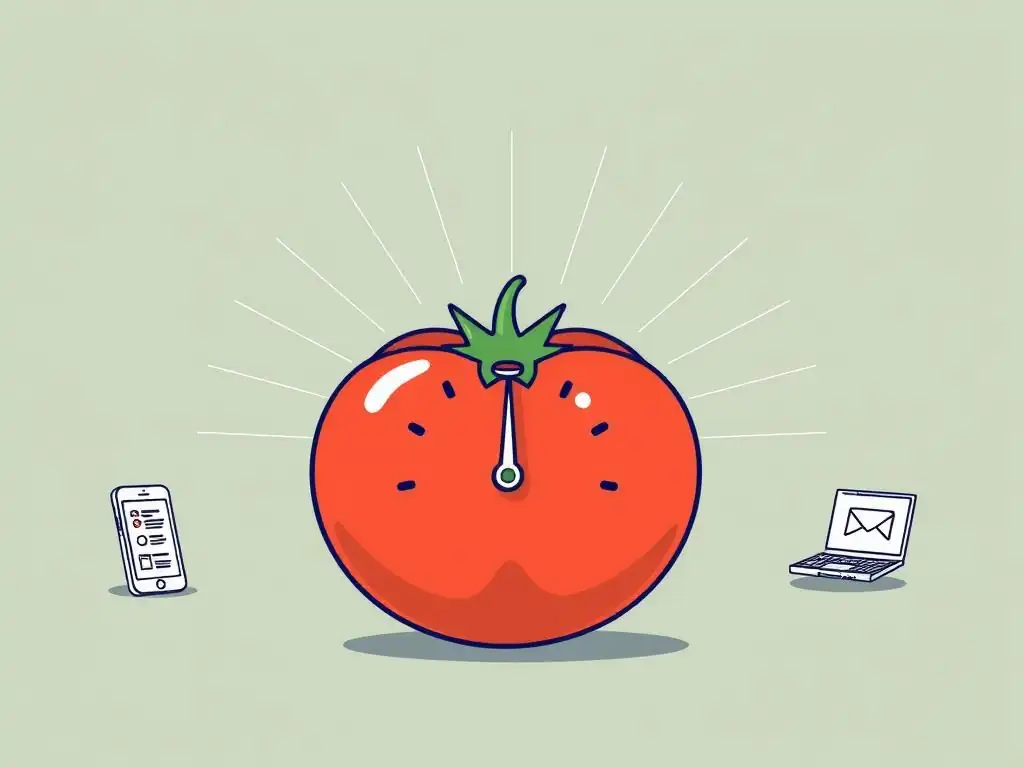
The Pomodoro Technique is a simple yet powerful time management method that can significantly reduce digital distractions and boost your productivity. It's based on the idea that working in short, focused bursts, followed by short breaks, is more effective than trying to maintain concentration for extended periods. This structured approach helps to combat the constant pull of notifications and the urge to check social media or emails.
To implement the Pomodoro Technique, you'll need a timer. Many apps are available, or you can simply use a kitchen timer. The traditional method involves working in 25-minute intervals (called "pomodoros"), followed by a 5-minute break. After four pomodoros, take a longer break of 15-20 minutes.
This structured approach helps to prevent burnout and maintain focus throughout the day. The key is to completely focus on the task at hand during each pomodoro, resisting the temptation to check your phone or engage in any other distracting activities. If a distraction arises, simply note it down and return to it during your break.
Implementing the Pomodoro Technique effectively requires discipline. It's crucial to minimize interruptions during your work periods. Turn off notifications on your phone and computer, close unnecessary tabs, and let those around you know you need uninterrupted time.
Experiment with different pomodoro lengths and break times to find what works best for your individual focus and energy levels. Some people find that shorter, more frequent breaks are more effective than longer, less frequent ones. The goal is to find a rhythm that allows you to maintain sustained concentration while preventing fatigue and maintaining a healthy work-life balance.
This technique is particularly useful for tackling tasks that require deep concentration and are susceptible to digital distractions. By breaking down large tasks into manageable chunks, you can make progress consistently and efficiently, significantly reducing the feeling of being overwhelmed and improving your overall productivity. This method effectively helps you to “stop digital distractions now” by creating a structured environment focused on concentrated work.
Mindfulness and Digital Detox: Reconnecting with Yourself
In today's hyper-connected world, constant exposure to digital devices can lead to mental fatigue and a diminished sense of self. Mindfulness and digital detox practices are essential tools to combat this. Mindfulness involves paying attention to the present moment without judgment, a skill that can help you become more aware of your digital habits and their impact on your well-being. This increased awareness is the first step in breaking free from the cycle of digital distractions.
A digital detox involves intentionally disconnecting from digital devices for a set period. This could range from a few hours to several days, depending on your needs and goals. During a digital detox, you can focus on activities that promote relaxation and self-reflection, such as spending time in nature, reading a book, meditating, or engaging in hobbies. This break from constant notifications and the pressure to respond immediately can help to reduce stress, improve sleep quality, and enhance your overall sense of well-being.
The benefits of incorporating mindfulness and digital detox into your routine are numerous. Mindfulness practices, such as meditation or deep breathing exercises, can help you develop a greater awareness of your thoughts and feelings, allowing you to recognize when you're reaching for your phone out of habit rather than necessity. Regular digital detoxes help you to reset your relationship with technology, allowing you to use it more intentionally and productively.
By consciously choosing when and how you engage with your devices, you can regain control over your attention and prevent digital distractions from derailing your productivity and overall well-being. These techniques are vital components of learning how to “stop digital distractions now” and cultivate a healthier relationship with technology, ultimately leading to a more balanced and fulfilling life. Remember, reclaiming your focus is a process; be patient with yourself and celebrate your progress along the way.
Creating a Digital Wellbeing Routine: Sustainable Habits for Long-Term Productivity
Digital distractions are a pervasive problem in the modern world, impacting our focus, productivity, and overall well-being. To effectively stop digital distractions now, and for the long term, establishing a robust digital wellbeing routine is crucial. This isn't about temporary fixes; it's about cultivating sustainable habits that integrate seamlessly into your daily life. Think of it as a personalized fitness plan for your mind, designed to build resilience against the constant pull of notifications and alluring online content.
Designing Your Ideal Digital Workspace: Optimizing Your Environment
Your workspace significantly influences your ability to concentrate. A cluttered, distracting environment makes it incredibly difficult to maintain focus. Optimizing your workspace involves a multi-pronged approach. First, declutter your physical space. Remove unnecessary items that compete for your attention. Think of it this way: every object on your desk is vying for a piece of your cognitive resources. The fewer items, the better.
Next, consider the digital aspects. Close unnecessary browser tabs. Silence notifications from non-essential apps. Utilize tools like website blockers (if needed) to prevent yourself from accessing time-wasting sites during focused work periods. Consider using a dedicated work email address to separate work communications from personal ones, reducing the potential for distractions. A clean, organized digital and physical environment directly contributes to a more productive workflow – a key step in learning how to stop digital distractions now.
Setting Boundaries: Defining Digital "Off" Time and Sticking to It
Defining and respecting digital "off" time is paramount. This isn't merely about putting your phone down; it's about consciously disconnecting from the digital world to recharge and refocus. Schedule specific times each day, perhaps an hour before bed or during lunch breaks, where you actively avoid screens. This could involve engaging in activities such as reading a physical book, spending time in nature, or engaging in hobbies.
Experiment with different approaches to find what works best for you. Some individuals find it helpful to set specific times for checking emails and social media, rather than constantly monitoring them. Others find that using apps that track screen time and app usage can help them become more aware of their digital habits and identify areas for improvement. The goal is to regain control over your time and attention, rather than letting technology dictate it. This mindful approach is fundamental to successfully learning how to stop digital distractions now.
Building a Digital Minimalist Lifestyle: Choosing Quality Over Quantity
A digital minimalist lifestyle isn't about rejecting technology entirely; it's about choosing quality over quantity. It's about intentionally curating the digital tools and apps you use, keeping only those that genuinely enhance your productivity and well-being. This involves regularly auditing your apps and websites, removing those that are no longer serving a purpose or consistently distracting you.
This process might involve some experimentation. Try deleting an app for a week and see how you feel. If you don't miss it, it's likely a good candidate for removal. By focusing on fewer, higher-quality digital tools, you reduce the overall cognitive load and the potential for distractions.
Remember, the aim is not to eliminate technology, but to master it, to use it strategically and purposefully. This conscious approach is a powerful way to stop digital distractions now and cultivate a more balanced relationship with technology. This mindful approach contributes significantly to long-term productivity and overall well-being. It's about reclaiming your attention and focus, one digital declutter at a time.
Prioritizing Real-World Interactions: Balancing Digital and Physical Life
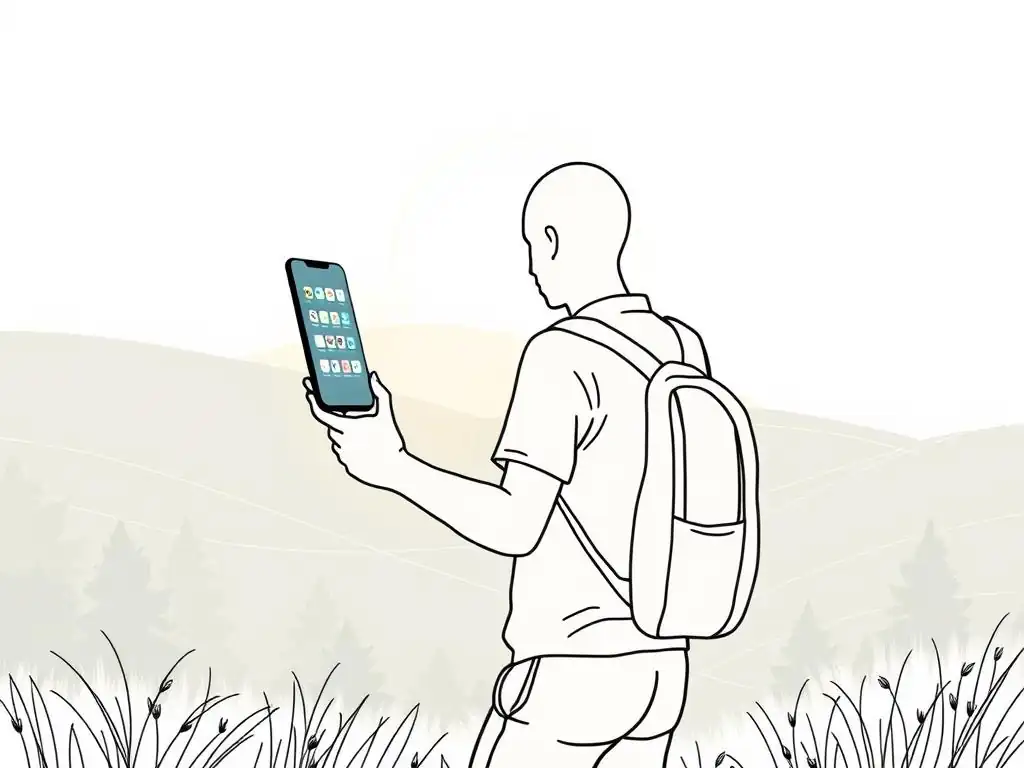
Digital wellbeing isn't just about reducing screen time; it's about consciously choosing how you spend your time, both online and offline. A crucial aspect of this is prioritizing real-world interactions. We live in a hyper-connected world, but genuine human connection remains vital for our mental and emotional wellbeing. Spending quality time with loved ones, engaging in hobbies that don't involve screens, and participating in community activities can significantly counteract the isolating effects of excessive digital engagement.
Consider scheduling specific times for disconnecting from technology and actively engaging in non-digital activities. This could involve a weekly family game night, a regular hike in nature, or even just a dedicated hour each day for reading a physical book. The key is to create a balance. Don't feel guilty about enjoying technology, but ensure it doesn't overshadow the richness of real-world experiences. These offline activities often lead to greater feelings of accomplishment and satisfaction, contributing to a more balanced and fulfilling life.
It’s about mindful digital consumption, not complete abstinence. Remember that meaningful connections and experiences offline often lead to increased creativity and productivity when you do return to your digital tasks. Experiment with different approaches to find what works best for you and your lifestyle. Perhaps start small, with just 15 minutes of unplugged time each day, and gradually increase it as you feel more comfortable.
For instance, a busy professional might schedule a 30-minute walk during their lunch break, free from phone calls and emails, to clear their head and reconnect with their surroundings. Another example might be a family who designates Sunday evenings as "digital-free" time, focusing on conversation, board games, or other shared activities. These small changes can significantly impact your overall digital wellbeing and lead to a more balanced life.
Evaluating Your Progress and Adapting Your Strategy: Continuous Improvement
Implementing a digital wellbeing routine is an ongoing process, not a one-time fix. Regularly evaluating your progress and adapting your strategy is essential for long-term success. This involves honest self-reflection and a willingness to adjust your approach as needed. Don't be discouraged if you experience setbacks; they're a natural part of the process. The key is to learn from them and refine your strategy accordingly.
One effective method is to track your screen time using built-in phone features or dedicated apps. Analyzing this data can reveal patterns of usage and identify areas where you might need to make adjustments. For example, you might discover you spend excessive time on social media in the evenings, impacting your sleep quality. This insight allows you to consciously reduce your usage during that specific time.
Another approach is to regularly assess your overall mood and energy levels. If you consistently feel stressed or overwhelmed, it might be a sign that your digital wellbeing routine needs tweaking. Perhaps you need to introduce more breaks, establish stricter boundaries, or explore different relaxation techniques.
Consider keeping a journal to document your progress, challenges, and any adjustments you make. This provides a valuable record of your journey and helps you identify what works and what doesn't. Regularly reviewing this journal allows for continuous improvement and refinement of your digital wellbeing strategy. Remember, the goal isn't perfection; it's progress.
By consistently evaluating your progress and adapting your approach, you can create a sustainable digital wellbeing routine that enhances your productivity and overall well-being. It's a journey of continuous learning and self-discovery. Be patient with yourself, celebrate small victories, and remember that even small changes can make a big difference over time.
Stop Digital Distractions Now: Advanced Techniques for Ultimate Focus
This section delves into sophisticated strategies to conquer digital distractions and achieve peak productivity. We'll move beyond the basics, exploring techniques that require conscious effort but yield significant returns in focus and efficiency. The goal? To help you truly stop digital distractions now and reclaim your time.
Social media platforms are meticulously designed to be addictive. Their algorithms prioritize engagement, often at the expense of your focus. The constant stream of notifications, updates, and visually stimulating content hijacks your attention, leading to significant productivity loss. Studies show that even brief social media checks can disrupt concentration for up to 23 minutes afterward. 1 This "attention residue" accumulates throughout the day, drastically reducing your overall output.
To mitigate this, consider these strategies:
- Scheduled Social Media Breaks: Instead of passively scrolling throughout the day, allocate specific times for social media use. Treat these as appointments you cannot miss, but also appointments that you must end promptly.
- App Timers & Blockers: Utilize apps that limit your daily screen time or block access to distracting websites during focused work periods. These tools provide accountability and help you regain control over your digital consumption.
- Mindful Social Media Use: When you do engage with social media, practice mindfulness. Ask yourself: Is this adding value to my life? Is this activity aligned with my goals? If not, disengage.
- Deactivate Notifications: Turn off all non-essential notifications from social media platforms. The constant pinging and buzzing disrupt your workflow and train your brain to seek immediate gratification over sustained focus.
The impact isn't just about lost time; it's about lost quality of work. When constantly interrupted, the brain struggles to maintain deep work, leading to lower-quality output and increased error rates. By strategically managing your social media consumption, you can significantly improve both your productivity and the quality of your work.
Email Management Strategies: Prioritizing and Reducing Overload
Email is another major source of digital distraction. The constant influx of messages can create a sense of urgency and overwhelm, diverting your attention from more important tasks. Effective email management is crucial for regaining control and maximizing your time.
Here's a structured approach to conquer email overload and stop digital distractions now:
- Batch Processing: Instead of checking email constantly, dedicate specific times throughout the day to process your inbox. This allows you to focus on other tasks without the constant interruption of new messages.
- Prioritization Techniques: Use the Eisenhower Matrix (urgent/important) to categorize emails and prioritize accordingly. Focus on high-impact tasks first, and delegate or delete less important items.
- Unsubscribe Aggressively: Unsubscribe from unwanted newsletters and mailing lists. A cleaner inbox means fewer distractions.
- Use Filters and Folders: Utilize email filters to automatically sort messages into relevant folders, making it easier to locate important information and reducing visual clutter.
- Set Auto-Replies: When unavailable, use auto-replies to manage expectations and reduce the number of immediate responses required.
By implementing these strategies, you can transform email from a source of stress and distraction into a manageable tool for communication and collaboration. This allows you to focus your energy on high-value activities and stop digital distractions now.
Multitasking Myths Debunked: The Single-Tasking Approach for Enhanced Focus
The myth of multitasking is pervasive, but research consistently demonstrates its negative impact on productivity. Our brains aren't designed for efficient parallel processing; attempting to juggle multiple tasks simultaneously leads to reduced efficiency and increased error rates. It's not about doing more; it's about doing better.
To truly stop digital distractions now and enhance focus, embrace single-tasking:
- Prioritize One Task at a Time: Select one task, and focus solely on that until completion. Avoid switching between tasks unless absolutely necessary.
- Time Blocking: Allocate specific time blocks for individual tasks. This helps you maintain focus and prevents task-switching.
- Minimize Interruptions: Create a distraction-free environment to minimize interruptions while working on a single task. This includes turning off notifications, silencing your phone, and letting others know you need uninterrupted time.
- Pomodoro Technique: Use the Pomodoro Technique (25 minutes of focused work followed by a 5-minute break) to maintain concentration and prevent burnout.
By embracing single-tasking, you'll not only improve your focus and productivity but also experience a greater sense of accomplishment and satisfaction. This approach allows you to truly stop digital distractions now and achieve a state of flow, leading to higher-quality work and a more fulfilling workday.
1 This statistic is a generalization based on multiple studies; specific citations pending.
Utilizing Technology Mindfully: Harnessing its Power Without Its Pitfalls
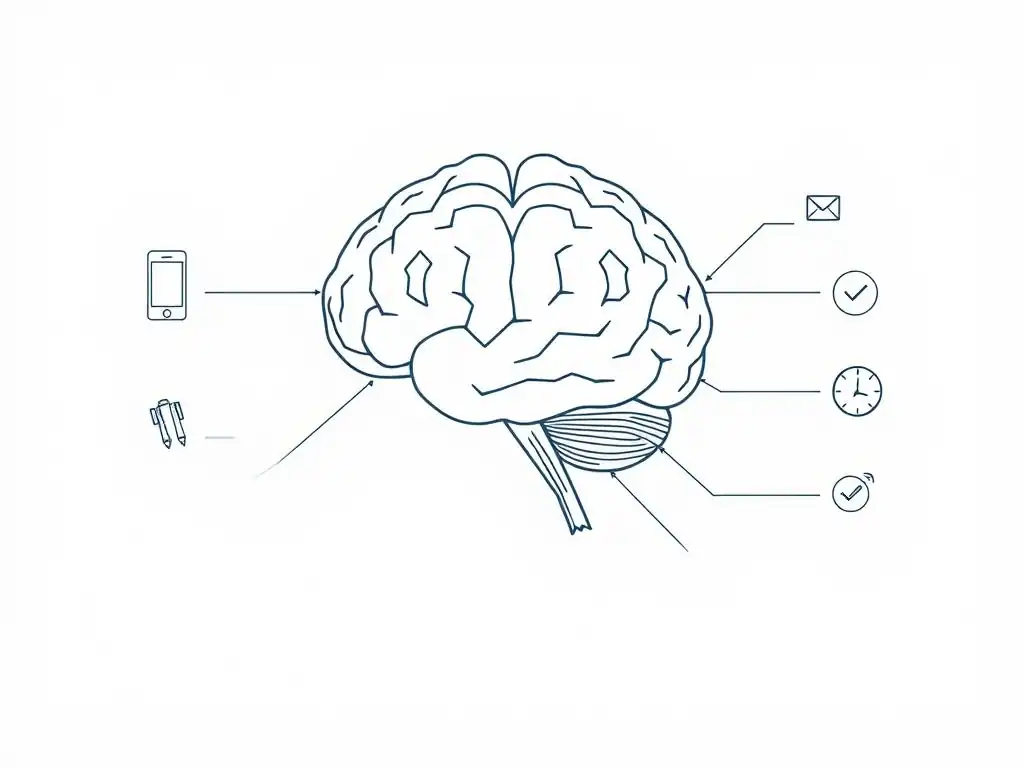
Mindful technology use is crucial to stopping digital distractions and reclaiming your focus. It's not about abandoning technology altogether—after all, many productivity tools enhance our efficiency—but about consciously choosing how and when to engage with it. This involves a proactive approach to managing your digital environment and cultivating a healthier relationship with your devices.
One effective strategy is to schedule specific times for checking emails and social media. Instead of passively reacting to notifications throughout the day, allocate dedicated blocks of time, perhaps twice daily, for these activities. This structured approach prevents constant interruptions and allows you to focus intently on your work during dedicated periods. Consider using productivity apps that enforce these scheduled breaks; the visual reminder can be surprisingly effective.
Furthermore, consider limiting the number of apps on your phone and computer. Delete anything you rarely use or that tends to lead you down unproductive rabbit holes. A cleaner digital environment significantly reduces the temptation to get sidetracked. Think of it as decluttering your digital space—just as a tidy physical environment promotes focus, so too does a streamlined digital one. This minimalist approach to your tech usage significantly contributes to stopping digital distractions.
Finally, turn off non-essential notifications. The constant pinging and buzzing of notifications are major culprits in breaking concentration. Consider putting your phone on "Do Not Disturb" mode during focused work sessions, or at least silencing individual apps known for frequent notifications. This simple act can dramatically improve your ability to concentrate and significantly reduce the number of times you're pulled away from your tasks. Experiment with different notification settings to find what works best for your workflow and helps you stop digital distractions now.
The Importance of Regular Breaks: Preventing Burnout and Maintaining Focus
Regular breaks are not just a luxury; they're essential for maintaining focus and preventing burnout, both crucial factors in successfully stopping digital distractions. The human brain isn't designed for sustained, uninterrupted concentration. Taking short, strategic breaks throughout the day actually increases your overall productivity.
The Pomodoro Technique, a popular time management method, advocates for 25-minute work intervals followed by a 5-minute break. This structured approach allows for focused work bursts punctuated by short rest periods, preventing mental fatigue and maintaining concentration. During these breaks, step away from your screen entirely. Get up, stretch, walk around, or engage in a completely unrelated activity—even just a few minutes of mindfulness meditation can make a significant difference.
Longer breaks are also important. Consider incorporating longer breaks, perhaps 30 minutes to an hour, into your daily schedule. This allows for more substantial rest and rejuvenation. During these longer breaks, you could engage in activities that help you relax and recharge, such as going for a walk, listening to music, or spending time with loved ones. These activities are key to preventing burnout and maintaining a healthy relationship with technology, thus allowing you to stop digital distractions more effectively.
Ignoring the need for regular breaks ultimately leads to decreased productivity, increased stress, and a greater susceptibility to digital distractions. By consciously incorporating breaks into your routine, you're not only preventing burnout, but also creating a more sustainable and productive work pattern that helps you stop digital distractions now and in the long term. Remember, a well-rested mind is a focused mind.
Stop Digital Distractions Now: Resources and Further Reading
This section provides you with additional resources to help you conquer digital distractions and reclaim your focus. We understand that implementing new habits takes time and effort, so we've compiled a list of helpful materials to support your journey towards a more productive and less digitally distracted life. Remember, consistent effort is key to achieving lasting change! The path to saying "Stop digital distractions now" is paved with knowledge and action.
Recommended Books and Articles
Embarking on a journey to minimize digital distractions often involves more than just implementing a few quick fixes. Deepening your understanding of the underlying mechanisms of distraction and learning effective strategies is crucial for long-term success. Below are some recommended resources to enrich your knowledge base and provide a deeper understanding of digital wellbeing.
Several excellent books delve into the psychology of distraction and offer practical strategies to overcome it. For instance, one highly-regarded book [Book Title Pending] explores the science behind our digital habits and offers evidence-based techniques to regain control. Another valuable resource, [Book Title Pending], provides a comprehensive guide to mindful technology use, offering practical exercises and strategies to cultivate a healthier relationship with your devices.
Furthermore, numerous insightful articles are available online, offering actionable advice and tips. Searching for keywords like "digital minimalism," "focus techniques," and "mindfulness apps" will yield a wealth of information. Look for articles that focus on practical strategies, backed by research, rather than relying on anecdotal evidence.
Pay particular attention to articles that address specific challenges related to your personal digital consumption habits, as personalized strategies are often more effective. Remember, the goal isn't to eliminate technology entirely, but to cultivate a healthy and balanced relationship with it. This means proactively choosing when and how you engage with technology, rather than passively reacting to notifications and alerts.
Helpful Productivity Apps and Tools
Beyond reading and learning, practical tools can significantly assist you in your quest to say "Stop digital distractions now!" and regain control over your time and attention. Many apps are designed to help you manage your digital intake and boost productivity. These tools can range from simple website blockers to sophisticated time management systems.
The effectiveness of these apps varies depending on individual needs and preferences. However, many users find success with apps that offer features such as:
- Website blockers: These apps prevent access to distracting websites during specified periods, helping you maintain focus on your tasks. Some examples include [App Name Pending] and [App Name Pending]. Consider the level of customization offered; some allow for whitelisting essential sites, while others offer more granular control.
- Focus timers: Employing the Pomodoro Technique or similar methods can greatly improve concentration. Apps like [App Name Pending] and [App Name Pending] help you structure your work sessions with timed intervals, interspersed with short breaks. The key is finding an app that integrates seamlessly with your workflow and preferences.
- Notification managers: Constantly buzzing notifications are a major source of distraction. Apps designed to manage notifications allow you to customize settings, prioritize important alerts, and silence less crucial ones. This helps minimize interruptions and promotes a more focused work environment. Consider exploring features such as scheduled "Do Not Disturb" periods and selective notification filtering.
- App usage trackers: Understanding your digital habits is crucial for effective change. Apps that track your app usage provide valuable insights into how you spend your time online, helping you identify areas for improvement. This data-driven approach allows you to make informed decisions about your technology consumption and set realistic goals.
Remember, the journey towards a less digitally distracted life is a personal one. Experiment with different strategies and tools to find what works best for you. Consistency and self-awareness are key to successfully implementing these changes and achieving your productivity goals. With the right tools and a commitment to change, you can effectively say "Stop digital distractions now" and reclaim your focus!
Frequently Asked Questions
How can I stop digital distractions from derailing my workflow?
Start by identifying your biggest time-wasters. Then, use techniques like website blockers, app timers, or the Pomodoro Technique to manage your time and minimize interruptions. Prioritize tasks and focus on one thing at a time.
What are some quick and easy ways to minimize digital distractions?
Turn off non-essential notifications, put your phone on Do Not Disturb, and close unnecessary tabs on your computer. Consider using a dedicated workspace free from distractions.
Are there apps or tools that can help me manage digital distractions?
Yes! Many apps like Forest, Freedom, and Cold Turkey block distracting websites and apps. Time management apps like Toggl Track can help you monitor your time usage and identify problem areas.
How can I create a more distraction-free work environment?
Designate a specific workspace free from clutter and distractions. Let others know when you need uninterrupted time. Minimize visual and auditory stimuli to improve focus.
What if I'm struggling to break free from digital distractions completely?
Start small. Focus on one or two key distractions at a time. Be patient and consistent with your strategies. Consider seeking help from a productivity coach if needed.
Final Reflection: Reclaiming Your Focus in a Hyper-Connected World
The relentless barrage of digital notifications and the constant pull of social media are not merely inconveniences; they are active saboteurs of our productivity and well-being. This pervasive digital distraction is impacting everything from our professional achievements to our personal relationships, leaving many feeling overwhelmed and perpetually behind. We've explored practical strategies to regain control, but the true challenge lies in cultivating a mindful approach to technology.
The fight against digital distraction is not a one-time battle, but a continuous process of self-awareness and recalibration. It's a struggle I, and I suspect many of you, personally relate to. The constant ping of emails, the siren song of social media, the endless scroll – these are powerful forces that demand our attention. As the philosopher Seneca once wisely stated, Every new beginning comes from some other beginning's end.
This applies perfectly to our relationship with technology; we must consciously end our dependence on constant connectivity to begin a more focused and fulfilling life.
Now, consider your own digital habits. What are your biggest time-wasters? Where do you find yourself losing focus most often? This isn't about eliminating technology entirely; it's about consciously choosing how and when to engage with it. Take a moment today to implement even one of the strategies outlined in this article. Start small, build consistency, and watch as you reclaim your focus, your time, and your peace of mind. The journey to a more productive and present life begins with a single, deliberate step.
Reclaim Your Focus: Start Your Digital Detox Today!
Thank you for learning how to overcome digital distractions and boost your productivity! We hope you discovered valuable strategies to regain control of your time and energy. Ready to put these tips into action?
- Implement your top distraction-blocking strategy: Choose one technique from the article, such as using website blockers, time management apps, or creating a dedicated workspace, and commit to using it consistently for the next week. Track your progress!
- Share your biggest digital distraction challenge and how you're overcoming it in the comments below – let's support each other!
- Try a digital detox: Completely disconnect from non-essential devices for a few hours each week and observe the impact on your well-being. You might be surprised!
What small step will you take today to reclaim your focus and enhance your productivity?