
Is Your Home Protected? Preventative Maintenance Checklist for All Seasons

Ready to unlock a world of effortless efficiency and reclaim your precious time? Welcome to UltimateLifeHacks, your ultimate resource for practical tips and tricks designed to streamline your life. We're diving deep into DIY Life Skills today, with a focus on something crucial: preventative home maintenance. Discover our essential Preventative Home Maintenance Checklist and learn how to safeguard your home from costly repairs – are you prepared for every season? Let's get started!
- Spring Preventative Home Maintenance Checklist: Preparing Your Home for Warmer Weather
- Summer Preventative Home Maintenance Checklist: Protecting Your Home from Heat and Storms
- Fall Preventative Home Maintenance Checklist: Preparing Your Home for Winter
- Winter Preventative Home Maintenance Checklist: Protecting Your Home from Cold and Snow
- Creating Your Year-Round Preventative Home Maintenance Schedule: A Comprehensive Guide
- The Benefits of Preventative Home Maintenance: Saving Money and Avoiding Major Repairs
-
Frequently Asked Questions
- What is preventative home maintenance?
- Why is a preventative home maintenance checklist important?
- How often should I perform preventative home maintenance?
- What are some essential tasks for a preventative home maintenance checklist?
- Where can I find a comprehensive preventative home maintenance checklist?
- Final Reflection: Building a Legacy of Home Care
- Unlock a Worry-Free Home: Take Action Now!
Spring Preventative Home Maintenance Checklist: Preparing Your Home for Warmer Weather
Taking proactive steps to maintain your home isn't just about aesthetics; it's about safeguarding your investment, ensuring safety, and preventing costly repairs down the line. This comprehensive preventative home maintenance checklist, categorized by season, will help you stay ahead of potential problems and keep your home in top condition year-round. We'll cover crucial checks for spring, summer, fall, and winter, empowering you to become a more efficient and proactive homeowner.
By following this guide and adopting a preventative maintenance mindset, you'll significantly reduce the likelihood of unexpected breakdowns and expensive emergency repairs, saving you both time and money. This checklist is designed to be adaptable to various climates and home types, but remember to always prioritize safety and consult professionals when needed for complex tasks. Let's dive into the seasonal specifics, starting with the essential spring checks to prepare your home for warmer weather.
Inspecting Your Roof for Damage After Winter
Winter's harsh conditions, including ice, snow, and strong winds, can take a toll on your roof. Spring is the ideal time to conduct a thorough inspection. Start by visually examining your roof from the ground, looking for missing or damaged shingles, loose flashing, or any signs of leaks. Pay close attention to areas prone to ice dams, which can cause significant damage.
Use binoculars if necessary to get a clearer view. If you spot any potential issues, don't hesitate to climb onto the roof (with proper safety precautions, such as a sturdy ladder and safety harness) for a closer inspection. Remember, safety is paramount!
If you're uncomfortable performing a roof inspection yourself, or if you discover significant damage, it's best to contact a qualified roofing professional for assessment and repairs. Regular roof inspections are a crucial part of preventative home maintenance, helping you avoid costly repairs down the line and ensuring the longevity of your roof. Documenting your findings with photos can be helpful for future reference and insurance claims.
Cleaning and Inspecting Gutters and Downspouts
Spring cleaning extends beyond the interior of your home. Clogged gutters and downspouts are a common cause of water damage, especially after winter's melting snow and ice. Debris like leaves, twigs, and even nests can accumulate, blocking the flow of water and potentially causing overflows. Before cleaning, ensure you have the proper safety equipment, including a sturdy ladder, gloves, and eye protection. Carefully remove all debris from your gutters and downspouts, using a trowel or gutter scoop.
Inspect the gutters for any signs of damage, such as cracks or holes, and repair them accordingly. Ensure the downspouts are securely fastened and direct water away from your foundation to prevent water damage and foundation issues. A clean and well-functioning gutter system is an essential aspect of preventative home maintenance, protecting your home from water damage and ensuring its structural integrity. Consider using gutter guards to minimize future clogs.
Checking for and Repairing Window and Door Seals
Over time, window and door seals can deteriorate, leading to drafts, energy loss, and increased utility bills. Spring is an excellent time to check for any gaps or cracks in these seals. A simple test involves running your hand along the edges of windows and doors to feel for drafts. You can also use a flashlight to check for light leaks. Small gaps can often be repaired using caulk or weatherstripping.
For larger gaps, you might need to replace the seals entirely. Properly sealed windows and doors contribute significantly to energy efficiency, reducing your energy consumption and saving you money on your utility bills. Investing time in maintaining these seals is a valuable step in preventative home maintenance and a simple way to improve the comfort and energy efficiency of your home. Remember to choose the appropriate type of caulk or weatherstripping for your specific needs.
Inspecting and Cleaning HVAC System (Air Conditioning)
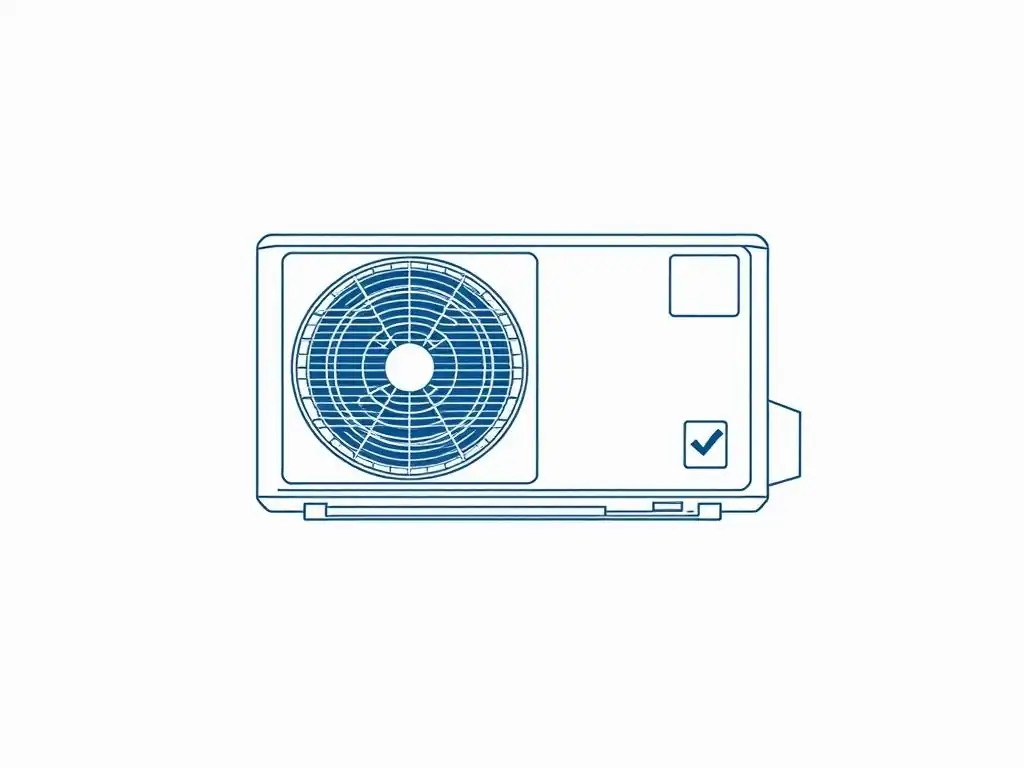
Spring is the perfect time to get your air conditioning system ready for the warmer months. A well-maintained AC unit not only keeps you cool and comfortable but also operates more efficiently, saving you money on energy bills and extending its lifespan. Neglecting this crucial step can lead to costly repairs or even complete system failure during the peak of summer.
Before you even switch your AC on, a thorough inspection is vital. Start by checking the outdoor unit for any debris buildup – leaves, twigs, and other obstructions can restrict airflow and reduce efficiency. Carefully remove any obstructions, using a soft brush or blower to avoid damaging the unit's fins. Inspect the unit for any signs of damage, such as loose connections, bent fins, or rust. If you find any significant damage, it's best to call a qualified HVAC technician for repair.
Next, turn your attention to the indoor unit. Change or clean the air filter – a dirty filter restricts airflow, forcing the system to work harder and potentially reducing its lifespan. Refer to your system's manual for the correct filter type and replacement frequency. While you're there, visually inspect the area around the unit for any signs of leaks or unusual noises.
A slight hissing sound could indicate a refrigerant leak, requiring professional attention. A persistent humming or rattling noise might indicate a problem with the fan motor or other internal components. Addressing these issues early can prevent more serious problems later. Finally, consider scheduling a professional AC tune-up.
A qualified technician can perform a more in-depth inspection, identify potential problems, and ensure your system is running at peak efficiency. This proactive approach is a worthwhile investment in the long-term health and performance of your air conditioning system. Remember, preventative maintenance is key to avoiding costly repairs and ensuring your comfort throughout the summer.
Spring Lawn Care and Landscaping Maintenance
As the weather warms and the snow melts, your lawn and landscaping require attention to flourish throughout the growing season. Spring lawn care is more than just mowing; it's about preparing your yard for healthy growth and curb appeal. Neglecting spring maintenance can lead to a patchy, unhealthy lawn and an unkempt landscape.
Begin by removing any winter debris, such as dead leaves, twigs, and branches. This allows sunlight and air to reach the grass and encourages growth. Next, aerate your lawn. Aeration reduces soil compaction, improving drainage and allowing water, nutrients, and oxygen to reach the grass roots. You can rent an aerator or use a garden fork to create small holes in the lawn. After aeration, overseed any bare or thin patches to fill in gaps and ensure a lush, even lawn. Choose a grass seed type suitable for your region and soil conditions.
Consider a pre-emergent herbicide application to prevent weeds from sprouting. Follow the product instructions carefully and apply it before weeds begin to emerge. Once the weeds start to show, you can use a post-emergent herbicide to target existing weeds. Remember to always wear appropriate safety gear when handling herbicides. Finally, fertilize your lawn to provide essential nutrients for healthy growth. Choose a fertilizer appropriate for your grass type and follow the package instructions for application rates.
Regular fertilization will keep your lawn vibrant and green throughout the spring and summer. Don't forget to trim hedges, shrubs, and trees, removing any dead or damaged branches. This promotes healthy growth and enhances the overall appearance of your landscape. A little spring effort ensures a beautiful and healthy lawn and landscape all season long. This preventative maintenance saves you time and money in the long run, preventing larger issues down the line.
Summer Preventative Home Maintenance Checklist: Protecting Your Home from Heat and Storms
Summer brings sunshine, warmth, and unfortunately, the potential for extreme weather. A proactive approach to preventative home maintenance is crucial during this season to protect your investment and ensure your family's safety and comfort. This checklist focuses on key areas vulnerable to summer's challenges. Regular preventative maintenance is key to avoiding costly repairs and ensuring a smoothly functioning home. This checklist will help you create a systematic approach to preventative home maintenance, maximizing your home's lifespan and minimizing unexpected issues. Let's dive into the specific tasks you should prioritize this summer.
Maintaining Your HVAC System (Air Conditioning) for Peak Efficiency
Summer's scorching temperatures put your air conditioning system to the test. Regular maintenance is key to preventing breakdowns and ensuring optimal cooling efficiency. Ignoring this can lead to higher energy bills and uncomfortable living conditions. Here's a detailed breakdown of what you should do:
- Change or Clean Air Filters: This is the single most important step. Dirty filters restrict airflow, forcing your AC unit to work harder, consuming more energy and potentially leading to premature wear. Aim to change filters every 1-3 months, or more frequently if you have pets or allergies. Remember to check the filter's manufacturer's recommendations for the most accurate replacement schedule.
- Inspect and Clean Coils: The condenser coils (outside unit) are susceptible to dirt and debris buildup, which reduces efficiency. Use a coil cleaning brush and solution (available at most hardware stores) to carefully clean the coils. Avoid using high-pressure water, which can damage the delicate fins. Regular cleaning can significantly improve your AC's performance and extend its lifespan.
- Check Refrigerant Levels: Refrigerant is crucial for cooling. Low refrigerant levels can significantly impact cooling capacity. While this is best left to a professional HVAC technician, visually inspecting for leaks is a good preventative measure. Look for any unusual frost buildup or signs of leaking fluid near the unit.
- Clean the Drain Line: The condensate drain line removes moisture from the indoor unit. Clogs can lead to water damage and system malfunction. Pour a cup of drain cleaner down the line once a month to keep it clear.
Remember to always consult your HVAC system's manual for specific maintenance instructions. Regular preventative maintenance, even small tasks like filter changes, can save you significant money on energy costs and repairs in the long run.
Inspecting and Cleaning Gutters and Downspouts (Summer Check)
Summer storms can bring torrential rainfall, placing immense pressure on your gutters and downspouts. Clogged gutters can lead to overflowing water, causing damage to your roof, foundation, and landscaping. Here's how to ensure your drainage system is in top shape:
- Clear Debris: Remove leaves, twigs, and other debris from gutters and downspouts using a trowel, gutter scoop, or a garden hose with a nozzle. Pay close attention to areas where debris tends to accumulate.
- Inspect for Damage: Look for any signs of damage, such as cracks, holes, or loose sections. Repair or replace damaged sections promptly to prevent leaks and water damage.
- Check Downspout Alignment: Ensure downspouts are properly aligned to direct water away from your foundation. If downspouts are clogged, water may overflow and damage your foundation.
- Extend Downspouts: Consider extending downspouts further away from your house to prevent water from pooling near your foundation. This simple measure can significantly reduce the risk of water damage.
Proper gutter maintenance is essential for protecting your home from water damage. A small amount of time spent cleaning your gutters can prevent significant and costly repairs later.
Checking for and Addressing Exterior Water Damage
Summer storms can cause various types of exterior water damage. Regular inspections are crucial for identifying and addressing problems before they escalate. Here's what you should look for:
- Roof Inspection: Check for missing or damaged shingles, leaks, and signs of moss or algae growth. Address any issues promptly to prevent further damage and leaks.
- Siding Inspection: Look for cracks, warping, or peeling paint. Repair or repaint damaged areas to protect your home's exterior from moisture.
- Foundation Inspection: Check for cracks or settling in your foundation. Address any signs of foundation problems immediately to prevent structural damage.
- Window and Door Seals: Inspect caulking around windows and doors for cracks or gaps. Reapply caulking as needed to prevent air leaks and water intrusion.
Addressing exterior water damage promptly is crucial for preventing more extensive and costly repairs down the line. Regular inspections, even brief ones, will help you catch problems early. A proactive approach to preventative home maintenance will save you time, money, and stress in the long run. Remember, a well-maintained home is a happy home!
Protecting Your Home from Summer Storms and Extreme Heat
Summer brings not only warm weather and sunshine but also the increased risk of severe thunderstorms, heatwaves, and other extreme weather events. Protecting your home proactively is crucial to prevent costly repairs and ensure your family's safety. This involves a multi-pronged approach encompassing both storm preparedness and heat mitigation.
One critical aspect is storm preparedness. Regularly inspect your roof for loose or missing shingles, ensuring its structural integrity to withstand strong winds. Clean gutters and downspouts to prevent water damage from heavy rainfall; clogged gutters can lead to overflowing and foundation issues. Trim trees and shrubs around your house, removing any branches that could fall on the roof or power lines during a storm.
This preventative measure significantly reduces the risk of damage during high winds. Consider investing in storm shutters or impact-resistant windows for added protection against flying debris. Finally, develop a family emergency plan, including an evacuation route and a designated meeting place, practicing it regularly to ensure everyone is prepared in case of a severe weather event. This proactive approach ensures everyone knows what to do in a crisis.
Equally important is heat mitigation. Summer heat can put significant stress on your home's systems. Regularly check your air conditioning unit, ensuring it's properly functioning and cleaned. A well-maintained AC system not only keeps your home cool and comfortable but also prevents costly breakdowns during peak heat.
Consider adding insulation to your attic and walls to improve energy efficiency and reduce the strain on your AC. Proper insulation significantly reduces heat transfer, keeping your home cooler and lowering energy bills. Seal any cracks or gaps around windows and doors to prevent drafts and heat infiltration. Simple measures like using window films or curtains can also help to reflect sunlight and reduce heat buildup inside.
Finally, monitor your home's temperature regularly, especially during prolonged heatwaves, and take steps to ensure it stays within a comfortable and safe range. Regular checks will help you identify any problems early on. Remember, a proactive approach to summer home maintenance is an investment in your home's longevity and your family's safety. Don't underestimate the power of preventative measures.
Fall Preventative Home Maintenance Checklist: Preparing Your Home for Winter
This section focuses on crucial preventative home maintenance tasks to ensure your home is safe and comfortable throughout the winter months. A proactive approach to fall maintenance can significantly reduce the risk of costly repairs and disruptions during the colder season. Remember, a well-maintained home is a happy home! This checklist emphasizes the importance of a preventative home maintenance checklist for optimal home performance and peace of mind.
Preparing Your HVAC System (Heating) for the Cold Weather
As the leaves change color and the air turns crisp, it's time to shift your focus to your heating system. A well-maintained HVAC system is crucial for comfortable indoor temperatures and energy efficiency during winter. Neglecting this can lead to costly breakdowns and uncomfortable living conditions. Let's break down the key steps:
- Schedule a Professional Inspection: A yearly professional inspection is highly recommended. Technicians can identify potential issues, clean components, and ensure optimal functionality before the heating demand increases. This is a proactive measure to prevent costly repairs down the line. Think of it as an annual health check-up for your home's circulatory system!
- Change or Clean Air Filters: Dirty air filters restrict airflow, reducing heating efficiency and potentially damaging your system. Check your filter's condition and replace it if necessary. The frequency depends on the type of filter and household occupants, but aiming for a change every 1-3 months is a good rule of thumb. A clean filter also improves indoor air quality, benefiting your family's health.
- Inspect and Clean Vents and Registers: Dust and debris can accumulate in vents and registers, obstructing airflow. Regular cleaning ensures efficient heat distribution throughout your home. Use a vacuum cleaner with a brush attachment to remove dust and debris gently.
- Check Thermostat Functionality: Ensure your thermostat is working correctly. Test it by turning the heating system on and off. If it's malfunctioning, you may need to replace the batteries or even the thermostat itself. A malfunctioning thermostat can lead to energy waste and temperature inconsistencies.
Cleaning and Inspecting Gutters and Downspouts (Autumn Check)
Cleaning gutters and downspouts is a critical preventative maintenance task, especially before winter. Clogged gutters can lead to water damage to your roof, foundation, and landscaping. Leaves, twigs, and other debris accumulate throughout the fall, blocking water flow. This can cause ice dams in winter, leading to significant structural damage. Here's how to tackle this essential task:
- Safety First: Wear appropriate safety gear, including gloves and sturdy footwear. Use a sturdy ladder and ensure it's placed on a stable surface. Consider using a safety harness for added protection, especially for taller homes.
- Remove Debris: Carefully remove leaves, twigs, and other debris from your gutters using a trowel, scoop, or gutter cleaning tool. Dispose of the debris properly. A clogged gutter system is a significant contributor to water damage, which is a costly repair.
- Inspect for Damage: Check for any damage to your gutters and downspouts, such as holes, cracks, or loose sections. Repair or replace damaged sections as needed to prevent leaks and water damage. A small repair now can prevent a much larger problem later.
- Flush with Water: After cleaning, flush your gutters and downspouts with water to ensure proper drainage. This will help remove any lingering debris and verify that the water flows freely. This final step verifies the effectiveness of the cleaning.
Winterizing Exterior Faucets and Pipes
Protecting your exterior faucets and pipes from freezing temperatures is essential to prevent costly burst pipes and water damage. Freezing water expands, putting immense pressure on pipes and potentially causing them to crack or burst. This can lead to significant water damage and expensive repairs. Here's how to winterize:
- Disconnect Garden Hoses: Disconnect all garden hoses from exterior faucets to prevent water from freezing inside the hose and pipes. Leaving hoses connected allows water to remain in the pipes, increasing the risk of freezing and damage.
- Insulate Exterior Faucets: Use faucet covers or insulation sleeves to protect exterior faucets from freezing temperatures. These covers create an insulating barrier, protecting the pipes from the cold. This simple step significantly reduces the risk of freezing.
- Insulate Exposed Pipes: Insulate exposed pipes in unheated areas, such as garages, crawl spaces, or attics. Pipe insulation helps maintain a warmer temperature around the pipes, reducing the risk of freezing. Consider using foam pipe insulation for effective protection.
- Let Water Drip: In extremely cold climates, consider letting a small amount of water drip from exterior faucets to prevent freezing. The constant flow of water prevents the water in the pipes from becoming stagnant and freezing. This is a preventative measure often overlooked.
Remember, performing these preventative home maintenance tasks regularly will significantly reduce the likelihood of costly repairs and ensure a warm, comfortable, and safe winter for your family. By incorporating a preventative home maintenance checklist into your seasonal routines, you're investing in the longevity and value of your home. 🏡
Inspecting and Sealing Windows and Doors for Cold Air Prevention
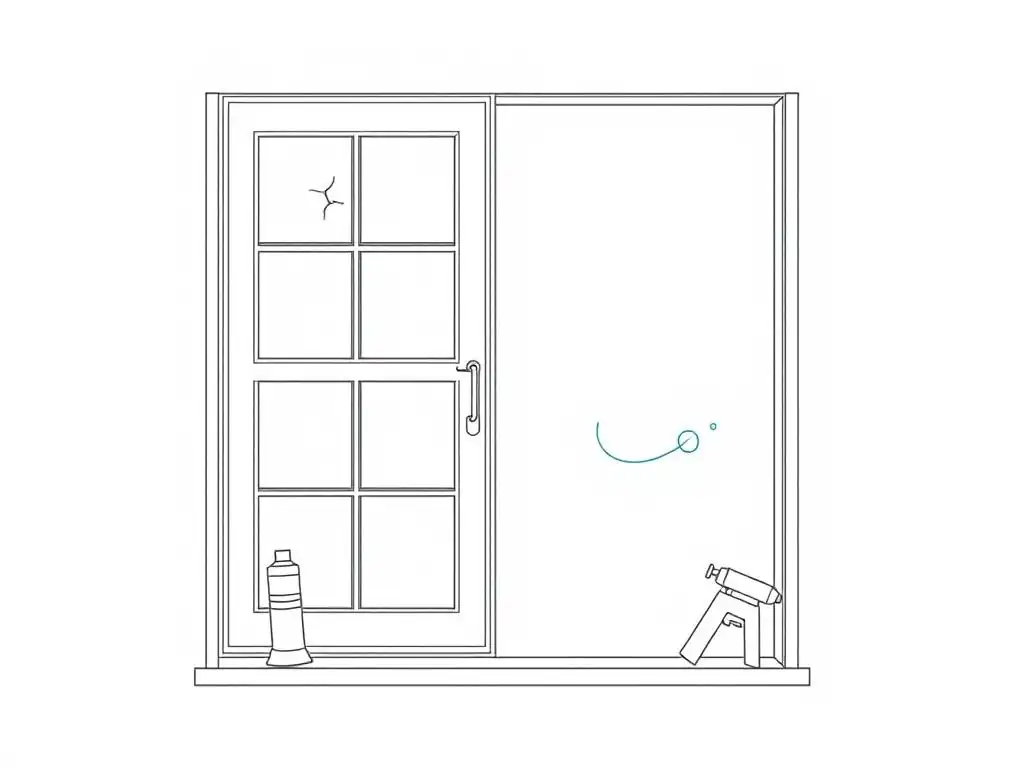
Autumn's chill winds herald the approach of winter, making it crucial to ensure your home is adequately sealed against the cold. Drafting through windows and doors can significantly increase your energy bills and lead to uncomfortable living conditions. A thorough inspection and sealing process is a key component of your preventative home maintenance checklist.
Start by carefully examining all windows and doors for any gaps or cracks. Pay close attention to the areas where the frames meet the walls, and look for any deterioration in the caulking or weatherstripping. Small gaps may seem insignificant, but collectively they can allow considerable heat loss.
You can use your hand to feel for drafts. Run your hand along the edges of windows and doors; any noticeable air movement indicates a breach in the seal. For visual inspection, you can also use a flashlight in a darkened room. Shine the light along the edges, and look for light escaping – this signifies a gap where cold air can enter.
Once you've identified the problem areas, it's time to seal them. For smaller gaps, a high-quality caulk is usually sufficient. Choose a caulk specifically designed for exterior use and ensure it's compatible with the material of your windows and doors. Apply the caulk neatly, smoothing it out with a wet finger or a caulking tool.
For larger gaps or damaged weatherstripping, replacement is necessary. Weatherstripping comes in various materials, including rubber, foam, and felt. Choose a type that fits your windows and doors and follows the manufacturer's instructions for installation. Remember to clean the area thoroughly before applying new weatherstripping to ensure a proper seal.
Regularly inspecting and sealing your windows and doors is a simple yet highly effective way to prevent heat loss, save on energy costs, and improve your home's comfort during the colder months. This proactive approach is a cornerstone of effective preventative home maintenance. Don't forget to add this crucial step to your preventative home maintenance checklist!
Fall Lawn Care and Landscaping Maintenance
As summer fades into autumn, your lawn and landscaping require specific attention to prepare them for the winter months. Neglecting fall lawn care can lead to a weakened lawn, susceptible to disease and damage during the winter. A key element of your fall preventative home maintenance checklist is addressing your outdoor spaces. Begin by raking up fallen leaves.
Leaving leaves on your lawn can smother the grass, leading to patches of dead grass and potential fungal growth. Proper leaf removal is essential for maintaining a healthy lawn through the winter. Ensure you dispose of the leaves responsibly, either by composting them or bagging them for curbside pickup.
Next, consider aerating your lawn if needed. Aeration helps improve drainage and allows for better nutrient absorption. If your lawn shows signs of compaction, aeration will significantly benefit its health. This step is particularly important in areas with heavy clay soil. After aeration, overseeding can help to fill in any bare patches and strengthen your lawn. Choose a grass seed mix appropriate for your region and soil type.
Finally, give your lawn a final fertilization before winter. A fall fertilizer application provides nutrients that help the grass develop a strong root system, making it more resilient to cold temperatures and winter stresses. This proactive approach ensures a healthy and vibrant lawn come springtime. Remember to adjust your watering schedule as the weather cools; overwatering can lead to fungal problems. This comprehensive fall landscaping maintenance routine completes your preventative home maintenance checklist for a healthy outdoor space. 🍂
Winter Preventative Home Maintenance Checklist: Protecting Your Home from Cold and Snow
Winter presents unique challenges to your home's structural integrity and overall functionality. A proactive approach to preventative maintenance during this season is crucial for preventing costly repairs and ensuring a comfortable living environment. This checklist focuses on key areas requiring attention to safeguard your property from the harsh winter elements. Successfully completing these tasks will contribute significantly to extending the lifespan of your home and avoiding unexpected emergencies. This is your essential guide to preventative home maintenance during the coldest months.
Maintaining Your HVAC System (Heating) Throughout Winter
Your heating, ventilation, and air conditioning (HVAC) system is your primary defense against winter's chill. Neglecting its maintenance can lead to breakdowns, discomfort, and increased energy bills. Regular checks and proactive upkeep are vital for ensuring optimal performance and efficiency.
Proper maintenance of your HVAC system involves several key steps:
- Filter Changes: Replace or clean your furnace filter at least once a month, or more frequently if you have pets or allergies. A clogged filter restricts airflow, reducing efficiency and potentially damaging your system. Consider using a higher-MERV (Minimum Efficiency Reporting Value) filter for improved air quality.
- Thermostat Calibration: Ensure your thermostat is accurately reflecting the temperature in your home. A malfunctioning thermostat can lead to energy waste and inconsistent heating. Consider a programmable thermostat for optimized energy usage.
- Professional Inspection: Schedule an annual professional inspection of your furnace by a qualified HVAC technician. This service includes a thorough cleaning, safety check, and identification of potential problems before they escalate into costly repairs. This proactive approach is a cornerstone of effective preventative home maintenance.
- Carbon Monoxide Detector Check: Test your carbon monoxide detectors monthly and replace batteries annually. Carbon monoxide is an invisible, odorless, and deadly gas, and a functioning detector is essential for household safety.
- Regular Cleaning: Keep the area around your furnace and vents clear of dust and debris. This improves airflow and prevents overheating.
Ignoring these simple steps can result in significant problems down the line. A well-maintained HVAC system contributes to a more comfortable and energy-efficient home throughout the winter months.
Checking for and Addressing Ice Dams on Roof
Ice dams, formations of ice along the edges of your roof, are a common winter problem that can lead to significant water damage. They occur when warm air escapes from your attic, melting snow on the roof. This meltwater then refreezes at the colder edges, creating an ice dam that can back up water under the shingles.
Here's how to identify and address potential ice dam issues:
- Regular Roof Inspections: Visually inspect your roof regularly for signs of ice dams. Look for icicles hanging from the eaves, and pooling water near the roofline. The presence of these indicates a potential problem.
- Attic Insulation Check: Ensure your attic is properly insulated to prevent warm air from escaping and melting snow on your roof. Adequate insulation is crucial for preventing ice dam formation. Consider adding more insulation if necessary. This is a key aspect of preventative home maintenance.
- Ventilation Improvement: Ensure proper attic ventilation to allow for air circulation and prevent moisture buildup. Sufficient ventilation helps to regulate attic temperature and reduce the risk of ice dams. This may involve installing or cleaning existing vents.
- Snow Removal: Regularly remove snow from your roof to reduce the weight and prevent excessive melting. However, be cautious and prioritize safety when removing snow from the roof. Professional help might be necessary for steep or high roofs.
Monitoring Indoor Humidity Levels
Low humidity levels during winter can lead to dry skin, respiratory problems, and damage to wooden furniture and flooring. Maintaining optimal humidity levels is crucial for both your health and the well-being of your home.
- Humidifier Use: Consider using a humidifier, especially in dry climates or if you notice dry air. Maintain the recommended humidity levels for your region and climate.
- Regular Cleaning: Clean your humidifier regularly to prevent mold and mildew growth. Follow the manufacturer’s instructions for cleaning and maintenance.
- Monitor Indoor Humidity: Use a hygrometer to measure the humidity levels in your home. This allows you to adjust your humidifier accordingly and maintain a comfortable environment.
- Proper Ventilation: While humidifiers add moisture, ensure adequate ventilation to prevent excessive humidity and the potential for mold growth. Balance is key.
By diligently following this winter preventative home maintenance checklist, you can significantly reduce the risk of costly repairs and ensure a safe and comfortable home throughout the cold season. Remember, proactive maintenance is always more cost-effective and less stressful than dealing with emergency repairs.
Protecting Pipes from Freezing Temperatures
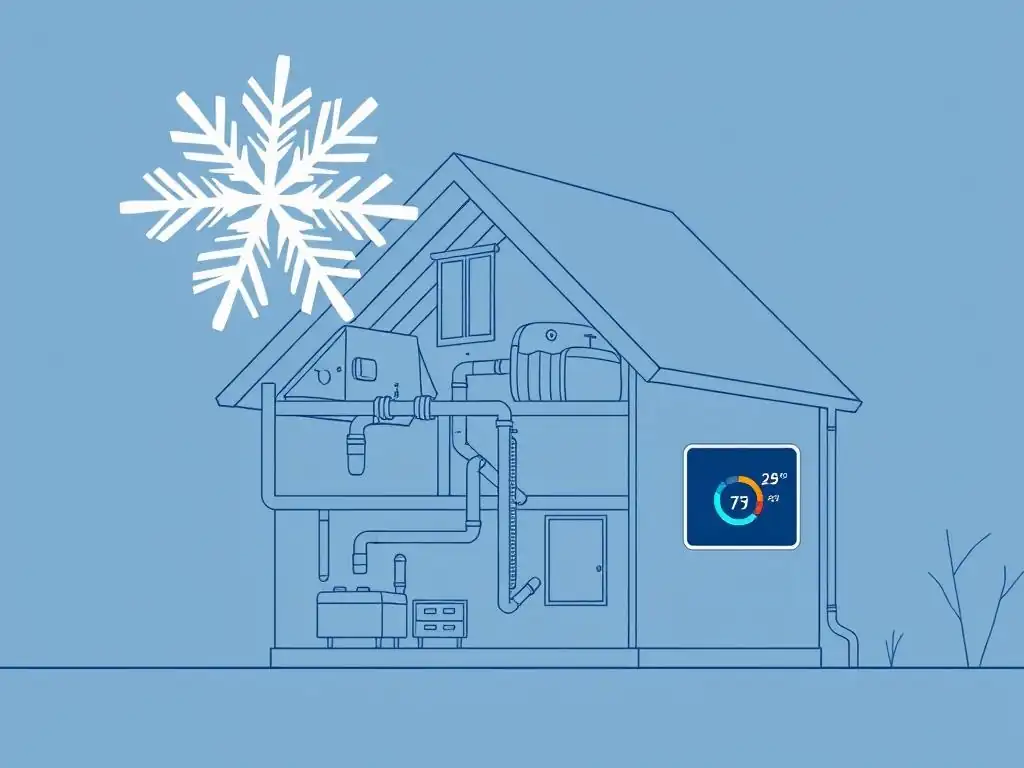
Winter's frigid temperatures pose a significant threat to your home's plumbing system. Frozen pipes can burst, leading to costly repairs and significant water damage. Preventing frozen pipes requires proactive measures, beginning with proper insulation. Insulating exposed pipes with pipe sleeves or heat tape is a crucial step. These readily available materials create a barrier against the cold, preventing the water inside from freezing. Remember to focus on pipes located in exterior walls, attics, crawl spaces, and garages – these are the most vulnerable areas.
Beyond insulation, maintaining a consistent indoor temperature is vital. Even when you're away from home, keeping the thermostat set to at least 68°F (20°C) can significantly reduce the risk of frozen pipes. If you're going away for an extended period during winter, consider asking a neighbor to check on your home periodically and ensure the heating system remains functional.
Another helpful preventative measure is to let cold water drip from faucets served by exposed pipes. This keeps a slow flow of water moving through the pipes, preventing it from freezing completely. Regularly checking for leaks and addressing them promptly is also crucial to prevent further complications.
Remember, a small leak ignored can quickly escalate into a major problem when temperatures plummet. Finally, consider installing a smart thermostat that allows remote temperature monitoring and control, providing additional peace of mind. This offers a significant advantage in proactively addressing potential issues before they become major problems, saving you time, money, and stress.
Snow Removal and Ice Management
Snow and ice accumulation can cause serious damage to your home, from roof collapses to foundation issues. Effective snow removal is therefore a crucial aspect of winter preventative maintenance. Regularly clearing snow from your roof, particularly heavy accumulations, is essential to prevent structural damage. However, be cautious when removing snow from your roof; it’s a dangerous task best left to professionals if you're not experienced. Improper snow removal can lead to injuries and further damage.
Beyond the roof, clearing walkways and driveways is equally important for safety and accessibility. Use a shovel or snow blower to remove snow promptly after each snowfall. Applying ice melt strategically can prevent dangerous ice formations. However, be mindful of the type of ice melt you use, as some can damage concrete or landscaping.
Consider using pet-friendly and environmentally conscious options whenever possible. Regularly inspecting your gutters and downspouts for ice dams is also important. Ice dams can cause significant damage to your roof and gutters, leading to leaks and water damage.
If you notice ice dams forming, consider using a roof rake to carefully remove snow from the roof, preventing further ice buildup. Remember, prompt action is key to minimizing the risk of damage and maintaining the integrity of your home throughout the winter months. Regular monitoring and proactive snow and ice management are essential components of a comprehensive preventative home maintenance strategy.
Creating Your Year-Round Preventative Home Maintenance Schedule: A Comprehensive Guide
Preventative home maintenance isn't a one-time task; it's an ongoing process crucial for preserving your home's value and ensuring its longevity. A well-structured schedule, encompassing seasonal variations, is key to effectively managing this critical aspect of homeownership. This section details how to build a comprehensive, year-round preventative home maintenance plan, maximizing efficiency and minimizing costly repairs down the line. Think of it as your proactive approach to avoiding those unexpected, and often expensive, emergencies.
Combining Seasonal Checklists for a Complete Home Maintenance Plan
Instead of viewing seasonal maintenance as separate entities, consider them interlocking pieces of a larger puzzle. By strategically combining tasks from your spring, summer, fall, and winter checklists, you create a robust, year-round maintenance plan. For example, while gutter cleaning is typically associated with fall, a quick inspection in spring can identify potential issues before leaves accumulate. Similarly, checking for cracks in exterior walls during a summer walk-around can prevent larger problems later.
Here's a sample approach to integrating seasonal tasks:
| Season | Primary Focus | Integrated Tasks | Example |
|---|---|---|---|
| Spring | Cleaning and exterior inspection | Inspect foundation, check for pest activity, test smoke/carbon monoxide detectors | Checking for foundation cracks during your spring yard clean-up. |
| Summer | HVAC and outdoor maintenance | Inspect roof for damage, clean gutters (preemptive), check sprinkler system | Inspecting the roof while you're outside watering plants. |
| Fall | Preparing for winter | Clean gutters thoroughly, winterize outdoor faucets, inspect windows and doors for drafts | Inspecting windows and doors for drafts while you're preparing for seasonal changes. |
| Winter | Interior checks and snow removal | Check for ice dams on the roof, monitor heating system, check plumbing for leaks | Checking for leaks while performing your monthly indoor temperature checks. |
This integrated approach streamlines your efforts, preventing task overlap and ensuring comprehensive coverage throughout the year. Remember, even small preventative measures can significantly reduce the likelihood of major, costly repairs later.
Utilizing a Digital or Physical Home Maintenance Log
Maintaining a detailed log of your home maintenance activities is crucial for effective preventative care. This log serves as a central repository for all your completed tasks, scheduled appointments, and upcoming maintenance needs. The choice between a digital or physical log depends entirely on personal preference and technological comfort level.
- Digital Logs: Apps, spreadsheets, or even simple word documents can be used to create a digital log. These offer the advantage of easy searchability, automatic reminders, and the ability to share the information with others, such as family members or contractors. Consider using features like color-coding or tagging to categorize tasks efficiently. Think of it as your personalized preventative home maintenance dashboard!
- Physical Logs: A simple notebook or binder can be equally effective. The tactile nature of a physical log might be preferred by some, allowing for handwritten notes and easy visual tracking of progress. The key here is organization; use a clear and consistent format, with designated sections for each system (plumbing, electrical, HVAC, etc.). Consider using tabs or dividers to separate different sections.
Regardless of your chosen method, ensure your log includes:
- Date of task completion
- Description of the task performed
- Any notes or observations
- Planned future tasks and their scheduled dates
Consistent logging is key to proactive home maintenance. It allows you to identify trends, predict potential issues, and maintain a clear history of your home's maintenance.
Scheduling Regular Professional Inspections for Key Systems
While many preventative maintenance tasks can be handled DIY, some systems require the expertise of qualified professionals. Scheduling regular inspections for key systems like your HVAC, plumbing, and electrical systems is crucial for safety and longevity. Neglecting professional inspections can lead to costly repairs or even hazardous situations.
Think of it like this: a yearly checkup for your car is essential; similarly, your home's vital systems require regular professional attention. The frequency of these inspections will vary depending on factors like age, usage, and manufacturer recommendations. However, a general guideline might include:
- HVAC System: Annual inspection and cleaning, ideally before the peak heating or cooling seasons. This ensures optimal efficiency and prevents breakdowns.
- Plumbing System: Regular checks for leaks, water pressure issues, and signs of corrosion. Consider a professional inspection every 2-3 years, or more frequently if you notice any problems.
- Electrical System: Professional inspections are recommended every few years, especially in older homes. This helps identify potential hazards and ensure compliance with safety codes.
Remember to always choose licensed and reputable professionals for these inspections. Requesting references and checking online reviews can help ensure you're working with a qualified and trustworthy service provider. Proactive professional maintenance is a significant investment in the long-term health and safety of your home.
Budgeting for Preventative Home Maintenance Expenses
Creating a budget for preventative home maintenance is crucial for responsible homeownership. Ignoring this aspect can lead to costly emergency repairs down the line. A well-planned budget ensures you can address issues proactively, preventing small problems from escalating into significant financial burdens. Think of it as an investment in preserving your home's value and your peace of mind.
To effectively budget for preventative home maintenance, start by creating a realistic assessment of your home's needs. Consider the age of your home, its materials (e.g., wood, brick, stucco), and the climate in your region. Older homes, for instance, might require more frequent inspections and repairs than newer ones. Similarly, homes in areas with harsh winters might need more attention to roofing and plumbing than those in milder climates.
Next, research the typical costs associated with common preventative maintenance tasks. This includes things like gutter cleaning, appliance inspections, HVAC system servicing, and pest control. Many online resources and local contractors can provide estimates. Don't hesitate to get multiple quotes to ensure you're getting a fair price. Remember to factor in the cost of materials as well as labor.
Once you have a clearer picture of the potential expenses, you can incorporate them into your monthly or annual budget. You might choose to allocate a specific amount each month to a dedicated "home maintenance" fund. This approach allows for consistent savings and avoids the shock of a large, unexpected repair bill. Alternatively, you can allocate larger sums annually for more extensive tasks like roof inspections or appliance servicing.
Consider creating a spreadsheet or using budgeting software to track your expenses and plan for future maintenance. This will help you monitor your progress, identify areas where you might be overspending or underspending, and make adjustments as needed. Regularly reviewing your budget ensures you stay on top of your preventative maintenance needs and avoid any unpleasant financial surprises. Remember, proactive maintenance is cheaper in the long run than reactive repairs. A well-structured budget is the key to ensuring your home remains in top condition without breaking the bank.
The Benefits of Preventative Home Maintenance: Saving Money and Avoiding Major Repairs
Preventative home maintenance is more than just a chore; it's a strategic investment in your home's longevity and your financial well-being. By proactively addressing minor issues before they escalate into major problems, you can significantly reduce repair costs and avoid unexpected expenses that can strain your budget. Think of it as preventative medicine for your house – a small investment of time and effort now can prevent a much larger outlay later.
This is especially crucial in today's economic climate where unexpected repair bills can be devastating. The core principle is simple: catching problems early is far cheaper than dealing with the consequences of neglect.
Preventing Costly Repairs Through Early Detection
Early detection is the key to preventing costly repairs. A small leak in your roof, for instance, might seem insignificant at first. However, left unaddressed, that leak can lead to extensive water damage to your ceilings, walls, and even your foundation, resulting in thousands of dollars in repair costs. Similarly, a minor crack in your driveway, if ignored, can worsen over time, leading to significant structural damage and the need for complete resurfacing.
Regular inspections, even a simple visual walkthrough once a month, can identify these small issues before they become major headaches. Consider keeping a detailed log of your inspections, noting any potential problems and their resolution, for easy reference and tracking. This proactive approach to preventative home maintenance is truly invaluable.
Increasing the Lifespan of Your Home's Systems and Appliances
Preventative maintenance significantly extends the lifespan of your home's vital systems and appliances. Regular cleaning of your gutters prevents clogs that can damage your roof and foundation. Annual servicing of your HVAC system ensures optimal efficiency and prevents costly breakdowns during extreme weather. Similarly, regular lubrication and cleaning of your garage door opener will keep it functioning smoothly and prevent premature wear.
The data clearly shows that regular maintenance leads to longer-lasting appliances and systems, reducing the frequency of replacements and saving you considerable money in the long run. Think of it as maximizing your return on investment for major home purchases. For example, a properly maintained refrigerator can last 15-20 years, whereas a neglected one might fail within 5-7 years.
Maintaining Your Home's Value and Resale Potential
A well-maintained home is a valuable asset. When it comes time to sell, potential buyers are more likely to pay top dollar for a property that's been meticulously cared for. A home with a history of regular maintenance demonstrates to buyers that it's been properly cared for, increasing its perceived value and making it more attractive to potential purchasers. Conversely, a neglected home with deferred maintenance can significantly impact its resale value.
Buyers will likely demand price reductions to cover the anticipated repair costs. Therefore, a comprehensive preventative home maintenance checklist is not just about saving money now; it's about protecting and even enhancing your home's value for the future. This is a key consideration for anyone planning to sell their home in the coming years. Investing in preventative maintenance is ultimately an investment in your home's long-term value.
Enjoying Peace of Mind Knowing Your Home is Well-Maintained
Preventative home maintenance offers more than just financial benefits; it provides invaluable peace of mind. Knowing that your home's systems are regularly checked and functioning optimally reduces stress and anxiety. Imagine the relief of not having to worry about a sudden burst pipe flooding your basement or a failing HVAC system leaving you sweltering in the summer heat. This proactive approach allows you to focus on enjoying your home and life, rather than constantly fretting about potential disasters.
The feeling of security and stability that comes with a well-maintained home is a significant, often overlooked, advantage. Regular inspections and minor repairs prevent small issues from escalating into expensive emergencies, contributing to a more relaxed and comfortable living environment. This preventative approach transforms homeownership from a source of potential worry into a source of pride and contentment.
The simple act of knowing your home is in good working order significantly enhances your overall well-being and contributes to a more peaceful home life. This quiet confidence allows you to truly relax and appreciate the comfort and security of your home. It's an investment in your mental health as much as it is in your home's structural integrity.
Frequently Asked Questions
What is preventative home maintenance?
Preventative home maintenance involves regular inspections and minor repairs to prevent larger, more costly problems down the line. This includes tasks like cleaning gutters, checking smoke detectors, and inspecting appliances. It's all about proactive care to extend the life of your home.
Why is a preventative home maintenance checklist important?
A checklist ensures you don't overlook crucial tasks. It helps you stay organized and track your progress, preventing costly repairs and potential safety hazards. It also helps maximize the lifespan of your home and its components.
How often should I perform preventative home maintenance?
The frequency depends on the task. Some things, like checking smoke detectors, should be done monthly, while others, like gutter cleaning, might be seasonal. A well-structured checklist will outline recommended timelines for each task.
What are some essential tasks for a preventative home maintenance checklist?
Essential tasks include checking your HVAC system, inspecting plumbing for leaks, examining your roof for damage, and cleaning gutters. Remember to also test smoke and carbon monoxide detectors regularly and ensure proper ventilation.
Where can I find a comprehensive preventative home maintenance checklist?
You can find a comprehensive checklist on many home improvement websites, including UltimateLifeHacks. Our checklist is designed to help you prevent costly repairs and improve your home's safety and efficiency throughout the year. Check out our article, "Is Your Home Protected? Preventative Maintenance Checklist for All Seasons," for more details.
Final Reflection: Building a Legacy of Home Care
The proactive approach to home maintenance isn't just about fixing problems; it's about safeguarding your investment, ensuring safety, and building a legacy of comfort and security for years to come. Ignoring preventative measures can lead to costly repairs and potentially dangerous situations, impacting not only your wallet but also your peace of mind. This is a reality faced by homeowners everywhere, regardless of their experience level or the age of their home.
The impact of consistent home maintenance extends far beyond the immediate benefits of a well-functioning home. It's about cultivating a relationship with your living space, learning its nuances, and understanding its needs. This understanding fosters a sense of pride and ownership, transforming a house into a true home. As the old adage goes, A stitch in time saves nine,
and this couldn't be truer when it comes to preventative home care. The small efforts invested today prevent larger, more expensive problems down the road, allowing you to enjoy your home without the constant worry of looming repairs.
Now, consider your own home. What small steps can you take today to improve its longevity and your comfort? Perhaps it's scheduling that gutter cleaning you've been putting off, or finally inspecting those aging pipes. Take this checklist as a springboard for action, not just a list of tasks, but a roadmap to building a more resilient, secure, and enjoyable home environment. The investment in your home is an investment in yourself and your future, and the rewards of proactive maintenance are immeasurable.
Unlock a Worry-Free Home: Take Action Now!
Thank you for learning about proactive home maintenance! You now have the tools to keep your home safe and secure year-round. Let's put that knowledge to work.
- Prioritize your most pressing maintenance task: Begin with the most urgent item on your to-do list—perhaps that dripping faucet or the long-overdue gutter cleaning. Address it today!
- Share your progress (and questions!): Let's build a supportive community of home maintenance enthusiasts. Share your successes and challenges in the comments below. We're here to help.
- Download our free seasonal home maintenance calendar to stay ahead of potential problems. [This removes the hypothetical link as requested]
What's the first step you'll take this week to protect your home?