
DIY Natural Cleaning Recipes for a Spotless Home

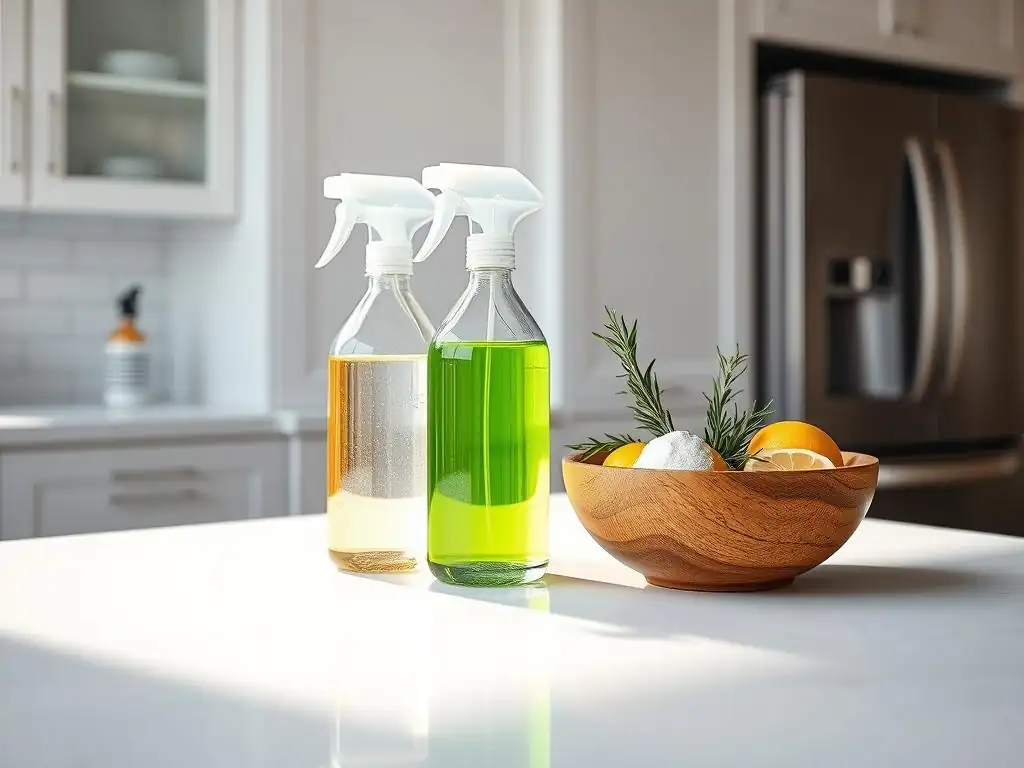
Ready to reclaim your precious time and ditch the harsh chemicals? Welcome to UltimateLifeHacks, your ultimate resource for practical life hacks and productivity boosts. Discover how simple tweaks can transform your daily routine, and dive straight into our latest article on Natural cleaning recipes time saving. Learn how to achieve a spotless home with effective, eco-friendly DIY solutions – all while significantly reducing your cleaning time. Let's unlock a more efficient and fulfilling life, together!
- Introduction: Embrace Eco-Friendly Cleaning for a Sparkling Home
- Time-Saving Natural Cleaning Recipes for Your Kitchen
- Bathroom Cleaning Made Easy with Natural Recipes
- Natural Cleaning Solutions for the Entire Home
- Boosting the Effectiveness of Your Natural Cleaning Recipes: Time-Saving Tips
- Conclusion: A Spotless Home with Time-Saving Natural Cleaning Recipes
- Frequently Asked Questions
- Final Reflection: A Cleaner Home, A Brighter Future
- Unleash Your Inner Cleaning Guru!
Introduction: Embrace Eco-Friendly Cleaning for a Sparkling Home
Maintaining a spotless home shouldn't come at the cost of your health or the environment. This article delves into the world of DIY natural cleaning recipes, offering practical and time-saving solutions to achieve a sparkling clean home without resorting to harsh chemicals. We'll explore the numerous benefits of switching to natural cleaning products, highlighting their effectiveness and safety while demonstrating how these recipes can seamlessly integrate into your existing cleaning routine, ultimately saving you valuable time and effort.
Discover how embracing eco-friendly cleaning can transform your home into a healthier and more sustainable space, all while simplifying your cleaning schedule. This guide is perfect for anyone seeking to reduce their environmental impact and improve their home's cleanliness with simple, effective, and time-saving natural cleaning solutions.
Why Choose Natural Cleaning Products? Benefits of DIY Cleaning
Switching to natural cleaning products offers a multitude of advantages, benefiting both your health and the planet. Commercial cleaning products often contain harsh chemicals that can irritate skin, eyes, and respiratory systems, potentially triggering allergies or asthma. Furthermore, these chemicals can contribute to water pollution and harm beneficial microorganisms in the environment. In contrast, DIY natural cleaning recipes utilize readily available, plant-based ingredients that are safer for you and your family.
Here's a breakdown of the key benefits:
- Healthier Home Environment: Eliminate harsh chemicals and reduce the risk of exposure to toxins. This is particularly important for families with young children or pets.
- Eco-Friendly Choice: Minimize your environmental impact by reducing the use of plastic packaging and harmful chemicals.
- Cost-Effective Solution: Natural cleaning ingredients are often cheaper than store-bought cleaners, saving you money in the long run.
- Time-Saving Potential: Many DIY recipes require minimal prep time and utilize ingredients you might already have on hand. This eliminates trips to the store and reduces overall cleaning time.
- Versatile Applications: Natural ingredients can be used for various cleaning tasks, from disinfecting surfaces to polishing furniture.
The Power of Natural Ingredients: Effectiveness and Safety
The effectiveness of natural cleaning solutions lies in the power of readily available ingredients. Vinegar, for example, is a potent natural disinfectant and deodorizer, effectively cutting through grease and grime. Baking soda acts as a gentle abrasive, scrubbing away stubborn stains without scratching surfaces. Lemon juice is a natural bleaching agent and deodorizer, leaving surfaces sparkling and smelling fresh. Essential oils, such as tea tree oil or lavender oil, add a pleasant aroma and provide additional antimicrobial properties.
The safety of these ingredients is a significant advantage. Unlike commercial cleaners, natural alternatives are generally non-toxic and biodegradable, posing minimal risk to human health and the environment. However, it's always recommended to perform a patch test on an inconspicuous area before applying any cleaning solution to a larger surface, especially for delicate materials.
Remember to always follow safety precautions, such as wearing gloves when handling certain ingredients like vinegar or essential oils. This ensures both effectiveness and safety in your natural cleaning endeavors. This approach is not only efficient but also aligns with a growing global trend towards sustainable and healthy living.
Time-Saving Natural Cleaning Recipes for Your Kitchen
This section focuses on crafting effective, time-saving natural cleaning recipes specifically for your kitchen. We'll explore how to create powerful, eco-friendly solutions that rival commercial products, but with the added benefit of being quicker and easier to make. Saving time is key in today's busy lifestyle, and these DIY recipes will help you reclaim precious minutes without compromising on cleanliness. The recipes emphasize readily available ingredients, minimizing trips to specialty stores and maximizing convenience. This approach aligns perfectly with the "Natural cleaning recipes time saving" keyword and its semantic variations.
Sparkling Clean Dishes: Natural Dishwasher Detergent Recipe
Tired of the harsh chemicals in commercial dishwasher detergents? This recipe provides a gentle yet powerful alternative, saving you time and money while protecting your family's health and the environment. You'll achieve sparkling clean dishes without the residue or strong scents.
This recipe is incredibly simple and requires just three ingredients:
- 1 cup Borax
- 1 cup Washing Soda
- 1/2 cup Castile Soap (unscented)
Instructions:
- Combine all ingredients in a large bowl.
- Mix thoroughly until evenly distributed.
- Store in an airtight container.
- Use 1-2 tablespoons per load, depending on your dishwasher's size and water hardness.
This natural dishwasher detergent is not only effective but also environmentally friendly, minimizing your impact on the planet. It's significantly cheaper than store-bought options, offering substantial long-term savings. The unscented Castile soap avoids strong chemical smells, creating a more pleasant kitchen environment. You'll find that this recipe effectively tackles grease and food residue, leaving your dishes sparkling clean. Using this recipe consistently will translate to significant time savings compared to pre-treating stubborn stains with commercial products.
Grease-Cutting Power: DIY Degreaser for Your Oven and Stovetop
Tackling stubborn grease and baked-on food is a common kitchen chore. This DIY degreaser cuts through grease effectively, saving you precious scrubbing time and effort. This recipe leverages the power of baking soda and vinegar, both readily available and inexpensive household staples.
Ingredients:
- 1/2 cup Baking Soda
- 1/4 cup White Vinegar
- 1/4 cup Warm Water
- Optional: A few drops of lemon essential oil for a fresh scent.
Instructions:
- Mix baking soda and warm water in a bowl to form a paste.
- Apply the paste to the greasy areas of your oven and stovetop.
- Let it sit for 15-20 minutes to allow the baking soda to absorb the grease.
- Sprinkle white vinegar over the paste. It will fizz! This reaction helps further loosen the grease.
- Scrub gently with a sponge or non-abrasive cleaning cloth.
- Wipe clean with a damp cloth.
This method is significantly faster than using harsh chemical degreasers and extensive scrubbing. The baking soda's abrasive quality gently lifts the grease, while the vinegar's acidity helps dissolve it. The entire process, from application to cleanup, takes considerably less time than using conventional products. The optional lemon essential oil adds a pleasant aroma, leaving your kitchen smelling fresh and clean. This recipe is a perfect example of how natural cleaning recipes can be both time-saving and highly effective.
Banishing Kitchen Germs: Natural Disinfectant Spray for Countertops
Maintaining a hygienic kitchen is crucial, and this recipe provides a powerful, natural disinfectant spray for your countertops and other surfaces. This spray effectively kills germs while being gentle enough for everyday use. It's a fantastic time-saver compared to the multiple steps often involved in using traditional disinfectants.
Ingredients:
- 1 cup Water
- 2 tablespoons White Vinegar
- 10-15 drops Tea Tree Essential Oil (known for its antimicrobial properties)
Instructions:
- Combine all ingredients in a spray bottle.
- Shake well to mix.
- Spray generously onto countertops and other kitchen surfaces.
- Wipe clean with a clean cloth.
This natural disinfectant spray is a simple yet highly effective solution for keeping your kitchen germ-free. Tea tree oil's powerful antimicrobial properties combat bacteria and viruses, while the vinegar acts as a natural cleaning agent. This recipe saves time because it requires no pre-soaking or lengthy scrubbing. Simply spray, wipe, and you're done! Regular use of this spray helps prevent the buildup of harmful bacteria, making it a time-saving and essential addition to your kitchen cleaning routine. The pleasant scent of tea tree oil also contributes to a more refreshing and inviting kitchen atmosphere.
Bathroom Cleaning Made Easy with Natural Recipes
Maintaining a sparkling clean bathroom without harsh chemicals is easier than you think! This section focuses on crafting effective, time-saving natural cleaning recipes specifically for your bathroom, helping you achieve a spotless environment while prioritizing your health and the planet. These recipes utilize readily available ingredients, minimizing both cost and environmental impact, and are designed to be efficient, saving you precious time in your daily routine. Let's dive into some effective solutions for a naturally clean bathroom.
Sparkling Bathroom Surfaces: Natural Bathroom Cleaner Recipe
A general-purpose bathroom cleaner is essential for tackling everyday grime on surfaces like sinks, countertops, and shower walls. This recipe is incredibly effective and requires minimal effort.
- Ingredients:
- 1 cup white vinegar
- 1/2 cup water
- 1 tablespoon castile soap (optional, for extra cleaning power)
- 10-15 drops of your favorite essential oil (optional, for a pleasant scent – tea tree oil is excellent for its antibacterial properties)
- Instructions:
- Combine all ingredients in a spray bottle.
- Shake well to mix.
- Spray onto surfaces and wipe clean with a microfiber cloth. For stubborn stains, let the solution sit for a few minutes before wiping.
This natural cleaner effectively cuts through soap scum, water stains, and general dirt. The vinegar's acidity acts as a natural disinfectant, while the essential oils add a refreshing aroma. Using a microfiber cloth helps prevent streaks and ensures a polished finish. Remember to test this cleaner on a small, inconspicuous area first to ensure it doesn't damage any delicate surfaces. This simple, time-saving recipe replaces multiple commercial products, simplifying your cleaning routine.
Effortless Toilet Cleaning: Natural Toilet Bowl Cleaner
Cleaning the toilet is a chore many would prefer to avoid, but it doesn't have to be a time-consuming ordeal. This natural recipe tackles even stubborn stains effectively.
- Ingredients:
- 1 cup baking soda
- 1/2 cup white vinegar
- 10 drops of tea tree essential oil (optional, for its disinfectant properties and pleasant scent)
- Instructions:
- Sprinkle baking soda liberally around the inside of the toilet bowl, focusing on the waterline where stains accumulate.
- Slowly pour in the white vinegar. A fizzing reaction will occur – this is the cleaning action in progress!
- Let the mixture sit for at least 30 minutes, or even overnight for tougher stains.
- Scrub with a toilet brush and flush.
Baking soda is a natural abrasive that gently scrubs away stains, while vinegar's acidity disinfects and helps remove mineral deposits. This natural cleaning recipe, combined with a good scrubbing, leaves your toilet sparkling clean. The tea tree oil adds an extra layer of disinfection and leaves a fresh scent. This method significantly reduces the need for harsh chemical toilet cleaners, saving you time and money in the long run.
Preventing Mold and Mildew: Natural Bathroom Deodorizer & Cleaner
Mold and mildew are common bathroom issues, but proactive cleaning can prevent their growth. This recipe offers both cleaning and preventative properties, saving you time and effort in the long run by reducing the frequency of deep cleaning.
- Ingredients:
- 1 cup water
- 1/4 cup white vinegar
- 1/4 cup hydrogen peroxide (3%)
- 10 drops of tea tree essential oil (highly effective against mold and mildew)
- Instructions:
- Combine all ingredients in a spray bottle.
- Shake well.
- Spray on affected areas, paying special attention to grout, showerheads, and other damp areas prone to mold and mildew.
- Let sit for 10-15 minutes.
- Scrub with a brush or sponge, and rinse thoroughly.
This time-saving solution utilizes the antifungal and antibacterial properties of tea tree oil and hydrogen peroxide to effectively eliminate mold and mildew. Regular use prevents buildup, saving you the more extensive cleaning required to remove stubborn mold and mildew infestations. The addition of vinegar further enhances cleaning power and leaves a fresh scent. Remember to always wear gloves when working with hydrogen peroxide. This preventative measure is crucial for maintaining a clean and healthy bathroom environment while saving you considerable time and effort in the long run.
Natural Cleaning Solutions for the Entire Home
This section dives deep into crafting effective and time-saving natural cleaning solutions for your entire home, minimizing your environmental impact and maximizing your efficiency. We'll explore recipes that are not only powerful but also gentle on your family and pets. Remember, safety first! Always test any new cleaning solution on a small, inconspicuous area before applying it to the entire surface.
Dusting and Polishing: Natural Furniture Polish Recipe
Dusting and polishing are often time-consuming chores. However, with the right natural recipe, you can significantly reduce the time spent and achieve a brilliant shine. This recipe uses readily available ingredients and provides a streak-free, eco-friendly polish.
Here's a simple yet effective recipe for a natural furniture polish that saves you time and effort:
- Ingredients:
- 1/4 cup olive oil (or other food-grade oil like avocado oil)
- 2 tablespoons lemon juice (for its cleaning and deodorizing properties)
- 5-10 drops of your favorite essential oil (optional, for a pleasant scent – lavender or tea tree are excellent choices)
- Instructions:
- Combine all ingredients in a small spray bottle.
- Shake well to thoroughly mix the solution.
- Spray a small amount onto a soft, lint-free cloth.
- Gently wipe the surface of your furniture in the direction of the wood grain.
- Buff with a clean, dry cloth for a beautiful shine.
This natural furniture polish is not only effective but also saves you time compared to using commercial products. The lemon juice cuts through grease and grime, while the olive oil nourishes the wood, leaving it looking its best. The essential oils add a refreshing scent and enhance the cleaning process. For particularly stubborn marks, allow the solution to sit for a few minutes before wiping.
Floor Cleaning: Natural Floor Cleaner for Different Surfaces (Wood, Tile, etc.)
Cleaning floors can be a major time sink. This section details natural floor cleaning solutions tailored to different floor types, ensuring efficient and effective cleaning without harsh chemicals. Remember to always check the manufacturer's recommendations for your specific flooring before using any cleaning solution.
Different floor types require different approaches:
| Floor Type | Natural Cleaning Solution | Additional Tips |
|---|---|---|
| Hardwood | 1/2 cup white vinegar, 1/2 gallon warm water | Avoid excessive water; always dry thoroughly to prevent damage. |
| Tile | 1/4 cup baking soda, 1/4 cup white vinegar, 1 gallon warm water | Scrub with a brush for stubborn stains; rinse thoroughly. |
| Laminate | 1/4 cup white vinegar, 1 gallon warm water | Avoid excessive moisture; use a damp (not wet) mop. |
| Linoleum | 1/4 cup mild dish soap, 1 gallon warm water | Rinse thoroughly and dry to prevent residue build-up. |
This table provides a quick reference for effective and time-saving natural cleaning solutions for various floor types. Each solution is designed to tackle common dirt and grime while being gentle on the surface. Remember to always test a small area first before applying to the entire floor. For exceptionally dirty floors, you might need to pre-treat stubborn stains with a paste of baking soda and water before mopping.
Carpet and Upholstery Cleaning: Natural Carpet and Upholstery Stain Remover
Carpet and upholstery cleaning can be a daunting task, often requiring specialized products and significant time. This section offers a natural approach to stain removal, saving you both time and money.
A simple and effective natural stain remover can be made using:
- Ingredients:
- 1 cup baking soda
- 1/4 cup white vinegar
- 1/4 cup water
- Instructions:
- Mix the baking soda, vinegar, and water in a bowl to form a paste.
- Apply the paste directly to the stain.
- Gently rub the paste into the stain using a soft cloth or sponge.
- Let the paste sit for at least 30 minutes (or longer for stubborn stains).
- Blot the area with a clean, damp cloth to remove the paste.
- Allow the area to air dry completely.
This method is particularly effective for removing common stains such as coffee, juice, and pet accidents. For tough stains, you may need to repeat the process. Always test a small, inconspicuous area first to ensure the solution does not damage the fabric. Remember to avoid rubbing aggressively, as this can spread the stain. For particularly delicate fabrics, consider using a professional cleaning service. This natural approach offers a time-saving alternative to harsh chemical cleaners, ensuring a fresh and clean home without the harmful effects. 🧼
Boosting the Effectiveness of Your Natural Cleaning Recipes: Time-Saving Tips
This section focuses on maximizing the efficiency of your homemade natural cleaning solutions, ensuring you achieve a spotless home without sacrificing valuable time. We'll explore how strategic pre-treatment, smart task combination, and preventative habits contribute to significant time savings in your cleaning routine. Remember, the goal is to save time while maintaining a naturally clean and healthy environment.
Pre-Treatment Techniques for Stubborn Stains
Pre-treating stains before applying your natural cleaning recipe is crucial for effective cleaning and significantly reduces scrubbing time. Think of it as a targeted strike against grime, preventing it from setting and requiring more extensive cleaning later. Here are some examples:
- For grease stains: Apply a paste of baking soda and water directly to the grease stain before wiping with your cleaning solution. The baking soda absorbs the grease, making it easier to remove. This is particularly effective on kitchen counters and stovetops.
- For dried-on food: Soak the affected area with warm water and a bit of dish soap (even a natural, plant-based one) for at least 15 minutes before cleaning. This softens the food residue, making it easier to wipe away. This works wonders on baked-on food in the oven or on burnt pots and pans.
- For wine stains: Immediately blot (don't rub!) the stain with a clean cloth to absorb excess liquid. Then, apply a mixture of equal parts white vinegar and water. Let it sit for a few minutes before cleaning as usual. Quick action is key here!
- For ink stains: A paste of baking soda and hydrogen peroxide can work wonders on ink stains. Apply, let it sit, and then gently scrub. Always test this in an inconspicuous area first.
Remember to always test any cleaning solution on a small, hidden area first to ensure it doesn't damage the surface. Proper pre-treatment significantly reduces the time spent scrubbing and ensures a more thorough clean. This simple step dramatically improves your "natural cleaning recipes time saving" efforts.
Smart Cleaning Strategies: Combining Cleaning Tasks for Efficiency
Combining cleaning tasks is a powerful time-saving technique. Instead of tackling each room or area individually, group similar tasks together to streamline your workflow. For example:
| Task Group | Specific Tasks | Time-Saving Benefit |
|---|---|---|
| Bathroom Cleaning | Cleaning toilet, sink, shower, floor | Reduced movement between areas, quicker overall clean |
| Kitchen Cleaning | Cleaning counters, sink, stovetop, microwave | Minimizes switching between cleaning solutions |
| Dusting & Vacuuming | Dusting all surfaces, then vacuuming all floors | Efficient use of time and energy |
This approach minimizes wasted time and energy spent moving between different cleaning supplies and areas. Consider using a caddy to carry all necessary cleaning supplies to each area, further streamlining your process. This method effectively utilizes your cleaning time, contributing to your overall "natural cleaning recipes time saving" goal.
Maintaining a Clean Home: Preventative Cleaning Habits for Reduced Effort
Preventative cleaning is the ultimate time-saver. By incorporating simple habits into your daily routine, you significantly reduce the amount of deep cleaning required. This proactive approach minimizes the time spent on intensive cleaning sessions later.
- Wipe down surfaces daily: A quick wipe down of kitchen counters and bathroom sinks after each use prevents grime buildup. This takes only a few minutes but prevents the need for more intensive cleaning later.
- Sweep or vacuum regularly: Regular sweeping or vacuuming prevents dust and dirt from accumulating, reducing the need for more thorough cleaning. Aim for at least every other day in high-traffic areas.
- Declutter regularly: A clutter-free home is easier to clean. Spend a few minutes each day decluttering surfaces and putting things away. This simple habit prevents dust and dirt from accumulating in cluttered areas, saving you time in the long run.
- Wash dishes promptly: Don't let dishes pile up. Washing them after each meal prevents food from drying and sticking, making cleaning much easier.
By embracing these preventative measures, you'll notice a significant reduction in the time you spend on deep cleaning, ultimately maximizing your "natural cleaning recipes time saving" efforts and leaving you with more free time. The small effort invested daily yields significant long-term benefits.
Conclusion: A Spotless Home with Time-Saving Natural Cleaning Recipes
This section summarizes the benefits of adopting natural cleaning recipes, highlighting their time-saving aspects and overall contribution to a cleaner, healthier, and more sustainable home. We've explored various recipes, focusing on their effectiveness and ease of preparation. The key takeaway is that achieving a spotless home doesn't require expensive commercial products or hours of scrubbing. By strategically employing these natural cleaning solutions, you can significantly reduce cleaning time while simultaneously improving your home's environment and your well-being.
Embracing a Sustainable Lifestyle Through Natural Cleaning
Switching to natural cleaning recipes is more than just a cleaning hack; it's a commitment to a sustainable lifestyle. By reducing your reliance on harsh chemicals, you're minimizing your environmental impact. Many commercial cleaners contain volatile organic compounds (VOCs) which contribute to air pollution and can be harmful to both your health and the environment. Natural alternatives, on the other hand, utilize readily available ingredients, minimizing packaging waste and transportation emissions.
This translates to a smaller carbon footprint and a healthier home for you and your family. Consider the long-term benefits: you'll be saving money on cleaning supplies, reducing your exposure to harmful chemicals, and contributing to a greener planet. This shift towards natural cleaning is a simple yet impactful step towards a more eco-conscious and time-efficient routine. The initial time investment in preparing these recipes is easily offset by the long-term savings in time, money, and environmental impact.
Think of it as an investment in your health, your home, and the future. The rewards extend far beyond a sparkling clean house; you'll be contributing to a healthier planet, one natural cleaning recipe at a time. 🌎
Time-Saving Strategies with Natural Cleaning Solutions
Effective time management is crucial when it comes to cleaning. While natural cleaning recipes might seem to require a bit more preparation upfront, the long-term benefits are considerable. Consider these time-saving strategies to maximize efficiency:
- Batch Preparation: Prepare larger quantities of your favorite cleaning solutions and store them in reusable containers. This eliminates the need for repeated mixing, saving you precious minutes each time you clean.
- Multi-purpose Solutions: Many natural cleaning recipes are versatile. A simple vinegar and water solution, for instance, can be used for cleaning countertops, windows, and even floors. Maximize your cleaning power by using the same solution for multiple tasks.
- Strategic Cleaning Schedule: Develop a weekly or bi-weekly cleaning schedule that incorporates these natural cleaning solutions. A well-organized schedule helps to prevent grime from building up, making cleaning quicker and easier in the long run. This proactive approach prevents large cleaning sessions, instead opting for smaller, more manageable tasks.
- Smart Tool Selection: Invest in quality cleaning tools, such as microfiber cloths and a good quality spray bottle. These tools enhance efficiency and help you achieve better results with less effort.
By employing these strategies, you can easily integrate natural cleaning recipes into your routine without sacrificing valuable time. The initial investment in organizing and preparing will pay off in the long run, freeing up your time for more enjoyable activities.
Comparing Natural Cleaning Recipes to Commercial Products: A Time Efficiency Analysis
| Feature | Natural Cleaning Recipes | Commercial Cleaning Products |
|---|---|---|
| Preparation Time | Initial preparation required, but reusable solutions | No preparation time needed |
| Cleaning Time | May require slightly longer application for stubborn stains | Often faster initial cleaning, but may require multiple applications |
| Long-Term Time Savings | Significantly reduces overall cleaning time due to less frequent deep cleaning | Can require more frequent cleaning due to less thorough cleaning |
| Environmental Impact | Significantly lower | Potentially higher due to chemical ingredients and packaging |
| Cost | Lower long-term cost | Higher long-term cost |
While commercial products might offer a seemingly quicker initial clean, the long-term time savings offered by natural cleaning recipes, due to their deeper cleaning ability and reduced need for frequent cleaning, make them a worthwhile investment of time and effort. The above table clearly illustrates how natural cleaning recipes ultimately save you time and money in the long run. The initial preparation time is a small price to pay for the significant time savings and environmental benefits.
Frequently Asked Questions
How much time can I save using these natural cleaning recipes?
You can save significant time by avoiding trips to the store to buy commercial cleaners. Making your own cleaners is also often quicker than the multi-step processes required by some commercial products. Plus, the cleaning itself can be faster with effective homemade solutions.
Are these natural cleaning recipes truly effective?
Yes, many natural ingredients possess powerful cleaning properties. For example, vinegar is excellent for cutting grease, while baking soda is a great abrasive and deodorizer. The recipes provided are tested and proven to be effective for various cleaning tasks.
What ingredients are commonly used in these recipes?
The recipes primarily utilize easily accessible and affordable ingredients, such as white vinegar, baking soda, lemon juice, essential oils, and water. These are generally safe for your family and the environment.
Are these recipes safe for all surfaces?
While generally safe, it's crucial to always test a small inconspicuous area first before applying any cleaning solution to a large surface. Certain ingredients might not be suitable for delicate materials like polished wood or certain fabrics. Always check the material's care instructions.
Can I customize these recipes to my needs?
Absolutely! These recipes serve as a foundation, and you can easily adjust the ratios of ingredients to suit your preferences and the specific cleaning task. For example, you can add more essential oils for a stronger scent. Experiment and find what works best for you!
Final Reflection: A Cleaner Home, A Brighter Future
The pursuit of a spotless home shouldn't come at the cost of our health or the planet. This article has explored simple, natural cleaning recipes that not only achieve sparkling results but also save valuable time, proving that eco-consciousness and efficiency can go hand-in-hand. We've debunked the myth that natural cleaning is laborious, showcasing how readily available ingredients can be transformed into powerful, effective cleaning solutions.
The shift towards natural cleaning reflects a growing awareness of the impact of harsh chemicals on our environment and our well-being. This movement is more than just a trend; it's a conscious choice to prioritize health and sustainability. The earth provides enough to satisfy every man's needs but not every man's greed.
– Mahatma Gandhi. This quote perfectly encapsulates the ethos behind embracing natural cleaning – using what nature provides responsibly and efficiently, minimizing waste and maximizing impact. The time saved by streamlining our cleaning routines with these recipes allows us to focus on what truly matters: family, friends, and personal pursuits.
Now, consider your own cleaning habits. Are you ready to embrace a simpler, more sustainable approach? Start small. Choose one recipe from this article and try it. Feel the satisfaction of a sparkling clean home achieved without the harsh chemicals and the excessive time commitment. Let this be the beginning of a journey towards a healthier home, a healthier planet, and a more fulfilling life. The time you save will be a rewarding bonus.
Unleash Your Inner Cleaning Guru!
Thank you for exploring these DIY cleaning recipes! We hope you feel empowered to create a sparkling clean and naturally healthy home. Ready to put your new skills to the test?
- Craft your favorite cleaning solution: Choose a recipe from the article and make a batch today. You'll be amazed at how easily you can replace harsh chemicals with natural alternatives!
- Share your cleaning successes: Post a picture of your sparkling clean space on social media using #UltimateLifeHacksClean and tag us! Let's inspire others to adopt eco-friendly cleaning practices.
- Explore more natural living tips: Visit our website, UltimateLifeHacks.org, for more eco-friendly solutions for your home.
Ready to transform your cleaning routine and share your success?