
The Art of Letting Go: Mental Hacks for Emotional Freedom


Welcome to UltimateLifeHacks, your gateway to a more efficient and fulfilling life! Are you overwhelmed by emotional clutter and craving a sense of calm amidst the daily chaos? Our latest article, "The Art of Letting Go: Mental Hacks for Emotional Freedom," reveals powerful techniques to reduce stress and unlock inner peace. Discover practical strategies to reclaim your time and energy, and begin living a more intentional, less stressful life. Dive in and start your journey to emotional freedom today!
- Understanding and Reducing Stress: Emotional Clutter and its Impact
- Practical Techniques to Reduce Stress and Emotional Clutter
- Advanced Strategies for Long-Term Emotional Freedom
- Maintaining Emotional Well-being: Preventing Future Stress and Clutter
- Frequently Asked Questions
- Final Reflection: Unburdening the Mind, Embracing the Now
- Unlock Your Emotional Freedom: Take the Next Step
Understanding and Reducing Stress: Emotional Clutter and its Impact
Emotional clutter – the accumulation of unresolved feelings, negative thoughts, and stressful experiences – significantly impacts our mental and physical well-being. This isn't just about tidying up your physical space; it's about decluttering your mind to create room for peace, productivity, and genuine happiness. This article explores practical mental hacks to help you identify, process, and release emotional baggage, ultimately leading to a more fulfilling and stress-free life.
We'll delve into the connection between emotional clutter and physical health, explore techniques for effective stress management, and learn to recognize the warning signs of emotional overload. Learning to reduce stress and emotional clutter is a crucial step towards achieving a healthier and more balanced life, allowing you to focus on what truly matters. This guide provides actionable strategies to help you navigate the complexities of emotional well-being and reclaim your mental peace.
Identifying Sources of Emotional Clutter: Stressors and Triggers
Pinpointing the root causes of your emotional clutter is the first step towards managing and reducing stress. Many factors contribute to this mental overload. Let's explore some common sources:
- Unresolved Conflicts: Lingering arguments with family, friends, or colleagues can significantly contribute to emotional clutter. These unresolved issues often manifest as anxiety, resentment, or even physical tension.
- Past Traumas: Past experiences, whether big or small, can leave lasting emotional scars. Untreated trauma can manifest in various ways, from anxiety and depression to physical ailments.
- Negative Self-Talk: Constant self-criticism and negative inner dialogue are major contributors to stress and emotional overload. This inner critic can drain your energy and prevent you from achieving your full potential.
- Perfectionism: The relentless pursuit of perfection is a common source of stress. It often leads to feelings of inadequacy and self-doubt, hindering progress and creating emotional baggage.
- Toxic Relationships: Relationships that drain your energy and leave you feeling depleted contribute significantly to emotional clutter. Identifying and managing these relationships is crucial for your mental well-being.
Understanding these sources allows you to proactively address them. Journaling, mindfulness exercises, and therapy can be invaluable tools in this process. The key is to acknowledge these stressors and actively work towards resolving them.
The Link Between Emotional Clutter and Physical Health: Stress Management Techniques
The impact of emotional clutter extends far beyond mental well-being. Chronic stress, a direct consequence of unresolved emotional issues, significantly impacts physical health. Studies show a strong correlation between emotional stress and various physical ailments, including:
| Physical Ailment | Correlation to Emotional Clutter |
|---|---|
| Cardiovascular Disease | Increased heart rate, blood pressure, and risk of heart attack |
| Digestive Problems | Stress hormones disrupt digestive processes |
| Weakened Immune System | Chronic stress weakens the body's defenses against illness |
| Headaches and Migraines | Tension headaches and migraines are often stress-related |
| Sleep Disturbances | Anxiety and stress interfere with sleep patterns |
| Muscle Tension and Pain | Physical tension from emotional stress |
Effective stress management is crucial. Techniques like deep breathing exercises, meditation, yoga, and regular exercise can help alleviate the physical manifestations of emotional clutter. Prioritizing self-care, ensuring adequate sleep, and maintaining a healthy diet are also vital components of this process. Remember, addressing emotional clutter directly impacts your physical health positively.
Recognizing the Signs of Emotional Overload: Burnout and Mental Fatigue
Ignoring emotional clutter leads to burnout and mental fatigue. Recognizing the warning signs is crucial to prevent these debilitating conditions. These signs can manifest in various ways, including:
- Persistent Fatigue: Feeling constantly tired, even after adequate rest.
- Irritability and Anger: Experiencing increased irritability and difficulty managing anger.
- Loss of Motivation: Lacking the drive and enthusiasm to pursue activities you once enjoyed.
- Difficulty Concentrating: Struggling to focus and complete tasks.
- Changes in Sleep Patterns: Experiencing insomnia or excessive sleeping.
- Physical Symptoms: Experiencing physical symptoms like headaches, muscle tension, or digestive problems.
- Social Withdrawal: Avoiding social interactions and isolating yourself.
If you recognize these signs in yourself, it's crucial to prioritize self-care and seek professional help if needed. Addressing emotional clutter proactively is a form of self-preservation, ensuring a healthier and more fulfilling life. Remember, seeking help is a sign of strength, not weakness. Prioritizing mental wellness is just as important as physical health.
Practical Techniques to Reduce Stress and Emotional Clutter
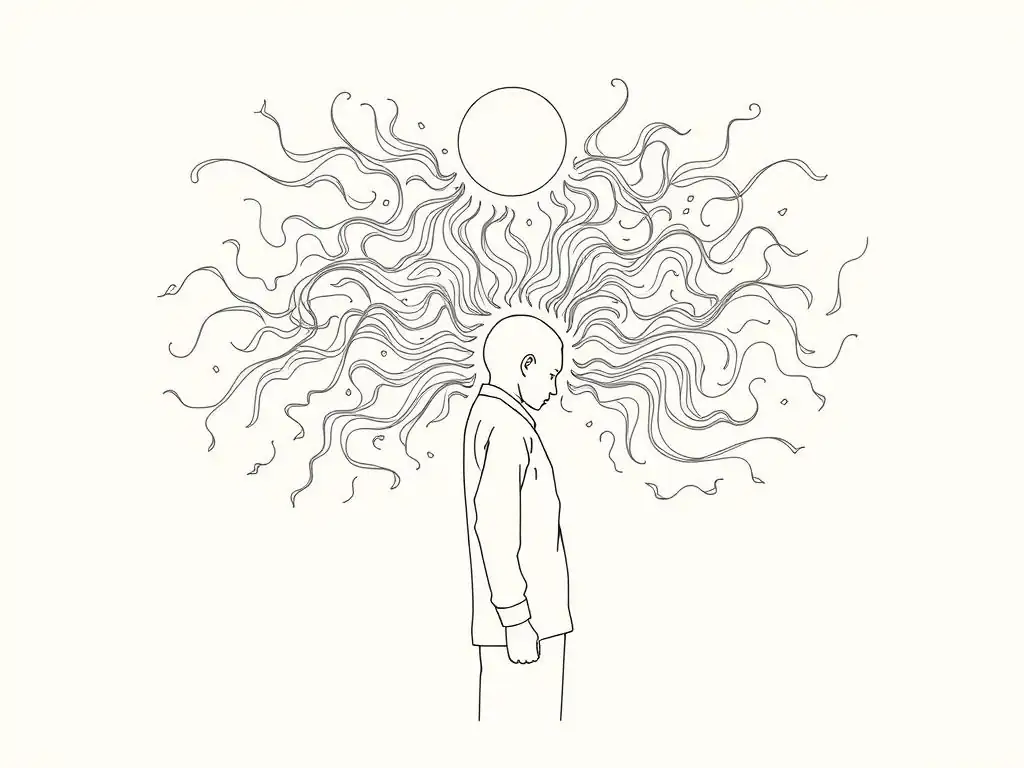
This section delves into practical, actionable techniques to help you actively reduce stress and emotional clutter, paving the way for a more peaceful and productive life. We'll explore methods proven to foster emotional freedom and improve overall well-being. The key is consistent application; even small, regular practices can yield significant results over time. Remember, the journey to emotional lightness is a process, not a destination.
Mindfulness Meditation for Emotional Regulation: A Step-by-Step Guide
Mindfulness meditation is a powerful tool for reducing stress and emotional clutter. By focusing on the present moment, you detach from rumination on past events or anxieties about the future. This technique cultivates self-awareness and emotional regulation, allowing you to observe your feelings without judgment. Here's a step-by-step guide:
- Find a Quiet Space: Choose a comfortable, quiet location where you won't be disturbed. This could be a quiet corner of your room, a park bench, or even your car during a lunch break.
- Assume a Comfortable Posture: Sit or lie down in a position that allows you to maintain an upright but relaxed posture. Avoid slouching, as this can lead to drowsiness.
- Focus on Your Breath: Gently close your eyes and bring your attention to your breath. Notice the sensation of the air entering and leaving your nostrils, the rise and fall of your chest or abdomen. Don't try to control your breath; simply observe it.
- Acknowledge Wandering Thoughts: Your mind will inevitably wander. This is perfectly normal. When you notice your thoughts drifting, gently guide your attention back to your breath. Don't judge yourself for getting distracted; simply acknowledge it and refocus.
- Extend the Practice: Start with 5-10 minutes of daily meditation and gradually increase the duration as you become more comfortable. Consistency is key to experiencing the benefits of mindfulness meditation.
- Observe Your Emotions: As you practice regularly, you'll become more attuned to your emotions. Notice how they arise, peak, and subside without getting carried away by them. This mindful observation helps reduce their intensity and impact.
Regular practice of mindfulness meditation can significantly reduce stress and emotional clutter, fostering a sense of calm and emotional balance. Studies have shown a correlation between regular meditation and reduced levels of cortisol (the stress hormone). The key is to make it a consistent part of your daily routine, even if it’s just for a few minutes.
Journaling for Emotional Processing: Unburdening Your Mind
Journaling provides a safe and private space to process your emotions, identify recurring patterns, and gain self-awareness. By writing down your thoughts and feelings, you externalize them, reducing their internal intensity. This technique is particularly effective for reducing stress and emotional clutter associated with unresolved issues or difficult experiences.
Consider these journaling prompts to get started:
- What are my biggest stressors right now?
- What emotions am I feeling most intensely?
- What are the root causes of these emotions?
- What steps can I take to address these issues?
- What am I grateful for today?
The act of writing itself can be therapeutic. Don't worry about grammar or style; just let your thoughts flow freely onto the page. Regular journaling, even just a few minutes a day, can help you gain clarity, reduce anxiety, and cultivate a greater sense of self-understanding. It’s a powerful tool for self-reflection and emotional release, allowing you to effectively reduce stress and emotional clutter. The benefits extend beyond immediate stress relief; consistent journaling can lead to improved self-awareness and emotional resilience over time.
Setting Healthy Boundaries: Protecting Your Mental Space
Setting healthy boundaries is crucial for protecting your mental space and preventing emotional overwhelm. This involves learning to say "no" to requests that drain your energy or compromise your well-being, and establishing clear limits in your relationships. This is not about being selfish; it’s about self-preservation and ensuring you have the emotional capacity to manage your own needs.
Here are some practical steps to setting healthy boundaries:
- Identify your limits: What activities, people, or situations consistently drain your energy or cause you stress?
- Communicate your needs clearly: Use "I" statements to express your boundaries respectfully. For example, "I need some time alone to recharge" or "I'm not comfortable with that."
- Enforce your boundaries consistently: It's important to follow through on your stated boundaries. This reinforces their importance and helps others understand your limits.
- Practice self-compassion: Setting boundaries can be challenging. Be kind to yourself and acknowledge that it's a process that takes time and practice.
By setting healthy boundaries, you create space for self-care and prevent emotional burnout. This directly contributes to reducing stress and emotional clutter, allowing you to focus on your well-being and priorities. Remember that setting boundaries is an act of self-respect and a crucial step towards emotional freedom. It's a vital component of reducing stress and emotional clutter, fostering a sense of control and peace in your daily life.
Digital Detox for Mental Clarity: Minimizing Information Overload
Our increasingly digital world bombards us with a constant stream of information. This relentless influx contributes significantly to stress and emotional clutter, making it crucial to implement regular digital detoxes. Think of it as spring cleaning for your mind. A digital detox isn't about completely abandoning technology; it's about consciously managing your consumption to regain control and reduce mental overload.
One effective strategy is to schedule specific "device-free" times each day. This could be an hour before bed, a dedicated lunch break, or even just 30 minutes in the morning. During these periods, actively engage in activities that promote relaxation and mindfulness, such as meditation, reading a physical book, spending time in nature, or engaging in a hobby. The key is to replace passive screen time with active, mindful engagement.
Consider setting boundaries around your technology usage. For instance, you could disable notifications for non-essential apps, or designate specific times for checking emails and social media instead of reacting to every ping. Many smartphones offer built-in features to help manage screen time, allowing you to set daily limits and track your usage. Utilizing these tools can provide valuable insights into your digital habits and help you identify areas for improvement.
Another powerful technique is to curate your digital environment. Unsubscribe from irrelevant newsletters, delete unused apps, and unfollow social media accounts that contribute to negativity or stress. A cleaner digital space translates to a clearer mind. This proactive approach to managing your online presence significantly reduces the amount of information you're constantly processing, allowing you to focus your energy on more meaningful activities.
Remember, you are in control of your digital world; don't let it control you. By consciously minimizing information overload through a strategic digital detox, you can proactively reduce stress and emotional clutter, fostering a greater sense of calm and mental well-being. The benefits extend beyond stress reduction; improved sleep, increased productivity, and stronger relationships are all potential rewards of reclaiming your time and attention.
Advanced Strategies for Long-Term Emotional Freedom
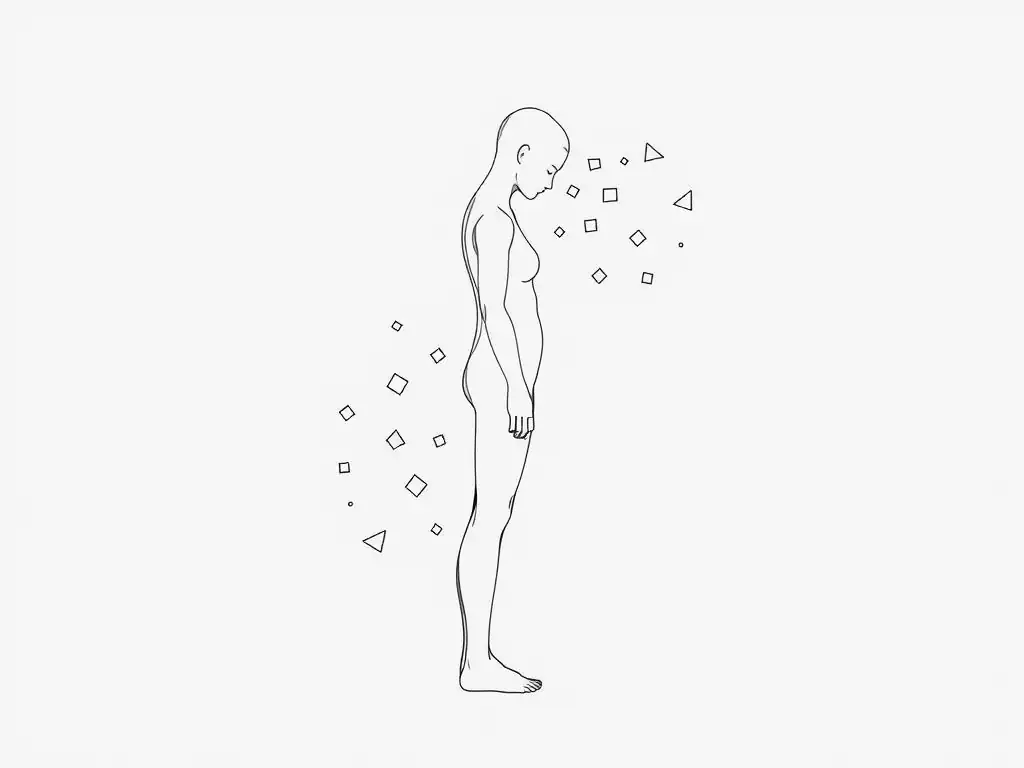
This section delves into sophisticated techniques to cultivate lasting emotional freedom, moving beyond immediate stress reduction to a fundamental shift in mindset. We'll explore methods to foster self-compassion, practice forgiveness, and cultivate gratitude – powerful tools in your arsenal for reducing stress and emotional clutter. These strategies require consistent effort, but the rewards – a more peaceful and resilient you – are immeasurable.
Cultivating Self-Compassion: Accepting Imperfections and Mistakes
Self-compassion is not self-indulgence; it's about treating yourself with the same kindness and understanding you'd offer a close friend facing similar challenges. It's acknowledging that imperfections and mistakes are inherent parts of the human experience, and that these setbacks don't define your worth. Instead of self-criticism, practice self-soothing. This involves recognizing difficult emotions without judgment, acknowledging your suffering, and offering yourself words of encouragement and support.
Consider this scenario: You missed a deadline at work. Instead of berating yourself ("I'm so incompetent! "), try this approach: "I'm disappointed I missed the deadline, but it's understandable given the circumstances. I'll learn from this and prioritize tasks differently next time." This shift in self-talk significantly reduces the emotional impact of the mistake, preventing it from escalating into significant stress and emotional clutter. Regular mindfulness meditation can also significantly enhance your capacity for self-compassion. Studies show that even short daily sessions can improve self-awareness and emotional regulation, key components of reducing stress and emotional clutter.
Forgiveness Practices: Letting Go of Resentment and Anger
Holding onto resentment and anger is like carrying a heavy weight. It consumes energy, impacts your physical and mental health, and prevents you from moving forward. Forgiveness, however, doesn't mean condoning harmful actions; it's about releasing the negative emotions associated with those actions. It's a process, not an event, and it begins with self-forgiveness.
Several techniques can facilitate forgiveness. Journaling can help you process your emotions, identify underlying beliefs, and gradually release resentment. Writing a letter to the person you need to forgive (without sending it) can be cathartic. Visualizing yourself releasing the anger or resentment, perhaps by imagining it floating away on a balloon, can be surprisingly effective. Remember, forgiving others is ultimately a gift to yourself, freeing you from the burden of negativity and significantly contributing to reducing stress and emotional clutter. Research indicates that practicing forgiveness is strongly linked to lower levels of anxiety and depression.
Embracing Gratitude: Shifting Focus to Positivity
Gratitude is a powerful antidote to negativity. By focusing on the positive aspects of your life, you shift your perspective and reduce the power of stress and emotional clutter. This doesn't mean ignoring challenges; it means acknowledging them while also appreciating the good things, big and small.
Simple practices can cultivate gratitude. Keeping a gratitude journal, where you write down three things you're grateful for each day, is a highly effective method. Expressing gratitude to others, either verbally or through a thank-you note, strengthens relationships and boosts your own well-being.
Taking time each day to appreciate the simple things – a sunny day, a delicious meal, a supportive friend – can significantly impact your emotional state. Studies consistently demonstrate a strong correlation between gratitude and increased happiness and reduced stress, making it a vital tool in your journey to reduce stress and emotional clutter. The positive impact on your mental and emotional well-being is substantial.
Developing Emotional Resilience: Building Inner Strength
Developing emotional resilience is crucial for long-term emotional freedom and significantly contributes to reducing stress and emotional clutter. It's not about avoiding negative emotions entirely—that's unrealistic—but about building the capacity to navigate them effectively and emerge stronger. Think of resilience as a muscle; the more you work it, the stronger it becomes.
One key aspect of building emotional resilience is cultivating self-compassion. Instead of harshly criticizing yourself during difficult times, treat yourself with the same kindness and understanding you would offer a close friend. Acknowledge your feelings without judgment, recognizing that everyone experiences setbacks and challenges. This self-compassionate approach helps to reduce the intensity of negative emotions and prevents them from spiraling out of control. For example, if you make a mistake at work, instead of berating yourself, acknowledge the error, learn from it, and move forward. This process prevents the mistake from becoming a source of prolonged stress and self-criticism.
Another vital strategy is fostering a strong support network. Surrounding yourself with positive and supportive individuals who offer encouragement and understanding is incredibly beneficial. These relationships provide a safe space to process difficult emotions and receive valuable perspective.
Sharing your struggles with trusted friends, family members, or a therapist can alleviate feelings of isolation and overwhelm, thereby reducing the accumulation of emotional clutter. A strong support network acts as a buffer against life's inevitable stressors, helping you navigate challenges with greater ease and reducing the likelihood of burnout. Consider joining a support group or seeking professional guidance if you feel you lack a robust support system.
Furthermore, practicing mindfulness and self-awareness is paramount. Mindfulness techniques, such as meditation or deep breathing exercises, help you become more attuned to your emotions and bodily sensations. This increased awareness allows you to identify triggers and patterns that contribute to emotional distress.
By understanding your emotional landscape better, you can develop strategies to manage your responses proactively, preventing the build-up of emotional clutter. Regular mindfulness practice equips you with the tools to observe your emotions without judgment, fostering a sense of calm and control even amidst challenging situations. Even short, 5-10 minute meditation sessions daily can make a significant difference in your ability to manage stress and emotional overwhelm.
Finally, engaging in activities that promote self-care is essential for building resilience. This could involve anything from regular exercise and healthy eating to pursuing hobbies and spending time in nature. Prioritizing self-care replenishes your emotional reserves, making you better equipped to handle stress and adversity.
These activities provide a sense of accomplishment, boost your mood, and foster a sense of self-worth, all of which contribute to reducing emotional clutter and enhancing your overall well-being. Remember, taking care of your physical and mental health is not selfish; it's an investment in your long-term emotional freedom and resilience. Prioritize activities that bring you joy and relaxation, and make them a regular part of your routine.
Maintaining Emotional Well-being: Preventing Future Stress and Clutter
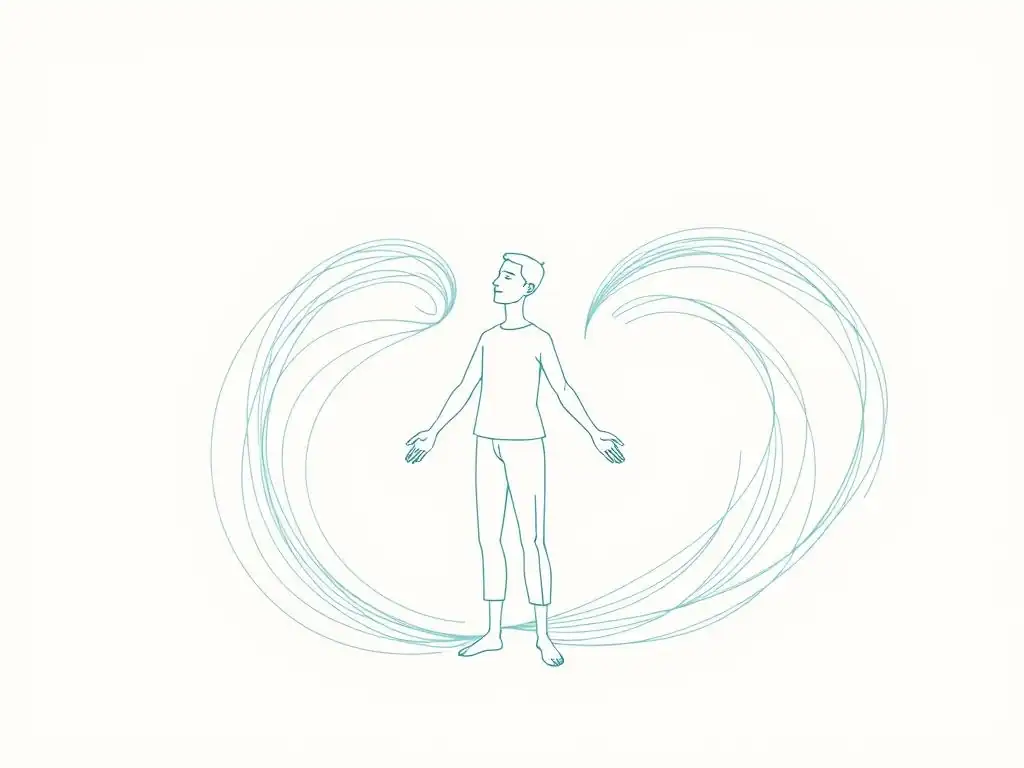
Maintaining emotional well-being is a proactive process, not a reactive one. Just as we declutter our physical spaces to improve efficiency, we must actively manage our emotional landscape to reduce stress and emotional clutter. This involves cultivating healthy habits and building resilience against future stressors. Think of it as preventative maintenance for your mental health. Ignoring early warning signs can lead to a build-up of emotional baggage, making it harder to cope with future challenges. Proactive strategies are crucial for long-term emotional health and well-being.
Incorporating Stress-Reducing Activities into Your Daily Routine
Incorporating stress-reducing activities into your daily routine is paramount for preventing the accumulation of emotional clutter. These aren't luxuries; they're essential tools for managing stress and maintaining mental balance. Even small, consistent efforts can yield significant results. Consider these examples:
- Mindfulness Meditation: Even 5-10 minutes of daily mindfulness meditation can significantly reduce stress hormones and improve emotional regulation. Focus on your breath, observe your thoughts without judgment, and gently redirect your attention when your mind wanders. The cumulative effect of consistent practice is profound.
- Regular Exercise: Physical activity is a powerful antidote to stress. Exercise releases endorphins, which have mood-boosting effects. Aim for at least 30 minutes of moderate-intensity exercise most days of the week. This could include brisk walking, jogging, swimming, cycling, or any activity you enjoy.
- Healthy Diet: Nourishing your body with a balanced diet provides the essential nutrients your brain needs to function optimally. Focus on whole, unprocessed foods, and limit your intake of sugar, caffeine, and alcohol, which can exacerbate stress and anxiety.
- Sufficient Sleep: Sleep deprivation significantly impacts emotional regulation. Aim for 7-9 hours of quality sleep each night. Establish a consistent sleep schedule, create a relaxing bedtime routine, and optimize your sleep environment for darkness and quiet.
The key is consistency. Choose activities you genuinely enjoy and integrate them into your daily routine, making them non-negotiable appointments with yourself. This proactive approach to self-care is crucial for reducing stress and preventing the buildup of emotional clutter. Remember, taking care of your mental health isn't selfish; it's essential for living a fulfilling life.
Building a Supportive Network: Seeking Help When Needed
A strong support network is a vital buffer against stress and emotional overload. Surrounding yourself with positive and supportive individuals can significantly improve your ability to cope with challenging situations. These individuals can provide emotional support, practical assistance, and a sense of belonging. This network doesn't have to be large; a few trusted individuals can make a world of difference.
Consider actively nurturing your existing relationships and cultivating new ones. This could involve spending quality time with loved ones, joining a club or group with shared interests, or volunteering in your community. Building a strong support network is an investment in your long-term emotional well-being. Don't hesitate to reach out to those you trust when you're feeling overwhelmed or stressed. Sharing your burdens can lighten the load and provide valuable perspective. Remember, it's okay to ask for help. In fact, it's a sign of strength.
Recognizing the Need for Professional Help: When to Seek Therapy
While building a support network and incorporating stress-reducing activities are crucial, sometimes professional help is necessary. Recognizing when to seek therapy is a sign of self-awareness and a commitment to your mental health. If you're struggling to manage your stress and emotional well-being on your own, despite your best efforts, seeking professional help is a wise decision.
There are several signs that might indicate a need for professional help:
- Persistent feelings of sadness, anxiety, or hopelessness: If these feelings persist for an extended period and interfere with your daily life, seeking professional help is recommended.
- Difficulty functioning in daily life: If you're struggling to maintain your responsibilities at work, school, or home, professional guidance can help you develop coping mechanisms and strategies.
- Significant changes in behavior or mood: Noticeable shifts in your personality, sleep patterns, appetite, or energy levels could warrant professional evaluation.
- Thoughts of self-harm or suicide: If you're experiencing these thoughts, seeking immediate professional help is crucial. There are resources available to support you, and you don't have to go through this alone.
Therapy provides a safe and confidential space to explore your thoughts and feelings, develop coping strategies, and work towards improving your mental health. Don't hesitate to reach out for help; it's a sign of strength, not weakness. Remember, prioritizing your mental health is an investment in your overall well-being. Seeking professional help is a proactive step towards reducing stress and emotional clutter and building a healthier, happier you.
Frequently Asked Questions
What is emotional clutter, and how does it affect me?
Emotional clutter refers to the accumulation of negative emotions and unresolved issues that weigh on your mind. It can lead to stress, anxiety, and decreased overall well-being. Letting go is key to overcoming this.
How can I identify sources of emotional clutter in my life?
Pay attention to recurring feelings of anxiety, resentment, guilt, or sadness. Identify the situations or people that trigger these emotions. Journaling can be a helpful tool for self-reflection and identification.
What practical techniques can I use to reduce emotional clutter?
Practice mindfulness and meditation to become more aware of your emotions. Engage in activities that promote self-care, such as exercise, spending time in nature, or pursuing hobbies. Consider therapy or counseling for deeper emotional processing.
How do I let go of past hurts and regrets?
Practice self-compassion and forgiveness, both for yourself and others. Acknowledge the past, learn from it, and choose to focus on the present moment. Don't dwell on what you can't change.
What is the role of boundaries in managing emotional clutter?
Setting healthy boundaries is crucial. Learn to say "no" to commitments that drain your energy or compromise your well-being. Protect your time and emotional space from toxic relationships or situations.
Final Reflection: Unburdening the Mind, Embracing the Now
The relentless pace of modern life often leaves us drowning in emotional clutter, a silent thief stealing our joy and peace. This article explored practical mental hacks to navigate this overwhelming tide, offering strategies to reduce stress and cultivate emotional freedom. The ability to let go, we discovered, isn't just a desirable trait; it's a vital skill for navigating the complexities of the human experience and thriving in the face of adversity.
The journey towards emotional lightness is a continuous process, a lifelong commitment to self-awareness and mindful action. The impact of unchecked emotional baggage is profound, affecting not only our individual well-being but also our relationships and contributions to society. As the poet Mary Oliver wisely reminds us, Tell me, what is it you plan to do with your one wild and precious life?
This question becomes even more poignant when we consider the time and energy we expend clinging to negativity, resentment, and past hurts. By consciously choosing to let go, we free ourselves to embrace the present moment and live more authentically.
You now hold the keys to unlocking a more peaceful and fulfilling life. Consider the areas in your life where emotional clutter accumulates. What limiting beliefs or negative patterns are you ready to release? Begin small, perhaps with one specific area of concern. Practice the techniques outlined in this article – mindfulness, forgiveness, self-compassion – and witness the transformative power of letting go. Embrace the freedom that awaits you.
Unlock Your Emotional Freedom: Take the Next Step
Thank you for exploring the powerful techniques for letting go and finding emotional freedom. We hope you've gained valuable insights into reclaiming your inner peace. Now, it's time to put this knowledge into action!
- Begin your journey to emotional liberation: Identify a specific area in your life where you're holding onto negative emotions, such as resentment towards a colleague or anxiety about a future event. Consciously choose to release these feelings, using one of the techniques discussed. This small step can make a significant difference!
- Share your experience: Discuss your progress (or challenges!) with a trusted friend, family member, or in the comments below. Sharing your journey can deepen your understanding and inspire others.
- Explore additional resources: Deepen your understanding of emotional well-being through practices like meditation or journaling. Even five minutes a day can yield remarkable results.
Ready to embrace a more peaceful and fulfilling life? What's one small thing you can release today to feel lighter?