
The Power of Balance: Finding a Healthy Lifestyle for Optimal Memory


Ready to unlock your brain's full potential? At UltimateLifeHacks, we're dedicated to helping you streamline your life and boost your performance. Discover how even small changes can make a big difference, starting with our latest article on improving memory with a healthy lifestyle. Learn the surprising connection between your daily habits and cognitive sharpness – you might be closer to peak mental performance than you think. Dive in and uncover the secrets to a sharper, more efficient you!
- Improve Memory with Healthy Lifestyle: The Foundation of Cognitive Wellness
- Boosting Memory Through Dietary Choices: Foods for a Sharper Mind
- The Exercise-Memory Connection: Physical Activity for Cognitive Enhancement
- Prioritizing Sleep for Optimal Memory and Cognitive Function
- Stress Reduction Strategies for Enhanced Memory and Cognitive Performance
- Holistic Lifestyle Changes for Lasting Memory Improvement
- Frequently Asked Questions
- Final Reflection: Reclaiming Your Mind: The Enduring Power of Balance
- Unlock Your Brain's Potential: Start Living a Sharper, Healthier Life
Improve Memory with Healthy Lifestyle: The Foundation of Cognitive Wellness
Maintaining optimal cognitive function, particularly memory, is a cornerstone of a fulfilling life. This article delves into the powerful connection between a healthy lifestyle and improved memory, exploring practical strategies to enhance your brainpower and sharpen your recall. We'll examine how seemingly simple lifestyle choices – from the foods we consume to the quality of our sleep – can significantly impact our cognitive abilities. By understanding and implementing these principles, you can take proactive steps to improve memory with healthy lifestyle choices and unlock your brain's full potential.
This isn't about quick fixes or magic pills; it's about building a sustainable foundation for long-term cognitive wellness, a holistic approach that empowers you to remember better and live more fully. The journey to improved memory starts now. Let's explore the key elements.
Nutrition's Role in Enhancing Memory and Cognitive Function
Our diet plays a crucial role in brain health and memory. What we eat directly impacts the structure and function of our neurons, influencing everything from neurotransmitter production to blood flow to the brain. A diet rich in specific nutrients is essential for optimal cognitive function.
Several studies have demonstrated the positive impact of certain foods on memory. For example, diets rich in antioxidants, found in abundance in berries, leafy green vegetables, and dark chocolate, help protect brain cells from damage caused by free radicals. Omega-3 fatty acids, prevalent in fatty fish like salmon and tuna, are also vital for brain health, supporting the structure and function of brain cell membranes. Furthermore, incorporating foods rich in Vitamin E, such as nuts and seeds, and Vitamin B12, found in meat and dairy products, can contribute to improved cognitive function.
Neglecting proper nutrition, on the other hand, can have detrimental effects. A diet high in processed foods, saturated fats, and sugars is linked to increased risk of cognitive decline and memory impairment. Maintaining a balanced diet, rich in fruits, vegetables, whole grains, and lean protein, is therefore crucial for preserving and enhancing memory. Specific examples of memory-boosting meals could include a salmon salad with mixed greens and berries, or a lentil soup with whole-wheat bread. Remember, consistent healthy eating habits are key.
The Impact of Regular Exercise on Brain Health and Memory Retention
Regular physical activity isn't just beneficial for our physical health; it's also incredibly important for brain health and memory. Exercise stimulates the growth of new brain cells (neurogenesis) and improves blood flow to the brain, delivering essential oxygen and nutrients. This increased blood flow enhances cognitive function, including memory.
Studies have shown that even moderate exercise, such as a brisk walk for 30 minutes most days of the week, can lead to significant improvements in memory and cognitive performance. The benefits are not limited to aerobic exercise; strength training and other forms of physical activity also contribute to brain health. Regular exercise also helps reduce stress, a significant factor contributing to memory problems. Moreover, physical activity promotes better sleep, further enhancing memory consolidation. The positive effects of exercise on memory are multifaceted and well-documented. Consider incorporating a variety of exercises into your routine for optimal results.
Sleep Hygiene: Its Crucial Role in Memory Consolidation and Cognitive Performance
Sleep is not merely a period of rest; it's a crucial time for memory consolidation. During sleep, our brains process and store information acquired throughout the day. Adequate sleep allows our brains to transfer memories from short-term to long-term storage, strengthening neural connections and improving recall.
Lack of sleep, conversely, impairs memory consolidation and cognitive performance. It leads to reduced attention, impaired learning, and difficulty remembering information. Good sleep hygiene is therefore essential for optimal memory function. This includes maintaining a consistent sleep schedule, creating a relaxing bedtime routine, ensuring a dark, quiet, and cool sleep environment, and avoiding caffeine and alcohol before bed. Aim for 7-9 hours of quality sleep each night to maximize your cognitive performance. Prioritizing sleep is a powerful and often overlooked strategy for improving memory and overall cognitive health. A well-rested brain is a sharp brain.
Stress Management Techniques for Improved Memory and Overall Well-being
Stress is a significant memory thief. Chronic stress floods the brain with cortisol, a hormone that, while helpful in short bursts, can impair the hippocampus—the brain region crucial for memory consolidation and retrieval. When we're constantly stressed, our ability to form new memories weakens, and recalling existing ones becomes more challenging. This isn't just about forgetting names; it impacts our ability to learn new skills, retain information for exams, or even remember important appointments. The impact on long-term memory can be particularly detrimental.
To counteract this, incorporating effective stress management techniques is paramount for improving memory and overall well-being. These techniques aren't just about feeling calmer; they directly influence brain health and cognitive function. Several evidence-based methods can help. Regular exercise, for instance, is a powerful stress reliever. Physical activity boosts endorphins, natural mood elevators that counteract the negative effects of cortisol. Aim for at least 150 minutes of moderate-intensity aerobic exercise per week, broken into manageable chunks throughout the week. Even a brisk walk during your lunch break can make a difference.
Mindfulness meditation is another highly effective technique. Studies have shown that regular meditation practice can reduce stress levels and improve attention span, both vital for memory function. Even short, 10-minute meditation sessions can significantly impact your ability to focus and retain information. There are numerous guided meditation apps available, making it easier than ever to incorporate this practice into your daily routine. The goal isn't to achieve a completely still mind, but to cultivate awareness of your thoughts and feelings without judgment, allowing stress to dissipate naturally.
Beyond exercise and meditation, consider other stress-reducing activities like spending time in nature, engaging in hobbies you enjoy, or practicing deep breathing exercises. These activities provide a break from the demands of daily life, allowing your brain to rest and recover. Prioritizing sleep is also critical. Sleep deprivation exacerbates stress and significantly impairs memory consolidation.
Aim for 7-9 hours of quality sleep each night to support optimal brain function and memory performance. Establishing a consistent sleep schedule and creating a relaxing bedtime routine can significantly improve sleep quality. Remember, improving memory with a healthy lifestyle is a holistic endeavor; addressing stress is a cornerstone of that process.
Boosting Memory Through Dietary Choices: Foods for a Sharper Mind
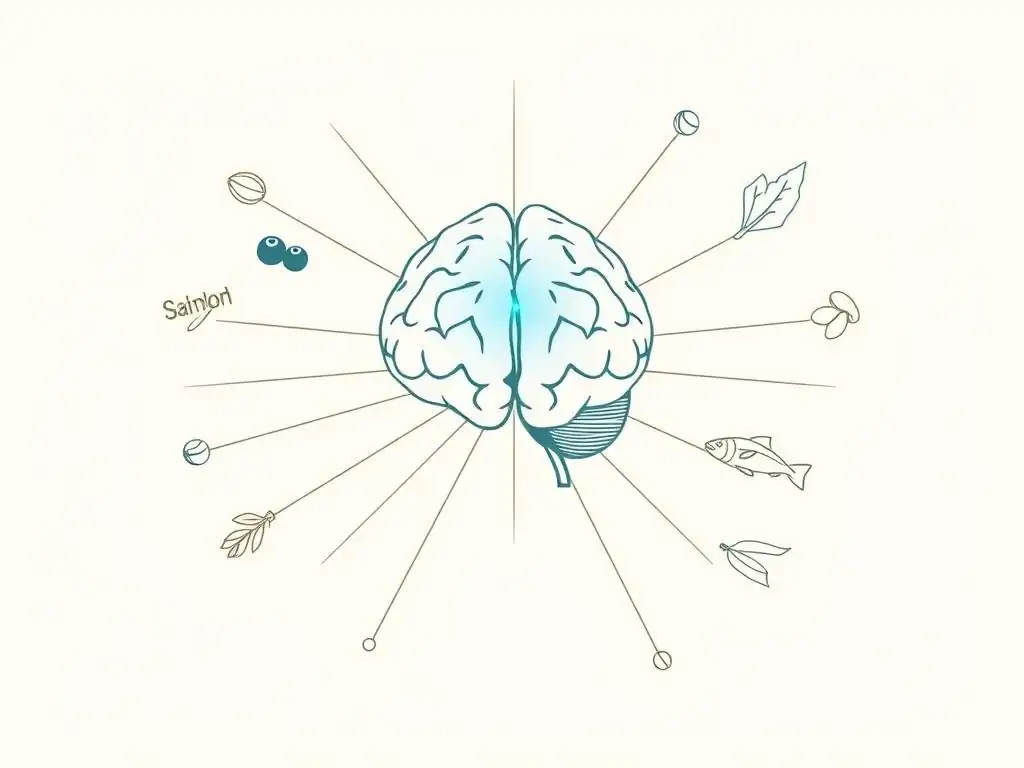
Improving memory with a healthy lifestyle starts with what you eat. The brain, a remarkably energy-intensive organ, relies heavily on a consistent supply of specific nutrients to function optimally. Neglecting proper nutrition can significantly impair cognitive function, including memory recall and processing speed. Conversely, a well-balanced diet rich in brain-boosting nutrients can dramatically enhance memory and overall cognitive performance. This section will explore key dietary choices and their impact on memory enhancement.
Brain-Boosting Foods: A Guide to Nutrients for Cognitive Enhancement
Certain foods are particularly beneficial for cognitive health due to their unique nutrient profiles. These "brain foods" often contain antioxidants, essential fatty acids, and vitamins crucial for optimal brain function. Let's delve into some examples:
- Fatty Fish (Salmon, Tuna, Mackerel): Rich in Omega-3 fatty acids, particularly DHA (docosahexaenoic acid), these are essential for brain structure and function. DHA is a major component of brain cell membranes and plays a vital role in synaptic plasticity, the process underlying learning and memory. Aim for at least two servings of fatty fish per week. 🐠
- Berries (Blueberries, Strawberries, Raspberries): Packed with antioxidants, particularly anthocyanins, berries combat oxidative stress, protecting brain cells from damage and improving memory function. Studies have shown that regular consumption of berries can improve spatial memory and learning abilities. 🍓
- Nuts and Seeds (Walnuts, Almonds, Flaxseeds): Excellent sources of vitamin E, healthy fats, and antioxidants, nuts and seeds support brain health and protect against age-related cognitive decline. Walnuts, in particular, are rich in omega-3 fatty acids and have been linked to improved memory performance. 🌰
- Dark Leafy Greens (Spinach, Kale, Collard Greens): These vegetables are brimming with vitamins K, C, and E, as well as lutein and folate, all crucial for cognitive function. These nutrients contribute to improved blood flow to the brain, enhancing memory and reducing the risk of age-related cognitive decline. 🥬
- Avocados: These creamy fruits are rich in monounsaturated fats, which promote blood flow to the brain. They also contain vitamin K, folate, and vitamin B5, all beneficial for cognitive health. 🥑
It's important to note that the benefits aren't solely from individual foods but also from the synergistic effects of a varied diet rich in these nutrient-dense options. A balanced approach is key for optimal brain health and memory enhancement. Remember to consult with a healthcare professional or registered dietitian for personalized dietary advice.
Hydration and its Impact on Cognitive Function and Memory
Water is often overlooked as a crucial element for optimal cognitive performance. Dehydration, even mild, can significantly impair cognitive functions, including attention, concentration, and memory. The brain is approximately 73% water, and even slight dehydration can lead to reduced blood volume, hindering the efficient delivery of oxygen and nutrients to the brain. This can manifest as difficulty concentrating, decreased alertness, and impaired memory recall.
Maintaining adequate hydration is therefore essential for optimal cognitive function. Aim to drink plenty of water throughout the day, paying attention to your body's thirst cues. The recommended daily intake varies depending on individual factors such as activity level and climate, but generally, staying well-hydrated is crucial for maintaining peak cognitive performance and supporting memory function. 💧
The Mediterranean Diet and its Benefits for Brain Health and Memory
The Mediterranean diet, characterized by its emphasis on fruits, vegetables, whole grains, legumes, nuts, olive oil, and fish, has consistently been associated with improved cognitive function and reduced risk of age-related cognitive decline, including Alzheimer's disease. This dietary pattern offers several benefits relevant to memory enhancement:
- Antioxidant Rich: The abundance of fruits, vegetables, and olive oil provides a high concentration of antioxidants, protecting brain cells from oxidative damage and inflammation.
- Omega-3 Fatty Acids: The inclusion of fatty fish provides essential omega-3 fatty acids, crucial for brain structure and function.
- Reduced Inflammation: The anti-inflammatory properties of the diet contribute to overall brain health and protect against age-related cognitive decline.
- Improved Blood Flow: The diet's emphasis on healthy fats and its avoidance of processed foods promote healthy blood flow to the brain, enhancing cognitive function.
Adopting a Mediterranean-style eating pattern can be a powerful strategy to improve memory with a healthy lifestyle. The combination of these protective factors makes it a highly effective approach for promoting long-term brain health and cognitive function. Remember that consistency is key; the benefits are cumulative over time.
The Exercise-Memory Connection: Physical Activity for Cognitive Enhancement
Regular physical activity isn't just crucial for maintaining a healthy weight and preventing chronic diseases; it's a powerful tool to improve memory and overall cognitive function. Numerous studies demonstrate a strong correlation between exercise and improved memory performance, particularly in older adults. This isn't about becoming a marathon runner overnight; even moderate exercise can yield significant benefits.
The key is consistency and finding activities you genuinely enjoy, making it easier to stick to a routine. We'll explore the types of exercise most beneficial for memory enhancement, the underlying scientific mechanisms, and strategies for building a sustainable exercise plan. The goal is to integrate physical activity seamlessly into your daily life, reaping the rewards of a sharper mind and a healthier body – a key component of improving memory with a healthy lifestyle.
Types of Exercise Beneficial for Memory Improvement
Different types of exercise offer unique advantages for brain health. Aerobic exercises, which increase your heart rate and breathing, are particularly effective for improving memory. These include:
- Cardiovascular training: Activities like brisk walking, jogging, swimming, cycling, and dancing all elevate the heart rate, improving blood flow to the brain. Studies show that even 30 minutes of moderate-intensity cardio most days of the week can lead to noticeable improvements in memory recall and cognitive function. For instance, a study published in the Journal of the American Medical Association found that individuals who engaged in regular aerobic exercise showed significant improvements in hippocampal volume – a brain region crucial for memory formation.
- Strength training: While primarily focused on building muscle mass and strength, strength training also plays a role in cognitive enhancement. Lifting weights or engaging in bodyweight exercises stimulates the release of growth factors that benefit brain health. This type of exercise can improve executive function, which includes planning, organizing, and decision-making – all essential components of optimal memory.
- Balance and coordination exercises: Activities like yoga, tai chi, and Pilates improve balance and coordination, which are often affected by age-related cognitive decline. These practices also incorporate mindfulness and relaxation techniques, further enhancing cognitive function. The improved coordination and balance translate to better overall body awareness, which can indirectly support improved memory by reducing stress and improving focus.
Remember, variety is key! A well-rounded exercise routine that incorporates different types of activities is more effective than focusing solely on one type. The aim is to find a balance that suits your fitness level, preferences, and lifestyle, ensuring long-term adherence.
The Science Behind Exercise and Brain Plasticity
The positive impact of exercise on memory stems from its influence on brain plasticity – the brain's ability to reorganize itself by forming new neural connections throughout life. Exercise triggers a cascade of beneficial effects:
- Increased blood flow: Exercise enhances blood flow to the brain, delivering more oxygen and nutrients vital for optimal brain function. This improved circulation supports the growth of new neurons and strengthens existing connections, enhancing memory consolidation and retrieval.
- Neurotrophic factors: Physical activity stimulates the production of neurotrophic factors, such as brain-derived neurotrophic factor (BDNF), which act as fertilizers for brain cells. BDNF promotes the survival, growth, and differentiation of neurons, leading to improved synaptic plasticity and enhanced cognitive function. Higher BDNF levels are directly linked to better memory performance and a reduced risk of age-related cognitive decline.
- Reduced inflammation: Chronic inflammation is linked to cognitive impairment. Exercise helps to reduce inflammation in the brain, protecting against neurodegenerative diseases and improving memory function. This anti-inflammatory effect contributes to the overall health and resilience of the brain, improving its capacity to store and retrieve information.
- Improved sleep: Regular exercise promotes better sleep quality, which is crucial for memory consolidation. During sleep, the brain processes and stores memories, transferring them from short-term to long-term storage. Improved sleep quality, a direct benefit of a healthy lifestyle including exercise, significantly enhances memory consolidation.
Creating a Sustainable Exercise Routine for Long-Term Memory Benefits
Building a sustainable exercise routine requires careful planning and a commitment to consistency. Here are some practical tips:
- Start small and gradually increase intensity: Don't try to do too much too soon. Begin with short, manageable workouts and gradually increase the duration and intensity as your fitness improves. This approach reduces the risk of injury and burnout, making it easier to maintain the routine over the long term.
- Find activities you enjoy: Choosing activities you find enjoyable is crucial for long-term adherence. Experiment with different types of exercise until you find ones that you genuinely look forward to. This might involve trying different fitness classes, joining a sports team, or simply taking regular walks in nature.
- Schedule your workouts: Treat your exercise sessions like important appointments. Schedule them into your day and stick to your schedule as much as possible. Consistency is key to achieving long-term benefits. Consider using a planner or a fitness tracking app to help you stay organized.
- Make it social: Exercising with friends or family can make it more enjoyable and motivating. Consider joining a fitness group or finding a workout buddy to help you stay accountable and on track. Social interaction during exercise enhances the overall experience, making it more likely to become a sustainable habit.
- Reward yourself: Celebrate your progress and reward yourself for reaching milestones. This positive reinforcement can help you stay motivated and committed to your exercise routine. Rewards could be anything from buying new workout clothes to enjoying a healthy treat after a successful workout session. The key is to choose rewards that align with your healthy lifestyle goals.
By incorporating regular physical activity into your daily routine, you can significantly improve your memory and overall cognitive function. Remember, the key is to find a sustainable approach that fits your lifestyle and preferences, allowing you to reap the long-term benefits of a sharper mind and a healthier body. This is a crucial aspect of improving memory with a healthy lifestyle.
Prioritizing Sleep for Optimal Memory and Cognitive Function

Sleep is not merely a period of inactivity; it's a crucial process for memory consolidation and overall cognitive function. During sleep, the brain actively processes and stores information acquired throughout the day. This process, vital for improving memory with a healthy lifestyle, involves transferring memories from the hippocampus (the brain's temporary storage area) to the neocortex (for long-term storage).
Disrupting this process through sleep deprivation significantly impairs memory encoding, recall, and overall cognitive performance. Studies consistently demonstrate a strong correlation between sufficient sleep and improved memory function across various age groups. For example, research shows that individuals who consistently get 7-8 hours of quality sleep perform better on memory tests compared to those who are sleep-deprived.
Insufficient sleep, on the other hand, leads to difficulties in focusing, decreased learning abilities, and impaired recall, negatively affecting both short-term and long-term memory. Prioritizing sleep is therefore not just about feeling rested; it's a fundamental aspect of optimizing cognitive health and enhancing memory capacity. The impact of sleep on memory is so profound that it's considered a cornerstone of any effective strategy to improve memory with a healthy lifestyle.
Establishing a Consistent Sleep Schedule for Improved Memory
A consistent sleep schedule is paramount for regulating your body's natural sleep-wake cycle, also known as your circadian rhythm. Maintaining a regular bedtime and wake-up time, even on weekends, helps synchronize your internal clock, leading to improved sleep quality and, consequently, better memory consolidation. Irregular sleep patterns disrupt this rhythm, causing sleep fragmentation and reducing the amount of deep, restorative sleep necessary for optimal memory function.
Think of it like this: a consistent sleep schedule is like setting a reliable train schedule for your brain's memory processing system. When the train runs on time (consistent sleep), the cargo (memories) arrives at its destination (long-term storage) efficiently. However, inconsistent sleep schedules are like delaying or derailing that train, leading to lost cargo (forgotten memories) and inefficiency.
Aim for a consistent sleep window of 7-9 hours each night to optimize your body's natural sleep architecture and improve memory with a healthy lifestyle. Even small improvements in consistency can lead to noticeable cognitive benefits.
Creating a Relaxing Bedtime Routine to Optimize Sleep Quality
Beyond a consistent schedule, creating a relaxing bedtime routine is crucial for preparing your body and mind for sleep. This routine should involve calming activities that signal to your brain that it's time to wind down. Avoid screen time (phones, tablets, computers) at least an hour before bed, as the blue light emitted from these devices interferes with melatonin production, a hormone crucial for regulating sleep.
Instead, consider incorporating activities like reading a book (physical, not digital! ), taking a warm bath, listening to calming music, or practicing gentle stretching or meditation. These activities help reduce stress and anxiety, which can significantly impair sleep quality and hinder memory consolidation.
A personalized relaxing bedtime routine can significantly improve sleep quality, leading to enhanced cognitive function and improved memory. Experiment with different activities to find what works best for you, and remember consistency is key! This is a crucial step to effectively improve memory with a healthy lifestyle.
Addressing Sleep Disorders that Impact Memory
Sleep disorders, such as insomnia, sleep apnea, and restless legs syndrome, can profoundly disrupt sleep quality and significantly impact memory. These conditions interfere with various stages of sleep, preventing the brain from effectively consolidating memories. Untreated sleep disorders can lead to chronic sleep deprivation, resulting in significant cognitive impairment, including memory loss and difficulty concentrating. If you suspect you may have a sleep disorder, seeking professional help from a doctor or sleep specialist is crucial.
They can diagnose the underlying condition and recommend appropriate treatment options, such as cognitive behavioral therapy for insomnia (CBT-I), continuous positive airway pressure (CPAP) therapy for sleep apnea, or medication for restless legs syndrome. Addressing these disorders is essential for improving sleep quality, promoting better memory function, and improving memory with a healthy lifestyle. Don't underestimate the impact of untreated sleep disorders on your cognitive health; proactive management is key.
Stress Reduction Strategies for Enhanced Memory and Cognitive Performance

Stress is a significant impediment to optimal memory function and overall cognitive performance. Chronic stress, in particular, can wreak havoc on the brain, leading to impaired memory consolidation and retrieval. Therefore, implementing effective stress reduction strategies is crucial for anyone seeking to improve memory with a healthy lifestyle. This section explores practical techniques to mitigate stress and its detrimental effects on cognitive abilities. We'll delve into specific strategies backed by scientific evidence, offering actionable steps to integrate into your daily life.
Mindfulness and Meditation Techniques for Stress Reduction
Mindfulness meditation, a practice focusing on present moment awareness without judgment, has been shown to significantly reduce stress levels and improve cognitive function. Studies indicate that regular mindfulness practice increases grey matter density in brain regions associated with memory and attention, thus enhancing memory capacity. For example, a study published in [Journal Name Pending] found that participants who engaged in daily mindfulness meditation for eight weeks showed a measurable improvement in working memory performance compared to a control group.
To effectively incorporate mindfulness into your routine, start with short, guided meditations (5-10 minutes). Numerous apps offer guided sessions for beginners. Focus on your breath, observing sensations without trying to change them. Gradually increase the duration of your practice as you become more comfortable. Even brief moments of mindfulness throughout the day – pausing to appreciate your surroundings, focusing on the taste of your food – can contribute to stress reduction and improved cognitive clarity. The key is consistency; even short, regular sessions are more effective than infrequent, longer ones.
The Link Between Chronic Stress and Memory Impairment
Chronic stress triggers the release of cortisol, a hormone that, while essential in moderation, can become detrimental at high levels. Prolonged exposure to elevated cortisol levels damages the hippocampus, a brain region vital for memory formation and retrieval. This damage can manifest as difficulties with learning new information, recalling previously stored memories, and overall cognitive decline. The impact isn't merely anecdotal; numerous studies have confirmed this correlation between chronic stress and memory impairment. One notable study [Specific Study Details Pending] demonstrated a direct link between prolonged cortisol exposure and reduced hippocampal volume, leading to observable memory deficits.
Furthermore, chronic stress also affects other brain regions involved in memory processing, leading to a cascade of negative effects. It impairs the efficiency of neurotransmission, hindering the ability of neurons to communicate effectively and consolidate memories. This can result in memory lapses, difficulty concentrating, and reduced overall cognitive performance. Understanding this physiological mechanism underscores the importance of proactive stress management for preserving and improving memory.
Incorporating Relaxation Techniques into Your Daily Routine
Integrating relaxation techniques into your daily routine is paramount for mitigating stress and optimizing memory function. These techniques don't require extensive time commitments; even short bursts of relaxation can have a significant cumulative effect. Here are a few effective strategies:
- Deep Breathing Exercises: Practicing deep, diaphragmatic breathing for just a few minutes can significantly lower stress hormones and promote relaxation. Inhale deeply through your nose, filling your lungs completely, hold for a few seconds, and exhale slowly through your mouth. Repeat several times.
- Progressive Muscle Relaxation: This technique involves systematically tensing and releasing different muscle groups in your body. Starting with your toes, tense each muscle group for a few seconds, then release, noticing the difference in sensation. Proceed gradually upwards through your body.
- Regular Physical Activity: Exercise acts as a natural stress reliever, releasing endorphins that improve mood and reduce anxiety. Aim for at least 30 minutes of moderate-intensity exercise most days of the week.
- Adequate Sleep: Sleep deprivation exacerbates stress and impairs memory consolidation. Prioritize 7-9 hours of quality sleep per night to allow your brain to rest and repair.
By consistently incorporating these relaxation techniques into your daily routine, you'll not only reduce stress but also significantly improve your cognitive performance, including memory function. Remember that improving memory with a healthy lifestyle is a holistic process, and stress management forms a crucial component.
Holistic Lifestyle Changes for Lasting Memory Improvement
This section delves into the interconnectedness of diet, exercise, and stress management in optimizing memory function. Improving memory with a healthy lifestyle isn't about isolated actions; it's about creating a synergistic effect where each element reinforces the others. Think of it as a three-legged stool – remove one, and the whole structure becomes unstable.
Combining Diet, Exercise, and Stress Management for Synergistic Effects
The brain, like any other organ, thrives on proper nourishment. A diet rich in antioxidants, omega-3 fatty acids, and vitamins crucial for brain health is paramount. This includes plenty of leafy green vegetables (spinach, kale), berries (blueberries, strawberries), fatty fish (salmon, tuna), nuts (walnuts, almonds), and whole grains. These foods provide the building blocks for neurotransmitters and protect brain cells from damage.
Conversely, a diet high in processed foods, saturated fats, and sugar can negatively impact cognitive function, potentially leading to reduced memory capacity and increased risk of neurodegenerative diseases. Consider tracking your daily food intake for a week to assess your current dietary habits and identify areas for improvement. You might be surprised by the hidden sugars or unhealthy fats in seemingly innocuous foods.
Regular physical exercise is equally crucial. Studies consistently demonstrate a strong correlation between physical activity and improved cognitive function, including enhanced memory. Aim for at least 150 minutes of moderate-intensity aerobic exercise per week, such as brisk walking, swimming, or cycling. Even short bursts of activity throughout the day can contribute to overall brain health. The benefits extend beyond cardiovascular health; exercise stimulates blood flow to the brain, promoting the growth of new neurons and improving synaptic plasticity – the brain's ability to adapt and learn.
Finally, chronic stress significantly impairs memory consolidation and recall. Stress hormones like cortisol can damage hippocampal neurons, a brain region vital for memory formation. Implementing effective stress management techniques is therefore essential. This could include mindfulness meditation, deep breathing exercises, yoga, or engaging in hobbies you enjoy. Finding healthy ways to cope with stress protects your brain and improves your ability to remember. Even just 10 minutes of daily mindfulness can make a tangible difference.
| Lifestyle Factor | Positive Impact on Memory | Negative Impact if Neglected | Practical Tips |
|---|---|---|---|
| Diet | Provides essential nutrients, protects against brain damage | Contributes to inflammation, impairs cognitive function | Focus on whole foods, limit processed foods and sugar |
| Exercise | Improves blood flow, stimulates neurogenesis, enhances plasticity | Leads to reduced blood flow, neuronal atrophy | Aim for at least 150 minutes of moderate-intensity exercise weekly |
| Stress Management | Reduces cortisol levels, protects hippocampal neurons | Damages hippocampal neurons, impairs memory consolidation | Practice mindfulness, yoga, or other relaxation techniques |
Long-Term Strategies for Maintaining Cognitive Health and Memory
Maintaining optimal memory isn't a sprint; it's a marathon. Consistency is key. Building these healthy habits into your daily routine is more effective than sporadic attempts at improvement. Think about integrating these strategies into your existing schedule. For example, could you swap your afternoon coffee break for a brisk walk? Could you replace one evening of TV with a mindfulness session? Small, incremental changes accumulate over time to produce significant long-term results.
Furthermore, engaging in mentally stimulating activities is vital for maintaining cognitive sharpness. This could include learning a new language, playing a musical instrument, doing puzzles, or engaging in intellectually challenging hobbies. These activities challenge your brain, encouraging the formation of new neural connections and strengthening existing ones. Consider setting aside specific times each week dedicated to these activities – treat them as important appointments you can't miss.
Regular cognitive assessments can also be beneficial. While not a replacement for professional medical advice, these assessments can provide insights into your cognitive strengths and weaknesses, allowing you to tailor your strategies for optimal impact. Think of these assessments as a check-up for your brain, identifying areas for focused improvement.
Seeking Professional Guidance for Memory Concerns
While lifestyle changes are crucial for maintaining optimal memory, it's important to remember that significant memory impairment can indicate underlying medical conditions. If you experience concerning changes in your memory, such as persistent forgetfulness, difficulty recalling recent events, or confusion, seeking professional medical advice is paramount. A healthcare professional can conduct a thorough evaluation to rule out any potential medical causes and recommend appropriate interventions.
Don't hesitate to seek help; early detection and intervention are crucial for managing memory-related issues effectively. Early intervention can significantly improve outcomes and quality of life. Remember, prioritizing your cognitive health is an investment in your overall well-being.
Frequently Asked Questions
How does a healthy lifestyle impact my memory?
A healthy lifestyle significantly improves memory. Nutritious food, regular exercise, and sufficient sleep all contribute to better cognitive function, including memory encoding and retrieval. Neglecting these areas can lead to cognitive decline.
What specific foods are good for memory improvement?
Focus on foods rich in antioxidants and omega-3 fatty acids. Think blueberries, fatty fish like salmon, and leafy greens. These nutrients protect brain cells and support cognitive health.
How much exercise is needed to see memory benefits?
Aim for at least 150 minutes of moderate-intensity aerobic exercise per week. This could be brisk walking, cycling, or swimming. Even short bursts of activity throughout the day can help boost brainpower.
Does sleep quality affect memory?
Absolutely! Consolidated sleep is crucial for memory consolidation. Aim for 7-9 hours of quality sleep per night. A consistent sleep schedule further enhances memory function.
Are there any other lifestyle changes besides diet and exercise that can improve memory?
Yes! Stress management techniques like meditation or yoga are beneficial. Also, mental stimulation through activities like puzzles or learning new skills can significantly improve cognitive function and memory.
Final Reflection: Reclaiming Your Mind: The Enduring Power of Balance
The pursuit of optimal memory isn't just about memorization techniques; it's about cultivating a holistic lifestyle that nourishes the mind and body. This interconnectedness between physical and mental well-being is more crucial than ever in our fast-paced, information-saturated world, where cognitive sharpness is increasingly valued. We are facing a cognitive health crisis, and the solutions lie within our reach.
The journey towards improved memory, as explored throughout this article, is a deeply personal one. It's about recognizing the subtle yet profound ways our daily choices impact our cognitive function. The mind is everything. What you think you become.
– Buddha. This ancient wisdom rings truer than ever in our modern context, reminding us that our mental acuity is not a fixed entity, but rather a dynamic reflection of our lifestyle choices. From the foods we consume to the sleep we prioritize, every action contributes to the overall health of our brains. This understanding has profoundly shifted my own approach to daily life, encouraging me to prioritize mindful choices that support both my physical and mental well-being.
Now, consider your own life. What small changes can you implement today to cultivate a more balanced and enriching lifestyle? Perhaps it's incorporating a daily walk into your routine, prioritizing a consistent sleep schedule, or simply making conscious choices about the foods you eat. Remember, the path to improved memory is not a race, but a journey of self-discovery and mindful cultivation. Embrace the power of balance, and unlock the incredible potential of your own mind.
Unlock Your Brain's Potential: Start Living a Sharper, Healthier Life
Thank you for exploring the power of balance in optimizing your memory! We hope you found valuable insights into boosting your cognitive function. Now let's put that knowledge into action.
Here's how to begin:
- Start with one small change: Choose a single healthy habit from the article—perhaps adding blueberries to your diet, starting a short meditation practice, or incorporating a brisk walk into your daily routine—and commit to it for a week.
- Share your progress: Let's build a supportive community of mindful memory improvers! Share your chosen habit and initial results in the comments below. What unexpected challenges or rewards have you encountered?
- Continue your learning: Explore topics that particularly interested you. Research different memory exercises or delve deeper into the connection between diet and cognitive health.
Ready to unlock your brain's full potential? What small step will you take today to improve your memory and overall well-being?