
The Ultimate Guide: Marketing Automation for Beginners


Feeling overwhelmed by your marketing workload? Imagine effortlessly managing your campaigns, freeing up valuable time and energy for what truly matters. At UltimateLifeHacks, we're dedicated to helping you optimize your daily life, and that includes conquering your marketing challenges. Discover how to Automate marketing tasks easily with our ultimate guide – uncover the secrets to streamlined efficiency and unlock your true potential. Let's dive into the world of effortless marketing automation!
- Understanding Marketing Automation: Streamlining Your Business
- Choosing the Right Marketing Automation Tools for Beginners
- Step-by-Step Guide to Setting Up Your Marketing Automation System
- Advanced Marketing Automation Techniques for Increased Efficiency
- Automate Marketing Tasks Easily: Practical Tips and Tricks
- Resources and Further Learning: Automate Your Marketing Success
- Frequently Asked Questions
- Final Reflection: Unlocking Growth Through Automated Marketing
- Unlock Your Marketing Potential: Get Started Today!
Understanding Marketing Automation: Streamlining Your Business
Marketing automation. The very phrase conjures images of complex software, confusing dashboards, and a steep learning curve. But the reality is far simpler—and far more rewarding. This ultimate guide demystifies marketing automation, showing you how to effortlessly automate marketing tasks easily, saving you precious time and boosting your business's efficiency.
We'll explore the fundamental concepts, guiding you through the process of setting up your own automated marketing systems, even if you're a complete beginner. From defining your goals to identifying key tasks ripe for automation, this comprehensive guide will equip you with the knowledge and strategies to significantly improve your marketing ROI and reclaim your valuable time. Get ready to experience the transformative power of marketing automation and unlock a new level of productivity.
What is Marketing Automation and Why You Need It?
Marketing automation is essentially the process of automating repetitive marketing tasks. Think email marketing campaigns, social media posting, lead nurturing, and even customer service interactions. Instead of manually performing these tasks one by one, you can set up automated workflows that handle them for you, freeing you up to focus on higher-level strategic initiatives.
Why is this crucial for your business? Because time is your most valuable asset. Manual marketing tasks are time-consuming and prone to human error. Automation eliminates these inefficiencies, leading to:
- Increased Efficiency: Spend less time on repetitive tasks and more time on strategic planning and creative work.
- Improved Consistency: Automated systems ensure consistent messaging and branding across all channels.
- Enhanced Lead Nurturing: Automate personalized follow-up emails and messages to nurture leads and drive conversions.
- Better ROI: By optimizing your marketing efforts and reaching a wider audience, you'll see a significant return on your investment.
- Data-Driven Insights: Marketing automation platforms provide valuable data and analytics to track your progress and refine your strategies.
Imagine this scenario: you spend hours each week manually sending email newsletters. With marketing automation, you could schedule these newsletters to go out automatically, at optimal times, to segmented audiences. This translates to more efficient use of your time and, ultimately, better results. This is just one small example of the transformative power of marketing automation.
Defining Your Marketing Goals for Automation Success
Before diving into the technical aspects of marketing automation, it's crucial to define clear, measurable, achievable, relevant, and time-bound (SMART) goals. What do you hope to achieve with marketing automation? Are you looking to:
- Increase leads?
- Boost sales conversions?
- Improve customer engagement?
- Strengthen brand awareness?
- Reduce marketing costs?
Clearly defining your goals will guide your automation strategy and help you measure your success. For example, if your goal is to increase leads by 20% in the next quarter, you can tailor your automation workflows to focus on lead generation activities such as targeted email campaigns and social media advertising. Without clearly defined goals, your automation efforts might be scattered and ineffective. This step is crucial for ensuring your automation journey yields the desired results. Take the time to carefully consider your business objectives and translate them into specific, measurable goals.
Identifying Key Marketing Tasks for Automation
Once your goals are defined, identify the specific marketing tasks that can be automated. This could include:
- Email Marketing: Automated welcome emails, newsletters, abandoned cart reminders, and follow-up sequences.
- Social Media: Scheduled posts, automated responses to comments and messages.
- Lead Nurturing: Personalized email sequences based on lead behavior and engagement.
- Website Chatbots: Automated responses to common customer questions.
- Sales Follow-up: Automated emails and reminders to follow up with potential clients.
Prioritize tasks based on their impact and feasibility. Start with the low-hanging fruit – tasks that are easily automated and will yield significant results. Don't try to automate everything at once; a phased approach is more effective. Begin by automating your most time-consuming and repetitive tasks, gradually expanding your automation efforts as you gain experience and confidence. Remember, the goal is to streamline your workflow and improve your efficiency, not to overwhelm yourself with complex systems. A step-by-step approach will ensure a smoother and more successful implementation.
Choosing the Right Marketing Automation Tools for Beginners
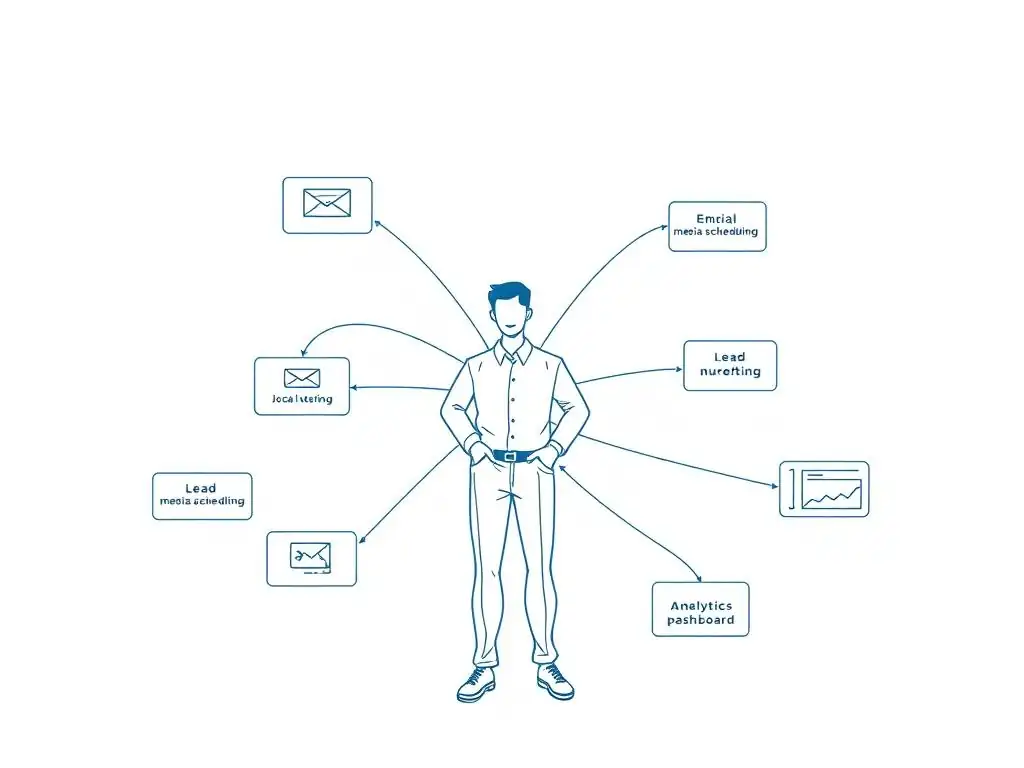
Choosing the right marketing automation tool can feel overwhelming, especially for beginners. The market is saturated with options, each promising to streamline your workflow and boost your marketing ROI. However, not all platforms are created equal, and selecting the wrong one can lead to wasted resources and frustration. This section will guide you through the process of selecting a tool that perfectly aligns with your needs and budget.
The key is to focus on your current marketing activities and projected growth. Are you a solopreneur just starting out, or a small business with a growing customer base? This will heavily influence your choice. Remember, the goal is to automate marketing tasks easily, not to add more complexity.
Top Marketing Automation Software Compared: HubSpot, Mailchimp, ActiveCampaign
Let's compare three popular platforms: HubSpot, Mailchimp, and ActiveCampaign. Each caters to different needs and budgets. This comparison focuses on ease of use for beginners, core features, and pricing.
| Feature | HubSpot | Mailchimp | ActiveCampaign |
|---|---|---|---|
| Ease of Use | Moderate; robust features can be complex | Easy; intuitive interface for beginners | Moderate; powerful features, steeper learning curve |
| Email Marketing | Robust; A/B testing, segmentation, automation | Robust; excellent for basic email campaigns | Robust; advanced automation and segmentation |
| CRM Integration | Built-in, powerful CRM | Basic CRM functionality | Strong CRM integration |
| Social Media | Integrated social media publishing | Limited social media integration | Social listening and publishing features |
| Landing Pages | Easy to create and customize | Basic landing page creation | Robust landing page creation tools |
| Pricing | Starts free, but robust features require paid plans | Starts free, paid plans for advanced features | Paid plans only, various tiers available |
HubSpot: Offers a comprehensive suite of tools, including CRM, email marketing, landing pages, and social media management. It's powerful but can be overwhelming for complete beginners. The free plan provides a good starting point to explore its capabilities.
Mailchimp: Known for its user-friendly interface and excellent email marketing capabilities. It's a great option for beginners focusing primarily on email marketing and basic automation. Its free plan is generous, allowing you to manage a substantial subscriber list.
ActiveCampaign: A more advanced platform offering sophisticated automation workflows and robust CRM integration. It's ideal for businesses that need powerful automation features but requires a steeper learning curve than Mailchimp. It is a paid platform only.
Essential Features to Look for in Marketing Automation Platforms
Beyond the specific platforms, certain features are crucial for effective marketing automation, regardless of the tool you choose. Prioritizing these ensures you're investing in a system that will genuinely automate marketing tasks easily and improve your efficiency.
- Email Marketing Automation: This is the cornerstone of most marketing automation platforms. Look for features like automated email sequences (welcome series, nurture campaigns), A/B testing, and robust segmentation capabilities to target specific audience groups. Effective segmentation is key to personalized messaging and increased engagement.
- Lead Management and CRM Integration: A strong CRM (Customer Relationship Management) is vital for tracking leads, managing interactions, and nurturing relationships. Integration with your preferred CRM or a built-in CRM within the platform is essential for a streamlined workflow.
- Landing Page Creation: High-converting landing pages are crucial for generating leads. The platform should offer easy-to-use tools for creating and customizing landing pages without requiring extensive coding knowledge.
- Analytics and Reporting: Track your marketing performance with detailed reports and analytics dashboards. This data is essential for optimizing your campaigns and measuring your ROI. Look for platforms that provide clear, actionable insights.
- Integrations: Choose a platform with a wide range of integrations with other tools you use, such as your website, e-commerce platform, and social media channels. Seamless integration is key to a unified marketing ecosystem.
Setting a Budget for Your Marketing Automation Software
Budgeting for marketing automation software depends on your business needs and growth plans. Free plans are often available, but they usually have limitations on features and the number of contacts you can manage. Paid plans offer more advanced features and scalability, but costs can vary significantly.
Consider these factors when setting your budget:
- Number of contacts: Most platforms charge based on the number of contacts in your database. Estimate your current and projected contact growth.
- Required features: Advanced features like complex automation workflows and robust CRM integration typically cost more. Prioritize the features you truly need.
- Support and training: Consider the cost of support and training, especially if you're new to marketing automation. Some platforms offer excellent documentation and support resources, while others might require additional investment.
- Long-term scalability: Choose a platform that can grow with your business. Starting with a smaller plan and upgrading as needed is a common strategy.
Remember that investing in the right marketing automation software is an investment in your business's growth. By carefully considering your needs and budget, you can select a tool that will help you automate marketing tasks easily and achieve your marketing goals.
Step-by-Step Guide to Setting Up Your Marketing Automation System
This section provides a practical, step-by-step guide to setting up your marketing automation system. We'll focus on the essential elements to get you started automating marketing tasks easily and efficiently. Remember, choosing the right platform is crucial for your success. Consider factors like your budget, technical skills, and the specific marketing automation needs of your business.
Creating Your First Automated Email Campaign: A Simple Guide
Let's build your first automated email campaign! This is a foundational step in automating your marketing tasks. We'll use a hypothetical scenario to illustrate the process. Imagine you're launching a new ebook on "Effective Time Management Techniques."
First, you need to define your target audience. Who are you trying to reach? Let's say your ideal customer is a busy professional aged 25-45, interested in self-improvement and productivity. Next, segment your email list accordingly. This allows for personalized messaging, improving engagement.
Now, design your email sequence. A simple three-email sequence could look like this:
- Email 1 (Welcome Email): Sent immediately after signup. Subject: "Welcome to the Productivity Revolution!" Body: Thank you for subscribing! Here's a free chapter of our ebook.
- Email 2 (Value-Driven Email): Sent 3 days later. Subject: "Unlock Your Time: 3 Proven Techniques." Body: Provides a sneak peek into the ebook's content, highlighting key benefits.
- Email 3 (Offer Email): Sent 7 days later. Subject: "Download Your Copy of Effective Time Management Techniques!" Body: A compelling call to action to download the full ebook.
Remember to A/B test different subject lines and email content to optimize your campaign's performance. Track your open rates, click-through rates, and conversions to measure the effectiveness of your automated email campaign. This iterative process is key to refining your marketing automation strategy and automating marketing tasks easily over time. Don't be afraid to experiment!
Social media marketing can be time-consuming. Automating tasks allows you to maintain a consistent presence and engage your audience effectively. Here's how to automate some common social media tasks:
- Scheduling Posts: Utilize scheduling tools to plan and schedule your posts across various platforms. This ensures consistent content delivery even when you're busy. Consider using different posting times for optimal reach. Analyze your audience's online activity to determine the best times to post.
- Social Listening: Monitor mentions of your brand and relevant keywords. This helps you identify potential customers, address concerns, and track your brand's reputation. Automated tools can alert you to important conversations.
- Automated Responses: Set up automated responses to frequently asked questions (FAQs). This frees up your time and ensures prompt replies to your audience. Think of common questions and craft helpful automated responses.
- Lead Generation: Integrate social media with your marketing automation platform to capture leads directly from social media channels. Use targeted advertising and engaging content to attract potential customers.
Remember that while automation is powerful, it shouldn't replace genuine engagement. Always maintain a human touch in your interactions. Think of automation as a tool to enhance your social media efforts, not replace them. The goal is to automate marketing tasks easily while maintaining authentic communication.
Integrating Marketing Automation with Your CRM for Better Lead Management
Integrating your marketing automation system with your Customer Relationship Management (CRM) is crucial for effective lead management. This integration allows for seamless data flow between the two systems, providing a holistic view of your customers.
Here are the key benefits of this integration:
| Benefit | Description |
|---|---|
| Improved Lead Scoring: | Automatically score leads based on their interactions with your marketing materials. |
| Targeted Segmentation: | Segment your audience more effectively based on CRM data, allowing for highly personalized marketing campaigns. |
| Enhanced Lead Nurturing: | Deliver personalized nurturing sequences based on lead behavior and CRM data, improving conversion rates. |
| Streamlined Sales Process: | Provide sales teams with up-to-date information on leads, improving sales efficiency. |
| Better Customer Insights: | Gain a deeper understanding of your customers' behaviors and preferences. |
This integration allows you to automate marketing tasks easily and effectively manage your leads throughout the sales funnel. By leveraging the combined power of your marketing automation and CRM systems, you can create a more efficient and effective marketing machine. Proper integration requires careful planning and configuration, but the rewards are significant. Consider the specific features offered by your chosen systems to ensure seamless data exchange.
Advanced Marketing Automation Techniques for Increased Efficiency
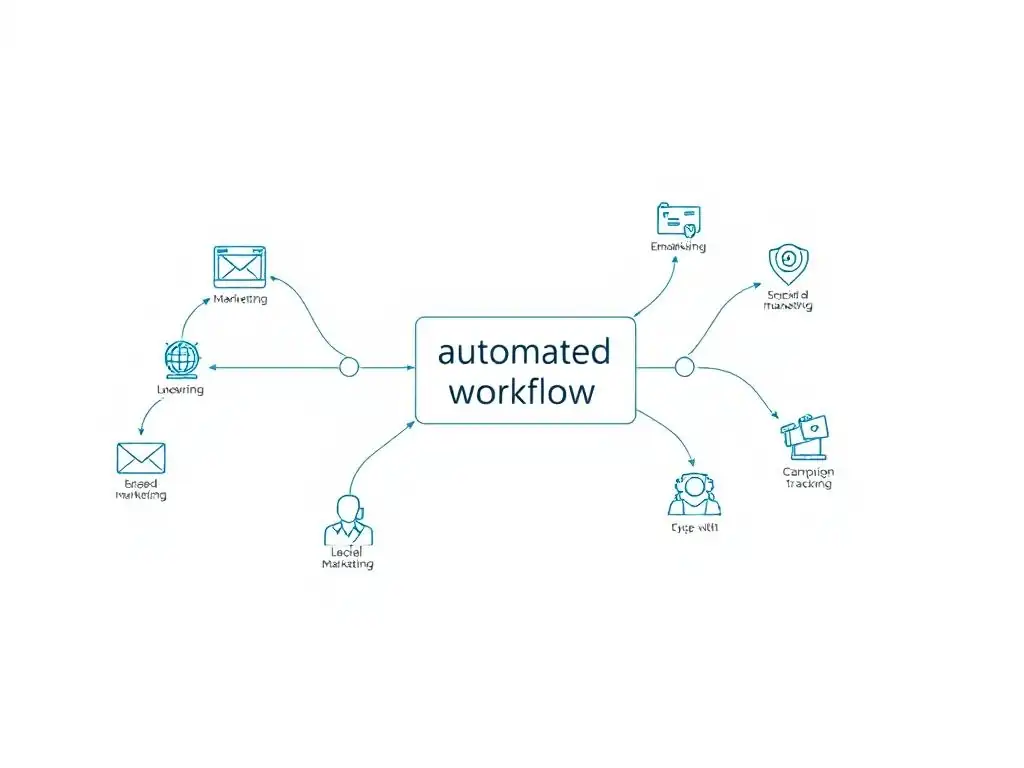
This section delves into more sophisticated strategies to truly automate marketing tasks easily and maximize your return on investment. Moving beyond basic automation setup, we'll explore techniques to refine your campaigns and achieve superior results. Remember, effective automation isn't just about setting things up; it's about continuous optimization and refinement.
Personalizing Automated Email Messages for Higher Engagement
Generic automated emails often end up in the spam folder or are simply ignored. Personalization is key to boosting engagement. Instead of sending the same message to everyone, leverage the data you collect to tailor your emails. This can dramatically improve open rates and click-through rates.
Consider these personalization options:
- Using subscriber names: This is the most basic but effective technique. Simply addressing the email with the subscriber's name creates a more personal touch.
- Segmenting your audience: Divide your subscribers into groups based on demographics, behavior, or interests. This allows you to send targeted messages that resonate with specific segments. For example, you could segment by purchase history, sending promotional emails about related products to customers who have previously purchased similar items.
- Dynamic content: Employing dynamic content allows you to change the content of an email based on individual user data. This could involve showcasing products relevant to their browsing history or displaying personalized recommendations. For instance, an e-commerce site could display products viewed but not purchased in a follow-up email.
- Personalized recommendations: Utilize data analysis to suggest relevant products or services to each subscriber based on their past behavior and preferences. This is particularly effective in e-commerce and subscription-based businesses.
Remember, personalization doesn't have to be overly complex. Even small touches can make a big difference in engagement rates. A/B testing different levels of personalization will help you determine the optimal approach for your audience.
A/B Testing Your Automated Campaigns for Optimal Results
A/B testing is crucial for optimizing your automated marketing campaigns. It involves creating two versions of an email or campaign element (subject line, call-to-action, image, etc.) and sending them to different segments of your audience. By analyzing the results, you can identify which version performs better and refine your future campaigns accordingly.
Here's a breakdown of how to effectively A/B test your automated campaigns:
- Focus on one variable at a time: Don't change multiple elements simultaneously. Isolate one variable (e.g., subject line) and compare its performance across different versions. This allows you to pinpoint the most effective element.
- Use a statistically significant sample size: Ensure you have enough data to draw reliable conclusions. A smaller sample size might lead to inaccurate interpretations.
- Track key metrics: Monitor metrics like open rates, click-through rates, conversion rates, and unsubscribe rates to gauge the success of each variation.
- Iterate and refine: A/B testing is an ongoing process. Continuously analyze your results and adjust your campaigns based on what you learn. Don't be afraid to experiment with different approaches.
Think of A/B testing as a continuous learning process. The more you test, the better you'll understand your audience and what resonates with them, leading to more effective automated marketing campaigns.
Tracking and Analyzing Your Marketing Automation Performance: Key Metrics
Measuring the effectiveness of your marketing automation is essential for continuous improvement. Tracking key metrics allows you to identify areas for optimization and ensure your efforts are yielding positive results. Ignoring analytics is like driving blindfolded – you might get somewhere, but it's unlikely to be your desired destination.
Here are some crucial metrics to monitor:
| Metric | Description | Importance |
|---|---|---|
| Email Open Rate | Percentage of recipients who opened your email. | Indicates the effectiveness of your subject line and sender reputation. |
| Click-Through Rate (CTR) | Percentage of recipients who clicked a link in your email. | Measures the engagement with your email content and the effectiveness of your call to action. |
| Conversion Rate | Percentage of recipients who completed a desired action (e.g., purchase, signup). | Shows the overall success of your campaign in achieving your marketing objectives. |
| Bounce Rate | Percentage of emails that weren't delivered. | Helps identify issues with your email list hygiene and deliverability. |
| Unsubscribe Rate | Percentage of recipients who unsubscribed from your email list. | Indicates whether your content is relevant and engaging to your audience. |
| Customer Lifetime Value (CLTV) | The predicted net profit attributed to the entire future relationship with a customer. | A crucial metric for long-term marketing success. |
By regularly reviewing these metrics, you can gain valuable insights into the performance of your marketing automation strategies and make data-driven adjustments to improve their effectiveness. Remember to automate marketing tasks easily but also intelligently. Continuous monitoring and analysis are fundamental to achieving this.
Automate Marketing Tasks Easily: Practical Tips and Tricks
This section dives into actionable strategies to streamline your marketing workflow and automate repetitive tasks, ultimately saving you valuable time and resources. We'll explore specific techniques that allow you to easily automate marketing tasks, boosting efficiency and maximizing your impact. The goal is to empower you to focus on higher-level strategic initiatives rather than getting bogged down in mundane activities.
Best Practices for Successful Marketing Automation
Implementing marketing automation effectively requires a strategic approach. It's not simply about choosing a platform and setting it to run; it's about thoughtful planning and execution. Here are some key best practices:
- Define Clear Goals and Objectives: Before diving into automation, clearly define what you hope to achieve. Are you aiming to increase lead generation, improve customer engagement, or boost sales? Specific, measurable, achievable, relevant, and time-bound (SMART) goals are crucial. For example, instead of aiming to "improve lead generation," set a goal like "increase qualified leads by 20% in the next quarter through automated email nurturing."
- Segment Your Audience: Generic marketing messages rarely resonate. Leverage automation to segment your audience based on demographics, behavior, and engagement levels. This allows you to deliver personalized content that is more likely to convert. Think about segmenting by purchase history, website activity, or even responses to previous marketing campaigns.
- Develop High-Quality Content: Automated marketing relies heavily on the quality of your content. Invest time in creating compelling, valuable content that resonates with your target audience. This could include email sequences, blog posts, social media updates, and more. Poor quality content will hinder your efforts, even with sophisticated automation.
- Choose the Right Tools: The market offers a wide range of marketing automation platforms. Select a platform that aligns with your budget, technical skills, and specific needs. Consider factors like ease of use, integration capabilities, and reporting features. Thoroughly research different options before committing to one.
- Monitor and Optimize: Marketing automation isn't a "set it and forget it" process. Regularly monitor your campaigns' performance, track key metrics (open rates, click-through rates, conversion rates), and make adjustments as needed. Continuous optimization is essential to maximize your ROI. A/B testing different approaches is critical for ongoing improvement.
Common Mistakes to Avoid When Automating Your Marketing
Even with the best intentions, common pitfalls can hinder the success of marketing automation. Avoiding these mistakes is crucial for maximizing efficiency and achieving your goals.
| Mistake | Description | Solution |
|---|---|---|
| Neglecting Segmentation | Sending generic messages to your entire audience. | Segment your audience based on demographics, behavior, and engagement levels. |
| Ignoring Data Analysis | Failing to track key metrics and make data-driven adjustments to your campaigns. | Regularly monitor campaign performance and use data to optimize your strategy. |
| Poorly Designed Email Sequences | Creating email sequences that are irrelevant, too long, or lack a clear call to action. | Develop concise, engaging email sequences with a clear purpose and a compelling call to action. |
| Lack of Personalization | Sending impersonal, generic messages that fail to connect with your audience on an individual level. | Personalize your messages using data points like name, purchase history, or website activity. |
| Overlooking Integration Issues | Failing to properly integrate your marketing automation platform with other marketing tools. | Ensure seamless integration between your marketing automation platform and other relevant tools. |
| Neglecting Compliance | Failing to adhere to relevant data privacy regulations (e.g., GDPR, CCPA). | Implement data privacy measures and ensure compliance with all relevant regulations. |
Staying Ahead of the Curve: Future Trends in Marketing Automation
The landscape of marketing automation is constantly evolving. Staying ahead of the curve requires awareness of emerging trends and technologies.
- AI-Powered Personalization: Artificial intelligence (AI) is rapidly transforming marketing automation. AI-powered tools can analyze vast amounts of data to create highly personalized customer experiences at scale. Expect to see increased adoption of AI-driven personalization in email marketing, website content, and advertising.
- Increased Focus on Data Privacy: With growing concerns about data privacy, marketing automation will increasingly prioritize data security and compliance. Expect to see greater emphasis on transparent data practices and tools that facilitate compliance with regulations like GDPR and CCPA.
- Omnichannel Marketing Automation: Integrating marketing automation across multiple channels (email, social media, SMS, etc.) will become even more crucial. Seamless omnichannel experiences will be key to engaging customers effectively.
- Predictive Analytics: Leveraging predictive analytics to anticipate customer behavior and personalize marketing campaigns will become increasingly important. This allows for proactive engagement and improved conversion rates.
- The Rise of No-Code/Low-Code Platforms: More user-friendly, no-code/low-code marketing automation platforms will continue to emerge, making automation accessible to businesses of all sizes and technical expertise levels. This will democratize access to powerful marketing tools.
The ability to automate marketing tasks easily is transforming how businesses engage with their audiences. By embracing best practices, avoiding common mistakes, and staying informed about future trends, you can effectively leverage marketing automation to achieve your business goals and gain a competitive edge. Remember, consistent optimization and data-driven decision-making are key to long-term success.
Resources and Further Learning: Automate Your Marketing Success
This section provides valuable resources to help you delve deeper into the world of marketing automation and effectively automate marketing tasks easily. We've compiled a selection of books, online courses, and blogs to support your learning journey and help you build a robust, long-term marketing automation strategy.
Recommended Books and Online Courses on Marketing Automation
Choosing the right learning resources is crucial for mastering marketing automation. Here are some highly-rated options catering to different learning styles and experience levels:
- Books:
- Marketing Automation for Dummies – A great starting point for beginners, offering a clear, accessible introduction to the core concepts. It effectively breaks down complex topics into manageable chunks, making it perfect for those new to automation.
- The Automation Advantage: How to Implement Marketing Automation for Small to Medium-Sized Businesses – This book focuses on practical implementation strategies, providing real-world examples and actionable steps for SMBs. It emphasizes ROI and efficient resource allocation.
- Building a Marketing Automation Strategy: From Strategy to Execution – This book delves into the strategic aspects of marketing automation, guiding you through the process of planning, implementing, and optimizing your automation strategy. It provides a framework for long-term success.
- Online Courses:
- Coursera/edX Marketing Automation Specializations: These platforms offer comprehensive courses, often taught by industry experts, providing in-depth knowledge and practical exercises. Look for specializations focusing on specific platforms like HubSpot or Marketo, or broader automation strategies.
- Udemy Marketing Automation Courses: Udemy offers a wide array of courses on marketing automation, ranging from beginner to advanced levels. Many courses include downloadable resources, templates, and practical exercises. Be sure to check reviews and course outlines before enrolling.
- HubSpot Academy's Inbound Marketing Certification: While not solely focused on marketing automation, this certification covers many aspects of inbound marketing, including automation tools and strategies, providing a holistic understanding of the subject.
Top Blogs and Websites for Marketing Automation Insights
Staying updated on the latest trends and best practices is crucial in the ever-evolving field of marketing automation. These blogs and websites offer valuable insights, expert opinions, and practical tips:
- HubSpot Blog: A leading resource for inbound marketing, including extensive coverage of marketing automation tools, strategies, and case studies. They consistently publish high-quality, informative content.
- Marketo Blog: Focused on marketing automation solutions, this blog provides in-depth analyses, expert interviews, and practical advice for leveraging Marketo's platform and broader automation concepts.
- Neil Patel's Blog: While broader than just marketing automation, Neil Patel's blog frequently covers relevant topics, offering actionable strategies and data-driven insights. He often tackles automation within the context of broader digital marketing strategies.
- MarketingProfs: This resource provides a wide range of articles, webinars, and case studies related to marketing automation, offering different perspectives and insights from various industry experts.
Building a Strong Foundation for Long-Term Marketing Automation Success
Successfully automating your marketing tasks easily requires more than just implementing tools; it demands a strategic approach. Consider these key elements for building a sustainable automation strategy:
- Clear Goals and Objectives: Define specific, measurable, achievable, relevant, and time-bound (SMART) goals for your marketing automation efforts. What do you want to achieve? Increased leads? Improved conversion rates? Higher customer lifetime value? Clearly defined goals will guide your strategy and measure your success.
- Data-Driven Decision Making: Marketing automation thrives on data. Regularly analyze your campaign performance, track key metrics, and use the insights to optimize your strategies. Experimentation and iterative improvement are essential.
- Integration with Existing Systems: Ensure your marketing automation platform integrates seamlessly with your CRM, email marketing platform, and other relevant tools. This ensures data consistency and efficient workflow.
- Continuous Learning and Adaptation: The landscape of marketing automation is constantly evolving. Stay updated on the latest trends, tools, and best practices to maintain a competitive edge and optimize your strategies. Regularly review and adapt your approach as needed.
- Prioritization and Focus: Don't try to automate everything at once. Start with the most impactful processes and gradually expand your automation efforts as you gain experience and expertise. This phased approach allows for manageable implementation and avoids overwhelming your team.
Remember, automating your marketing tasks easily is a journey, not a destination. By leveraging these resources and focusing on a strategic approach, you can build a robust and effective marketing automation system that drives sustainable growth for your business.
Frequently Asked Questions
What is marketing automation?
Marketing automation is the process of automating repetitive marketing tasks. This includes things like email marketing, social media posting, and lead nurturing, freeing up your time to focus on strategic initiatives. It uses software to streamline these processes.
How can I automate my marketing tasks easily?
Start by identifying your repetitive tasks, such as sending newsletters or posting on social media. Then, choose a marketing automation platform that integrates with your existing tools. Begin with one or two automated processes and gradually expand.
What are the benefits of using marketing automation?
Marketing automation significantly improves efficiency and productivity, allowing you to reach more customers with less effort. It also helps you personalize your marketing, leading to increased engagement and conversions. You'll also gain valuable data and insights.
What are some examples of marketing automation tasks?
You can automate email marketing campaigns (welcome emails, abandoned cart reminders), social media posting, lead nurturing sequences, and even chatbots for customer service. The possibilities are vast.
Is marketing automation expensive?
There's a wide range of marketing automation tools available, from free options to enterprise-level solutions. The cost depends on the features you need and the size of your business. Many offer free trials to help you determine what's right for you.
Final Reflection: Unlocking Growth Through Automated Marketing
The ability to automate marketing tasks easily is no longer a luxury; it's a necessity for survival in today's fast-paced digital landscape. Businesses that fail to embrace automation risk being left behind, struggling to compete with more agile and efficient competitors. The sheer volume of data and the ever-increasing demands on marketers make automation not just beneficial, but crucial for achieving sustainable growth.
The impact of marketing automation extends far beyond simply saving time; it fundamentally reshapes the relationship between businesses and their customers. By personalizing interactions and delivering the right message at the right time, automation fosters stronger customer relationships and boosts loyalty. This shift towards personalized, data-driven marketing is profoundly changing the way businesses operate and interact with their audiences. The future of marketing is not about the number of customers you have, but the depth of your relationship with each one.
This quote perfectly encapsulates the transformative power of automation in building meaningful connections.
Now, it's your turn. Take what you've learned from this guide and begin to explore the world of marketing automation. Don't be intimidated by the technology; start small, identify your key pain points, and gradually implement automation solutions that address those needs. The journey towards streamlined, efficient, and highly effective marketing is within your reach. Embrace the possibilities, and watch your business flourish.
Unlock Your Marketing Potential: Get Started Today!
Thank you for exploring the world of marketing automation! You now have the foundational knowledge to streamline your processes and significantly improve your results. Ready to put this knowledge into practice?
- Start with one small automation this week: Select a single task from the guide—perhaps setting up automated email responses or scheduling social media posts. Even small steps can make a big difference!
- Share your key learning: Which aspect of marketing automation resonated most with you? Let's discuss it in the comments below! Sharing your experiences can help others on their journey.
- Explore advanced techniques: Now that you understand the fundamentals, delve deeper into more sophisticated strategies. We have many resources available to help you on this next step.
What's your first automation success going to be?