From Zero to Meal Prep Hero: A Beginner's Guide to Success
😊 Conquer kitchen chaos! This beginner-friendly guide simplifies meal prepping, offering easy strategies and recipes to save time and eat healthier. Master…
Read article
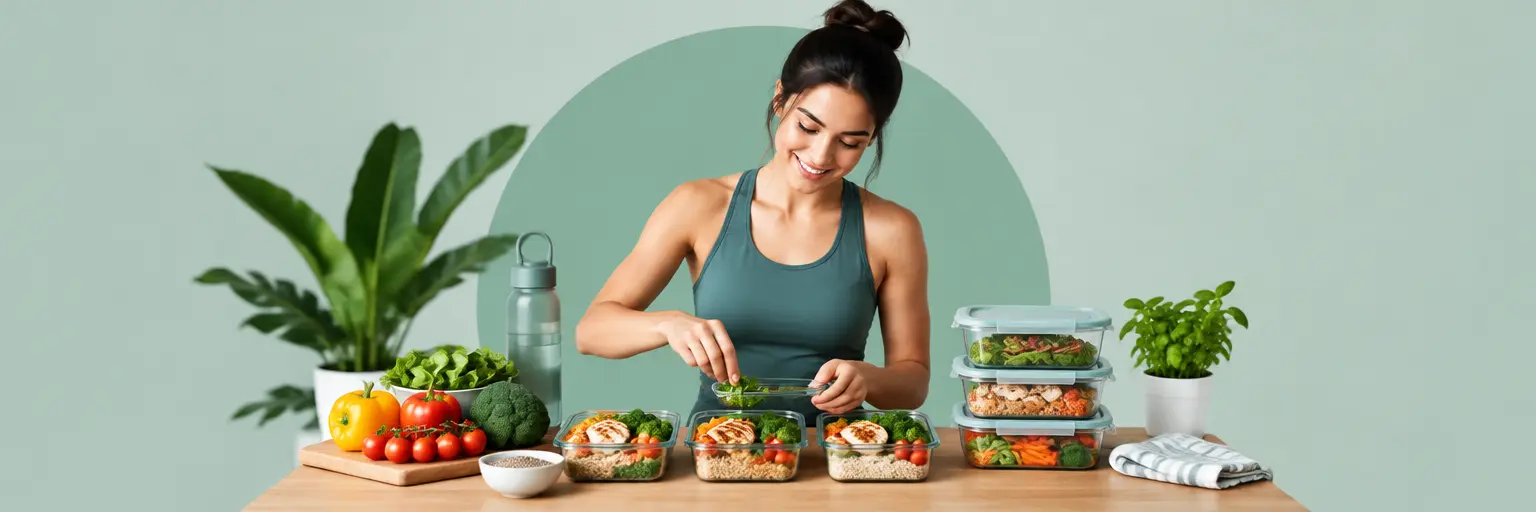
New to meal prep? Start smart with simple, stress-free strategies that save you hours in the kitchen and keep your healthy eating goals on track. From batch-cooking staples to storing ingredients in clear containers, these beginner-friendly hacks help you plan, prep, and portion like a pro—without the overwhelm. Learn how to choose easy-to-freeze recipes, use time-saving shortcuts like overnight oats and sheet-pan dinners, and build a weekly routine that fits your lifestyle. Turn meal prepping into your most powerful productivity tool for better nutrition and more free time every day.
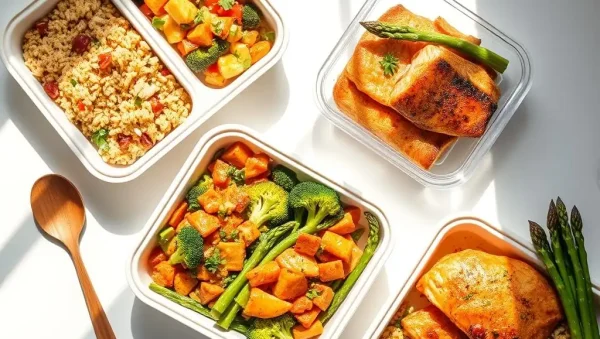
😊 Conquer kitchen chaos! This beginner-friendly guide simplifies meal prepping, offering easy strategies and recipes to save time and eat healthier. Master…
Read article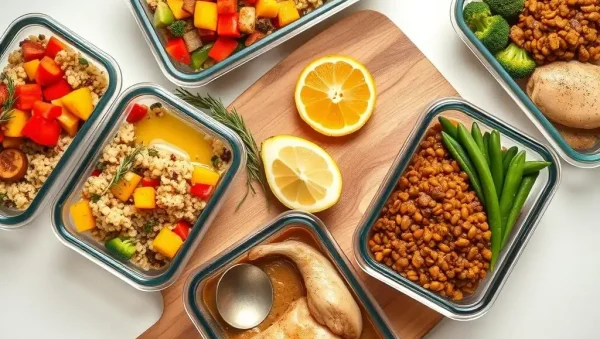
😊 Conquer budget constraints and time crunches with our guide to cheap meal prep for beginners! Learn simple, efficient strategies to plan,…
Read articleEmbarking on a meal prep journey is one of the most impactful life hacks you can adopt for both your health and your productivity. If you’ve ever stared at a fridge full of ingredients with no plan, or resorted to takeout because you were too tired to cook, this subcategory is your roadmap. Here, we strip away the intimidation and show you how to batch-cook, portion, and store meals that save you hours each week while keeping your nutrition goals on track. Whether you’re a busy professional, a parent, or a fitness newbie, these beginner-friendly strategies turn chaotic weekdays into effortless, healthy routines.
Meal prepping isn’t just about eating well; it’s about reclaiming your time. By dedicating 2-3 hours on a Sunday, you eliminate daily decisions about “what’s for dinner” and the 30-45 minutes spent cooking each evening. That’s up to 5 hours saved weekly—time you can reinvest in exercise, hobbies, or simply relaxing. For beginners, the key is to start small: prep just 2-3 dinners or lunches, not an entire week’s worth of every meal. This lowers the barrier to entry and prevents overwhelm, making the habit stick.
Beyond time, this approach reduces food waste and impulse spending. When you have pre-portioned containers in your fridge, you’re less likely to order pricey takeout or let fresh produce rot. Financially, meal prepping can cut your grocery bill by 20-30%, as you buy only what’s on your plan. For those seeking efficiency hacks, this practice also means fewer dishes to wash daily and a calmer kitchen environment, turning a chaotic chore into a streamlined system.
You don’t need a professional kitchen to start, but the right gear makes all the difference. Invest in a set of glass or BPA-free plastic containers with tight-fitting lids—ideally divided ones for proteins, grains, and veggies. Glass is durable, microwave-safe, and doesn’t retain odors, while lightweight plastic is great for carrying to work. Also grab a digital food scale (for portion control), a set of measuring cups, and a quality chef’s knife. A slow cooker or instant pot is a bonus for hands-off cooking, but a sheet pan and stovetop skillet are enough to begin.
Understand the art of layering: store wet ingredients (like sauces) separately to keep meals fresh longer. Use mason jars for salads—dressing at the bottom, veggies in the middle, greens on top—to avoid sogginess. Label every container with the dish name and date using painter’s tape or a dry-erase marker. This simple habit prevents “mystery food” syndrome and helps you follow a first-in, first-out rotation. With these tools, your prep session becomes quicker, and your meals stay vibrant for 4-5 days.
Start with recipes that share common ingredients to minimize prep time. For example, a “batch of shredded chicken” can be used in salads, wraps, or rice bowls throughout the week. Season it simply with salt, pepper, garlic powder, and olive oil, then roast or boil. Similarly, cook a large batch of quinoa or brown rice—it’s a versatile base that pairs with any protein. For veggies, roast a mix of broccoli, bell peppers, and sweet potatoes on a sheet pan with a drizzle of olive oil and Italian herbs.
Another beginner favorite is “overnight oats” for breakfast: mix rolled oats, milk, chia seeds, and your choice of fruit in a jar, refrigerate, and grab it in the morning. For lunch, try a “buddha bowl”—pre-cooked grains, beans, raw spinach, cherry tomatoes, and a dollop of hummus or tahini dressing. These recipes require no advanced techniques, are forgiving to leftovers, and freeze well. Batch-cook on Sunday, then simply assemble or reheat, giving you a stress-free week of nutritious meals that taste anything but repetitive.
Planning is the backbone of meal prep, but it doesn’t have to be a complex spreadsheet. Start with a simple 3-day rotating menu: pick 3 dinner recipes, 2 lunch ideas, and a basic breakfast template. Write out the ingredients for each, then cross-reference to see where you can use the same item (e.g., a bag of spinach for salads and smoothies). Your shopping list should have categories—produce, proteins, pantry, dairy—to speed up your grocery run. Stick to the perimeter of the store for fresh items, and only visit the aisles for grains, spices, and canned goods.
To avoid burnout, designate one “theme” per week: “Mexican Monday” (taco bowls), “Sheet Pan Tuesday” (chicken fajitas), and so on. This adds fun and reduces decision fatigue. Use your phone’s notes app or a whiteboard for your menu; seeing it visually helps you commit. When you shop, buy in bulk but plan for leftovers—cook once, eat twice. For example, grill extra chicken breast, then slice it for wraps the next day. This “strategic cooking” cuts prep time in half while keeping variety high.
The biggest beginner mistake is trying to prep every meal for seven days—that’s unrealistic and leads to food going bad by day 4. Instead, prep only 2-4 days ahead for maximum freshness. Another pitfall is skipping variety; eating the same chicken and broccoli for days gets boring, so rotate 2-3 different proteins or sauces. Also, avoid over-storing: keep your fridge organized with a “prep shelf” at eye level, so you see your meals first thing when you open the door. Clear containers are key to remembering what you have.
To stay motivated, track your success—note the money saved and hours freed each week. Join a community or buddy system to share ideas and hold yourself accountable. When you hit a rut, switch up your spices or try one new recipe each week. Remember, meal prep is a flexible hack, not a rigid chore. If you miss a week, it’s okay—just restart with a simple dish. Celebrate small wins like prepping once a week for a month; soon it becomes a rewarding habit that keeps your energy and willpower high throughout busy days.
Most cooked dishes (grains, proteins, roasted vegetables) stay safe and tasty for 3 to 4 days when stored in airtight containers at or below 40°F. Salads with dressing are best made fresh or kept for 1-2 days. If you need to exceed 4 days, freeze individual portions—they last up to 3 months without quality loss. Always label with dates and trust your nose; if it smells off, toss it.
You can absolutely combine raw ingredients (like fresh spinach, cherry tomatoes, or sliced cucumber) with cooked proteins and grains in the same container. Just store them separately within the container (use dividers or small silicone cups) to prevent moisture transfer. For greens, keep them dry and add dressing right before eating. This mix not only saves time but also enhances texture and nutrition.
You can start with zero special equipment using just a few reusable plastic containers you already own, a basic skillet, and a pot for boiling. Cook a big batch of beans or lentils, steam rice, and sauté chopped vegetables—no fancy appliances needed. Use mason jars or regular bowls for salads. The initial investment is under $10 for labels and a sharper knife, making it accessible to anyone.
Yes, focus on vertical storage and stackable containers. Prepare only 2-3 days of meals at a time, and use shelf organizers to maximize space. Store compact items like overnight oats in the door, and dedicate one shelf entirely to your prep containers. If you share a fridge, use color-coded lids or your name to claim your portion—it’s communal and efficient.
Meal prepping is completely adaptable to any goal. For muscle gain, you can prep high-calorie, protein-rich meals like chicken thighs, brown rice, avocado, and nut butters in larger portions. For weight loss, use smaller containers with lean proteins and more vegetables. The key is controlling portions and macros. Many bodybuilders and athletes rely on meal prep to hit daily protein targets consistently without cooking mid-week.