Vegetarian Meal Prep for Families: KidFriendly Recipes They'll Devour
😊 Conquer family mealtimes with our kid-friendly vegetarian meal prep plans! Quick, easy recipes the whole family will love, maximizing your time…
Read article
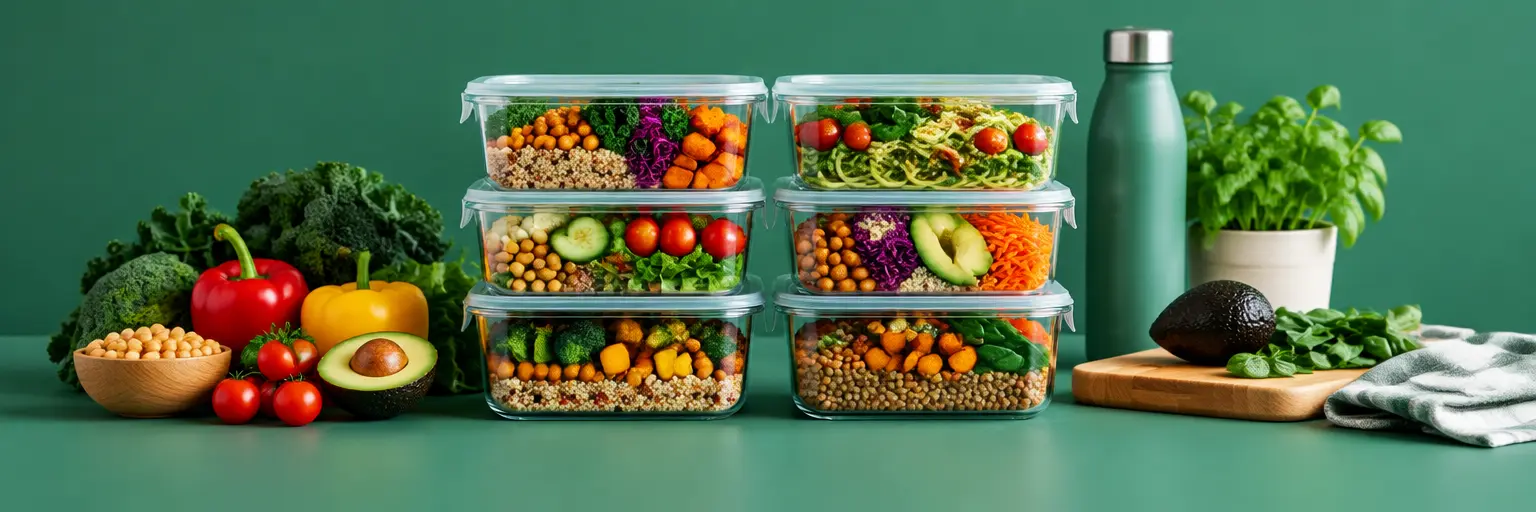
Transform your kitchen into a wellness powerhouse with smart, time-saving vegetarian and vegan meal prep strategies that slash daily cooking stress while boosting nutrition. From batch-cooking hearty legumes and roasting colorful veggies to freezer-friendly grains and no-cook sauce shortcuts, these hacks turn plant-based eating into a streamlined, delicious routine. Learn how to prep proteins like tofu, tempeh, and chickpeas in minutes, use versatile marinades, and store fresh produce for maximum crunch and longevity—all while cutting food waste and saving precious hours each week. Whether you’re a busy professional, a fitness enthusiast, or a curious beginner, this guide helps you build a sustainable, flavorful meal prep system that keeps you energized, satisfied, and ahead of your health goals. Say goodbye to last-minute takeout and hello to effortless, plant-powered meals—ready when you are.
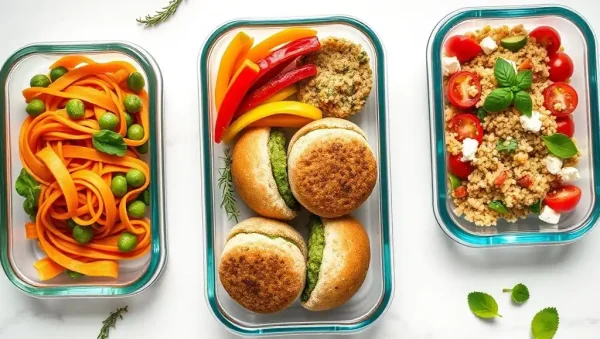
😊 Conquer family mealtimes with our kid-friendly vegetarian meal prep plans! Quick, easy recipes the whole family will love, maximizing your time…
Read article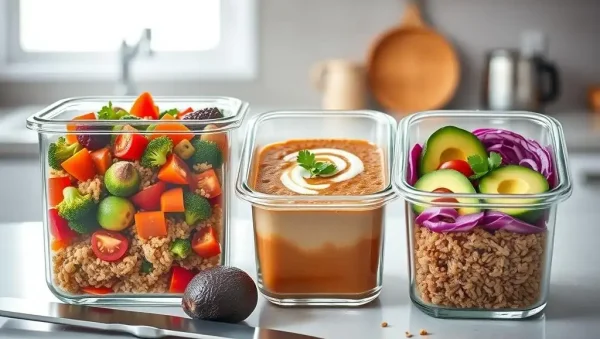
😊 Conquer your week with effortless vegan meal prep! Our time-saving strategies transform fridge ingredients into delicious, healthy meals, minimizing cooking time…
Read article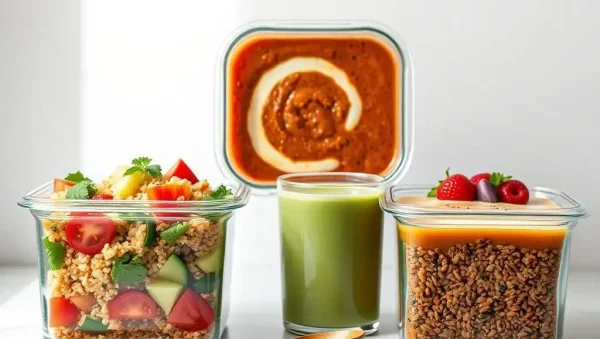
🤔 Conquer your weeknights with our 30-minute vegan meal prep recipes! Perfect for busy people, these quick and easy plans ensure delicious,…
Read articleWelcome to the heart of your plant-based journey! Vegetarian and vegan meal prep isn’t just about chopping veggies on Sunday—it’s a strategic life hack that saves you hours each week, reduces food waste, and keeps your energy steady. Whether you’re a busy professional, a student, or a parent juggling endless tasks, mastering plant-based meal prep transforms your kitchen into a time-saving machine. Below, we dive into actionable tips, storage secrets, and flavor-boosting tricks designed specifically for meat-free eaters. Get ready to streamline your routine, boost your nutrient intake, and enjoy delicious, ready-to-eat meals every single day.
Forget cooking every meal from scratch. Instead, focus on batch-cooking versatile components—grains, legumes, roasted veggies, and sauces—that you can mix and match. Spend 90 minutes prepping build-your-own bowls with quinoa, black beans, and sweet potatoes; or make a huge pot of lentil stew that lasts four days. The key is to cook once, eat multiple times, choosing items with similar cooking times to maximize oven and stovetop efficiency. This approach cuts daily decision fatigue and ensures you always have a protein-rich base ready.
A smart hack is to roast a sheet pan of mixed vegetables (bell peppers, zucchini, broccoli) with olive oil and smoked paprika. Store them separately from your grains, so textures stay distinct. Then, create three different meal profiles: a Buddha bowl, a wrap filling, and a warm salad topper. By preparing three grains, three proteins, and three sauces, you unlock nine unique combinations without extra effort. This variety keeps boredom away and makes sticking to your health goals effortless.
Proper storage is the unsung hero of vegan meal prep. Invest in glass containers with airtight lids—they’re microwave-safe, don’t stain from turmeric, and prevent odor transfer. Store leafy greens with a paper towel inside to absorb moisture; this trick keeps spinach and kale crisp for up to five days. For cooked grains, let them cool completely before sealing to avoid condensation that leads to mushiness. Use mason jars for salads, layering dressing at the bottom and hearty veggies on top; shake when hungry for a fresh crunch.
Another pro tip is to freeze portioned sauces in ice cube trays—think peanut sauce, cashew cream, or lemon-tahini dressing. Pop out cubes and add to stir-fries or bowls on busy nights. For tofu and tempeh, press and marinate before freezing; once thawed, they absorb flavors even better. Label everything with the date and contents, as vegan proteins can lose texture after 4–5 days in the fridge. Stick to a first-in, first-out rule to avoid waste and always enjoy peak flavor.
Meal prepping as a vegetarian or vegan requires intentional nutrition planning. To hit your iron, B12, and omega-3 targets, prep foods that enhance absorption. Pair iron-rich lentils or spinach with vitamin C—think lemon vinaigrette on your salad or orange slices with your chickpea curry. Prep a batch of ground flaxseed or chia seed mix to sprinkle on overnight oats or smoothies; this gives you lignans and ALA omega-3s. Also, pre-cook tempeh and natto (fermented soy) to boost B12 availability, though fortified nutritional yeast remains your best friend.
Create “power bowls” that cover all bases: a leafy green, a whole grain, a legume, a colorful vegetable, a healthy fat (avocado, nuts, olives), and a fortified component like nutritional yeast. Spend 10 minutes on Sunday washing, chopping, and portioning raw vegetables into snack bags (carrot sticks, cucumber coins, bell pepper strips). This makes it easy to grab a crunchy snack rather than reaching for processed chips. Always prep a trail mix with pumpkin seeds, walnuts, and dried apricots—a nutrient-dense snack that supports heart and brain health.
Leverage small appliances that dramatically cut your prep time. A food processor shreds cabbage, carrots, and beets in seconds for slaws or fritters. A pressure cooker (Instant Pot) turns dried beans into creamy perfection in 30 minutes without soaking, saving you both time and money. An air fryer crisps chickpeas and tofu bits while you chop other ingredients, giving you that satisfying crunch without deep frying. And a high-speed blender whips up smooth sauces, hummus, or even quick soup bases—just blend, pour, and store.
For ultra-efficiency, batch-prep in a “production line”. Peel and roast a tray of garlic cloves with herbs, then blend into a jar of olive oil for instant flavored dip. Use a rice cooker with a steamer basket to cook quinoa below and steam broccoli above simultaneously. Finally, get a spiralizer for zucchini noodles that last 3 days if stored dry; toss with sauce only when eating. These gadgets pay for themselves by eliminating repetitive chopping and stirring, freeing your evening hours for relaxation or other life hacks.
Bland plant-based meals ruin motivation, so prep flavor bombs that elevate any dish instantly. Make a batch of roasted red pepper sauce (blend peppers, cashews, garlic, and smoked paprika) that can be drizzled over grain bowls or used as a pizza base. Create pickled red onions in apple cider vinegar—they add tangy crunch to sandwiches, salads, or tacos. Also, prepare cilantro-mint chutney or sun-dried tomato pesto; both last a week and instantly upgrade plain tofu or roasted veggies.
Sauces are your best friend, so prep three different dressings: a tahini-lemon, a spicy peanut, and a balsamic-miso. Store them in squeeze bottles for quick drizzling. Do not forget spice blends—mix your own taco seasoning, curry powder, and Italian herb blend to avoid sodium-heavy store-bought mixes. Finally, roast a head of garlic and keep it in the fridge; spread it on toast or stir into hummus for a deep, savory umami flavor. These little touches make prepped meals feel gourmet, keeping you on track long-term.
Most cooked grains, legumes, and roasted vegetables remain safe and tasty for 4–5 days in airtight containers. Raw leafy greens last 5–7 days if stored with a dry paper towel. Tofu and tempeh should be consumed within 3–4 days, while sauces and dressings typically last 5–7 days. Always trust your nose and eyes; if it smells off or looks slimy, toss it.
Yes, but choose the right foods. Freeze cooked lentils, chickpeas, soups, and stews for up to 3 months. Tofu, if pressed and cubed, freezes well and gets a meatier texture. Avoid freezing leafy greens or watery vegetables like cucumber—they turn mushy. Thaw overnight in the fridge, then reheat gently.
Stick with lentils, chickpeas, black beans, edamame, tofu, tempeh, seitan, and quinoa. These hold up well during storage and reheating. To get complete proteins, mix grains with legumes (e.g., rice and beans). Add hemp seeds, pumpkin seeds, or nutritional yeast to boost protein and amino acid profile in any bowl.
Layer your salad in a jar with dressing at the bottom, then sturdy veggies (cucumber, carrots), then grains/proteins, and leafy greens on top. Keep dressing separate or add it at mealtime. Also, dry your greens thoroughly after washing—moisture is the enemy. Use a paper towel in the container to absorb extra humidity.
Absolutely. Buying dry beans, lentils, and bulk grains costs pennies per serving compared to restaurant meals. Preparing your own sauces and dressings saves money, too. Even with premium items like tofu or nuts, a prepped bowl averages 2–4 dollars per meal, versus 10–15 dollars out—so you save money while eating healthier.