BudgetFriendly Weight Loss: Delicious Meal Prep On a Dime
😊 Slash your grocery bill and shed those pounds with our cheap healthy meal prep recipes! Discover delicious, budget-friendly plans that streamline…
Read article
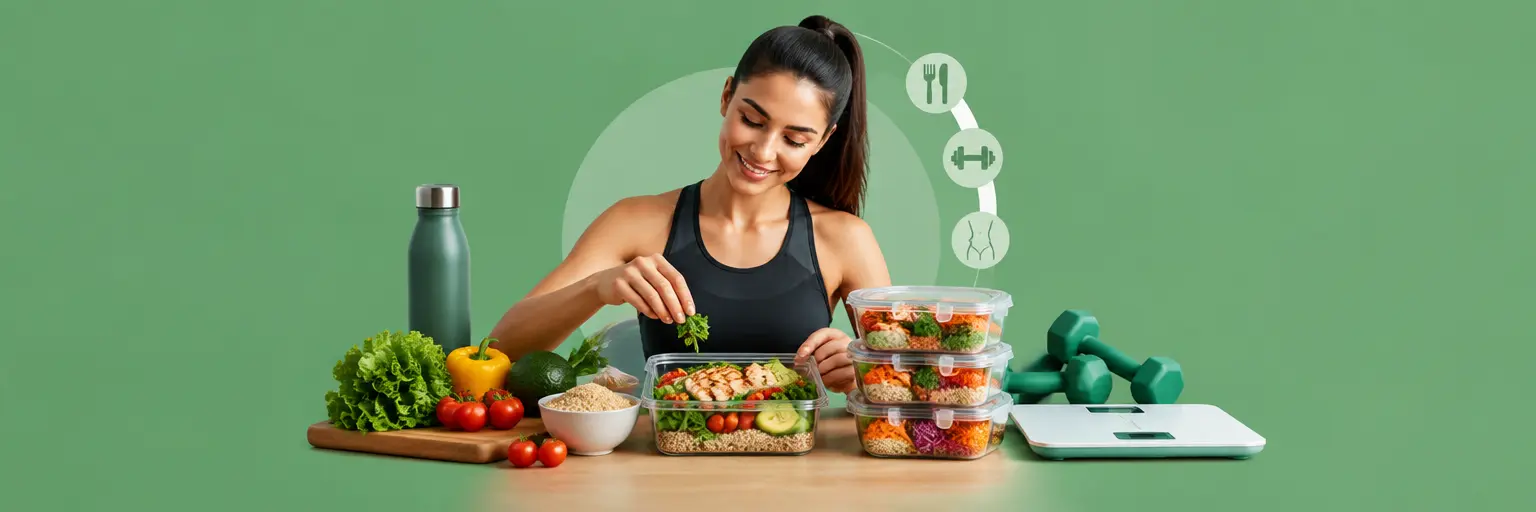
Meal prepping for weight loss isn’t just about cooking in bulk—it’s your ultimate strategy to take control of portions, cut cravings, and stay consistent even on chaotic days. By dedicating a few hours weekly to prepping balanced, nutrient-dense meals, you eliminate impulse eating and make the healthy choice the easy choice. Focus on lean proteins, fiber-rich veggies, and smart carbs to keep you full and energized while naturally lowering daily calories. Pre-portioning snacks and dinners also saves time, reduces food waste, and keeps your metabolism steady—no more skipped meals or last-minute fast food runs. Whether you’re batch-cooking grilled chicken, roasting sheet-pan veggies, or prepping overnight oats, these hacks turn weight loss from a struggle into a seamless routine that fits your busy life. Unlock the secret to effortless portion control and see results faster with smart, simple meal prep tailored to fat loss.
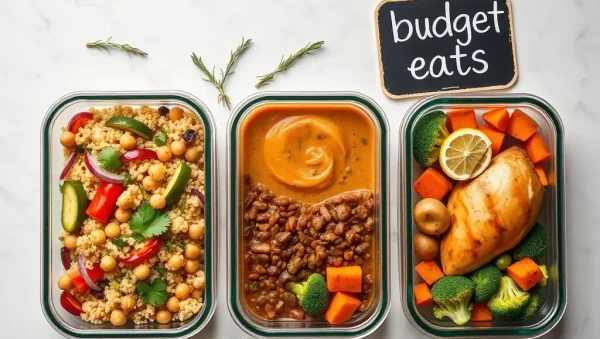
😊 Slash your grocery bill and shed those pounds with our cheap healthy meal prep recipes! Discover delicious, budget-friendly plans that streamline…
Read article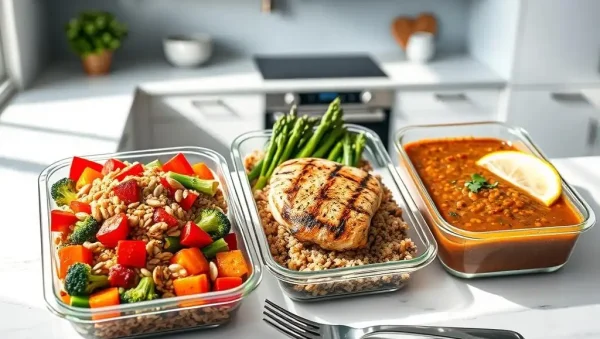
😊 Conquer weight loss without the struggle! This easy meal prep weight loss plan streamlines your week, offering delicious, healthy meals that…
Read articleMeal prepping isn’t just about saving time—it’s a powerful, science-backed approach to portion control, nutrient balance, and sustainable weight loss. On UltimateLifeHacks, we break down practical, no-nonsense methods to help you prep delicious, calorie-conscious meals without turning your kitchen into a stressful laboratory. Whether you’re a busy professional or a parent on the go, these tips will simplify your week, curb impulsive eating, and keep you on track with your fitness goals.
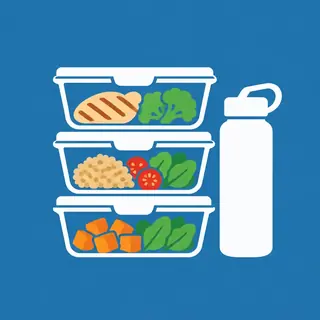
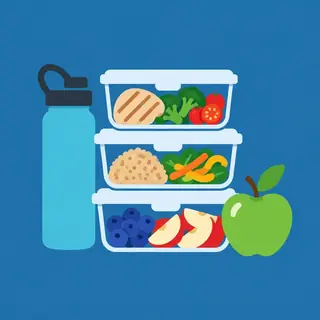
When you meal prep, you automatically gain clarity on what and how much you eat. By dividing your meals into single-serving containers, you eliminate guesswork and reduce the risk of overeating. A key strategy is using the plate method: fill half your container with non-starchy vegetables, a quarter with lean protein (chicken, tofu, fish), and a quarter with complex carbs (brown rice, quinoa, sweet potatoes). This visual template ensures balanced macros without needing a food scale every time.
Additionally, pre-portioning snacks—like nuts, Greek yogurt, or cut fruit—into small bags prevents mindless grazing. Many people lose weight simply by making themselves aware of portion sizes; research shows that visual cues significantly reduce calorie intake. Pair this with a weekly calorie target (calculated from your TDEE), and your prepped meals become a built-in tracking system. You’ll also save money by buying in bulk and reduce food waste, making healthy eating both economical and efficient.
The biggest barrier to healthy eating is lack of time, but batch cooking solves that in one weekend session. Start by choosing one protein (grilled chicken breast, lean ground turkey, or shredded beef), one carb (baked sweet potatoes, brown rice, or whole-grain pasta), and two to three vegetables (roasted broccoli, bell peppers, zucchini). Cook them in bulk—use sheet pans, a slow cooker, or an Instant Pot to handle multiple components simultaneously.
For maximum efficiency, use overlapping flavors: cook a large pot of chili or a stir-fry base that can be repurposed into different meals (e.g., Monday’s bowl, Tuesday’s wrap, Wednesday’s salad). Dedicate 90 minutes on Sunday to chop, roast, and portion. Keep a rotation of 3-4 “fallback” recipes you can assemble in under 10 minutes. This approach not only saves hours each week but also reduces decision fatigue, making it far easier to resist takeout temptations when you’re tired or stressed.
Proper storage is the unsung hero of meal prep. Use glass containers (they don’t leach chemicals and microwave safely) and label everything with the date. For cooked meals, store them in the fridge for up to 4 days; anything beyond that should go to the freezer. Freeze individual portions in silicone muffin trays or ziplock bags laid flat—this saves space and speeds defrosting. Always cool food completely before refrigerating to prevent bacterial growth.
To keep greens crisp, store washed lettuce in a container lined with paper towels, which absorbs moisture. For sauces and dressings, keep them separate until serving to avoid sogginess. Another genius hack: freeze herbs in olive oil using ice cube trays, giving you instant flavor bombs for sautéing. By mastering storage, you’ll reduce food waste and ensure every prepped meal tastes as fresh as day one, making it easier to stick to your weight loss plan without boredom.
Weight loss doesn’t mean eating less food—it means eating smarter. Focus on high-volume, low-calorie ingredients that keep you full for hours: cauliflower rice, zucchini noodles, leafy greens, and broth-based soups. For example, a “fried rice” made with cauliflower, shrimp, and egg gives you a massive bowl for under 400 calories. Similarly, a turkey and veggie chili is hearty, protein-packed, and freezes beautifully.
Incorporate protein at every meal (aim for 25-30g per meal) to preserve muscle mass and boost metabolism. Use Greek yogurt as a sour cream substitute, and blend cottage cheese into sauces for extra creaminess without fat. Don’t forget spices—cumin, smoked paprika, garlic powder, and chili flakes add flavor without calories, making healthy meals feel indulgent. Batch-prep these recipes and you’ll have a week of satisfying, guilt-free lunches and dinners ready to grab.
Technology can be your best weight-loss ally. Use apps like MyFitnessPal or Lose It! to log prepped meals—you can even scan barcodes and save custom recipes. This removes the effort of manual entry. Pair that with a food scale for accuracy; digital scales cost under $15 and transform your portion estimates into exact numbers. For meal planning, apps like Plan to Eat or Paprika let you store recipes, build weekly menus, and generate shopping lists automatically.
Set weekly reminders for your prep day and use a whiteboard or phone widget to display your menu. Many people find success with habit trackers—simply checking off “prepped today” reinforces consistency. If you prefer visual feedback, take a photo of each prepped container and review it weekly to see your progress. These tools turn meal prepping from a chore into a data-driven, motivating routine, helping you stay accountable and see the scale move in the right direction.
Prepping 4-5 lunches and 4-5 dinners for the week is ideal, leaving 1-2 flexible meals. This balances freshness (never store cooked food beyond 4 days) and convenience. For snacks, batch 7 small packs. If you’re new, start with just 3 lunches to build the habit, then expand once you’ve mastered your prep routine.
Absolutely. Use stackable rectangular containers with uniform shapes, and invest in a small extra shelf or collapsible storage bins. Freeze flat in ziplock bags to save vertical space. Prepare only 2 days’ worth of highly perishable items like salads, and focus on durable foods like roasted vegetables, grains, and proteins that last longer.
Create a “component pantry” with different sauces (teriyaki, pesto, salsa), spice blends, and pickled vegetables. Cook a base protein and carb, then vary the flavor profile each day—e.g., Mexican Monday, Italian Tuesday. Also, roast vegetables with different oils (olive, sesame) and seasonings to keep them interesting.
Yes, most cooked meals freeze safely for 2-3 months. Freeze portions in single-serve containers immediately after cooling. Defrost in the fridge overnight and reheat thoroughly to 165°F (74°C). Avoid freezing raw leafy greens or foods with high water content like watermelon; instead, freeze sturdy items like soups, stews, and casseroles.
Weight loss isn’t linear—focus on non-scale victories like better energy, looser clothes, and improved sleep. Use a measuring tape to track inches lost, and log your consistency (days prepped) rather than daily weigh-ins. Remember, meal prep builds long-term habits; even if the number stops, your body composition is likely improving.